REVIEW · SA PA
Sa Pa: 2-Day Trekking Trip with Ethnic Minority Homestay
Book on GetYourGuide →Operated by Vietnam Nomadtrails · Bookable on GetYourGuide
Rice terraces and village life, stitched into one trek. You’ll hike the Muong Hoa Valley with an English-speaking guide, meet ethnic minority communities along the way, and end with a real Dzay homestay night and hosted dinner. What I like most is the mix of mountain views and hands-on cultural moments, with guides such as Lan or Khu often doing a standout job of explaining what you’re seeing. The main consideration: if it’s rained recently, the trail can turn muddy and slippery.
This is a small-group outing (max 14), with hotel pickup in central Sa Pa and a return bus ride. If you’re in reasonable hiking shape, enjoy walking with locals and eating what’s cooked for you, it’s a great way to experience Sapa beyond viewpoints.
In This Review
- Key Things That Make This Trek Special
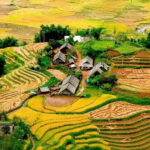
- Muong Hoa Valley Trek: The Walk That Explains Sapa
- Sa Pa Pickup and the First Village Day: Y Linh Ho, Lao Chai, Ta Van
- The Y Linh Ho stop and Black H’mong village moments
- Passing Lao Chai on the way to Ta Van
- Ending in a Dzay homestay
- Dzay Homestay Night: Dinner, Warmth, and the Small Details
- Hosted dinner: what you’re really buying
- Respect matters here
- Day 2 Trek: Bamboo Forest, a Waterfall Break, and Muong Hoa River Swim
- Passing a small H’mong village
- Bamboo forest: the mid-day scene changer
- Waterfall stop and cooling off in the Muong Hoa River
- Lunch and the ride back to Sa Pa
- Guide and Small-Group Dynamics: Why People Rave About Lan and Khu
- Expect locals to play a role on steeper or wetter sections
- Price and Value: Does $55 Cover What You’ll Actually Do?
- What to Pack (So the Trek Feels Good)
- Who This Trek Suits Best (And Who Should Skip It)
- Should You Book This Sapa 2-Day Trek with a Dzay Homestay?
- FAQ
- What does pickup include, and where does it happen?
- How long are the treks on each day?
- Where do I sleep for the night?
- What meals are included?
- Are drinks included?
- Is this trek suitable for everyone?
Key Things That Make This Trek Special
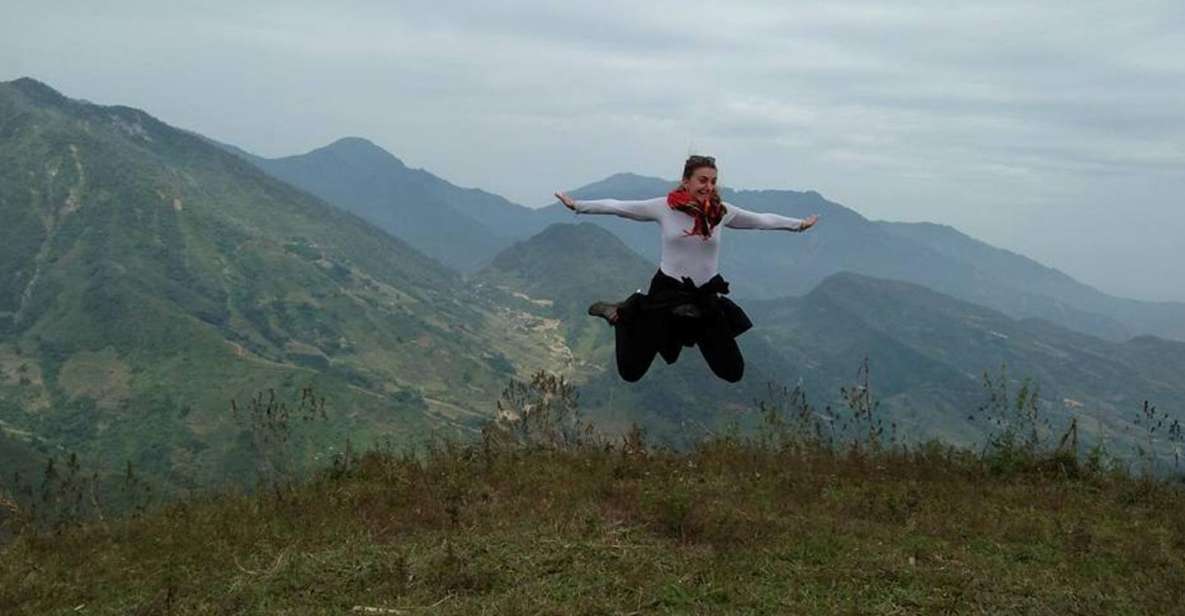
- Muong Hoa Valley sights, step-by-step: mountain views, rice paddies, and multiple village stops over two hiking days
- Ethnic minority encounters you actually walk through: Y Linh Ho (Black H’mong), plus stops around Lao Chai and Ta Van
- A real Dzay homestay night: hosted village dinner and a sleep-in-the-mountains experience
- Day 2 includes bamboo forest and a cooling river break: dirt trail, a waterfall stop, and time to swim in the Muong Hoa River
- Guides in the group can shape the experience: people like Lan and Khu have led with strong English and practical help on the route
- Value built into the price: meals, guide, homestay accommodation, and transfers are included in the $55 per person cost
Muong Hoa Valley Trek: The Walk That Explains Sapa
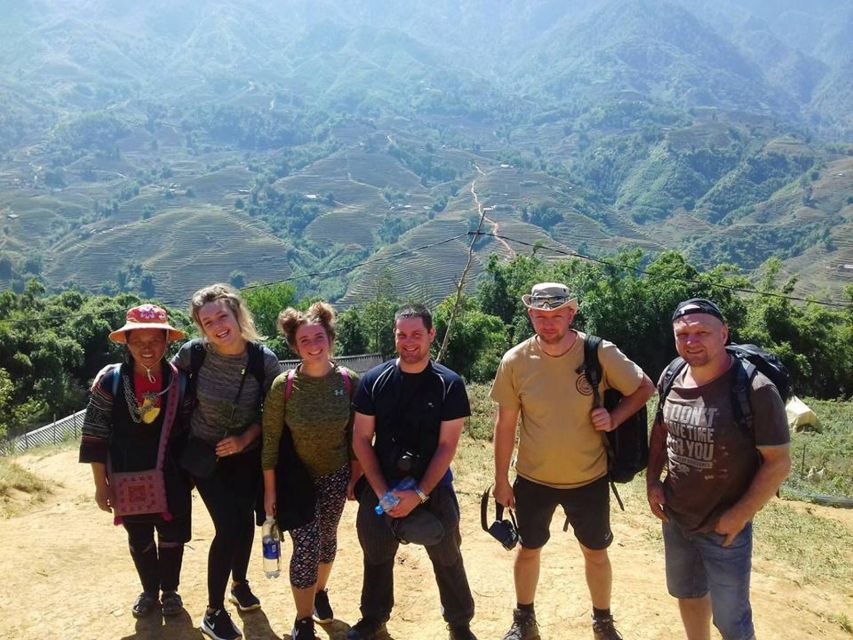
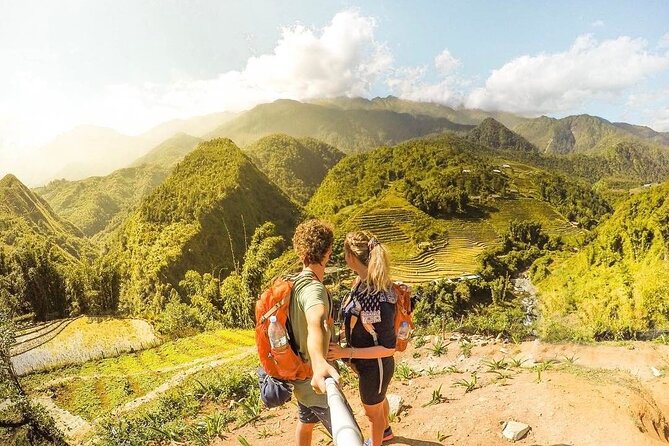
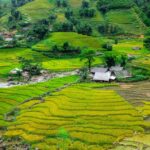
Sa Pa gets a lot of “photo tour” traffic. This one feels more like moving through the real rhythm of the valley: fields, footpaths, and villages that aren’t just background scenery.
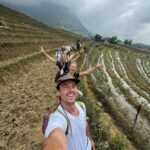
You’re not doing one long grind. You’re hiking two shorter days (11 km one day, 8 km the next) and switching between viewpoints and community areas. That structure helps you keep your energy for the best parts—especially Day 2, when the bamboo forest and river break can feel like a reset button after the uphill moments.
Also, the size matters. With a small group and a guide who’s used to adjusting the pace, you’re more likely to ask questions and get real answers instead of just following a line.
You can also read our reviews of more hiking tours in Sa Pa
Sa Pa Pickup and the First Village Day: Y Linh Ho, Lao Chai, Ta Van
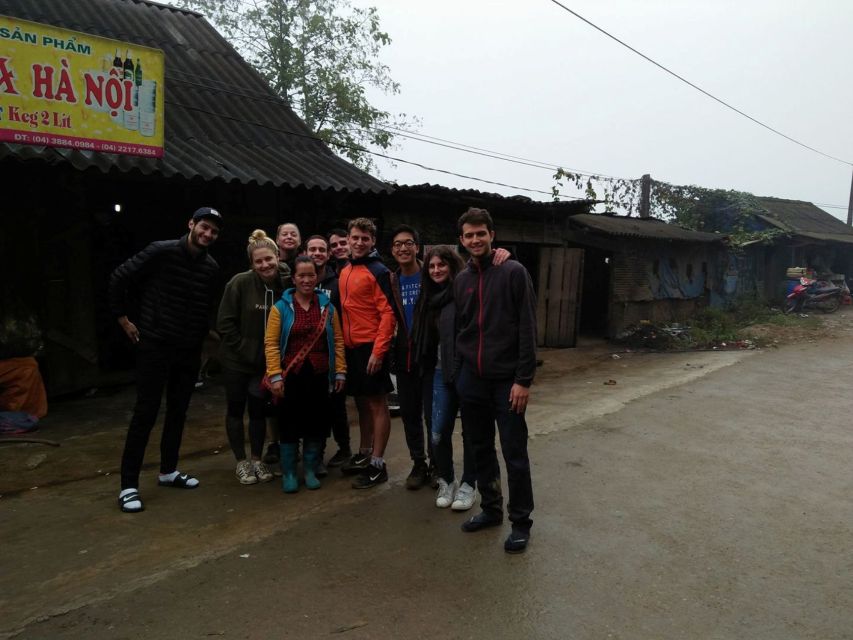
Your day starts with pickup at hotels in Sa Pa town center, then you’ll head out to begin trekking. From the beginning, the goal is simple: get you into the Muong Hoa Valley so you can see how rice terraces and settlements sit together, not separately.
The Y Linh Ho stop and Black H’mong village moments
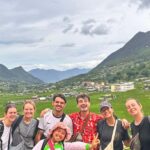
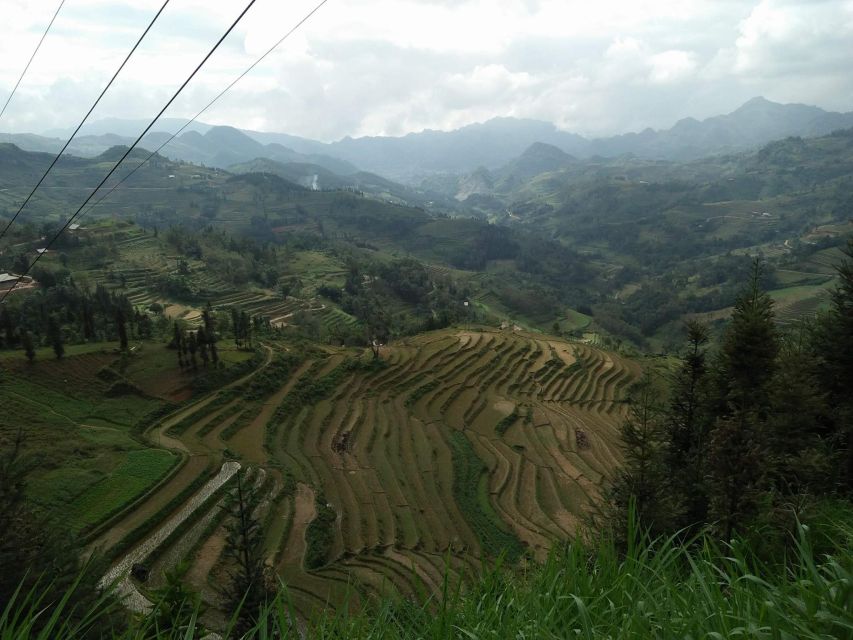
On the first day you’ll trek about 11 km through the valley and reach Y Linh Ho, where you meet the Black H’mong community. This is where the trip starts to feel personal. Instead of just looking at homes, you’ll also get a chance to look inside a typical wooden house.
You’ll likely see Fansipan in the distance when conditions are clear. Even when it’s hazy, the rice paddies and mountain layers give you that steep-valley sense of how people built their lives around water and altitude.
Passing Lao Chai on the way to Ta Van
As you continue, you move through additional ethnic minority settlement areas, including Lao Chai, before reaching Ta Van. This stretch is one of the best for getting a feel for everyday movement—how footpaths connect villages and how the valley “reads” when you walk it rather than drive it.
One practical note: if it’s been wet, this is also the part where footing can get tricky. In some weather, you may find locals helping guide people along slippery sections. It’s not a sign the trek is a disaster. It’s just a reminder to wear real traction shoes, go steady, and accept that mud is part of the deal in this region.
Ending in a Dzay homestay
By the end of the day, you check into a Dzay homestay for the night. That’s the core reason this tour works: you don’t just visit villages for an hour and leave. You sleep there, eat there, and get the quieter, slower side of mountain life.
A few more Sa Pa tours and experiences worth a look
Dzay Homestay Night: Dinner, Warmth, and the Small Details
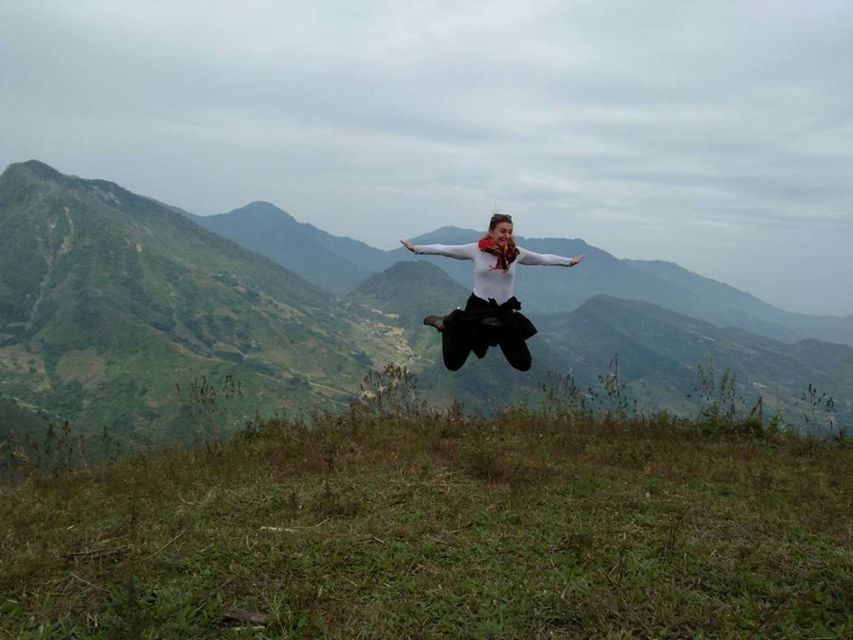
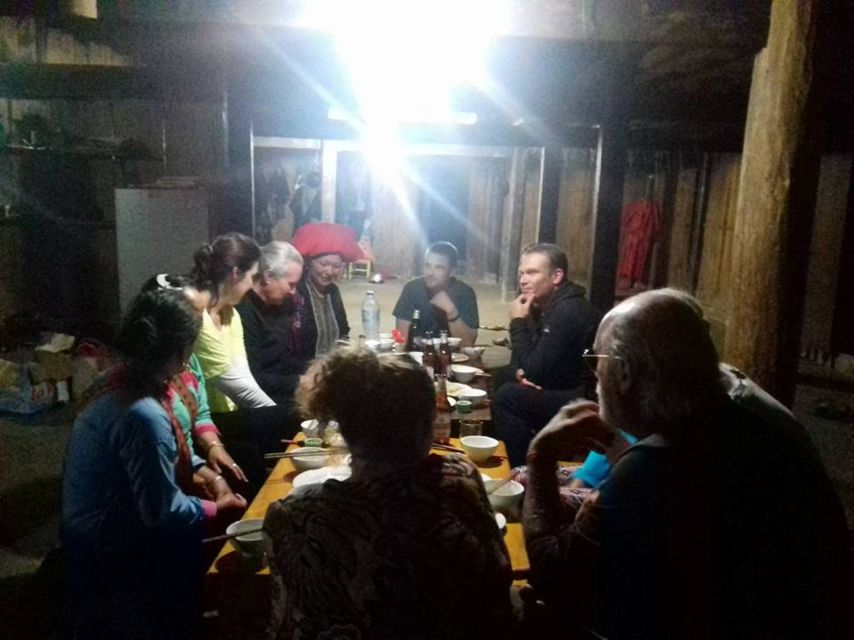
After Day 1, you settle into the homestay experience with a hosted dinner. Meals are a big part of this trip: the package includes the homestay dinner plus breakfasts and lunches on the trekking days.
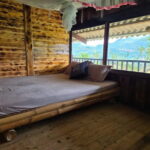
Homestays in this region are usually simple by city standards. I’d plan for basic rooms, not luxury. That said, people have noted things like warm blankets and even practical comfort touches such as power outlets and internet at some stays. So while you should expect the mountain version of convenience, it’s not always “roughing it” either.
Hosted dinner: what you’re really buying
The dinner is where culture becomes more than a photo. You’ll eat what’s cooked for you in the village setting—often described as home-style and very tasty. Some guests also mention trying a local drink made by the host, sometimes referred to as happy water. That’s the kind of moment that doesn’t feel like a staged “taste test,” because it’s part of sharing the evening with the family.
Respect matters here
This is a cultural visit. Bring a calm, polite attitude. Follow guidance from your hosts and guide, especially around household spaces and how you move through rooms. Small gestures—asking before photographing, keeping your voice down in the evening—go a long way.
Day 2 Trek: Bamboo Forest, a Waterfall Break, and Muong Hoa River Swim
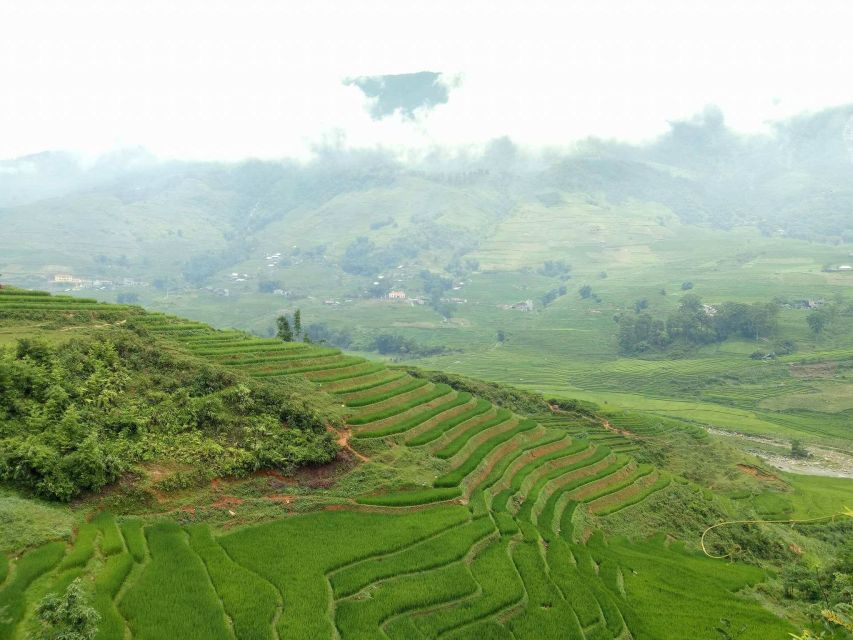
Day 2 begins with breakfast at the homestay, then you head out for another hike—about 8 km along dirt trails. This day feels less about “just getting there” and more about transitions: village life to forest shade to river cool-down.
Passing a small H’mong village
Early on, you pass a smaller H’mong community. It’s a good palate cleanser after the first homestay night. You get a change in scenery and people, plus another chance to compare how different groups live in the same valley.
Bamboo forest: the mid-day scene changer
Then comes the bamboo forest, one of the highlights many people mention. It changes the sound and lighting of the trek immediately—less open sun, more quiet shade. If the first day gave you big valley views, the bamboo day gives you a different kind of atmosphere.
Waterfall stop and cooling off in the Muong Hoa River
Next is a waterfall break, and yes—you get a chance to cool off with a swim in the Muong Hoa River. Even if you don’t swim, you’ll still want to be there for the refresh moment. On a hot day, it’s a morale boost. On a cooler day, it’s a bracing reset.
Just treat it like local conditions matter. Bring water-friendly items if you plan to swim, and keep in mind the footing near water can be slick.
Lunch and the ride back to Sa Pa
After the walk, you’ll have lunch at a local restaurant. Then you’ll drive back to Sa Pa by bus. The ride is also your unofficial “debrief time,” when your group talks about which views stuck and how the homestay evening compared to expectations.
Guide and Small-Group Dynamics: Why People Rave About Lan and Khu
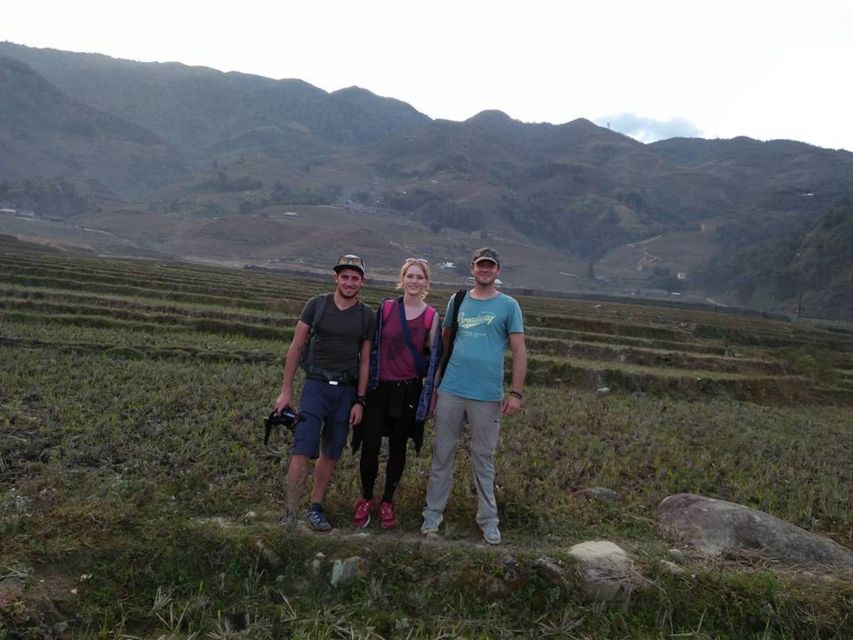
In this part of Vietnam, the guide isn’t just logistics. Your guide is your translator, your cultural context, and your safety net on uneven ground.
Many guests specifically praise guides such as Lan and Khu for English clarity and for making the cultural side understandable. Good guides don’t just list facts. They connect what you see in the village to daily routines—why certain buildings look the way they do, how mountain life shapes work and community, and what to look for as you walk.
You’ll also likely feel the “human” planning side. For example, one review mentions the guide asking whether people wanted longer or shorter routes and checking how the group was doing. That kind of flexibility matters when weather turns a trail slippery or when someone needs a slower pace.
Expect locals to play a role on steeper or wetter sections
In rainy conditions, locals may help guide people down muddy bits during the first day. That can feel surprising at first, but it’s normal here: safety and community support are part of how these trails get managed.
If you hate uncertainty, tell yourself right now: bring patience. This trek works best when you’re willing to go with the flow.
Price and Value: Does $55 Cover What You’ll Actually Do?
At about $55 per person, this isn’t just paying for a guide and a walk. The price is built around a full two-day package:
- English-speaking guide
- Homestay accommodation in a Dzay village
- Meals: 2 lunches at local restaurants, 1 hosted dinner, 1 breakfast at the homestay
- Mineral water
- Entrance tickets for the sites indicated
- Return transfer by bus
- Hotel-area pickup in central Sa Pa
You still pay for drinks (they aren’t included), and there’s a $30 per person Lunar New Year surcharge for dates listed for Jan 26 to Feb 2, 2025. If you’re traveling around that period, factor it in early.
Is it good value? For me, yes—mainly because you’re getting the homestay night and the full meal plan. Hiking in Sapa can be surprisingly expensive when you have to add transport, guide time, and food. Here, the structure keeps costs predictable.
What to Pack (So the Trek Feels Good)
This trip runs on foot, so your packing should support comfort and weather changes.
Bring:
- Comfortable shoes with good grip
- Warm clothing (recommended from October to March)
- Sunglasses and sunscreen
- Trekking shoes, sunscreen, and insect repellent
- Sunglasses and general sun protection
Also, pack for the reality of the valley: even if mornings start cloudy or rainy, you can still get breaks of sun. Layers help. And if you’re bringing swim gear for the river, keep it simple and quick-drying.
Who This Trek Suits Best (And Who Should Skip It)
This trek is described as not suitable for:
- disabled people and children under 6
- pregnant women
- people with back problems
- people with mobility impairments
That isn’t a moral judgment. It’s just a terrain-and-effort reality. You’re walking on mountain paths and dirt trails where footing can change fast.
This tour fits you if:
- you want authentic village time (not just a roadside stop)
- you enjoy walking with a guide who explains what you’re seeing
- you can handle basic homestay conditions
- you’re okay with weather playing a real role in how the trek feels
If you’re expecting flat, effortless sightseeing, you’ll be happier choosing a gentler option.
Should You Book This Sapa 2-Day Trek with a Dzay Homestay?
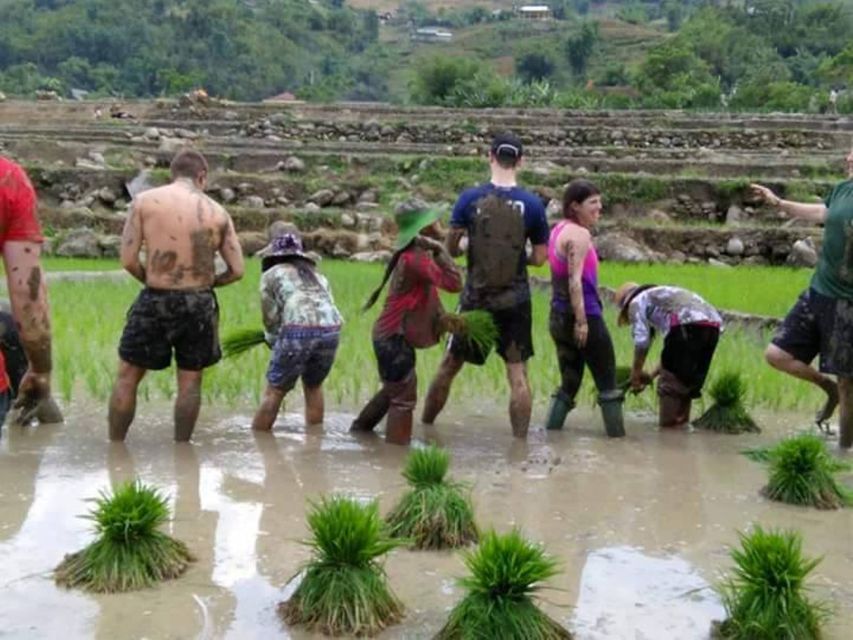
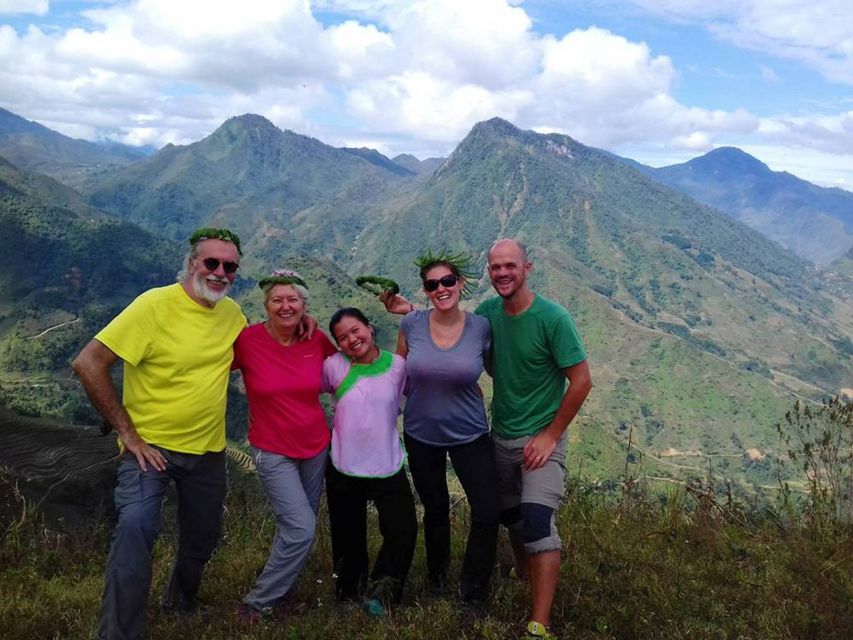
I’d book it if you want a two-day Sapa experience that includes real movement, real meals, and a homestay night in the ethnic minority community. The combination of valley treks, bamboo forest, a waterfall stop, and the Muong Hoa River swim makes it feel like more than a single “viewpoint day.”
Skip it (or choose a different style) if you have mobility concerns, back issues, or you need a very predictable, low-footing route. Also, if you hate muddy trails, understand this area can be wet and slippery after rain.
Overall, this is one of the more well-rounded ways to see Sapa for the money: you pay for guide time and you get the kind of evening that stays in your head longer than a single photo.
FAQ
What does pickup include, and where does it happen?
Pickup is available at hotels in Sa Pa town center.
How long are the treks on each day?
Day 1 includes about an 11-kilometer trek, and Day 2 includes about an 8-kilometer trek.
Where do I sleep for the night?
You stay overnight at a homestay with the Dzay ethnic minority community.
What meals are included?
Lunch is included on both days (2 lunches total), plus dinner is hosted in the village, and breakfast is included at the homestay.
Are drinks included?
Drinks are not included.
Is this trek suitable for everyone?
It is not suitable for disabled people and children under 6 years old. It is also not suitable for pregnant women, people with back problems, or people with mobility impairments.