REVIEW · SA PA
Hanoi: Sapa Trekking 2 Days 1 Night – Sleeper Bus from Hanoi
Book on GetYourGuide →Operated by VietnamAsiaTrip · Bookable on GetYourGuide
Sapa starts with a long night bus. In two days, you get mountain scenery and a hands-on ethnic village feel with stops like Cat Cat, Lao Chai, and Ta Van, plus a guide who explains local life in plain English (names like Change show up). The trade-off: the transport and lodging are solid for this price, but not luxury, and the hotel dinner may be hit-or-miss.
What makes this trip work is the structure: small group size (max 15) and a local guide in Sapa, plus meals and entrance tickets handled for you. Pickup is tied to Hanoi’s Old Quarter area, and you’ll return to Hanoi on the same 30 Ly Thai To Street meeting point, so plan your last-night plans around that timing.
In This Review
- Key highlights worth planning around
- Hanoi to Sapa fast: what this 2-day rhythm really feels like
- Sleeper bus and Hanoi pickup: the logistics that can make or break your morning
- Day 1 in Sapa: Cat Cat Village, French-era details, and a downhill walk
- Cat Cat Village walk (about 2.5 km)
- Village performance time
- Dinner reality check
- Day 2 trek: Y Linh Ho, Lao Chai, Muong Hoa Valley, and Ta Van
- Muong Hoa Valley timing and why it matters
- Y Linh Ho and Lao Chai downhill trail
- Lunch with a village feel
- Ta Van village and time with the Dzay community
- Hotel vs homestay expectations: what you actually get in Sapa
- What I’d pack (and what to watch out for) before your trek starts
- Price and value: does $90 make sense for this Sapa package?
- Who should book this Sapa trek—and who should skip it
- Should you book this Hanoi to Sapa 2D1N trek?
- FAQ
- FAQ
- How long is the Hanoi to Sapa trek experience?
- When does the tour start?
- Is pickup included, and where does it happen in Hanoi?
- Where are you dropped off when you return to Hanoi?
- What villages and areas do you visit?
- How much trekking do you do on Day 2?
- What meals are included?
- Is there an English-speaking guide?
- What is included in the price besides the bus and guide?
- Is this trek suitable for everyone?
Key highlights worth planning around
- Sleeper bus round-trip between Hanoi and Sapa, so you travel with daytime sightseeing instead of losing another full day
- Cat Cat Village walk: a downhill route with a waterfall area and a French-built power plant detail from 1925
- Performance time at Cat Cat: about 40 minutes with local boys and girls during the village stop
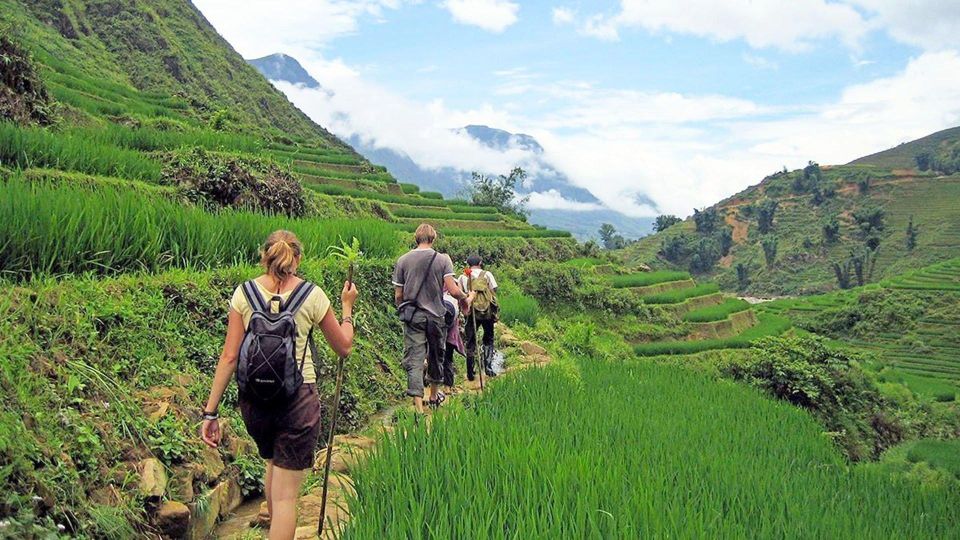
- Muong Hoa Valley treks with rice terraces viewpoints and a big walking day on Day 2
- Black H’mong and Dzay cultural stops through Y Linh Ho, Lao Chai, and Ta Van
- English live guide in a tight group, which matters when trails get muddy or routes get steep
Hanoi to Sapa fast: what this 2-day rhythm really feels like
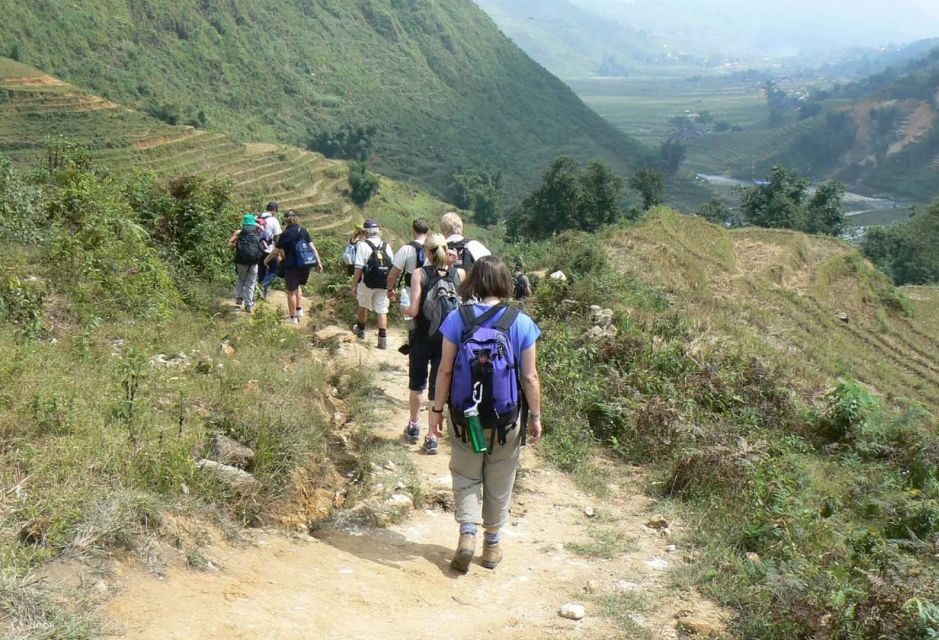
This is the kind of Sapa trip that squeezes a lot into two days—without pretending it’s easy. You’re basically trading comfort for time: you sleep on the bus, arrive in Sapa midday, and then spend the next day walking and learning about life in the valleys.
If you like mountain views and don’t mind being active, the pacing is a good fit. The Day 1 plan is light-to-moderate (a village walk that’s short, but scenic), then Day 2 ramps up with a longer trek that’s built around visiting multiple villages and viewpoints in the valley system.
You also get a guide who keeps the experience from feeling like just a checklist. On recent departures, guides such as Change are specifically called out for explaining customs and daily life in Sapa—exactly what you want when you’re walking through communities that have their own rhythms, clothing, and farming routines.
You can also read our reviews of more evening experiences in Sa Pa
Sleeper bus and Hanoi pickup: the logistics that can make or break your morning
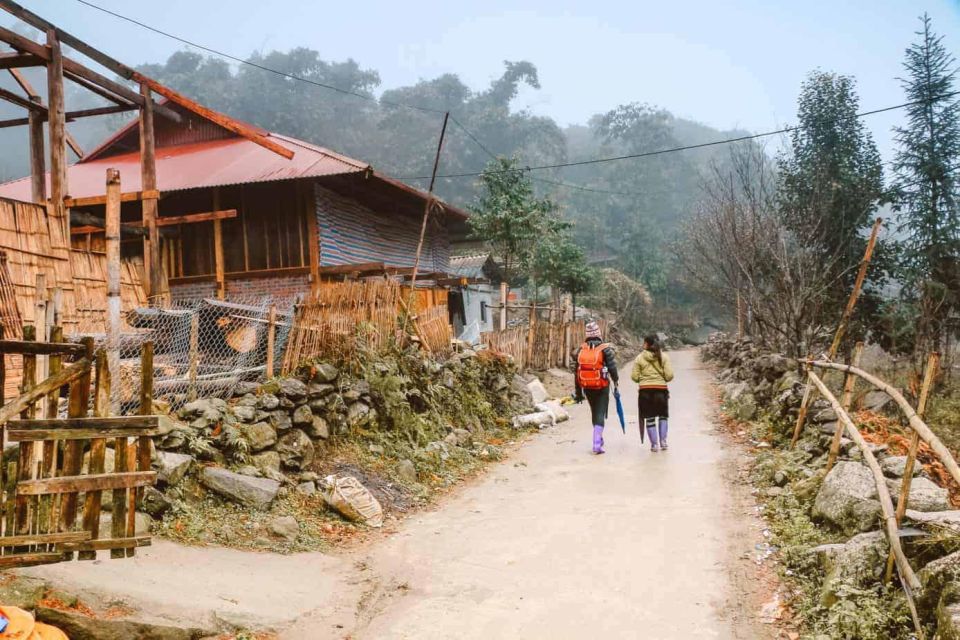
The sleeper bus is one of the main reasons this package can stay affordable. It’s also why you should be very clear about where you start and where you end in Hanoi.
For pickup, you’ll be collected in the Hanoi Old Quarter area between 6:00 AM and 6:50 AM, depending on where you’re staying. If your hotel isn’t in the Old Quarter, you go to 30 Ly Thai To Street (with the meeting time noted as 6:45 AM).
On the return trip, there’s an important detail: the drop is not at your hotel. You’ll be dropped at the bus station at 30 Ly Thai To Street, so it helps to arrange a quick ride or a nearby pickup if you’re traveling with bags.
Small group size is a practical bonus here. With a max of 15 participants, the guide can actually manage the group during transitions—especially when the route involves both walking time and bus transfers.
One more note for comfort: the sleeper bus is described as an inexpensive option, and some seats may not be the most comfortable. If you’re sensitive to bus sleep, you might want to pack a neck pillow or anything that makes long rides easier (not included).
Day 1 in Sapa: Cat Cat Village, French-era details, and a downhill walk
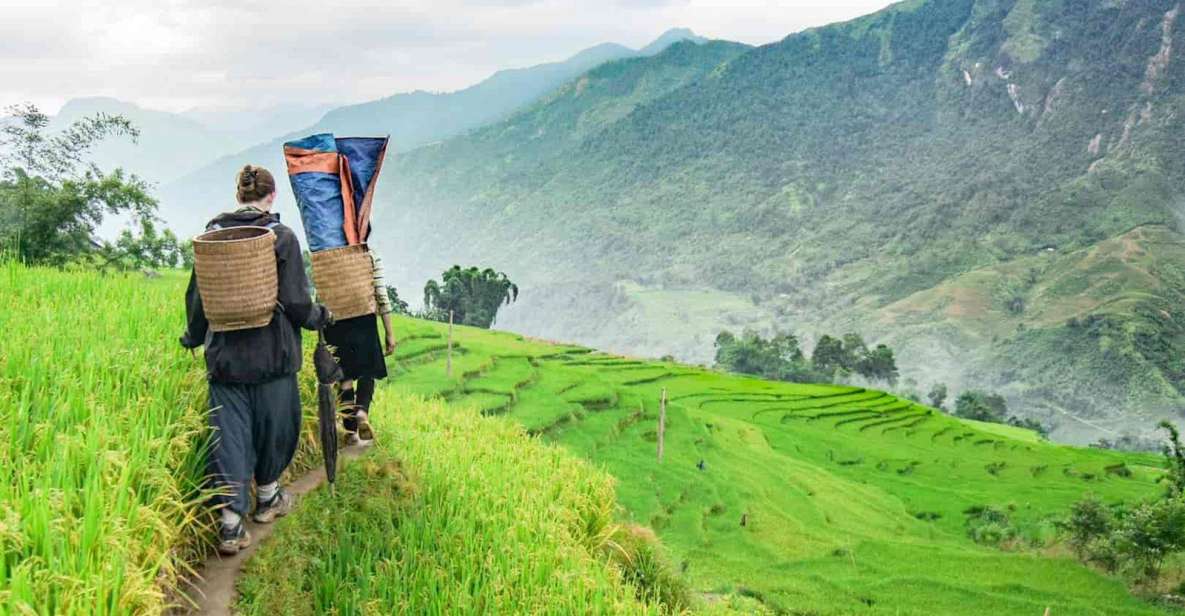
Your first real Sapa stop starts after lunch in Sapa town. The plan is designed so you don’t feel like you arrive and immediately start hiking—though you still get moving once you’re settled.
Around 1:00 PM, you meet your local guide in Sapa town. Then you head to Cat Cat Village by car, and the walking begins after that.
Cat Cat Village walk (about 2.5 km)
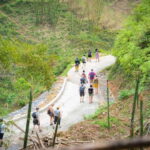
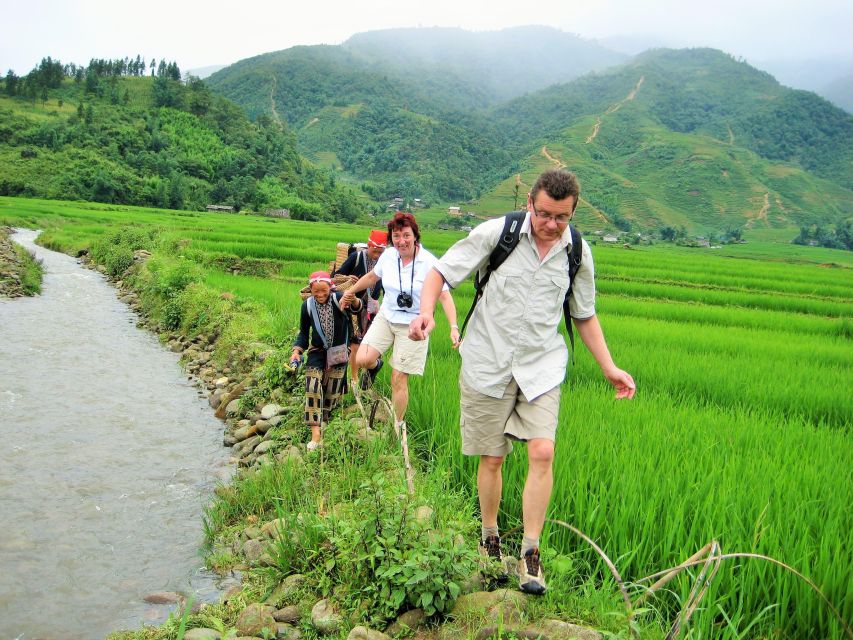
This is a downhill trek of roughly 2 hours. It’s not long, but it’s scenic and built to give you a feel for the valley. You’ll walk down to see:
- a waterfall area
- the power plant built by the French during the colonial era in 1925
- time for local community activity
The route is also the kind of place where good footwear matters. One key piece of advice that comes up again and again for Sapa treks is to bring solid shoes, because parts can be muddy and slippery.
Village performance time
After the downhill village wandering, you’ll have around 40 minutes to enjoy a performance shown by local boys and girls. This isn’t just “look and leave.” It’s timed into the visit so you can see how village culture is presented in a setting visitors can actually watch comfortably.
By late afternoon, you’re back in Sapa town. Dinner is at the hotel, and then you have free time to explore on your own.
You can also read our reviews of more hiking tours in Sa Pa




Dinner reality check
This is the one part where experiences can vary. Some people report that the hotel dinner wasn’t great—cold or not very tasty. If you’re picky about dinner, you may want to keep your expectations modest and consider grabbing something simpler if you arrive hungry.
Day 2 trek: Y Linh Ho, Lao Chai, Muong Hoa Valley, and Ta Van
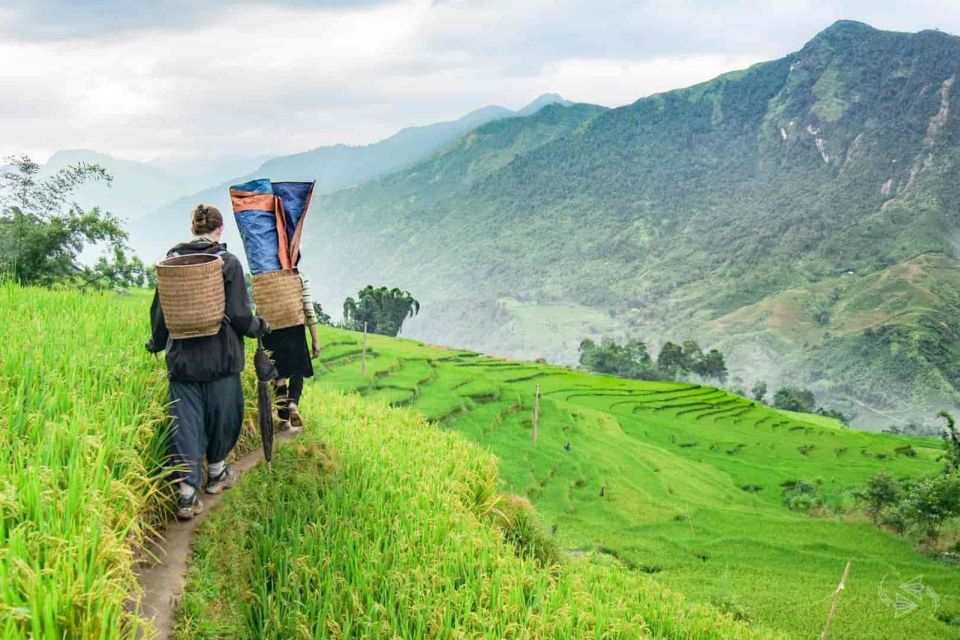
Day 2 is where the trip earns its “trekking” label. After breakfast in the hotel, you check out and pack a light trekking pack. Big luggage stays at the hotel storage so you’re not carrying bags while walking.
The walking totals about 12 km across the day and covers three village stops plus key viewpoints in the valley area.
Muong Hoa Valley timing and why it matters
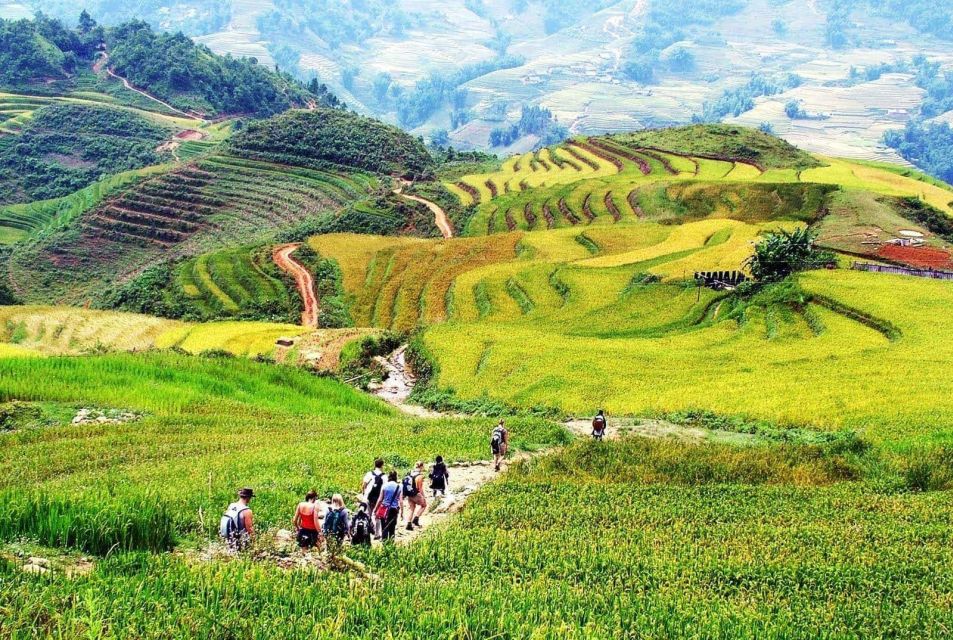
Around late morning, you’ll trek through and down toward Muong Hoa Valley, described as one of the most beautiful valleys in Sapa, where local hill tribes work on rice terraces.
Why this timing matters: rice terrace views look different depending on light and weather. A long trek also means you’re moving through that scenery rather than standing in one spot, which can make the views feel more personal and real.
Y Linh Ho and Lao Chai downhill trail
You’ll walk downhill through Y Linh Ho and Lao Chai for about 3.5 hours. This part is about rhythm—steady walking, changing views, and learning as you go.
Along the way, the plan includes time to learn about the unique customs of the Black H’mong. That’s not just trivia. When a guide is willing to explain what you’re seeing—how people live, farm, and organize community space—it turns the trek from scenery-only into culture + context.
Lunch with a village feel
Lunch is served at a local restaurant along the Lao Chai route. It’s specifically noted as a delicious meal in this kind of trip, which makes sense: after hours on the trail, food that’s simple, warm, and local tends to taste better than anything you could buy quickly at a shop.
Ta Van village and time with the Dzay community
After lunch, you continue along the bottom of the valley to Ta Van Village, associated with the Dzay people. The schedule includes time experiencing their way of life while staying at a local family cottage.
Important reality check: the itinerary you’re following is a same-day return to Hanoi later, so think of this as an interaction and village/home experience during the day, not a multi-night homestay. You should still expect you’ll see day-to-day living, household routines, and the way families welcome visitors.
By mid-afternoon, you’re transferred back to your Sapa hotel to retrieve luggage, then the guide takes you to the bus station for your ride back to Hanoi.
Hotel vs homestay expectations: what you actually get in Sapa
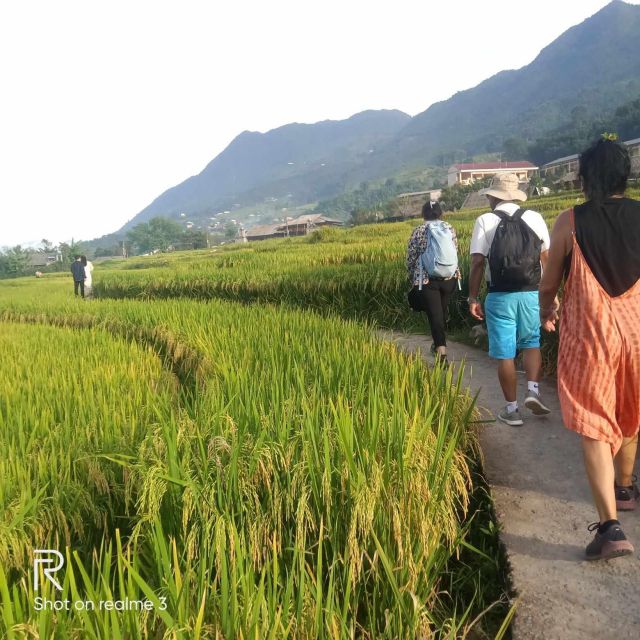
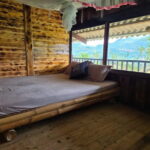
This package includes a hotel room in Sapa, described as a classic 3-star style stay. It’s a practical setup for a two-day trip: you can reset your body after trekking, and you’re not dependent on weather or scheduling for overnight lodging.
The schedule also mentions time in a local family cottage in Ta Van, but again, the day doesn’t run like a full homestay overnight. So you’ll likely get a “meet the family and experience the home during the day” version of that cultural piece, alongside the hotel overnight from the main package.
What I like about this mix is that it balances rest with contact. If you’re the type who wants both mountain walking and a real look at village life, this structure keeps the trip from being entirely hotel-based or entirely improvised.
What I’d pack (and what to watch out for) before your trek starts
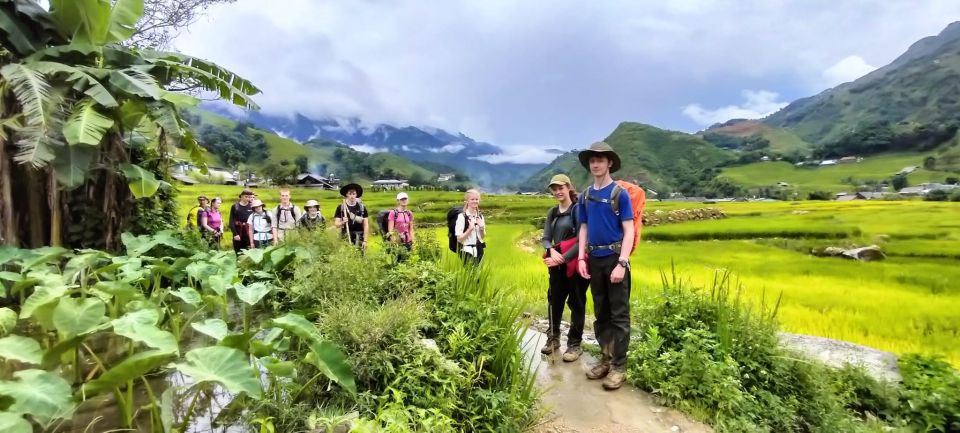
The biggest practical need here is footwear. Mud and slippery patches are part of Sapa trekking. Bring shoes you trust on uneven ground, and consider bringing socks you’re comfortable trekking in for hours.
Other practical tips based on how the day is paced:
- You’ll carry a light pack for walking, so keep essentials accessible and don’t overpack.
- Drinks are not included, so have a plan for water beyond what’s provided on the bus.
- This trip is not suitable for pregnant women or for people with high blood pressure, which tells you the walking demands can be more than gentle strolling.
Also, since this is a guided experience with set timing, don’t count on long solo detours. If you like being spontaneous, save that for free time in Sapa town rather than during trek hours.
Price and value: does $90 make sense for this Sapa package?
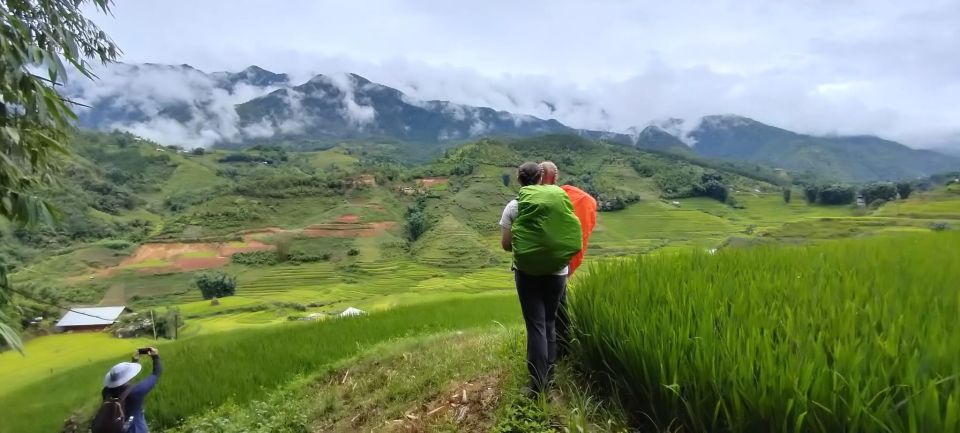
At $90 per person, this trip is aiming at “good value for the time you spend traveling.” You’re paying for:
- Round-trip sleeper bus between Hanoi and Sapa
- Local guide support in Sapa
- Entrance tickets to the listed sites
- Meals: 1 dinner, 2 lunches, 1 breakfast
- Insurance during the bus time
- A hotel room in Sapa (room shared by 2 people)
That’s a lot of logistics bundled. The real question is whether the included meal quality and transport comfort match your standards.
From experience with similar tours, the Day 2 lunch and the guide explanations are often where the value shines, while the dinner can be the weak spot. In this case, that pattern shows up: lunch in the Hmong village area is described as delicious, but hotel dinner can be cold or less tasty.
If you’re flexible and you care more about the walking + village experience than a fancy meal, the price looks fair. If you need a cushier seat on the bus or you really want consistently great dinners, you may feel the limits more strongly.
Who should book this Sapa trek—and who should skip it
This one is a strong fit if you want:
- a guided trek with cultural context
- a two-day format that doesn’t swallow your whole schedule
- multiple village visits (Cat Cat, Lao Chai, Ta Van) without you having to plan every route
It’s also a good choice for first-timers who want the “best known” village stops in a short time, plus a longer walking day through the valley.
Skip it if:
- you’re not comfortable with trekking distances and uneven, muddy ground
- your health limits you (it’s explicitly not suitable for high blood pressure and pregnancy)
- you expect luxury comfort on the sleeper bus or consistent top-quality hotel meals
Should you book this Hanoi to Sapa 2D1N trek?
If you’re looking for a time-efficient Sapa experience with guided cultural visits, I’d lean yes—especially if you’re the type who enjoys being outside and learning on the move.
Book it when:
- you want the convenience of a sleeper bus and planned village stops
- you can handle a long day on the second trek
- you’re okay with basic transport comfort and a hotel dinner that might not be your favorite
Think twice when:
- you’re very sensitive to bus comfort
- you hate slippery trails and don’t have reliable footwear
- you want a more relaxed pace with less walking
If you’re ready for a real two-day hit of Sapa—mountain views, rice terraces, and community life—this is a solid way to do it without spending extra time figuring things out.
FAQ
FAQ
How long is the Hanoi to Sapa trek experience?
It runs for 2 days and includes a sleeper bus ride both ways.
When does the tour start?
Starting times can vary, so you need to check availability to see the exact departure schedule.
Is pickup included, and where does it happen in Hanoi?
Yes. Pickup is available from accommodations in Hanoi’s Old Quarter between 6:00 AM and 6:50 AM depending on location. If you’re staying outside the Old Quarter, you meet at 30 Ly Thai To Street at about 6:45 AM.
Where are you dropped off when you return to Hanoi?
You’re dropped off at the bus station at 30 Ly Thai To Street, not at your hotel.
What villages and areas do you visit?
You visit Cat Cat Village, Lao Chai Village, and Ta Van Village, and you also trek through Y Linh Ho while visiting the valley areas.
How much trekking do you do on Day 2?
Day 2 includes about 12 km of trekking, including a downhill section through Y Linh Ho and Lao Chai for around 3.5 hours.
What meals are included?
Meals included are 1 breakfast, 2 lunches, and 1 dinner. Mineral water is also provided on the bus.
Is there an English-speaking guide?
Yes. The live guide is listed as English-speaking.
What is included in the price besides the bus and guide?
The price includes sleeper bus round-trip, a local guide in Sapa, mineral water on the bus, meals, entrance tickets to the sites listed, and insurance during the time using the bus.
Is this trek suitable for everyone?
It’s not suitable for pregnant women or for people with high blood pressure. Drinks are not included, so you’ll want to plan for that separately.