REVIEW · SA PA
SaPa: 2-Day Villages,Rice Fields, Love Waterfall Hiking Tour
Book on GetYourGuide →Operated by Sapa Original Trek Company Limited · Bookable on GetYourGuide
Sapa looks perfect on a map, but this trek feels alive on foot. You get non-touristy village paths and rice paddy viewpoints, then you top it off with Love and Silver Waterfall walks and Heaven Gate’s big valley views. It’s a smart way to see the real Sapa rhythm without spending all your time on the main road.
What I like most is the balance: downhill walking through minority villages by Suoi Ho → Giang Cha → Ta Phin, then an overnight stay in a local wooden homestay where dinner is part of the deal. The second win is the scenery variety—fields, bamboo forest, and that high-pass feeling at Heaven Gate (about 2,000 m).
One consideration: weather matters here. If you’re hit with fog or rain, the views can soften, especially around the pass and higher viewpoints.
In This Review
- Key things to know before you go
- Why this Sapa trek feels less touristy: rice terraces, jungle paths, and minority villages
- Day 1: the downhill trek from Sapa via Suoi Ho, Giang Cha, and Ta Phin
- Evening in the traditional wooden homestay: dinner, village time, and Red Dzao herbal bath
- Day 2: Suoi Thau, Phin Ho viewpoint, Ban Khoang lunch, and the waterfall run
- Love Waterfall, Silver Waterfall, and Heaven Gate’s Lonely Tree at about 2,000 m
- Effort level, weather reality, and what to pack for Sapa trails
- Price and value: what $112 covers (and why it can be a good deal)
- Who should book this Sapa trek (and who might skip it)
- Should you book this Sapa 2-Day Villages, Waterfalls, and Heaven Gate tour?
- FAQ
- How long is the trekking on this 2-day tour?
- What’s included in the price?
- Is the Red Dzao herbal bath included?
- Which waterfalls and viewpoints are visited?
- Do I need to worry about language or group size?
- What if the weather is foggy or rainy?
Key things to know before you go
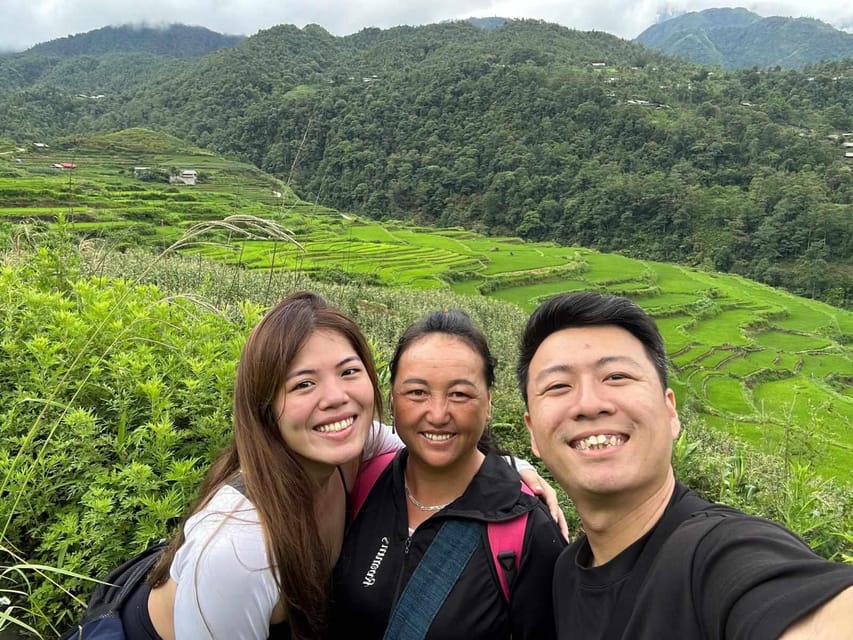
- Non-touristy trekking routes through villages around Dong Bac, not just the usual postcard stops
- Rice terrace viewpoints plus a panorama stop over mountains, valleys, and cornfields
- Homestay night in a traditional wooden house, with time to walk the village before dinner
- Red Dzao herbal bath is optional (you handle the herbal bath payment yourself)
- Love and Silver Waterfalls with short national-park walks and photo chances at multiple angles
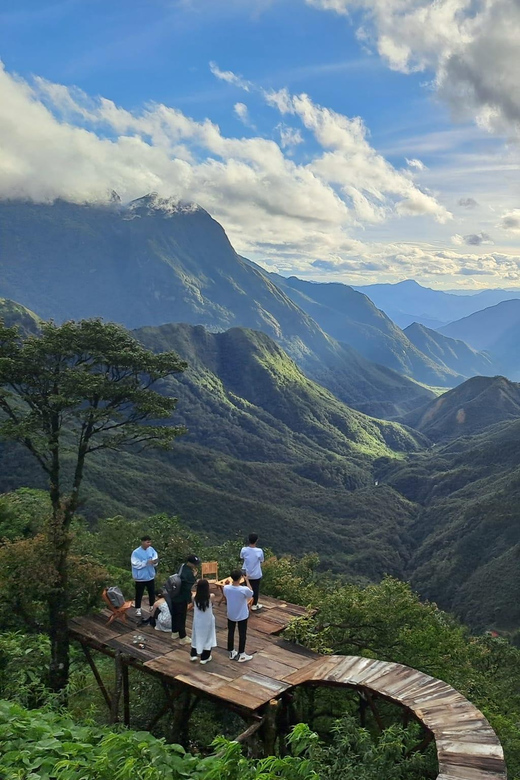
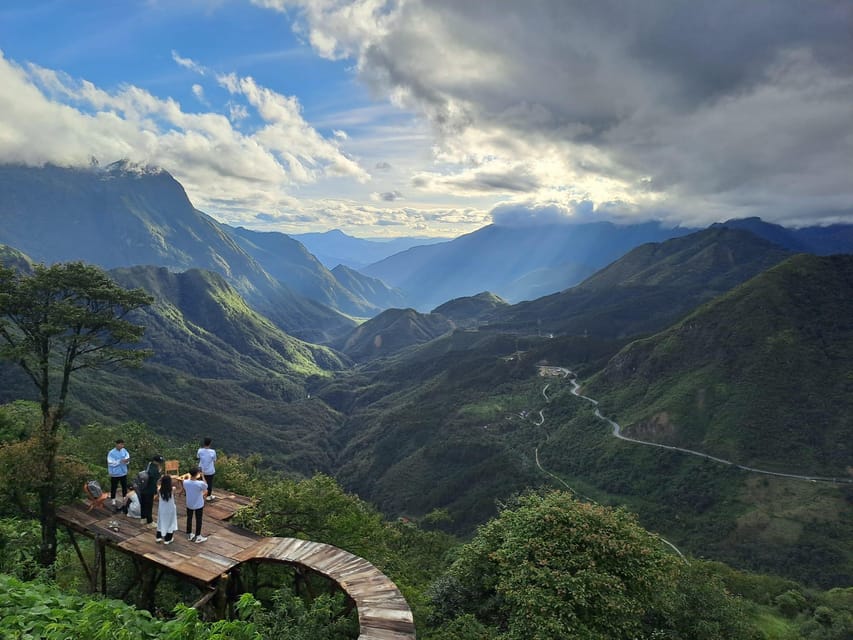
- Heaven Gate 2,000 m and the Lonely Tree viewpoint for big sky-and-valley vibes
Why this Sapa trek feels less touristy: rice terraces, jungle paths, and minority villages
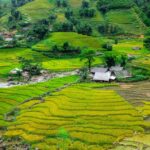
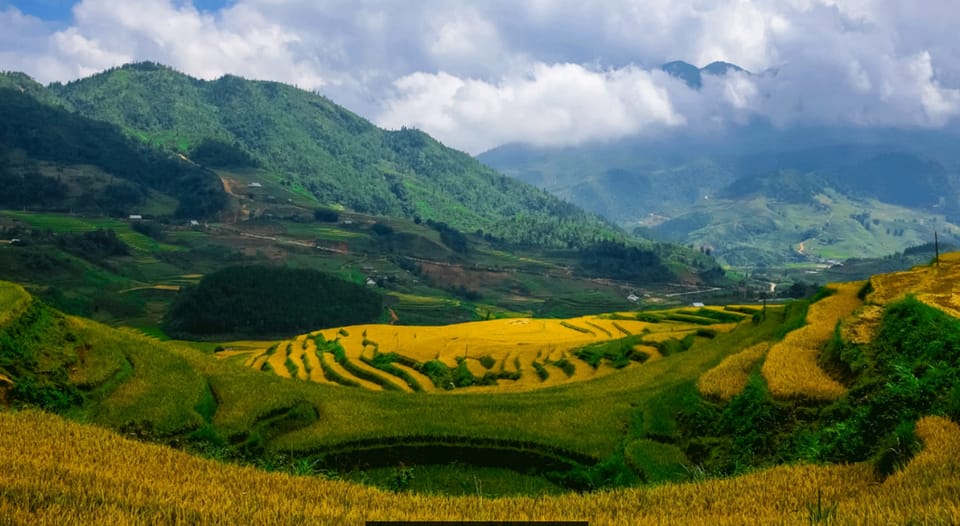
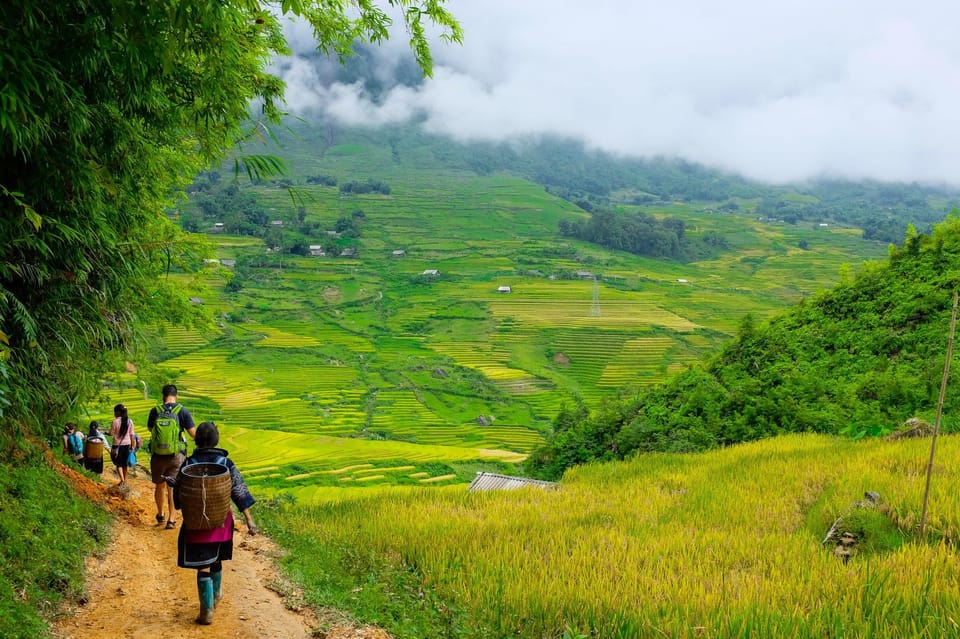
This tour runs in the Dong Bac area and is built around walking sections that feel more local than scripted. You’re not just moving between big sights. You’re moving through working farmland—rice terraces, cornfields, and bamboo forest—plus the smaller villages that sit along the trails.
One of the best parts is how the guide explains what you’re seeing as you walk. On past departures, guides like Mr. Tinh and Mo have been praised for keeping the pace respectful and for adding real context about the villages and how people live there. That matters because Sapa can turn into a blur of views unless someone helps you connect the scenery to daily life.
You also get a mix of trail textures. Some parts are easy-medium, but the route isn’t flat. There are downhill stretches, then you’ll climb to viewpoint hills. The national-park walking near the waterfalls gives you a green, shaded feel compared with the open paddy panoramas.
You can also read our reviews of more hiking tours in Sa Pa
Day 1: the downhill trek from Sapa via Suoi Ho, Giang Cha, and Ta Phin
Day 1 covers about 12–14 km and usually takes 4–5 hours of walking. The elevation gain is listed as about 200–300 m, which is why the day is labeled easy-to-medium. In practical terms: expect a few steady uphill moments, but the overall flow is downhill into valleys and village areas.
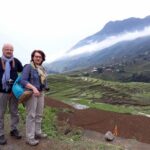
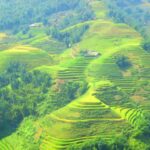
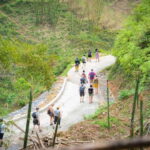
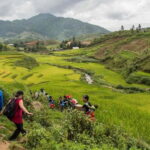
You start from Sapa and follow a dirt trail through a mountainous, less touristy zone toward Suoi Ho. Early on, you’ll often get those wide paddy terrace views that make Sapa famous. Then the route threads through Hmong villages, giving you a chance to see how the farmland and homes connect to the hillsides.
Lunch is taken in Giang Cha village at a local restaurant with traditional Vietnamese food. This is a key value point. You’re not eating “nearby for convenience.” You’re eating where locals likely eat when they’re working and living nearby.
After lunch you continue downhill toward a plateau area with one of the better Sapa combinations: mountains, rice terraces, and cornfields all visible from a higher vantage. Then you climb to a hilltop for a more panoramic look over the valley. It’s the kind of stop that makes the walking feel worth it.
From there, the day shifts toward the bamboo forest before reaching your overnight stay. That transition—from open farmland views into the shaded greenery—makes Day 1 feel varied instead of repetitive.
Evening in the traditional wooden homestay: dinner, village time, and Red Dzao herbal bath
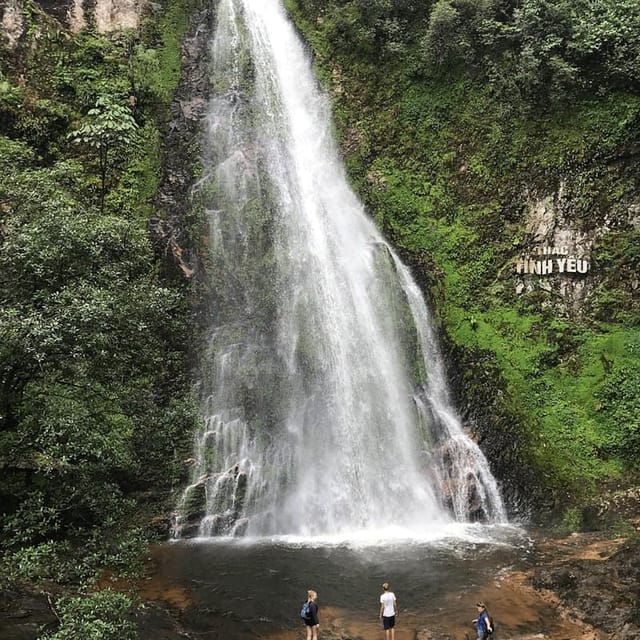
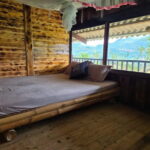
You’ll sleep in a local house described as a traditional wooden homestay. After you arrive, there’s time to walk around the village while your guide coordinates dinner.
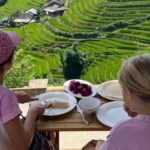
Dinner is included, which is honestly one of the best reasons to pick this style of trek. It’s not a lunchbox-and-run situation. You sit with the family and eat Vietnamese food at the pace that village life allows. If you’re someone who likes cultural moments that aren’t forced, this is where it clicks.
You’ll also be offered a traditional herbal bath with the Red Dzao ethnic group. The bath itself is noted as optional, and it’s not included in the tour price. You pay for the herbal bath directly.
Practical note: even though it’s optional, this is the kind of activity you’ll want to approach calmly. Ask your guide what to expect in terms of timing and whether there’s a simple etiquette rule you should follow. If you do it, wear clothes that are easy to change out of quickly.
Day 2: Suoi Thau, Phin Ho viewpoint, Ban Khoang lunch, and the waterfall run
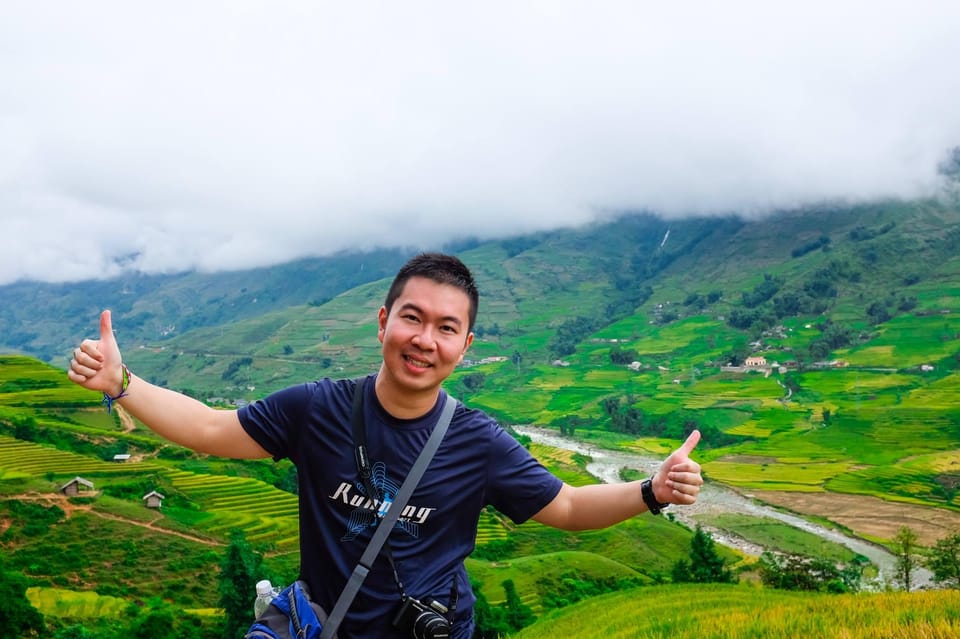
Day 2 is about 12–14 km of walking, taking around 5 hours, with 300–400 m of elevation noted. So compared with Day 1, it’s a bit more work uphill and across higher terrain.
After breakfast at the homestay, you head toward Suoi Thau village. Again, the experience is about passing through minority villages and walking through rice paddy fields. The route is described as peaceful and less touristy, which usually means quieter trails and more time with your own thoughts between village stops.
You then reach a top-of-mountain viewpoint with wide valley views—this is one of the “pause and stare” moments. From there, you walk down toward Phin Ho village, where you can enjoy another viewpoint setting close to the jungle and valley areas linked with the Red Dzao community.
Lunch comes in Ban Khoang village, at a local restaurant. Midday food on these treks is more important than people think. You’ll have enough energy for the waterfall section, which includes some extra walking steps for viewing spots and photo angles.
Then the pace changes: you take a car for about 25 minutes to the Love and Silver Waterfall area. This is partly practical (the waterfalls aren’t always a straight walk from town), and partly a relief if your legs are already tired.
Love Waterfall, Silver Waterfall, and Heaven Gate’s Lonely Tree at about 2,000 m
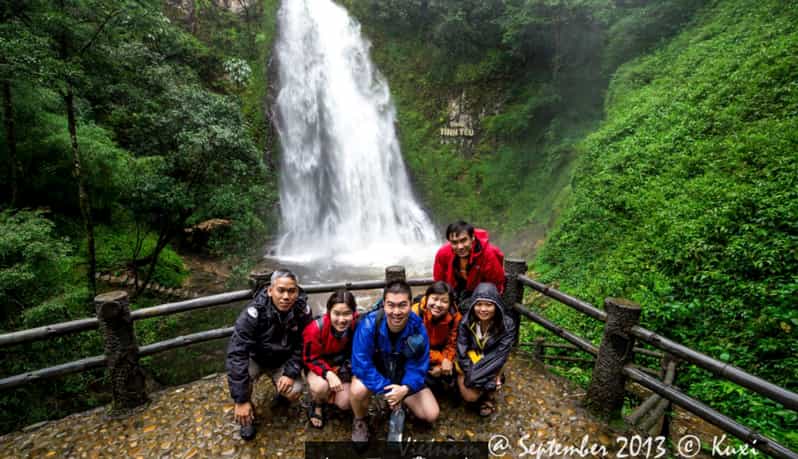
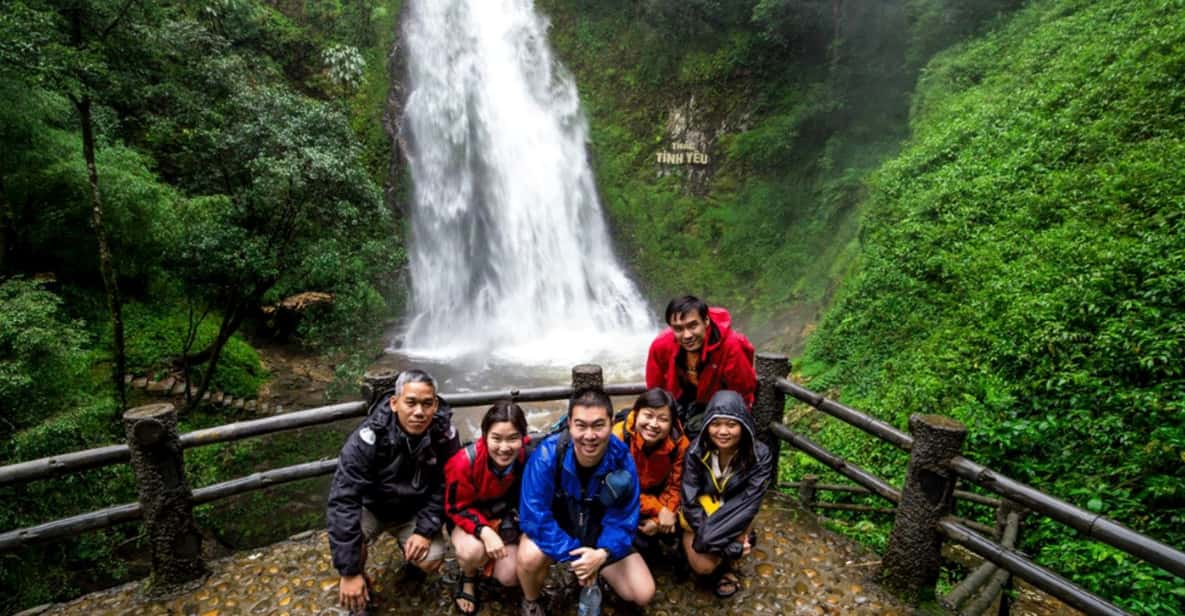
The waterfall section is what most people remember long after the treks. You start with Love Waterfall. It’s described as the biggest waterfall in Sapa, and there’s a short walk in the national park with scenery and old trees. The “Love” area can include a golden stream and offers the possibility of swimming (depending on conditions).
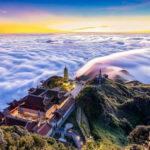
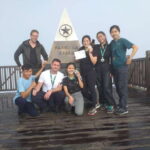
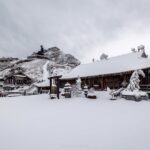
After you’ve had time around Love Waterfall, you move on to Heaven Gate via the highest pass feeling of the day. The Lonely Tree viewpoint sits in this area, at about 2,000 m above sea level. This is where the weather can change fast. Even on a clear day, it can feel cooler and windier up there. On foggy or rainy days, the view can become more muted, but you still get that high pass atmosphere where clouds can sit lower in the valley.
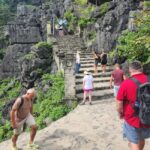
From Heaven Gate, you continue by car to Silver Waterfall on a high mountain. You’ll step up to overview viewpoints and cross a bridge for more photo angles. The route is set up so you’re not just looking from one spot. You get a few different perspectives.
Timing-wise, you’ll be back in Sapa by around 15:00–16:00 after the car segments and final walking around the waterfall viewpoints.
A few more Sa Pa tours and experiences worth a look
Effort level, weather reality, and what to pack for Sapa trails
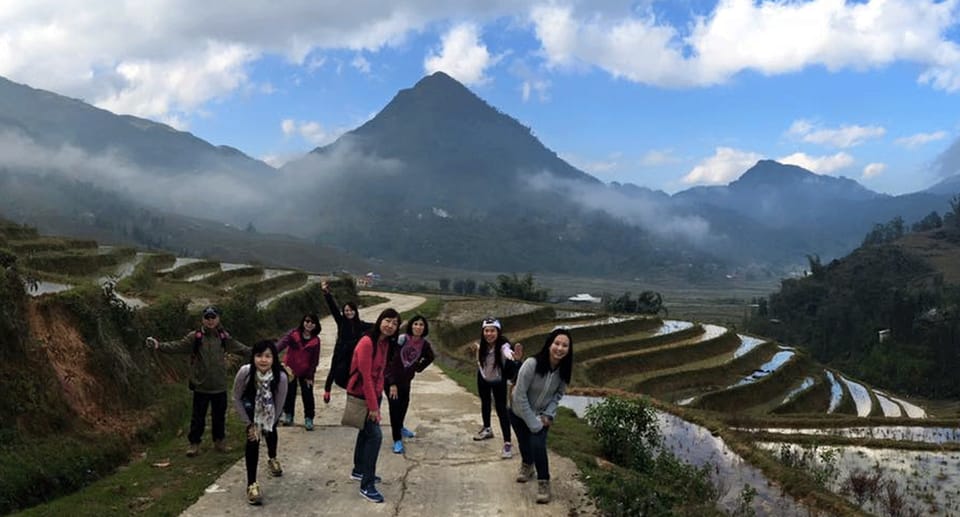
This tour is built for people who are comfortable walking on dirt trails, with some climbs and moderate elevation changes. You’re looking at about 12–14 km per day and elevation changes listed at 200–300 m on Day 1 and 300–400 m on Day 2.
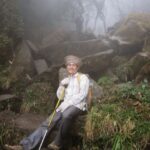
The one thing you should plan around is weather. Sapa can be foggy and rainy, and it will affect visibility—especially around Heaven Gate and higher viewpoints. You can’t control that. But you can prepare. Bring rain gear, consider waterproof shoes if you have them, and pack layers because temperatures at higher elevations can feel cooler.
Footwear matters here more than fashion. Dirt paths can get slick, and bamboo-forest sections may be damp. If you’re unsure, choose shoes with good grip and ankle support.
Also, expect a long day even when the walking time is listed as 4–5 hours. You’ll have stops for viewpoints, lunch, and transitions between villages and car segments.
Price and value: what $112 covers (and why it can be a good deal)
At $112 per person for two days, the value mainly comes from what’s included—not just the guide and walking.
Included items:
- An English-speaking guide and transport following the program
- Homestay accommodation
- Meals: 1 breakfast, 2 lunches, and 1 dinner
- Entrance fees to villages and waterfalls
- Water: 1.5 liters per person per day
- Room for shower and luggage storage at their office in Sapa town
When you total the likely costs of meals, a guide, transport between sections, homestay lodging, and entrance fees, the price starts making more sense. This is especially true if you’d otherwise have to hire a guide and arrange lodging on your own, piece by piece.
Two small value notes:
- It’s listed as a private group, which often means your pace is more flexible.
- There’s also an included shower/luggage storage setup in Sapa town, which helps when you’ve finished trekking and want to refresh before moving on.
The only major “watch item” is that the herbal bath payment is separate because it’s optional.
Who should book this Sapa trek (and who might skip it)
This tour fits best if you want:
- Rice terraces and village paths instead of only big-name stops
- A real overnight with a local family meal
- Waterfalls plus a high pass viewpoint at Heaven Gate
- A guide who can explain village life as you walk (people often mention Mr. Tinh and Mo for friendliness and pacing)
You might think twice if:
- You hate any kind of walking uphill or on uneven dirt trails
- You need guaranteed skyline visibility. Weather can shift, and fog can soften the views at altitude
- You’re looking for a fully comfortable, minimal-effort day trip. This is an active two-day trek with moderate elevation changes
Should you book this Sapa 2-Day Villages, Waterfalls, and Heaven Gate tour?
If you’re choosing between Sapa “views only” tours and something more like a walk-through experience, I’d book this if your body can handle moderate two-day trekking. The combination is unusually well-balanced: farmland viewpoints, village life with a homestay, and then the waterfall-and-Heaven Gate payoff.
It’s also a solid pick for travelers who want authentic-feeling moments that aren’t just photo stops. The homestay dinner and the optional Red Dzao herbal bath add a cultural layer that you won’t get from a quick bus-and-ticket day.
Just go in with eyes open about weather. If the sky goes cloudy, you may see more mood than panorama. But in Sapa, that’s not necessarily a downgrade. Sometimes the fog makes the valley feel even more alive.
FAQ
How long is the trekking on this 2-day tour?
Day 1 is about 12–14 km of walking for roughly 4–5 hours, and Day 2 is about 12–14 km for about 5 hours. Elevation changes are listed as 200–300 m on Day 1 and 300–400 m on Day 2.
What’s included in the price?
The tour includes an English-speaking guide, homestay accommodation, entrance fees to villages and waterfalls, transport following the program, water (1.5 liters per person per day), and meals (1 breakfast, 2 lunches, and 1 dinner). There’s also a room for shower and luggage storage in the office in Sapa town.
Is the Red Dzao herbal bath included?
The herbal bath is optional. You pay for the herbal bath yourself.
Which waterfalls and viewpoints are visited?
You’ll visit Love Waterfall and Silver Waterfall, plus the Heaven Gate area with the Lonely Tree viewpoint. The route also includes national park walking near the waterfalls.
Do I need to worry about language or group size?
The guide is listed as English-speaking, and the experience is a private group.
What if the weather is foggy or rainy?
Visibility can be affected when fog or rain hits, especially on higher viewpoints like Heaven Gate. The tour still runs as planned, but you should bring rain gear and be prepared for softer views.