REVIEW · SA PA
Sapa: 2D/1N Trek Rice Terraces & Homestay with Linh
Book on GetYourGuide →Operated by VietNam Venture · Bookable on GetYourGuide
Rice terraces, Hmong stories, and one crazy fun night. This 2-day trek around Sapa is led by Linh (with Lala and Su often involved at the homestay), and it’s built for people who want village trails and not just viewpoints. One heads-up: it’s moderate but steep and uneven, and the 17–19 km stretch will feel long if you’re not used to hiking.
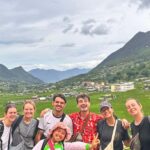
What I love most is the guide team. Linh’s English-friendly explanations make the villages easier to understand, and the pace stays human—enough stops for photos, breathing, and questions. I also really liked the homestay evening: you’ll try local rice wine called happy water, then sing karaoke and spend time with the family instead of rushing off after dinner.
In This Review
- Key Things to Know Before You Go
- From Sapa Stone Church to Dragon Mountain Views
- Why this first climb matters
- Mong Du and Hang Da: Black Hmong Village Walking
- A realism check (without killing the mood)
- Lunch in the Village, Then the Sky Viewpoint Feeling
- Timing note that helps
- Hau Thao Homestay: Happy Water and Karaoke Under Stars
- What you should pack mentally for
- Day Two: Ta Van Rice Terraces and Ban Pho’s Hanging Bridge
- Waterfall reset on the route
- Giang Ta Chai and the Red Dao Village Finish
- Why the Red Dao stop is a good closing act
- Price, the Extra 700,000 VND, and Real Value
- My practical advice
- What the Terrain Really Feels Like (and How to Prepare)
- Bathroom and convenience
- Who Should Book This Trek (and Who Might Want a Different Option)
- Should You Book Linh’s 2D/1N Trek?
- FAQ
- Where does the trek start and end?
- What time should I arrive?
- How long is the tour?
- How long is the trek each day and when do I return to town?
- How difficult is it?
- Do I stay overnight in a homestay?
- Is the guide English-speaking?
- How big is the group?
- Is there any extra payment?
Key Things to Know Before You Go
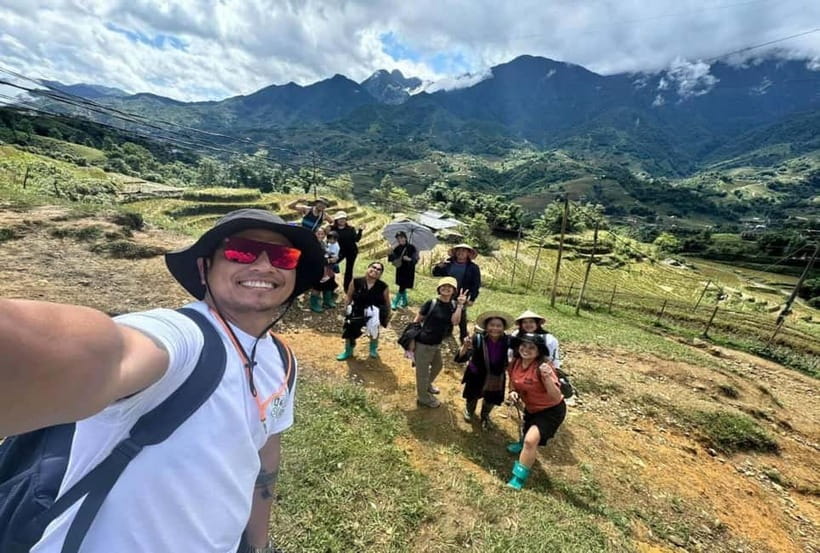
- English-led, small-group trekking (max 16) so you’re not lost in a crowd
- Two solid trail days covering rice fields, villages, bamboo paths, and a sky viewpoint
- A real homestay night with local food, happy water, and karaoke
- Free bathroom access before and after the trek (a small detail that matters)
- An extra 700,000 VND payment is required after the tour for the full experience, so plan for it
- Bring sun protection and water—even if the mountains look misty, heat can hit
From Sapa Stone Church to Dragon Mountain Views
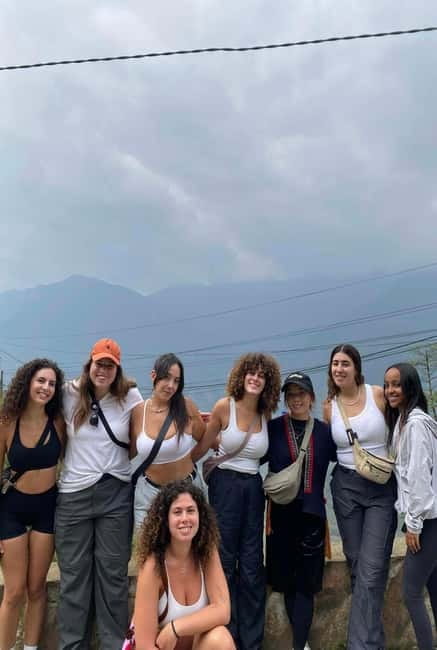
Your trek starts at Nhà Thờ Đá Sapa (Sapa Stone Church). Show up by 9:00 AM, because the plan is set up for daylight. The church sits near the central square on Núi Hàm Rồng Street, so it’s easy to orient yourself once you’re in town.
Before you start walking, this tour is thoughtful about basics: you get free bathroom access before the trek. That might sound small, but after Sapa bus rides and early arrivals, it’s the kind of practical perk you notice later.
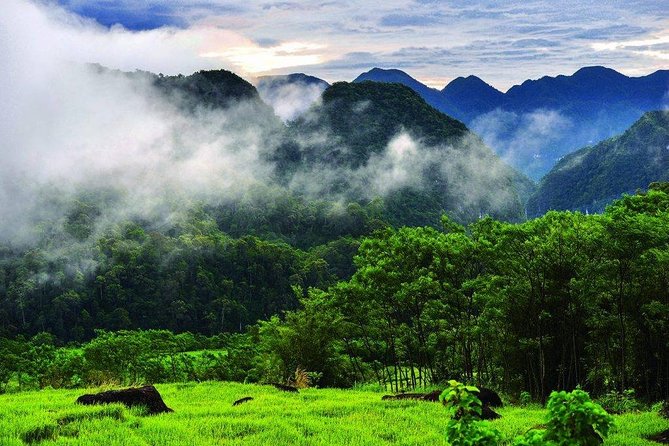
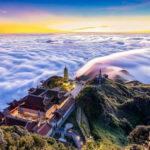
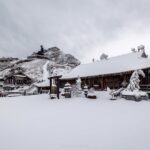
From there, you head up toward Dragon Mountain (about 1,900 m). Expect a real uphill climb, plus the payoff: a panoramic view over Sapa and the misty valleys. On clear days, it’s crisp and wide. On foggy days, it’s softer and more atmospheric. Either way, the key is timing—you’ll see more from a higher viewpoint before the day’s trails spread you out.
You can also read our reviews of more hiking tours in Sa Pa
Why this first climb matters
This opening section helps you “switch on” for the trek. You’re not just walking straight into village paths; you warm up with a big-sky moment over Sapa, so the day feels earned instead of random.
Mong Du and Hang Da: Black Hmong Village Walking
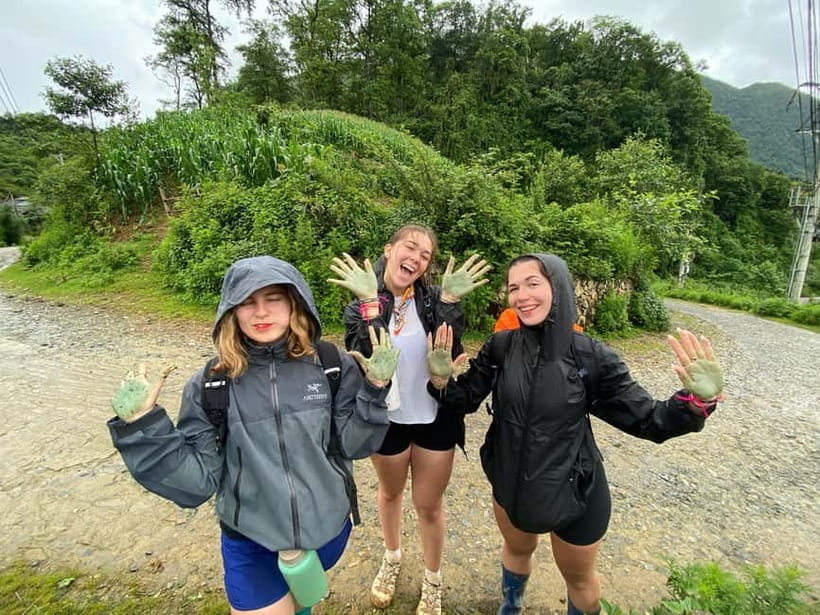
After Dragon Mountain, the route shifts into quieter trails. You’ll pass through areas connected with Black Hmong villages, including Mong Du and Hang Da. These stops are less about checklists and more about daily rhythm: simple life close to the land, and the sense that you’re walking alongside a community rather than past it.
Along the way, you’ll stop for photos and short breaks, then keep moving toward village lunch time. What makes this part work is the guide context. Linh’s job isn’t just to lead you from A to B—it’s to help you understand what you’re seeing as you go.
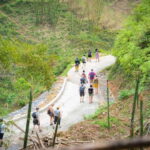
One practical thing to know: village trails can get uneven. Even when the pace is friendly, your footing stays important, especially if it’s damp or if you’re stepping around roots and stones.
A realism check (without killing the mood)
This is not a paved stroll. If your hiking shoes are more fashion than function, you’ll pay for it with tired ankles by late day one.
Lunch in the Village, Then the Sky Viewpoint Feeling
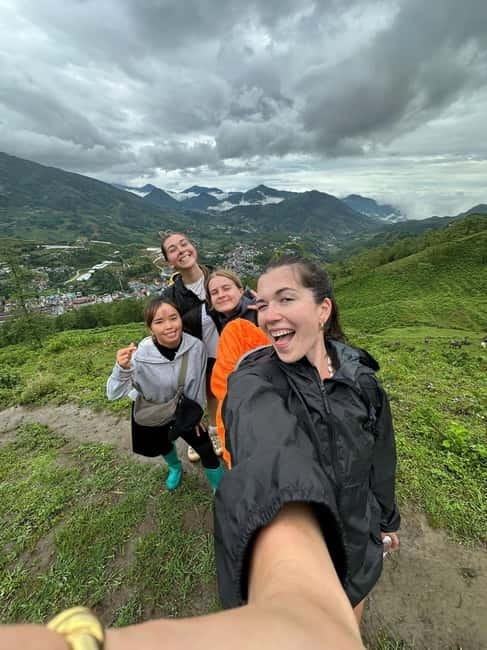
The day is built around two kinds of “break moments.” First is lunch in a peaceful village setting, with the food served as part of the route flow. Second is a stretch toward a secret sky-viewpoint—the moment where the view seems to open up into a wide sweep of mountains and rice terraces.
This is where the trek becomes memorable in a big-picture way. You go from village paths and small scenes to a wider view—so you can actually picture where the terraces fit into the valley geography.
If you’re the type who thinks in photos, this is a good day for it. If you’re the type who thinks in calm moments, it still delivers. The key is to pace yourself and let the viewpoint moment land. Don’t treat it like a stop to rush through.
A few more Sa Pa tours and experiences worth a look
Timing note that helps
You start at 9:00 AM and typically finish major walking in the afternoon, then settle in for the homestay at sunset. That means you’re less likely to feel destroyed by day one, even if the distance is serious.
Hau Thao Homestay: Happy Water and Karaoke Under Stars
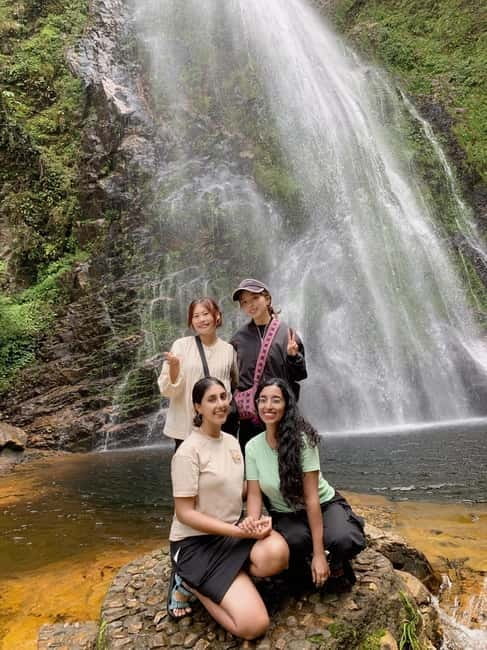
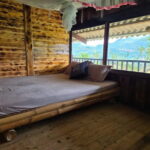
Sometime late afternoon, you’ll reach Hau Thao Village, where you settle into Linh’s homestay setup for one night. The setting is simple and forest-adjacent—exactly the kind of place where you hear life around you at night.
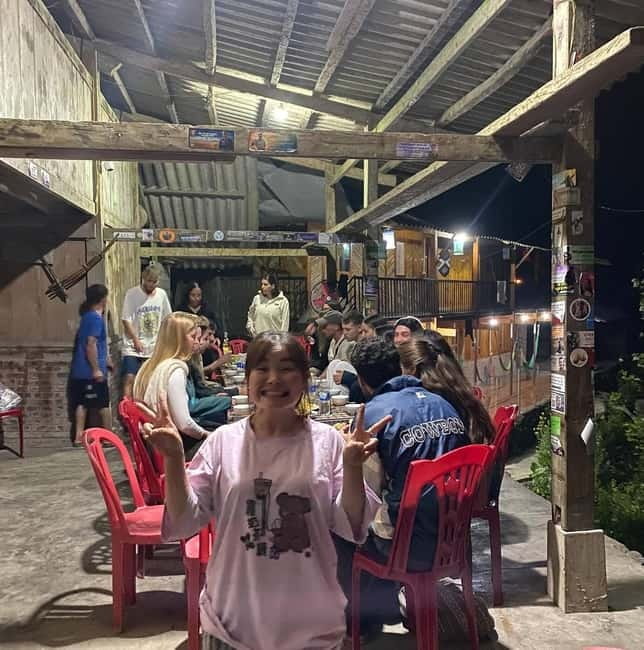
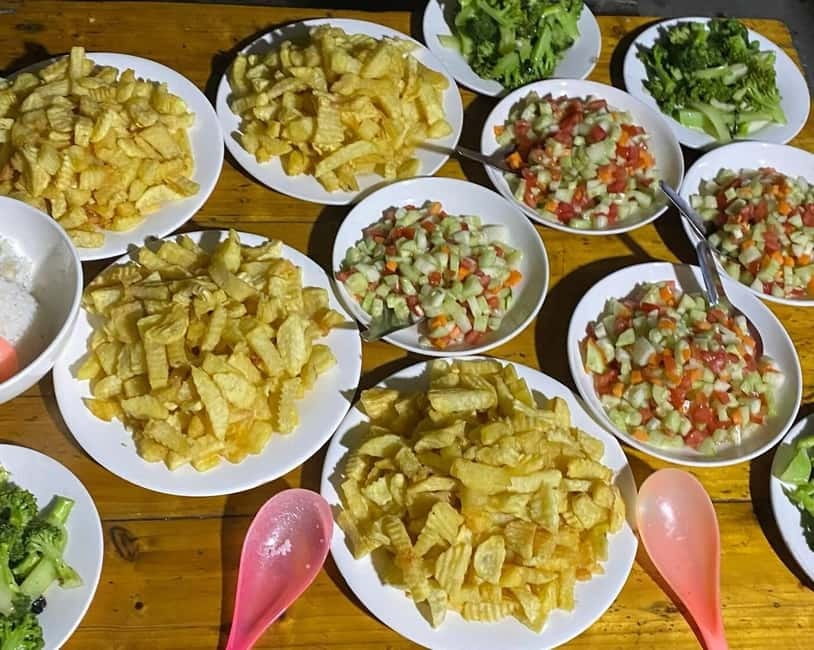
Dinner is part of the homestay experience, and you’ll get chances to learn more than just what to eat. People have enjoyed the family-run feel here—time to talk, learn a bit about traditional cooking, and then relax together after meals.
Then comes one of the most fun pieces of the whole trip: happy water (local rice wine). It’s not a strict party-only event, but it is part of the tradition and the evening social vibe. If you don’t drink, you can still join the moment. Just take it at your pace.
After dinner, the homestay evening often turns into karaoke under the stars. Even if you’re not a singer, this is a great way to feel the warmth and humor of your hosts and other group members.
What you should pack mentally for
Even with basic comfort, it’s still a homestay. You’ll want to be flexible about room style, bathroom simplicity, and timing. The trade-off is you’re living the story, not watching it.
Day Two: Ta Van Rice Terraces and Ban Pho’s Hanging Bridge
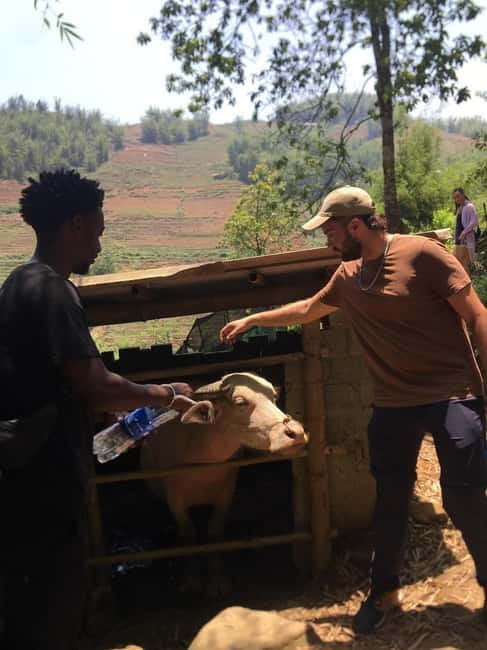
Day two starts with birdsong and mist drifting through the valley. Breakfast is included, and then you head into the second big walking day through more iconic terrace country.
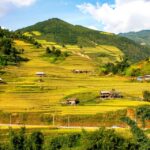
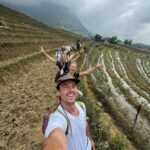
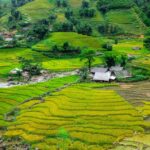
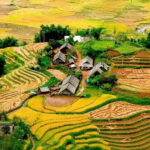
You’ll pass through Ta Van, which is known for classic Sapa terrace views. This is the day where photos often look extra dramatic—because rice fields and valleys stack visually when the light hits right.
Then comes Ban Pho Village and a hanging bridge crossing. This is one of those “small structure, big fun” moments. It’s not about fear; it’s about perspective. You get a new angle on the valley and the terrace rhythm below.
After the bridge, the trail shifts again into more forested paths, with bamboo forests mentioned as part of the trekking feel. Think shaded walking, cooler footing, and less of the open-sun heat than you might get earlier.
Waterfall reset on the route
Along day two, you’ll stop at a hidden waterfall, a chance to cool off (especially in hotter months). Even a quick dip or splash is a mental reset after hours of hiking.
Giang Ta Chai and the Red Dao Village Finish
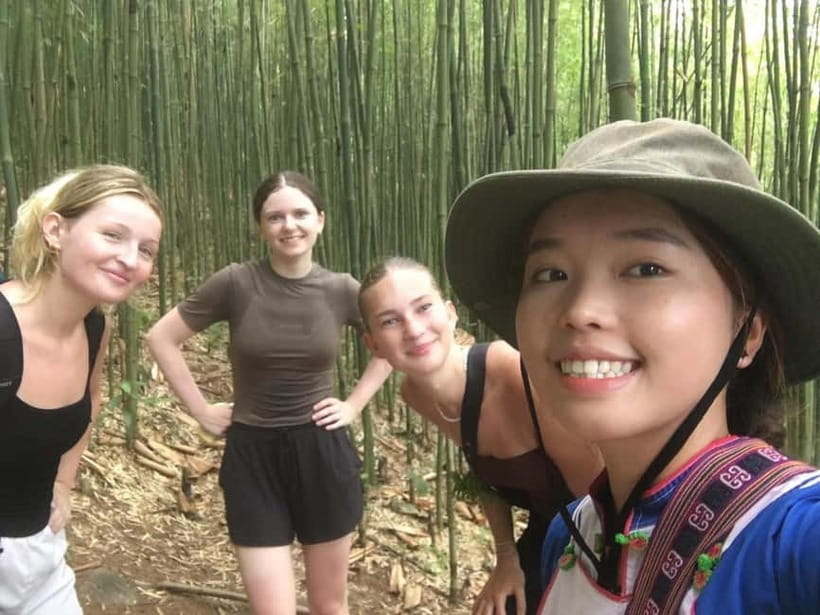
Later in the day you’ll reach Giang Ta Chai, a village area associated with the Red Dao people. Here, you’ll experience guided time plus free time—time to look around, walk a bit at your own pace, and understand the place beyond the photo spot.
The route continues with more walking and sightseeing moments, then eventually a lunch stop, and then you head back toward Sapa town. Depending on conditions, you typically return around 2:00–3:00 PM to Nhà Thờ Đá Sapa.
Why the Red Dao stop is a good closing act
If day one is about Black Hmong villages and big views, day two balances it with a different community and a different feel—more village conversation time and more terrace walking. It’s a clean contrast that keeps the trek from blending into one long route.
Price, the Extra 700,000 VND, and Real Value
The headline price is listed as about $6 per person, but there’s an important note: after you complete the tour, an additional 700,000 VND payment is required for meals, accommodation, entrance tickets, and guide services for a full experience.
So how do you think about value? Not by the $6 number. Value here comes from:
- All meals included as part of the experience
- One night homestay in a local family setting
- Village access/fees baked into the full-experience payment
- A fluent English-speaking guide team (Linh, with the homestay side often led by Lala and Su)
Compared with tours that charge more for similar trekking length but weaker cultural access, this one can be a strong deal—if you go in with the right expectations and you budget the extra payment.
My practical advice
When you book, confirm what your total cost includes on your booking screen. Then plan cash for the 700,000 VND after completion, so you don’t get stuck scrambling at the end of a tiring day.
What the Terrain Really Feels Like (and How to Prepare)
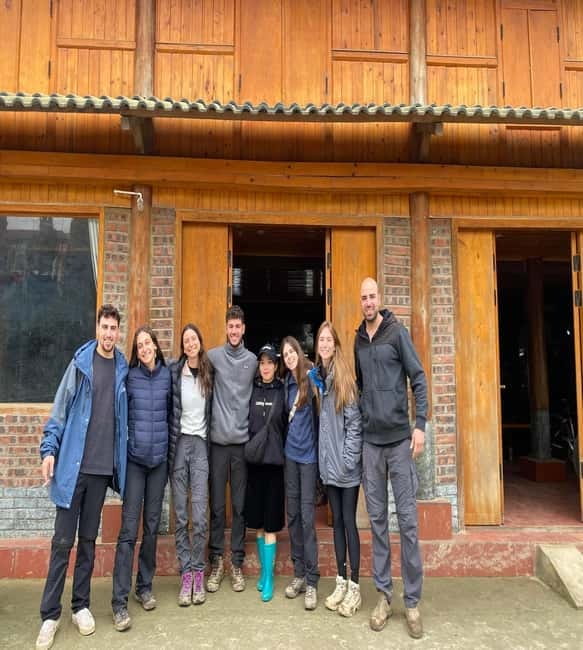
This trek is described as moderate, and that’s accurate in the way that matters: you’ll handle uneven ground and some steep stretches over about 17–19 km across two days.
What you should bring (this list is straight-up useful):
- Hiking shoes (not just sneakers)
- Hat, sunglasses, sunscreen
- Insect repellent
- Change of clothes for the evening
- Water, plus you’ll want a good amount for the day heat
- A light raincoat or jacket, especially if mist turns wet
- Comfortable clothes for long walking
One thing I’d emphasize: even when it looks cloudy or misty, Sapa sun can still hit hard when clouds break. People have found the heat can be brutal on exposed sections, so don’t bet your comfort on the forecast.
Bathroom and convenience
You get free bathroom access before and after the trek, which is a relief. During the walk, you’ll rely on the natural rhythm of village stops and guide timing.
Who Should Book This Trek (and Who Might Want a Different Option)
I think this is a great fit if you want:
- A cultural village trek with an English-speaking Hmong guide
- A homestay night that includes real family interaction, not just a bed
- Rice terrace views plus mountain and forest walking
- A social evening with happy water and karaoke, where your group can laugh together
I’d be cautious if you:
- Hate uneven trails and steep climbs
- Have limited time for hiking prep
- Don’t handle alcohol at all (you can still participate socially, but it is part of the evening)
- Want a polished, resort-style overnight
Should You Book Linh’s 2D/1N Trek?
If you like the idea of walking through Sapa’s villages with Linh and then spending the night with the family side of the experience, this is one of the more memorable ways to do Sapa without blowing your budget.
Book it if you can handle moderate hiking, bring the right sun and insect gear, and you’re excited by a homestay evening that’s more fun and human than formal. Skip it if you’re looking for an easy, fully comfortable hike with predictable facilities at every step.
FAQ
Where does the trek start and end?
It starts and ends at Nhà Thờ Đá Sapa (Sapa Stone Church) in Sapa town.
What time should I arrive?
Please arrive by 9:00 AM for a prompt departure.
How long is the tour?
It’s a 2 days / 1 night trek.
How long is the trek each day and when do I return to town?
Day one runs from around 9:00 AM and ends around 2:30–3:00 PM. Day two returns to the meeting point around 2:00–3:00 PM.
How difficult is it?
The trek is moderate with steep and uneven terrain, covering about 17 km to 19 km over two days.
Do I stay overnight in a homestay?
Yes. You stay 1 night at Linh’s authentic homestay.
Is the guide English-speaking?
Yes. The tour includes a live English-speaking guide.
How big is the group?
It’s a small group, limited to 16 participants.
Is there any extra payment?
Yes. After completing the tour, you need an additional 700,000 VND payment for the full experience, including meals, accommodation, entrance tickets, and guide services.