REVIEW · SA PA
Sapa: Muong Hoa Mountain Views and Villages Trek with Lunch
Book on GetYourGuide →Operated by HELEN · Bookable on GetYourGuide
The climb to Sa Seng mountain is the whole point. This Sapa trek pairs panoramic views of Fansipan with village walks like Hang Da and Hau Thao, plus a real local lunch. The day moves at a human pace, not a stampede.
Two things I love about this experience: the big viewpoint payoff after a tough-but-doable hike, and the chance to learn about Black Hmong culture, including Hmong marriage traditions. One thing to consider: the route includes steep inclines and higher, open viewpoints—so it’s not for you if you get nervous about heights or have back or mobility issues.
In This Review
- Key Highlights You’ll Actually Care About
- Sa Seng Summit: The View That Makes the Whole Trek Worth It
- The 9-Hour Route: What the Day Feels Like, Stop by Stop
- Getting Started: Pickup, Intro, and the Early Climb
- The Summit Payoff: Sa Seng Top Views
- Down to Hang Da
- Animals on the Way and Then Lunch
- Hau Thao Village
- Wrap-up Back to Main Road
- Hang Da Village: Black Hmong Life You Can Read With Your Feet
- Hau Thao Village and Hmong Marriage Traditions
- The Family Lunch: A Small Meal That Changes the Mood
- What to Pack (and Why It’s Not Overkill)
- Price and Value: Why $18 Can Make Sense Here
- Massage Lits Voucher: A Nice Way to End the Day
- Should You Book This Trek?
- FAQ
- How long is the trek?
- What time does the tour start?
- Where is the meeting point?
- Is lunch included?
- Is the guide available in English?
- How big is the group?
- Is transportation included?
- Is there a massage discount after the tour?
- Who should avoid this tour?
Key Highlights You’ll Actually Care About
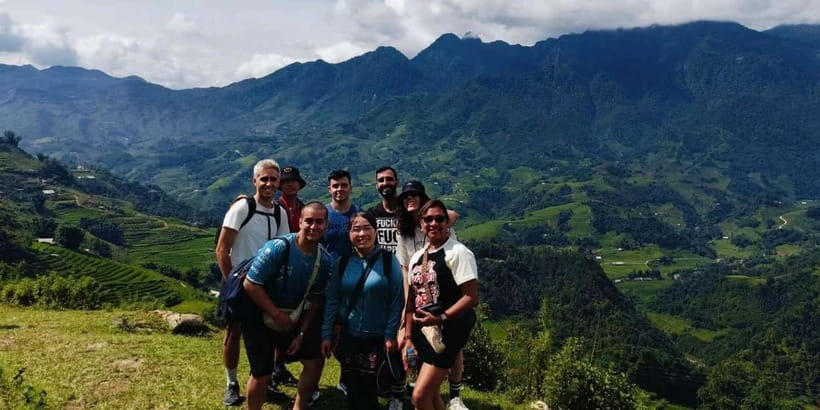
- Sa Seng summit views after about an hour of hard trekking, with sweeping views over Sapa
- Hang Da and Hau Thao village time focused on daily life, field work, and local houses
- Hmong marriage traditions explained by your guide as part of the village stop
- Family-run lunch at a small local restaurant that fits the rhythm of the day
- 20% massage voucher at Massage Lits (01 Hoang Van Thu) after the trek
Sa Seng Summit: The View That Makes the Whole Trek Worth It
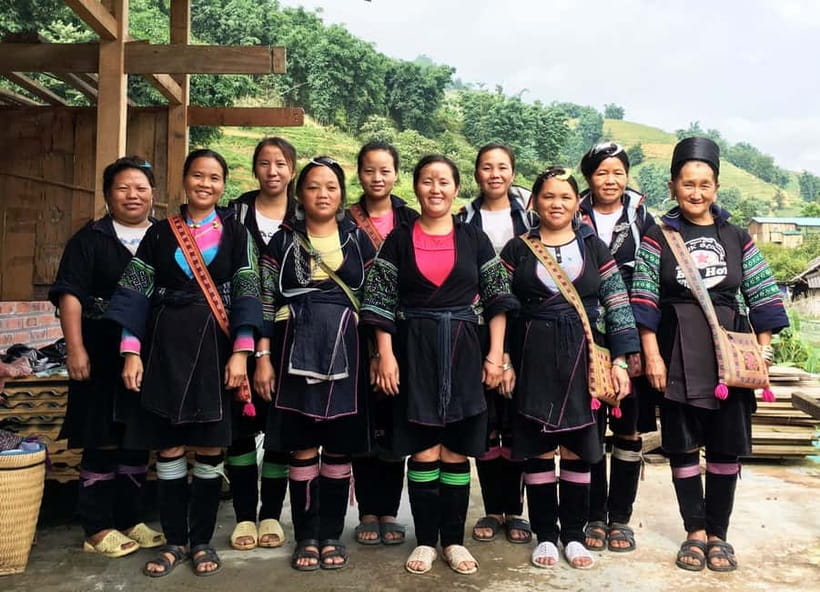
If you only came for a quick lookout in Sapa, this tour wouldn’t be the best match. But if you want that moment when the trail levels off and the whole area suddenly makes sense, the Sa Seng part delivers.
The plan starts with a short van ride pickup at Massage Lits, 01 Hoang Văn Thụ in Sapa. Then you’ll head out on foot, including a 1 km uphill stretch on a small trail. After that, it’s about an hour of hard trekking to reach the top of Sa Seng mountain.
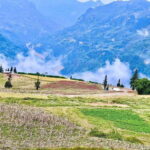
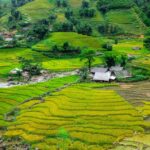
From the summit, you’re set up for classic Sapa scale: you’ll look toward Fansipan (3,143 m)—the highest mountain in Indochina—and you can also see the wider Sapa area. The view isn’t just “pretty.” It’s the kind that helps you understand how the Muong Hoa valley and its rice terraced fields were shaped by mountain life.
A nice touch is that you don’t just look forward. From up high, you also get to look down at the terraced fields and the valley below. That “oh, that’s how it all connects” feeling is usually what people want from mountain trekking in the first place.
A few more Sa Pa tours and experiences worth a look
The 9-Hour Route: What the Day Feels Like, Stop by Stop
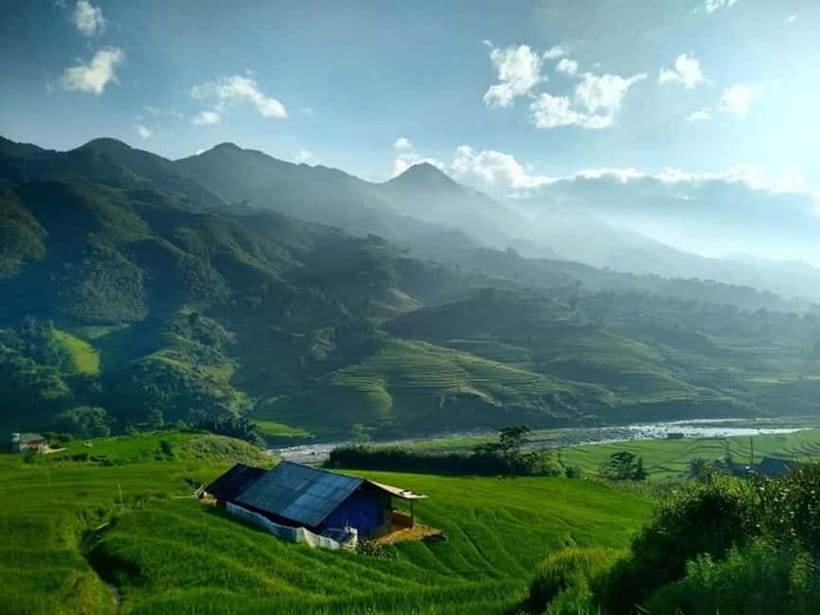
This is a full-day walk (listed as 9 hours), with a mix of climbing, downhill sections, and village time. The general rhythm is: uphill effort → summit payoff → village walks → family lunch → more village viewing → back to town.
Here’s how the flow typically lands:
Getting Started: Pickup, Intro, and the Early Climb
You start at the meeting point by Massage Lits, 01 Hoang Văn Thụ. After a quick introduction, you walk a small trail uphill before the main effort begins. This early climbing matters because you’re warming up your legs before you commit to the harder stretch.
The Summit Payoff: Sa Seng Top Views
Once you reach Sa Seng, the focus shifts from breathing hard to scanning the view. Fansipan, Sapa town, the biggest river and valley in Sapa, and the terraced fields in Muong Hoa valley are all part of what your guide points out.
Down to Hang Da
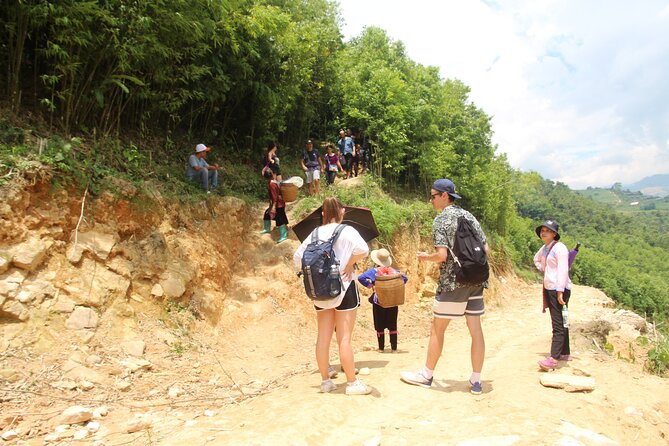
After the viewpoint time, you head down the mountainside toward Hang Da, a village of the Black Hmong minority. Expect a different kind of walking here—less “big workout” energy and more “slow down and look around.”
You can also read our reviews of more hiking tours in Sa Pa
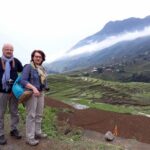
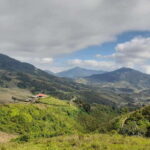
Animals on the Way and Then Lunch
Along the path, you may spot buffalos, cores, and pigs. The tour explains these animals as important to local people, which helps turn “seeing animals” into understanding how village life works.
Lunch comes at a small restaurant run by a local family, so you’re not stuck in a commercial tourist setup.
Hau Thao Village
After lunch, you take a small road down to Hau Thao. This is where the daily-life viewing ramps up. If timing lines up, you’ll see people working—like harvesting or planting rice.
Wrap-up Back to Main Road
The day ends around 15:30 with a walk toward Giang Ta Chai village, where the transport is waiting on the main road. Then it’s back to Sa Pa.
Hang Da Village: Black Hmong Life You Can Read With Your Feet
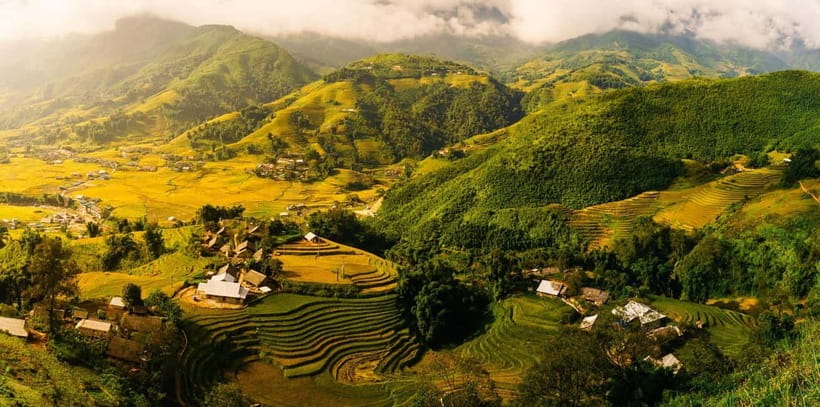
Hang Da is the first real village stop on the route, and it works as a warm transition from the summit. After big mountain views, it’s refreshing to step into a place where life is measured differently.
You’ll be walking down toward Hang Da as part of the trek, and you’ll spend time there with your guide. This stop isn’t presented as a quick photo line. It’s more about learning what’s going on around you—how people structure their days, and what makes the village life “tick.”
Because the tour includes the chance to see animals on the way, you’ll likely connect dots before you arrive. When you understand that buffaloes, pigs, and other farm animals have roles in household life, the village visit feels more grounded.
Also, Hang Da sets up a theme that keeps showing up throughout the day: rice fields work and how the landscape shapes daily routines. Even if you aren’t a serious photographer, you’ll find the village walk gives you plenty to observe beyond scenery.
Hau Thao Village and Hmong Marriage Traditions
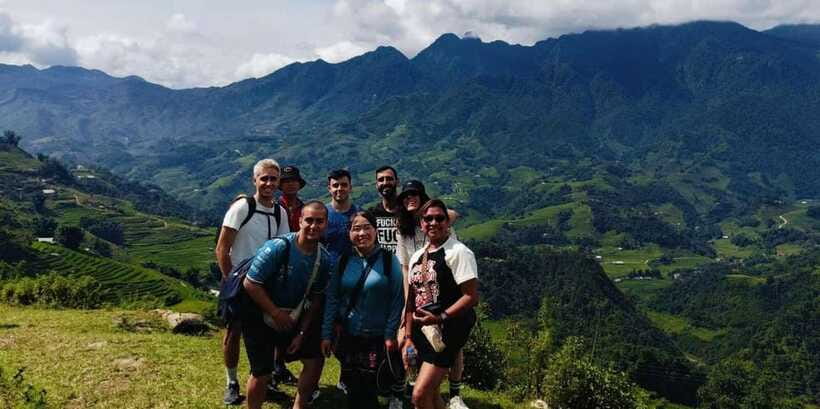
Hau Thao is where the tour leans more into people and traditions. You’ll arrive at the village and get to see day-to-day activity—especially if it lines up with field work. The plan specifically mentions that you might see people harvesting or planting rice.
That timing piece matters. Rice work changes with the season, so on some days you might see one kind of activity; on other days it may be something else. Either way, the point is to see how a village organizes work in a mountainous farming setting.
Then there’s the highlight many people remember: your guide introduces Hmong marriage traditions. This isn’t just a vague culture lesson. The tour connects the tradition to the broader rhythms you’ve seen—work patterns, house building techniques, and how community life is structured.
It’s also a good stop for house-building curiosity. If you’ve ever wondered how materials and design make sense in steep terrain, village time like this helps you see practical choices rather than treating architecture like a museum exhibit.
If you get even a little engaged by cultural context, Hau Thao is likely the moment you’ll rate highest.
The Family Lunch: A Small Meal That Changes the Mood
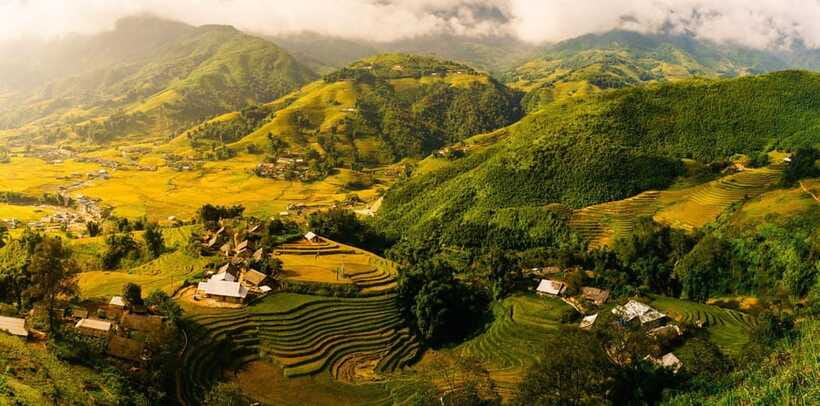
Lunch is included, and it’s not at a chain-style restaurant. You’ll eat at a small restaurant run by a local family.
Why that matters: when lunch is run by locals, you tend to get food that matches the day’s pace. You’re not rushed to get back onto a bus. You eat, regroup, and then continue the trek with better energy.
Also, lunch being in the middle of a village-focused route helps keep the day from feeling like “walking to look at stuff.” Instead, it feels like a full day of slow travel—walk, learn, eat, then continue observing.
If you’re picky about spice, you’ll still want to be mindful. But the tour doesn’t specify menu details, so the safest advice is to come hungry and ready to try what’s served.
What to Pack (and Why It’s Not Overkill)
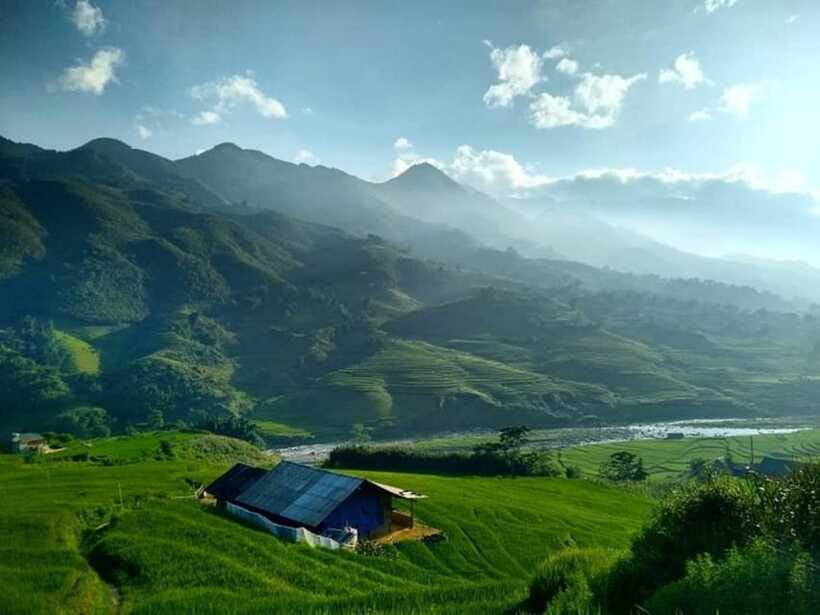
This trek is described as challenging, with steep inclines and mountain walking that can test your balance.
Here’s what you should bring, straight from the recommended list:
- Comfortable shoes with good grip
- Hat
- Camera
- Sunscreen
- Water
- Trekking gear
A lot of people underestimate the importance of shoes on these steep downhill sections. Even if you handle the climb, your feet still take the hit when you’re going back down toward Hang Da and Hau Thao.
Also, sunscreen and a hat matter even if it’s misty. Mountain light can still be strong, and your face and neck will feel it.
Finally, use the tour’s own caution as your checklist. This isn’t for people with mobility impairments, and it’s not for those afraid of heights or with vertigo. If any of that fits you, I’d skip it rather than “hoping for the best.”
Price and Value: Why $18 Can Make Sense Here
At about $18 per person, this tour is in the budget-to-mid range for a full-day Sapa outing. The value comes from combining four things that normally cost extra if you do them separately:
- Round-trip van transportation with a driver
- A live English-speaking guide
- Lunch at a local family restaurant
- A massage voucher after the trip: a 20% discount at Massage Lits (01 Hoang Van Thu)
Small group size is also part of the value. This is limited to 10 participants, which usually makes it easier for your guide to manage the pace and answer questions—especially during the village segments where interaction matters.
So the question isn’t just “Is it cheap?” It’s: does the day include enough real components to justify the price. Here, it does.
One more practical note from the guide vibe: the tour guide is often praised for making the trek enjoyable even when conditions turn wet or misty. That matters because in Sapa, weather changes plans fast, and a good guide helps you keep moving without losing the point of the trip.
Massage Lits Voucher: A Nice Way to End the Day
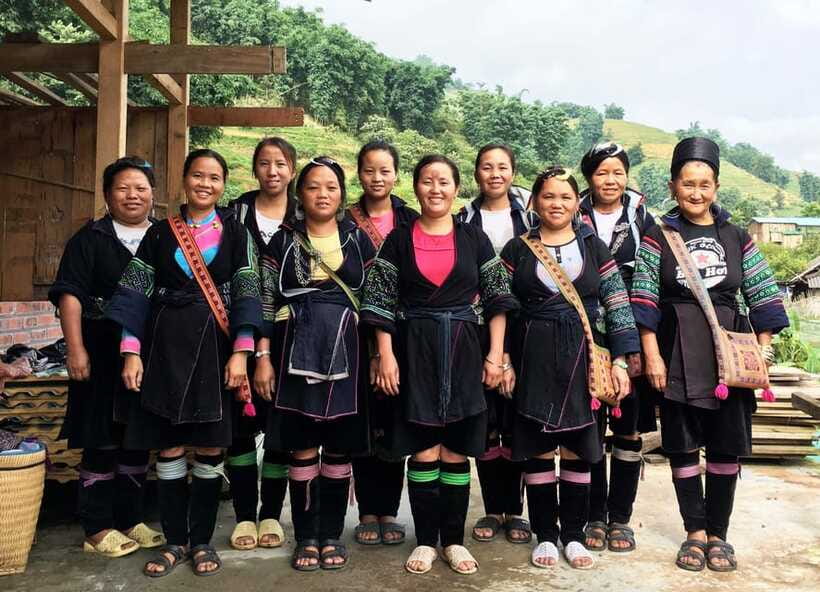
Your day doesn’t end when you get back. You also receive a voucher for massage at Massage Lits, 01 Hoang Van Thu, with a stated 20% discount after the trip.
This is a smart add-on. Trekking days—especially steeper ones—usually leave your legs a bit grumpy. Knowing you’ve got a low-cost recovery option can make booking feel less risky.
Even if you skip the massage, the voucher is still part of how the provider positions the day as a complete experience: walk hard, learn a lot, then recover.
Should You Book This Trek?
Book it if you want a real hike plus real village time—and you’re comfortable with steep walking. This is best for people who like learning how people live (not just collecting photos), and who enjoy guides who explain culture in a practical, on-the-ground way.
Don’t book it if you’re sensitive to heights, have vertigo, have back problems, need mobility support, or you’re pregnant. The trek’s steep inclines and elevation-focused viewpoint are part of what makes it memorable, but they also make it a poor fit for those groups.
If you want a Sapa day that connects Sa Seng summit views, Black Hmong villages (Hang Da and Hau Thao), and a family-run lunch into one smooth story, this is a strong choice. The value is simple: for the money, you get transport, an English guide, lunch, culture stops, and a massage discount waiting afterward.
FAQ
How long is the trek?
The tour is listed as 9 hours long.
What time does the tour start?
The schedule shows a 9:00 pickup, but the tour also says starting times can vary—so you should check availability for your date.
Where is the meeting point?
The meeting point is Massage Lits, 01 Hoang Văn Thụ, Sapa.
Is lunch included?
Yes. Lunch is included at a small restaurant run by a local family.
Is the guide available in English?
Yes. The tour includes a live tour guide in English.
How big is the group?
The group is small, limited to 10 participants.
Is transportation included?
Yes. You get round-trip transportation by van, plus a driver.
Is there a massage discount after the tour?
Yes. You receive a voucher for a 20% discount at Massage Lits, 01 Hoang Văn Thu after the trip.
Who should avoid this tour?
It’s not suitable for pregnant women, people with back problems, those with mobility impairments, and anyone afraid of heights or with vertigo.