REVIEW · SA PA
SAPA 1 DAY – Mountain Views And Villages Trek – Long Trek
Book on GetYourGuide →Operated by Cat ba memories · Bookable on GetYourGuide
Sapa’s best views come with a long climb. This 12–14 km trek threads from Sapa up to Sa Seng, then down through Black Hmong villages toward Hau Thao, with big sightlines over Fansipan and the rice terraces of Muong Hoa Valley. I really like how the day mixes hard uphill walking with village moments you can actually see and ask about, and I like the included lunch hosted by a local family.
The one possible drawback is physical: the first part is steep and the return can be tough on knees if your legs aren’t used to uneven ground.
Good guides make it better. On this route, you might get someone like Zo, Su, Mama Mao, Chili, or Mama Sa, and that matters because they turn the trail into clear stories about Hmong life—marriage traditions, rice field work, and house-building methods. Bring a hat and shoes with grip, and you’ll be glad you did when the path gets slick.
In This Review
- Key things that make this Hau Thao 1-day trek worth it
- A long Sapa trek that actually gets you off the main loop
- Starting from Sapa: uphill right away (and why that’s a good thing)
- Sa Seng mountain: Fansipan and the Muong Hoa Valley views
- Hang Da village and the Black Hmong fields
- The included lunch: a real break, not just a time filler
- Hau Thao village: where the day turns into culture
- Giang Ta Chai: the return walk and the end-of-day logistics
- Pace, terrain, and the fitness reality check
- Price and value: what you’re really paying for at about $24
- Small group size: why it changes the feel of the day
- What to bring (and what to leave at home)
- Should you book the Sapa 1 Day Mountain Views and Villages Trek?
- FAQ
- How long is the trek?
- How far do I walk?
- Where does the tour start and where do you end?
- What’s included in the tour price?
- Is the guide English speaking?
- Is this a small group?
- What should I bring for the hike?
- Are strollers or alcohol allowed?
- Is the tour suitable for children?
Key things that make this Hau Thao 1-day trek worth it
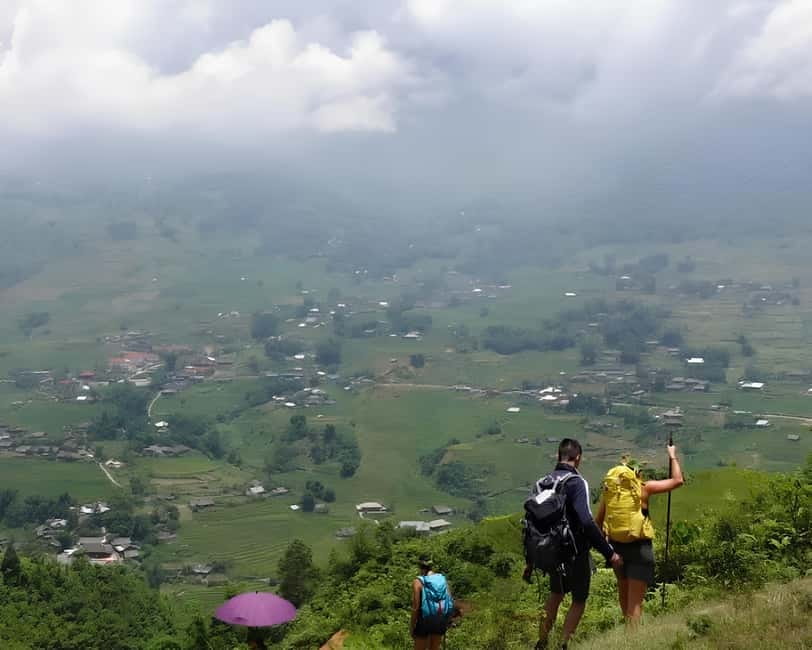
- Sa Seng summit views: Fansipan (3,143 m) plus Sapa town and the Muong Hoa Valley terraces
- Black Hmong village time: Hau Thao daily life, rice harvesting/planting if the timing works
- Real cultural explanations: Hmong marriage traditions, rice field work, and house-building techniques
- Family-run lunch: a local meal during a genuine pause in the middle of the trek
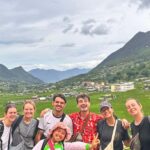
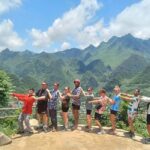
- Small group of up to 10: easier pacing and more guide attention
- A long downhill finish: beautiful views, but plan for steep and uneven sections
A long Sapa trek that actually gets you off the main loop
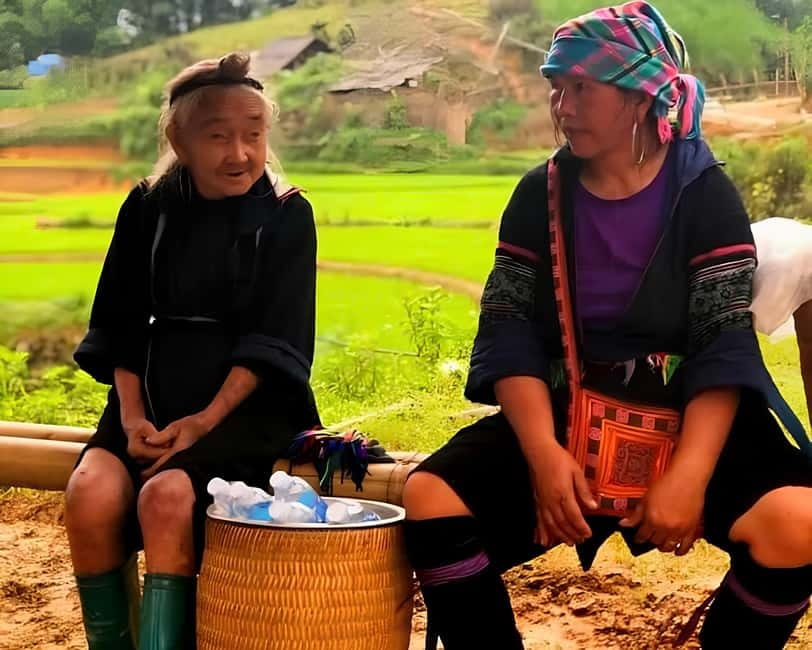
This isn’t the kind of Sapa day trip that keeps you close to the road. The goal here is to earn your views with walking, then spend time in Hau Thao and nearby villages where the rhythm is set by farming, not tourism.
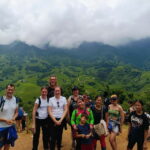
The route starts in Sapa town and aims for Hau Thao village via Sa Seng and Hang Da. You get the big-picture panoramas first, then the day shifts into smaller details: animals in the fields, houses, and the way people talk about their work. If you like your Vietnam travel days to feel hands-on and human-scale, this style fits well.
You can also read our reviews of more hiking tours in Sa Pa
Starting from Sapa: uphill right away (and why that’s a good thing)
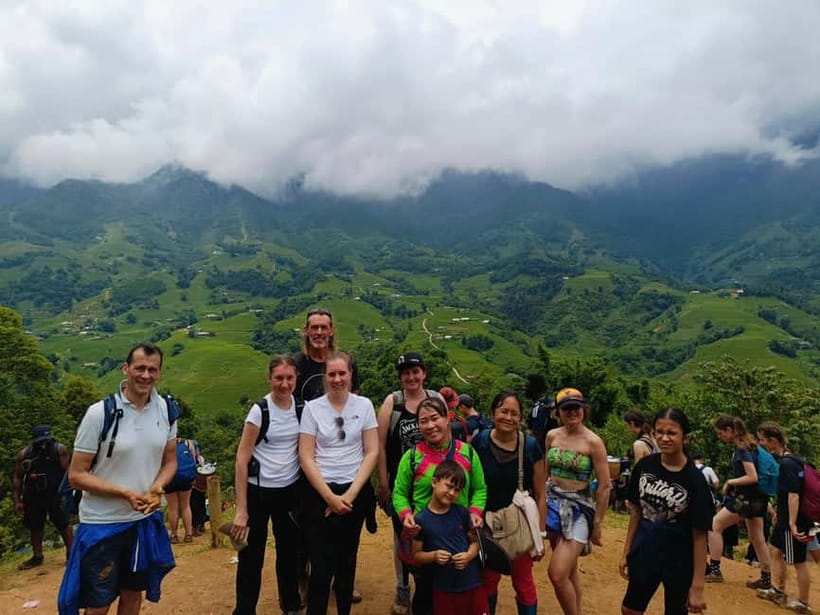
Pickup happens in Sapa town, and you’ll meet at the hotel meeting point listed for the tour. Your day begins around 9:00, with a quick intro before you start walking.
Then the plan jumps into a short uphill trail move—about 1 km uphill—before the harder trekking begins. That early climb matters because it sets the tone: you’re not just walking for walking’s sake. You’re building toward the summit lookouts that are the payoff of this whole trip.
Practical tip: if you’re wearing shoes that feel “almost fine,” this is where you find out. Grab your trekking stick and tighten your laces before the steep section starts.
Sa Seng mountain: Fansipan and the Muong Hoa Valley views
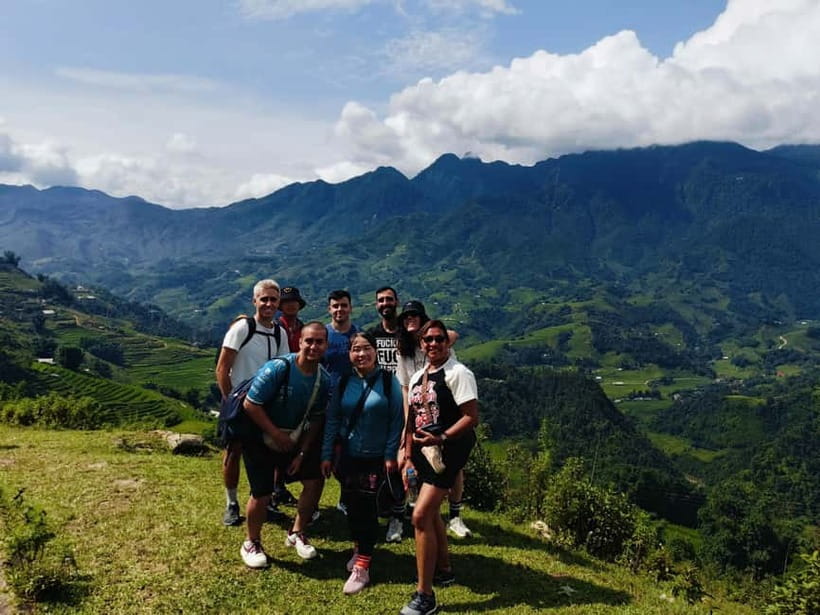
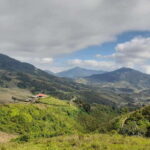
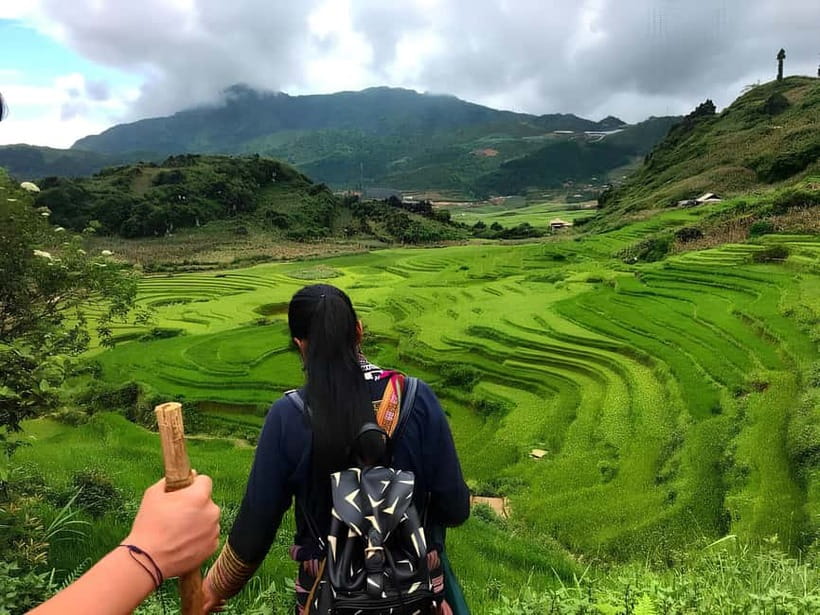
After roughly an hour of tougher uphill walking, you reach the top of Sa Seng mountain. This is the big viewpoint moment: you can see Fansipan (3,143 m), which is described as the highest in Indochina, along with views over Sapa town.
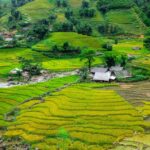
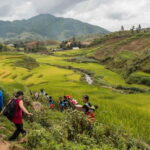
Then you look down and take in the broader shapes of Sapa: the rice terrace fields in Muong Hoa Valley and the biggest river and valley in Sapa. If the weather is clear, this is where photos make sense. If it’s misty, you still get the sense of depth—just don’t expect crisp mountain edges the whole time.
This is also why an early start helps. You’re most likely to catch the views before conditions shift, and your pace stays steadier before fatigue sets in.
Hang Da village and the Black Hmong fields
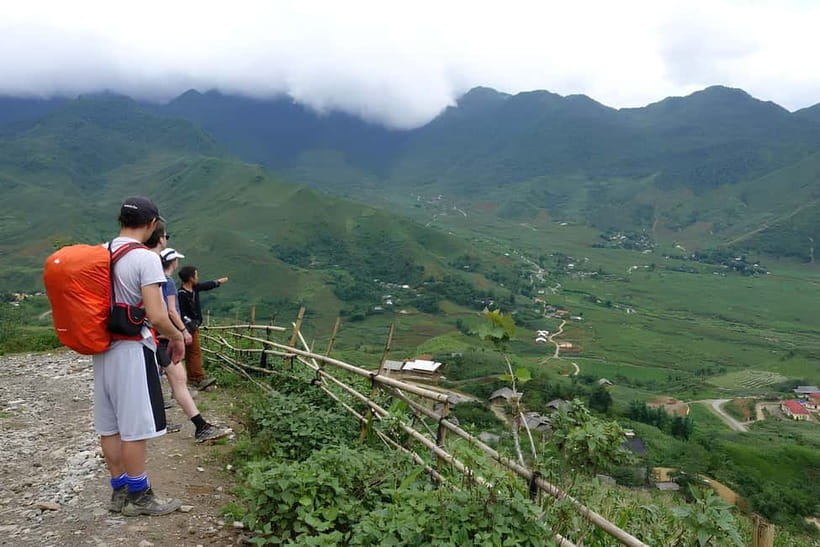
From Sa Seng, you keep moving down the mountainside toward Hang Da village, which is home to the Black Hmong community. This is the transition point where the day starts feeling less like a viewpoint hike and more like a village walk.
Along the way, you’ll see animals that local families depend on—buffalos, cattle, and pigs. It’s a small detail, but it’s a big clue about why the landscape looks the way it does. Farming here isn’t a side activity. It’s the center.
You’ll also get a look at the kind of farm schedule that makes villagers efficient with time. Even if you only see fragments—paths, fences, farm plots—it helps you understand why the explanations from your guide feel grounded rather than scripted.
The included lunch: a real break, not just a time filler
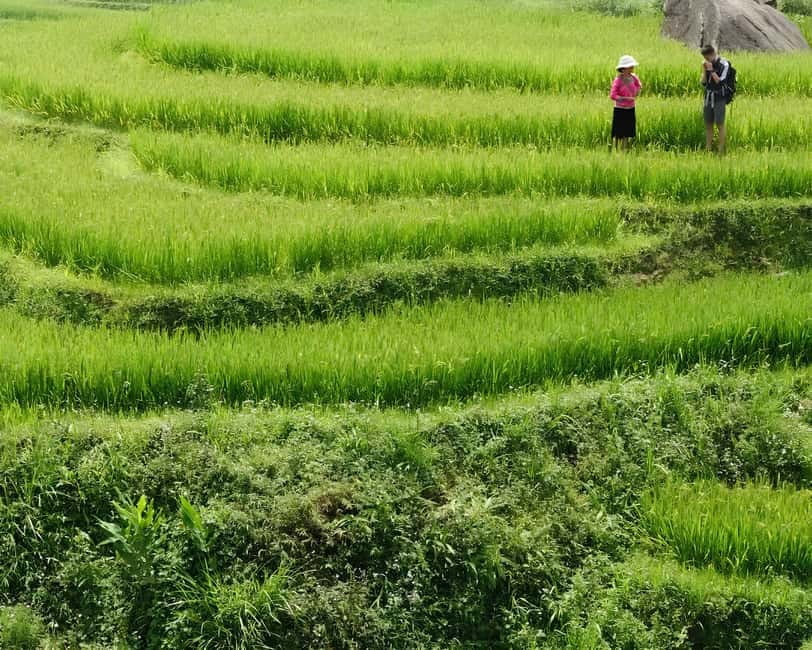
You’ll stop for lunch at a small restaurant run by a local family. This is one of the best parts of the day because it gives you a genuine reset when your legs need it.
A big value point here: your lunch is included. You’re also included for village entry fees, and the tour provides one small bottle of water per person plus a trekking stick. That combination reduces decision fatigue. You don’t need to keep checking menus or figuring out what costs extra mid-trek.
One practical note from real-world pacing: there can also be a mid-route stop where you can grab extra items like drinks, and those extras may cost extra. If you think you’ll want a cold drink, consider bringing a little cash with you so you’re not hunting for an ATM on a mountain schedule.
A few more Sa Pa tours and experiences worth a look

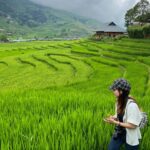
Hau Thao village: where the day turns into culture
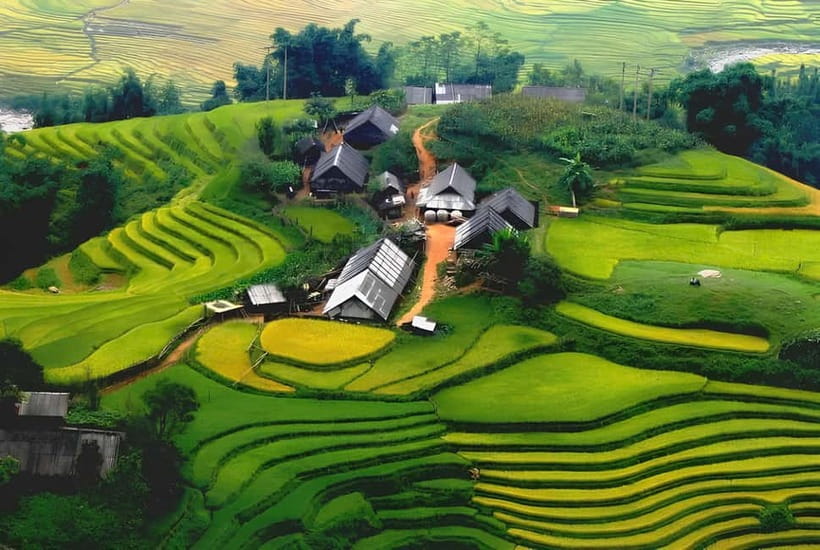
After lunch, you’ll head down by small road toward Hau Thao village, also described as a Black Hmong community. When you arrive, you’re meant to see local daily life rather than a performance.
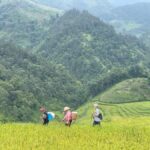
If timing is right, you may see people working in the fields—harvesting or planting rice. That’s a useful thing to know beforehand. Rice farming is seasonal, so the exact activity you witness depends on the day. Even when you’re not watching harvest work, you’ll still see the everyday routines that make the village feel alive.
This is also where your guide’s storytelling matters most. You’ll get explanations of:
- Hmong marriage traditions
- Rice field work
- House-building techniques
With the right guide, these topics don’t feel like a lecture. You’ll hear them linked directly to what you’re seeing while you walk—why homes look a certain way, how work roles fit family structure, and how farming shapes daily choices.
Giang Ta Chai: the return walk and the end-of-day logistics
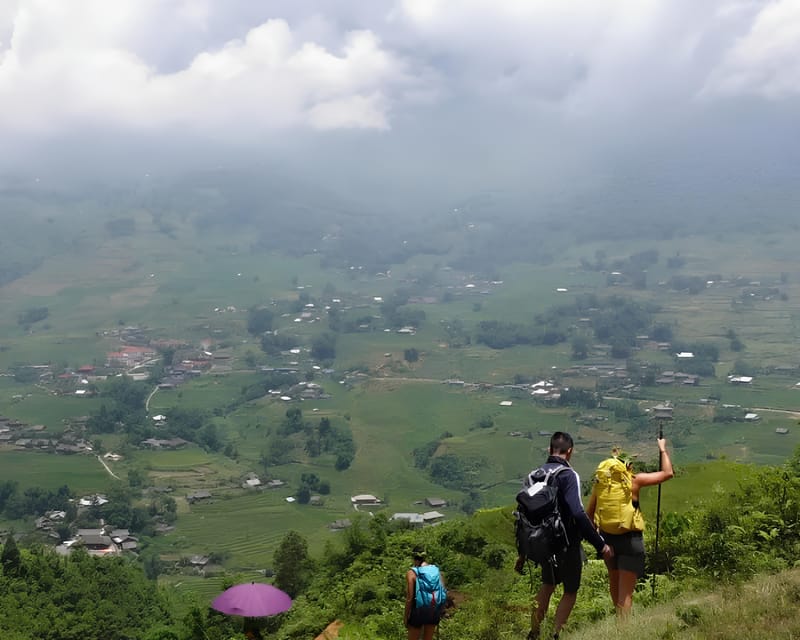
By the mid-afternoon stretch, you’ll walk to Giang Ta Chai village, where your transport is waiting on the main road. The route is designed so the trekking experience doesn’t end abruptly. You still walk, you still see village edges, and then you transition smoothly back to Sapa.
The tour ends around 15:30, returning you to the meeting point area in Sapa. This timing is helpful because you’re still likely to have energy for an evening meal or a casual stroll in town—especially if you pace yourself downhill.
Pace, terrain, and the fitness reality check
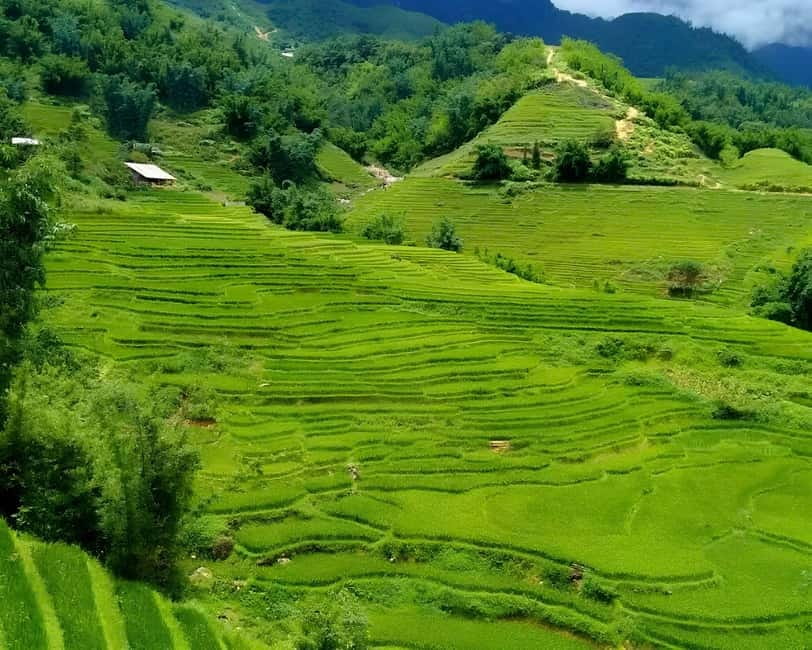
This is a long trek for a one-day Sapa outing. The route is described as 12–14 km, and the itinerary includes a steep uphill start plus mountain-side descents.
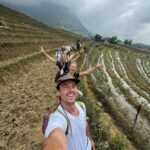
So yes, it can be tough. The early part is uneven and uphill, and the later sections can be steep. If you have knee issues, you’ll want to treat the downhill as the hardest part of the day, not the “easy ending.”
What helps:
- A trekking stick (included)
- Shoes with grip and support
- A hat and sunglasses for exposed sections
- Water and cash for any extra snacks or drinks along the way
Also, the tour has clear restrictions about who it’s suitable for. If you’ve dealt with altitude sickness, have heart or kidney problems, or have mobility limitations, you should take that seriously and consider a gentler option.
Price and value: what you’re really paying for at about $24
At around $24 per person, the price lands in the value zone for a day trek in Sapa that includes the whole package.
Here’s what you’re getting without extra add-ons inside the main structure:
- English-speaking guide (with Vietnamese also available)
- Village entry fees
- Traditional lunch
- Transport back after the trekking portion
- 1 bottle of water
- Trekking stick
The value isn’t just the dollar amount. It’s the fact that the tour handles the hard parts: where to go, when to pause, and how to connect what you see to what it means.
You still need to handle your own extras (cash for personal spending, any drinks beyond what’s included), but the core experience is packaged. For many people, that’s exactly what makes this kind of day trip worth doing instead of piecing together a route yourself.
Small group size: why it changes the feel of the day
This is a small group capped at 10 participants. That matters more than it sounds.
With fewer people, the guide can adjust pacing on uneven stretches, answer questions without shouting, and keep the cultural stops from feeling rushed. It also helps if you’re the type who wants to ask something specific—like why house-building techniques differ, or how marriage customs connect to family structure.
In a bigger group, those moments can get swallowed by timing. Here, they tend to land.
What to bring (and what to leave at home)
The tour lists straightforward packing needs, and they’re not random.
Bring:
- sunglasses
- a sun hat (and you might want a backup hat as well)
- cash
- anything you use to stay comfortable in changing weather
Do not plan on:
- bare feet
- baby strollers
- alcohol or drugs
Also, dress for mountain walking: layers help because conditions can change, and sun exposure can still be strong even when you see mist in the higher areas.
Should you book the Sapa 1 Day Mountain Views and Villages Trek?
Book it if:
- You want a long, real trek rather than a quick photo stop
- You care about Black Hmong village life and not just viewpoints
- You’re comfortable with steep, uneven walking and you can protect your knees
- You like guides who explain culture while you’re actively seeing it (this route tends to deliver that)
Skip it (or choose a gentler alternative) if:
- You have knee problems or trouble with steep descents
- You can’t handle uneven terrain
- You’re dealing with health constraints mentioned for the tour (including restrictions around altitude sickness, heart/kidney issues, and mobility)
If your fitness level is good and you’re willing to work for the views, this is one of the more satisfying one-day ways to experience Sapa beyond the usual town perimeter. The summit views set the hook, and the Hau Thao village time keeps it from feeling like just another hike.
FAQ
How long is the trek?
The experience lasts about 8 hours.
How far do I walk?
It’s described as a 12–14 km trek.
Where does the tour start and where do you end?
You’re picked up in Sapa town at the listed hotel meeting point, and the tour ends back at the same meeting point area after the return walk and transport.
What’s included in the tour price?
Included items are a traditional lunch, an English-speaking guide, village entry fees, 1 small bottle of water per person, transport back to Sapa after the trekking portion, and a trekking stick.
Is the guide English speaking?
Yes. The guide provides English, and Vietnamese is also available.
Is this a small group?
Yes, the group is limited to 10 participants.
What should I bring for the hike?
Bring sunglasses, a sun hat/hat, and cash.
Are strollers or alcohol allowed?
No. Baby strollers aren’t allowed, and alcohol and drugs are not allowed.
Is the tour suitable for children?
It’s not suitable for children under 2 years, under 3 years, or under 4 years (depending on the tour’s stated limits).