REVIEW · SA PA
Sa Pa: Muong Hoa Valley Trek and Local Ethnic Villages
Book on GetYourGuide →Operated by Vietnam Nomadtrails · Bookable on GetYourGuide
Fog + rice terraces + village footsteps. This Muong Hoa Valley day trek mixes cultures and scenery with a real walking plan: river crossings, villages like Lao Chai and Ta Van Giay, then the bamboo forest route onward toward Giang Ta Chai. You also get a stop for ancient rock carvings, plus a short break near a waterfall before the drive back to Sa Pa.
I especially like the small-group feel (max 11 people). And I like that lunch isn’t just thrown in at a restaurant—guides such as Chai and Kau have led guests into family-style meals, sometimes even adjusted for diets like vegan, which makes the day feel more like a visit than a checklist.
One thing to plan around: this is a wet-weather trek. If it’s foggy or rainy, the trail—especially bamboo forest sections—can get very muddy and slippery, so you’ll want solid grip shoes and a body ready for a sustained uphill-downhill day.
In This Review
- Key things I’d circle before you go
- Sa Pa’s Muong Hoa Valley: where the day feels lived-in
- The walk plan: from Sa Pa pickup to the 10-kilometer circuit
- River crossings and terraced rice: the part your shoes will remember
- Rock carvings, villages, and lunch that actually changes the day
- Bamboo forest, Giang Ta Chai, and the waterfall rest
- Guides and local helpers: how safety and culture work together
- What to bring: shoes with grip, plus sun and bugs, plus a little cash
- Price and what’s truly included (and what costs extra)
- Who this trek suits—and who should skip it
- Should you book this Muong Hoa Valley trek?
- FAQ
- How long is the trek and when does it end?
- How far will I walk?
- What’s included in the $23 price?
- Do I need to buy lunch or drinks separately?
- Where does pickup happen?
- What should I bring to be comfortable on the trail?
- Is this trek suitable for kids or people with mobility impairments?
Key things I’d circle before you go
- A tight max-11 group keeps the pace human and the attention personal
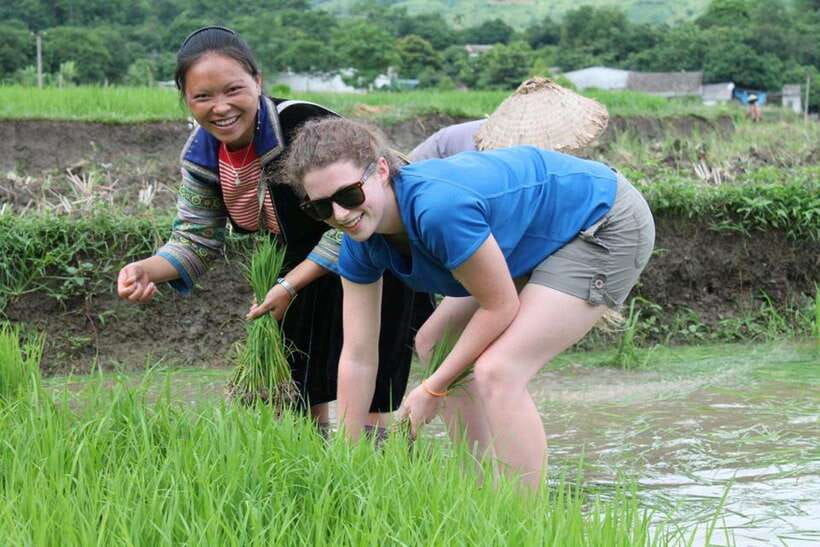
- Three village areas (Black Hmong and Red Dao) show different ways of daily life
- Ancient rock carvings add a cultural stop beyond views and photos
- Bamboo forest + wet mud is the main challenge, with local hands when footing gets rough
- Lunch at a local home turns the midday break into part of the experience
- Return by about 3:30 PM makes it a workable day trip from Sa Pa
Sa Pa’s Muong Hoa Valley: where the day feels lived-in
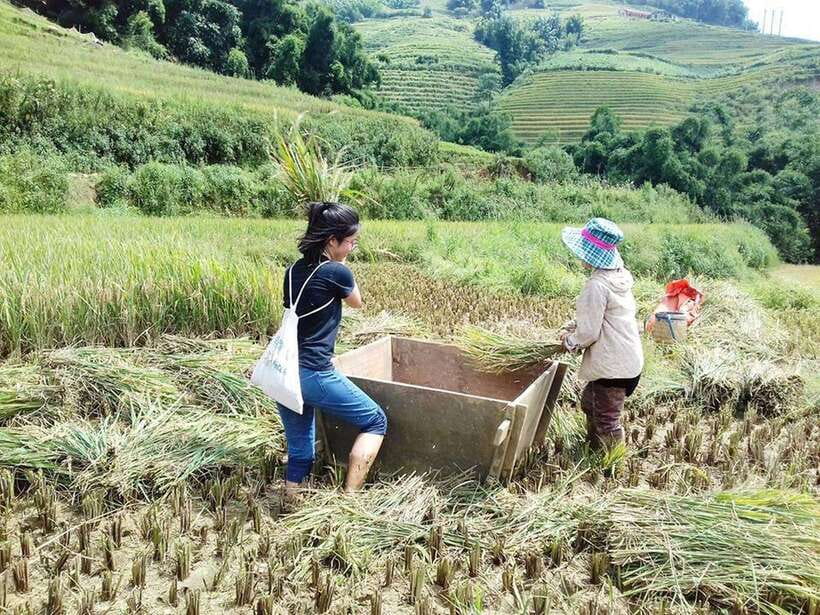
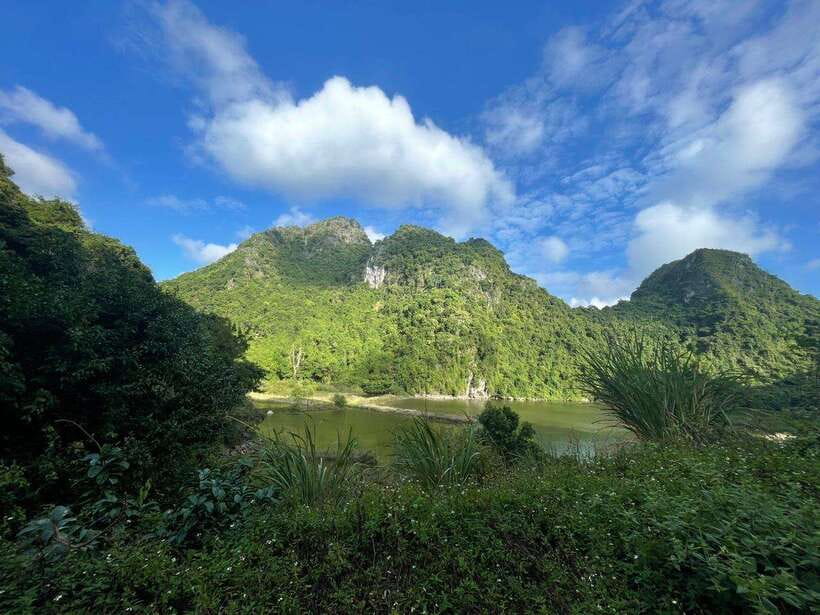
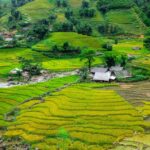
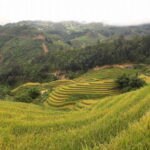
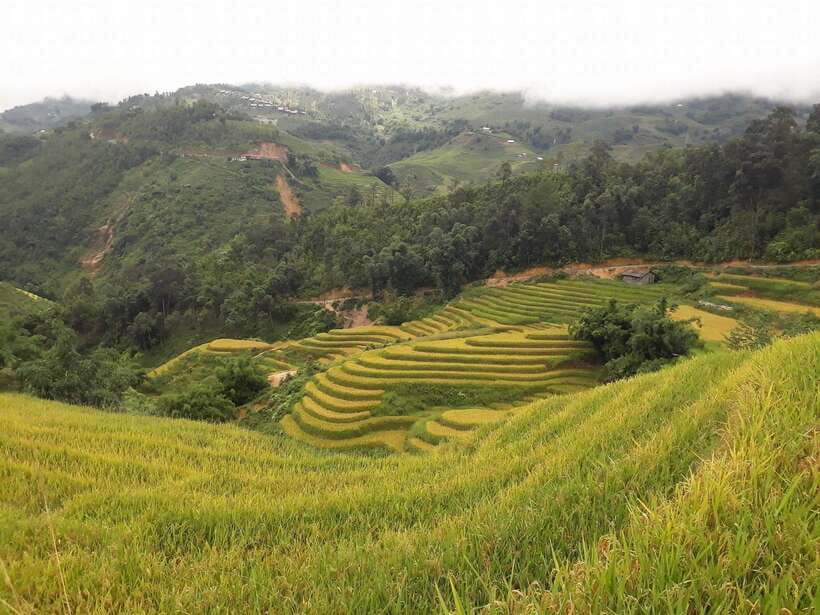
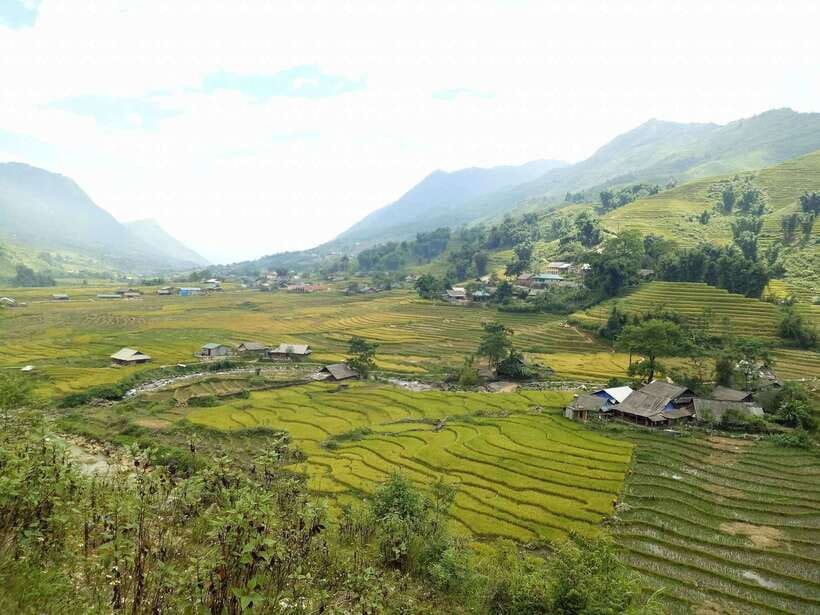
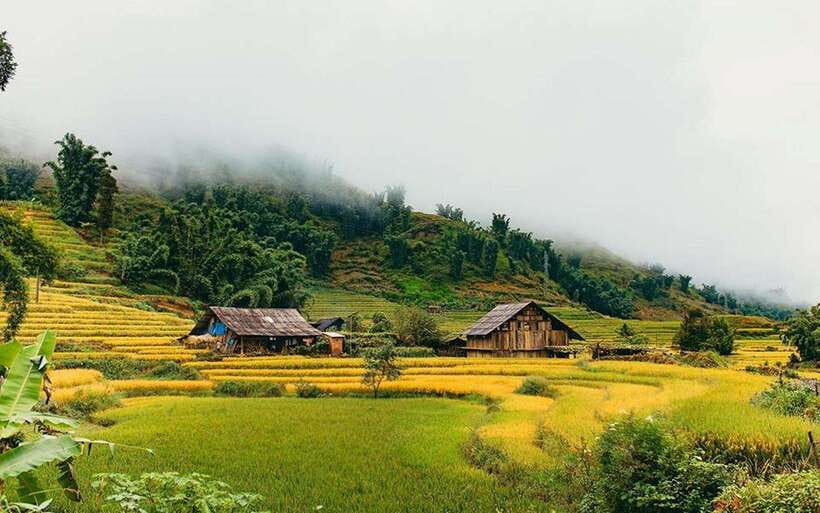
This trek works because it doesn’t treat the valley like a background. You walk through functioning agricultural land with terraced rice, water channels, and working paths that locals use all the time. In the morning, mist often softens the rice terraces, and the result is not just scenic—it’s atmospheric in a very Sa Pa way.
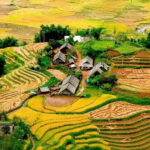
The culture piece is strong too. You’re not doing one generic stop and moving on. You pass through Black Hmong village life around Lao Chai and Ta Van Giay, then you continue to the Red Dao community at Giang Ta Chai. That change of community, plus the way the group moves through the valley, makes the day feel like a connected route rather than a string of photo stops.
The best part is that your guide is there to explain what you’re seeing while you walk. In particular, guides like Su and Khu come through clearly in the reviews as active on safety and on answering questions. If you want a day where the walking plus the context both matter, this one fits.
You can also read our reviews of more hiking tours in Sa Pa
The walk plan: from Sa Pa pickup to the 10-kilometer circuit
Your day starts with a pickup in Sa Pa center (either from a hotel in town or from the operator’s office). Then you head into the valley with an English-speaking guide and a small group capped at 11 people. The trek itself is about 10 kilometers total and runs around 6 hours, finishing around 3:30 PM.
As you start, you follow a small trail that leads you to cross the Muong Hoa River. Right after that, the route keeps you moving past well-tended terraced rice fields—exactly the kind of terrain you hope to see in this area, but on foot. You’ll also notice the walking style is practical: narrow paths, short stretches that can feel steep, and surfaces that change from packed trail to muddier ground depending on weather.
From there, the itinerary transitions into villages. You continue past the terraced fields toward Lao Chai (Black Hmong community), then hike to Ta Van Giay. The day keeps a steady rhythm: walk, pause, look closely, listen, repeat. That pacing is helpful because it stops you from feeling rushed, but it still keeps the day active.
Finally, you work your way onward toward Giang Ta Chai (Red Dao). After a waterfall break, you finish with an uphill climb to the main road where the driver is waiting to take you back to Sa Pa. It’s a full day circuit, but it’s structured so the final leg doesn’t feel like an endless slog.
River crossings and terraced rice: the part your shoes will remember
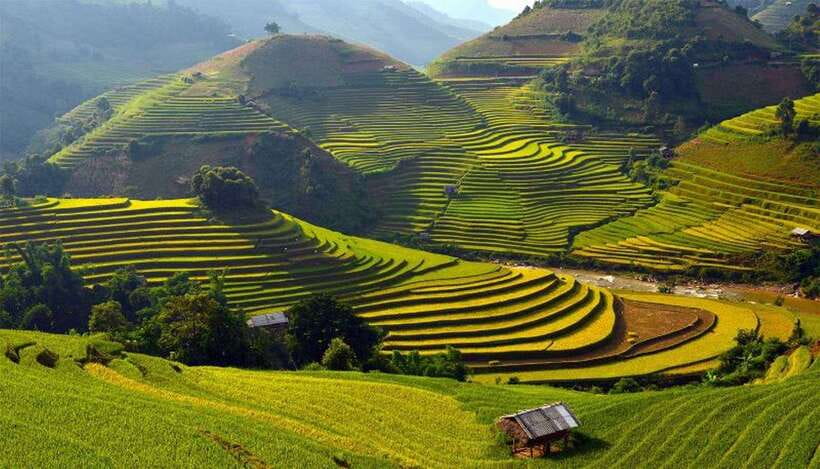
The Muong Hoa River crossing is one of the first moments that signals this isn’t a casual stroll. The trail route includes getting onto paths that follow the river direction later, too—so your footing matters from start to finish. If the ground is wet, the slippery spots show up more in the valleys than on a dry, sunny day.
The route passes through rice terraces and then heads toward Ta Van Giay. Later, you trek along the river route and cross a small suspension bridge roughly 2 kilometers from the settlement. This is one of those moments where your day snaps into focus—suddenly you can see how people move through the valley and why rivers shape the paths.
If you’re trying to decide when to go, this is where weather becomes the real decision. From the way guides handled slippery sections in rainy periods, you should assume mud can be part of the experience at times. Reviews describe the bamboo forest and some muddy slopes as the spots that most often test people’s balance, so plan for that possibility even if your day starts dry.
Also: don’t expect “pretty but easy.” Several people highlight that proper grip matters more than shoe style. Trainers can slide on steep, muddy sections, and wet paths can make the trek feel tougher than its 10-kilometer distance suggests.
Rock carvings, villages, and lunch that actually changes the day
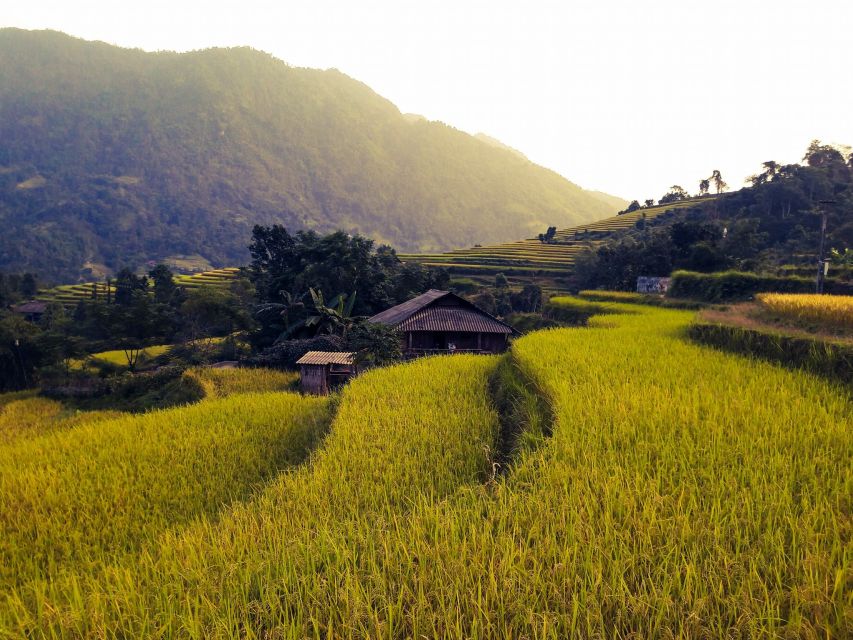
One of the most memorable breaks in this itinerary is the stop for ancient rock carvings. You’ll see images that depict men, stilt houses, and decorative patterns. Even if you know little about the meaning, it’s a powerful contrast to the modern valley life around you: the past is literally carved into the rock beside the everyday route.
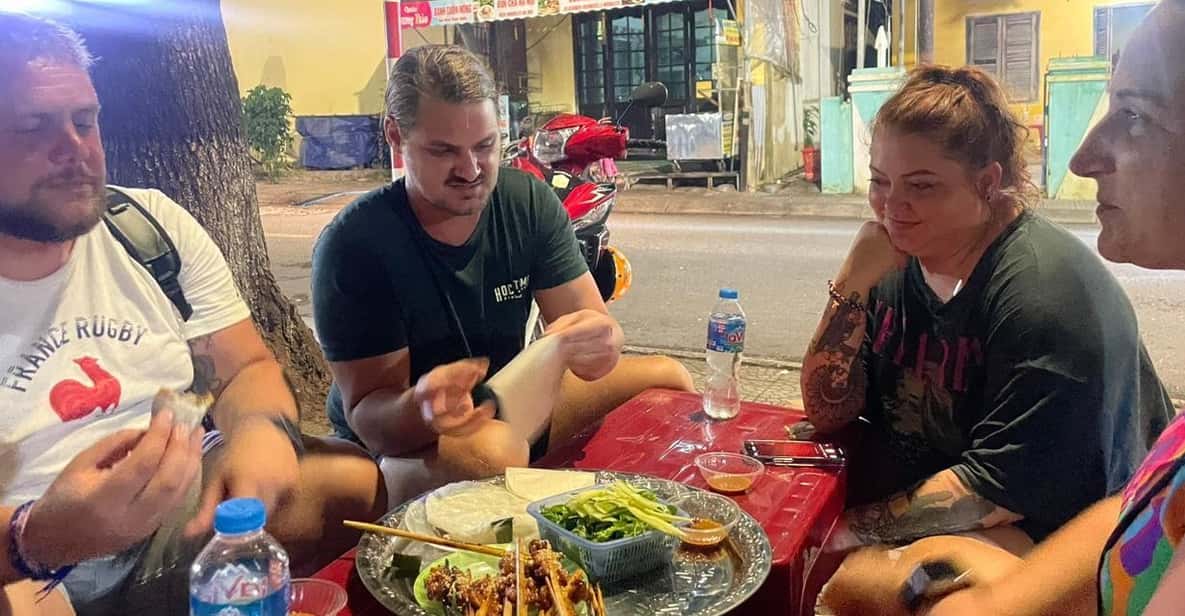
Then lunch becomes a highlight, not an intermission. You eat at a local house in a village, which matters because it turns the midday stop into a human moment instead of a quick meal halt. One review specifically notes Chai inviting guests into her family’s home for a local lunch during Tet, and another highlights that Kau accommodated a vegan diet. That tells me the lunch experience can be flexible and personal, especially when you’re traveling with an attentive guide.
What to watch for at lunch time is timing and pace. The day is long enough that you’ll feel the walking load, so lunch at a home base helps you reset without losing the rhythm of the trek. After eating, you continue with bamboo-forest walking and a final village and waterfall section, so you’ll want to go into lunch feeling ready to sit, eat, and recharge.
If you have dietary needs, mention them early. The tour includes lunch, but what you’ll actually receive depends on what the host family prepares and what the guide can coordinate.
Bamboo forest, Giang Ta Chai, and the waterfall rest
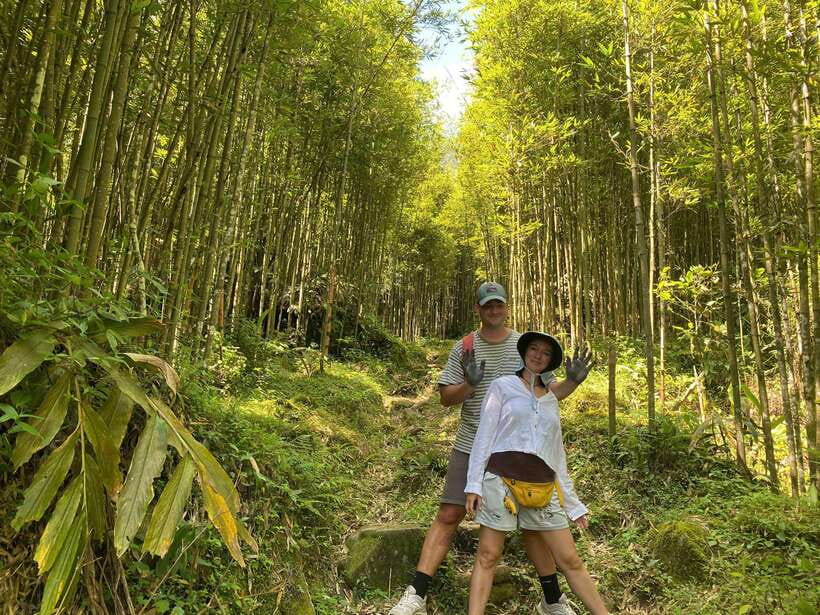
After lunch, the trek shifts through a bamboo forest. This is where many people feel the day’s difficulty spike, especially after rain. Reviews describe the bamboo forest as very slippery in wet conditions, with local help making a major difference for balance. So if you’re the type who hates feeling unsteady, this is the section where you’ll want the best shoes you own.
You then reach Giang Ta Chai, the Red Dao ethnic minority village. This is a key cultural contrast day-to-day: different community, different village setting, and a different feel to the walking route as you move closer to the village areas. The best part here is that it doesn’t feel staged. You’re walking through spaces that feel part of a continuing routine, not just a tourist corridor.
You also get a short rest at a nearby waterfall. The pause helps break up the afternoon effort and gives you a chance to catch your breath, drink water, and regroup mentally. From there, you climb uphill to the main road where the driver will be waiting, and you’re back to Sa Pa by about 3:30 PM.
One caution: if the weather has been foggy or rainy, visibility drops and footing gets worse. That doesn’t ruin the day, but it changes how you’ll experience it. In that case, your focus shifts from long-distance views to close-up walking, careful steps, and the village connections that keep the day meaningful even when the horizon is hiding.

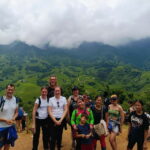
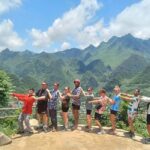
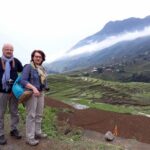
Guides and local helpers: how safety and culture work together
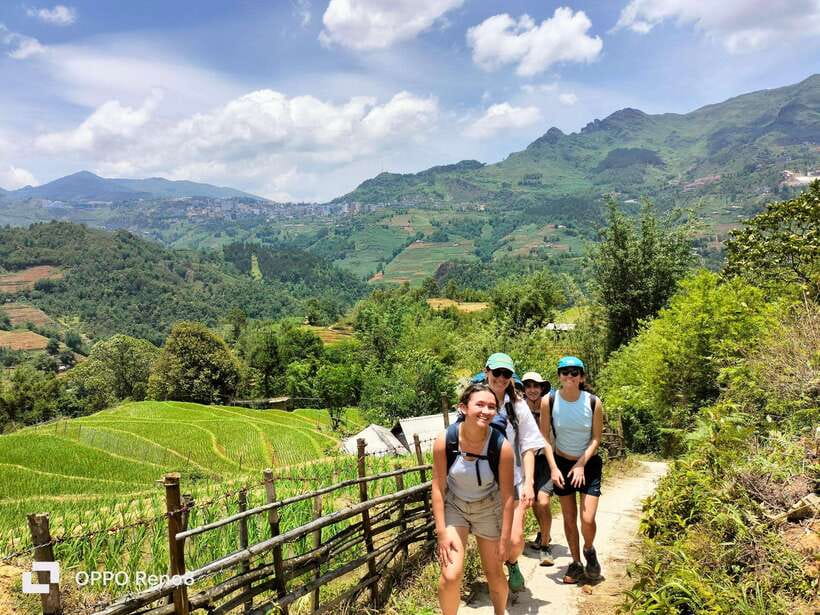
This trek works well because it blends guiding with real local support. English-speaking guides keep the day organized and interpret what you’re seeing—things like village customs, how people live, and why certain routes exist. Reviews also show that guides like Su and Khu pay attention to unstable spots and actively manage group safety, which matters on narrow, wet paths.
Local helpers show up when conditions get rough. In muddy stretches, reviews mention locals—often from the Black Hmong village—walking alongside guests to help with balance through slippery areas. That’s not just comfort; it’s practical trail leadership. If you’re carrying yourself cautiously and still feel nervous on steep bits, don’t be shy about accepting the help. It’s part of how the route stays doable.
There’s also a human side to the village interactions after the trek. Multiple reviews mention local ladies supporting people through difficult sections, and that you may be expected to buy small items afterward as a thank-you. If that’s uncomfortable for you, at least come prepared with some cash so you can handle it politely and without stress.
Finally, one balanced note: one review mentions seeing rubbish accumulated along land and in the river. That’s a reminder that this is a working environment. Do your part—don’t add trash to the valley, and treat the day like you’re borrowing someone’s home route for a morning.
What to bring: shoes with grip, plus sun and bugs, plus a little cash
The tour is sold with a clear expectation: bring hiking shoes. That’s not marketing fluff. The terrain can be steep, narrow, and slippery—especially when it’s wet. Reviews strongly suggest high-grip footwear and warn that trainers can slip in muddy slopes, with people arriving soaked and filthy when they underestimate the mud.
Beyond shoes, bring sunglasses, sunscreen, and insect repellent. Even if the day is cloudy or foggy, you’ll still be outside for hours, walking in open valley air and forest shade. From October to March, warm clothes are recommended, since nights and mornings in the north can feel cold once you’re away from town.
Also consider water and snacks in your planning mindset. The tour includes mineral water (500 ml per person) and lunch, but beverages are not included. Bring your own extras if you’re a heavy sweater or you prefer a specific drink.
For the local purchasing piece, bring some cash. Reviews describe that local ladies may help you through tough sections and then it’s a courtesy to buy something afterward. Keeping a small amount on hand helps you avoid awkward moments at the end of the hike.
Price and what’s truly included (and what costs extra)
At $23 per person for a roughly 6-hour day with hotel pickup in Sa Pa center, an English-speaking guide, entry tickets, lunch, and mineral water, the value is pretty clear. You’re paying for more than walking: transport is handled, lunch is included, and you get guided cultural context across several village areas.
What’s included:
- Hotel pickup in Sa Pa center (or pickup from the operator’s office)
- English-speaking guide
- Entry tickets
- Lunch
- Mineral water (500 ml per person)
- Transport as mentioned
What’s not included:
- Beverages, personal purchases, and soft drinks
- If you want a French-speaking guide, there’s an extra $19 per person payable upon confirmation
- A Lunar New Year surcharge of $30 per person from 14 Feb to 21 Feb 2026
If you’re watching costs, the biggest controllable variable is what you choose to buy from local vendors at the end. Budget a little for that, and you’ll keep the day feeling respectful rather than transactional.
One more practical cost consideration: if you arrive with footwear that isn’t up to the job, you may regret it. Spending a bit more on grip shoes (or wearing your most reliable pair) can be the best value upgrade you make.
Who this trek suits—and who should skip it

This is best for adults who can handle sustained walking on mixed terrain for about 10 kilometers. It’s not described as appropriate for people with mobility impairments, and it’s not suitable for children under 6. The wet-weather difficulty note is real, too—so if you don’t enjoy slippery footing, this will be stressful when conditions turn muddy.
If you love cultural walking—seeing villages in daily motion rather than just checking boxes—this trek fits well. The village sequence through Lao Chai, Ta Van Giay, and Giang Ta Chai gives you variety in community and terrain. And the rock carving stop helps the day feel connected to the region beyond present-day life.
If you dislike any shopping interactions, you should still know that small local purchases can be part of the courtesy when locals help you through hard sections. Even if you keep it small, it helps to accept that this community connection often comes with a mutual exchange.
If you want a trail day that you can still enjoy even when visibility drops and clouds roll in, plan around careful steps. One theme from experience is that the day can still be great in foggy or rainy conditions—you just need to show up prepared.
Should you book this Muong Hoa Valley trek?
I think it’s a strong booking if you want a real walking day plus meaningful village context, and you’re ready for the muddy parts that come with Sa Pa’s terrain. The included lunch at a local home and the stop at ancient rock carvings give the day shape; you’re not just walking for views.
Book it if:
- you have solid hiking shoes and you’re comfortable on uneven ground
- you want small-group guiding and village interaction
- you like the idea of learning while walking, not just photographing
Skip or choose a gentler option if:
- you’re not comfortable with slippery mud or steep steps
- you need barrier-free access (this isn’t set up for mobility needs)
- you’re traveling with very young children
If you do go, pack for wet footing as your default plan. Then the valley—foggy or sunny—tends to feel like a place you can actually understand, not just pass through.
FAQ
How long is the trek and when does it end?
The tour duration is about 6 hours, and it ends at approximately 3:30 PM.
How far will I walk?
You’ll hike about 10 kilometers through the Muong Hoa Valley area.
What’s included in the $23 price?
The price includes hotel pickup in Sa Pa center, an English-speaking guide, entry tickets, lunch, mineral water (500 ml per person), and transport as mentioned.
Do I need to buy lunch or drinks separately?
Lunch is included, but beverages are not included. Soft drinks and other personal purchases are also not included.
Where does pickup happen?
Pickup is available either from the operator’s office or from hotels in Sa Pa town (center). Pickup outside the Sa Pa area isn’t available.
What should I bring to be comfortable on the trail?
Wear hiking shoes. It’s also recommended to bring sunglasses, sunscreen, and insect repellent. Warm clothes are recommended from October to March.
Is this trek suitable for kids or people with mobility impairments?
No. It isn’t suitable for disabled people and children under 6 years old.