REVIEW · SA PA
From Hanoi: Explore Sapa 2-Day Tour
Book on GetYourGuide →Operated by VIETNAM OPENTOUR CO LTD · Bookable on GetYourGuide
Sapa in two days sounds fast, but the timing works. You’ll ride out of Hanoi on a sleeper bus, then spend your days meeting Hmong and Dzao communities and walking the valley paths around Sapa.
I especially like the mix of planned structure and breathing room: Cat Cat Village with a local guide, then real trekking on Day 2 with time back in town to reset. The included meals help too, so you’re not hunting down lunch spots right after travel.
The main catch is that Cat Cat can feel touristy, and the rice terrace scenery depends a lot on the season (ads can look more colorful than what you’ll see).
In This Review
- Key highlights at a glance
- Hanoi to Sapa by sleeper bus: the part that makes the tour feel worth it
- Sapa hotel timing and what “one night” really means
- Cat Cat Village: worth it if you go in with the right expectations
- Day 1 meals and free time: how the day stays fun instead of frantic
- Day 2 trek: Muong Hoa Valley, Lao Chai, and Ta Van (the main event)
- Lunch, shower time, and the ride back to Hanoi
- Price and value: is $105 a good deal?
- Who this tour fits best (and who should skip it)
- What to bring (so weather doesn’t ruin your photos or comfort)
- The practical stuff that can make or break the trip
- Should you book this Sapa 2-day tour?
- FAQ
- How much does the 2-day Sapa tour cost?
- Where do I meet the tour in Hanoi?
- Is pickup included from Hanoi’s Old Quarter?
- What’s included in the tour price?
- What are the trek distances and times?
- What should I bring for Sapa’s weather?
- Are there any restrictions on who can join?
- Is the tour guided in English?
Key highlights at a glance
- Sleeper bus from Hanoi that saves a chunk of time and gets you to Sapa around lunchtime
- Village visits including Cat Cat, Lao Chai, and Ta Van, with local guidance
- Two trek options with clear distances: about 2.5 km on Day 1, about 9 km on Day 2
- Included meals and tickets, plus hotel overnight in a double/twin setup
- Small-group guided time (up to 15) even though the bus ride can be larger
Hanoi to Sapa by sleeper bus: the part that makes the tour feel worth it
This is a 2-day shuttle bus tour designed to get you from Hanoi to Sapa with minimal fuss. You start with pickup options in Hanoi’s Old Quarter, then head to the partner office meeting point about 15 minutes early. If you’re joining from outside the Old Quarter, you’ll use the meeting point option instead, since pickup and drop-off are only tied to that area.
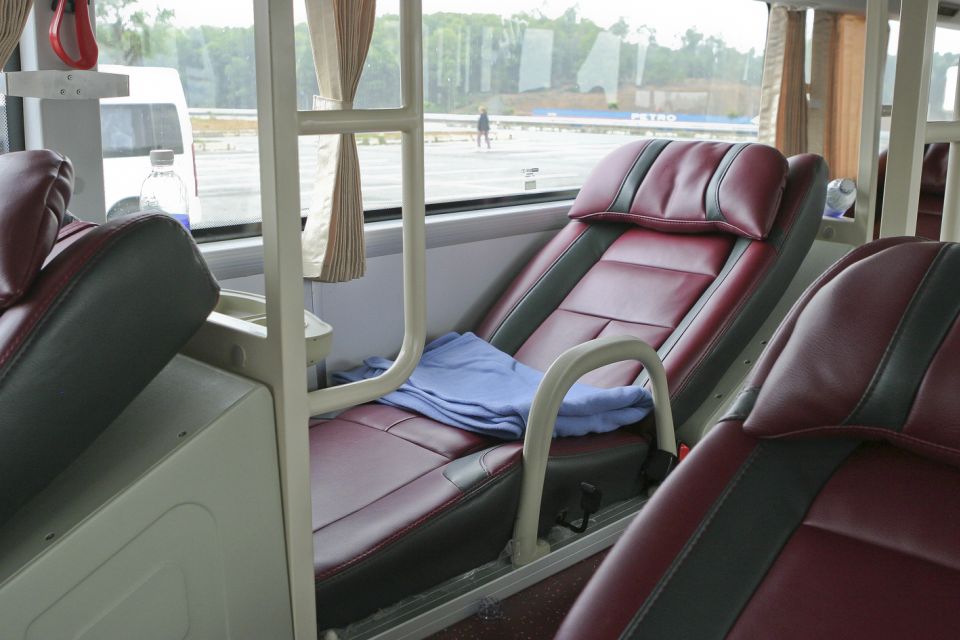
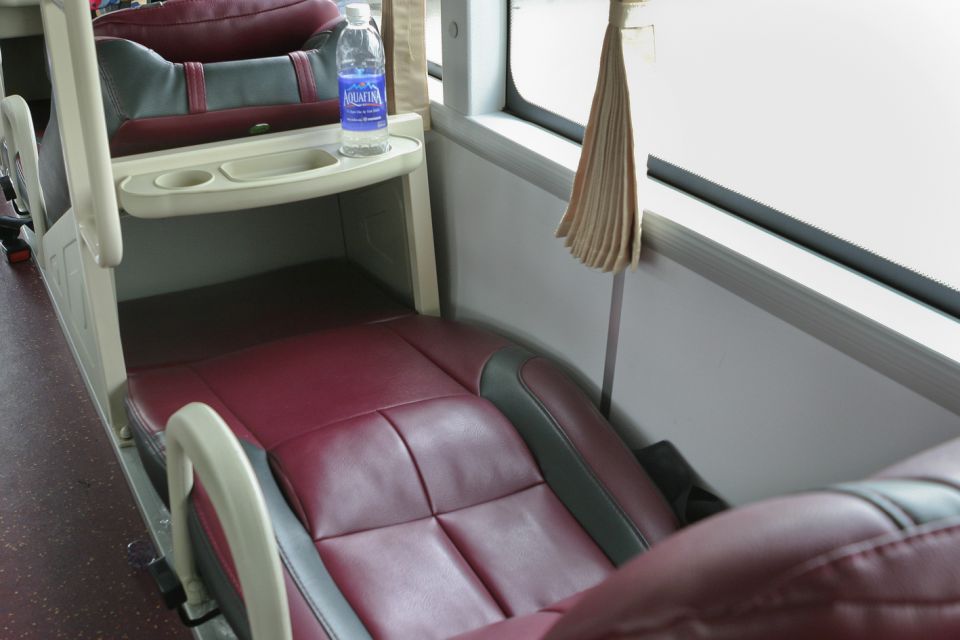
The big practical win is the sleeper bus. You’re traveling overnight, so you’re not losing a whole day to the road. One note: the sleeping bus ride can involve a larger group of 30–40 people, even though the guided portion is limited to 15. If you like quieter logistics, you’ll want to bring your own patience—and a warm layer.
If you want a deluxe bus, there’s an extra $15 per person charge mentioned. Even without knowing every detail of what “deluxe” includes, the fact that it costs extra usually means it’s about comfort on the ride—something worth considering if you’re sensitive to long travel.
On the road, expect a couple of comfort stops before you arrive in Sapa around lunchtime. And yes, the Hanoi driver speaks very little English, so your guide will be the person to clarify anything once you reach Sapa.
A few more Sa Pa tours and experiences worth a look


Sapa hotel timing and what “one night” really means
Check-in is at 1:30 PM, and check-out is at 10:00 AM. That matters because you arrive around lunchtime, then you’ll likely have just enough time to get settled before your village visit. The tour uses that rhythm well: you don’t waste the afternoon sitting in a room.
You’ll also get storage help in practice. On Day 2, you’re told to prepare a light pack for trekking and that big luggage can be stored at the hotel. That’s a small detail, but it’s exactly what you want when you’re doing a longer walk—less to carry, less stress.
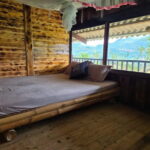
Your hotel is included on a double/twin sharing base. You’ll also get basic support items like 2 bottles of water and tissues. Drinks aren’t included, so if you run through water fast (or you like soda/tea with meals), plan on buying them in town.
Cat Cat Village: worth it if you go in with the right expectations

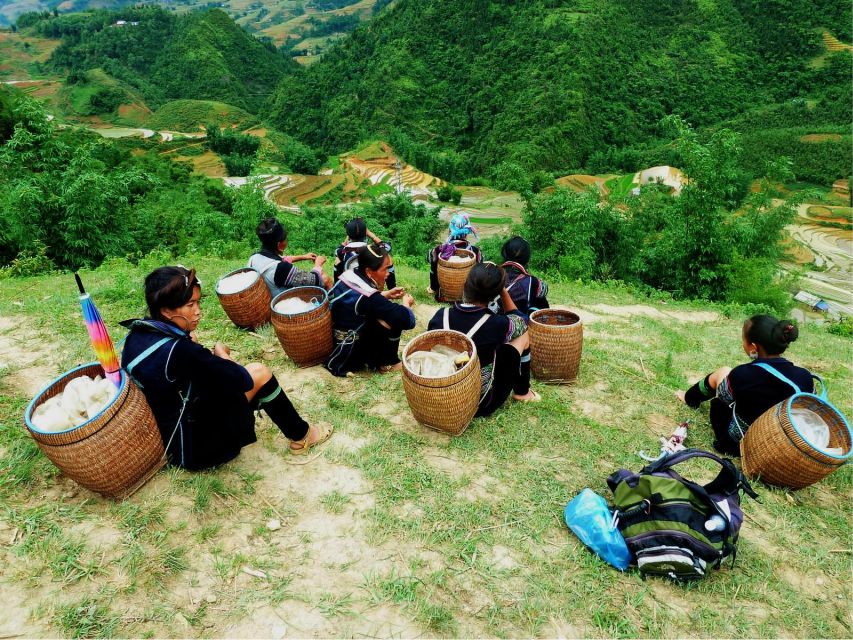
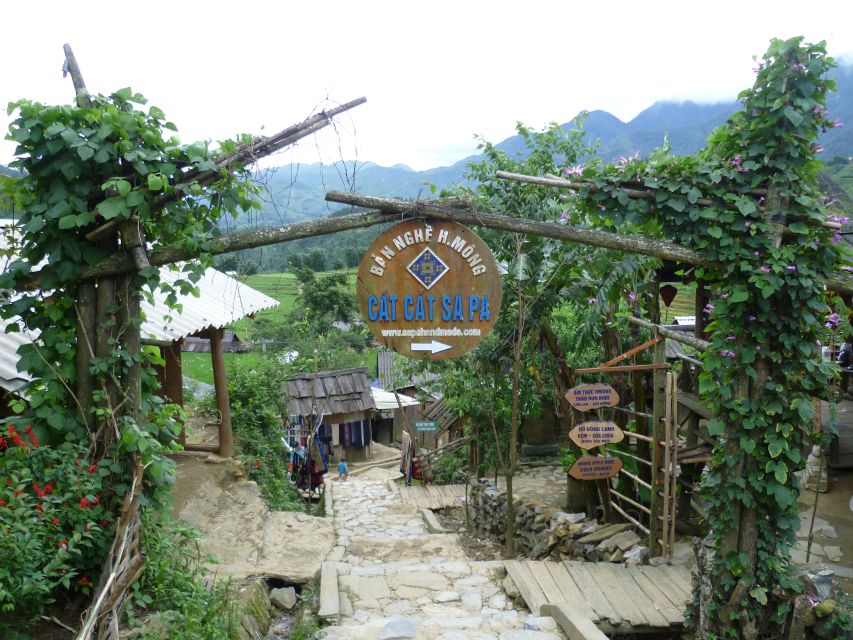
After you arrive and check in, your Day 1 afternoon focuses on Cat Cat Village, home of the Black Hmong community. You’ll take a short drive to the village gate, then meet a local guide who helps you understand what you’re seeing. You’ll have a trek down to the valley to find a waterfall and a hydraulic power station—so it’s not just picture-postcard wandering.
Here’s the balanced truth: Cat Cat can feel like a classic tourist stop. One criticism I’d actually listen to is that it can seem purely touristy if you’re hoping for a totally off-the-grid experience. Still, the upside is that it gives you quick orientation—how daily life fits into the valley geography, and how the community lives in/around the river systems.
Another thing to be aware of is social friction. There’s mention that some women accompanying the group can be pushy. That doesn’t mean you should expect conflict, but it does mean you should set your boundaries early. If someone is trying to sell something, you can politely decline and keep your pace. If you’re friendly and firm, it usually stays comfortable.
If you want to manage your expectations on the terrain, go back to the “what you’re walking for” idea. Day 1’s trek is about 2.5 km and lasts around 2 hours. That’s manageable for many people with decent walking shoes, and it gives you a real sense of valley depth without exhausting you before the longer Day 2 hike.
Day 1 meals and free time: how the day stays fun instead of frantic
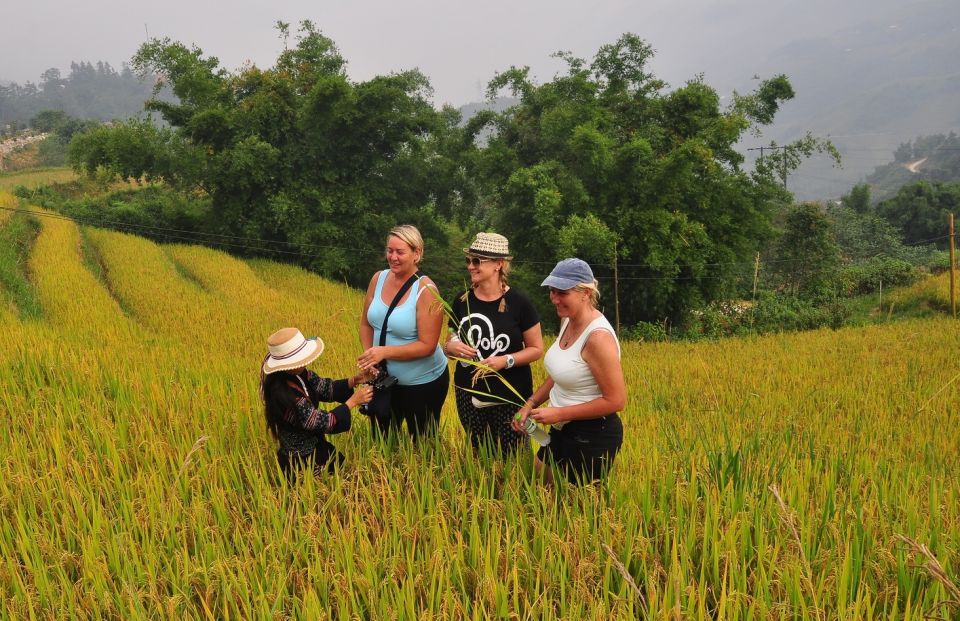
Day 1 includes a set-menu lunch and a set-menu dinner. That’s good value because you don’t have to decide what to eat right after a bus ride. The lunch is Vietnamese, and the dinner is included as well, so you’re covered for the big energy moments.
After Cat Cat Village, you get a couple of hours of free time back in Sapa. This is an important “recovery buffer.” You can roam at a comfortable pace, find warm clothes if you need them, or just give your legs a break.
Given Sapa’s climate, that free time can be more useful than it sounds. The weather can be unpredictable, and it’s normally cold from September to March. Fog can also show up in December, January, February, and March due to the altitude. If visibility is poor, don’t panic—you can still enjoy village interactions, and the town time helps you stay warm.
Day 2 trek: Muong Hoa Valley, Lao Chai, and Ta Van (the main event)
Day 2 is where the tour earns its reputation. You start with breakfast at the hotel, then check out and pack lightly for trekking. Any big luggage stays at the hotel, so you’ll only carry what you truly need for the walk.
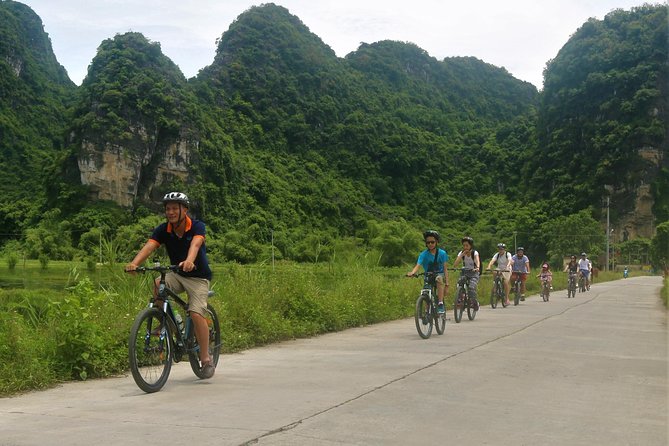
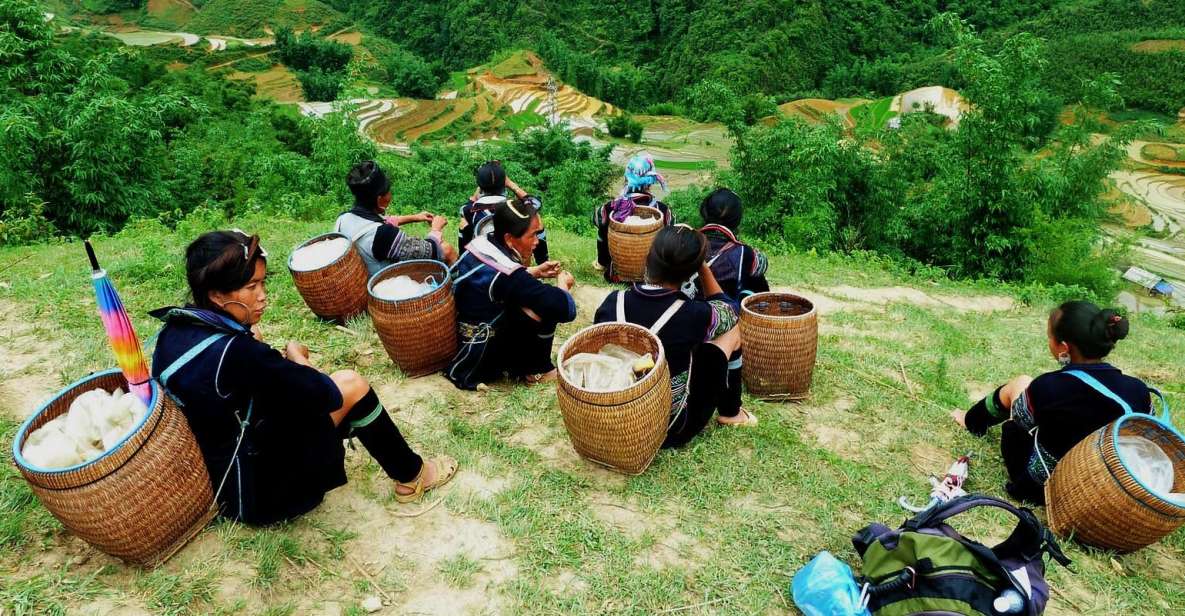
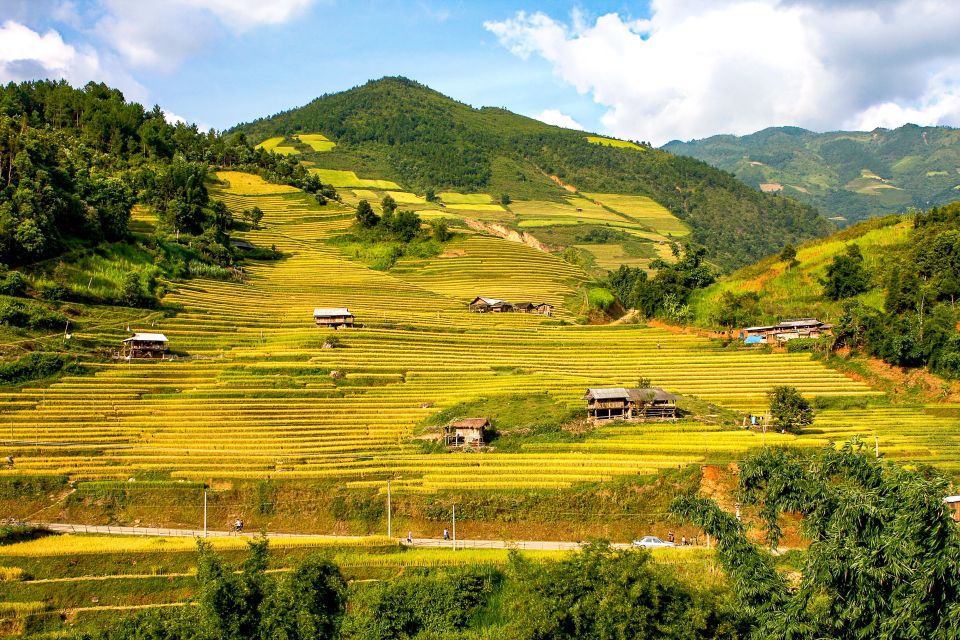
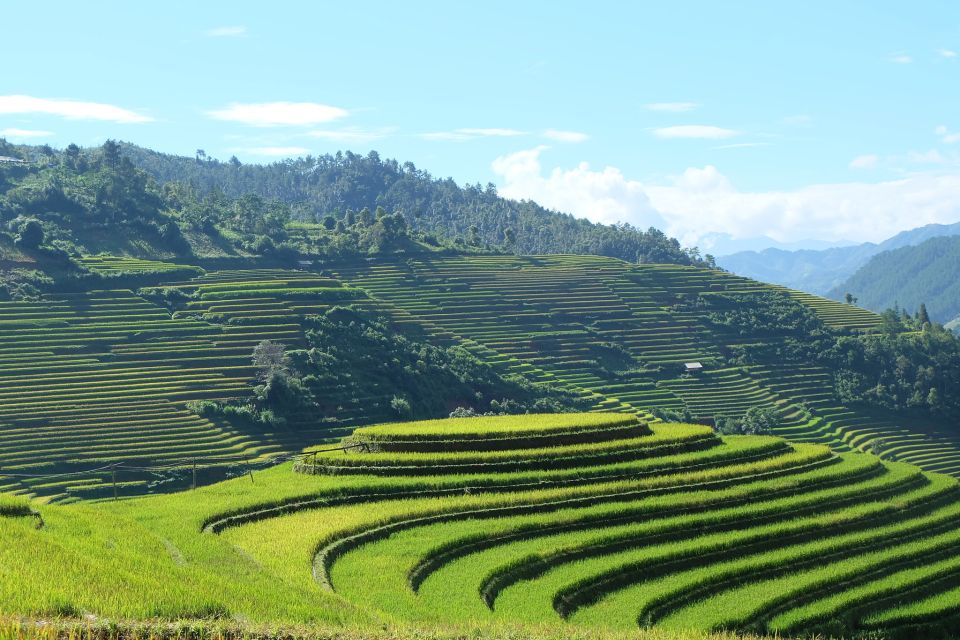
The route starts with a trek through rice terraces and along Muong Hoa Stream to Lao Chai, a Black Hmong village. You’ll also see Hoang Lien Son Mountain scenery in the process, assuming weather cooperates. The Day 2 walking time is longer—about 9 km and around 3.5 hours—so this is the day you should dress for properly.
Then the plan continues to Ta Van, home of the Dzao people. This shift from Lao Chai to Ta Van is valuable because you get more than one community perspective. You’re not just walking landscapes for photos—you’re moving through cultural spaces where daily routines connect to the mountain and water systems.
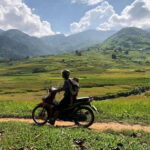
One of the strongest practical pieces of guidance is season awareness for the terraces. The rice terraces you see in photos can look extremely lush, but the timing matters. One important note from experience: rice isn’t sown until March, and by September you may see more yellow tones. If your heart is set on the full “green carpet” look, aim your trip closer to when rice is actively growing—but still, even off-peak, the terraces can look dramatic under mist.
The good news: the Day 2 trek is still widely enjoyable even if the color isn’t identical to marketing photos. You’ll likely come away remembering the walk, not just the pixels.




Lunch, shower time, and the ride back to Hanoi
After trekking, you return to Sapa for lunch at the hotel. This keeps the day from stretching too far. Then you get free time where you can relax and shower in a public bathroom if you want. That small option helps a lot after a longer hike—especially if you’re heading back to Hanoi the same afternoon.
Finally, you meet your group and ride back to Hanoi, dropping you off at the meeting point on Tran Quang Khai street. Drop-off isn’t at the airport or train station, since arrival times can vary—so plan your next connection accordingly.
Price and value: is $105 a good deal?

At $105 per person for two days, this tour is priced like a solid budget-to-midrange option. The value comes from what’s bundled:
- round-trip air-conditioned shuttle bus from Hanoi
- tour guide in Sapa and a local guide for Cat Cat Village
- all entrance tickets to the listed sites
- hotel overnight (double/twin sharing)
- meals: 1 dinner, 2 lunches, 1 breakfast
- 2 bottles of water and tissues
What’s not included is mostly personal-expense territory: drinks, and anything extra you choose to buy. You should also budget for seasonal gear (like a warmer hat or scarf) if you arrive underdressed.
To decide if it’s good value for you, think about your own travel style. If you prefer guided village access and pre-arranged transport, this saves planning time. If you want total freedom to choose your stops, pay attention to the fixed trekking schedule and the fact that the experience is structured around the two-day route.
Who this tour fits best (and who should skip it)
This works best for travelers who want:
- a guided introduction to Sapa villages without doing logistics research
- a mix of short and longer walking days
- included meals and a hotel overnight so your trip stays easy
- English-language support while you’re moving around Vietnam’s cooler mountain air
It’s not a great fit if you:
- need mobility-friendly routes (it isn’t suitable for people with mobility impairments or wheelchair users)
- are traveling with kids under 6
- are pregnant (not suitable per the tour info)
Also, bring realistic expectations. The Day 2 hike is not a stroll. If your stamina is shaky, make sure your walking shoes are solid and you’re ready for about 3.5 hours of trekking.
What to bring (so weather doesn’t ruin your photos or comfort)
Sapa weather can swing fast. From September to March it’s normally cold, and fog can happen in winter months.
Pack around these essentials:
- comfortable shoes for trekking
- warm clothing (layers work best)
- a hat and scarf
- weather-appropriate gear
- passport or ID card
Because this is a trekking tour, don’t rely on one warm jacket. You’ll move, stop, then move again. Layers let you adjust as the day changes.
The practical stuff that can make or break the trip
There are a few logistics details worth keeping in your head:
- Check-in is at 1:30 PM; check-out at 10:00 AM
- You’ll want a light trekking pack for Day 2, and storage is available for big luggage
- Pickup and drop-off happen only in Hanoi Old Quarter
- the tour guide is English, but the Hanoi driver speaks very little English
- pets aren’t allowed
The group is small for the guided portion (limited to 15 participants). That’s usually a good thing for meeting local guides and moving as a unit without getting lost in a crowd.
Should you book this Sapa 2-day tour?
I’d book it if you want an easy, structured way to experience Sapa villages in a short time. The sleeper bus saves daylight hours, the included meals reduce stress, and the two trek distances give you a clear progression from Day 1 to Day 2.
I’d hesitate if your top priority is photo-perfect rice terrace color. Season matters, and you may see less green than the ads. Also, Cat Cat Village can feel touristy, and you should be ready to keep your boundaries if you meet pushy selling attempts.
If your goal is a real walk with cultural context and you’re okay with a bit of seasonal variation, this tour hits the sweet spot.
FAQ
How much does the 2-day Sapa tour cost?
The price is $105 per person. Duration is 2 days, and starting times depend on availability.
Where do I meet the tour in Hanoi?
You’ll meet at the local partner’s office 15 minutes before the tour starts. The end is back at the meeting point on Tran Quang Khai street.
Is pickup included from Hanoi’s Old Quarter?
Yes. Free pickup is offered at hotels in Hanoi Old Quarter. If you’re staying outside that area, you’ll need to choose a meeting point option.
What’s included in the tour price?
Included are the air-conditioned return shuttle bus, modern bus in Sapa with an experienced driver, tour guide in Sapa (English), a local guide in Cat Cat Village, 1 dinner, 2 lunches, and 1 breakfast, entrance tickets, hotel accommodation (double/twin sharing), and 2 bottles of water plus tissues.
What are the trek distances and times?
Day 1 trek is about 2.5 km and lasts 2 hours. Day 2 trek is about 9 km and lasts 3.5 hours.
What should I bring for Sapa’s weather?
Bring warm clothing, a hat and scarf, and comfortable shoes. The tour notes that Sapa is usually cold from September to March and can be foggy in winter months.
Are there any restrictions on who can join?
Yes. The tour is not suitable for children under 6, pregnant women, people with mobility impairments, or wheelchair users. Pets are also not allowed.
Is the tour guided in English?
Yes, the tour includes a live English tour guide.