REVIEW · SA PA
From Sapa Homestay Hideaway 2-Day Local Life Adventure
Book on GetYourGuide →Operated by NEW LAND INTERNATIONAL TOURIST COMPANY LIMITED · Bookable on GetYourGuide
Two days in Sapa beats day trips. This 2-day village walk through the Muong Hoa Valley and rice terraces feels personal, not rushed, and you finish with a real homestay night. I especially love the guided route through H’Mong and other minority villages like Y Linh Ho and Lao Chai, and I love the hands-on homestay evening with a local cooking class and dinner. The one drawback: the trails can get muddy and slippery if the weather turns, so your shoes and patience matter.
This is a small-group tour (up to 12 people) that mixes walking, village time, and rest time in a way that actually works. You’ll start with pickup in Sapa town, hike through bamboo and terraces, eat included meals, and sleep in a private room at a Ta Van homestay.
One more thing to know up front: you’re traveling light. Large bags and luggage aren’t allowed, and the trek is not suitable for everyone (especially if you have mobility limits or back problems).
In This Review
- Key points that make this tour worth your time
- Sapa in two days: what this route really gives you
- Day 1 from Sapa to Ta Van: rice terraces, Y Linh Ho, and Lao Chai
- Homestay night in Ta Van: comfort that still feels local
- Day 2 trek to Giang Ta Chai and Supan: the second-day effort
- Price and logistics: why $43 can be good value here
- Pace, fitness, and weather: what to expect on muddy days
- Village visits, local selling, and how to handle it
- Who this tour fits best
- Should you book Sapa Homestay Hideaway 2-Day Local Life Adventure?
- FAQ
- How long is the Sapa Homestay Hideaway 2-Day Local Life Adventure?
- Where does the tour start and end?
- What time is pickup on the first day?
- What villages do you visit?
- What’s included in the price?
- What meals are included?
- How much walking is there?
- What should I bring?
- Are large bags allowed?
Key points that make this tour worth your time
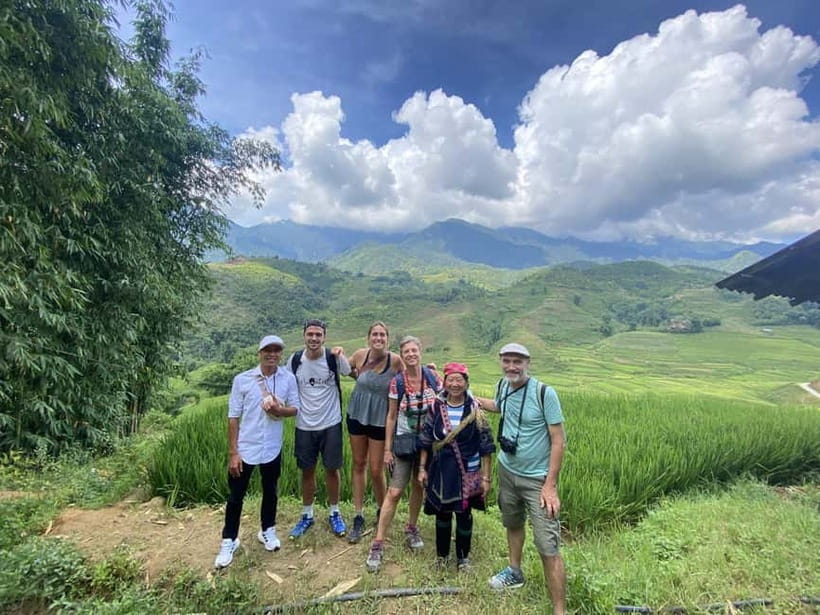
- Village-to-village trekking through Muong Hoa Valley: You don’t just look from afar; you walk through places locals live in.
- Y Linh Ho → Lao Chai → Ta Van on Day 1: A classic Sapa route that mixes viewpoints with village culture.
- Homestay evening with cooking class: Dinner is part of the experience, not an afterthought.
- Day 2 trek to Giang Ta Chai and Supan: A longer second-day walk, plus a local lunch before you head back.
- Small group vibe: With a limit of 12, it feels more like shared travel than a factory tour.
- All-in meals and entrance tickets: You’ll cover most basics in the package price.
Sapa in two days: what this route really gives you
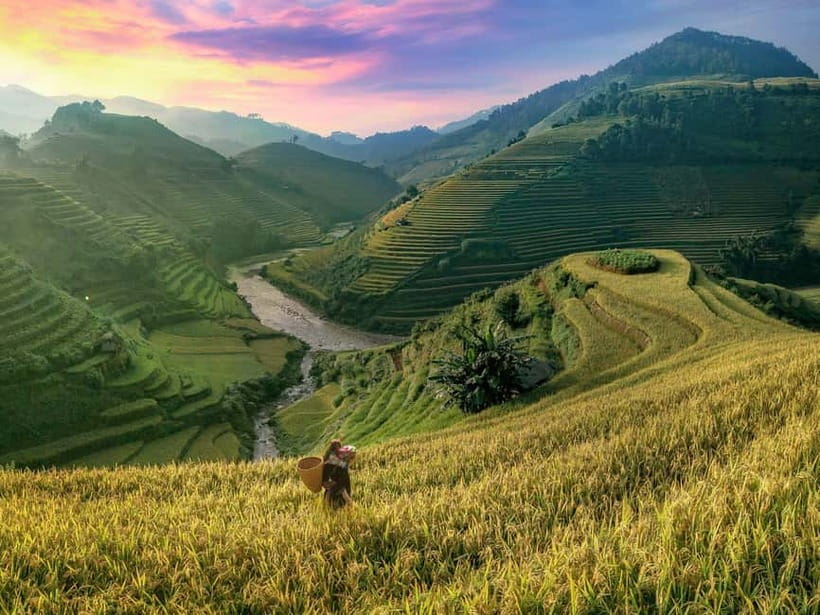
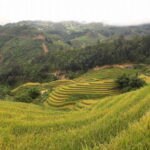
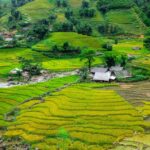
Sapa is all about the mountains, but it’s the valley walks that make the trip feel real. This itinerary threads you through rice terraces along the Muong Hoa Stream, then into village life across H’Mong, Dao, and Giay communities. You get big views of the Hoang Lien Son mountain range, but you also get something harder to find: daily routines, not staged performances.
The pacing is balanced for a trekking-style trip. Day 1 runs you through several villages and ends with a homestay afternoon/evening that lets you slow down. Day 2 is shorter in total time, but the second-day trek still asks for steady legs.
What I like most is that the tour is designed around people and places, not just photos. You’re guided by local English-speaking expertise, and the route is varied enough that you’re not repeating the same path all day.
A few more Sa Pa tours and experiences worth a look
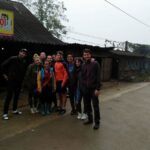
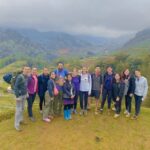

Day 1 from Sapa to Ta Van: rice terraces, Y Linh Ho, and Lao Chai
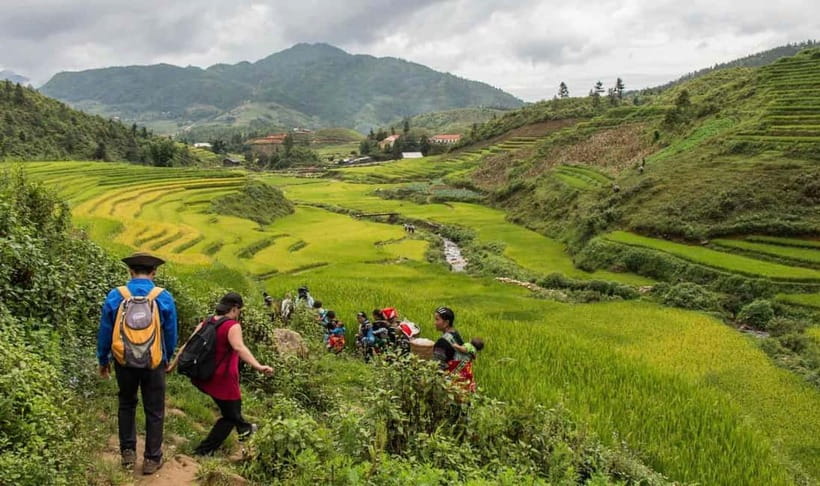
Your day starts with pickup in Sapa town (either directly from your hotel or at the Sapa Delta Hotel meeting point). The pickup window is typically 8:15–8:30 a.m., and then you begin trekking right away rather than driving straight out. That choice matters. It helps the day feel like you’re entering the valley on foot, not arriving late to the main event.
First stop is Y Linh Ho Village. This is where you get early context for how life fits around the terrain—where paths, small plots, and village homes all relate to the valley. Then the route turns into a more active hike along rice terraces and the Muong Hoa Stream.
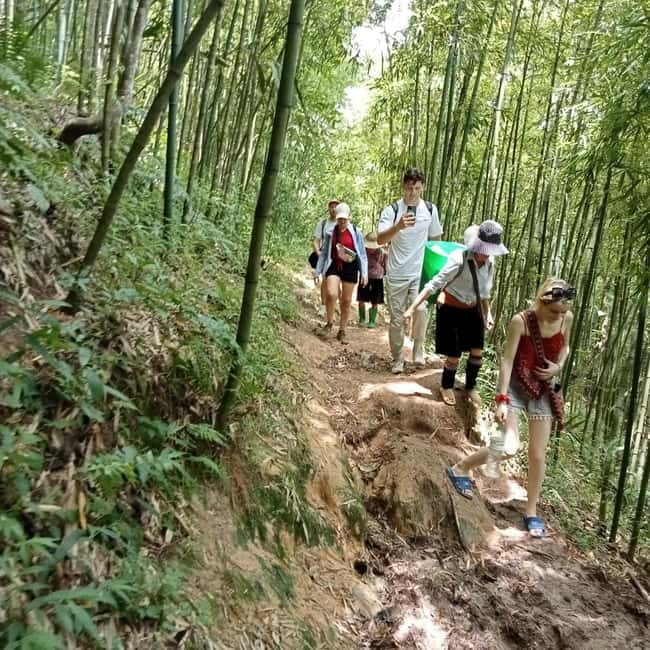
As you walk, you’ll pass through areas that often include bamboo forests and sweeping terrace views. On clear days, you’ll catch sharp sightlines toward the Hoang Lien Son mountains. If it’s cloudy or rainy, the same route becomes a lesson in weather readiness: mud, slick steps, and slower going.
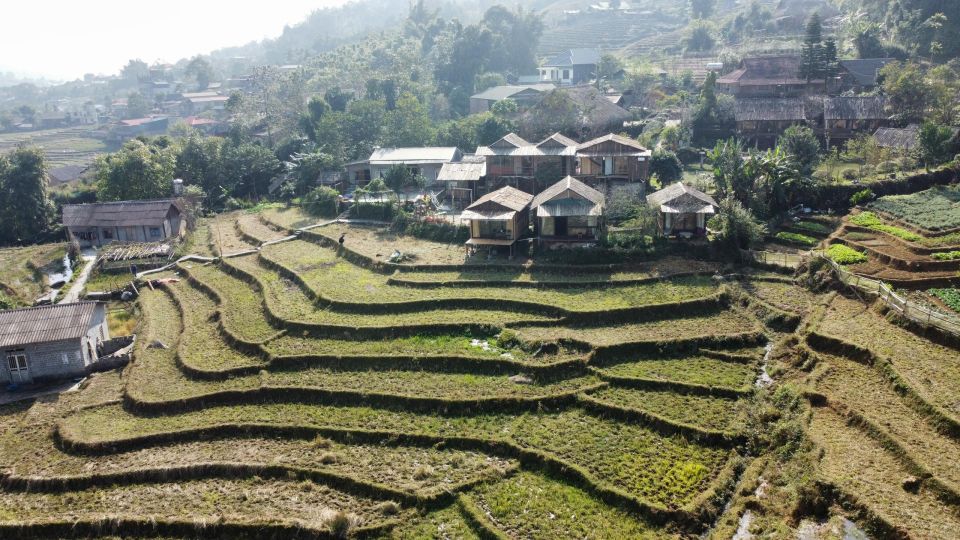
You’ll reach Lao Chai Village, home to the Black H’Mong minority. This stop is a key cultural shift in the walk. It’s where the scenery turns into village texture—houses, daily movement, and the sense that people here don’t treat the outdoors like a backdrop.
The walk typically culminates around 12:30 p.m. when you arrive at Ta Van Village. Lunch happens at the homestay, so you’re not hunting for food after a long morning. After lunch, you check in, rest, and have free time to explore Ta Van at your own pace.
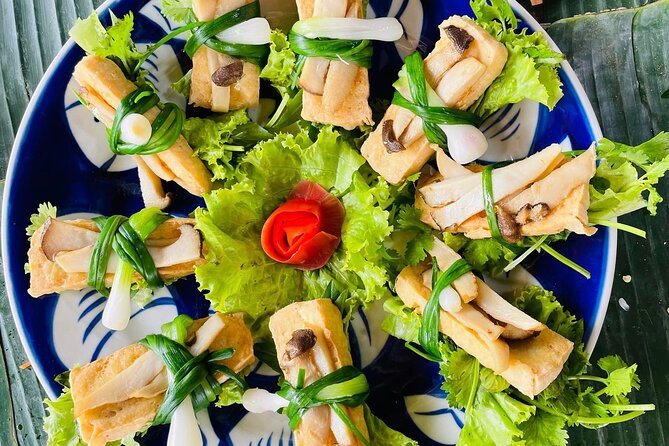
The later part of Day 1 is one of the best reasons to book. At 17:00, you’ll join a cooking class with the guide showing how local dishes are made. Then dinner follows at 18:30. You can also enjoy rice wine or happy tea if you want—nice extra flavor to a day that already centers on food.
Practical heads-up for Day 1: expect about 10 km of hiking, and plan for wet conditions. The tour info specifically warns about muddy, dirty roads in wet weather, and a strong portion of the fun here depends on being willing to slow down when the trail gets slick.
Homestay night in Ta Van: comfort that still feels local
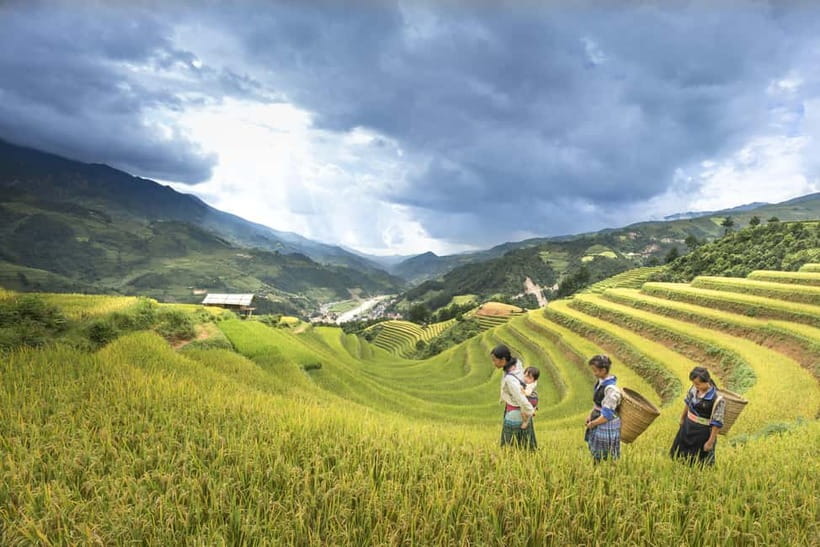
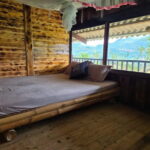
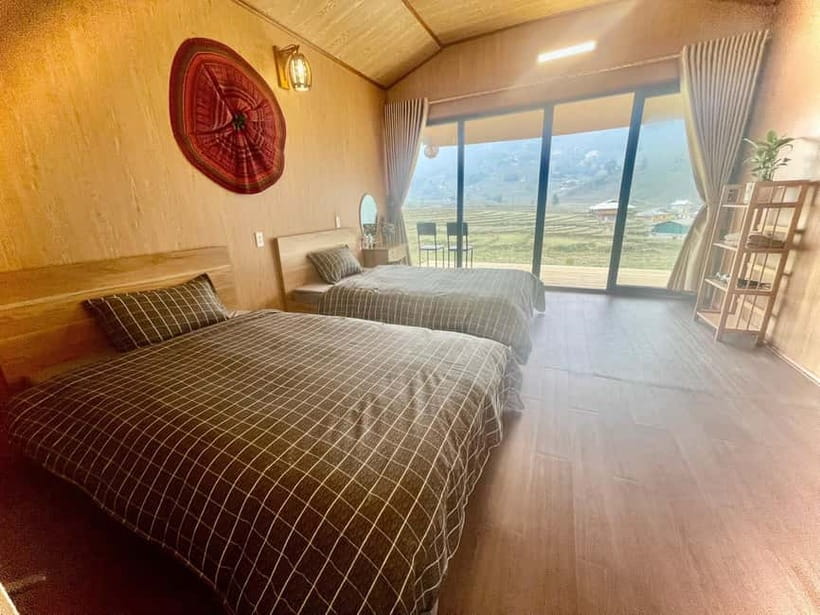
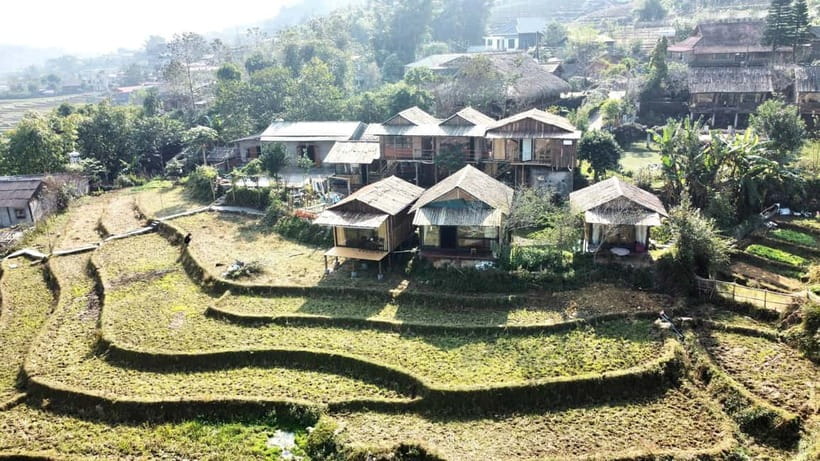
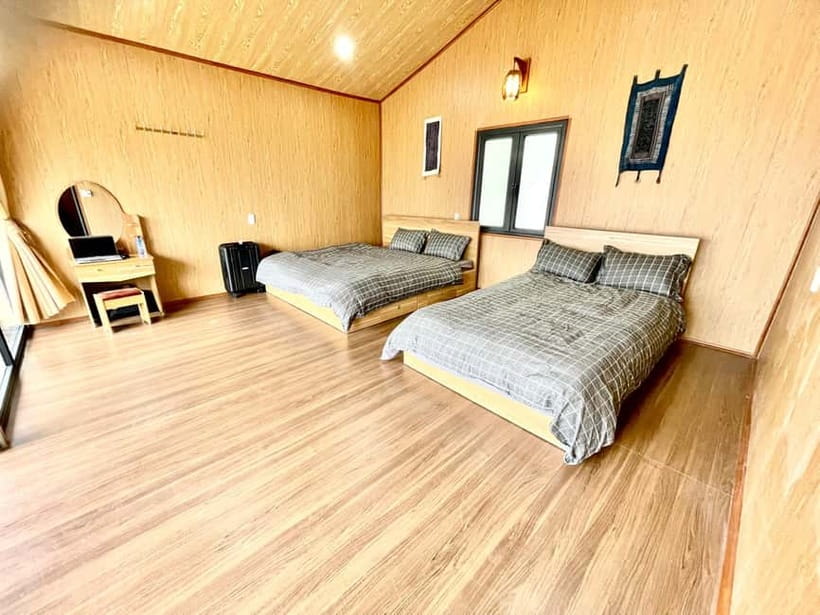
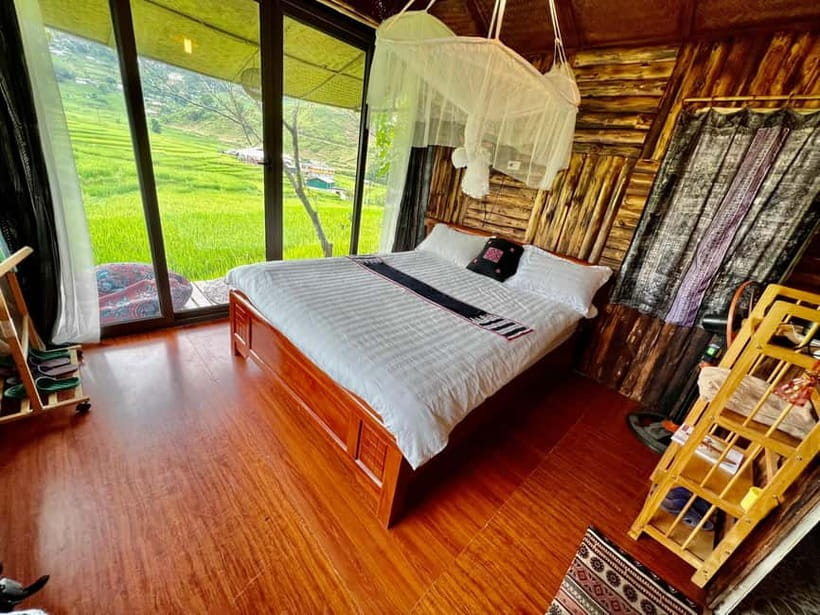
Sleeping in a homestay sounds simple until you try to imagine what it means in real terms. Here, you’re not sleeping in a shared dorm-style setup. You’ll have a private room at the Ta Van homestay for the night.
That balance—local experience with just-right comfort—is what makes this tour work for more people. You’re not giving up hygiene or privacy, but you are stepping into a setting where your day is structured around village life. After trekking, that matters. You’ll be ready for real rest rather than rushing from one hotel check-in to the next.
The evening schedule keeps things warm and social without overfilling your day. You’ll have the cooking class at 17:00, then dinner at 18:30, followed by free time to enjoy your tea or rice wine. If you’re tired, you can be low-key. If you’re curious, you can ask questions while you’re eating.
Also remember: the tour is small-group (up to 12), so the homestay night doesn’t turn into a crowded scramble. It’s more comfortable, and it’s easier for the guide to keep an eye on timing and energy levels.
Day 2 trek to Giang Ta Chai and Supan: the second-day effort
Day 2 begins with breakfast at the homestay, typically 8:00–9:00 a.m. After that, you set off around 9:30 a.m. for two Red Dao villages: Giang Ta Chai Village and Supan Village.
To reach them, you’ll hike about 6 km through the scenery between villages. This is the day’s main physical demand. It’s shorter than Day 1’s total hiking, but it can still feel like a workout depending on weather and trail conditions.
You’ll stop for lunch around 12:30 at a local restaurant. This is a good moment to reset—more structured than a packed snack situation, and it breaks up the long walking time so you can end the tour in better shape.
Then the logistics shift to easy mode. At 13:30, a bus takes you back to Sapa town, and the tour finishes around 1:30–2:00 p.m. That early-to-mid afternoon finish is underrated value. It gives you time to shower, eat again if you want, and still enjoy Sapa town the same day.
Price and logistics: why $43 can be good value here
At $43 per person for a 2-day, 1-night experience, the big question is what you’re actually getting for your money. The tour is not just a guide and a path. It includes:
- Pickup and drop-off in Sapa town
- Meals: 1 breakfast, 2 lunches, 1 dinner
- Homestay night in a private room at Ta Van Village
- Local English tour guide
- Sightseeing tickets
- A small-group cap of 12 participants
When a package includes meals plus a homestay night, you’re usually already avoiding the most expensive pieces of a DIY plan. You’re also paying for someone to handle the route logic—where to walk, how to time village visits, and how to keep you on track when conditions change.
What’s not included is also straightforward: drinks during meals (like water or wine) and any personal expenses. So if you’re trying to budget tightly, plan on buying your drinks separately.
One more logistics point that affects comfort: you’ll walk one way from Sapa town to the villages, then take a bus back on Day 2. That means you don’t need to organize transport for both ends, but you should still plan your day around hiking time.



Pace, fitness, and weather: what to expect on muddy days
This tour is best described as moderate trekking with real terrain. The tour info gives you numbers: about 10 km on Day 1 and 4 km on Day 2 (even though the route between Day 2 villages is described as a 6 km trek). Either way, you should assume you’ll be on your feet for multiple hours both days.
The key is that wet weather can change everything. The experience info warns of muddy, dirty roads and the review-style reality is simple: slippery steps slow people down. If you want this to stay fun (not stressful), wear footwear that grips. Hiking boots or similarly supportive shoes are a smart call.
You’ll also want:
- Comfortable shoes
- A change of clothes
- Comfortable clothes you can move in
- Sunscreen and insect repellent
- Warm layers if you’re traveling October to March
Another small but important rule: the tour is not suitable for people with disabilities, wheelchair users, people with back problems, pregnant women, or children under 5. It also says it’s not suitable for people over 70. That’s not a random label—it’s because the paths and pacing are part of the experience.
Village visits, local selling, and how to handle it
One thing you might notice on the hikes is that locals may follow along to sell items they make. This is common in rural trekking areas around Sapa. The tour info is direct: you don’t need to buy anything if you don’t want.
How to handle it without awkwardness: be polite, keep walking, and use a calm no. If you’re interested, ask quickly about what it is and the price—then decide on the spot. Don’t let it derail your momentum, especially on days when you want to arrive at the next village with energy.
Also, village time here is not just a quick look. You’ll move through multiple communities over two days: Y Linh Ho, Lao Chai, Ta Van, then Giang Ta Chai and Supan. That variety helps you understand that Sapa isn’t one culture—it’s several, living side-by-side with different traditions.
Who this tour fits best
This is ideal if you want a Sapa trip that feels like real movement through the valley. You’ll likely enjoy it most if:
- You like guided walks with local context
- You want a homestay night that includes a simple, real activity like cooking
- You prefer small groups (up to 12) over big bus tours
- You’re okay with a couple of long trekking days
You might want to skip this (or look for an easier version) if:
- You have mobility limits or back issues
- You’re traveling with very young kids
- You’re sensitive to mud and steep, uneven paths
- You don’t handle weather changes well
Should you book Sapa Homestay Hideaway 2-Day Local Life Adventure?
I’d book it if you want a guided, all-in package that combines rice terraces, minority village visits, and a homestay night with a cooking class. The value is strong because meals, homestay, and basic tickets are built into the price.
I’d think twice if you’re not comfortable hiking on uneven ground or if wet weather is likely for your dates. This tour can still be great in rain, but only if you come prepared with proper shoes and a flexible mindset.
If you want Sapa that feels human—morning walking, village encounters, and an evening where food is part of the story—this one fits that brief very well.
FAQ
How long is the Sapa Homestay Hideaway 2-Day Local Life Adventure?
It runs for 2 days and 1 night, with the tour typically ending around 1:30–2:00 p.m. on the second day.
Where does the tour start and end?
Pickup is in Sapa town (your hotel in the town center), and the tour returns you to Sapa town by bus on day 2.
What time is pickup on the first day?
Pickup is typically between 8:15 a.m. and 8:30 a.m., either from your hotel or at the Sapa Delta Hotel meeting point.
What villages do you visit?
You visit Y Linh Ho Village, Lao Chai Village, Ta Van Village, then Giang Ta Chai Village and Supan Village.
What’s included in the price?
The package includes meals (1 breakfast, 2 lunches, 1 dinner), pickup and drop-off in Sapa town, a local English tour guide, 1 night in a private room at a homestay in Ta Van, and sightseeing tickets.
What meals are included?
You get 1 breakfast, 2 lunches, and 1 dinner as part of the tour.
How much walking is there?
Day 1 is around 10 km of hiking, and Day 2 involves about 4 km of hiking (with the trek to the two villages described as a scenic 6 km trek in the schedule).
What should I bring?
Bring comfortable shoes (hiking boots or suitable shoes), a change of clothes, comfortable clothes, sunscreen, and insect repellent.
Are large bags allowed?
No. The tour says luggage or large bags are not allowed.