REVIEW · SA PA
EXPLORE SAPA: 2D1N TREKKING & HMONG CULTURE WITH DINH
Book on GetYourGuide →Operated by Dinh Sapa Trekking Adventures · Bookable on GetYourGuide
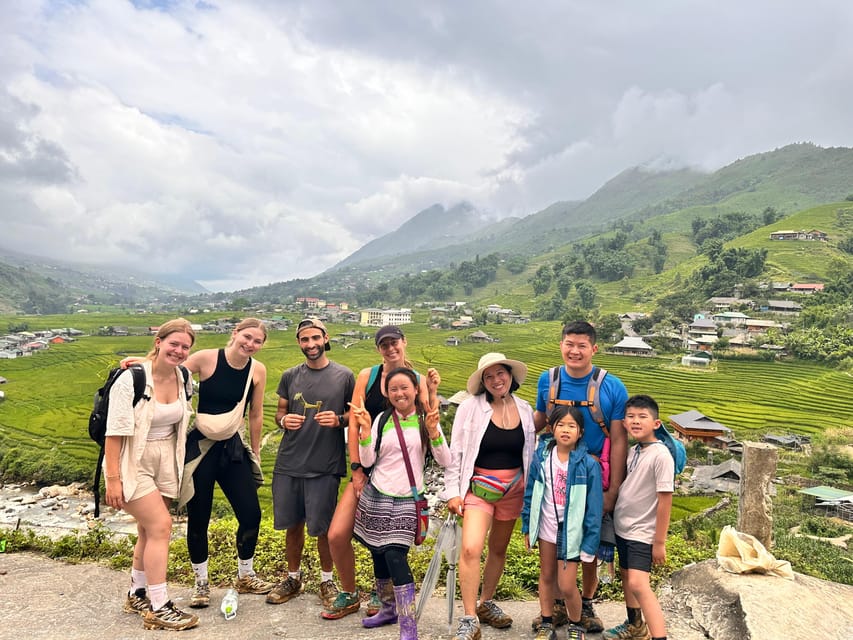
A Sapa trek with a real family heartbeat. You get Hmong culture through day-to-day village life, plus some of the most beautiful rice terraces in the area. The walking is scenic, not rushed, and the evening at Dinh’s home adds meaning beyond the views.
I love how this trip mixes trail time with culture time. You’ll hike through Y Linh Ho and Lao Chai, eat family meals, and sleep with Dinh and her family in Ta Van. One thing to consider: the tour is designed around village pace, so if your schedule is tight, build in a little buffer for return time on day 2.
In This Review
- Quick hits: what makes this Sapa trek special
- First step in Sapa: meeting Dinh and setting the pace
- Day 1 route: Y Linh Ho, Lao Chai, then Ta Van rice paths
- Y Linh Ho: start with village rhythm
- Lunch in a small local family spot
- Lao Chai: older, larger, and still living
- Ta Van arrival: home base for the night
- Ta Van homestay night: cooking class, family stories, and kid energy
- Dinner with a story behind it
- Fun isn’t an afterthought
- Day 2 trek: bamboo forest, terraced rice, and Giang Ta Chai waterfall
- Start slow: coffee or tea first
- Bamboo forest + rice fields toward the waterfall
- Red Dao area + final lunch
- Cultural add-ons: Ban Ho Tày stilt houses and Nam Cang Valley views
- Ban Ho: Tày stilt houses
- Nam Cang Valley: a slow moment to take it in
- Food and drinks: what’s included, what to expect, and what to bring
- Meals during the trek
- Happy Water and the alcohol rule
- How hard is it? Trek distance, pace, and who it fits best
- Not for everyone
- Weather reality
- Price and value: what $46 per person buys you
- Logistics that actually matter: bags, transport, and timing
- What to pack for Sapa trekking with a homestay
- Should you book Dinh’s Sapa trek and homestay?
- FAQ
- Where does the tour start?
- What time does the trekking start?
- How long is the trek and how many days is it?
- What villages will you visit during the trek?
- What’s included in the meals?
- Do you stay in a homestay?
- Is a guide included, and what languages do they speak?
- How is transportation handled after the trek?
- Can I bring alcohol or buy extra drinks?
- FAQ
- Is cancellation free if plans change?
- Is there an age limit?
- How much does it cost?
Quick hits: what makes this Sapa trek special
- Meet Dinh, a Hmong woman from Ta Van, and see how her life connects to the community
- Rice terraces + bamboo forest trekking across a couple of valleys, with village walking paths
- Homestay comfort that feels real: hot shower, time to rest, and a heated blanket mentioned in reviews
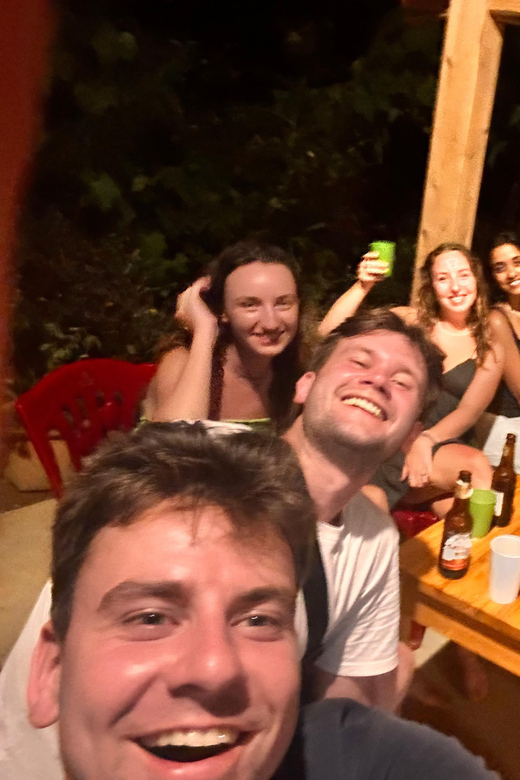
- A hands-on evening: informal cooking class, dinner with family, plus kid performances and games with Happy Water
- Waterfall time at Giang Ta Chai, including an option to swim in cool water if conditions allow
- Cultural stops that go beyond Ta Van, including Tày stilt houses in Ban Ho and Nam Cang Valley scenery
First step in Sapa: meeting Dinh and setting the pace
Your day starts at 9:00 AM. Dinh meets you either at your hotel in Sapa Town or in front of the main church. It’s a small but helpful detail: it means you’re not hunting around Sapa with a map and a coffee balancing act.
Once you’re together, expect a short intro and then you’re off the main tourist lanes. This matters more than it sounds. If you want authentic village life, you need that first chunk of time when you’re still fresh, before the trail starts blending into generic scenic photos.
You’ll trek with a local English- and Vietnamese-speaking guide, and village entry fees are included. That’s one less thing to sort out while you’re trying to enjoy the day.
You can also read our reviews of more hiking tours in Sa Pa
Day 1 route: Y Linh Ho, Lao Chai, then Ta Van rice paths
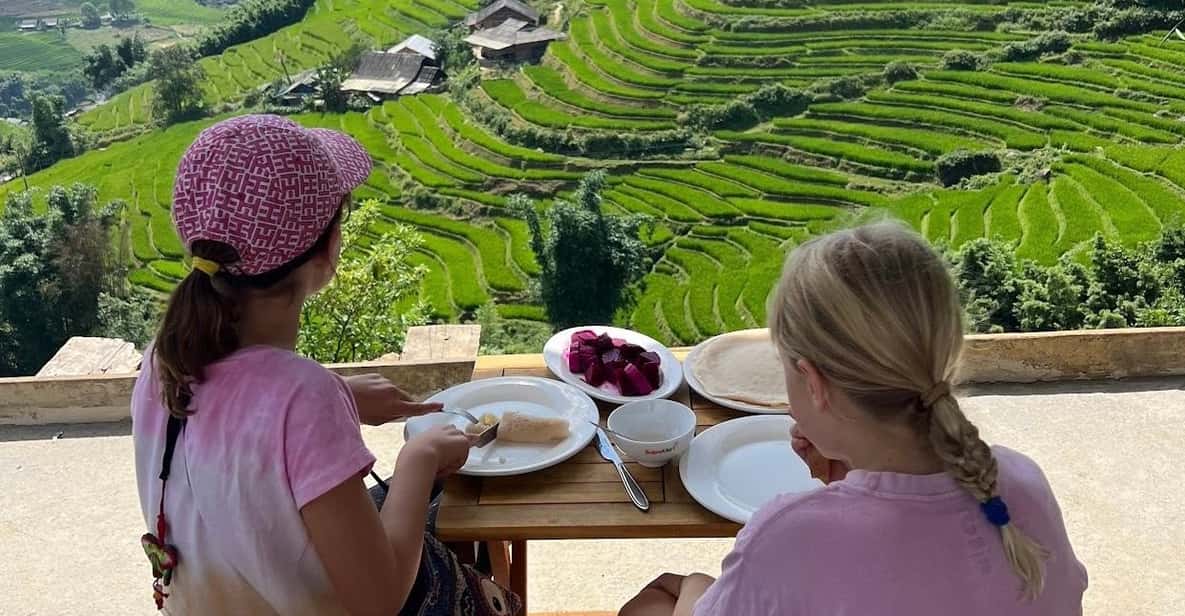
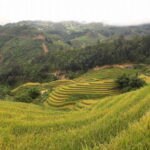
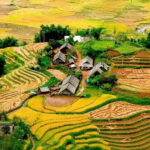
Day 1 is about 9–11 km and runs roughly 5.5 hours on foot. The route guides you from Sapa down toward village areas, so you’re gradually changing scenery as you go.
Y Linh Ho: start with village rhythm
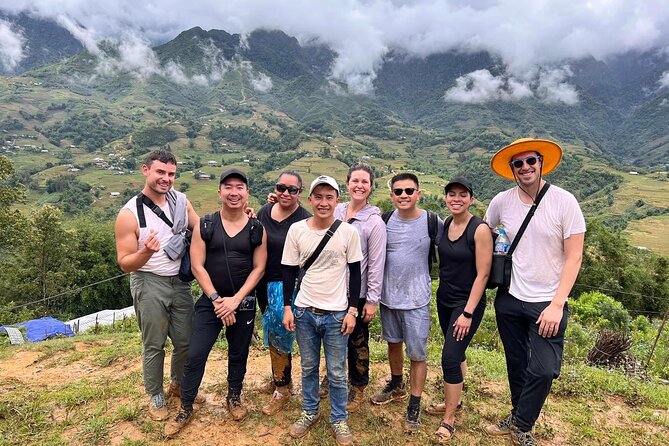
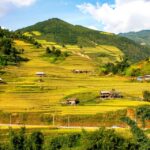
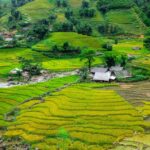
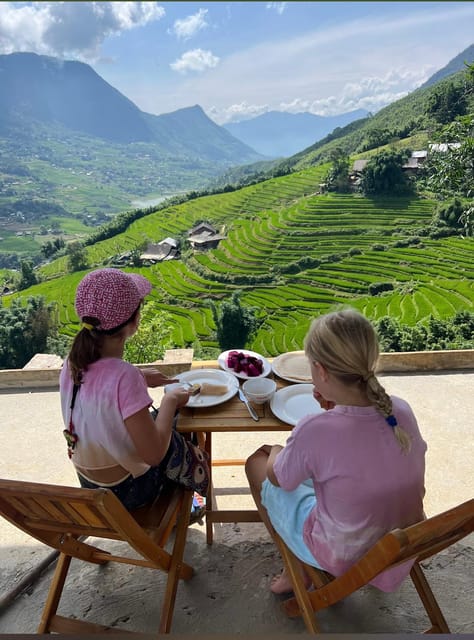
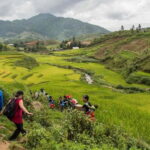
You’ll walk to Y Linh Ho early, passing through terraced farming views that look different depending on season. This is one of the reasons people love this tour: the rice fields here are the kind you remember after you’ve stopped taking pictures.
This is also where the trip starts teaching you without making it feel like a classroom. Dinh shares insights along the way about the differences between ethnic groups, and the scenery helps make those stories stick.
Lunch in a small local family spot
Lunch is at a small traditional restaurant run by a local family. You’ll get one of the two included lunches, and it’s a good break in the middle of the hike—time to sit, refuel, and let your guide explain what you’re seeing.
Lao Chai: older, larger, and still living
Next comes Lao Chai, one of the oldest and largest Hmong villages in the area. The key here is that you’re not just passing by neat houses; you’re walking through a place where daily life happens.
If you’re hoping for Hmong culture beyond clothing and photos, this is where it starts to feel more grounded. You’ll see fields, paths, and the way people move through the landscape.
A few more Sa Pa tours and experiences worth a look
Ta Van arrival: home base for the night
Finally you reach Ta Van Village, home to the Giay and Hmong ethnic minorities. Depending on the season, you might see planting or harvesting. Either way, you’ll feel the difference between farmland you visit and farmland that actually runs the household calendar.
By the time you arrive, you get time to rest, take a hot shower, and reset for the evening.
Ta Van homestay night: cooking class, family stories, and kid energy
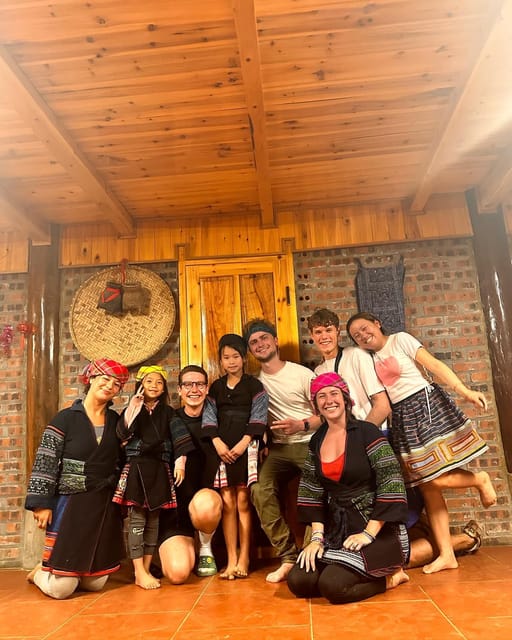
The homestay is with Dinh’s family for one night. That’s a big part of why the trip gets such strong ratings: this isn’t a generic “sleep somewhere rural” setup.
Dinner with a story behind it
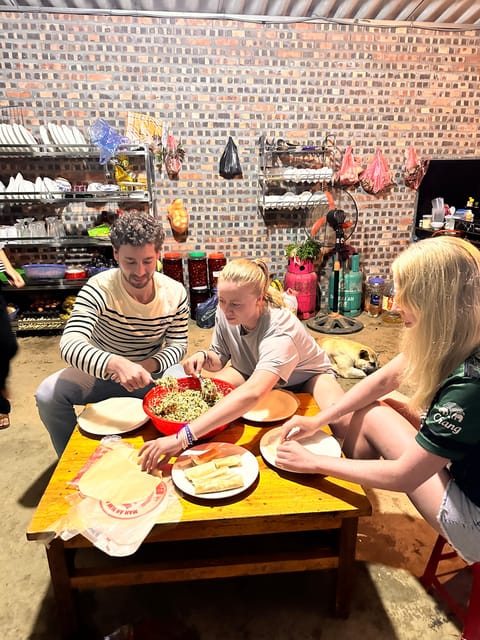
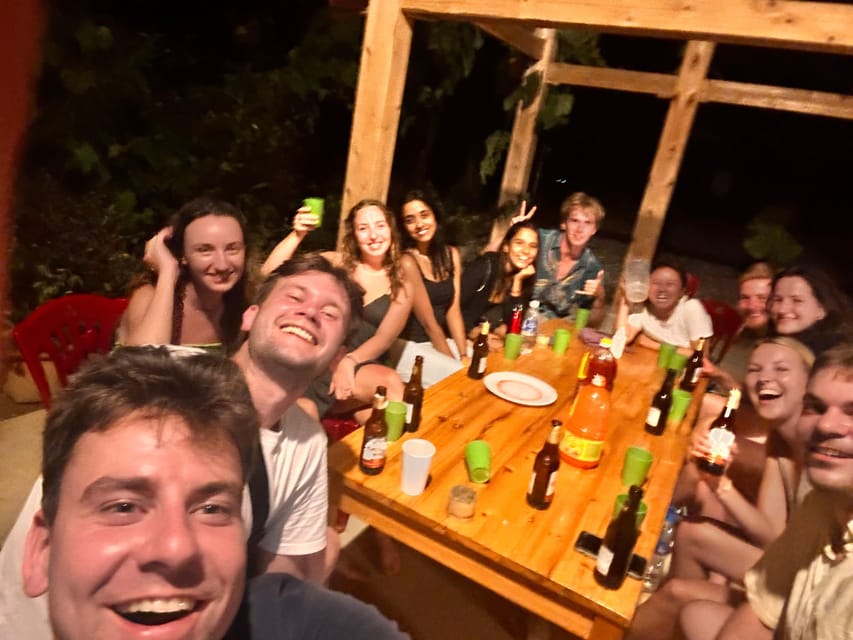
In the evening, you can join an informal cooking class with the family to prepare a traditional dinner. After that, you eat together while Dinh shares her personal story—how she became able to speak English and how she runs the homestay.
One of the most moving parts is the connection to education. Dinh explains she supports 10 local children’s education using proceeds from these tours. You’ll also have time to meet and interact with the kids, including a welcome dance performed by students.
Fun isn’t an afterthought
It’s not all solemn. You might play drinking games with Happy Water (local rice wine). Drinks aren’t included beyond the included water, and alcohol is listed as not allowed—so keep in mind the game is part of the cultural evening, not an open bar.
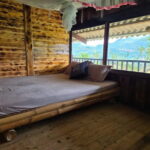
Also, from reviews, it’s clear the homestay experience includes real comfort details: beds that feel comfortable, and in at least some stays, a heated blanket is a lifesaver when temperatures drop in the mountains.
Day 2 trek: bamboo forest, terraced rice, and Giang Ta Chai waterfall
Day 2 is 7–8 km and takes about 5 hours. This is a lighter day on paper, but mountain walking can still feel serious, especially with uneven paths.
Start slow: coffee or tea first
You begin with hot coffee or tea at the homestay, then breakfast. It’s simple, but it sets the tone: you’re not leaving your host family in a hurry.
Bamboo forest + rice fields toward the waterfall
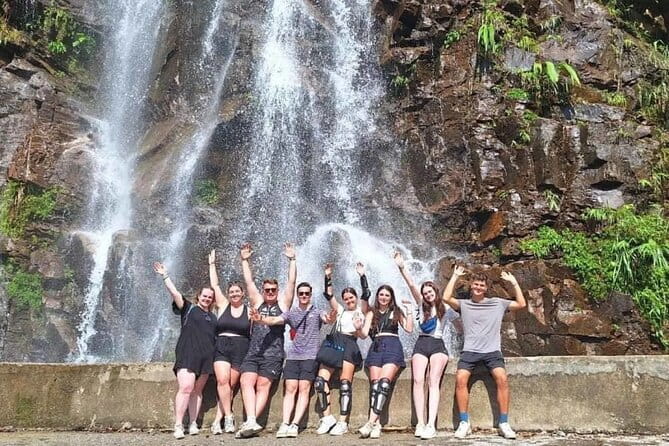
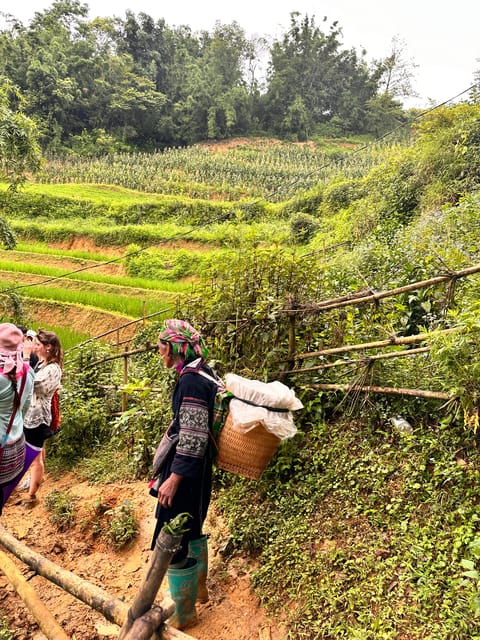
Then you head through bamboo forests and terraced rice fields toward the waterfalls of Giang Ta Chai. This is one of the tour highlights, and the reason is obvious when you’re there: the sound of water changes the air. It feels like a break in the walking.
If you want to cool off, you can swim in the cool waterfall—when it’s safe and conditions allow.
Red Dao area + final lunch
After the waterfall, you enter the Red Dao ethnic area before returning toward the main road. There’s a final lunch included, and then you take a taxi back to Sapa.
The expected end time is between 2:00 and 3:30 PM. Here’s a real-world consideration: if you’re in a larger group, the second-day lunch and bag transfers can take longer. In those cases, you may return closer to mid-afternoon, not early afternoon. If you’re catching a bus, build slack.
Cultural add-ons: Ban Ho Tày stilt houses and Nam Cang Valley views
Even though the main trek line is the backbone, this experience also includes cultural and scenery stops that add variety.
Ban Ho: Tày stilt houses
One highlight is visiting traditional stilt houses of the Tày ethnic group in Ban Ho. This is a different lens than pure rice-terrace Hmong scenery. Stilt houses are practical architecture shaped by local weather and the ground conditions—so it’s not just a photo stop.
Nam Cang Valley: a slow moment to take it in
Another highlight is relaxing and soaking in the views of Nam Cang Valley. This part works best when you don’t treat it like a timed segment. Give it ten minutes with no goal other than looking and listening.
Food and drinks: what’s included, what to expect, and what to bring
You get 2 lunches, 1 dinner, and 1 breakfast plus drinking water: 1 big bottle per person per day.
Here’s what I like about this setup: it keeps the daily budget predictable. You’re not constantly stopping to buy snacks while trying to walk.
Meals during the trek
Lunches are included on both days. Dinner is at the homestay with cooking help, so you’re more likely to eat with the family than in a generic restaurant line.
Happy Water and the alcohol rule
Alcohol and drugs are listed as not allowed. Also, extra drinks during hiking (bottled water or beer, for example) are not included. So if you want more water than the included bottle, plan to buy it separately.
How hard is it? Trek distance, pace, and who it fits best
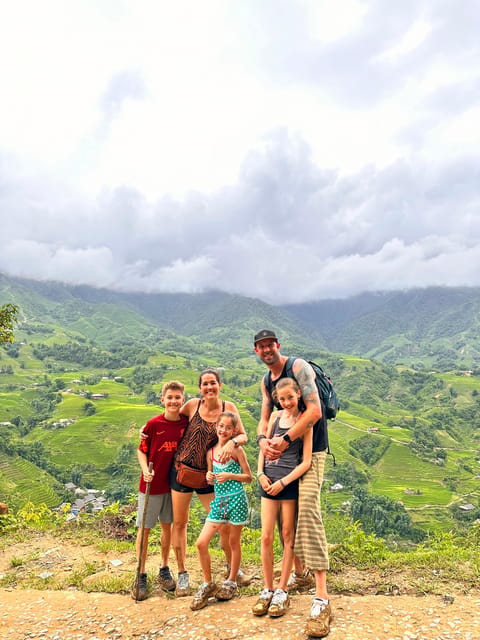
This is a moderate trekking experience in terms of distance, not a technical climb. Day 1 is longer (up to about 11 km), and Day 2 is shorter (about 7–8 km).
The pace is still important. These trails run through paths that can be narrow, sloped, and uneven. The upside is that this is not a grind. You’re getting breaks, cultural context, and food along the way.
Not for everyone
It’s not suitable for people over 95 years old. If you have mobility limits, ask Dinh directly before booking, because the itinerary is built around walking time.
Weather reality
Reviews mention cloudier conditions without stopping the experience from being enjoyable and informative. Still, bring gear for misty mountain weather, because Sapa can shift quickly.
Price and value: what $46 per person buys you
At $46 per person for 2 days and 1 night, this is good value if what you want is not just a track and a selfie.
Your money covers:
- Local English-speaking guide (2 days)
- Village entry fees for 4 villages
- Meals: 2 lunches + 1 dinner + 1 breakfast
- 1-night homestay with Dinh’s family
- Drinking water (1 big bottle per person per day)
- Transport back to Sapa after the tour
You’re also paying for something harder to price: a guide who lives in the area and can explain what you’re seeing from lived experience, plus the homestay connection that ties directly to education support. If that matters to you, the value feels even stronger.
If you want to do it as a budget hike and nothing else, then $46 might sound steep. But for a guided, structured cultural trek with meals and lodging included, it’s a practical deal.
Logistics that actually matter: bags, transport, and timing
One of the most useful practical tips is about your big bags.
You can usually leave large luggage at your hostel, then carry only what you need for the day. If you can’t leave bags, Dinh can help transport them to her house so you don’t have to carry heavy stuff during the trek. When you arrive at Ta Van, your bags wait for you there.
This matters because it changes how your hike feels. Carrying a lighter daypack makes you move more comfortably and enjoy the path instead of thinking about your shoulders.
On timing: the official end window is mid-afternoon, but larger groups can push it later. If you have a tight bus schedule, plan a buffer or choose a different travel day.
What to pack for Sapa trekking with a homestay
Nothing here is invented; it’s the common-sense gear your guide expects you to bring. At minimum, plan for:
- Water needs: one big bottle is included per person per day
- Sunscreen (mountain sun can be sneaky)
- Mosquito spray
- Comfortable shoes for muddy or uneven paths
- A layer for cool mornings and nights (homestays can feel chilly)
Also, be ready for the fact you’ll enjoy both trekking and a warm meal at the end of the day. Pack so you can relax, not just survive.
Should you book Dinh’s Sapa trek and homestay?
Book it if you want Sapa beyond the postcard routes—you care about Hmong culture, you like walking through rice terraces and bamboo forest, and you’re excited about spending the night with a local family instead of checking into a generic room.
Skip it (or ask extra questions first) if you need a strict return time for day 2, or if you prefer short, easy strolls with minimal walking. Build in flexibility.
One last nudge: if you’re the type who likes stories, not just scenery, this tour is a strong match. Dinh’s energy, her family’s hospitality, the cooking class, and the kid-focused education connection are what make the experience stick long after the trek dust clears.
FAQ
Where does the tour start?
Dinh meets you at your hotel in Sapa Town or in front of the main church.
What time does the trekking start?
The tour starts at 9:00 AM.
How long is the trek and how many days is it?
It’s a 2-day experience: about 5.5 hours walking on day 1 and about 5 hours on day 2, plus a 1-night homestay.
What villages will you visit during the trek?
You’ll go through Y Linh Ho, Lao Chai, Ta Van, Giang Ta Chai, and an area associated with Red Dao, with additional cultural stops including Ban Ho.
What’s included in the meals?
You get 2 lunches, 1 dinner, and 1 breakfast.
Do you stay in a homestay?
Yes. You’ll have 1-night homestay with Dinh’s family.
Is a guide included, and what languages do they speak?
Yes. A local guide is included and speaks English and Vietnamese.
How is transportation handled after the trek?
After the tour ends in the village area, you’ll take a taxi back to Sapa.
Can I bring alcohol or buy extra drinks?
Alcohol and drugs are not allowed. Extra drinks during the hike (like bottled water or beer) are not included.
FAQ
Is cancellation free if plans change?
You can cancel up to 24 hours in advance for a full refund.
Is there an age limit?
The experience is not suitable for people over 95 years.
How much does it cost?
The price is listed as $46 per person.