REVIEW · SA PA
Discover Sapa: 2D1N Trekking Adventure & Cozy LaLa Homestay
Book on GetYourGuide →Operated by LALA SAPA TREKKING & HOMESTAY. · Bookable on GetYourGuide
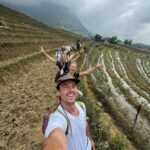
Sapa feels different when you hike with locals. This 2D1N trekking trip pairs daytime paths through villages and fields with an evening at LaLa Homestay in Hau Thao, plus real interaction with hosts like Su and La La.
I really like that the routes are built around daily life in ethnic communities, not just postcard stops, so you get to see how people live while the scenery does its job.
The other thing I like: the after-trek fun is part of the experience, not a random add-on. Dinner at the homestay can include cooking time, games with La La and family, and the famous Happy Water moment, with karaoke if you feel like it.
That social angle is what makes a budget group trek feel warmer and more memorable.
One consideration: the second-day waterfall can be a letdown in some seasons if there is no water. If waterfall photos are your main goal, plan for flexibility.
In This Review
- Key highlights worth your time
- Where this Sapa trip starts: 9AM meeting and an early rhythm
- Dragon Mountain and Hang Da village: the big views and the real-food pause
- Bamboo forest and rice paddies to Hau Thao: arriving by late afternoon
- LaLa Homestay at Hau Thao: cozy rooms, family meals, and Happy Water
- Day 2: 8:30AM breakfast, terrace rice fields, and Mường Hoa river walking
- The waterfall stop: enjoy it, but plan for seasonal water
- Lunch, then back to Sapa Center around 2PM
- Price and value: is $39 a fair deal for two days?
- The guides make the difference: why Su and La La are a strong combo
- Practical advice: what to bring (and what to skip)
- Who should book this trek (and who might not)
- Should you book this Sapa trekking and LaLa homestay trip?
- FAQ
- Where do we meet for the tour?
- How long is the trekking over the two days?
- What’s included in the price?
- What are the main stops on the trek?
- Is the waterfall guaranteed to have water?
- What should I bring for the trek?
- What languages do the guides speak?
Key highlights worth your time
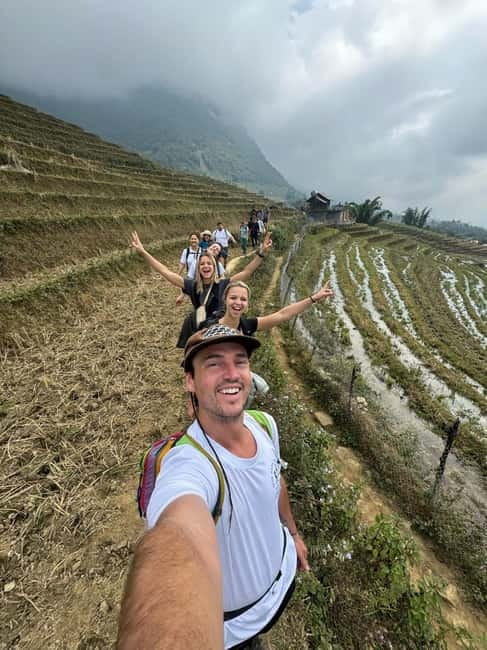
- Su and La La: experienced local guides who keep the pace human and help when the trail gets steep
- Hau Thao at LaLa Homestay: cozy, family-run stays and plenty of chances to chat
- Day 1 around 12km: Dragon Mountain viewpoints plus bamboo and rice-field walking
- Day 2 around 6km: terrace rice fields and the Mường Hoa river area
- Happy Water games and karaoke: an evening built for laughs and local culture
Where this Sapa trip starts: 9AM meeting and an early rhythm
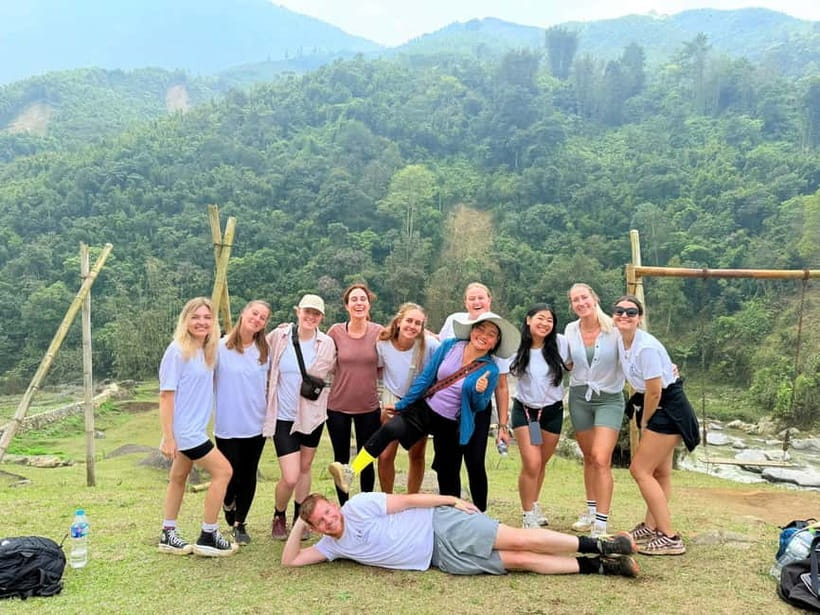
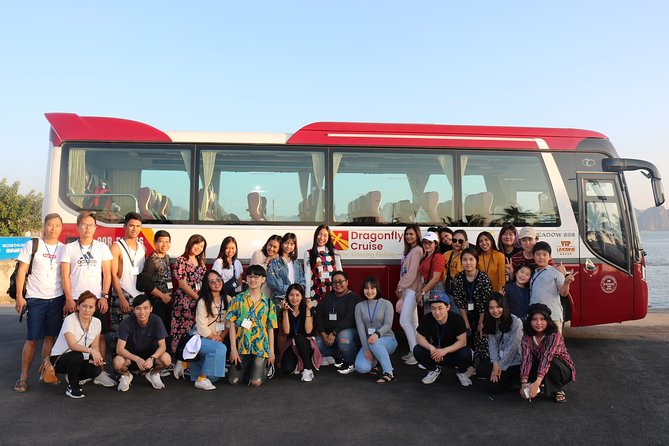
You’ll meet your guide at Sapa Church at 9:00AM, and the tour runs as a group trek with a local guide leading the show. That early start matters in Sapa because weather can change fast, and you want daylight on the walking sections.
The pace is active but designed for normal hikers with comfortable shoes. Day 1 is longer, about 12km, then day 2 is shorter, about 6km. If you’ve been out of the saddle for a while, make sure you bring good footwear and give yourself a slow, steady rhythm from the first steps.
Also, go in knowing this is not a private luxury tour. You’re here for the villages, the trails, the homestay meals, and the people. For many people, that trade-off is the whole point.
You can also read our reviews of more hiking tours in Sa Pa
Dragon Mountain and Hang Da village: the big views and the real-food pause
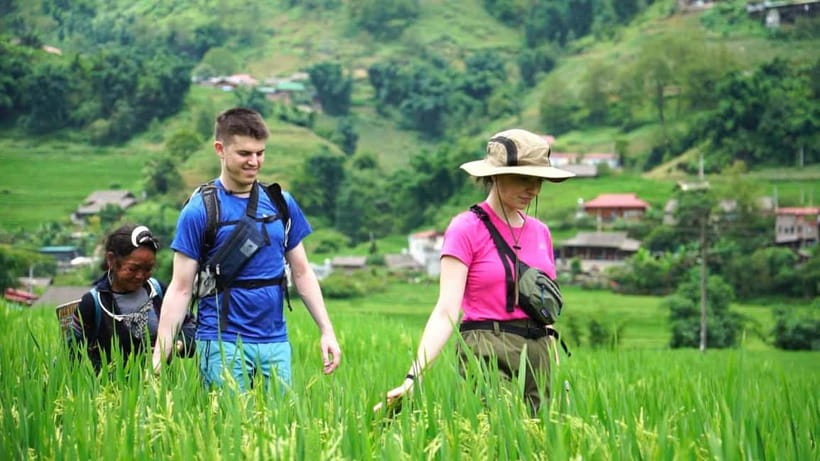
After pickup at Sapa Church, the day begins with trekking toward Dragon Mountain. This is where Sapa’s wider valleys and mountain panoramas show up, so it’s a good first-day payoff. Even if the group moves at different speeds, the guide can steer you toward the best spots along the way.
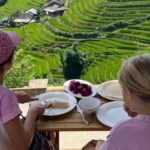
Then you continue to Hang Da village, where lunch happens at a local restaurant. The meal is described as local foods, and the setting is also meant to come with good views. This is one of those practical stops: you get fed and you reset before heading back out into the smaller trails.
A quick tip: if you’re sensitive to altitude-like discomforts or steep steps, take shorter pauses than you think you need. Sapa hiking tends to feel easier when you stop before you’re totally out of breath.
Bamboo forest and rice paddies to Hau Thao: arriving by late afternoon
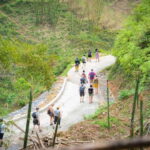
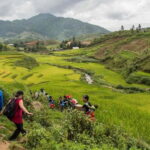
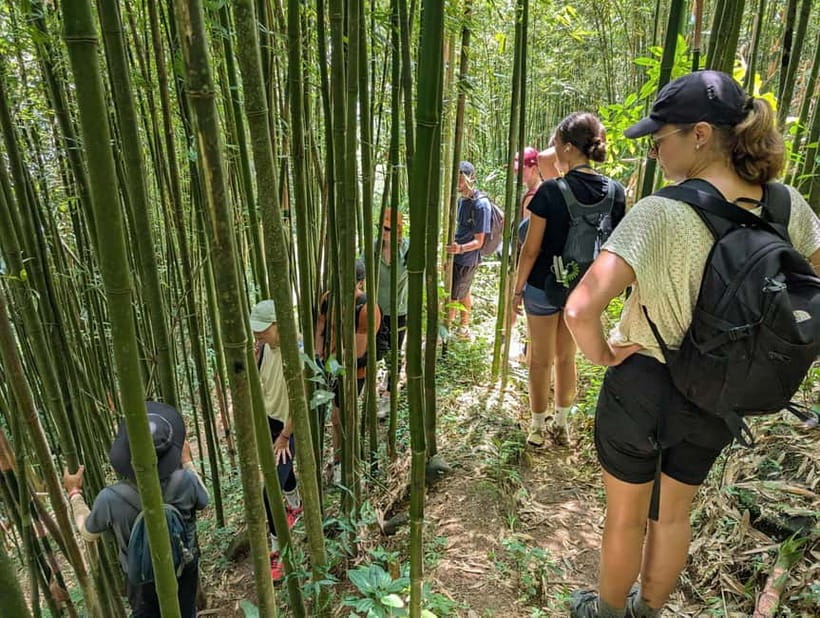
From Hang Da, the route shifts into walking through a small bamboo forest and rice paddy fields. This is the part of the trek that feels more intimate than the main-view moments. It also changes your footing and your focus, which is nice after longer stretches of climbing.
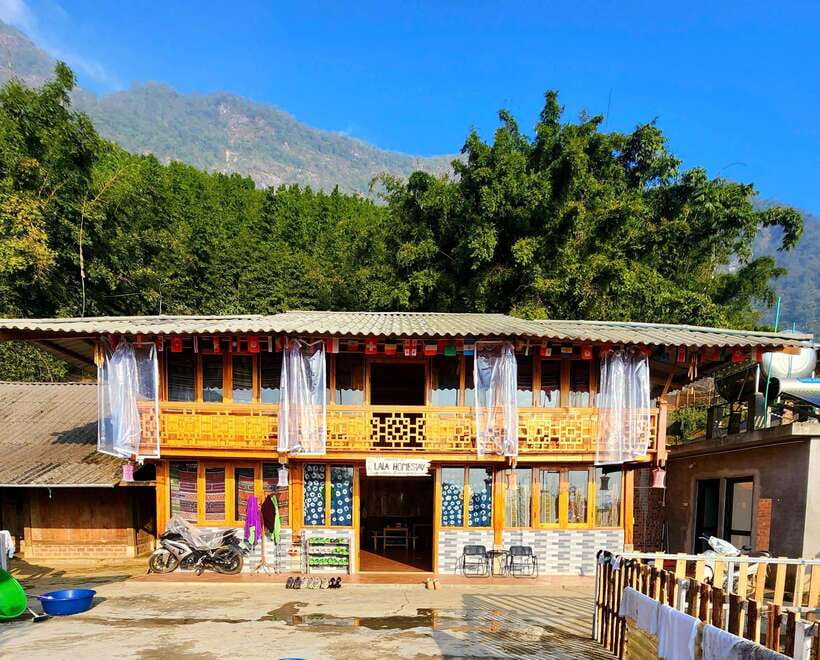
You’ll reach LaLa Homestay in Hau Thao around 3:30PM. That arrival time is good because you still get usable daylight, and you’re not stuck with an evening that starts too late.
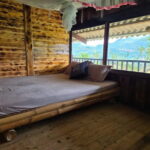
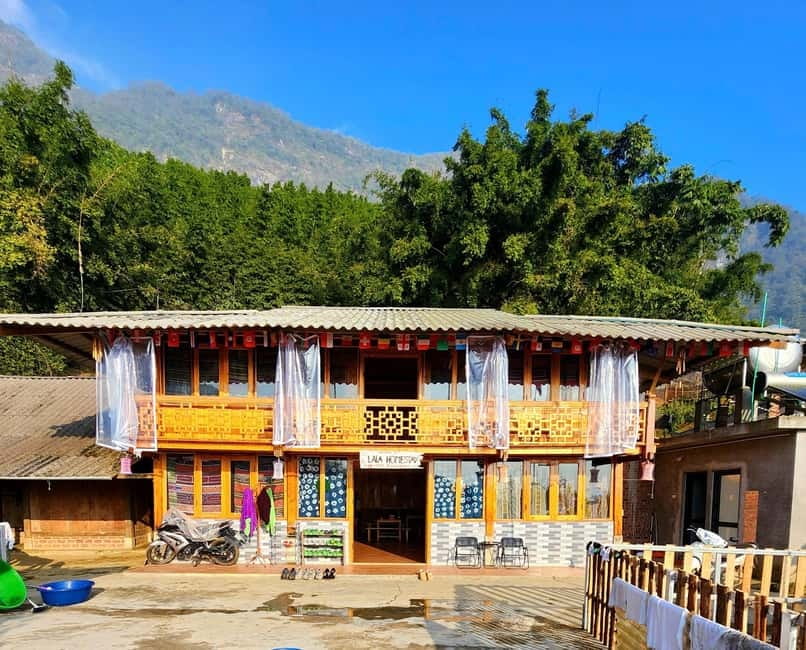
By the time you settle in, you’re set up for an easy “second act” at the homestay. Many homestays in the Sapa area are simple, but this one is described as clean and spacious, and that matters after a day on the trail.
What can you do once you arrive? You can rest, or join activities like:
- a cooking class with the host
- a local đá cầu game (the shuttlecock kick game)
If you want to get to know your hosts, this is when you’ll be most relaxed and open to conversation.
LaLa Homestay at Hau Thao: cozy rooms, family meals, and Happy Water
Staying with a family is the heart of this trip. La La and the family hosts create the vibe, and it’s not just about sleeping under a roof. The point is interaction: sharing dinner, learning small bits of daily culture, and spending time together like a guest who fits in.
That evening includes dinner with the family and a chance to try LOCAL HAPPY WATER. In practice, this isn’t just drinking for the sake of drinking. It shows up as a social game and a reason to laugh with your guide and hosts.
Some nights also include karaoke. If that’s your thing, it’s a fun way to break the language barrier, because you can sing along even if you don’t know every word.
And if you’re tired, you don’t have to force the party. The best part of a homestay evening is you control the balance: chat for a bit, join a game if you want, then go rest.
Day 2: 8:30AM breakfast, terrace rice fields, and Mường Hoa river walking
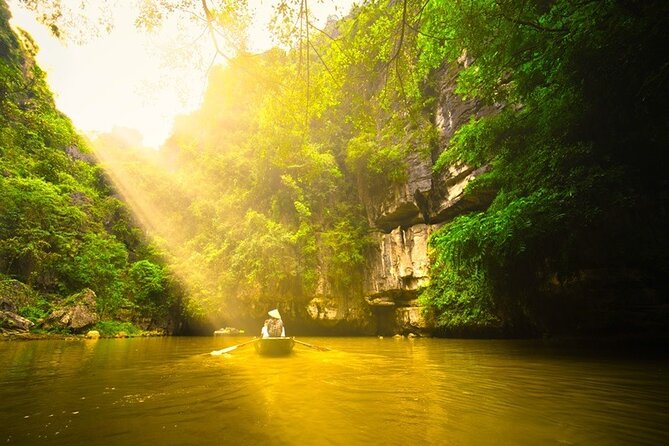
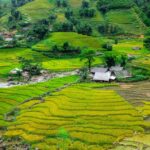
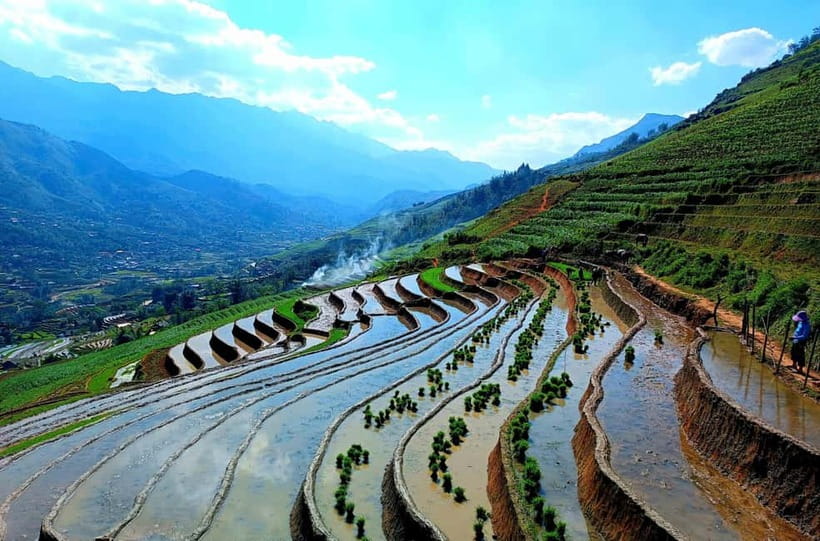
Day 2 begins with a wake-up and breakfast at 8:30AM, then trekking from the homestay through one of the most beautiful terrace rice fields in Sapa. Terrace fields in Sapa can look unreal, but what makes this stop more useful is that you’re walking through them. You get time to notice the patterns and the terrain the way locals see it.
After the terrace section, you walk along the Mường Hoa river area and continue toward Giang Ta Chai village. This part is more about the village route and viewpoints than a single dramatic photo stop. If you like small discoveries, you’ll appreciate this more than a rushed checklist-style day.
A few more Sa Pa tours and experiences worth a look
The waterfall stop: enjoy it, but plan for seasonal water
The itinerary includes a waterfall visit, but with one clear note: in some seasons the waterfall may have no water. That’s not a failure of the tour; it’s just Sapa’s seasonal reality.
If you care about the waterfall specifically, bring the right mindset. Go for the walk and the village setting first. When there is water, it’s a bonus. When there isn’t, you still get the outdoors and the Giang Ta Chai area.
Lunch, then back to Sapa Center around 2PM
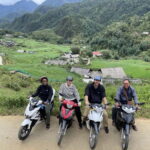
After the waterfall and river walking, you return to the big road for lunch. Then you head back to Sapa Center by car, mini van, or motorbike, depending on group size.
The tour ends around 2:00PM, which is practical. You’ll usually have enough time to catch your next bus or continue onward without feeling trapped in a late-afternoon departure.
One thing I like about finishing by mid-afternoon: it keeps your whole Sapa itinerary less stressful. A lot of Sapa trekking tours stretch late into the evening. Here, the timing leaves you choices.
Price and value: is $39 a fair deal for two days?
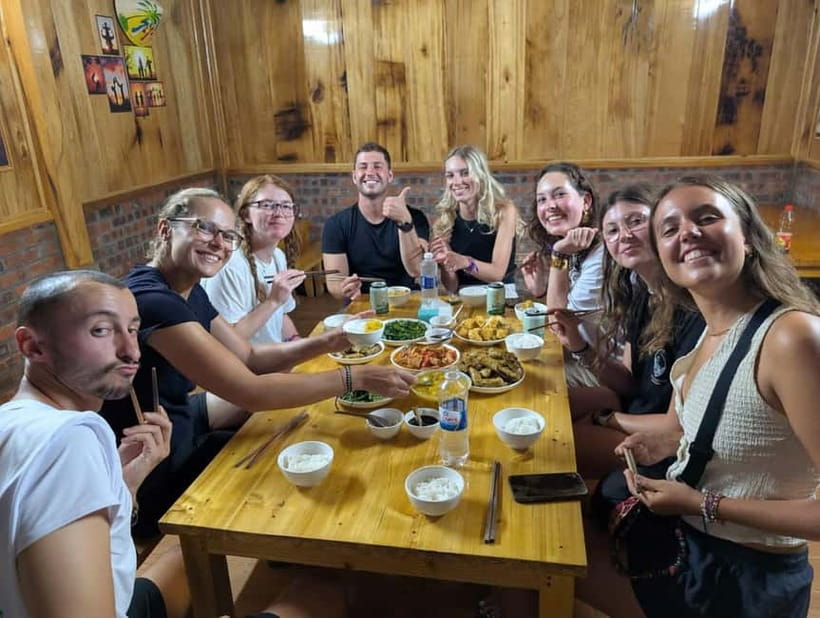
At around $39 per person, this is positioned as a budget-friendly group trek with meals and local guidance included. The value comes from what’s actually included:
- Tour guide
- Happy Water
- 2 lunches
- 1 breakfast
- 1 dinner
That package matters in Sapa because food and guidance add up quickly if you’re piecing things together alone. You also get the homestay experience, which is the main cultural anchor of the trip.
The main trade-off with a low-cost group tour is that you’re sharing time and attention with others. But the guides and hosts seem to handle that well, including support on tougher trail sections when someone in the group needs help.
If your goal is a friendly cultural trek where you laugh with the family and still see real Sapa trails, this price looks pretty fair.
The guides make the difference: why Su and La La are a strong combo
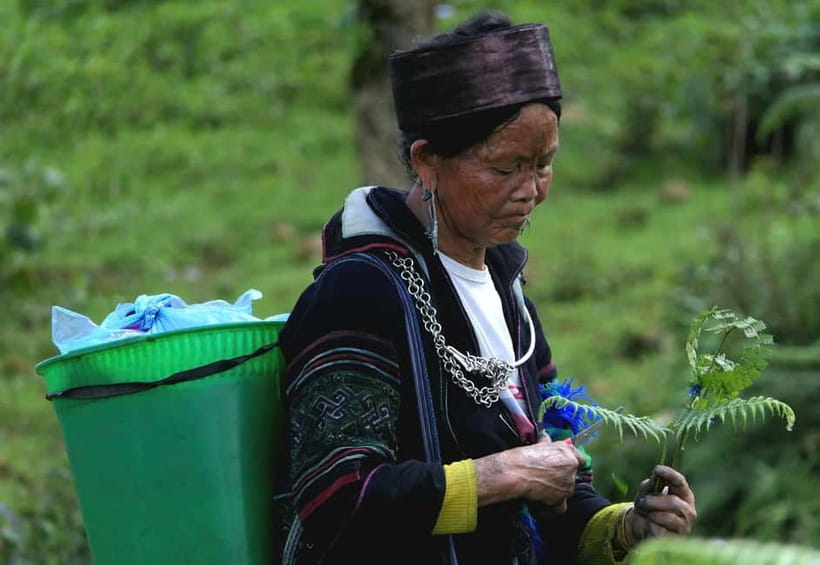
A good Sapa trek lives or dies on the guide. This tour highlights guides Su and La La, and their experience is a big selling point. Su is described as a knowledgeable, cheerful guide who navigates mountains, villages, and rice fields, and who keeps the group comfortable.
La La is presented as a friendly host who spends time with you at the homestay—joining games, helping make the evening feel personal, and turning dinner into something more than just fuel.
In short: you’re not just paying for walking. You’re paying for translation, local context, and a smoother day when trails turn tricky.
Practical advice: what to bring (and what to skip)
Sapa trekking is simple, but you’ll feel it if you show up unprepared. Here’s what you should pack, based on the tour guidance:
- Comfortable shoes (non-negotiable)
- Hat
- Camera
- Sunscreen
- Water
If you’re the type who gets cold in the early morning, bring an extra layer. The tour notes that weather can change, so plan for shifting conditions.
Also, consider snacks if you like having a little extra fuel between meal stops. The day includes multiple walking segments, and hydration matters in the mountains.
And when you’re in the villages, keep the basic respect rules: be mindful of customs and be polite. It’s part of how the homestay experience stays good for everyone.
Who should book this trek (and who might not)
This trip fits best if you want:
- real village time with ethnic minority hosts
- scenic trekking with rice fields, bamboo, and viewpoints
- a homestay evening with games and culture, including Happy Water
- a group tour that still feels warm and personal
You might want to skip or consider another style of trekking if:
- you’re chasing only waterfalls and dramatic river scenes (some seasons have no waterfall water)
- you need a very low-effort walk (Day 1 is around 12km)
- you prefer fully independent planning rather than group scheduling
There are also basic age suitability notes: it’s not suitable for babies under 1 year and not suitable for people over 95 years.
Should you book this Sapa trekking and LaLa homestay trip?
If you want Sapa the human way—walking with a guide who knows the villages, eating local food with a view, and ending the day in a family-run home—this is an easy yes.
Book it especially if you like interaction. The standout feature isn’t just the trail. It’s the homestay evening: Happy Water, games with La La, and karaoke if the mood hits. For a $39 price point, that cultural dose plus two meals and a full guide is strong value.
Only hold your expectations in check about the waterfall: it depends on the season. If you treat the waterfall as a bonus and focus on the trek and village time, you’ll leave happier.
FAQ
Where do we meet for the tour?
Your guide picks you up at 9:00 AM from Sapa Church. You should look for your name with the guide.
How long is the trekking over the two days?
Day 1 is around 12km. Day 2 is around 6km, and the tour finishes back in Sapa Center around 2PM.
What’s included in the price?
Included: 2 lunches, 1 breakfast, 1 dinner, a tour guide, and Happy Water. Drinks and personal expenses are not included.
What are the main stops on the trek?
The route includes Dragon Mountain, Hang Da village, walking to Hau Thao village and LaLa Homestay, Giang Ta Chai village, and a waterfall stop, with time back to Sapa after lunch.
Is the waterfall guaranteed to have water?
No. The tour notes that in some seasons the waterfall may have no water.
What should I bring for the trek?
Bring comfortable shoes, a hat, camera, sunscreen, and water. The route is active, so comfort and hydration matter.
What languages do the guides speak?
The tour is offered in English and Vietnamese.