REVIEW · SA PA
From Sapa: Muong Hoa Valley View & Village Trek 1-Day
Book on GetYourGuide →Operated by Sapa Nomad · Bookable on GetYourGuide
Morning clouds are the warm-up. This 1-day trek is built around big Muong Hoa Valley views and authentic village time, including the highest Black H’mong village in Sapa. I also like that you get an experienced English-speaking guide who keeps the pace readable and the culture understandable. The main catch: parts of the climb and descent are steep and can start off rough on uneven mountain paths.
You’ll start with a hotel pickup at 8h30, then ride up to the trekking area. From there, you’ll work your way through H’mong villages and mountain trails, with viewpoints over Sapa town and the Hoang Lien Son range. Expect classic Sapa “cloud hunting” moments, especially around the rice fields and viewpoints.
This is a good fit if you want a quiet-feeling walk (not a day of constant driving) and you like meeting people along the way. It’s also not the best choice if you’re pregnant, since the hike includes steep sections and uneven footing.
In This Review
- Key points you’ll actually care about
- How a 1-Day Muong Hoa Trek Works for a Sapa Trip
- 8h30 Pickup to Sa Seng: Rough Roads, Big Air, and Village Trails
- Ham Rong Mountain Top: Panoramic Views Over Sapa and Hoang Lien Son
- Hang Da Lunch: Cliffside Roads and a Valley-First Break
- Tao Sha, the Highest Village in Sapa: Black H’mong Culture Up Close
- Hau Thao Rice Terraces and Bamboo Forest: Clouds Become Part of the Route
- Ancient Stone Sapa: The 200-Block End Stop That Adds Meaning
- Pace, Fitness, and What to Wear (So You Don’t Hate Daylight)
- Price and Value: Why About $36 Can Make Sense in Sapa
- Optional Herbal Baths and Foot Care After the Trek
- Should You Book the Muong Hoa Valley View & Village Trek?
- FAQ
- What’s the location of this trek?
- How early do you get picked up?
- How long is the tour?
- Is lunch included?
- Do you get an English-speaking guide?
- How much water do you receive?
- Is the group private?
- Is the trek suitable for pregnant women?
- What’s the cancellation policy?
Key points you’ll actually care about
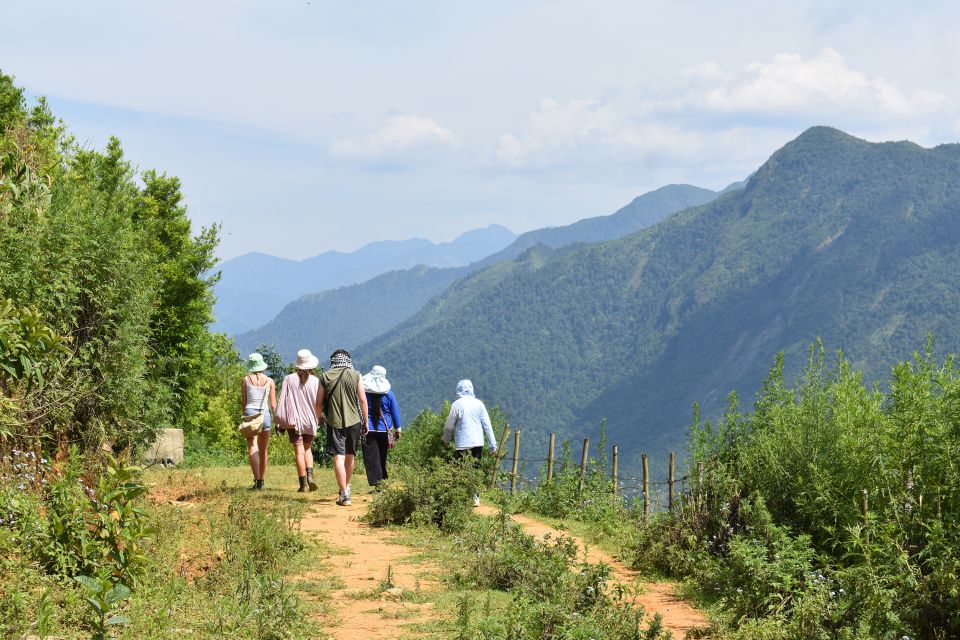
- Tao Sha, the highest village in Sapa: time with Black H’mong homes and viewpoints from high ground
- Ham Rong summit views: panoramic sightlines over Sapa town and the Hoang Lien Son range
- Hang Da lunch with cliffside scenery: a break paired with dramatic valley views
- Hau Thao rice terraces + bamboo forest: rice fields close to forest edges, often with a sea of white clouds
- Ancient Stone Sapa stop: around 200 stone blocks with unusual shapes and ancient-period clues
- English guide, private group feel: easier conversation and a more personal pace on the trail
How a 1-Day Muong Hoa Trek Works for a Sapa Trip
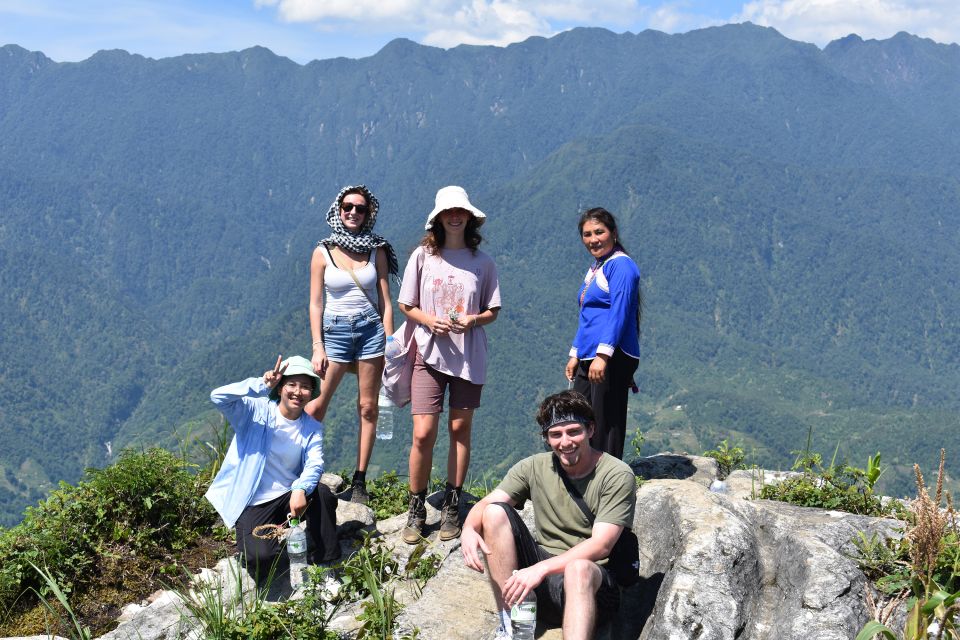
Sapa is the kind of place where time goes fast. This tour is designed for one full day, from an early 8h30 pickup to a return around 16h00. That matters because it lets you see the Muong Hoa Valley “from the inside” without giving up all your afternoon for logistics.
What I like about this setup is how it balances walking with breaks that don’t feel random. You’re not just moving between viewpoints; you’re actually fed at a village, you rest at a high village, and you end the day with a historical-style stop rather than another cliffside scramble.
The biggest “value” factor is that the price (about $36 per person) covers the parts that often cost extra when you DIY: hotel pickup/drop-off, lunch, village entrance fees, and an English-speaking guide. Add in the included water, and it turns into a straightforward day you can plan around.
You can also read our reviews of more hiking tours in Sa Pa
8h30 Pickup to Sa Seng: Rough Roads, Big Air, and Village Trails
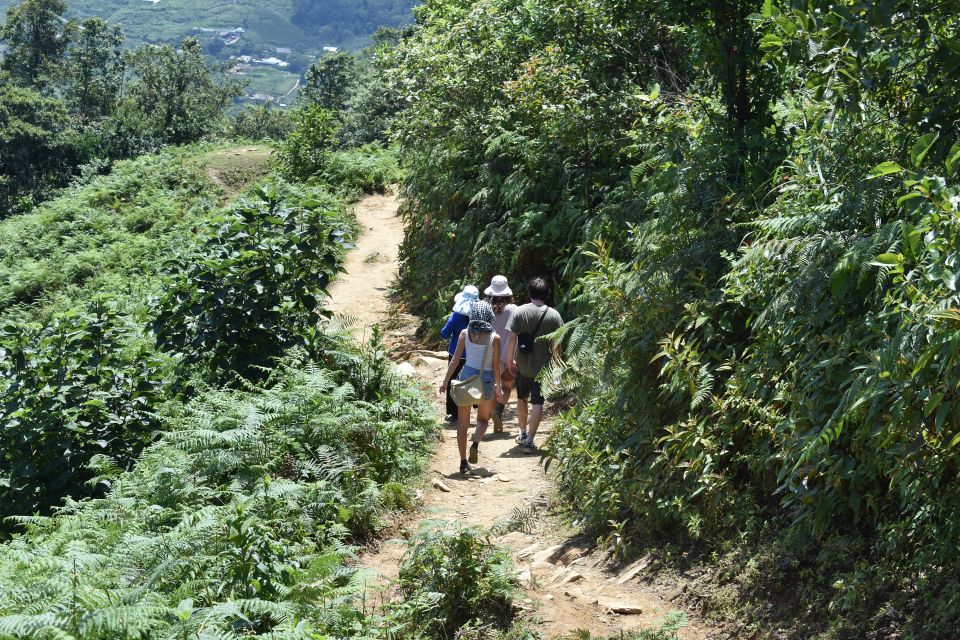
The day starts with pickup at your hotel at 8h30. You’ll then head toward the trekking start, and the roads along the mountains can be rough. That’s normal here—Sapa’s access routes go up and around steep terrain—so I’d mentally file this under “part of the experience,” not a delay.
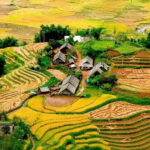
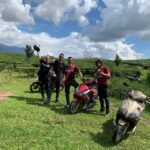
Once you begin hiking, the first sections can feel like a workout. The initial climb runs along steep paths up the mountain. It’s not a gentle warm-up stroll. You’ll pass through rough terrain and into Black H’mong village areas, including Sa Seng, where the day’s culture element becomes real instead of just scenery.
One practical thing: this trek is long enough that you’ll want steady footing and a steady pace. A guide who’s comfortable with the terrain makes a difference, and the English support helps you understand what you’re seeing—plants, local life, and village routines—rather than walking “blind.”
Ham Rong Mountain Top: Panoramic Views Over Sapa and Hoang Lien Son
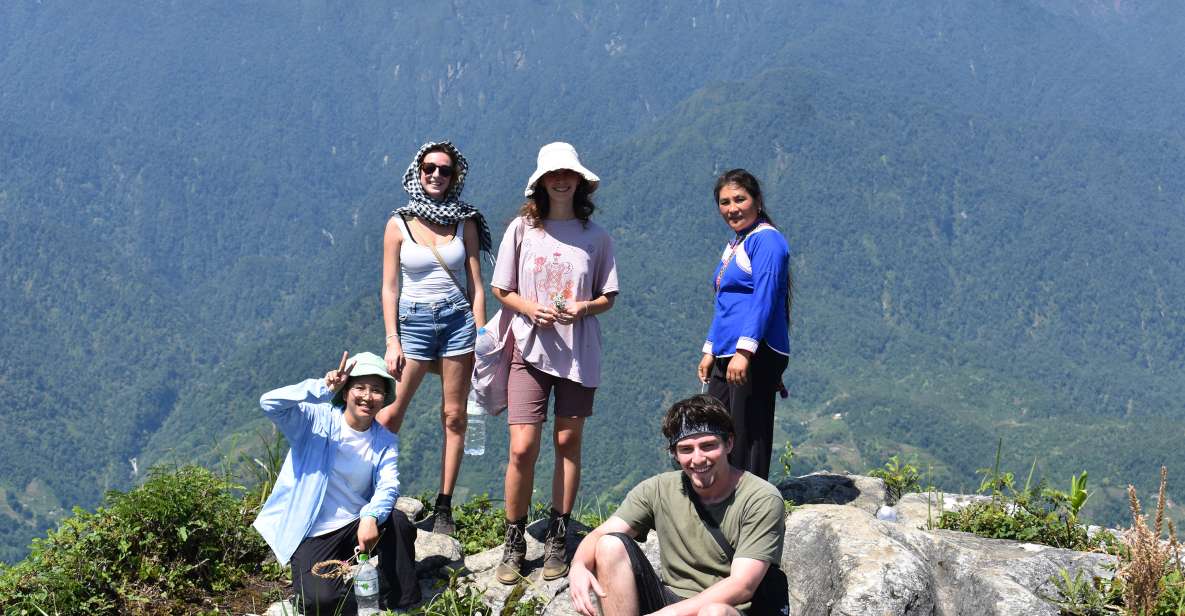
After you leave Sa Seng behind, the route pushes you toward the top area of Ham Rong Mountain. This is the part where the effort starts paying you back fast.
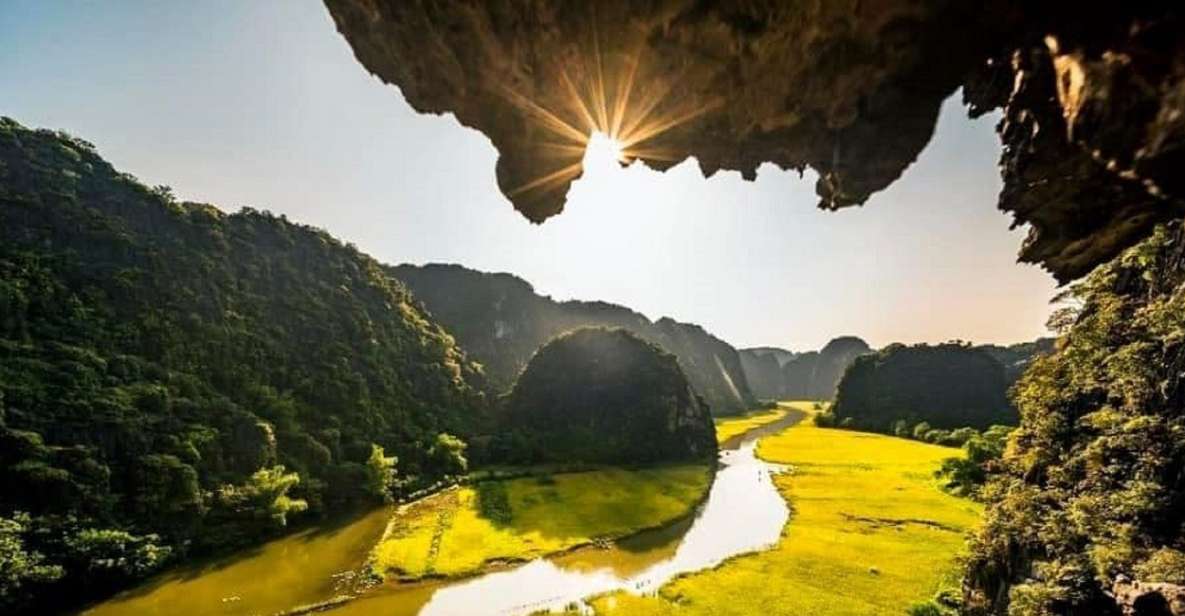
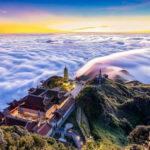
From the top, you get panoramic views over Sapa town and the Hoang Lien Son mountain range. It’s one of those viewpoints where weather matters. When the clouds lift, the whole valley opens up. When clouds sit low, you get that soft, misty layer that makes Sapa feel different from day to day.
Also, I like that the tour doesn’t rush the best moments. You’re reaching a high point, seeing a wide view, and then transitioning toward lunch. It’s a sensible flow: climb, look, recharge, then continue deeper into the valley.
A small note from what people commonly experience on this route: you may spot animals along the way. Nothing dramatic—just a reminder you’re walking through lived-in mountain spaces, not a staged attraction.
Hang Da Lunch: Cliffside Roads and a Valley-First Break
At around 11h30, you stop for lunch in Hang Da Village. This is one of those Sapa meals that doesn’t happen in a bland restaurant with a viewless wall. The road leading to the village is described as running with one side toward a cliff and the other side toward the Muong Hoa Valley.
That setting changes how lunch feels. You’re eating while you can look out into green forests and far-off mountain shapes, with terraced fields visible in the distance. In Sapa, food is often a reward, but here it’s also a reset for your legs.
You’ll also get a chance to try local foods as part of the cultural experience. Whether you love every dish or only a few, the point is that you’re tasting village life in the middle of the trek, not treating culture as a side stop.
Tao Sha, the Highest Village in Sapa: Black H’mong Culture Up Close
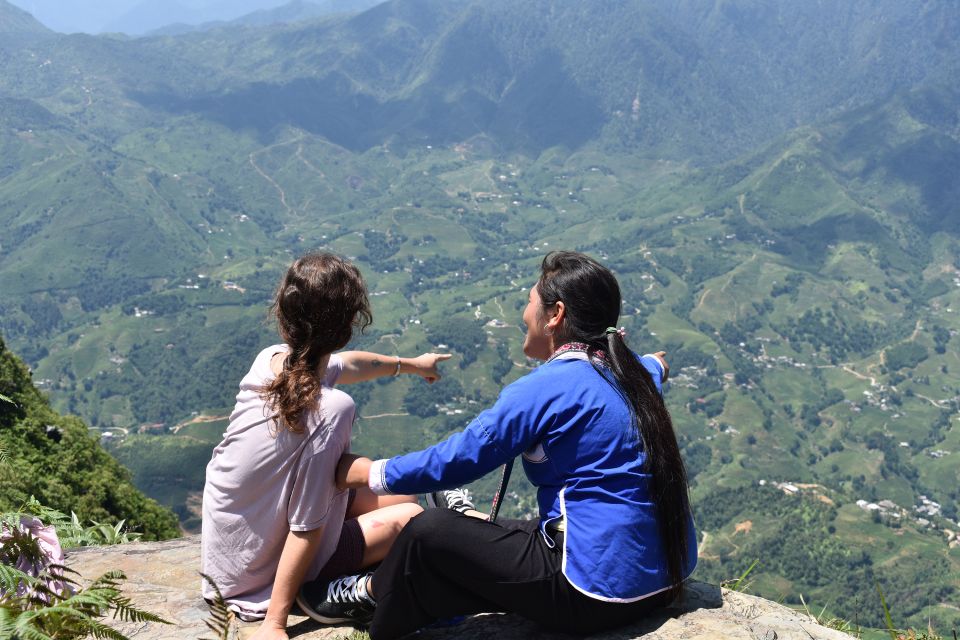
Around 13h15, you move into viewpoints over the Muong Hoa Valley and the Hoang Lien Son mountains, and you reach the day’s “top village” moment: Tao Sha, described as the highest village in Sapa and home to the Black H’mong.
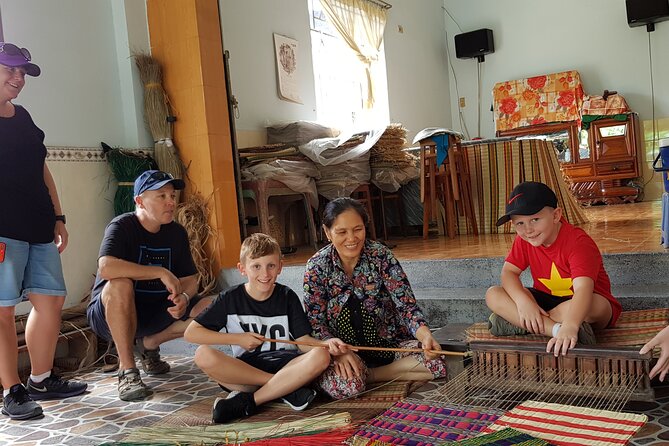
This is where the tour shifts from scenic hiking to meaningful human contact. You’ll rest after arriving, then visit local people’s houses. That house time is the kind of experience that helps you understand how people live in a place where the terrain is steep, crops are terraced, and weather can shift quickly.
I also like that the stop doesn’t feel like a sales booth. It’s village time first, with viewpoints woven in. And because the guide speaks English, you can ask about daily life, plants, and local practices without guessing.
One useful detail: you may encounter locals walking with you briefly. If you’re not interested in buying anything, you’ll usually find the interaction is handled respectfully and doesn’t turn into a long push. That helps keep the day feeling calm.
A few more Sa Pa tours and experiences worth a look

Hau Thao Rice Terraces and Bamboo Forest: Clouds Become Part of the Route
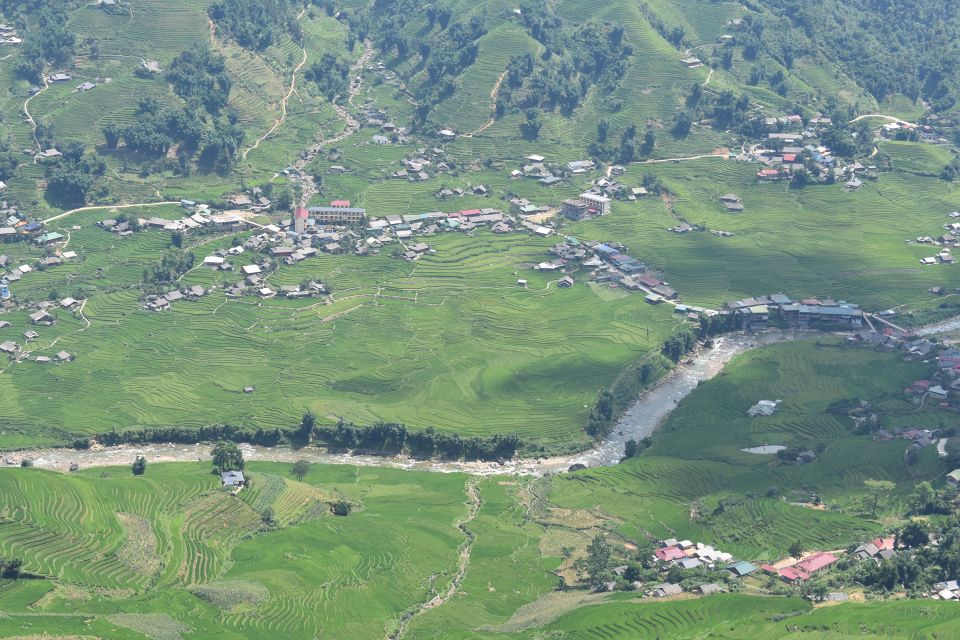
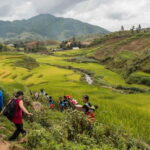
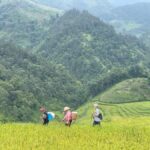
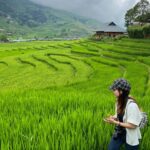
After Tao Sha, you trek onward to Hau Thao. This section is about sweeping agricultural scenery, especially the rice fields that spread along the mountainside.
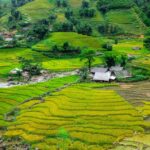
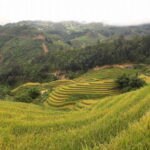
What makes Hau Thao special is the way rice terraces meet forest edges—rice fields creep alongside bamboo forests, and the result is a layered view. You’re not looking at one “pretty” angle; you’re walking through multiple visual layers as the trail curves.
This is also where the “sea of white clouds” idea becomes practical. With the elevation and valley shape, cloud moments can happen fairly easily. You might catch a soft blanket of clouds in the distance, or you might see the terrain pop through the mist like a hidden map.
If you’re the kind of traveler who loves photos, this is your biggest payoff section. If you’re more into the slower feeling of being out in the mountains, it still works, because the scenery is varied enough to keep your attention without rushing.
Ancient Stone Sapa: The 200-Block End Stop That Adds Meaning
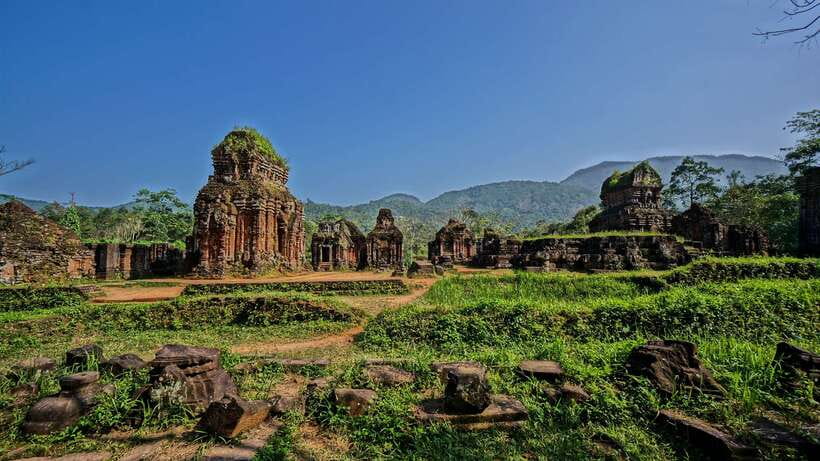
Around 15h00, you start trekking down the mountain toward an ancient stone site known as Ancient Stone Sapa. The description highlights about 200 stone blocks with unique shapes—large and small—used as evidence of people in ancient periods.
This stop is a good contrast to the village and farming scenery. It gives your day a “human timeline” feeling: you’re seeing modern village life, terraced agriculture, then stepping into a place associated with older stone-era traces.
When you’re tired from trekking, the end-of-day cultural stop helps you finish on a note that feels more complete than just returning to town. It also breaks up the descent mentally, which matters when your calves are already getting their workout.
By about 16h00, the tour finishes and you’re back in Sapa by car.
Pace, Fitness, and What to Wear (So You Don’t Hate Daylight)
This trek is listed as not suitable for pregnant women, and that’s a real clue about intensity. Even if you’re in decent shape, you should assume there are steep parts and uneven paths.
In practice, you want a “medium fitness” level. Some parts of the climb can be exhausting, and the descent can be steep too. The good news is that the route is guided and structured, so you’re not navigating blindly or making every step a personal decision.
For your comfort, pack smart:
- Wear shoes with good grip for steep trails.
- Bring layers, even if the day starts mild; mountain weather shifts.
- Plan for a long walk day, not a quick leg-stretch.
You’ll have 1.5 liters of water per person included, which helps a lot. Still, you’ll feel better if you drink steadily rather than waiting until you’re thirsty.
Also, since the scenery can involve fog and clouds, I like to recommend cleaning your camera lens before you start and bringing a small towel or cloth. Clouds can mean damp air, and tiny smudges show up more than you expect.
Price and Value: Why About $36 Can Make Sense in Sapa
At roughly $36 per person, this tour can feel like a bargain—if you compare it to what you’d otherwise pay to piece together transportation, a guide, and entrance fees.
Here’s what the price includes:
- English-speaking guide
- Hotel pickup and drop-off
- Lunch at a local restaurant
- 1.5 liters of water per person
- Entrance fees to villages
That combination is the value. The guide is especially important here. You’re walking across multiple village areas and viewpoint zones, and the English commentary makes those stops more than just “I saw a view.”
Even if you’re a confident hiker, you’ll still spend time and money trying to coordinate the same flow on your own. The tour’s strength is that it strings together high-impact places—Ham Rong views, lunch at Hang Da, Tao Sha village time, Hau Thao rice fields and clouds, and the Ancient Stone Sapa stop—into one clean day.
Optional Herbal Baths and Foot Care After the Trek
When you finish, there’s an optional add-on: herbal baths, foot baths, and massages. You’ll only take it if you want it, but it’s a very Sapa-style way to make the next day feel easier on your legs.
If you’re the type who plans recovery like it’s part of travel, this fits. If you’d rather keep your evening free, you can skip it and just enjoy a normal dinner back in town.
Should You Book the Muong Hoa Valley View & Village Trek?
Book it if:
- You want big valley viewpoints and high-village culture in one day.
- You like a guided day where the guide helps you understand what you’re walking through.
- You’re comfortable with steep sections and want that “worth it” view payoff.
Skip it if:
- You’re avoiding steep climbs and uneven footing.
- You’re not comfortable with a full walking day.
- You’re pregnant, since the tour is not suitable for that.
One last decision tip: this is at its best when you’re flexible about weather. Clouds can turn the valley into something softer and more dramatic, but you still need realistic expectations for visibility. If you’re okay with Sapa being a little unpredictable, you’ll likely enjoy how the day unfolds.
FAQ
What’s the location of this trek?
The tour is based in Sapa, in the Dong Bac area of Vietnam.
How early do you get picked up?
Pickup is at 8h30 from your hotel.
How long is the tour?
It’s a 1-day experience, typically finishing around 16h00.
Is lunch included?
Yes. Lunch is included at a local restaurant in Hang Da Village.
Do you get an English-speaking guide?
Yes. The tour includes an English-speaking guide.
How much water do you receive?
You get 1.5 liter of water per person.
Is the group private?
Yes. This activity is listed as a private group.
Is the trek suitable for pregnant women?
No. It is not suitable for pregnant women.
What’s the cancellation policy?
You can cancel up to 24 hours in advance for a full refund.