REVIEW · SA PA
Sapa: Eco Adventure Terrace Fields and Local Villages Trek
Book on GetYourGuide →Operated by Da Nang Happy Tour · Bookable on GetYourGuide
Sapa’s rice terraces are made for walking. This eco adventure takes you from town viewpoints toward Muong Hoa Valley and out to ethnic minority villages, mixing big views with real daily life. I like that you get a small group and a local English-speaking guide, so the day feels personal instead of rushed.
The best part for me is the human side: time in Hmong villages like Y Linh Ho and Lao Chai, plus a home-cooked lunch with a local family. One thing to consider: it’s a proper hike (around 10–12 km) and the first stretch can turn muddy or slippery, especially after wet weather, so your shoes matter.
In This Review
- Key Things I’d Plan Around
- Sapa Terrace Trek: The Big Idea in Plain Terms
- Where You Meet, What You Get, and What You Carry
- The 9:00 AM Start: Viewpoint Energy and Fansipan in the Morning
- Muong Hoa Valley: Streams, Terrace Footpaths, and Working Villages
- Y Linh Ho Village: First Cultural Contact With the Hmong
- Lao Chai Sang Lunch: Home-Cooked Food and Real Hospitality
- Lao Chai Village and Hmong Clothing-Making: Culture You Can Actually See
- Ta Van Village: Dzay Community and the Second Cultural World
- The Mud, the Slips, and the Footwear Question
- How the Weather Shapes Your Day (and How to Stay Happy)
- Price and Value: Why $27 Can Make Sense Here
- Who This Trek Fits Best (and Who Should Skip It)
- Should You Book This Sapa Terrace Fields and Local Villages Trek?
- FAQ
- How long is the Sapa eco trek?
- How far do you walk?
- What’s included in the price?
- What should I bring for the trek?
- Where do I meet the guide?
- Is hotel transfer included?
- Who isn’t this trek suitable for?
Key Things I’d Plan Around
- Small-group pacing (up to 10 people) keeps the day manageable on narrow village paths
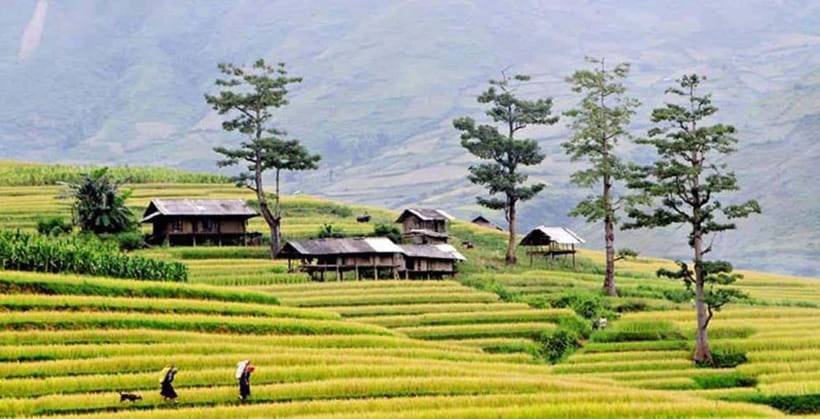
- Muong Hoa Valley rice terraces plus river crossings give you constant scenery and photo chances
- Hmong vs. Dzay cultural stops add context, not just sightseeing
- Lunch with a local Hmong family turns the meal into part of the experience
- Slippery downhill sections are real, so bring warm layers and grippy footwear
- English-speaking local guides (often guides like Chai or Vu) help you connect to what you’re seeing
Sapa Terrace Trek: The Big Idea in Plain Terms
This trek is built around a simple concept: walk a trail through Sapa’s terrace country, then meet the people who have shaped this landscape for generations. You start in Sapa town at 9:00 AM, and the day stretches into the afternoon, ending back around 3:30 PM.
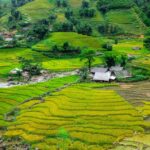
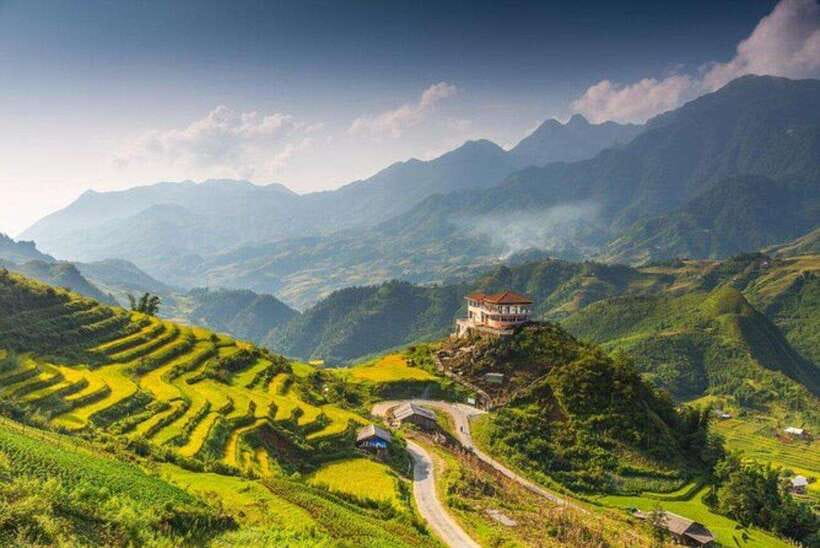
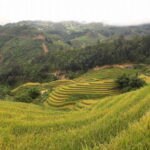
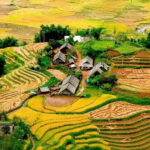
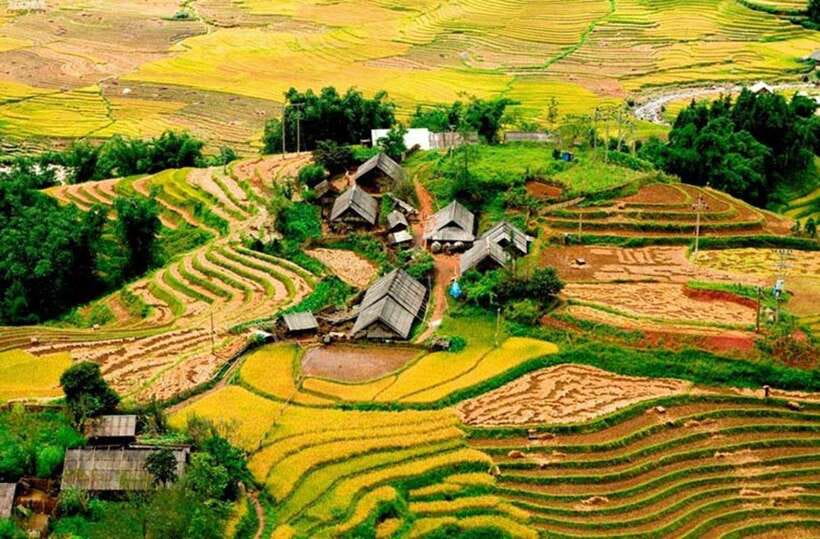
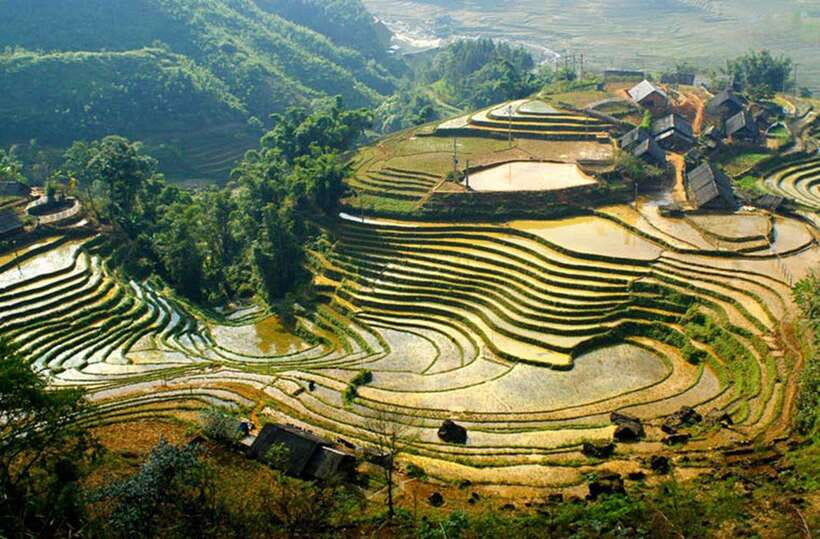
You’ll see Fansipan Peak from a viewpoint early on, then move into the Muong Hoa Valley where rice terraces stack across mountain slopes. Along the way, you pass streams, traditional wooden houses, and farmers working their fields—so the day doesn’t feel like a theme park walk.
You can also read our reviews of more hiking tours in Sa Pa
Where You Meet, What You Get, and What You Carry
Meeting point is easy to spot: you meet your guide in front of Sapa Church. The tour is limited to a small group (up to 10 participants), and it includes a local ethnic English-speaking guide, entrance tickets, and lunch.
You’re on the hook for your own drinks and any extra spending, and hotel transfers aren’t included. Plan to arrive with time to get organized. Also bring insect repellent, warm clothing, and hiking shoes—this is not the day for flimsy sneakers.
Here’s the practical part: your day is set up for walking. The route is about 10–12 km total, so pack like you’ll be moving most of the time. A light daypack helps, especially if you keep a layer for changing temperatures in the valley.
The 9:00 AM Start: Viewpoint Energy and Fansipan in the Morning
Your trek begins at 9:00 AM, right in the center of Sapa. The first stop is a small hill viewpoint where you can look out toward Fansipan Peak. Even when the weather plays games with visibility, this early viewpoint gives you a “where am I?” moment—useful once you start dropping into the valley.
From there, you head along trails into Muong Hoa Valley. This is when the scenery starts doing the heavy lifting: layered rice terraces, mountains framing the views, and rural life moving at walking speed.
One real-world note from experience on this route: mist can be thick in the morning. If visibility is limited at first, don’t panic. Conditions often improve later in the day, so the afternoon can feel clearer and more rewarding.
Muong Hoa Valley: Streams, Terrace Footpaths, and Working Villages
The Muong Hoa Valley stretch is the heart of the trek’s “eco adventure” feel. You’ll walk through countryside where rice terraces spill down slopes in bands, and you’ll spot rivers and meandering water that keeps the whole scene alive.
You’ll pass traditional wooden homes and farmers tending fields. This matters because you’re not only looking at scenery—you’re watching daily rhythms. It’s the difference between taking photos and understanding the setting.
Expect some mix of trails: sections can be uneven, and the path can get slick after rain. If you’ve ever wondered why people emphasize shoes here, this is your answer. The good news is that the guided pacing usually keeps things steady.
Y Linh Ho Village: First Cultural Contact With the Hmong
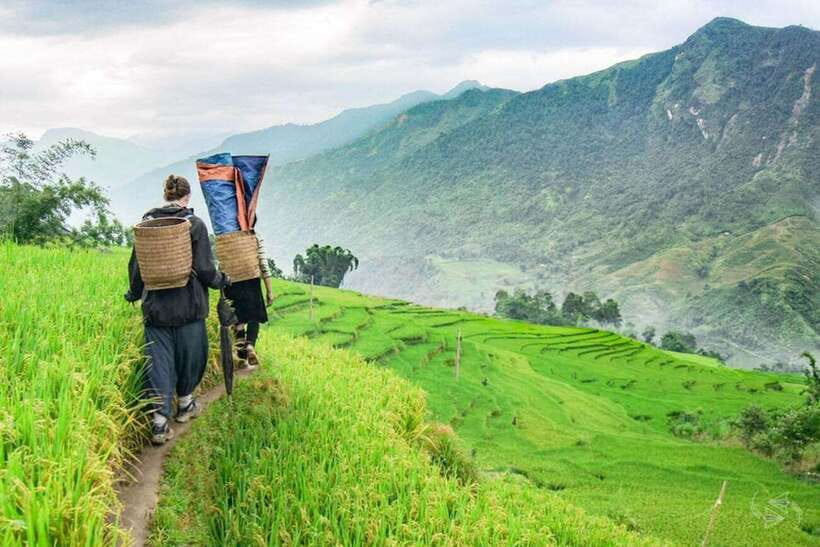
Around 11:00 AM, you arrive at Y Linh Ho Village, home to the Hmong ethnic minority. Before you move deeper onto the trails, you cross a small bridge over a scenic river. It’s a short moment, but it helps you connect the geography to the people living there.
From Y Linh Ho, the trek continues toward Lao Chai Sang, passing more rice fields and mountain backdrops. This is the part of the day where the walk feels like a conversation: your guide connects what you see—clothing styles, house types, field work—to the history and customs of the Hmong community.
Guides for this route often have a knack for making the details stick. Names you might hear include Chai and Vu, and multiple guides on this experience have been praised for English fluency and for answering questions without sounding like a robot.

Lao Chai Sang Lunch: Home-Cooked Food and Real Hospitality
At about 12:30 PM, you stop for lunch with a local Hmong family in Lao Chai Sang. This is one of the most valuable parts of the day, because it changes the tone. Instead of eating quickly to keep a schedule, you’re taking a break inside local life.
The lunch is described as home-cooked, and there’s often room for dietary needs like vegetarian options (as noted by past participants). Even if you don’t eat vegetarian yourself, it’s good to know the meal isn’t one-size-fits-all.
Practical tip: eat like you’re about to walk again, not like you’re on vacation from walking. You’ll feel better if you save room for the afternoon trek rather than stuffing up and regretting it on the next downhill.
Lao Chai Village and Hmong Clothing-Making: Culture You Can Actually See
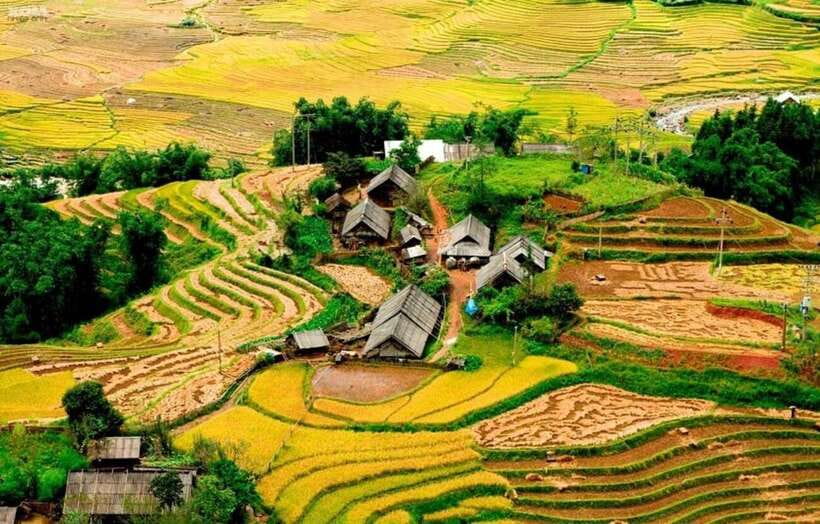
After lunch, you continue to Lao Chai Village. Depending on the season, you might see villagers planting or harvesting rice—so the village scene changes over the year, not just over the camera lens.
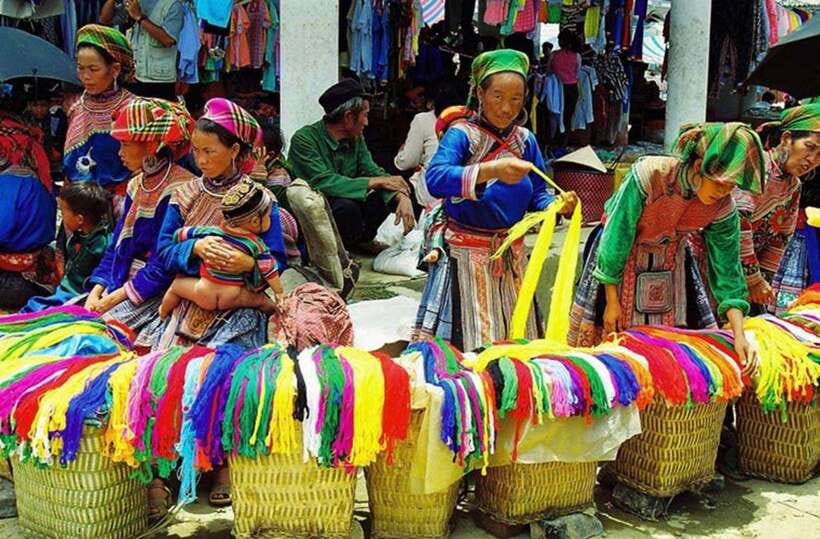
Later, you’ll have a cultural experience learning about Hmong daily life and traditional clothing-making. This is where your guide’s stories matter. A well-told explanation helps you understand why clothing patterns and techniques are more than decoration. You start noticing details that you would otherwise miss.
A word on etiquette: you may see people selling handmade items along the route. Past visitors have said the sellers aren’t usually pushy. Still, if you want to support local families, bring a bit of cash and consider buying something small that genuinely interests you.
Ta Van Village: Dzay Community and the Second Cultural World
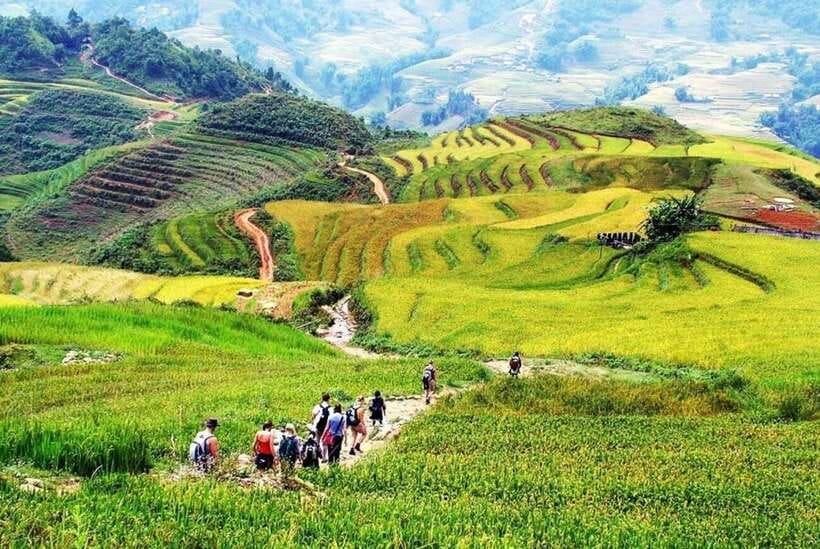
The trek continues to Ta Van Village, home to the Dzay minority. This part gives you contrast. Even within the same region, ethnic groups can have different traditions, clothing, and village rhythms.
Ta Van also helps you feel how the trek connects different communities across the valley. By the time you reach this stage, you’ve already walked through Hmong areas and rice fields, so you can compare what’s familiar and what’s new.
The return to Sapa is around 3:30 PM. Depending on the day’s conditions, you may feel tired, but in a satisfying way—you’ve done the work of reaching these places on foot.
The Mud, the Slips, and the Footwear Question
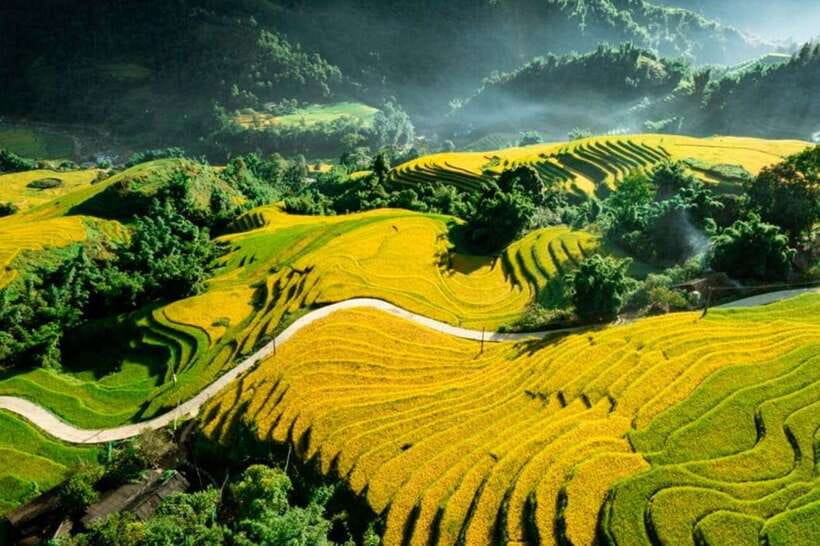
This is the part people should take seriously. The trek can start muddy and slippery, even when the day looks decent. Several participants mention that local women and village helpers may assist you on trickier stretches, especially early on.
So what should you do?
- Wear shoes with grip and ankle support.
- Bring clothes you don’t mind getting dirty.
- If you’re worried about mud, you might find boot options along the way, and some past groups have rented wellies for a small fee.
Also, keep your expectations realistic. This isn’t a forest hike on soft ground; it’s a route shaped by terraces, fields, and village paths. That means your pace may slow down briefly when footing is uneven.
How the Weather Shapes Your Day (and How to Stay Happy)
Sapa weather can change fast. Fog and mist are common, and visibility can be limited early in the morning. If you wake up to heavy mist, don’t assume you’re doomed to blurry views all day.
Many people report that conditions can clear by the afternoon. When that happens, the terrace views suddenly look crisp, and the villages feel brighter. Even in weaker visibility, the cultural parts stay meaningful—you’ll still learn, still meet, and still eat lunch locally.
If rain has been heavy in the days before, paths can be extra slick. In that case, slow down, take smaller steps, and let your guide set the pace.
Price and Value: Why $27 Can Make Sense Here
At about $27 per person for a roughly 6.5-hour experience, this trek is strong value for what’s included. You’re getting:
- a small-group guided walk for a 10–12 km day
- entrance tickets handled by the operator
- lunch with a local Hmong family
The big “value lever” isn’t just the price—it’s that the money supports local families through the lunch stop and the village interaction. It also gives you a guide who can translate what you’re seeing, from terrace farming to traditional clothing-making.
Could it be a bargain? Yes, especially compared with tours that only drive you to one viewpoint and call it a day. But it’s not a casual stroll. If you hate hiking and slippery ground, no low price will fix that mismatch.
Who This Trek Fits Best (and Who Should Skip It)
This trek fits best if you want a walk with context. You’ll enjoy it if you like meeting local people, learning about traditions, and moving at a steady pace through scenic valley trails.
It’s not suitable for children under 5, pregnant women, people with mobility impairments, wheelchair users, or anyone over 75. If you’re in that category, you’ll want a different kind of Sapa experience that doesn’t rely on long walking distance and uneven ground.
For everyone else, bring a “flexible mood.” Some parts can be challenging. The payoff is that you reach villages and terrace paths that you can’t fully experience from the road.
Should You Book This Sapa Terrace Fields and Local Villages Trek?
If you want the kind of day in Sapa that’s more than a quick photo stop, I’d book it. The mix of Muong Hoa Valley walking, village visits (Hmong and Dzay), and a real lunch with a local family is exactly the combo that turns a trip into something you’ll remember.
If you’re sensitive to mud, downhill slips, or long distances, reconsider. You’ll still enjoy some aspects, but it’s better to know in advance that this is a serious trek and not a gentle promenade.
If you can handle a muddy start and you want to understand the people as much as the scenery, this is a very good use of your time in Northern Vietnam.
FAQ
How long is the Sapa eco trek?
The tour runs for about 390 minutes, starting at 9:00 AM and returning to Sapa at around 3:30 PM.
How far do you walk?
You’ll walk and hike roughly 10 to 12 kilometers during the day.
What’s included in the price?
The price includes a local ethnic English-speaking guide, entrance tickets, and lunch.
What should I bring for the trek?
Bring warm clothing, hiking shoes, and insect repellent.
Where do I meet the guide?
You meet your guide in front of Sapa Church.
Is hotel transfer included?
No. Hotel transfer service is not included.
Who isn’t this trek suitable for?
It’s not suitable for children under 5, pregnant women, people with mobility impairments, wheelchair users, or people over 75.