REVIEW · SA PA
Sapa: 2-Day Local Guided Valley Trek with Night Homestay
Book on GetYourGuide →Operated by Sa pa Rice Terraces View Homestay & Bar · Bookable on GetYourGuide
Two days, and you trade scooters for footpaths. This Sa Pa trek mixes Ham Rong Mountain panoramas with overnight village life in a Black H’mông homestay, with the kind of guiding that keeps you moving safely. I like the way Zo’s route strings together real communities, rice terraces, and trail time without feeling rushed. One consideration: you’re looking at about 19 km total on steep, uneven ground.
If you want northern Vietnam that feels lived-in, this is the format. Zo, a Black H’mông guide from Sa Pa, leads in English and focuses on local culture as much as scenery. Expect a group trek with a simple, authentic stay, so you’ll want comfort with basic facilities and muddy shoes.
In This Review
- Key Highlights You’ll Feel Fast
- Why This Trek’s 2 Days Works in Sa Pa
- Zo’s Local Guidance (and Why It Matters More Than You Think)
- Day 1: Ham Rong Mountain to Hang Da, Hau Thao, and the Giang Ta Chai Mong Homestay
- The morning start and Ham Rong Mountain viewpoint
- Hang Da village lunch and the animal scenery
- Hau Thao village and the homestay arrival
- The Night Homestay: Simple, Authentic, and Human
- Day 2: Bamboo Forest Walking and the Terraced-Rice Villages of Ta Van and Lao Chai
- Photos and rice terraces at the right tempo
- Bamboo forest to Ta Van: quieter walking
- Lao Chai: the rice-field finale and included lunch
- Price and Value: What $43 Gets You (and What It Doesn’t)
- Packing Tips That Keep This Trek Fun (Not Miserable)
- Terrain and Fitness: Moderate, but Don’t Underestimate the Uneven Parts
- Who Should Book This Trek (and Who Might Skip It)
- Should You Book? A Go/No-Go Checklist
- FAQ
- Is this tour a full overnight trek?
- How long and how far do you walk?
- What’s included in the price?
- Do I get food while on the trek?
- What level of fitness do I need?
- What should I bring?
Key Highlights You’ll Feel Fast
- Ham Rong Mountain views: Fansipan Peak (3,143m) and Muong Hoa Valley terraced rice spreads.
- Black H’mông village walking: Hang Da, Hau Thao, and evening time in Giang Ta Chai Mong.
- Homestay dinner + conversation: a shared night with hosts, not a staged show.
- Day 2 village variety: Giang Ta Chai Dao, bamboo forest trails, Ta Van, and Lao Chai rice fields.
- Simple included basics: village lunch, small water/person, and car/motobike return to Sa Pa.
Why This Trek’s 2 Days Works in Sa Pa
Sa Pa can feel like a menu of half-day hikes. This one is different because it gives you enough time to feel the rhythm of valley life—morning light, a long downhill day, then a homestay night that’s built around village pace.
The schedule is structured, but not tight. Day 1 starts at 09:00 with a short uphill push toward Ham Rong Mountain (around 2,000m). That’s the moment where the whole valley opens up. Then you keep walking down through village areas like Hang Da and Hau Thao, with lunch in the neighborhood and a homestay arrival around 17:00.
Day 2 keeps the momentum going with a 09:30 departure, a bamboo forest walk, and a final stretch through some of the most famous terraced rice scenery in the area, ending with pickup from Lao Chai around 14:00 and a tour close between 15:30 and 16:00.
For your planning, it’s a useful sweet spot: long enough to feel like you did something, short enough to still enjoy Sa Pa town the same trip.
You can also read our reviews of more guided tours in Sa Pa

Zo’s Local Guidance (and Why It Matters More Than You Think)
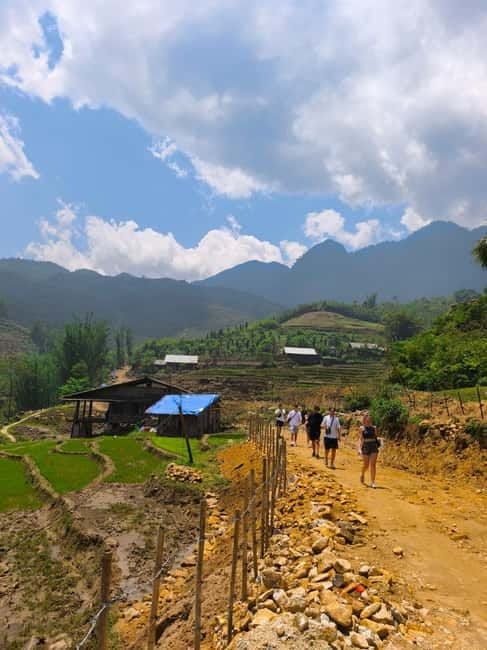
This isn’t a silent hike. Zo is a Black H’mông guide from Sa Pa, and the tour is run in English. That matters because the trail is only half the story. The other half is learning how people farm, live, and move through the valley.
In practical terms, a good guide changes how you experience everything:
- You get context while you walk, like what you’re seeing in village compounds and terraces.
- You get help judging what’s worth photographing (and what’s just a normal work moment).
- You get a pace that fits a mixed group.
From the way the tour is described, Zo’s role isn’t only leading. It’s also about keeping you comfortable on uneven ground and making sure you’re not sprinting to “check boxes.” That’s a big deal on this route, where the distance is steady and the footing can be unpredictable.
Day 1: Ham Rong Mountain to Hang Da, Hau Thao, and the Giang Ta Chai Mong Homestay
Day 1 is built like a story with a clear turning point: you start with a climb to the main viewpoint, then shift into community trails.
The morning start and Ham Rong Mountain viewpoint
You meet either at your Sa Pa hotel or in front of Sa Pa Stone Church, then start walking after a short intro at about 09:00. There’s a 2 km uphill trail to Ham Rong Mountain, reaching roughly 2,000m.
What makes this first leg worth it is the payoff:
- A panoramic view that can include Fansipan Peak (3,143m), often called the Roof of Indochina.
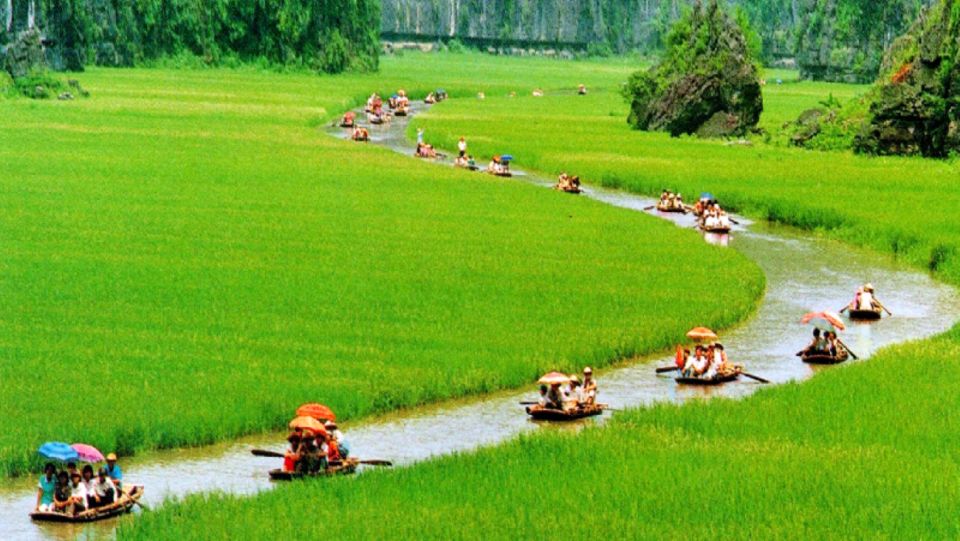
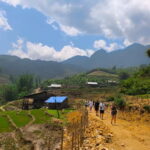
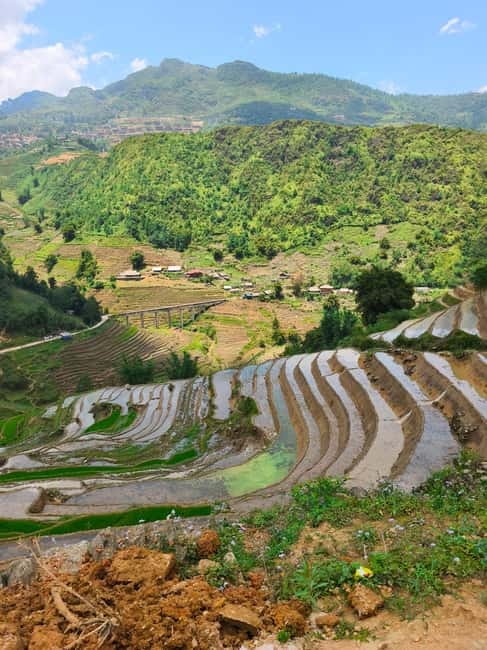
- Wide looks over Muong Hoa Valley, known for terraced rice fields.
- Valley and river views that help you understand where the villages sit and why terraces matter.
On the way down, you’re not just “heading to the next stop.” You’re watching the valley change scale—from big-view perspective to the smaller details of daily work.
Hang Da village lunch and the animal scenery
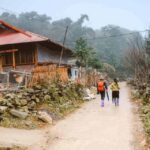
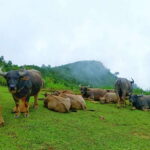
You reach Hang Da Village, home to the Black H’mông community. At trail level, you might see animals moving around freely—things like buffaloes, horses, and pigs—because farm life is right next to the path.
Around 12:30, you’ll have lunch at a small restaurant near a local family in Hang Da. This is one of the included pieces, and it’s a good time to refuel without breaking your schedule.
You can also read our reviews of more evening experiences in Sa Pa
Hau Thao village and the homestay arrival
After lunch, you trek along a smaller trail toward Hau Thao Village (Black H’mông). The route time heads to 14:00 for this portion. Here, you can observe everyday village rhythms—farming and rice work depending on season.
You arrive at your homestay in Giang Ta Chai Mong around 17:00. This timing is smart. It gives you daylight enough to settle in and take in the evening atmosphere before dinner.
The Night Homestay: Simple, Authentic, and Human
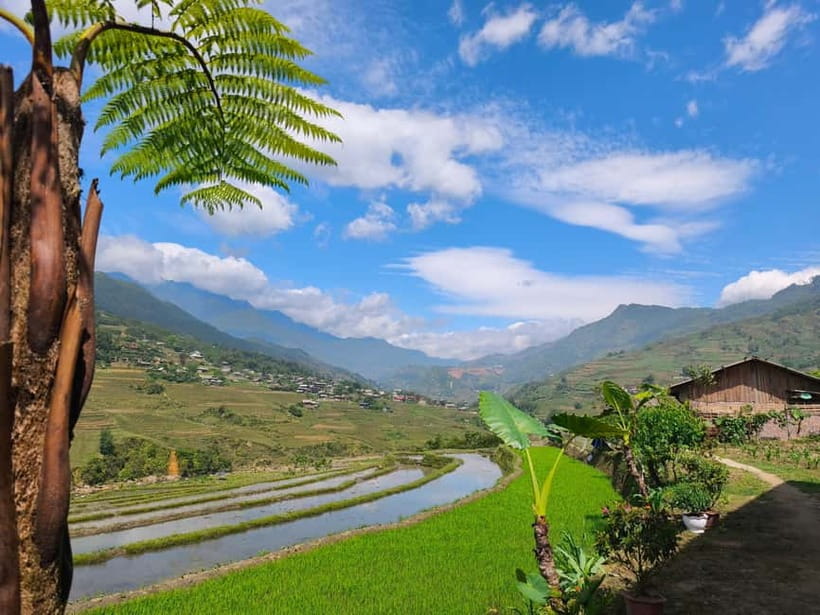
Overnight is where this tour stops feeling like a sightseeing product and starts feeling like a village experience.
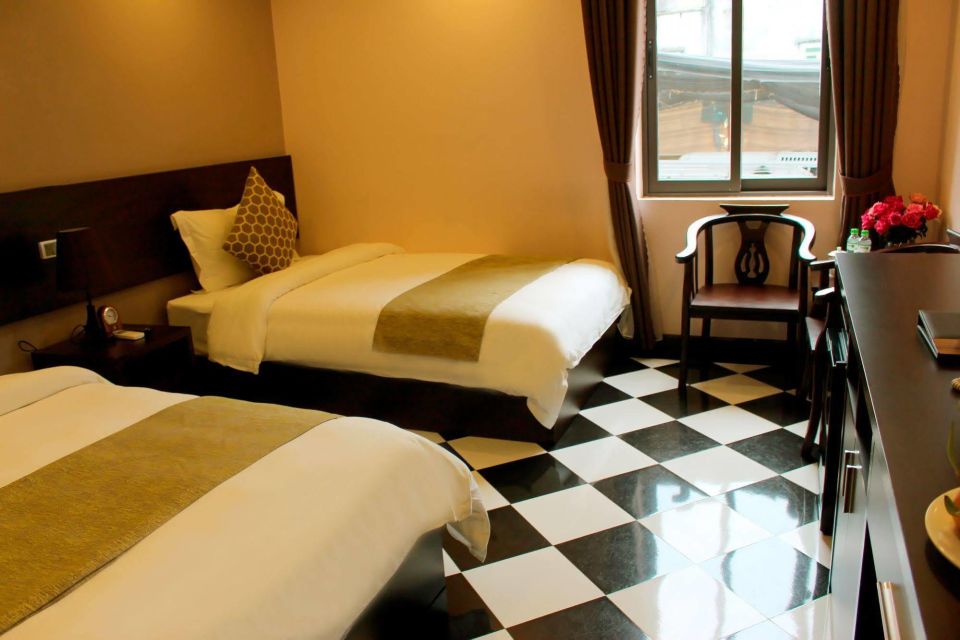
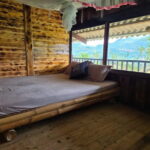
The homestay is described as simple, authentic, and cozy, with basic facilities. That’s normal for this kind of rural stay. The best part is what comes after you drop your daypack.
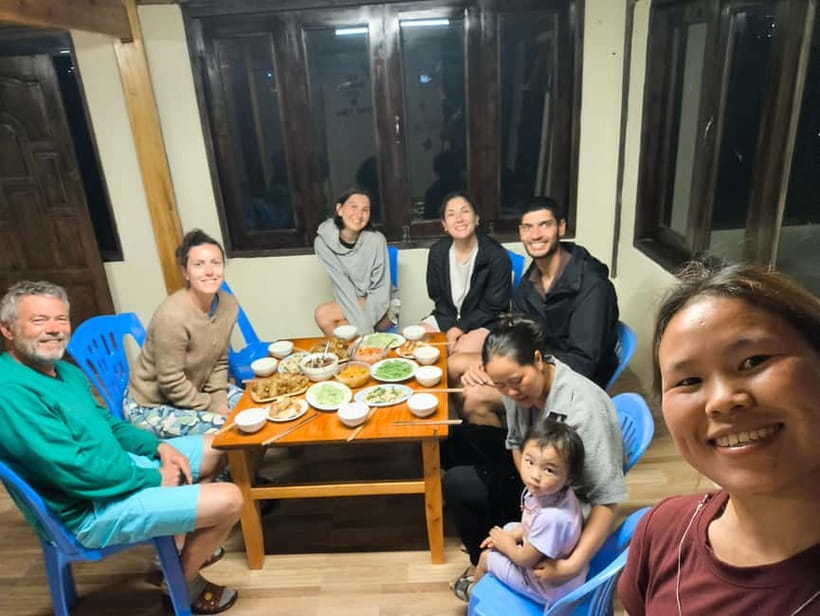
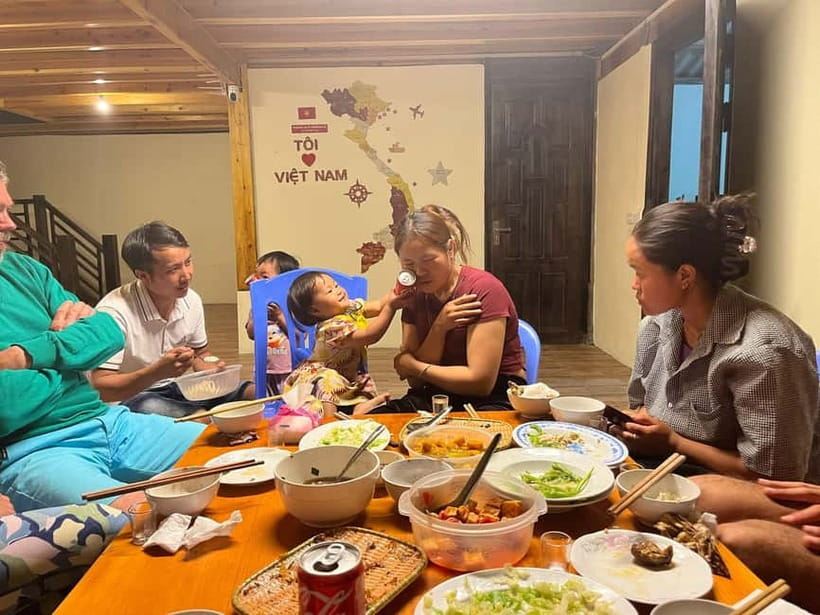
Dinner happens around 19:00. You’ll eat a traditional meal, and then you’ll have time to talk with the hosts. The vibe is calm: you can chat to learn how life works here, or just enjoy quiet time after a long walk.
One detail that’s worth noting: some reviews mention private rooms and delicious food cooked by Zo. So while you should still expect basic amenities, it’s not the “everyone sleeps on the floor” style.
If you value authentic contact, the homestay is one of the main reasons to choose this tour instead of a day-only trek.
Day 2: Bamboo Forest Walking and the Terraced-Rice Villages of Ta Van and Lao Chai
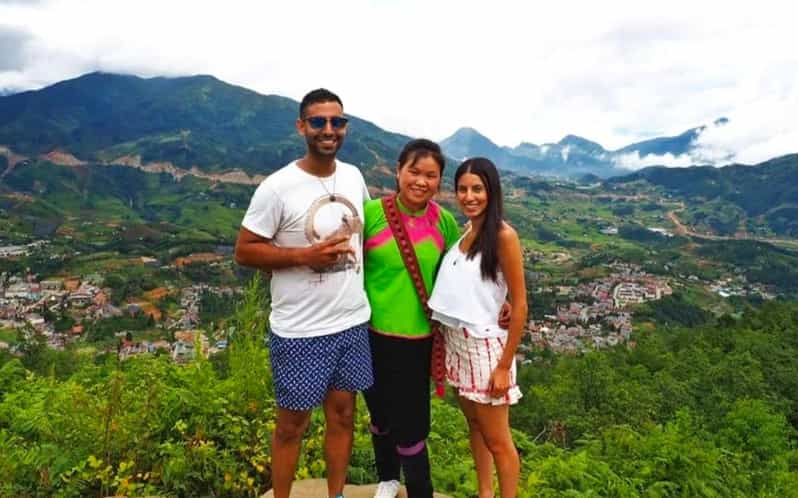
Day 2 starts gently: wake up around 08:00 and enjoy the countryside morning. The next step is breakfast at the homestay at 09:00, with a warm drink in the cool air.
Then you set out at 09:30, trekking to Giang Ta Chai Dao Village. This area connects you to a different ethnic community: the Red Dao, plus the foothill setting and a tranquil lake that belongs to the local landscape.
Photos and rice terraces at the right tempo
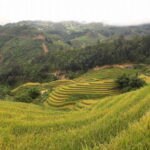
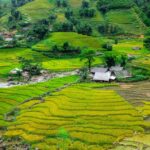
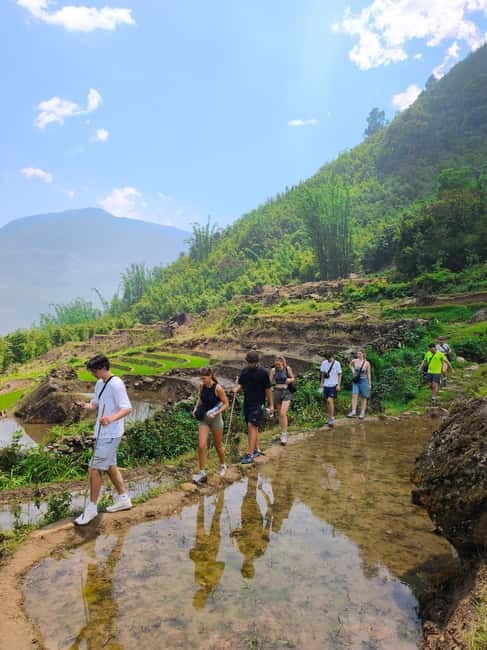
You’ll likely want your camera ready because this leg is built for views—especially rice terraces. There’s a natural rhythm here: you walk, stop, and then walk again. That makes it easier to take photos without turning the trek into a standing-around session.
Bamboo forest to Ta Van: quieter walking
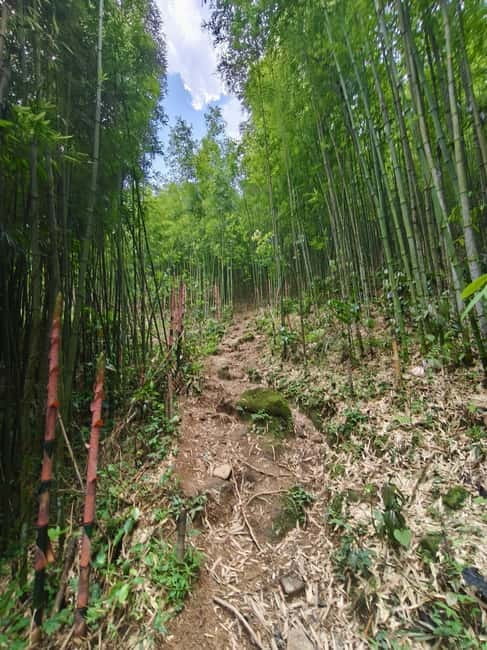
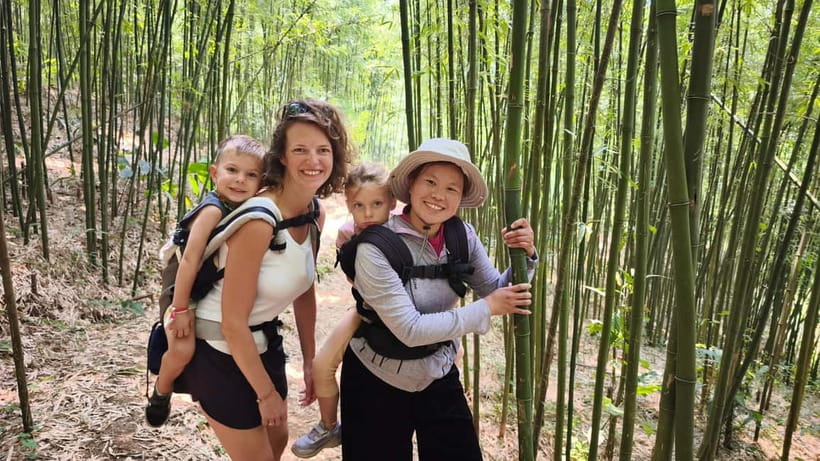
Around 11:00, you walk through the bamboo forest on your way to Ta Van Village. This is the “less loud, more nature” part of the second day. Bamboo changes the soundscape, shades your trail, and makes the hike feel cooler.
Ta Van is also a scenic rest point. You’ll have a chance to pause, take photos, and reset your legs before the longer final stretch.
Lao Chai: the rice-field finale and included lunch
By 12:00, you continue from Ta Van to Lao Chai, one of the standout terraced rice villages in the area. Around 12:00, lunch is included again, timed so you’re eating while you’re still near the most impressive fields.
Then comes the practical ending. You get car pickup from Lao Chai around 14:00, and the tour wraps between 15:30 and 16:00.
If you’re hoping to leave Sa Pa with images you’ll actually remember, this day sets you up for it: terraced rice in the daylight, bamboo shade in the middle, and a finish back near town.
Price and Value: What $43 Gets You (and What It Doesn’t)
At about $43 per person, you’re paying for more than a route on a map. This price point covers the parts that are expensive when you do them yourself: guidance, included meals, and transport back to Sa Pa.
What’s included:
- English-speaking local guide (Zo)
- Small water/person
- Lunch at village (included)
- Car/motobik pick up back to Sapa
- Plus transportation to and from Sapa Town is listed as included
What that means for value: you don’t have to coordinate a homestay, figure out where to eat on the trail, or arrange return pickup at the end of a long day. You also get the cultural translation element, since the guide is part of the experience, not just a safety escort.
What it doesn’t mean: don’t expect luxury. The homestay is described as simple and basic-facility. If you go in with that expectation, the price feels fair because you’re paying for access to village life and guided trekking time.
Packing Tips That Keep This Trek Fun (Not Miserable)
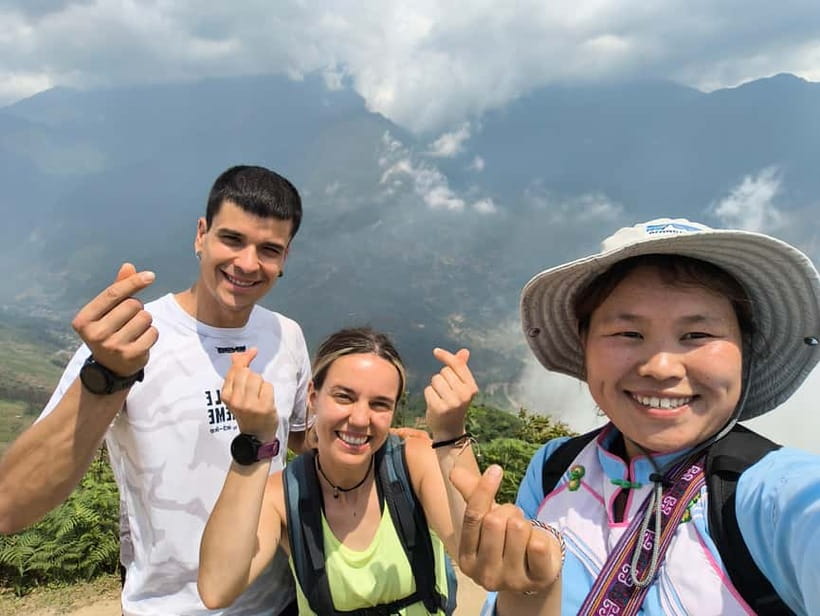
The tour’s packing list is solid because it matches what the itinerary demands: hills, uneven steps, possible rain, and a night with a change of clothes.
Bring:
- Comfortable shoes (and ideally hiking shoes if you have them)
- Sun hat and sunscreen
- Change of clothes (especially for evening)
- Mosquito repellent (not optional in practice)
- Rain jacket or light waterproof layer
- A waterproof bag (camera protection is not a small thing here)
- Water (the tour includes small water/person, but you’ll still benefit from carrying more if the day is warm)
Also bring cash, since village-related needs can pop up where card payments won’t help.
One small mental tip: treat every day like it includes a “messy” moment. Wet trails and dust happen. Pack like that and you’ll stay relaxed.
Terrain and Fitness: Moderate, but Don’t Underestimate the Uneven Parts
The difficulty is listed as moderate, and I agree with the spirit of that label. It’s not a mountaineering trip, but it’s not a casual stroll either.
You cover about:
- 13–15 km on Day 1
- 10 km on Day 2
- Total roughly 19 km over two days
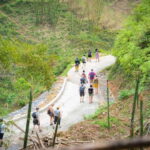
Day 1 starts with that 2 km uphill to Ham Rong. Day 2 continues with multiple village-to-village sections and bamboo forest walking, which can feel slick or uneven depending on conditions.
If your legs feel fragile, you’ll want to arrive with a bit of confidence on stairs and uneven ground. And because it’s a group tour, you’ll move at an agreed pace that fits everyone’s abilities.
The good news: the tour is built around comfort and safety, and the route is not designed to punish slower walkers.
Who Should Book This Trek (and Who Might Skip It)
This tour is a strong fit if you want:
- A real village night in Sa Pa, not just a viewpoint stop
- Culture included in the hike, with Zo translating what you’re seeing
- A trek length that’s doable for most fit walkers without needing advanced training
- Morning and afternoon scenery that changes day by day
It’s not for everyone. The operator notes it’s not suitable for people over 70 (and also lists over 95). That’s the kind of info you shouldn’t ignore, because steep, uneven terrain plus time-on-feet matters.
Also, because it’s a group tour, it may not suit people who want total control of timing or private-only pacing.
Should You Book? A Go/No-Go Checklist
I’d book this trek if your idea of a great Sa Pa day includes walking between communities and ending with dinner at a homestay where you can talk with hosts.
You should think twice if:
- Long uneven walking makes you anxious
- You need guaranteed comfort amenities (the homestay is basic)
- You’re traveling with limited ability for steep uphill sections
If you’re on the fence, here’s the simplest decision tool: are you willing to trade a little comfort and convenience for two full days of valley experience? If yes, $43 can be a very good value for a guided, cultural trek with overnight village life.
FAQ
Is this tour a full overnight trek?
Yes. It’s a 2-day, 1-night experience, with a homestay on the first day in Giang Ta Chai Mong.
How long and how far do you walk?
The tour covers about 19 km total over two days. Day 1 is 13–15 km, and Day 2 is about 10 km.
What’s included in the price?
Included items are an English-speaking local guide, small water per person, lunch at a village, and car/motobike pickup back to Sa Pa (plus car transfer to and from Sa Pa Town).
Do I get food while on the trek?
Yes. You have lunch at a village on Day 1, and there is also lunch in Lao Chai on Day 2. The homestay schedule includes a traditional dinner on Day 1.
What level of fitness do I need?
The tour lists the difficulty as moderate, with some steep and uneven terrain. You should be comfortable walking for long stretches and handling hills.
What should I bring?
Bring comfortable shoes, a sun hat, sunscreen, a change of clothes, and mosquito repellent. The tour also suggests a light raincoat/jacket, sunscreen, a waterproof camera bag, and cash.