REVIEW · SA PA
Explore Sapa by TrekkingAdventures, Mountain,Rice fields
Book on GetYourGuide →Operated by Dinh Sapa Trekking Adventures · Bookable on GetYourGuide
Walking with Hmong women changes your Sapa day. On this 5-hour trek, you’ll get some of the best rice terrace views in Sapa while learning real Hmong women stories as you walk village paths. I love how the guides make the culture feel personal, but you should know the trail can get muddy and uneven, and fog can hide the big views in winter.
What makes this tour especially workable is the route and pacing: you’ll head from Sapa through Y Linh Ho and Lao Chai, then finish in Ta Van with a ride back to town. You can choose the hiking effort (easy to hard), and rain gear is covered on the spot, so you’re not stuck thinking about logistics the whole day.
In This Review
- Key highlights you’ll feel fast
- Why this trek works: Hmong sisters tell the story as you walk
- The route in plain English: Sapa to Y Linh Ho, Lao Chai, then Ta Van
- Rice terraces and trail effort: how “easy/moderate/hard” plays out
- Lunch in Lao Chai: what’s included and why it’s a big deal
- Your guides on this trek: Sun, Mu, and the women who keep it fun
- Meeting point, timing, and the ride back to Sapa Town
- Price and value: what $23 buys you in the real world
- What to pack so your day stays comfortable (even with rain)
- Should you book this one-day Sapa trek?
- FAQ
- What villages do we visit on the one-day Sapa trek?
- How long is the tour?
- What is the hiking distance and difficulty like?
- Where do we meet the guide in Sapa?
- Is lunch included?
- Does the tour include village entry fees and transport back?
- Are there rain provisions?
- What languages are spoken by the guide?
- Is the tour private or shared?
- What should I bring, and is there anything important for payment?
Key highlights you’ll feel fast
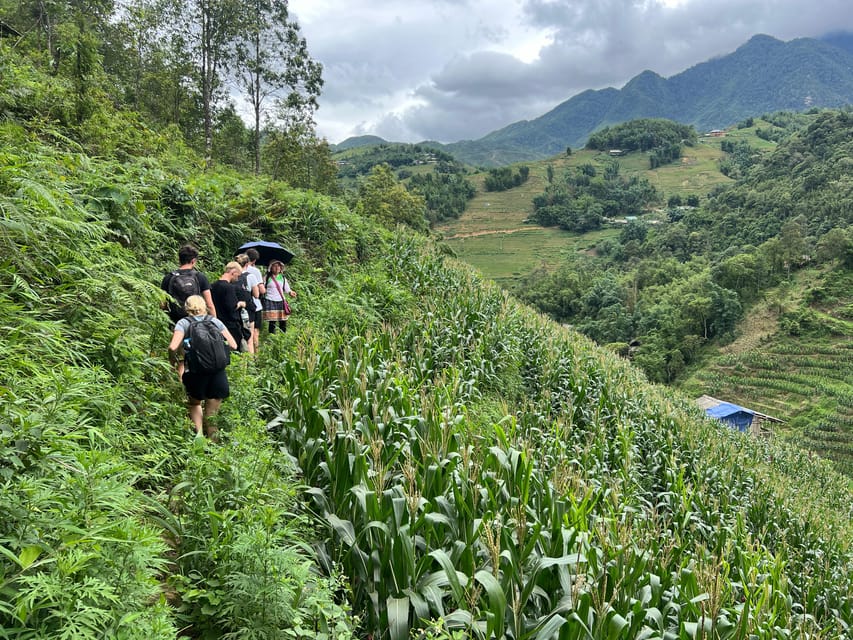
- Local Hmong sister-led guiding: you’re walking with women who grew up in these mountain villages
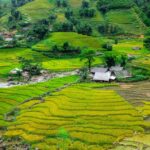
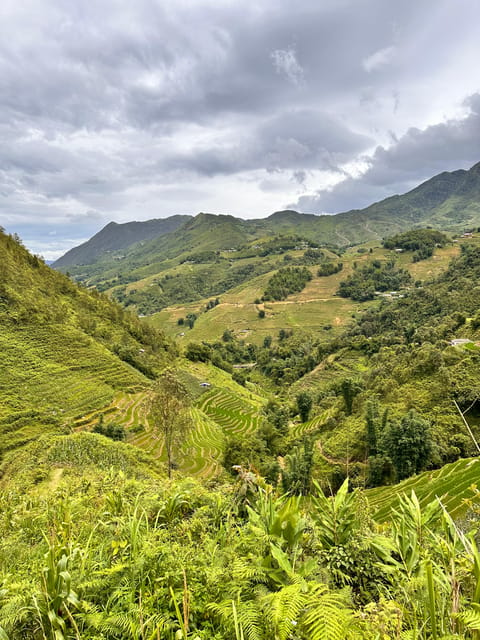
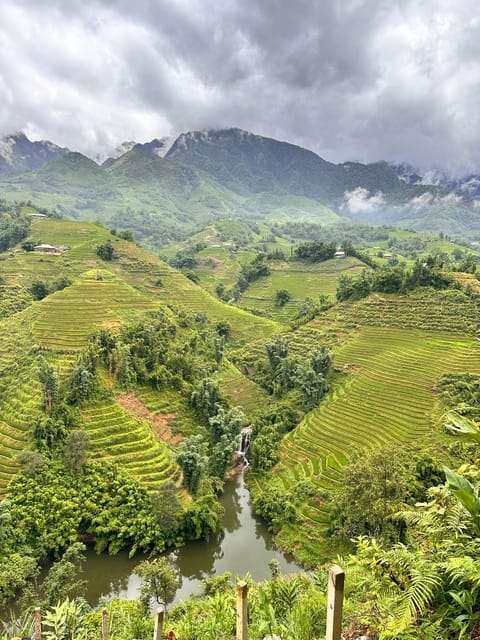
- Rice terraces that stay stunning: views show up repeatedly, not just at one photo stop
- Village life, not a slideshow: daily routines, house visits, and real answers to real questions
- A route with choices: you can pick an easier or harder variation depending on your legs
- Lunch in a village setting: included, with reports of vegetarian and even vegan options
Why this trek works: Hmong sisters tell the story as you walk
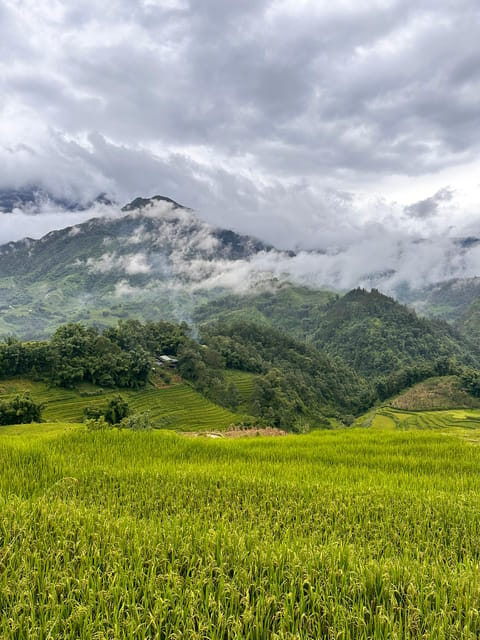
This isn’t a “bus-and-pose” day. The best part is that you’re led by local Hmong women (organized through Dinh Sapa Trekking Adventures) who share how life works in the highlands—marriage traditions, work challenges, village roles, and what the mountains demand of daily routines.
That matters because Sapa can feel like a place where culture gets packaged. Here, you get context while your legs are moving: you see how rice terraces shape time, how houses fit into the hills, and how the community supports visitors without turning the day into a scripted performance.
There’s also a solid social impact angle baked into the way this tour is run. The guiding family explains that booking supports women in the village, helps children go to school, and creates local work through guiding and community activities. It’s not vague feel-good marketing. It’s tied to who you’re meeting on the trail and who benefits from your ticket.
The vibe is friendly. In guides’ names you’ll hear often, like Sun and Mu, there’s a pattern: humor helps, patience matters, and you get time to ask questions instead of racing from stop to stop.
You can also read our reviews of more tours and experiences in Sa Pa.
The route in plain English: Sapa to Y Linh Ho, Lao Chai, then Ta Van
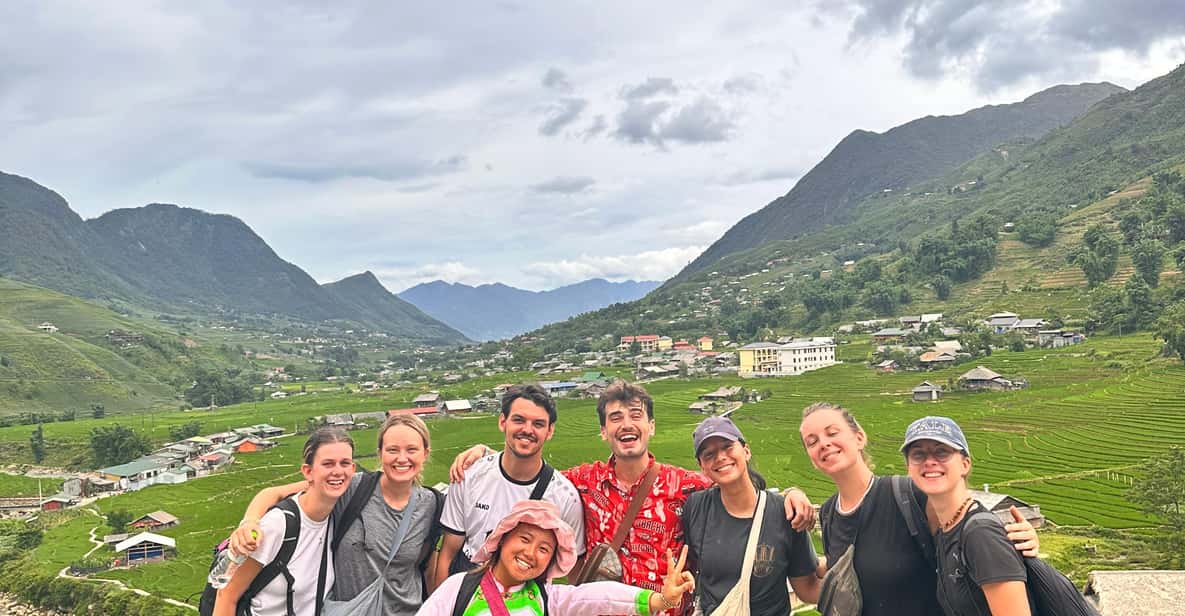
The walk is built around three different village areas, so you’re not just repeating one kind of view. Expect a downhill-heavy day (especially on misty or rainy days), with breaks that give you a chance to catch your breath and regroup.
Y Linh Ho (Black Hmong village)
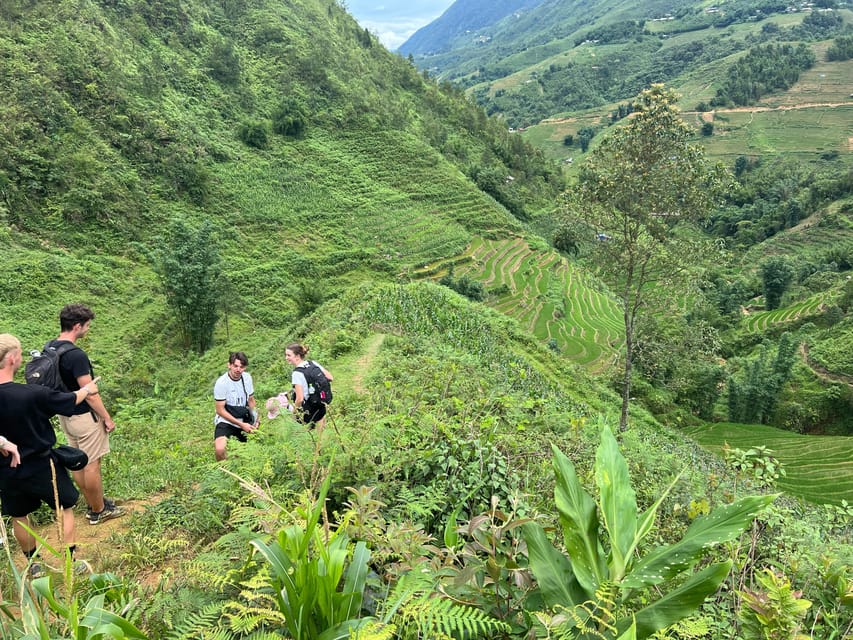
This is where the day often starts to feel real. You’ll move through terraced rice country with views that open as you descend. Along the way, you might spot animals like buffalo, pigs, and chickens, which is a nice reminder that this isn’t “set dressing.” You’ll also get a sense of how families fit farming, work, and village life into steep terrain.
Lao Chai (one of the oldest and largest Hmong communities)
Lao Chai is where your cultural stops get more structured. You’ll have lunch here, usually around the early afternoon. Many trips include a chance to visit a traditional Black Hmong house, and guides tend to explain daily routines in a way that feels practical, not academic. If you’re hoping to understand how people actually live—what “home” means in the mountains—this part does the job.
Ta Van (home of the Dzay people)
Ta Van is the finishing village, and it changes the tone of the day. You’ll learn about differences between ethnic groups in Sapa, and you’ll walk at a pace that lets you absorb the slower mountain rhythm before ending around 3:00 PM. After that, a private car brings you back to Sapa Town.
A small but important note: this tour is commonly run as a group trek, so the day moves with the group’s energy. That said, several guide comments point to an emphasis on keeping everyone steady on slippery sections.
Rice terraces and trail effort: how “easy/moderate/hard” plays out
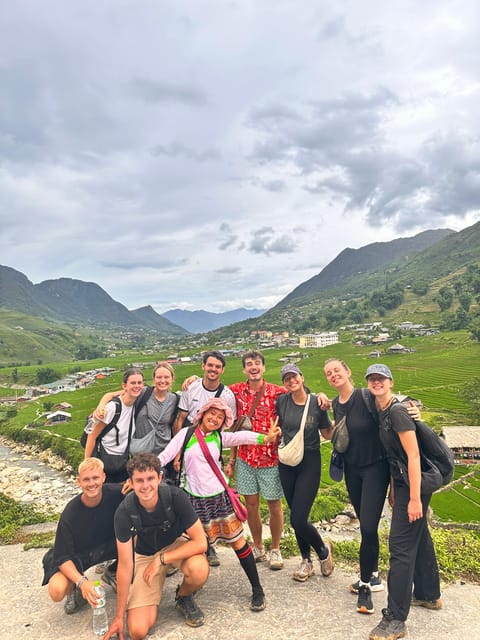
The distance range is wide—about 5–11 km, depending on the route you choose. The tour description frames it as easy to moderate, or hard then easy, with around 10 km as the typical effort level. In real life, that means your biggest challenge is usually not endurance—it’s footing.
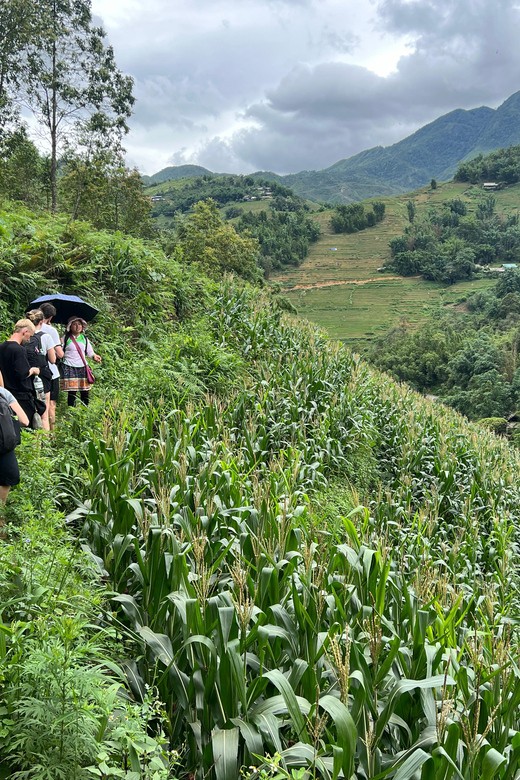
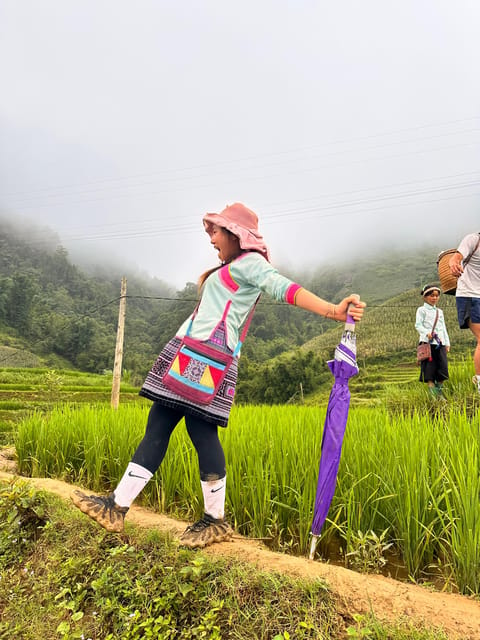
A lot of days include steep downhill walking, sometimes on mud, sometimes on narrow paths. Winter and rainy periods can add slip risk, especially where paths get slick. Even when the hike feels manageable, it’s the kind of “be alert” trail where you’ll want to place each step carefully.
One very practical detail: the company says they provide boots and trekking sticks if it rains. That’s huge because trekking on wet slopes is where accidents happen. Also, several guides and helpers on past treks are noted for taking time to make sure people don’t fall, and you may see local women helping with tricky parts of the route.
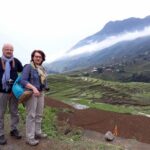
Weather can change what you see. Some trips run with clear views, and fog lifts as you descend. Other days in winter bring heavy fog that blocks scenery. If your goal is dramatic photo views of the terraces, aim for the clearest window you can find.
Lunch in Lao Chai: what’s included and why it’s a big deal
Lunch is included and it’s not just a snack. It’s served during the Lao Chai portion of the trek, which means you’re eating in the same environment you’ve been walking through—mountain air, rice terraces, and village activity nearby.
The practical advantage is that lunch timing keeps the day from dragging. You don’t have to guess what to eat, where to eat, or how long you’ll wait. The included water also helps you avoid the common mistake of finishing the walk under-hydrated.
Food tends to be local and filling. Some guides have arranged options that fit different diets, including vegetarian and vegan needs, which is a strong point if you don’t eat meat or you’re avoiding certain ingredients. Still, if you have strict dietary rules, it’s smart to message your provider ahead so they can plan responsibly.
Your guides on this trek: Sun, Mu, and the women who keep it fun
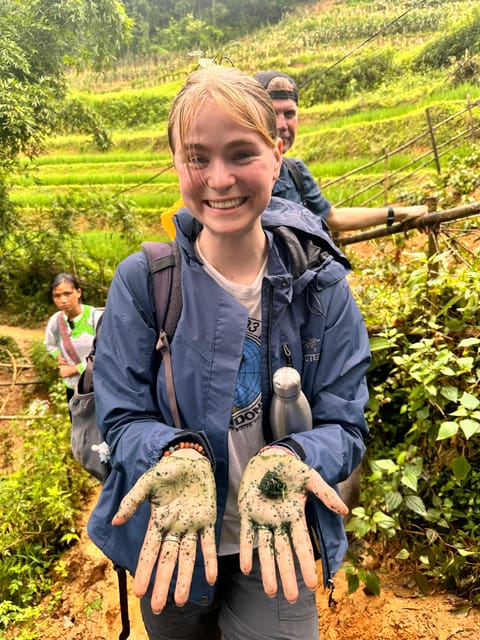
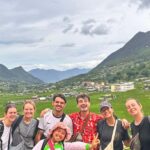
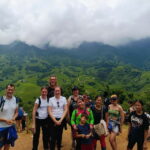
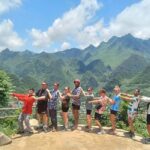
The guides are a major reason this tour gets such consistent praise. Names like Sun, Mu, Khu, Ko, Chuchu, and Sue come up repeatedly, and the pattern is similar: clear instructions, good English (and sometimes Vietnamese as well), and an ability to keep the group relaxed even when the trail is slow and muddy.
Humor shows up often in these accounts. It’s not just entertainment. Laughter helps on hills and slippery descents because it keeps people focused on the next step, not on the strain.
Another “you’ll notice this” detail: help from locals. You may meet villagers along the path who assist with the trickier sections, and some experiences include villagers helping with safer navigation on uneven, non-cemented paths. That’s part of why the day feels guided even when the trail gets narrow.
Some tours also include small meaningful touches like a hand-made bracelet gift, which turns a practical walking day into a memory you can carry home.

Meeting point, timing, and the ride back to Sapa Town
The tour typically starts around 9:00 AM (or you can arrange a start time that suits you; you just need to let them know). You’ll meet either at your hotel in Sapa Town or in front of the main church, depending on what’s easiest for the group.
Most days finish around 3:00 PM in Ta Van, then you’ll get transported back to Sapa Town by car. That time structure is what makes this a good one-day option. You still get a substantial morning and early afternoon, but you’re not stuck hiking until evening.
Because you’re not responsible for the end logistics, you can plan your day around it. It’s a strong fit if you want a cultural hike without losing a full day to transport changes.
Price and value: what $23 buys you in the real world
At about $23 per person, the value comes from what you don’t have to pay for separately. You get:
- a local English-speaking guide
- lunch
- water
- village entry fees
- transport back to Sapa after the trek ends
When you compare that to the cost of booking a private guide plus covering entry fees and arranging your own transport, this price can feel surprisingly fair—especially for a day that also includes cultural stops like village visits and house-related context.
There is one trade-off: it’s a group tour, so pacing may feel more “together” than “just you.” Also, group days can sometimes feel repetitive toward the end for people who want nonstop new surprises. If you’re very sensitive to that, ask about route options or consider the private upgrade.
What to pack so your day stays comfortable (even with rain)
This tour is outdoors, and the mountains can be cool. At minimum, bring the basics listed by the operator:
- sunglasses and a sun hat
- sunscreen
- camera
- cash (for personal purchases and tips)
- comfortable clothes and shoes built for walking
Rain and mud deserve special attention. The company says they can provide rain boots and trekking sticks if needed, but it still helps to bring a raincoat and insect repellent. In foggy weather, temperatures drop faster than you expect, so layering is smart.
If you’re prone to slipping on steep downhills, wear shoes with solid traction. This is one of those hikes where good footwear turns a stressful moment into a normal one.
Also watch for souvenir selling. Several experiences mention villagers selling handmade items during the trek. It’s part of village life, but it can feel pushy sometimes. The best approach is simple: buy only what you genuinely want, and politely say no if you’re not interested.
Should you book this one-day Sapa trek?
Book it if you want a meaningful Sapa experience in limited time. This is one of the stronger options when you care about rice terraces plus real village conversation, and when you’re happy to hike a bit for the payoff.
Skip it (or choose a different plan) if you have major mobility limits or if you’re not comfortable with slippery, muddy downhill footing. The operator also notes it’s not suitable for people over 95, which tells you the trail requires more than casual walking.
If your trip happens in winter or you’re traveling during foggy weeks, treat the weather like a wildcard. You might get breathtaking terraces in clear air, or you might hike through mist and enjoy the village context more than the view.
If that trade sounds acceptable, this is an excellent value way to see Sapa’s countryside and meet the women who call these terraces home.
FAQ
What villages do we visit on the one-day Sapa trek?
You’ll walk through Y Linh Ho, then Lao Chai, and finish in Ta Van.
How long is the tour?
The duration is about 5 hours.
What is the hiking distance and difficulty like?
The route can be about 5–11 km depending on the option you choose. The trek is described as easy to moderate, or hard then easy, with around 10 km as a typical distance.
Where do we meet the guide in Sapa?
You’ll meet at your hotel in Sapa Town or in front of the main church.
Is lunch included?
Yes. A local lunch is included, and the tour also includes water.
Does the tour include village entry fees and transport back?
Village entry fees are included, and you get transportation back to Sapa Town after the tour ends.
Are there rain provisions?
Yes. The operator says they have boots and trekking sticks ready in case of rain.
What languages are spoken by the guide?
The guide speaks English and Vietnamese.
Is the tour private or shared?
It’s a group tour. A private tour may be available for an extra cost if you request it.
What should I bring, and is there anything important for payment?
Bring sunglasses, sun hat, sunscreen, camera, cash, and comfortable walking shoes.