REVIEW · SA PA
Sapa: Ta Phin Village Trek & Red Dao Herbal Bath
Book on GetYourGuide →Operated by ASu Sa Pa Trekking Tour · Bookable on GetYourGuide
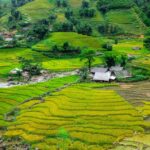
A hot herbal bath ends this Sapa trek. I like the chance to meet Black H’mong and Red Dao communities, not just take photos, and I also like that the walk is easy to moderate with rice terraces and pine-forest paths. You get a real-feeling day in the countryside, plus that end-of-trek soak. One consideration: this isn’t suitable if you have mobility impairments.
The flow is simple and relaxed, with a small group capped at 10 and a scheduled return to Sapa by car. If the idea of a 12–14 km day (easy to moderate) sounds like too much, you may want a lighter option instead. Otherwise, it’s a well-paced cultural day that rewards good shoes and a curious attitude.
In This Review
- Key things you’ll remember from this Sapa trek + herbal bath
- A 6-hour Sapa trek that balances culture, walking, and recovery
- Starting at Nhà Thờ Đá Sapa: your guide, your pace, your day
- Suoi Ho village (Black H’mong): calm farming life up close
- Ma Tra (and a village school/crafts moment): customs through conversation
- The lunch break at a homestay-style stop: eat well, reset your legs
- Tả Phìn / Ta Phin village (Red Dao): embroidery, herbal medicine, and daily life
- The Red Dao herbal bath (14:00): wooden tub comfort with aromatic herbs
- Trekking reality check: distance, pace, and what to pack
- Why the route feels less touristy and more human
- Price and value: is $26 per person actually fair?
- Who should book this Sapa day trip
- Should you book the Ta Phin Village Trek + Red Dao herbal bath?
- FAQ
- How long is the trek day?
- Where does the tour start?
- What villages do you visit during the walk?
- What time does the herbal bath happen?
- What’s included in the price?
- What languages are the guides?
- How hard is the walking?
- What should I bring?
- Is this suitable for children or mobility impairments?
- Quick final take
Key things you’ll remember from this Sapa trek + herbal bath
Red Dao herbal bath as the finish in a wooden tub with aromatic medicinal herbs
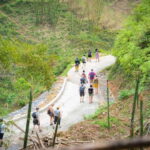
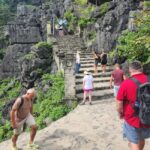
Village-to-village walking across Suoi Ho, Ma Tra, and Tả Phìn (about 12–14 km)
Small group feel (up to 10 people) so questions don’t get lost
Lunch with local flavor at a homestay-style stop, with options noted such as vegetarian
Guides who actually explain daily life in English (and Vietnamese), with some also speaking a bit of French
A 6-hour Sapa trek that balances culture, walking, and recovery
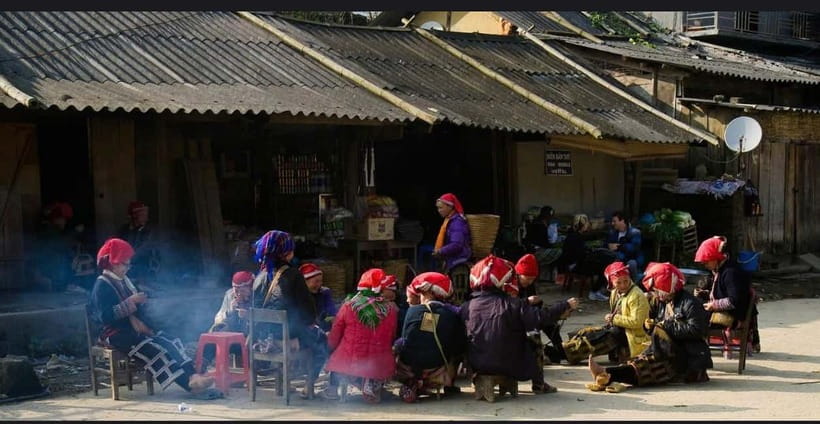
This is one of those Sapa days where you get three things in the same package: time in small ethnic villages, a countryside walk that feels scenic without being strenuous, and a traditional herbal bath that brings your body back to normal.
What makes it especially appealing is the ending. You don’t just hike and leave. You return to Sapa feeling washed-out in the best way—warm water, medicinal herbs, and a wooden tub that turns the last stretch into a real wind-down.
And because the group is limited to 10, you’re more likely to get real answers from your guide instead of just following a line of people through the countryside.
You can also read our reviews of more hiking tours in Sa Pa
Starting at Nhà Thờ Đá Sapa: your guide, your pace, your day
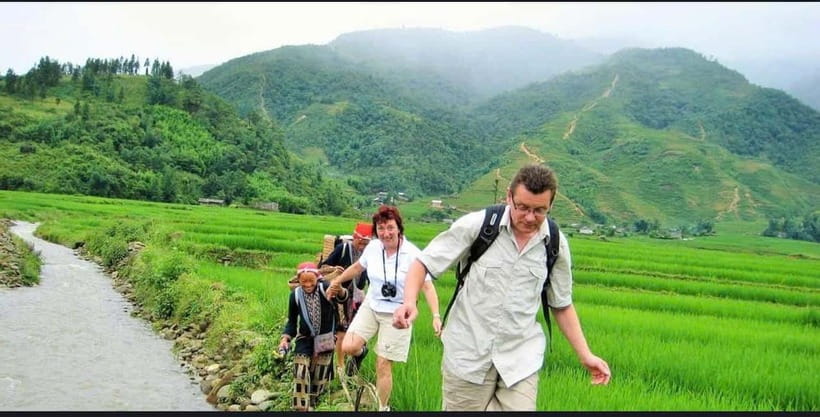
The day begins at Nhà Thờ Đá Sapa (Sapa Main Church) around 9:00. You meet your local guide there and then start with a short walk to Suoi Ho. This first stretch is useful: you’ll find your rhythm and settle into what the day feels like—walking paths, village stops, and small conversations along the way.
Guides lead in English or Vietnamese. In practice, some guides have strong English skills and may even mix in a little French, which is handy if you’re not fully fluent. Two names that show up often are Su and Gao—both described as giving clear explanations about village life and culture.
If you’re the type who likes to ask questions, this tour gives you space for that. The day isn’t just “see and go.” It’s more like “walk, talk, and learn as you go.”
Suoi Ho village (Black H’mong): calm farming life up close
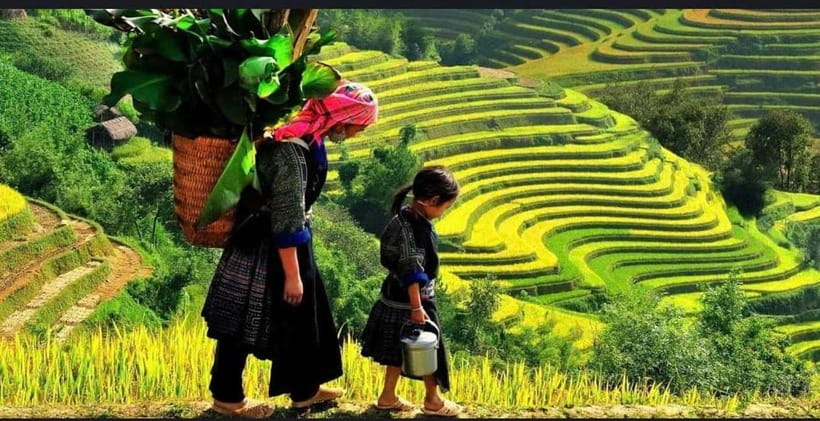
The first real village stop is Suoi Ho, a peaceful area associated with the Black H’mong community. You’ll spend time getting oriented with daily life—how people farm and raise animals, and how the village runs from morning into afternoon.
This part matters because it sets the tone. Sapa can attract heavy tourism in the center, but Suoi Ho feels more like real routines: work, walking paths, and the kind of quiet you hear in rural places. You’ll also get chances for photos and short walks, but the point isn’t to turn people into scenery.
Because this is an easy-to-moderate day, Suoi Ho is a good place to start if you’re not aiming for a hard trek. You’re still moving, still outside, but the pace stays human.
Ma Tra (and a village school/crafts moment): customs through conversation
After Suoi Ho, you continue trekking toward Ma Tra around 10:30. This is the part where the tour leans into local culture in a more direct way—visiting a local school and/or chatting with villagers to understand customs and crafts.
Even if you don’t know the words, crafts and schooling are a window into how people pass on skills and knowledge. Expect questions like: what’s taught, what’s made, what everyday tools look like, and how work fits into the community calendar.
This isn’t a “museum stop.” It’s more of a conversation-driven experience. Your guide’s job is to connect what you’re seeing to everyday meaning, and reviews consistently highlight guides who explain clearly and answer lots of questions.
The lunch break at a homestay-style stop: eat well, reset your legs
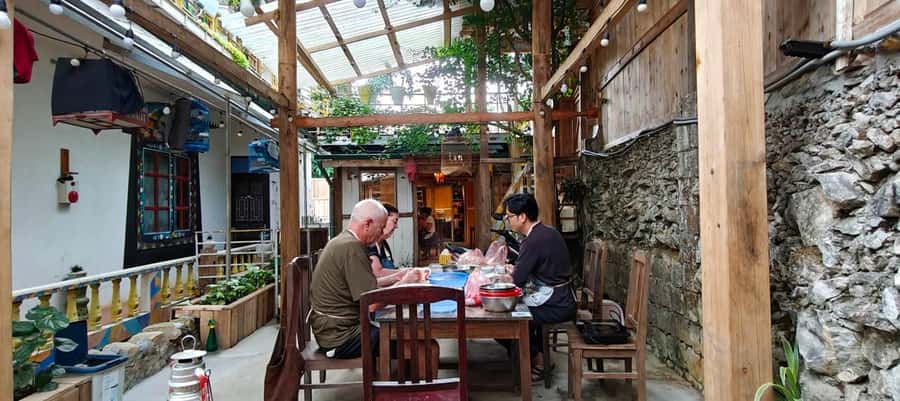
Around 11:30, you’ll reach lunch. Depending on the day, it’s either a picnic lunch or a meal at a local homestay, with traditional dishes.
This is one of the best parts to time right. By late morning, you’ve walked enough to feel hungry, but you’re not exhausted. Lunch becomes a proper reset—food, conversation, and a chance to watch daily life while you eat.
A couple of specific notes from the experience:
- Some groups are served standout hotpot-style meals, with one example mentioning fresh sturgeon hotpot.
- Vegetarian options are noted in at least one meal description, which is reassuring if you prefer plant-based food.
If you have dietary needs, you’ll want to communicate them ahead of time when you book, since the day’s meal is tied to the homestay-style stop.

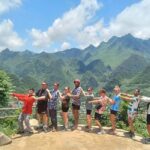
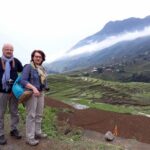
Tả Phìn / Ta Phin village (Red Dao): embroidery, herbal medicine, and daily life
Next comes Tả Phìn (Ta Phin), associated with the Red Dao ethnic group. You’ll arrive around 12:30, and you’ll have time for guided exploration—photos, a walk, and a closer look at Red Dao culture.
This stop is where you’ll notice details that aren’t just “pretty.” Expect to learn about:
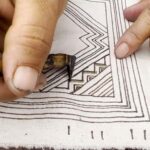
- Embroidery techniques
- Herbal medicine traditions
- The way local life is organized beyond the main road
This matters because it connects directly to the herbal bath later in the day. You’re not just experiencing a soak as a “spa thing.” You’re seeing how herbal knowledge shows up in daily practices, and then you’ll literally get the benefit afterward.
The Red Dao herbal bath (14:00): wooden tub comfort with aromatic herbs
Around 14:00, the day’s highlight finish arrives: the Red Dao herbal bath. You relax in a wooden tub filled with aromatic medicinal herbs.
The practical takeaway is simple: this is a hot, soothing recovery. The experience is believed to help relieve muscle pain and improve circulation, which is exactly what you want after a 12–14 km walk on mountain paths.
A few tips based on what’s consistently described:
- Plan to treat it like real recovery time, not a quick stop. The biggest value is that you leave the bath feeling less stiff.
- The bath is hot, so you’ll want to take it slow if you’re sensitive to high temperatures.
- Bring a change of clothes in case you get damp (this isn’t listed, but it’s a smart idea for any bathing stop).
The emotional tone is also different here. Walking through villages is active and outward-facing. The herbal bath is quiet, inward, and calming—people often describe it as a perfect ending because it gives closure to the whole day.
Trekking reality check: distance, pace, and what to pack
Even though this is described as easy to moderate, it’s still a full day walk. The distance is roughly 12–14 km, with a total day duration around 6 hours from pickup to return.
What that means for you:
- If you can handle a steady hike for half a day, you’ll likely be fine.
- If you’re used to mostly flat walking, the mountain terrain can feel longer than the number suggests—especially with stops.
What to bring is pretty straightforward:
- Comfortable shoes (non-negotiable)
- Water
- Insect repellent
- Weather-appropriate clothing
- A daypack
Sapa weather can shift, and you’ll be outside for hours, so dressing in layers is a smart move. Also, wear clothes you don’t mind getting a little dusty—this is a village area, not a clean-city stroll.
Why the route feels less touristy and more human
This tour’s appeal isn’t only the villages. It’s the way the day is structured.
You visit multiple villages—Suoi Ho, Ma Tra, and Ta Phin—and you spend time at each instead of rushing through in a photo sprint. You also get guide explanations that focus on daily life: farming, schooling, crafts, embroidery, and herbal medicine knowledge.
Reviews repeatedly describe the tour as walking through areas that feel less touristic than other Sapa routes. That matters because it changes your role. You’re not just consuming a performance. You’re learning alongside people who have real routines.
And because the group is small, your questions land better. When a guide like Su or Gao can answer questions clearly in English (and sometimes add extra flavor with a bit of French), the cultural learning doesn’t feel like a lecture.
Price and value: is $26 per person actually fair?
At $26 per person, this is priced like a budget-friendly cultural trek, but the value comes from what’s included.
You get:
- A local guide
- Picnic lunch or a meal at a homestay-style stop
- The traditional Red Dao herbal bath
- Transportation back to Sapa
That’s the key point: you’re not paying extra separately for guide time, food, and the signature bath. For a 6-hour experience, that package pricing is what makes it feel like a bargain rather than “cheap and basic.”
If you were to build a similar day yourself, you’d still need a guide (for village access and translation), a meal stop, and a bath arrangement. Here, those pieces are bundled into one straightforward plan.
Who should book this Sapa day trip
This one fits best if you:
- Want a cultural walk through ethnic village areas (Black H’mong and Red Dao)
- Prefer a small group with time for questions
- Like the idea of earning a relaxing ending with the herbal bath
- Are comfortable with an easy to moderate 12–14 km day
It’s not a fit if:
- You have mobility impairments (not suitable)
- You’re traveling with children under 6
Should you book the Ta Phin Village Trek + Red Dao herbal bath?
Book it if you want a Sapa day that feels practical and memorable: village conversations, countryside walking, a proper lunch stop, then a warm wooden tub soak that makes the effort feel worth it.
Skip it (or look for a different style of tour) if long walking is your main worry. Even at easy to moderate, it’s still a real trek.
FAQ
How long is the trek day?
The full experience runs about 6 hours, from pickup to return to Sapa.
Where does the tour start?
Pickup is at Nhà Thờ Đá Sapa (Sapa Main Church).
What villages do you visit during the walk?
You’ll visit Suoi Ho, Ma Tra, and Ta Phin / Tả Phìn.
What time does the herbal bath happen?
The Red Dao herbal bath is scheduled for around 14:00.
What’s included in the price?
Included are a local guide, picnic lunch or a meal at a local homestay, the traditional Red Dao herbal bath, and transportation back to Sapa.
What languages are the guides?
Guides provide interpretation in English and Vietnamese.
How hard is the walking?
The trekking is listed as easy to moderate and suitable for most fitness levels.
What should I bring?
Bring comfortable shoes, water, insect repellent, weather-appropriate clothing, and a daypack.
Is this suitable for children or mobility impairments?
It’s not suitable for children under 6, and it’s also not suitable for people with mobility impairments.
Quick final take
If you want a Sapa day that mixes village culture with a satisfying recovery ending, this trek + Red Dao herbal bath is a solid choice—especially if you’re comfortable with a steady, easy-to-moderate walk.