REVIEW · SA PA
Sapa3D2N TrekkingAdventures,Valleys,Bambooforest,Waterfall
Book on GetYourGuide →Operated by Dinh Sapa Trekking Adventures · Bookable on GetYourGuide
One trek, three days, lots of real village life. This Sapa 3-day trekking + 2-night homestay route mixes big viewpoint moments (including Dragon Mountain at 1900m) with walking through rice valleys like Muong Hoa.
I also really like the way the experience is guided by locals: Dinh (and her sister) set the tone, and you’re not just watching villages from a bus window.
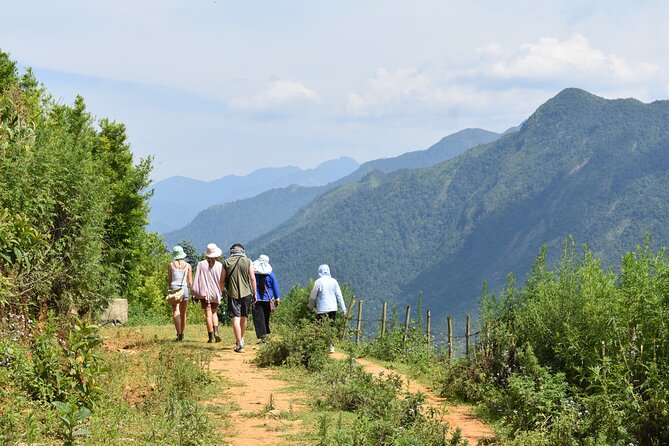
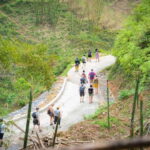
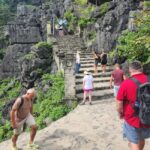
The main consideration is the walking time and uneven trails. You’ll cover roughly 10–15 km on Day 1 and keep moving for about 5–6 hours/day, so pack for comfort and take it steady if you’re not used to hills.
In This Review
- Key Things You’ll Love in This Sapa Trek
- Sapa 3 Days, 2 Nights: What This Trek Actually Delivers
- Meeting Dinh and Your Hmong Guide Network (English Support Included)
- Day 1: Dragon Mountain (1900m) Views and Black Hmong Villages
- A smart Day 1 tip
- Day 2: Ta Van, Su Pan, Giang Ta Chai Waterfall, and Red Dao Culture
- What to watch on Day 2
- Day 3: Lao Chai and Y Linh Ho Rice Terraces, Muong Hoa Hanging Bridge, Hoang Lien Son Views
- Homestays in Hau Thao and Ta Van: How Comfort and Culture Fit Together
- A practical homestay note
- Food, Water, and What You’ll Actually Carry
- Price and Logistics: Why Around $80 Can Feel Like Good Value
- Simple value check for you
- Pace, Terrain, and Who Should Book This Trek
- Book This or Pass? My Honest Recommendation
- FAQ
- What’s the duration of this Sapa trekking experience?
- Where does the tour operate?
- What are the daily trekking distances and walking times?
- What’s included in the $80 price?
- What languages will the guide speak?
- Is food included during the trek?
- What should I bring for the hike?
- Is there anything I should know about water and extra drinks?
Key Things You’ll Love in This Sapa Trek
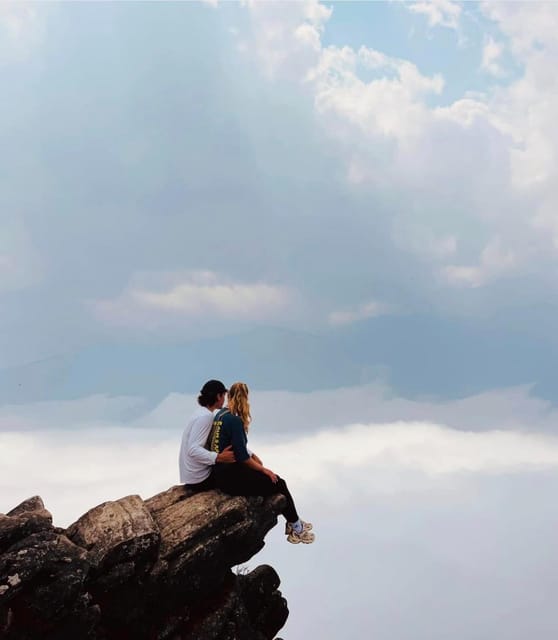
- Dragon Mountain (1900m) plus a clear shot toward Fansipan on the climb up
- Multiple ethnic village areas across the trek, not just one quick stop
- Giang Ta Chai waterfall walk, including a second hanging bridge for extra drama
- Homestays with Dinh’s family and sisters’ network, with hot showers and family dinners
- Village entry fees + meals handled for you, so the $80 price feels more “all-in” than it first looks
Sapa 3 Days, 2 Nights: What This Trek Actually Delivers
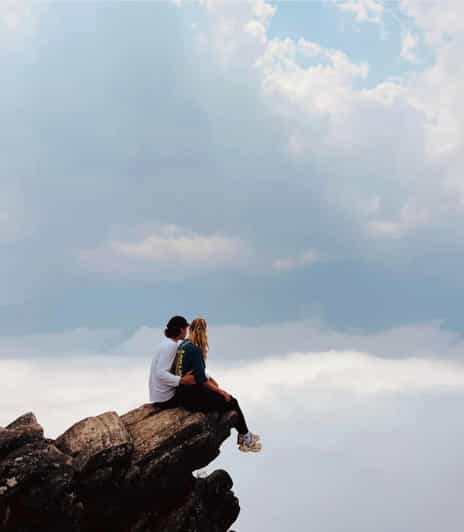
This is a hiking-and-culture combo focused on moving at a local pace. The promise isn’t just photos of rice terraces—it’s time with people in their everyday routes: paths between villages, field work rhythms, and the small moments where you see daily life without a stage show.
You start each day from a real village base and keep walking through valleys and ridges. The trek lengths are long enough to feel like a trek, but the schedule keeps things realistic: you’re generally out for about half a day of walking, then you get food, rest, and another change of scenery.
For me, the best part is that the tour is built around natural highlights you can point to: the viewpoint from Dragon Mountain, the rice terraces stretching through Muong Hoa, and the waterfall route at Giang Ta Chai. That structure helps you feel like the trip has a storyline, not just a checklist.
You can also read our reviews of more tours and experiences in Sa Pa.
Meeting Dinh and Your Hmong Guide Network (English Support Included)
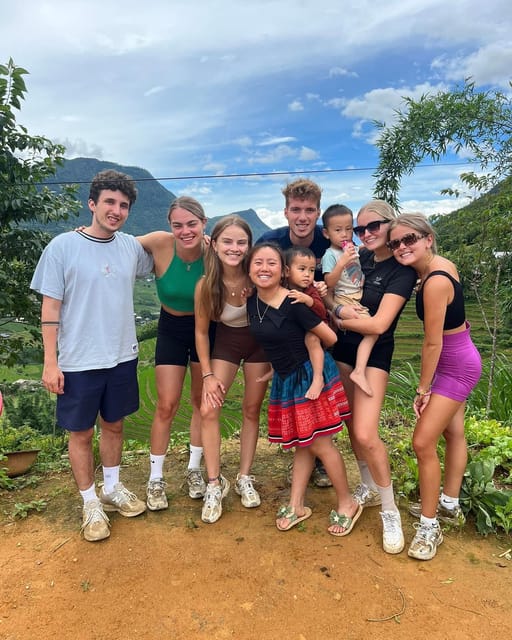
Dinh is the host and local guide for this adventure, and she’s joined by her sister for pick-up and guidance. That matters because it’s easier to relax when you’re dealing with people who clearly know how to translate the experience—what to notice, when to slow down, and how to move safely on foot.
From the support you’ll see during the trip, you can expect the group to stay upbeat. One guide named Mama May has been highlighted as both helpful and fun to be around, and another time the walking guide is Dinh’s cousin, described as a strong match for an enjoyable trek pace. In plain terms: you’re not stuck with a guide who only knows the route; you’ll likely get people who keep energy high and conversations flowing.
You also get English and Vietnamese support from the guides. If you don’t speak Vietnamese, you’ll still have a way to understand what you’re seeing—especially in the village and culture segments.
Day 1: Dragon Mountain (1900m) Views and Black Hmong Villages
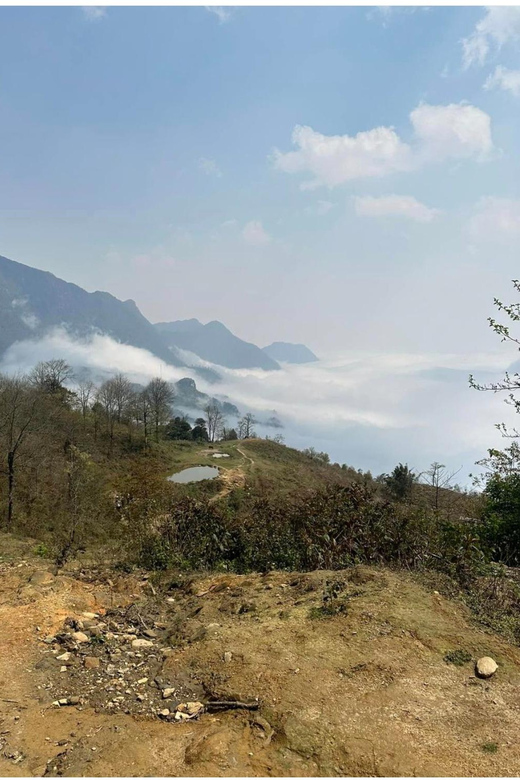
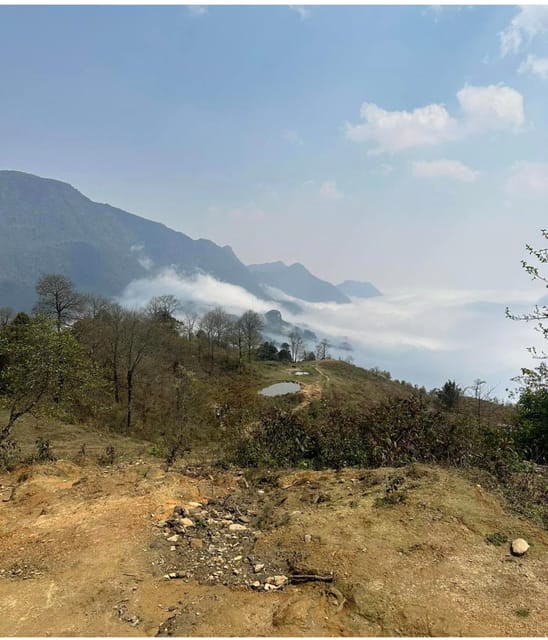
Day 1 is the “get your bearings” day, with viewpoints early and village life after.
First, you meet in Sapa around 9:00 AM, either at your hotel or in front of Sapa’s main church. After a short introduction, you head onto a small uphill trail. The goal is Dragon Mountain, where you climb enough to reach a viewpoint that frames Sapa and the wider valley.
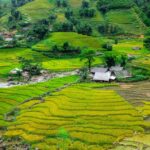
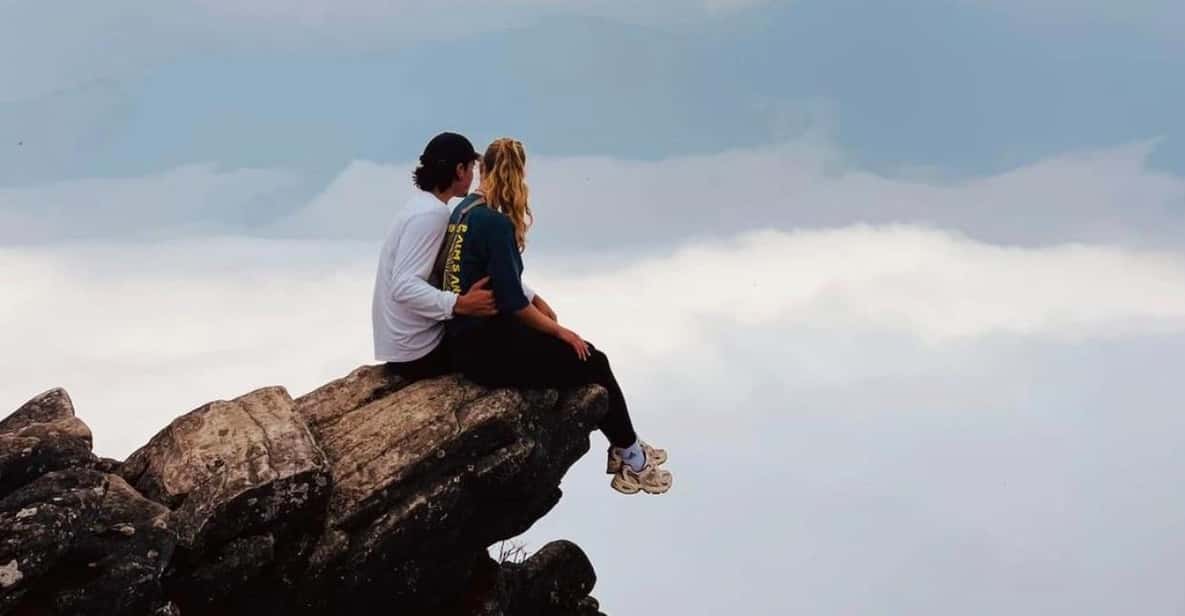
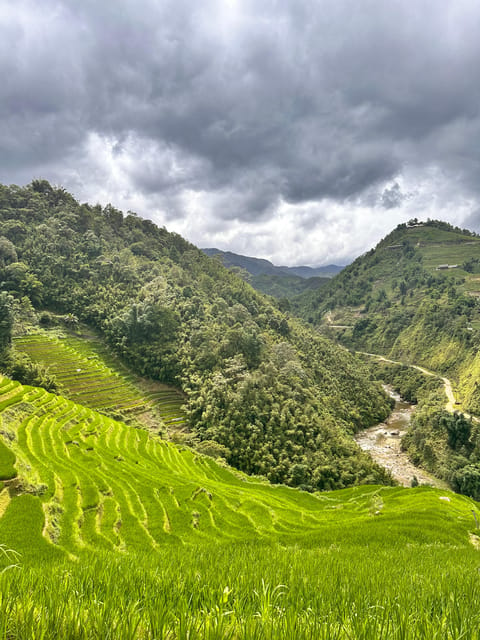
From up there, you get a view toward Fansipan (3,143m) and sweeping sights over Sapa town. Then comes the key connection: you can also see the famous rice terrace area in the Muong Hoa Valley, plus the big river-and-valley layout that makes Sapa feel like a living map.
After soaking in the views, the trek drops down toward Hang Da, a village associated with the Black Hmong community. This is where the trek starts to feel more grounded: you pass rural scenes and you may see animals like buffalos, cores, and pigs. Lunch happens at a small restaurant run by a local family, which is a practical touch—less time searching for food, more time focusing on the trail.
In the afternoon, you continue down to Hau Thao, another Black Hmong village. This is where you get the homestay transition: a warm welcome, time to rest, and a proper dinner with the family. Hot shower time is included in the overall homestay experience, which is a big quality-of-life win after a Day 1 hike.
A smart Day 1 tip
If you’re prone to feeling “touristy tired,” Day 1 is designed to avoid that. Views first, then village rhythm. Pack sunscreen and a sun hat because the early viewpoint time can mean strong light on exposed paths.
Day 2: Ta Van, Su Pan, Giang Ta Chai Waterfall, and Red Dao Culture
Day 2 starts with breakfast and keeps you moving through multiple village zones. The walk is shorter on paper than Day 1, but it’s still several hours of trail time.
You begin by trekking down from the homestay area toward Hau Thao, then continue toward Su Pan. This stretch is meant for photos and panoramas: you’re heading toward viewpoints over rice fields, with locals living in small traditional houses. The angle of this part matters—Su Pan is framed as a place for wider shots of what the terraces look like from above rather than just beside the path.
Next, you climb back uphill toward Giang Ta Chai waterfall. This is the day’s big natural set-piece. You’ll reach the waterfall area and then move into the Red Dao area, where your local guide helps explain more about culture and daily life.
The culture stop is a visit to a Red Dao family, described as short, so you’re not stuck in a long classroom moment. The practical point: you learn what matters to everyday living—how people live, how daily time gets organized, and what you’re actually looking at when you see homes and fields.
From there, you return toward the waterfall area by an alternative trail and cross a second hanging bridge. After that, lunch is taken in Giang Ta Chai village at a small local restaurant run by a Hmong family.
Then you shift back toward Ta Van for the second homestay night. By Day 2 end, you’re not just arriving somewhere new—you’re settling into one village base again, which makes the whole experience feel more human-scale.

What to watch on Day 2
Waterfall days can mean slippery ground. The tour doesn’t list specific traction gear, so keep your shoes practical and grippy. Also remember the tour includes only one water per person per day, so if you like frequent sips, plan to carry extra.
Day 3: Lao Chai and Y Linh Ho Rice Terraces, Muong Hoa Hanging Bridge, Hoang Lien Son Views
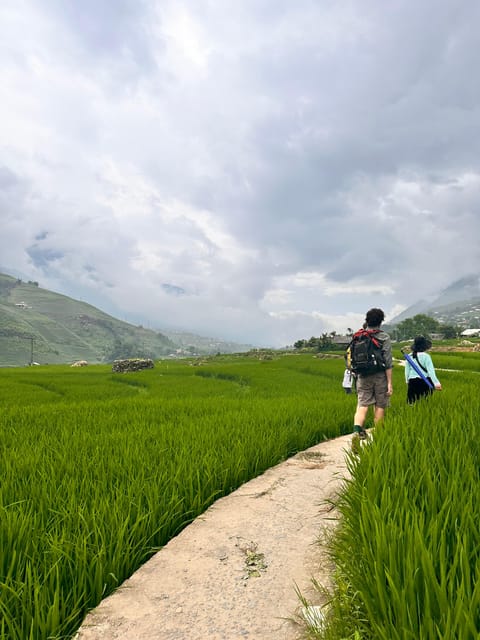
Day 3 is the “final wow” day: terraces, bridges, and a long finish into Sapa.
After breakfast, you hike to Lao Chai and Y Linh Ho. You arrive at Lao Chai, then reach the hanging bridge of the Muong Hoa river. That bridge is one of those moments that makes Sapa feel unusually dramatic—because you’re not just walking in valleys; you’re stepping through them.
From Lao Chai, the trek continues uphill into the mountains toward viewpoints above the rice terraces. This is where the tour leans into Sapa’s signature look: some of the biggest and most beautiful rice terraces in Vietnam, plus the mountain views from the top area around Hoang Lien Son.
Eventually you head forward to Sapa. A helpful touch here is the handling of bigger bags: the tour notes that you’ll be helped with transport for big bags to the guide’s house, where you stay. In practical terms, you can keep your trekking day bag light and not drag heavy luggage along the whole route.
By the end of Day 3, you’re positioned back in Sapa, with support to get your bags where they need to go and transportation arranged to return to Sapa after the tour ends in the village area.
Homestays in Hau Thao and Ta Van: How Comfort and Culture Fit Together
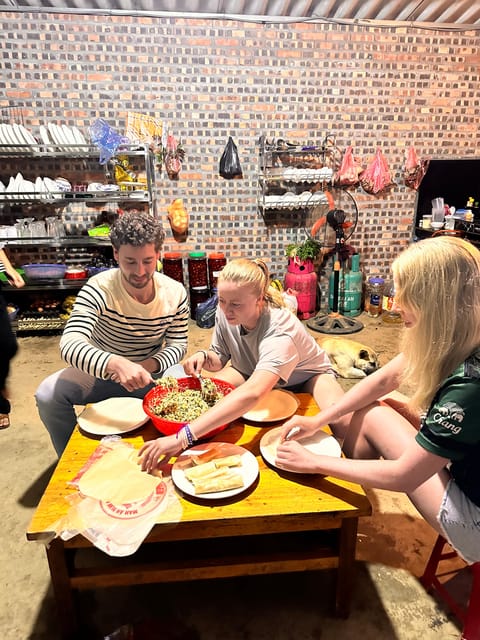
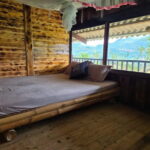
The homestay portion is a big reason this trek works. You spend 2 nights staying with Dinh’s family, with the experience split across village bases (Hau Thao and then Ta Van).
What’s clearly stated is that you’ll get:
- family welcome and time to rest
- time to take a hot shower
- dinner with the family in the homestay setting
This matters because it changes what kind of trip this is. A lot of Sapa trekking tours feel like you “pass through” villages. Here, you’re more likely to slow down and settle in long enough to understand the place as a lived home.
It also helps that the guide network brings a social layer to the stay. One past experience description specifically highlighted a lively homestay vibe—happy moments and singing/dancing energy alongside the practical welcome. Even if the exact activities vary, the message is consistent: the homestay isn’t just a place to sleep; it’s part of the experience.
A practical homestay note
Bring change of clothes and consider a light layer. The tour lists swimwear too, which suggests you might have a chance to freshen up or enjoy water time depending on conditions and local options, but you shouldn’t count on it like a guaranteed activity.
Food, Water, and What You’ll Actually Carry
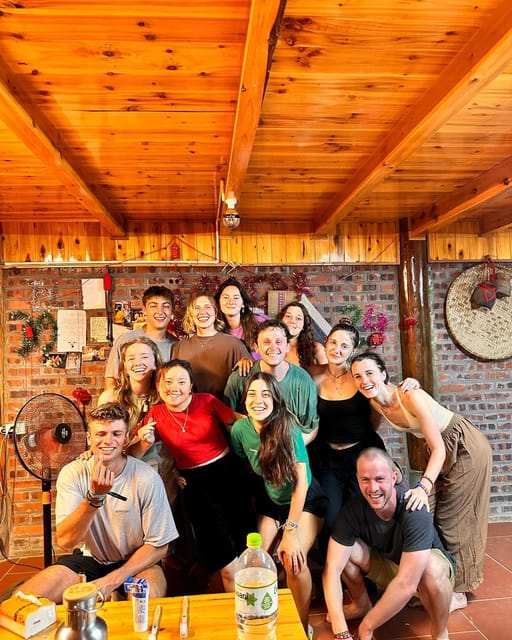
You’re covered for meals in a simple, predictable way: 3 lunches, 2 dinners, and 2 breakfasts are included.
That’s a big value piece. Trekking in rural areas often makes food planning chaotic—here, meals are built into the day structure, which keeps your energy steadier on the trail. One of the strongest praises is that the food is consistently good and that the family-style meals are a highlight, not an afterthought.
Water is included at one water per person per day. Extra drinks (including bottled water or beer) aren’t included. So if you know you drink a lot, bring some extra budget for that or carry what you can within reason for your comfort.
As for what to bring, the tour list is straightforward and smart:
- sunglasses and sun hat
- sunscreen
- swimwear
- comfortable clothes
- change of clothes
I’d add one common-sense item: pack your things so you can easily pull out sun gear quickly before you’re in the middle of a long exposed stretch.
Price and Logistics: Why Around $80 Can Feel Like Good Value
At about $80 per person for 3 days / 2 nights, the price looks affordable, but the real value shows up in what’s included.
You get:
- a local English guide for 3 days
- village entry fees for 8 villages
- meals (3 lunches, 2 dinners, 2 breakfasts)
- 2 nights homestay
- 1 water per person per day
- transport support back to Sapa after the tour ends
When a trek includes village entry fees and meals, it usually means fewer hidden costs on your end. Also, the tour includes guiding through multiple areas (not just one ridge). That complexity costs time and effort from the guide team, and it’s reflected in the included guide support.
What you should plan for (not included):
- personal travel insurance
- extra drinks during hiking (like bottled water or beer)
There’s also a clear suitability clue: the tour is not suitable for people over 95 years, which suggests the walking and terrain require solid mobility.
Simple value check for you
If you want Sapa trekking that feels connected to real village life—with homestay time and multiple cultural stops—this is the kind of package that makes sense. If you only want a short walk and city comfort, you might find the distances tiring.
Pace, Terrain, and Who Should Book This Trek
This is a moderate trekking experience with daily walking in the range of about:
- Day 1: ~10–15 km, ~6 hours
- Day 2: ~9–11 km, ~5.5 hours
- Day 3: ~9–13 km, ~5.5 hours
That range means you need to be comfortable walking for hours on paths that can be uneven. You don’t need to be a mountain athlete, but you do need to respect the hills.
You’ll likely love this tour if you:
- want rice terrace and valley viewpoints (not just one photo stop)
- care about learning village life from local guides
- enjoy homestay-style dinners and the calmer pace of rural evenings
- like guided structure with enough freedom to ask questions
You may want to choose another option if you:
- dislike long walks or steep sections
- need a fully flat, low-impact route
- are traveling with someone who struggles with mobility and balance
Book This or Pass? My Honest Recommendation
I’d recommend booking this trek if you want a real Sapa experience with guiding that feels personal and local. The mix of Dragon Mountain views, Muong Hoa rice terraces, and the Giang Ta Chai waterfall route hits the big visual moments, and the homestay keeps it from feeling like a quick drive-by.
If you do book, do it with the right mindset: you’re paying for guiding, meals, and entry fees plus time walking between villages. It’s not a light stroll, so dress and prepare like you’re going hiking.
Finally, since starting times can vary (the tour notes morning departures based on availability), pick the schedule that fits your Sapa travel days. A solid arrival buffer helps you avoid rushing your first day uphill.
FAQ
What’s the duration of this Sapa trekking experience?
It’s a 3-day trek with 2 nights of homestay.
Where does the tour operate?
The tour is in the Dong Bac area of Vietnam, centered on Sapa.
What are the daily trekking distances and walking times?
Day 1 is about 10–15 km for around 6 hours. Day 2 is about 9–11 km for around 5.5 hours. Day 3 is about 9–13 km for around 5.5 hours.
What’s included in the $80 price?
Included: an English local guide for 3 days, village entry fees (8 villages), 3 lunches, 2 dinners, 2 breakfasts, 2 nights homestay, 1 water per person per day, and transportation back to Sapa after the tour ends in the village area.
What languages will the guide speak?
The guide support is available in English and Vietnamese.
Is food included during the trek?
Yes. You’ll have 3 lunches, 2 dinners, and 2 breakfasts included.
What should I bring for the hike?
Bring sunglasses, a sun hat, swimwear, a change of clothes, sunscreen, and comfortable clothes.
Is there anything I should know about water and extra drinks?
Water for 1 person per day is included. Extra drinks during hiking (like bottled water or beer) are not included. Personal travel insurance is also not included.