REVIEW · HO CHI MINH CITY
Saigon City Sights & War Remnant Museum on Scooter
Book on Viator →Operated by Vietnam Exploring Tour · Bookable on Viator
Saigon moves fast on a scooter. This tour strings together temples, markets, and war history in a tight 4-hour loop, using local storytelling so you’re not just collecting sights. You’ll ride past everyday scenes and end with street-food comfort in the middle of the city’s real rhythm.
I especially liked the hands-on way the guides manage the ride and the facts. I’ve heard from guides like Vy, Ethan, Keiran, and Alex that they’re happy to answer questions and steer you through spots that feel meaningful, not staged. And I love that you finish with an included bowl of bún bò Huế, not a random snack stop.
One thing to consider: you’re on a scooter. If you’re new (or worried about traffic), it helps that helmets and raincoats are provided and that the guides drive confidently—but it’s still a scooter experience, not a walking tour.
In This Review
- Key highlights to expect
- Why a scooter loop is the best way to see Saigon in one go
- Meeting your guide: personal, local, and practical
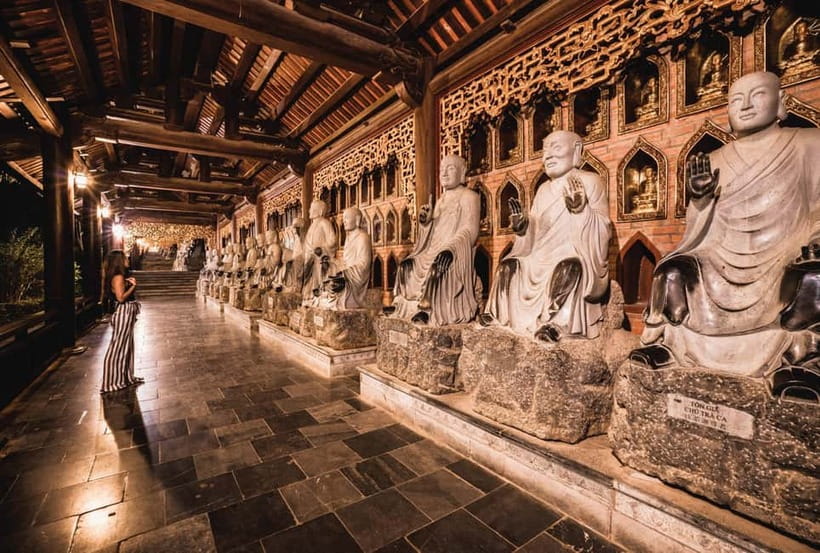
- Pagodas and a monk’s memorial: the quiet meaning before the streets
- On Nguyễn Thiện Thuật: apartment life as a history lesson
- Hồ Thị Kỷ Flower Market: color, commerce, and timing
- Chua Van Phat and spiritual quiet in the middle of traffic
- Chợ Lớn (Saigon’s Chinatown): layered communities and side streets
- The War Remnants Museum: how to get the most from the hardest part
- A stop for tunnel stories and resistance history
- Food on a scooter day: ending with bún bò Huế
- Price and value: what $22 buys you in real time
- Tips for first-time scooter riders in Ho Chi Minh City
- Who this tour is for (and who should skip it)
- Should you book this Saigon scooter tour?
- FAQ
- How long is the scooter tour?
- Is hotel pickup and drop-off included?
- What’s included in the price?
- Do I need to pay for the War Remnants Museum ticket?
- What food do I get on the tour?
- Are the pagoda and memorial stops free?
- Is this tour private?
- What if the weather is bad?
Key highlights to expect
- English-speaking guides who grew up in Ho Chi Minh City and tell real stories
- Scooter + helmet + raincoat included, with hotel pickup and drop-off
- A focused route that pairs spiritual landmarks with war history
- Quick stops in major areas like Hồ Thị Kỷ Flower Market and Chợ Lớn (Saigon’s Chinatown)
- A built-in food moment: bún bò Huế with one included meal and drink
- Museum time built around understanding the consequences of the war
Why a scooter loop is the best way to see Saigon in one go
Ho Chi Minh City is a place where things happen at street level. A scooter tour fits that reality better than a bus, because you can actually feel the flow of neighborhoods. In 4 hours, you get a sequence of contrasts: worship places that shape daily life, markets that run on morning energy, and museums that ask you to look at what war did and why it still matters.
This is also the kind of tour where the guide matters. The best part isn’t that you visit well-known locations. It’s that you’re guided into the meaning behind them—how people remember, practice, trade, and grieve, sometimes within the same few streets.
You can also read our reviews of more city tours in Ho Chi Minh City



Meeting your guide: personal, local, and practical
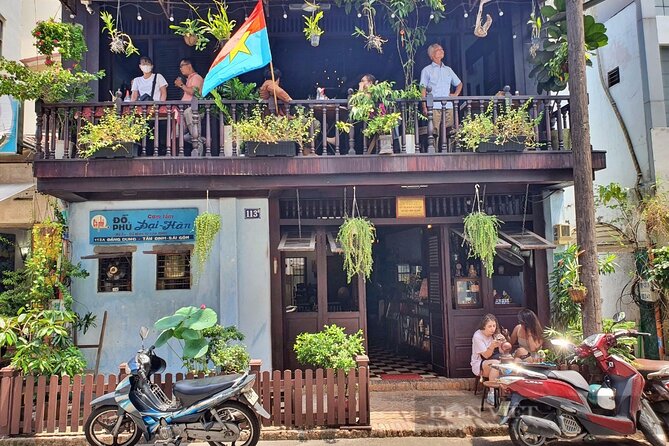
The tour is private (only your group), which changes the feel right away. You’re not waiting on dozens of strangers, and you can ask questions without the tour “moving on” every time someone gets curious.
I like that the guides are described as passionate and locally rooted, and you can see it in the names that keep coming up—people like Vy, Keiran, Ethan, and Alex. The reviews also emphasize safe, confident riding, which is a big deal on your first scooter day. If you’ve never ridden before, plan on telling the guide right away. When they know you’re nervous, they can pace your comfort and explain the basics.
You’ll also get a helmet and raincoat, plus pickup and drop-off. That matters because Saigon weather can flip fast, and you don’t want to spend your morning hunting for gear or fighting getting from place to place.
Pagodas and a monk’s memorial: the quiet meaning before the streets
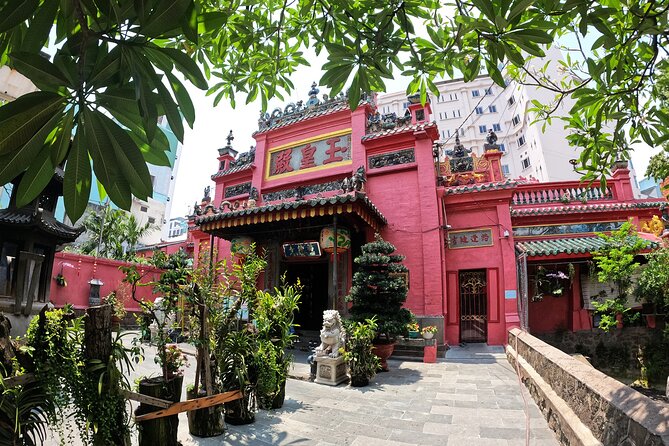
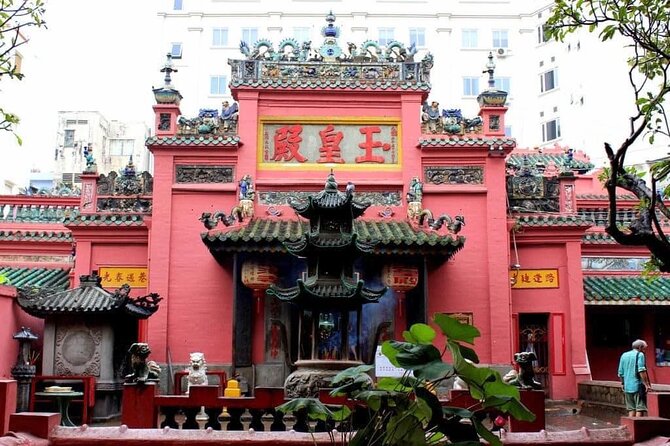
Your first spiritual stop is the Jade Emperor Pagoda (Chùa Ngọc Hoàng). It’s a standout for many visitors because it’s iconic and visually strong—but what I find more useful is how it sets the tone for understanding Saigon. Temples here aren’t just tourist backdrops. They’re living spaces tied to belief, rituals, and the kind of respect locals show in everyday life.
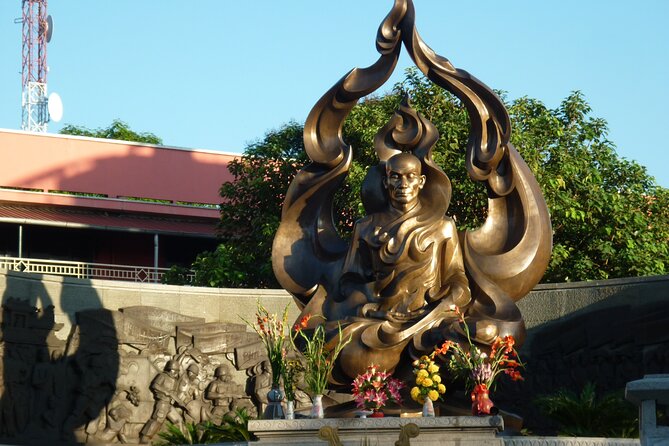
Next comes the Venerable Thích Quảng Đức Monument. This is one of those moments that you can’t treat like a photo stop. Thích Quảng Đức is known for his self-immolation in protest against religious persecution, which is the kind of story that forces you to think about religion, power, and public conscience. If you want to understand Vietnam beyond headlines, this stop is where that shift starts to happen.
A practical note: these memorial and pagoda moments can make for a more reflective ride. Expect less chatter in these stops and more listening to the guide’s context.
On Nguyễn Thiện Thuật: apartment life as a history lesson
After the heavier memorial moment, you ride into a more ordinary, human Saigon. The route includes the Nguyễn Thiện Thuật Apartment Buildings, a busy street in District 3 known for a mix of city life and food. This is the part of the tour where you stop thinking only in landmarks.
What I like about a stop like this is that it shows how history and daily routine overlap. Apartment blocks in big cities are where people build their lives, and that becomes a subtle lesson: history isn’t stored only in museums. It’s also lived through housing, neighborhoods, and routines that keep going even when politics changes.
You only spend about 20 minutes here, so it’s not “wandering.” It’s more like getting oriented: how the street feels, what kinds of businesses you notice, and what daily Saigon looks like between the big attractions.
Hồ Thị Kỷ Flower Market: color, commerce, and timing
Then it’s on to Hồ Thị Kỷ Flower Market (Chợ Hoa Ho Thi Ky) in District 10. Flower markets in Vietnam are more than scenery. They’re supply chains for celebrations, worship, and the everyday “I brought something for someone” culture.
In a short stop, you learn how the market works: what kinds of flowers are prioritized, how wholesale buying shapes the street, and why this place is important to local schedules. If you like noticing how cities run, this stop delivers.
You can also read our reviews of more museum experiences in Ho Chi Minh City






Chua Van Phat and spiritual quiet in the middle of traffic
You also visit Chùa Vạn Phật (Temple of Ten Thousand Buddhas). Even with limited time, it works as a reset. After street noise and market movement, a temple stop gives you a chance to slow down and look carefully, not quickly.
I’d treat this as a “camera-off for a minute” kind of stop. Listen to your guide’s explanation, notice the layout, and pay attention to what people are doing. That’s where the spiritual context becomes real, not just decorative.
Chợ Lớn (Saigon’s Chinatown): layered communities and side streets
A big portion of the tour’s cultural variety comes from Chợ Lớn in District 5, often described as Saigon’s Chinatown. The area’s character comes from the mix of Chinese, Vietnamese, and other communities, and you’ll notice it in the street texture: temples, clan houses, and the way commerce blends with belief.
This is also where the tour helps you read the city. A quick ride and a short stop could still be “just walking.” But with a guide telling you what to look for—where religious architecture shows up, how communities cluster—you leave with a map in your head, not just a list of stops.
The War Remnants Museum: how to get the most from the hardest part
Your museum stop is the War Remnants Museum, and the admission is included. This place is focused on the evidence and consequences of the war, and it can hit harder than you expect—especially if you’re coming in with a casual tourist mindset.
Because your time is limited (about 30 minutes listed), your best strategy is to choose what you want to absorb. If you’re going in for a broad understanding, ask your guide what section is most important for first-time visitors. If you want a sharper emotional impact, ask them where the exhibits best show the human cost.
Also, give yourself permission not to rush. Even in 30 minutes, you can read carefully, stop where images and captions demand attention, and let your guide explain the larger context.
If you’re sensitive to intense content, plan accordingly. This is one of those experiences where pacing matters more than ticking off everything.
A stop for tunnel stories and resistance history
Between city neighborhoods and the museum focus, the route includes time for underground tunnel and resistance-movement exhibits tied to the bravery and sacrifice of those who fought for independence. You may find it helpful to think of this as the “how people survived” chapter—smaller than a museum gallery marathon, but still centered on the lived reality of wartime conditions.
I like that this tour doesn’t treat war as only dates and battles. It connects resistance stories to the city you’re riding through now, which makes the present feel less separate from the past.
Food on a scooter day: ending with bún bò Huế
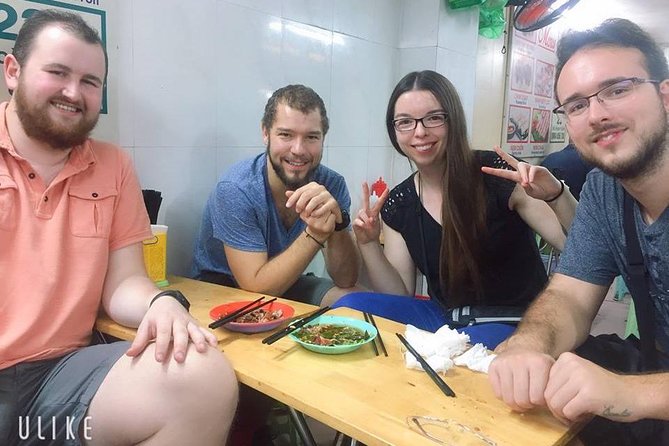
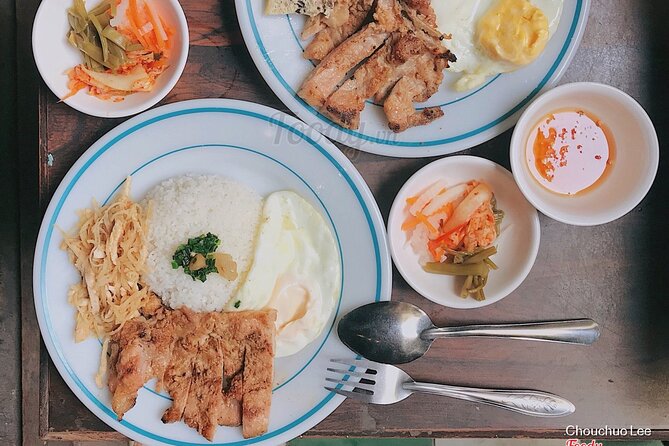
The tour includes one meal and drink, and the overview promises an authentic finish: a bowl of bún bò Huế. This is the kind of ending that makes sense. After temples and war history, you want something comforting and truly local.
Bún bò Huế is all about balance—broth depth, noodles, and toppings that make each spoonful feel like it belongs in Vietnam, not in a tourist version of Vietnam. You’re not just fed; you’re given the simple pleasure of sitting down where locals eat and talking with your guide about what you’re tasting.
Vegetarians are possible here, based on experiences shared in reviews, but it’s smart to mention your diet or allergies ahead of time so the guide can plan accordingly.
Price and value: what $22 buys you in real time
At $22 per person for about 4 hours, this is one of the better “small package, big content” deals—mainly because transport is handled. You get scooter time with an English-speaking guide, hotel pickup and drop-off, helmets and raincoats, plus museum admission and an included meal and drink.
Here’s how I judge value on tours like this:
- If you’d have to pay for entry tickets, taxis, and a meal separately, the math starts to look less friendly.
- If you also want local explanations (not just names of places), that’s where the guide earns their keep.
- If the ride helps you cover districts efficiently, your time stays focused.
The tour also lists group discounts and mobile tickets, which typically makes booking smoother if you’re coordinating with friends.
Tips for first-time scooter riders in Ho Chi Minh City
If you’re worried about riding, you’re not alone. One review story specifically calls out that it was the first time on a scooter for a rider who was nervous, and the guide drove confidently.
Still, you’ll feel better if you do these:
- Wear closed-toe shoes and long pants if you can (for comfort, not fashion).
- Keep your hands relaxed and follow the guide’s motions—don’t fight the vehicle.
- Ask how turns and stops will feel before you roll out.
- If rain is possible, trust the included raincoat. Bring a small towel if you hate damp seats.
Also, remember that this tour requires good weather. If rain or conditions are poor, you’ll likely be offered a different date or a refund, so don’t plan it as the only thing you can do that day.
Who this tour is for (and who should skip it)
This works well if you want:
- A guided scooter experience with English support
- A route that mixes war history, spiritual sites, and everyday neighborhoods
- An efficient half-day plan that still includes a proper local meal
You might choose something else if you:
- Can’t handle scooter riding or traffic stress
- Prefer long, slow museum time (this tour is intentionally compact)
- Want only light, entertainment-focused sightseeing without memorial and war content
Should you book this Saigon scooter tour?
I’d book it if you like your city touring with context—temples that explain belief, markets that explain supply and celebration, and a museum visit that stays serious. The guide-driven pacing and the fact that scooter logistics are handled (pickup, helmet, raincoat, safe riding) make it a strong value for a short stay.
I’d skip or reconsider if you’re uncomfortable with scooter riding or if heavy war content will really weigh on you. Otherwise, it’s a smart way to see more of Ho Chi Minh City without feeling like you’re sprinting through random stops.
FAQ
How long is the scooter tour?
The tour runs for about 4 hours.
Is hotel pickup and drop-off included?
Yes. Pickup and drop-off are included.
What’s included in the price?
Scooter and an English-speaking tour guide, helmet and raincoat, one meal and drink, and the War Remnants Museum admission are included.
Do I need to pay for the War Remnants Museum ticket?
No. Museum admission is included.
What food do I get on the tour?
You’ll have one included meal and drink, and the tour ends with an authentic bowl of bún bò Huế.
Are the pagoda and memorial stops free?
The listed stops for places like the Jade Emperor Pagoda and the Thích Quảng Đức Monument show free admission tickets.
Is this tour private?
Yes. It’s a private activity, so only your group participates.
What if the weather is bad?
The tour requires good weather. If it’s canceled due to poor weather, you’ll be offered a different date or a full refund.