REVIEW · SA PA
From Sapa : 1 Day Amazing Sapa Trek To Terrace rice field
Book on GetYourGuide →Operated by Vietnam Vacations Travel · Bookable on GetYourGuide
A good day hike in Sapa should end with real village stories. This 1-day Sapa trek spends your morning walking terrace rice fields and your afternoon eating local food, all with an English-speaking guide who knows the area. You’re not just passing through views, you’re seeing how people live on the hills outside town.
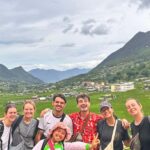
I especially like the way the route mixes non-touristy village paths with big scenery. The terrace fields show up “layer by layer,” and you’ll get time for photos at calmer spots instead of rushing. I also love that the guide’s explanation of ethnic daily life and customs turns the hike into something you actually remember.
One consideration: this walk can get messy. In wetter weather the start may be muddy, and the terrain can be slippery on steep sections, so you’ll want solid shoes and a careful pace.
In This Review
- Quick takeaways before you go
- Why this Sapa terrace trek feels like a real village visit
- Your 6-hour plan: pickup at 08:00–08:30, back by 14:00–14:30
- Trek difficulty: how “easy” stays easy, and where you still need care
- The terrace fields: why this route is so photogenic (and useful for learning)
- Lao Chai village and the ethnic life you can actually talk about
- Lunch with local foods: a smart way to keep the day from dragging
- Price and value: is $22 actually fair for what you get?
- Small-group hiking: why max 10 matters on muddy paths
- Photo stops and the waterfall break: when to slow down
- Weather reality: what to plan for in Sapa’s rainy-season treks
- Who this trek suits best (and who should rethink it)
- Should you book this Sapa 1-day terrace rice field trek?
- FAQ
- How long is the Sapa trek?
- What time does pickup happen, and when do I return?
- Is lunch included?
- Does the price include village entrance fees?
- What language is the guide?
- What is the group size?
Quick takeaways before you go
- Short and focused: 6 hours total, with a 14:00–14:30 return to Sapa town.
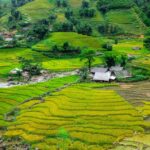
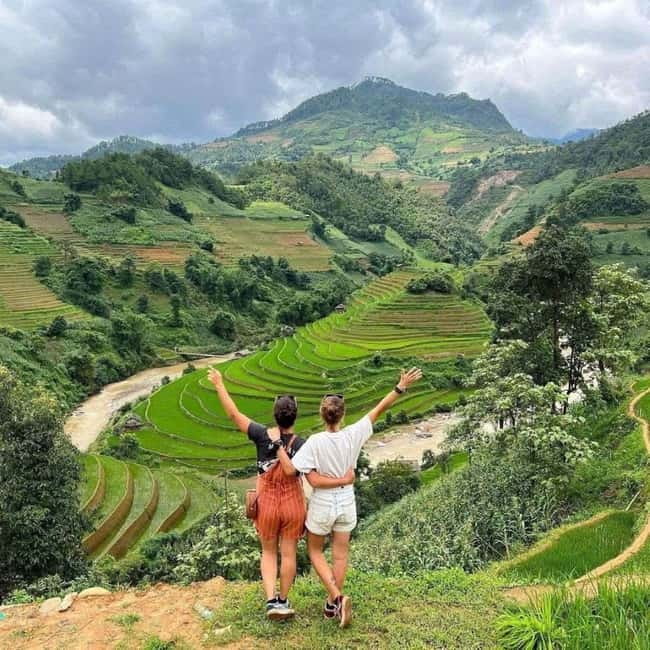
- Terrace fields on a guided route: rice, corn, and potato fields with photo breaks.
- Village time that feels personal: you walk through hamlets like Lao Chai and learn local habits.
- Lunch with local foods included: no need to hunt for a meal mid-trek.
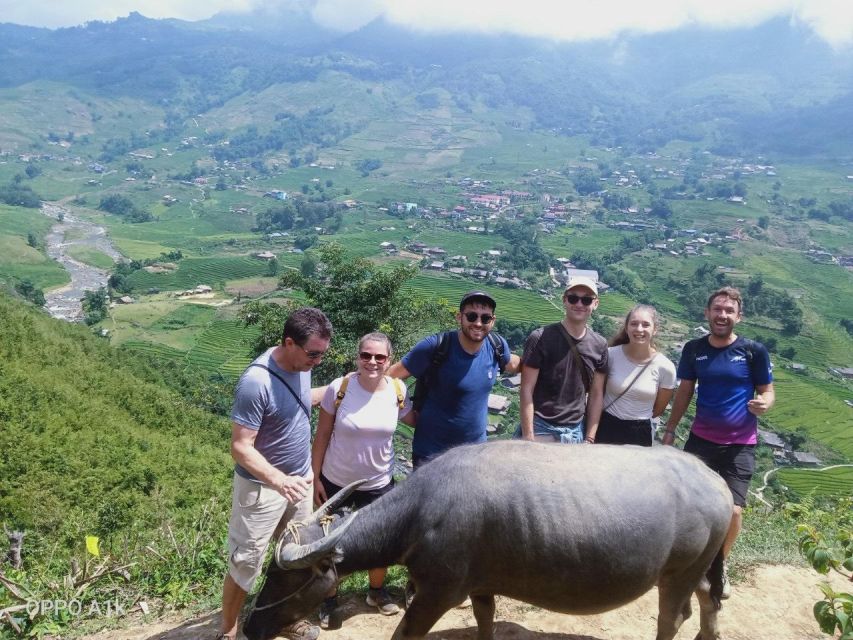
- Small group (max 10): easier pace control and more time to ask questions.
- Expect mud and steep walking: even a “doable” trek can be slippery, especially after rain.
Why this Sapa terrace trek feels like a real village visit
Sapa is famous for its hills and stitched-together terraced farms. But a lot of day tours turn those fields into a quick photo stop before moving on. This one-day trek keeps you moving through the farming zones while you also get time to see how everyday life works close up.
You’ll start in Sapa town and then gradually shift away from the streets. That matters, because you’ll notice the difference between town architecture and hillside homes. The guide is there not just to lead your feet, but to explain what you’re seeing—customs, habits, and daily routines tied to the landscape.
The best part is the balance. You get both the working-farm views and the human side of the hills. It’s the kind of tour where you may feel like you’re being introduced, not just shown around.
You can also read our reviews of more hiking tours in Sa Pa
Your 6-hour plan: pickup at 08:00–08:30, back by 14:00–14:30
The schedule is built around a single morning-to-afternoon push, so you can still enjoy Sapa later the same day.
08:00–08:30: Hotel pickup and start of the trek
A local guide picks you up in Sapa town. Then you begin walking right away, first with a route that lets you see town life and the background behind what you’ll later see in the villages.
From town into terrace and hillside paths
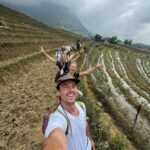
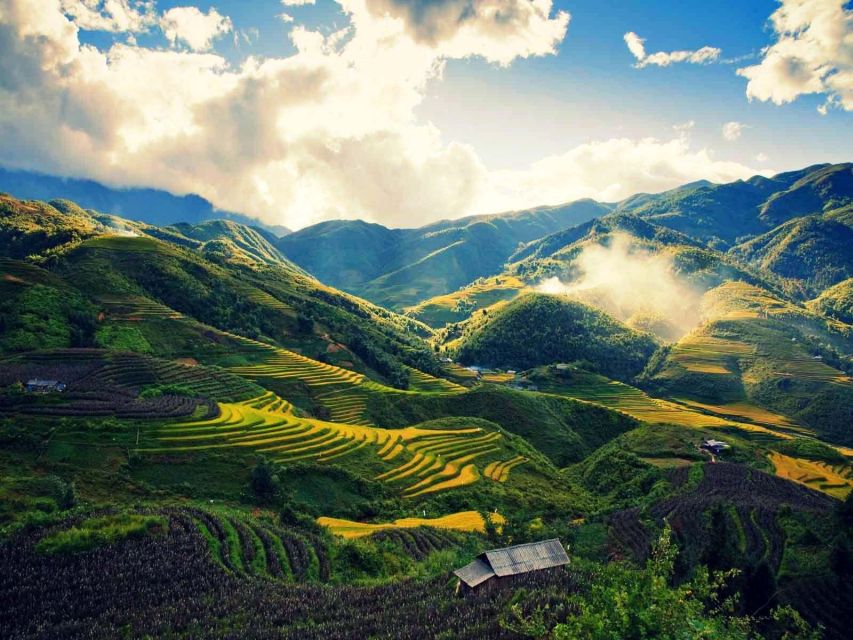
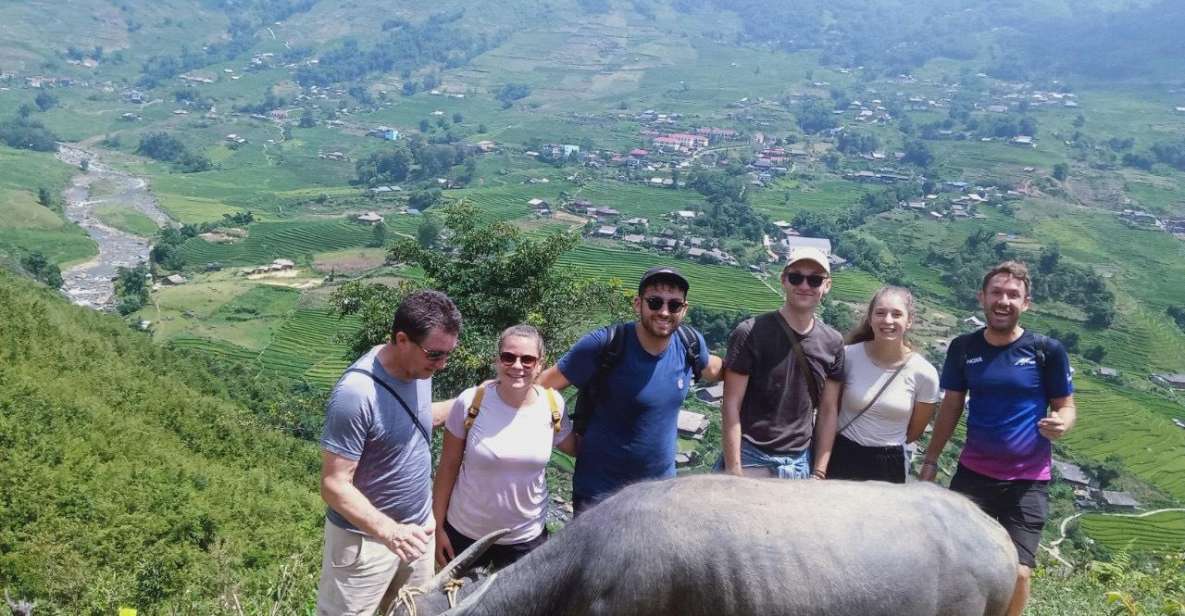
As you leave town, you step onto the non-touristy route through terrace rice fields, plus corn and potato areas. This is where the views start stacking up. You’ll walk terrace by terrace, which gives you lots of chances to pause, look, and take photos without feeling totally “park-and-walk.”
Village walking with cultural explanations
Along the way, the guide shares stories about local culture and daily habits. This isn’t a lecture the whole time, either. It’s timed to what you’re seeing—houses, daily routines, and how people use these hillside areas.
Lunch before the shuttle back
You stop for a meal at a local restaurant. Since lunch is included and described as local foods, you can expect more than a generic sandwich break. It’s also a practical reset before the shuttle ride back.
14:00–14:30: Drop-off in Sapa town
After lunch and the rest of the morning/early afternoon walking, you hop on a shuttle bus back to Sapa. The tour ends with drop-off at your hotel area in Sapa town.
Trek difficulty: how “easy” stays easy, and where you still need care
This is often described as a trek that’s manageable, not extreme. The real-world experience, though, depends on conditions.
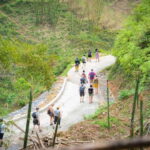
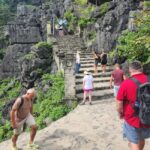
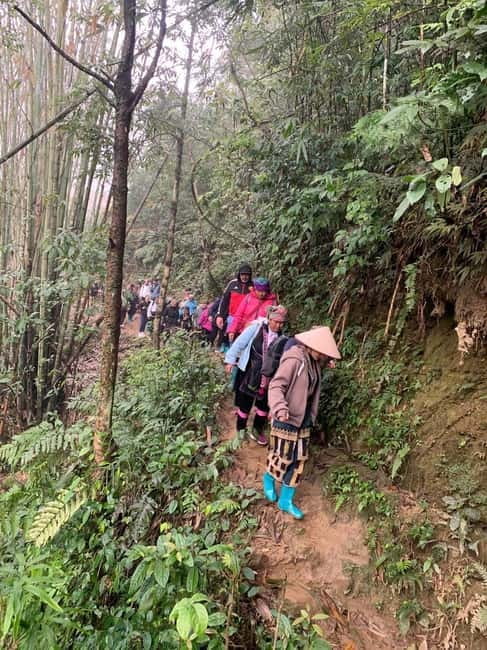
When the ground is wet, the start can be muddy. That means you’ll want shoes with grip and an attitude that says, yes, your pants might get a little dirty. One strong theme from people doing this in rainy season: steep sections can feel slippery, and you may slip or lose footing if you rush.
Also, this route has a lot of downhill walking. That’s great for enjoying the views, but it can be tough on your knees after a few hours. If you’ve got knee issues, go slower than you think you need to.
Practical tip: wear footwear you trust on slick dirt. If you plan to take photos often, keep your stance stable first, then raise your camera.
The terrace fields: why this route is so photogenic (and useful for learning)
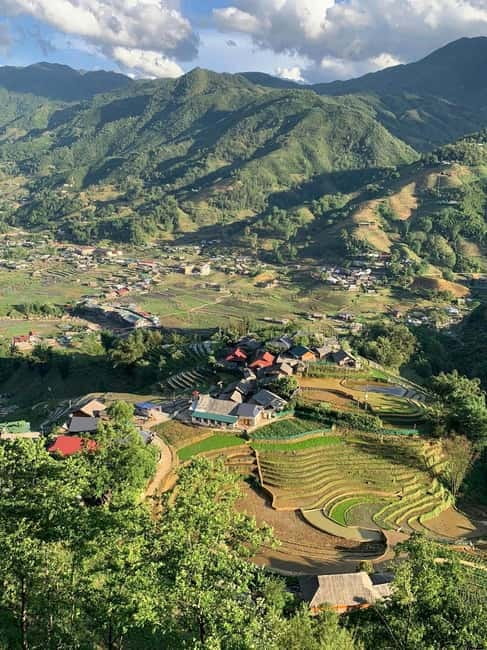
If you’ve ever seen photos of Sapa terraces, you already know the big reason people come. But walking through the terraces gives you a different understanding.
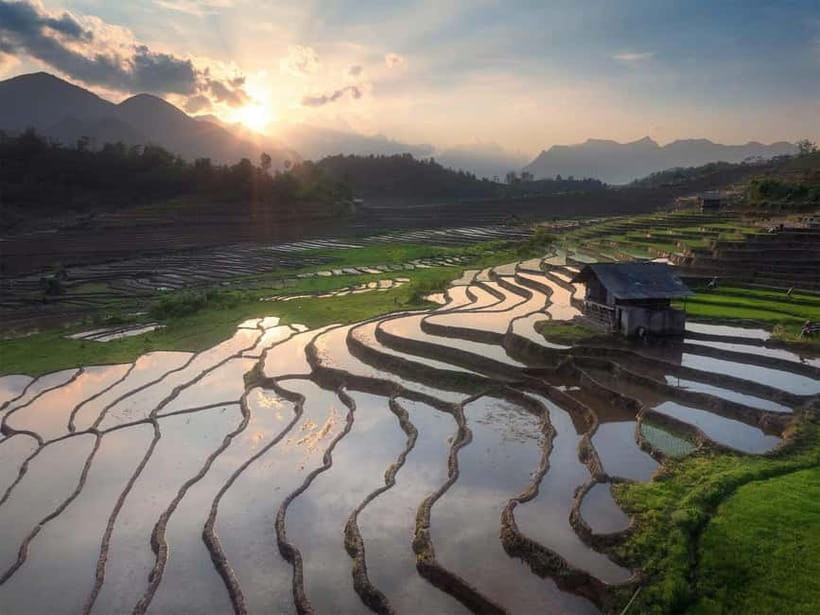
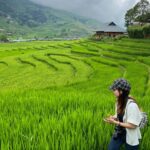
Walking terrace by terrace shows you how the land is shaped to grow crops. Instead of seeing one scenic corner, you see a whole working system—bunds, steps, and plots that look almost engineered. You’ll spot terrace rice fields plus corn and potato areas, which helps explain why the farms can look different across seasons.
You also get a calmer moment around a waterfall. It’s not just for a quick snapshot. It’s a chance to breathe, relax, and reset your eyes after steep walking.
If you care about photos, this tour is good because it doesn’t treat every second like a sprint. You get multiple photo times, not one forced stop.
Lao Chai village and the ethnic life you can actually talk about
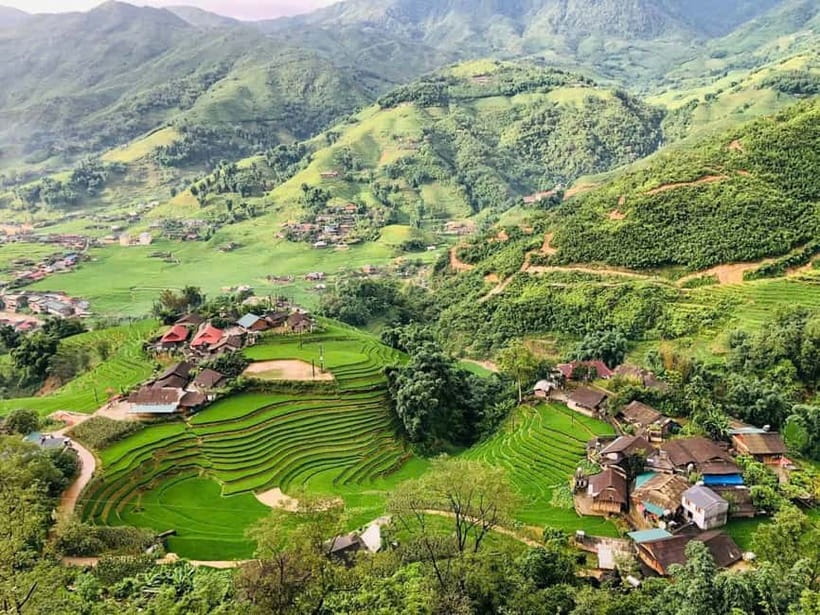
The standout village stop here is Lao Chai. It’s described as a small village on a tribe hill, and it’s the kind of place where the guide can put the scenery into context.
What makes this more valuable than a “pass through the village” stop is the guided element. The tour is set up to help you understand local life and customs while you’re walking. One of the best cues from the experience: you might even feel like you’ve been included in someone’s day rather than pushed through a checklist.
You’ll see simple houses and meet real rhythms of rural life. That doesn’t mean it’s a fantasy of untouched nature. It means you’re seeing people living where they live, working the way they work, and maintaining traditions that connect to how they farm and raise families on the hills.
A few more Sa Pa tours and experiences worth a look


Lunch with local foods: a smart way to keep the day from dragging
A lot of treks fail right at the meal. Either you lose time searching for food, or you get a meal that has no connection to the place.
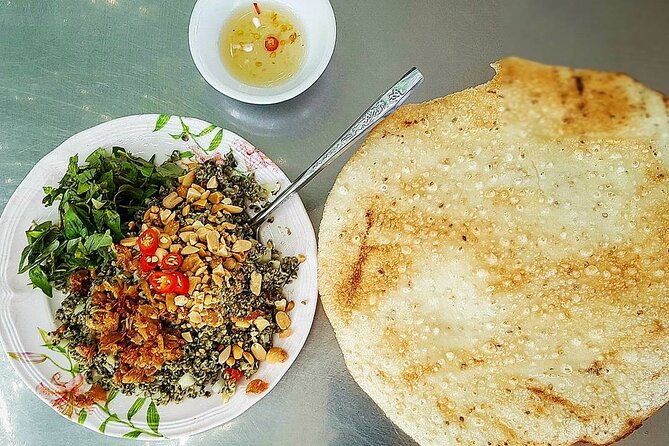
Here, lunch with local foods is included, which is a major time-saver. You can eat at a local restaurant before heading back by shuttle. Since the trek is about 6 hours, your hunger window happens fast. Having lunch built in keeps you from making that classic tourist mistake: eating too little early, then feeling sick or cranky later.
What I recommend: try what’s offered instead of hunting for something familiar. If you have dietary restrictions, this listing doesn’t spell out options, so your safest move is to ask before you go what the restaurant can accommodate.
Price and value: is $22 actually fair for what you get?
Let’s talk money in a way that helps you decide.
$22 per person for a 6-hour guided trek sounds small, and for a reason: you’re not paying for a long transfer day. You’re paying for a local guide, village access/entrance fees, lunch, and the shuttle back to town.
In plain terms, the price covers:
- Hotel pickup and drop-off in Sapa town
- Entrance fees for local villages
- An English-speaking local ethnic tour guide
- Lunch with local foods
- Trek route through terrace fields
- Shuttle bus back to Sapa
If you tried to do something similar on your own, you’d still need a guide who knows village routes and understands what to explain. You’d also likely pay for entry and end up spending more time coordinating transport.
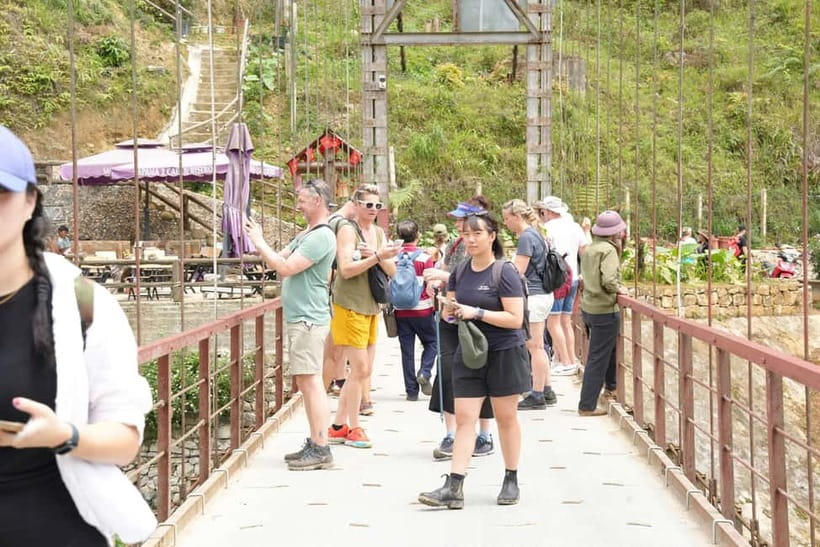
So yes, this is good value—especially because it’s a small group (max 10). Smaller groups often mean a better pace and more chance to ask questions without your guide feeling stretched thin.
Small-group hiking: why max 10 matters on muddy paths
A group cap of 10 participants isn’t just a comfort detail. It changes how the trek feels.
On uneven, slippery routes, the best tours aren’t the ones that move fastest. They’re the ones that keep everyone safe. With a smaller group, your guide can slow down when conditions are tricky, and you’re less likely to get separated.
Also, smaller groups are usually better for conversation. When you’re walking through villages and farms, questions pop up naturally. In a tiny group, you can actually ask those questions and get real explanations instead of short answers.
Photo stops and the waterfall break: when to slow down

You’ll have “many beautiful photo taking time,” and that’s a real advantage in Sapa.
Terrace farming creates perfect layers for pictures. But the best shots usually happen when you pause and look again after the first quick photo. The terraces can look different depending on where the sun hits and how you frame the bands of farmland.
The waterfall stop is especially nice for a break. It gives you a chance to step away from the walking rhythm, sit or stand somewhere safe, and take photos without feeling like you’re holding the group hostage.
Tip: if the ground is wet, don’t stand where the water runs off the path. Get your shot from stable ground, then move.
Weather reality: what to plan for in Sapa’s rainy-season treks
Sapa can be damp, and this trek can match that reality. When it rains, you’re dealing with two challenges at once: reduced traction and heavier mud.
If you’re going in late fall or winter when rain is likely, pack for slippery walking. Wear shoes made for wet trails, and expect that parts of the route could be harder than on a sunny day.
One more practical note: if you’re nervous about slipping, go slowly for the first hour. That’s when the trail can feel most uneven and where people sometimes get overconfident after the initial start.
Who this trek suits best (and who should rethink it)
This tour fits best if you want:
- A one-day way to experience Sapa terraces without staying out overnight
- Cultural learning through a local guide and ethnic village walking
- A moderate trek that still includes time to enjoy photos and a real lunch
You might reconsider if:
- You have serious knee or mobility problems. Downhill walking plus wet conditions can be rough.
- You dislike muddy trails. You don’t need to embrace grime, but you should be realistic that your shoes and clothes may take a hit.
If you’re the type who likes planning with flexibility, this is also a good fit. The day is scheduled tightly, but you’re not committing to a multi-day trek.
Should you book this Sapa 1-day terrace rice field trek?
I’d book it if you want a day in Sapa that mixes terrace farming, village life, and a guided explanation—without paying for a big production. The itinerary is simple and efficient, and the included lunch removes one of the biggest travel headaches.
I’d hesitate only if you’re extremely sensitive to slippery conditions or you need a very low-impact walk. In good weather, this trek is a satisfying half-day adventure. In wet weather, it asks for careful footing.
If your goal is to go beyond Sapa’s viewpoints and actually walk the hillside routes, this is one of the clearer, better-value ways to do it.
FAQ
How long is the Sapa trek?
The duration is 6 hours.
What time does pickup happen, and when do I return?
Pickup is typically between 08:00 and 08:30 in Sapa town. You’re dropped back at your hotel between 14:00 and 14:30.
Is lunch included?
Yes. Lunch with local foods is included during the tour.
Does the price include village entrance fees?
Yes. All entrance fees for the local villages are included.
What language is the guide?
The local ethnic tour guide speaks English.
What is the group size?
The group is limited to 10 participants.