REVIEW · SA PA
2-Day Fansipan Mountain Trek – Indochina’s Highest Peak
Book on GetYourGuide →Operated by Vietnam Nomadtrails · Bookable on GetYourGuide
Fansipan in two days is no joke. You start in Sa Pa, climb from Tram Ton up through bamboo and pine, and hit Vietnam’s top mountain for a likely sunrise show.
I really like two things here: the English-speaking guide who explains minority groups like the Black Mong, Red Dzao, and Dzay, and the meals on the trail (with hot tea/coffee at 5:00 AM) that make the long hiking days feel more doable. You’ll also get porters for food and sleeping bags, which helps you move without hauling everything.
The main drawback is that it’s a steep, long hike (around 26 km), with very basic sleeping conditions at night. In colder months, temperatures can drop close to freezing, and the standard sleeping setup may not feel warm enough unless you’re prepared.
In This Review
- Key highlights that make this Fansipan trek worth it
- From Sa Pa to Tram Ton: setting up your climb the right way
- Day 1: the ascent through pine, bamboo, and streams up to 2,800 meters
- Day 2: breakfast at 5:00 AM and the summit around 7:30 AM
- The food and water setup that makes this trek feel practical
- Guides and porters: where the culture learning actually happens
- Gear, cold nights, and the basic mountain reality check
- Price and value: what $120 includes and what can add up
- Who should book this trek, and who should pass
- Should you book the 2-Day Fansipan Mountain Trek?
- FAQ
- What’s the altitude of Mount Fansipan?
- How long is the trek?
- What time is the summit arrival targeted?
- What meals and drinks are included?
- Is a cable car ticket included?
- Where does the trek start?
- What about permits and fees?
- Is the trek suitable for kids or people with disabilities?
Key highlights that make this Fansipan trek worth it
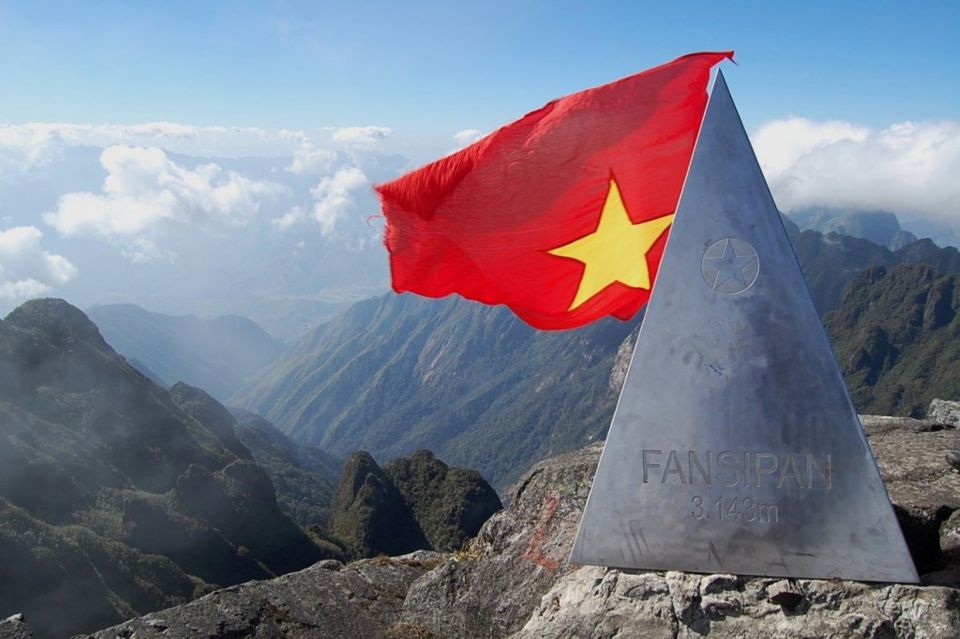
- Sunrise at the summit around 7:30 AM, with big valley views back toward Sa Pa and sometimes across toward China
- Indigenous culture lessons while hiking, with real-time context from your guide on Black Mong, Red Dzao, and Dzay communities
- Porters who carry the essentials (food and sleeping bags), so you hike with a lighter load
- Well-timed breaks like the picnic lunch at about 2,200 meters and another picnic during the descent
- Two overnight options in the mountains (hut, tent, or sleeping bag setup) to keep the trip truly “two days”
- A practical “out”: you can ask to use the cable car for descent if your legs are done
From Sa Pa to Tram Ton: setting up your climb the right way
Your trip starts in Sa Pa at Vietnam Nomadtrails. The plan is a morning check-in so you can get organized: store your larger luggage and get ready for the day’s first hiking start point. One part of the plan describes arriving early for a hot shower and prep, while the meeting time listed for the office is 8:00 AM. Either way, I’d treat this as a strict morning schedule and confirm your exact start time with your voucher or guide.
Before you move into the mountains, you’ll get a little time to get your bearings in Sa Pa Town. It’s a useful buffer. Fansipan is physical, so being calm at the start pays off later. Then you’ll drive toward Tram Ton pass, the trailhead for the ascent.
Tram Ton matters because it’s where the “real hike” begins. You’re leaving the more comfortable Sa Pa atmosphere and heading into the national-park type terrain: cool air, forest cover, and trail segments that turn into real climbing.
You can also read our reviews of more hiking tours in Sa Pa
Day 1: the ascent through pine, bamboo, and streams up to 2,800 meters
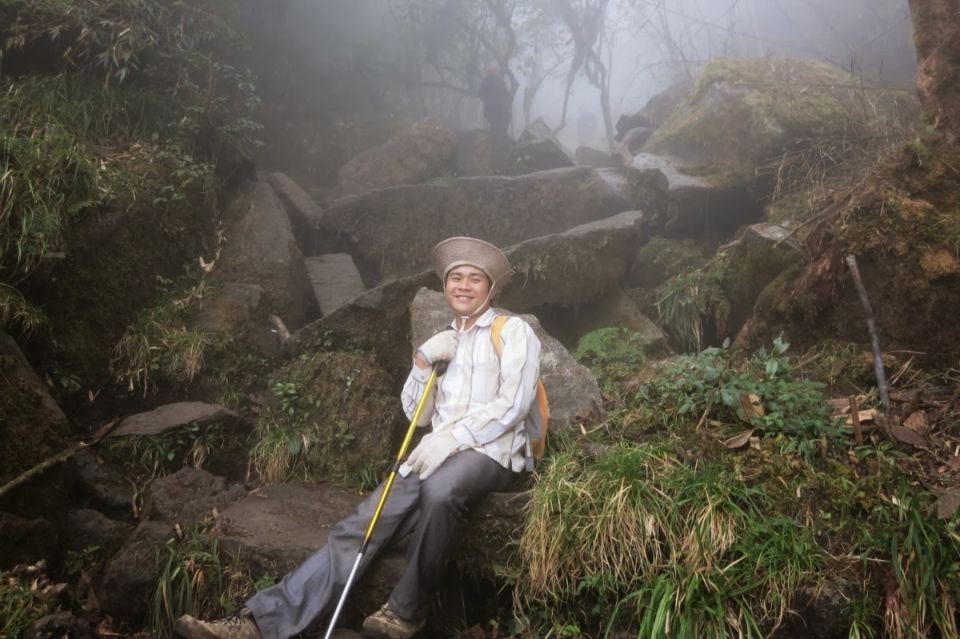
Day 1 is about building rhythm. You’ll be picked up, driven to Tram Ton, and then begin climbing toward Fansipan’s higher camp areas. Around here, the trek becomes less about sightseeing from a bus window and more about staying steady on uneven ground.
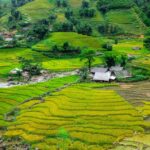
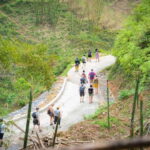
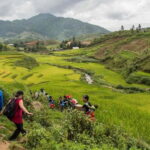
You’ll hike through forests of pine and bamboo with streams along the way. The cooler climate is part of the charm, but it also means you need to dress like someone going uphill in changing weather. If you go in expecting one warm temperature for the whole day, the mountain will correct you fast.
There’s also a strong cultural element during the climb. Your guide will share what they know about local minority communities—specifically Black Mong, Red Dzao, and Dzay. Your porter is described as coming from the Black Mong community and carrying food and your sleeping bag. That setup does more than reduce your load. It gives you a personal connection to how locals live and work in these landscapes.
By around noon, you reach roughly 2,200 meters. This is when you stop for a picnic lunch prepared for you on the trail. I like this style of break because it keeps your energy stable. You’re not rushing through hunger while trying to “power up” to the next camp.
After lunch and a bit of rest, you keep going to your sleeping point around 2,800 meters, typically reaching it around 4:00 PM. You’ll have time to rest and explore nearby surroundings while the guide and porter get dinner ready.
Dinner happens around 6:30 PM, and then it’s an early night. That timing is a big part of why this is a two-day trek instead of a three-day slog: you recover fast so you can wake up early for summit push.
What to watch for on Day 1: the trail can include rocky sections and ladders or steps (based on experiences shared by hikers). Even if you’re fit, your legs will feel it. Use short steps, keep your breathing steady, and don’t fight the slope.
Day 2: breakfast at 5:00 AM and the summit around 7:30 AM
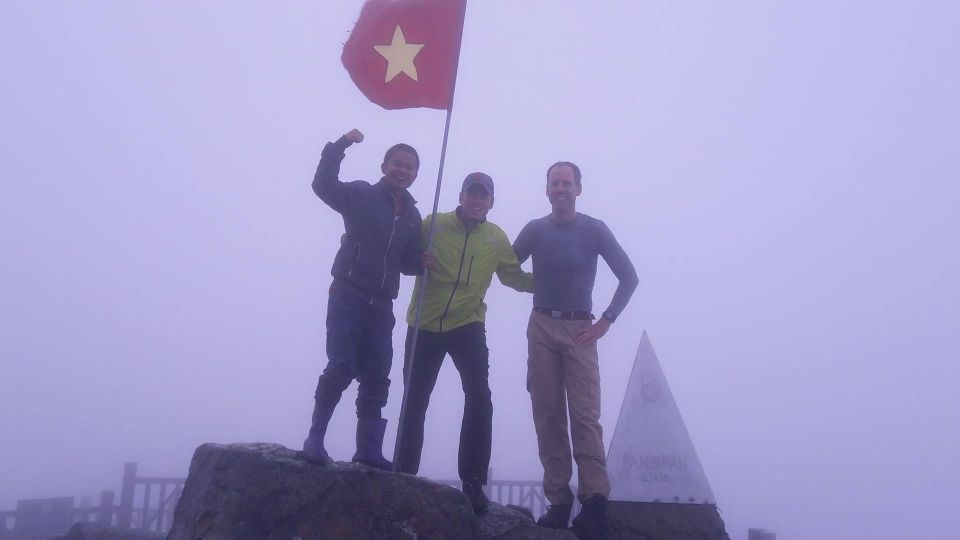
Day 2 starts early, with breakfast around 5:00 AM and hot tea or coffee. You’re likely to feel sleepy, which is normal. The trick is to eat enough so your body stops treating the cold climb like a betrayal.
Then you head back into bamboo forest and gradually approach the summit zone. As you gain altitude, vegetation changes and the trail feels more exposed—less “forest shelter,” more “mountain weather.”
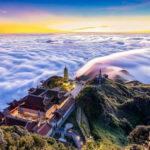
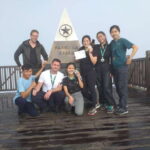
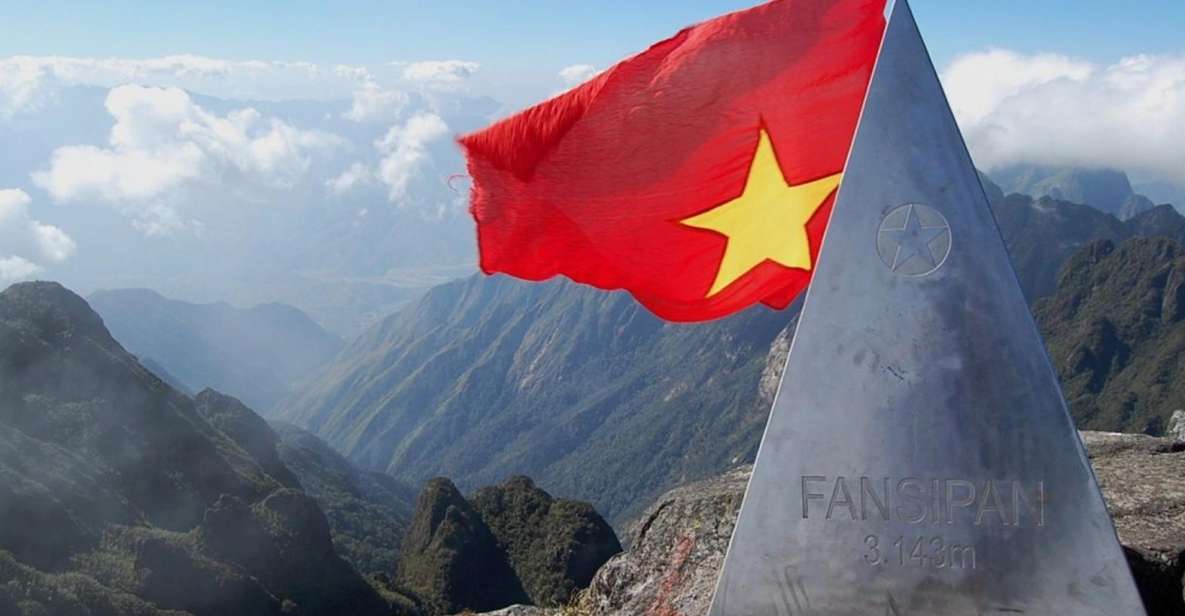
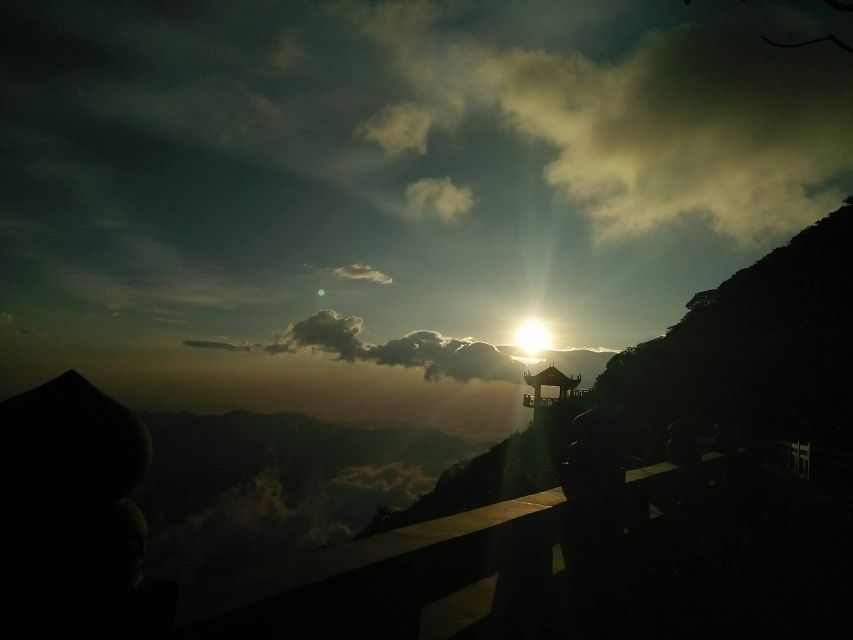
At about 7:30 AM, you reach the summit. The timing is built for sunrise views, and many people come for that exact moment: standing on the highest peak in Vietnam and watching the valley change as the light arrives. You’ll have views over Sa Pa valleys and Lai Chai Province. On a clear day, you can even spot distant mountains toward Yunnan Province in China.
You usually start descending around 8:00 AM. That early descent is smart. Summit time is short, and the real work becomes getting down without turning your knees into story-time injuries.
Around the way down, you’ll enjoy another picnic lunch. Eventually you return to Tram Ton between 3:30 and 4:30 PM. A car waits to take you back to Sa Pa.
Back in Sa Pa, you can use a hot shower at the office before continuing your own travel plans. Return from Sa Pa to Hanoi isn’t included, so you’ll need to handle that on your side.
What to watch for on Day 2: the descent can be tougher than you expect. Your quads work overtime. If you start to feel cooked, talk with your guide about alternatives early.
The food and water setup that makes this trek feel practical
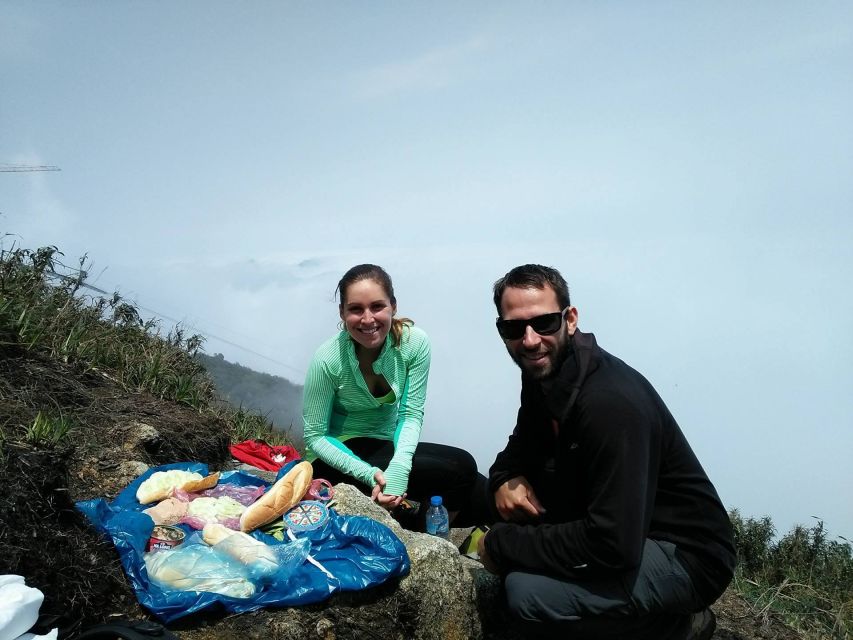
This trek is one of those adventures where the planning shows up in the small things. You get 1.5 liters of water per day included. That helps, especially on a cold day when you don’t feel thirsty but you still need fluids.
Meals are also covered: 2 lunches, 1 dinner, and 1 breakfast. They’re described as cooked and served in very rustic mountain conditions. I’d treat the food as “fuel, not fine dining,” but the upside is that you won’t be scrambling for snacks or paying hike-mountain prices for basic stuff.
One detail I appreciate: the early morning includes hot tea or coffee at breakfast. It matters more than it sounds. When you’re waking up in the dark to start climbing, warm liquid can be the difference between functional and miserable.
If you have dietary needs, you should inform the operator in advance—especially allergies or vegetarian requests—so your guide can plan accordingly.
Guides and porters: where the culture learning actually happens
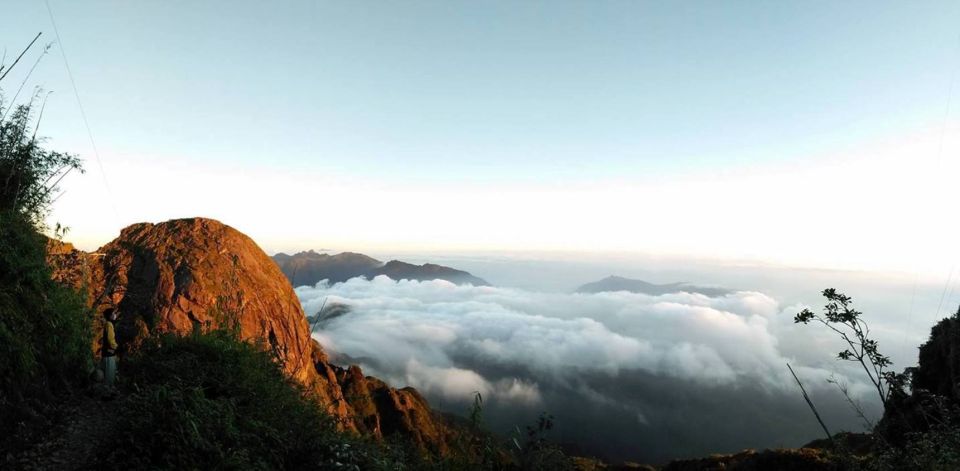
The biggest value in this tour isn’t only the summit. It’s the way you’re guided during the climb. Your English-speaking guide is the key to that: they’ll explain indigenous customs and introduce the minority groups living in the area, including Black Mong, Red Dzao, and Dzay.
You also get porter support. The tour describes the porter carrying food and your sleeping bag up the mountain. That is huge for comfort and safety, because carrying a sleeping bag in uneven terrain becomes a fast way to drain your energy. You’ll hike with less on your back and focus on footing.
One more practical note: in at least some cases, porters may not speak English. That shouldn’t stop the trek from being enjoyable, but it can mean a smaller chance for conversation with your porter specifically. The guide is there for interpretation and can translate the cultural context so you still get the meaning behind what you see.
If you happen to get a guide known for being especially upbeat and on-the-ball—names like Sinh show up in prior experiences—you’re likely to get more frequent viewpoint stops and a strong “are you okay” check-in. That kind of guiding is what turns a hard hike into a memorable one.
A few more Sa Pa tours and experiences worth a look
Gear, cold nights, and the basic mountain reality check
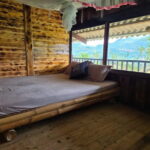
This is where honesty matters. You get accommodation included, described as sleeping bag, hut, or tent depending on the setup. You also get a sleeping bag as part of your included gear, but one experience notes that temperatures can drop to around zero degrees and the sleeping bags may not feel warm enough.
So here’s the practical takeaway: don’t pack like you’re going camping in summer. Even if you’re physically prepared, your comfort can get challenged fast at altitude. If you’re sensitive to cold, bring extra warmth where you can (and dress in layers that can handle wind and quick temperature swings).
Also, expect that mountain lodging is basic. One experience mentions the base camp feeling unorganized at times, and that can translate into less quiet while people move in and out. Plan to sleep lightly.
Finally, there’s the option of a cable car descent if you’re tired. Cable car tickets are not included, but you can ask your guide to help you buy one for descent at an added cost. This is a good safety valve for people who want the summit sunrise but need help on the way down.
Price and value: what $120 includes and what can add up
At $120 per person, this trek prices itself as a guided, fully supported mountain adventure rather than a self-guided scramble. Here’s why that matters.
Included:
- English-speaking guide
- Meals: 2 lunches, 1 dinner, 1 breakfast
- Water: 1.5 liters per day
- Permits and entrance fees
- Porter support for food and sleeping bags
- Transport to and from the trekking starting point
- Hot shower at arrival and at the end
- Accommodation (sleeping bag and hut/tent setup)
Not included:
- Cable car ticket for descent (listed as 800,000 VND, and described as an optional purchase if you feel tired)
- Drinks
- Travel insurance
- VAT
- Sapa to Hanoi transport (on your charge)
- Lunar New Year surcharge during the dates listed (an extra $70 is mentioned for a specific period)
To judge value, I ask a simple question: would you rather pay someone to handle logistics so you can focus on hiking? For $120, you’re paying for permits, guide knowledge, food handling, porter help, and those mountain meals. That’s the bulk of the “real work” behind a high-peak hike.
If you’re going during Lunar New Year dates, expect the cost to jump. And if you’re a solo traveler, private tour pricing is listed separately (higher than the standard per-person rate). The standard tour is the sweet spot for cost control.
Who should book this trek, and who should pass
This is a fit, purposeful trek. It’s not described as easy. The trek is roughly 26 kilometers total and includes steep and sometimes rough sections (boulders, steps, ladders are mentioned in one firsthand experience). Because of that:
Best for:
- You enjoy hiking and have strong legs for steep terrain
- You want sunrise at the summit and don’t mind basic conditions
- You like cultural context and want your guide to explain minority life, not just point at scenery
Proceed with caution if:
- You’re prone to getting cold at night or you haven’t hiked in chilly mountain weather
- You need help on descents; the cable car option is a real backup
Not a match if:
- You’re looking for a gentle stroll
- You have disabilities that make steep, rocky hiking unsafe (the trek is listed as not suitable for those with disabilities)
- You’re traveling with children under 17
- You’re elderly; the guidance specifically advises elderly people not to do the long trek
Should you book the 2-Day Fansipan Mountain Trek?
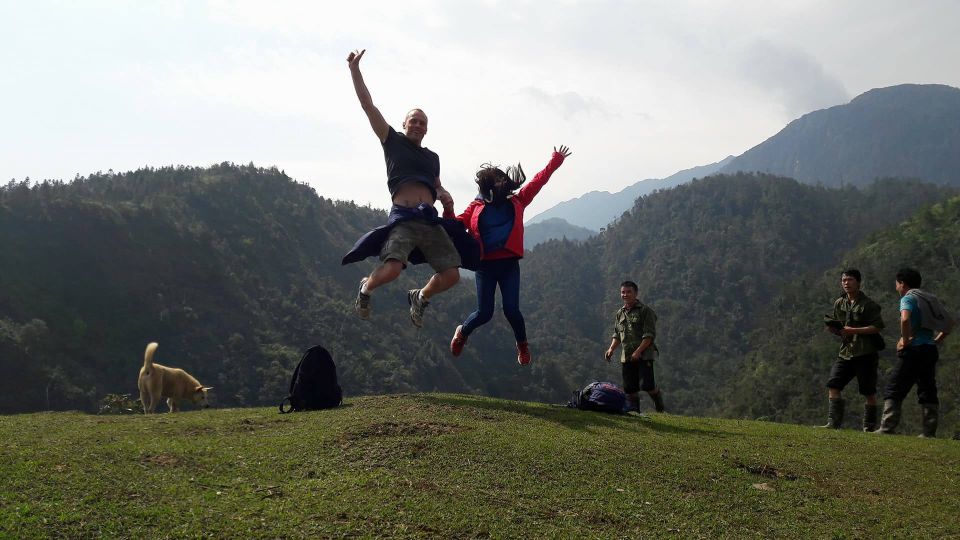
I think you should book this if your priority is Vietnam’s highest peak plus a guided experience that adds cultural learning. The summit timing around 7:30 AM and the focus on breakfast-to-summit pacing make sense. The guide-led explanations of Black Mong, Red Dzao, and Dzay add a human layer that you won’t get from a purely physical hike.
Don’t book if comfort is your main goal. This is a steep, cold, basic-night kind of adventure. If you can handle that trade—early mornings, cold temperatures, and downhill leg burn—you’ll probably love it.
If you do book, prepare smart: pack for cold nights, bring layers, and don’t treat the descent lightly. And if you’re worried about stamina, remember you can ask about the cable car option during descent.
FAQ
What’s the altitude of Mount Fansipan?
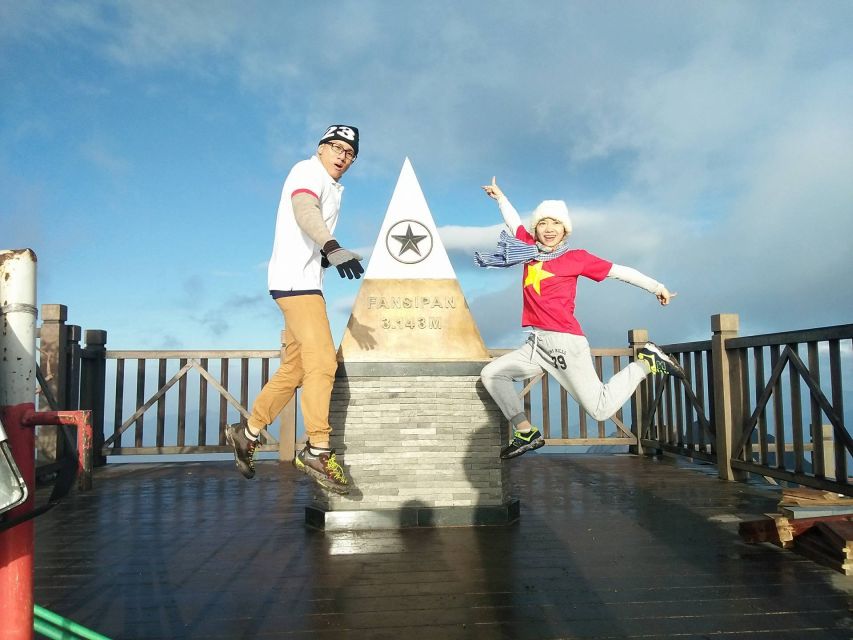
Mount Fansipan is listed as 3,143 meters.
How long is the trek?
It’s a 2-day trek.
What time is the summit arrival targeted?
You’re scheduled to arrive at the summit around 7:30 AM.
What meals and drinks are included?
You get 2 lunches, 1 dinner, and 1 breakfast, plus 1.5 liters of water per day. Drinks are not included.
Is a cable car ticket included?
No. Cable car tickets are not included. You can ask your guide to buy a cable car ticket for the descent if you feel tired.
Where does the trek start?
The starting point is at Vietnam Nomadtrails in Sapa town (No 013 Tue Tinh str).
What about permits and fees?
Entrance fees and permits are included.
Is the trek suitable for kids or people with disabilities?
The trek is not suitable for children under 17, and it’s not suitable for those with disabilities. Elderly people are advised against the long trek.