REVIEW · SA PA
From Sa Pa: 5-Hour Muong Hoa Valley Trek and Ethnic Tribes
Book on GetYourGuide →Operated by Vietnam Nomadtrails · Bookable on GetYourGuide
Rice terraces meet tribal villages.
A 5-hour Muong Hoa Valley trek from Sa Pa turns simple walking into real-life encounters with ethnic communities and big views of the paddies.
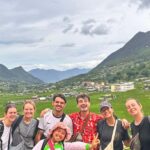
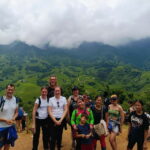
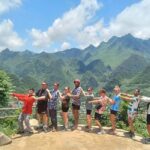
I love the way this route mixes Black Hmong village visits with steep, scenic rice-terrace walking. I also like the human scale of the day: small group sizes up to 14, an English-speaking guide, and local helpers who know exactly how to get you through muddy sections (guides like Sang, Su, Sai, and local helpers such as Dong show up again and again).
One thing to consider: this is a challenging 10-kilometer trek that can get slippery and dangerous in wet weather, so it’s not a “casual stroll” day—especially for seniors, kids under 6, or anyone with mobility limits.
In This Review
- Key highlights to know before you go
- Why the Muong Hoa Valley trek feels more personal than a quick hike
- Getting from Sa Pa to the trail: short road walking, then village life
- Y Linh Ho Black Hmong village: markets, everyday routines, and respectful curiosity
- Lao Chai rice terraces: the view is the reward, but the footing is the reality
- Lunch by the river: local produce and a chance to reset
- Ta Van village crafts: weaving and rice cultivation you can actually connect to
- Dzay tribe contrast: comparing customs and costumes in plain sight
- Trek pace and terrain: what a “5-hour” day really means
- What the $25 price buys you (and where the extra costs can appear)
- Who should book, and who should skip this one
- Tips to make the day smoother (and more respectful)
- Should you book the 5-hour Muong Hoa Valley trek?
- FAQ
- How long is the Muong Hoa Valley trek?
- Where does pickup happen, and where are you dropped off?
- What is included in the $25 price?
- What is not included?
- How big is the group, and what language is the guide?
- How challenging is the trek?
- Is this tour suitable for children or people with mobility issues?
- Is there an extra fee during Lunar New Year?
Key highlights to know before you go
- Black Hmong village time at Y Linh Ho with market and everyday life moments
- Lao Chai rice-terrace viewpoints that earn your camera time
- Lunch near the river with local produce from the Black Hmong community
- Ta Van craft stops focused on weaving and rice cultivation at traditional houses
- Dzay tribe contrast for customs and costumes compared to the Black Hmong
- Up to 14 people with English guidance and local women helpers on the walking sections
Why the Muong Hoa Valley trek feels more personal than a quick hike
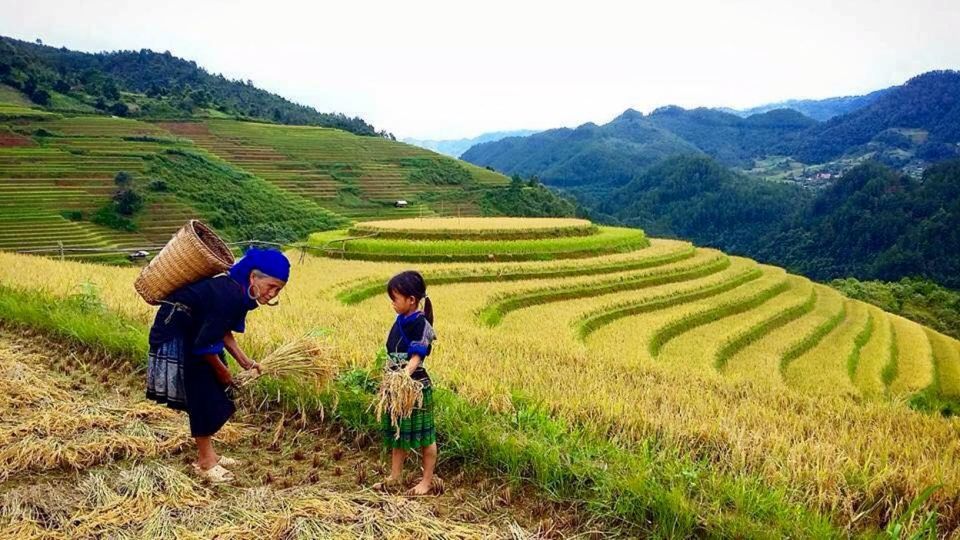
Sa Pa is full of viewpoints. This trek is different. You don’t just look at the hills—you walk through the places where people grow rice, weave textiles, trade goods, and keep daily routines moving.
The big win is timing and pacing. You get a full mix of rice terraces, village visits, and cultural context in about 5 hours, but the route still includes real walking. That keeps it from feeling like a drive-by photo stop.
The other reason it feels personal is the small-group setup—limited to 14 participants—and the presence of local women who help on the path when footing gets tricky. In practice, it means you’re less likely to feel lost or ignored, even on slippery terrain.
You can also read our reviews of more hiking tours in Sa Pa
Getting from Sa Pa to the trail: short road walking, then village life
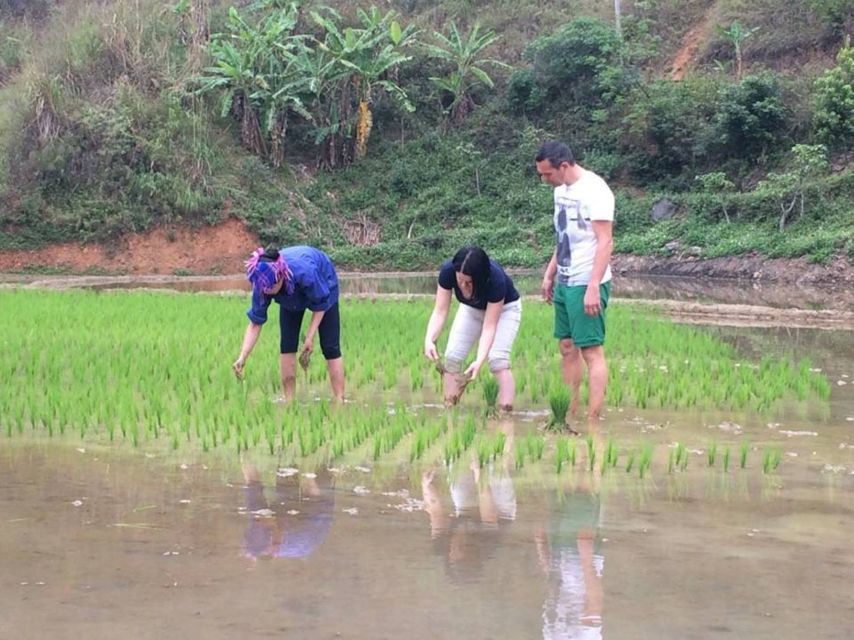
You start in Sa Pa and head toward the Muong Hoa Valley. There’s a short stretch along the road—about 20 minutes of walking—before you settle into the village-and-terrace route. That road section matters more than it sounds. It helps you ease into the day and gives you a first glance at how the valley connects to daily life.
Then the tour shifts into community mode. You’re not just traveling through rural scenery; you’re arriving at places where visitors are usually the exception, and the guide is there to translate what you’re seeing.
Pickup is included, but only from hotels in Sa Pa town. If your hotel is outside that zone, you may need to make your own way to the meeting point.
Y Linh Ho Black Hmong village: markets, everyday routines, and respectful curiosity
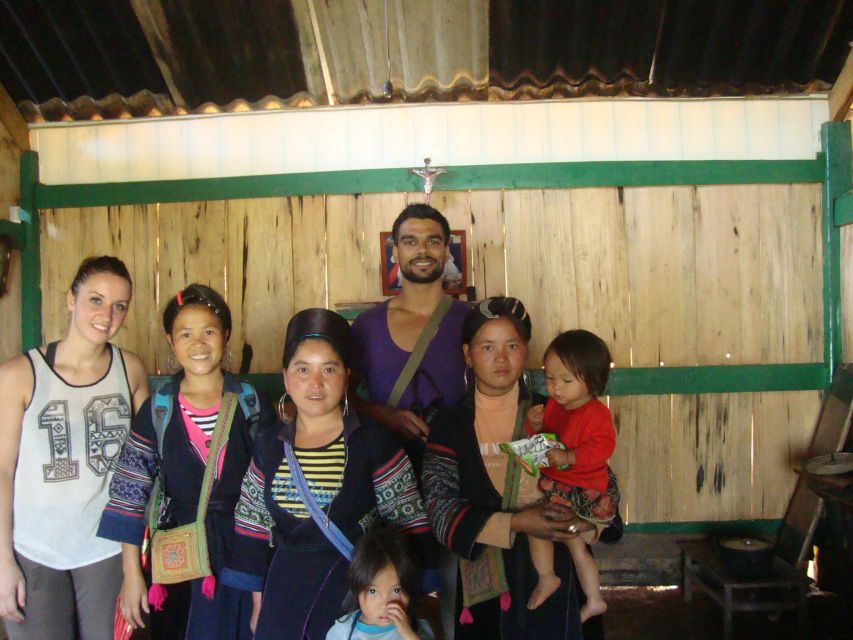
The day opens in the Y Linh Ho village of the Black Hmong. This is where the tour stops feel most grounded. You get time to visit and interact with locals and see part of daily life, including the market scene.
What I like about this stop is the balance. You’re not only handed a script of facts. You’re placed in the flow of community life—people going about normal tasks, textiles and goods visible, conversations happening through the guide’s interpretation.
A practical note: this is one of those places where photography rules actually matter. You should respect local culture, and the tour guidance is clear: don’t take pictures of children without their parents’ permission, and avoid touching children’s heads.
Lao Chai rice terraces: the view is the reward, but the footing is the reality
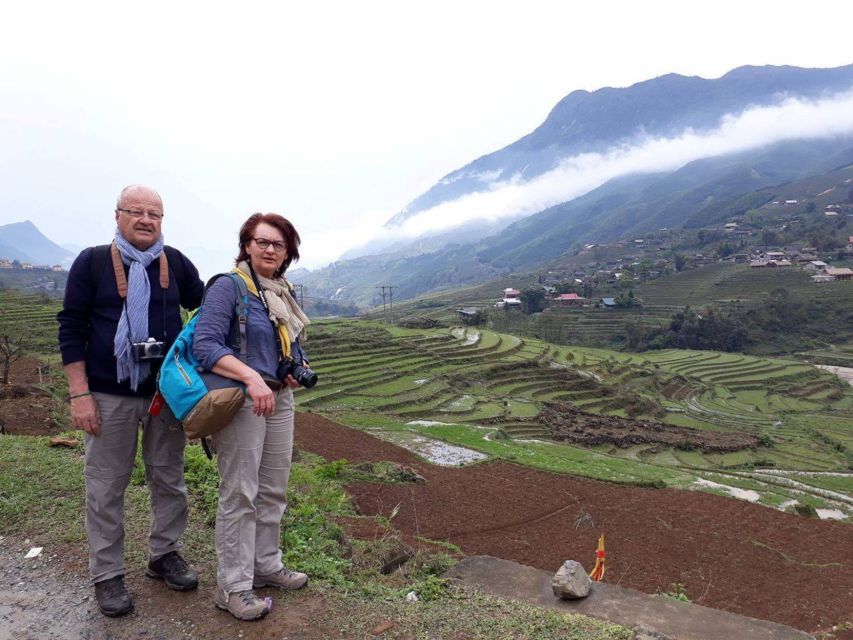
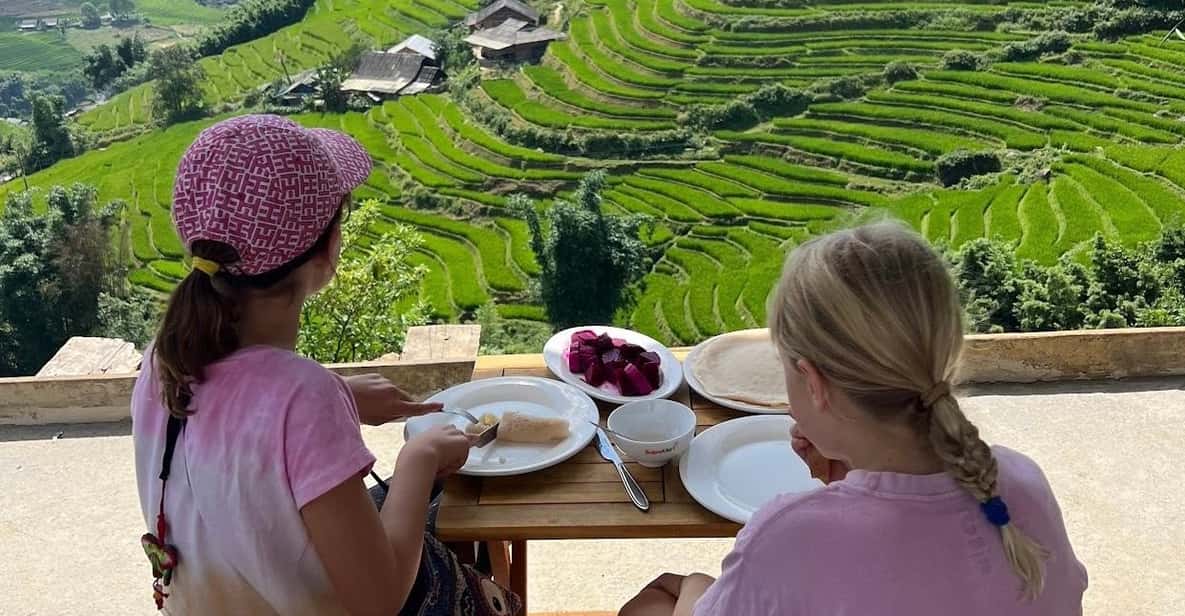
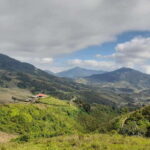
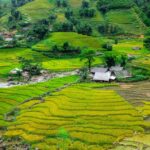
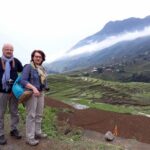
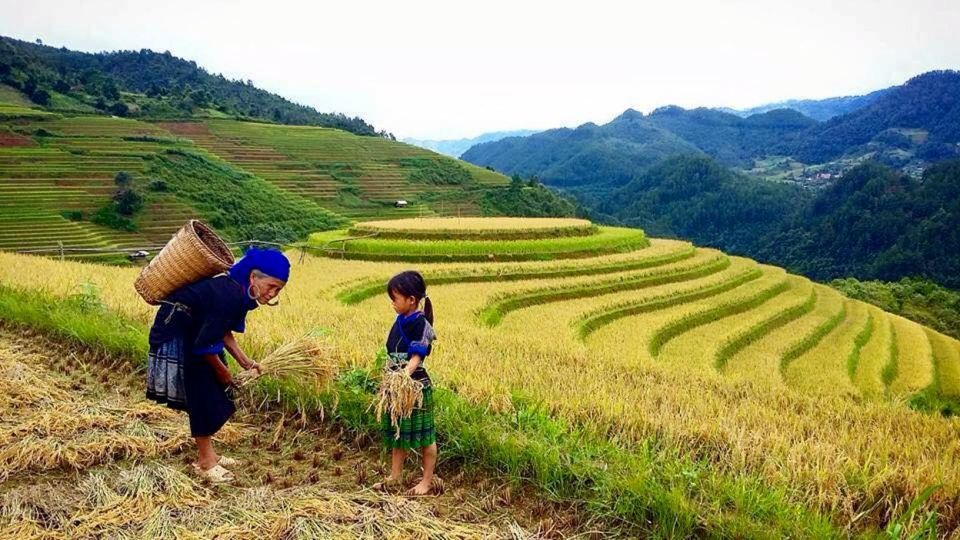
After Y Linh Ho, the route continues toward Lao Chai, where you’ll see some of the most beautiful rice terraces in Vietnam. This is the “wow” segment, but it’s not a flat, easy stroll to the best view.
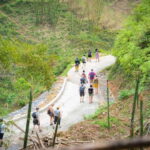
Expect a mix of dirt paths and uneven ground that can get slippery—especially if the weather has turned wet. Even when the scenery is spectacular, your body is doing real work. Several guides and local women help with safe descents and tricky sections, so don’t be shy about slowing down.
If you’re visiting in the cooler months, you might also hit mornings with thick fog. Fog can dull the view, but it also changes the feel of the valley. Either way, wear shoes you trust.
Lunch by the river: local produce and a chance to reset
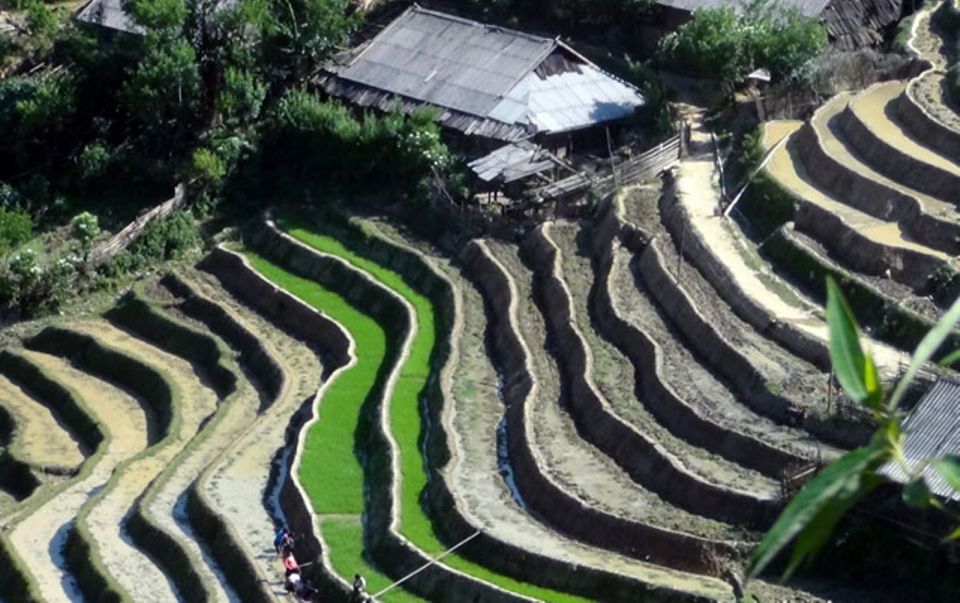
Lunch is served near the river. It’s included, and it’s tied to the Black Hmong community’s local produce. In a day like this, a real meal is more than a break—it’s what lets you keep going through the afternoon without turning the trek into a survival mission.
That said, lunch quality can vary depending on day and setup. Some people describe it as tasty and filling with good variety. Others found it basic. Either way, plan for local flavors and keep your expectations realistic for a village meal.
Also, you’ll likely be offered handmade items during the meal. Some people love this as a straightforward “thank you” purchase. Others feel pressured. Your best move is simple: decide in advance what you’re comfortable spending, and treat buying as optional, not mandatory.

Ta Van village crafts: weaving and rice cultivation you can actually connect to
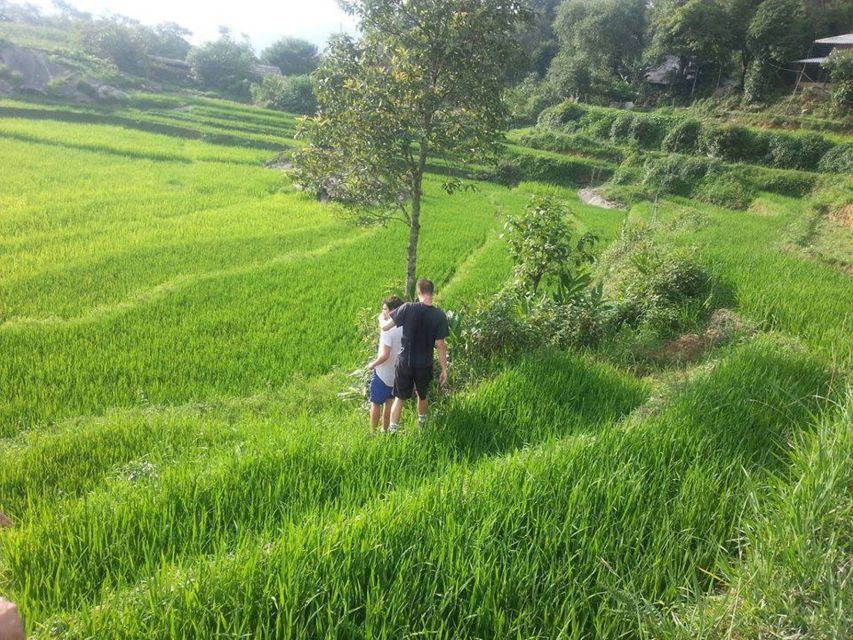
Next up is Ta Van village, where you visit local houses and learn more about traditional crafts. The focus here is practical and visual: weaving and rice cultivation.
This part clicks if you’ve already seen the terraces earlier. You start understanding how the landscape and the craft connect. Rice cultivation isn’t a distant concept—it’s part of the work behind the textiles, daily routines, and local know-how.
What to expect: house visits are usually more about conversation than a formal museum experience. Your English-speaking guide helps translate, and you’ll often have a chance to ask questions about what you’re seeing. Just keep your tone respectful and your questions curious, not intrusive.
Dzay tribe contrast: comparing customs and costumes in plain sight
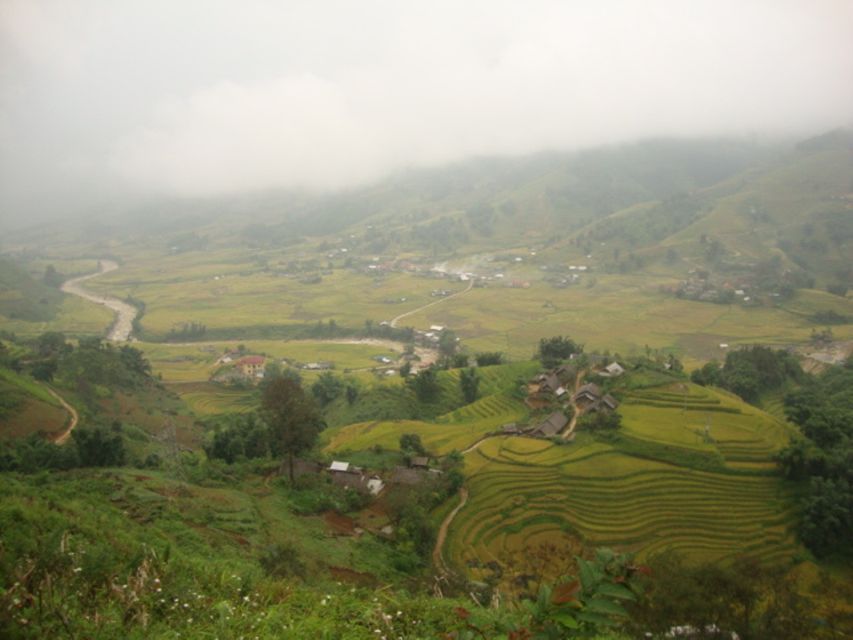
Later, the trek brings you into contact with members of the Dzay tribe, giving you a chance to contrast customs and costumes with what you saw among the Black Hmong.
This is where the cultural value of the trip becomes clear. The goal isn’t to rank one group over another. It’s to show how different communities in the same region solve daily life in their own ways—through clothing, practices, and social rhythms.
Because it’s a village-to-village day, you’ll notice the differences visually first, then through the guide’s explanations. If you like cultural context paired with real observation, this section is a strong payoff.
Trek pace and terrain: what a “5-hour” day really means
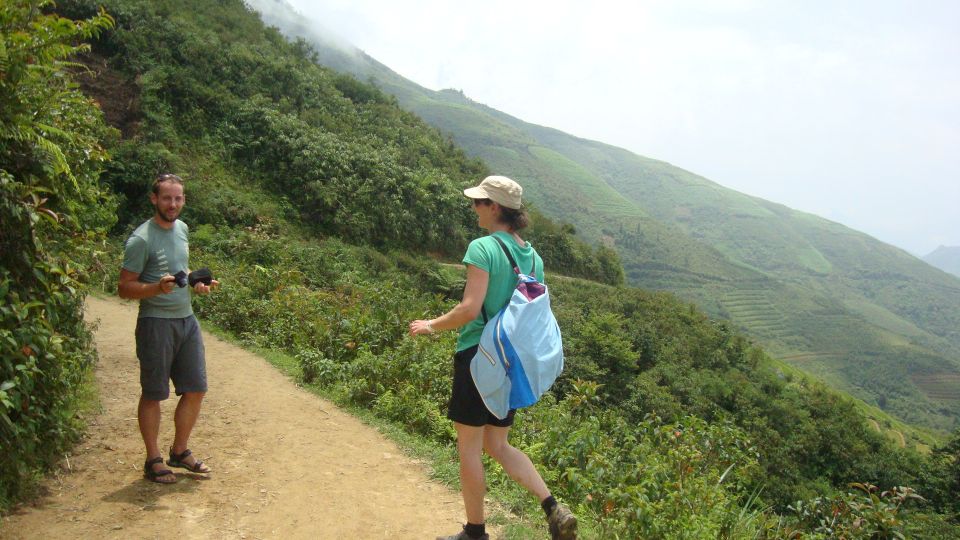
The schedule says 5 hours, but the trek itself is described as a 10-kilometer walk, and some parts can be steep and uneven. This matters because the time feels “efficient,” but it’s still physical.
In wet conditions, expect mud and slick footing. Reviews back this up with recurring themes: local women helpers stepping in when descents get sketchy, slippery rice-field terrain, and the need for trekking boots rather than casual sneakers.
Here’s my practical advice:
- Wear proper trekking shoes with grip.
- Bring insect repellent and sun protection even on cloudy days.
- Expect slower pace if it’s muddy. Safety beats speed.
Warm clothes are recommended between October and March, and you’ll feel that advice once the temperature dips or fog rolls in.
What the $25 price buys you (and where the extra costs can appear)
At $25 per person, this tour is priced like a value day trip, not a premium private guide experience. The important part is what’s included:
- Bus transportation
- An English-speaking guide
- Entrance tickets to the listed sites
- Lunch
Not included: drinks, travel insurance, VAT, and personal expenses. So if you want water, juice, or anything beyond lunch, you’ll pay separately.
There are also Lunar New Year surcharges. The details given for Lunar New Year include examples of additional fees paid directly at the meeting point (listed amounts include 20 USD per person for one Lunar New Year window and 30 USD per person for another). If your trip overlaps those dates, budget for it.
The biggest “hidden” cost isn’t in the paperwork—it’s how you choose to interact with the local sellers. You can buy handmade items after you see the effort behind them. Just don’t let fatigue or pressure steer your wallet.
Who should book, and who should skip this one
This tour is best for people who want a short day with both views and village context—and who feel comfortable walking on uneven, sometimes slippery ground.
It’s not suitable for:
- People with mobility impairments
- Wheelchair users
- Pregnant women
- Children under 6
- Pets are not allowed
Senior citizens are advised not to do the 10-kilometer trek, especially in wet weather, because it can become dangerous. If you’re older, think carefully about footing and stamina.
If you’re fit and enjoy cultural interactions, this trek is a strong use of limited time in Sa Pa. One real advantage: it can work well even if you only have a day to spare, because the route packs multiple stops into that 5-hour window.
Tips to make the day smoother (and more respectful)
Small choices make a big difference on a village trek.
- Bring gear that matches the conditions: trekking shoes, sunglasses, sun cream, insect repellent.
- Dress for October–March weather with warm layers.
- Follow the photo guidance: don’t photograph children without parental permission, and keep hands off.
- If you’re offered items during the day, decide what you’re comfortable with ahead of time. The purchase is optional, and you can still be appreciative without spending.
Also, keep your expectations realistic about travel timing. Even with good organization, bus pickups and meet points can vary if your hotel is far from the included pickup zone.
Should you book the 5-hour Muong Hoa Valley trek?
Book it if you want a short, intense dose of rice terraces plus real village visits. It’s great value for what you get: transport, an English guide, entrance tickets, and lunch, all wrapped into a small-group day that still feels like you’re moving through lived-in rural areas.
Skip it if you’re looking for an easy walk. The route is described as challenging at 10 kilometers, with steep and slippery sections in wet conditions. If that kind of footing scares you, choose a gentler option instead.
My take: this is one of those Sa Pa experiences where the best part isn’t a single view—it’s the chain of moments, from Y Linh Ho to Lao Chai to Ta Van and on to the Dzay tribe contrast, all stitched together by a guide and local helpers who keep the day moving.
FAQ
How long is the Muong Hoa Valley trek?
The tour duration is listed as 5 hours. Starting times depend on availability.
Where does pickup happen, and where are you dropped off?
Pickup is included from hotels in Sa Pa town only. After the trek, you return by bus and are dropped off at a local office upon arrival in Sa Pa.
What is included in the $25 price?
The included items are bus transportation, an English-speaking guide, entrance tickets to the indicated sites, and lunch.
What is not included?
Drinks, travel insurance, VAT, and personal expenses are not included.
How big is the group, and what language is the guide?
It’s a small group limited to 14 participants, and the guide is English-speaking.
How challenging is the trek?
The trek is described as a 10-kilometer walk and can be challenging and dangerous in wet weather. Trekking shoes are recommended, and warm clothes are advised between October and March.
Is this tour suitable for children or people with mobility issues?
It’s not suitable for children under 6 and it’s also not suitable for people with mobility impairments, including wheelchair users.
Is there an extra fee during Lunar New Year?
Yes. A Lunar New Year surcharge is listed, paid directly on the trip/at the meeting point, with amounts shown as 20 USD per person for one Lunar New Year window and 30 USD per person for another.