REVIEW · SA PA
SAPA: 1-DAY TREKKING TOUR WITH LOCALS, LUNCH & RICE FIELDS
Book on GetYourGuide →Operated by VietNam Venture · Bookable on GetYourGuide
Rice terraces, real people, and a slow walk. This Sapa trek connects you with the Black Hmong and Giay communities and finishes with a peaceful meal by the Muong Hoa stream. I like that the day centers on small-group time with local guides, including women such as Linh and Mamacita, who share how village life actually works. I also like that you’re not just looking at views; you’re hearing about farming and traditions as you walk from Y Linh Ho into Lao Chai and onward to Ta Van.
What I like most is the way the trek is structured around daily life: rice terraces on steep slopes, and even traditional indigo dyeing techniques tied to Hmong textile culture. You also get the kind of home-style lunch that makes the afternoon feel like a visit, not a museum stop.
One thing to consider: the route can be muddy and uneven, with some steep steps and slippery sections if the weather turns. The tour runs at a moderate fitness level, so plan for wet ground and bring the right footwear and socks.
In This Review
- Key things you’ll notice on this Sapa trek
- Sapa Stone Church start: where the valley adventure begins
- Y Linh Ho (Black Hmong): rice terraces and textile stories
- The uphill rhythm: what a “moderate” trek really means
- Lao Chai lunch by the Muong Hoa stream: stilt house comfort
- Ta Van afternoon: Giay village calm, bamboo paths, and quiet time
- Getting back to Sapa: transport that keeps the day realistic
- Who’s guiding you: local women, family hospitality, and small-group pacing
- Price and value: what you really get for about $20
- What to bring for muddy steps and mountain weather
- A note on the format mix: 1-day trek vs 2-day homestay
- Who this trek is best for (and who should skip)
- Should you book this Sapa trek?
- FAQ
- Where is the meeting point for the trek?
- What time does the trek start?
- Is lunch included?
- What fitness level do I need?
- What should I bring?
- Does the tour include transport back to Sapa?
- Final decision: book or not
Key things you’ll notice on this Sapa trek
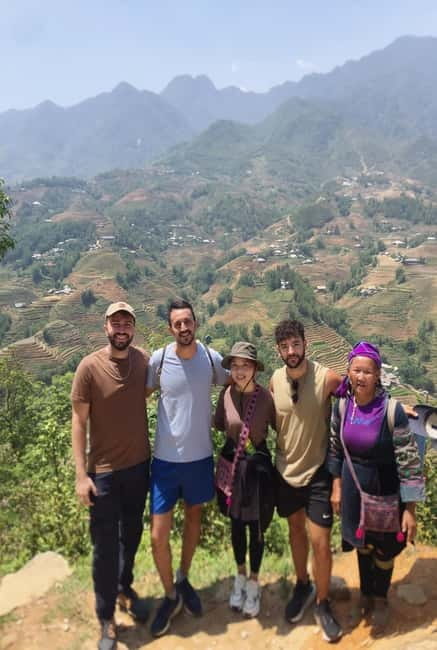
- Y Linh Ho sets the tone with Black Hmong rice terraces, starting the trek deep in the valley.
- You’ll walk past real farmland on terraced hillsides, not staged viewpoints.
- Indigo dyeing and textile traditions show up as part of the cultural explanation along the way.
- Lao Chai lunch happens by the Muong Hoa River in a traditional stilt house setting.
- Ta Van shifts to a quieter Giay village rhythm, with bamboo forests and peaceful paths in the afternoon.
- Guide-led pacing stays personal thanks to the small-group format (and sometimes extra help like Wellington boots on muddy days).
Sapa Stone Church start: where the valley adventure begins
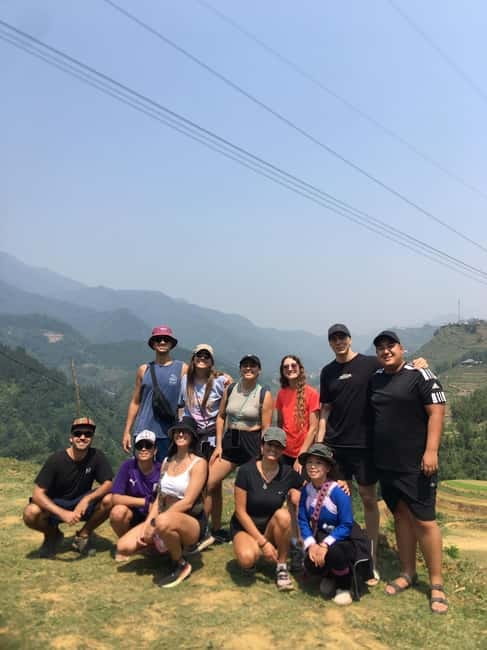
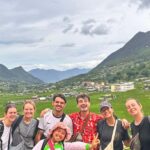
Your morning starts in Sapa town at Sapa Stone Church. You meet your English-speaking local guide at the town center, and then it’s about a 30-minute drive to the starting point in the valley. This matters more than it sounds. Getting out of town quickly helps you start walking while the rice terraces still feel fresh and calm, not late-day crowded.
The trek itself is organized around three village areas—Y Linh Ho, Lao Chai, and Ta Van—so you always know what’s coming next. The route gives you variety without constant guesswork: terrace farming early, river-and-lunch time around midday, and a slower, greener afternoon toward bamboo and a Giay community.
A note for planning: the provided details describe a route that looks like a one-day trek, but the fitness section also mentions a 2-day, 1-night format covering 19 km. If you’re trying to line this up with other Vietnam plans, confirm the exact duration for your booking before you commit.
A few more Sa Pa tours and experiences worth a look

Y Linh Ho (Black Hmong): rice terraces and textile stories
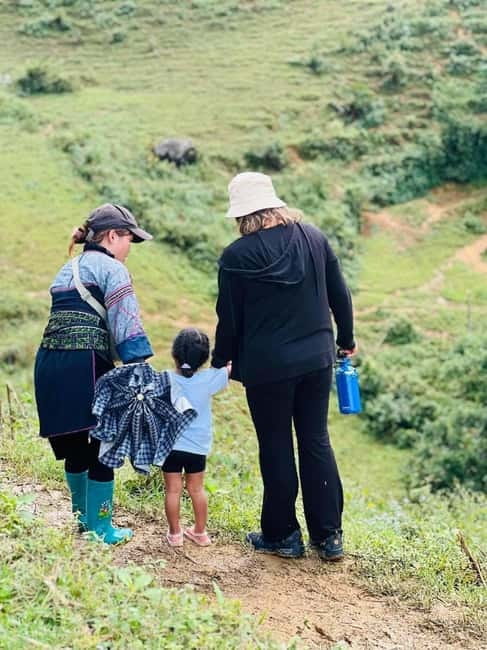
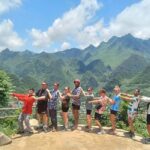
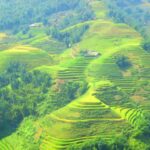
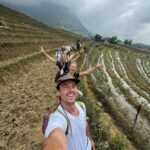
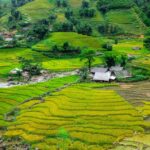
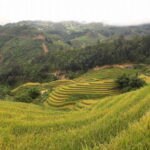
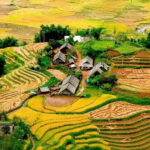
Y Linh Ho is where the day really starts to feel like Sapa. This is a Black Hmong area, and the trek begins with towering mountains, emerald terraces, and quiet village footpaths. You’ll see how rice farming works where the land is steep—terraces cut into hillsides so people can grow food where flat ground doesn’t exist.
This is the part I’d call the “eyes open” segment. The scenery is dramatic, yes, but the value is what you learn while walking. The route is built around explaining how ethnic minorities farm rice on terraced hillsides—so you understand the “why” behind the views instead of just taking photos.
Another standout topic here is indigo dyeing and traditional Hmong textiles. The tour info specifically mentions learning about the ancient indigo dyeing techniques used in Hmong fabrics. Even if you’re not buying textiles, this kind of explanation changes how you look at clothing and daily life. It’s not trivia—it’s a window into how families preserve identity through work and materials.
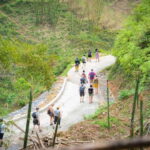
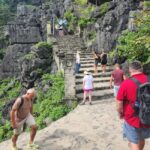
Expect some uneven ground early. Even if the trail isn’t technically difficult, it can feel physical because you’re on natural paths and terraced steps. This is also where a light rain can turn the surface slick fast.
The uphill rhythm: what a “moderate” trek really means
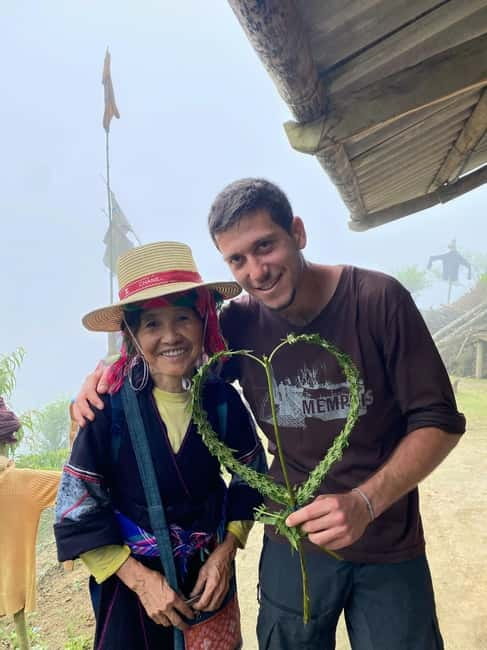
The tour is described as moderate fitness with steep, uneven terrain. That’s the right warning label. The route isn’t a flat stroll, and it isn’t a hardcore climbing mission either. It’s the middle ground that tends to surprise people: you may feel okay for the first stretch, then realize you’ve been stepping up and down repeatedly.
In weather changes, that middle ground becomes more serious. One review mentions being offered Wellington boots because of ongoing rain and muddy paths. That’s a helpful example of how this route can adapt to conditions. Still, don’t treat it as guaranteed. Bring what you need so you’re not stuck improvising.
My practical advice: pack for “wet shoes syndrome.” If you expect mud or rain, bring extra socks and wear footwear with decent grip. Even quick dampness can make the whole hike feel longer.
Lao Chai lunch by the Muong Hoa stream: stilt house comfort
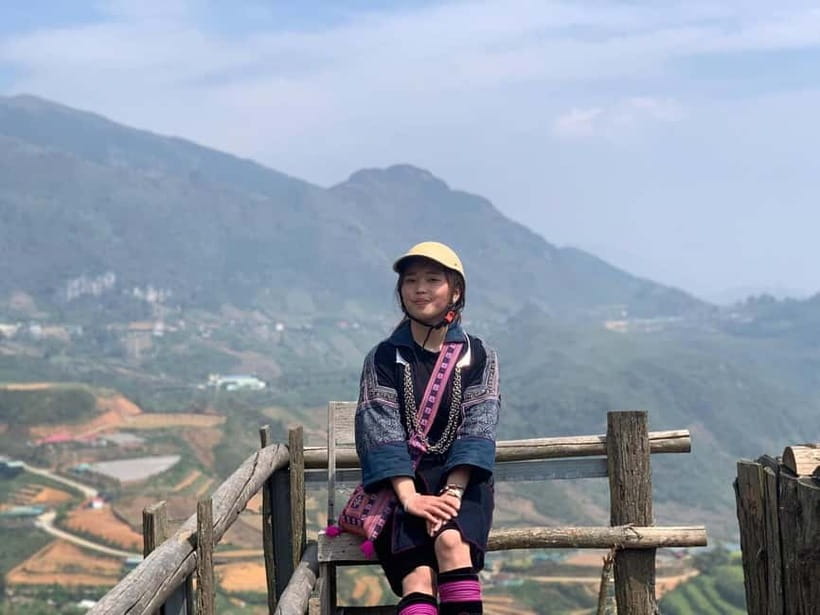
After about three hours of trekking, you arrive in Lao Chai. This village sits near the Muong Hoa River, and it’s where the experience shifts from movement to breathing room.
Lunch is in a traditional stilt house, and the emphasis is on a homemade meal with views down the valley. This is one of the highest-value parts of the day because it’s not a rushed stop. You get time to sit, eat, and recover while still being surrounded by the landscape and village setting.
What do you actually eat? The details don’t list exact dishes for the day format, but the homestay-style experiences described in the provided information and reviews consistently point to hearty home cooking—so you should expect filling, simple food rather than a fancy restaurant plate.
Also, plan to rehydrate during the break. The tour includes lunch, but it doesn’t specify drinks during the meal. Bring water and plan for additional sips if you’re sweating.
Ta Van afternoon: Giay village calm, bamboo paths, and quiet time
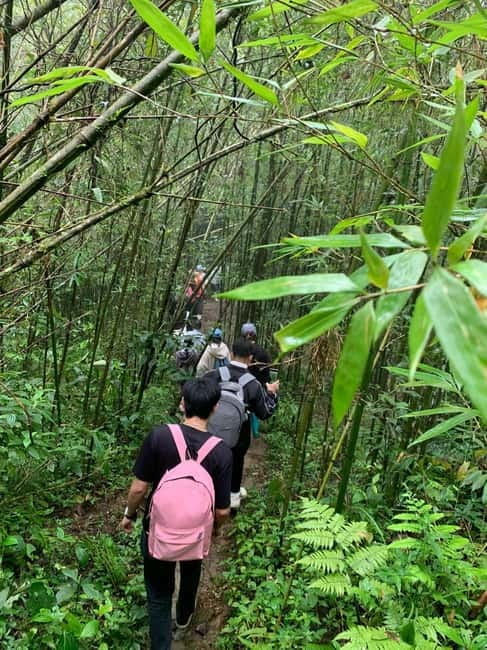
In the afternoon, the trek continues through peaceful fields and bamboo forests before reaching Ta Van, home of the Giay people. This segment is a nice contrast to the earlier rice-terrace feeling. The terrain shifts, the path often feels quieter, and the village mood changes.
The tour is designed to help you explore a tranquil way of life away from the busier tourist trails. That wording matters because it signals what you’re supposed to feel: less “checklist stop,” more “walk through a living community.” You’ll have time to observe daily rhythms—how people move, how the environment shapes work, and how village life is organized at a human scale.
It’s also a strong cultural shift: you’re moving from Black Hmong storytelling and farming context into Giay village life. Even if you’re not trying to memorize ethnic details, the difference in environment and daily routines gives you a fuller picture of what northern Vietnam looks like outside the main streets.
You can also read our reviews of more hiking tours in Sa Pa

Getting back to Sapa: transport that keeps the day realistic
Once you reach Ta Van, your car picks you up and returns you to Sapa town. That transport detail is more than convenience. It prevents the last stretch from turning into an exhausting “everyone limps back” ending.
It also makes scheduling easier. You can plan a late afternoon in town—hot shower, meal, and a quick walk around Sapa’s center—without needing to arrange your own transport after a muddy trek.
Who’s guiding you: local women, family hospitality, and small-group pacing
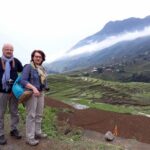
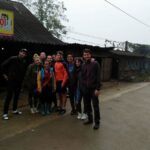
A big reason this experience earns such strong scores is the people behind it. The guide element is described as an English-speaking local guide, and the reviews add color that the guides are often women from local tribes. Names that show up include Linh, Mamacita, and Lala, all tied to family-based hospitality and warm welcome.
This matters because in villages, context is everything. When the person explaining the route understands the fields, textiles, and routines, your questions get answered in a way that feels real. And in a small-group format, you’re not stuck behind a wall of noise. You can slow down, ask, and learn without racing.
One review also highlights guides adapting the route to preferences—like adjusting paths if you want more adventure. That’s a small detail, but it’s a good sign: the tour isn’t run like a rigid conveyor belt.
Price and value: what you really get for about $20
At $20 per person, this trek is priced like a “serious deal” compared with the amount of guiding and village contact you’re getting. You’re not just paying for transport. You’re paying for:
- a guided route through multiple village areas
- a traditional lunch in a local house
- entrance fees to village areas (so you don’t have surprise costs mid-day)
- small-group attention
The only real costs you should expect are personal expenses, snacks, and drinks beyond what’s included. Travel insurance also isn’t listed as included, so you’ll want that handled separately.
If you’re planning ahead, there’s also a potential bonus: the information mentions a discounted price for your next trip to Cat Ba Island or a Ha Giang Loop. If you like the feel of northern Vietnam and you’re already thinking of stacking trips, that discount can add extra value.
What to bring for muddy steps and mountain weather

This trek comes with a practical packing list. Use it. The basics include:
- Comfortable shoes for trekking
- Raincoat or light jacket
- Sunscreen, hat, sunglasses
- Mosquito repellent
- A change of clothes for the evening
And here’s the extra real-world tip from the experience details: if rain hits, Wellington boots may be offered (at least in wet conditions). Even with help available, you’ll still feel better if you bring extra socks. Thin-soled padding can get uncomfortable in repeated wet steps, especially if the trek runs long.
If you’re sensitive to cold, add a warm layer. Mountain weather can shift even when the day starts bright.
A note on the format mix: 1-day trek vs 2-day homestay
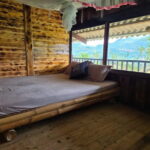
The info you were given mixes two possible styles. The route description reads like a one-day progression—Y Linh Ho → Lao Chai → Ta Van. But the fitness note says 2 days, 1 night, covering 19 km, and mentions homestay with simple, cozy basic facilities.
Reviews add support for an overnight component: homestays, dinners, and breakfasts are described, plus a second-day hike.
So before you book, confirm which version you’re getting:
- Do you return to Sapa the same day after Ta Van, or
- Do you stay overnight with a homestay and do a second day of hiking?
Either way, the village names and core route logic stay the same.
Who this trek is best for (and who should skip)
This tour is a great fit for you if:
- you want local culture in motion (not a bus-and-photos stop)
- you like rice terraces and can appreciate the work behind them
- you’re comfortable with uneven terrain and can handle a bit of mud
- you prefer small-group interaction with guides
It may not be the best fit if:
- you need fully even, paved footing
- you’re traveling with very young babies or very elderly travelers (the info says it’s not suitable for children under 1 year and people over 95 years)
- you want a relaxed walk with minimal physical effort
Should you book this Sapa trek?
I think you should book it if you want a day (or short overnight) that mixes rice terrace walking with real village contact, guided by people from the communities you’re visiting. At around $20, the value comes from the guided route, included lunch, and small-group feel—not from luxury perks.
Skip it or confirm the details first if you’re unsure whether you’re getting the 1-day or 2-day version, or if your fitness comfort level is low. If you’re okay with steep, uneven steps and wet-mud scenarios, this is exactly the kind of Sapa experience that turns a famous place into a human one.
FAQ
Where is the meeting point for the trek?
You meet at Sapa Stone Church in the town center.
What time does the trek start?
The start time listed is 9:00 AM.
Is lunch included?
Yes. You get a traditional lunch in a local house during the Lao Chai part of the trek.
What fitness level do I need?
The tour is rated moderate, with steep, uneven terrain. The information also mentions 19 km over 2 days / 1 night in the fitness notes.
What should I bring?
Bring comfortable trekking shoes, a raincoat or jacket, sunscreen/hat/sunglasses, mosquito repellent, and a change of clothes. If rain is likely, extra socks can help.
Does the tour include transport back to Sapa?
Yes. The information states transport back to Sapa from Ta Van is included.
Final decision: book or not
Book if you want small-group time with local guides, authentic village meals, and a walking route that teaches you what you’re seeing on the terraces. Don’t book blindly if you need a firm match to a one-day vs two-day plan—double-check the exact format so your timing in Sapa stays stress-free.