REVIEW · SA PA
AUTHENIC 2D1N Trek & Bungalow Retreat with Dinh Hmong Family
Book on GetYourGuide →Operated by Dinh Sapa Trekking Adventures · Bookable on GetYourGuide
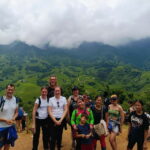
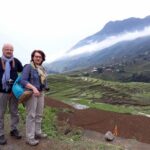
Rice terraces start this trek on a high note. With Dinh and her sister as your guides, I really like the Muong Hoa Valley hiking and the cultural evening with a Hmong family dinner. One catch: this is a real trek with steep, uneven parts, and it’s a group tour.
The home stay side is the real reward. You’ll get a simple, cozy night with time to rest, a hot shower, and an informal cooking session with the family.
On day two, the bamboo trail pushes you toward Giang Ta Chai waterfall, with an optional swim if you want the cold-water challenge. For $48, you’re also covered for key costs like meals, village entry fees, and transport back to Sapa.
In This Review
- Key Things I’d Pencil In First
- Dinh and the Hmong Family Welcome You in Sapa
- Day 1: Muong Hoa Valley Trek to Old Market Villages and Lao Chai
- Lunch Breaks That Feel Like Real Life, Not a Tour Stop
- Ta Van Homestay Night: Cooking Dinner, Family Stories, and a Traditional Dance
- Day 2: Bamboo Forests, Giang Ta Chai Waterfall, and Red Dao Lunch
- Price and Value: What Your $48 Includes
- Trek Reality Check: Distances, Terrain, and What to Bring
- Who Should Book This 2D1N Hmong Trek (and Who Should Skip)
- Should You Book This Dinh Sapa Trek?
- FAQ
- What time does the trek start?
- How far do we hike each day?
- Is this a private tour?
- What’s included in the homestay night?
- Are meals included?
- What activities happen in the evening during the homestay?
- Can I swim at the waterfall?
- What languages does the guide speak?
- What should I bring?
- Who should not book this trek?
- What is the cancellation window?
Key Things I’d Pencil In First
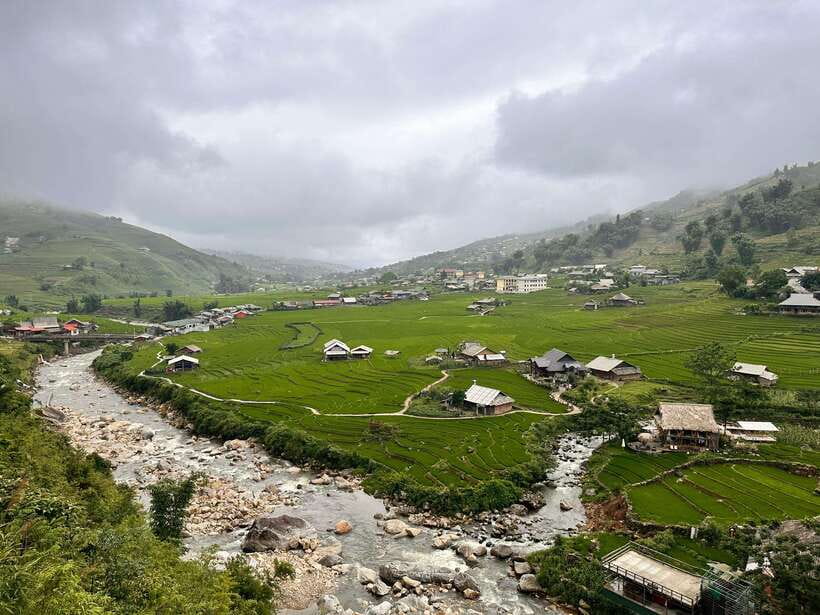
- Muong Hoa Valley rice terraces for some of the best mountain views in northern Vietnam
- Dinh’s family-led evening, including a traditional welcome dance and hands-on cooking
- Homestay comfort that’s basic, not flashy, with hot shower time after trekking
- Giang Ta Chai waterfall plus the chance to swim if conditions and nerves allow
- Red Dao area lunch that adds variety beyond the Hmong villages
- 18 km total over 2 days at a moderate pace, not a casual stroll
Dinh and the Hmong Family Welcome You in Sapa
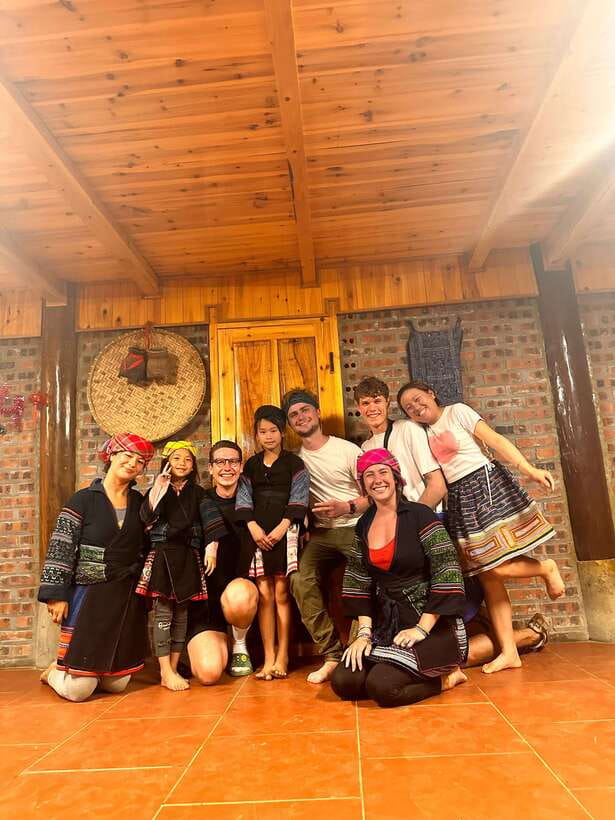
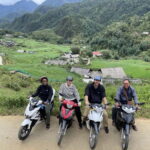
This trek starts with a very human touch. Dinh (from the Hmong ethnic group) leads, and her sister helps guide you too. You’ll get picked up around 9:00 AM in Sapa Town, either at your hotel or in front of the local main church, depending on where you’re staying.
What I like here is the tone. It’s not just “walk, photo, repeat.” Dinh explains what you’re seeing as you move through the valley and villages, and you spend real time with her community through the meals and the homestay night.
You’re also not locked into one rigid schedule where you never stop. There are breaks built in, and you’ll pause for lunch at a small family-run spot on day one. Then you’ll settle into Ta Van with time to rest before the evening activities start.
You can also read our reviews of more hiking tours in Sa Pa
Day 1: Muong Hoa Valley Trek to Old Market Villages and Lao Chai
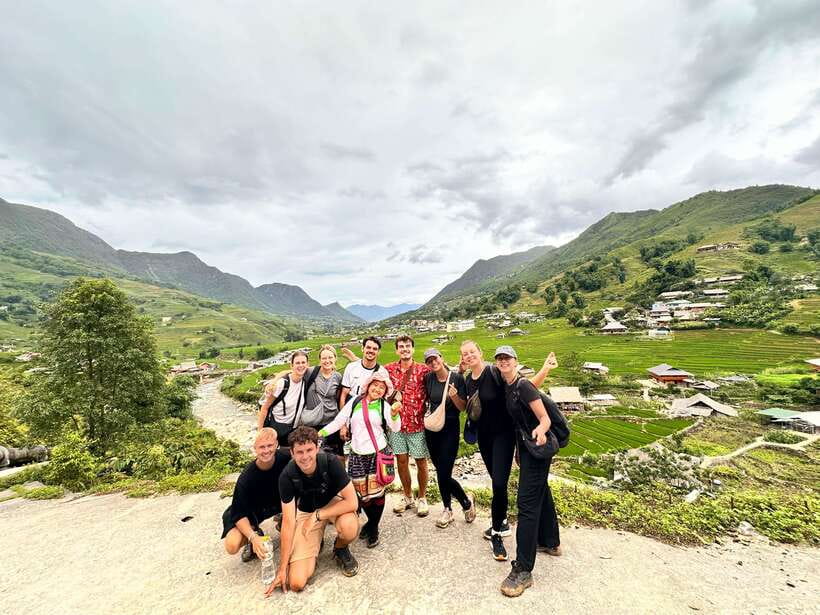
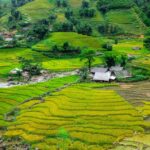
Day one is built around getting you down into the valley and letting the scenery open up gradually. You start at 9:00 AM and trek roughly 9–12 km (about 5.5 hours), beginning with a descent toward Y Linh Ho village. Along the way, you’ll pass the kind of terraced farmland that makes Sapa famous, but the route matters because you’re walking through working villages, not just scenery stops.
After trekking for a stretch, you stop for lunch at a small traditional restaurant run by a local Hmong family. This is one of those details that changes the whole feel of the day. You’re not eating at an outpost built for tourists; you’re eating where locals run the kitchen.
Then you move on toward Lao Chai, described as one of the oldest and largest Hmong villages in the area. From here, the trek continues toward Ta Van Village, which is home to the Giay and Hmong ethnic minorities. Depending on season, you may see rice planting or harvesting, which is a nice reminder that this landscape is lived-in year-round.
One practical note: the route includes steep and uneven terrain. If you get shaky on stairs, or if you’re afraid of heights, you should take that seriously before booking.
Lunch Breaks That Feel Like Real Life, Not a Tour Stop
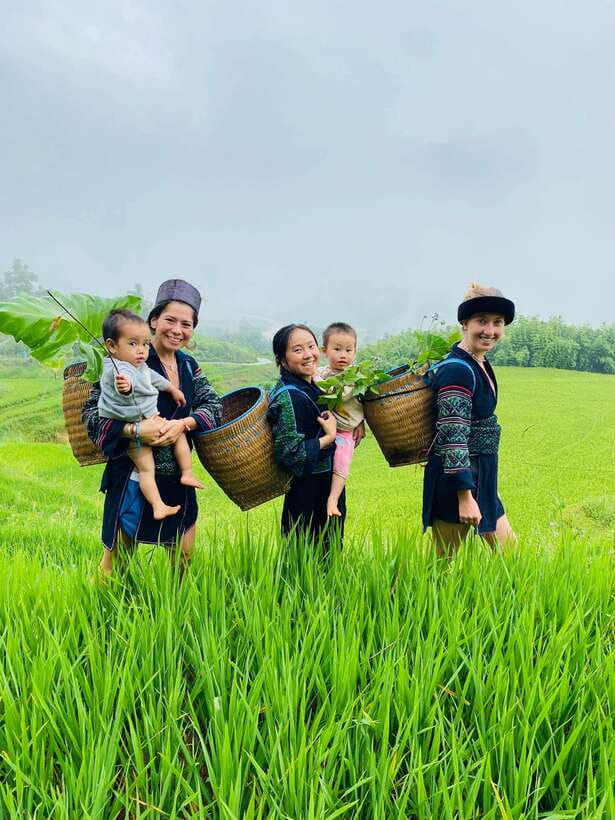
I like that day one includes a real lunch rather than a quick snack break. You eat at a small family restaurant, then you keep walking. That rhythm helps you understand the day as community time, not “tour time.”
Also, pay attention to how Dinh talks while you’re moving. She shares insights into cultural differences between ethnic groups you pass through, and you’ll feel the explanation land because you’re seeing daily routines right in front of you.
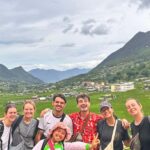
You’ll also be in a group. That means you’ll share the pace with other travelers, which can be good if you want company, and less good if you want total quiet and total control of your photo schedule.
Ta Van Homestay Night: Cooking Dinner, Family Stories, and a Traditional Dance
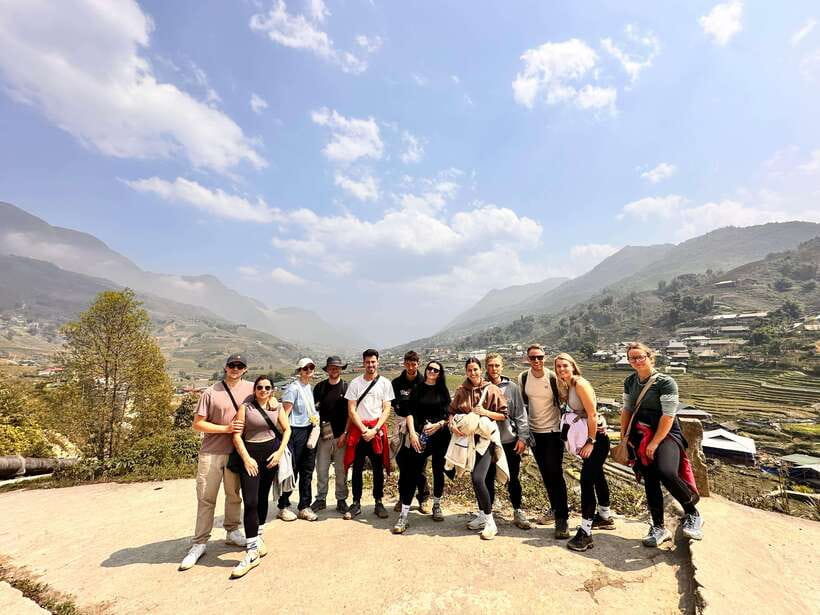
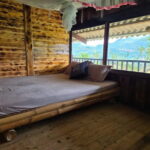
Arriving at the homestay in Ta Van is the turning point of the tour. After you get there, you’ll have time to rest and take a hot shower before dinner plans kick in. This is also when the trek stops being something you’re doing and becomes something you’re finally enjoying.
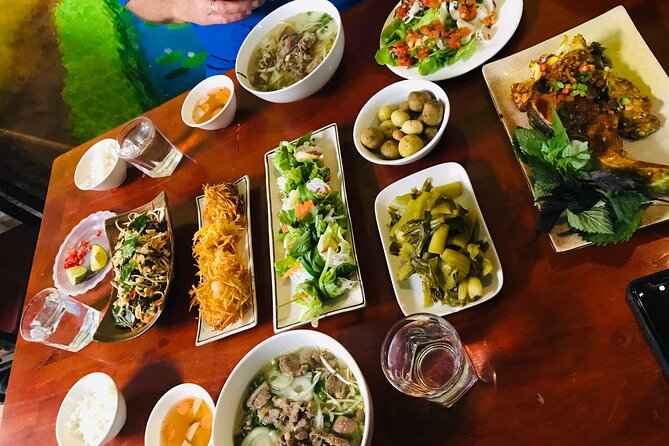
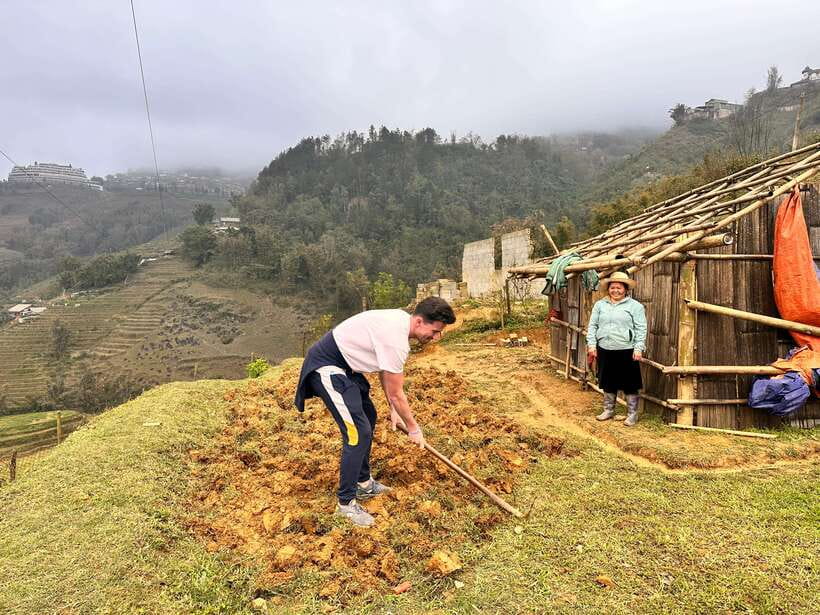
In the evening, you can join an informal cooking class with Dinh’s family to prepare your traditional dinner. It’s hands-on in a low-pressure way, and it’s exactly the sort of experience that makes you remember more than just a scenic view.
During dinner, Dinh shares her story about supporting 10 local children’s education. That detail matters because it explains why this isn’t just hospitality as a transaction. It’s linked to real community effort, and it gives context to what you’re doing for the night.
You’ll also get a traditional dance performance to welcome you. After that, there’s a fun mix of interaction time with the kids and some playful drinking games with Happy Water (local rice wine). If you don’t drink alcohol, you can still enjoy the social side; just keep an eye on how the evening unfolds and follow your guide’s lead.
Day 2: Bamboo Forests, Giang Ta Chai Waterfall, and Red Dao Lunch
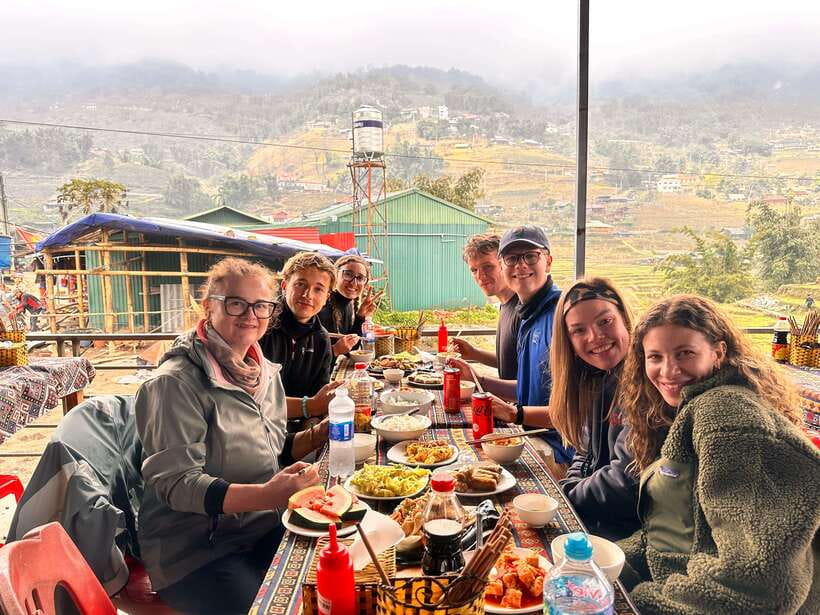
Day two starts peacefully. You’ll have hot coffee or tea at the homestay, then breakfast before you set out again. The second trek is roughly 7–8 km, taking about 4–5 hours, and it focuses more on nature than on village-to-village hopping.
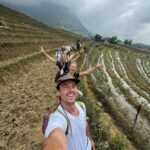
You’ll walk through bamboo forests and terraced rice fields, and then you reach Giang Ta Chai waterfall. This is the part that turns the day from “hike through scenery” into “arrive and reset.” The option to swim in the cool waterfall is there if you want it, and honestly, it can feel like the best kind of reward after a morning hike.
Next, you enter the Red Dao ethnic area before moving back toward the main road. You’ll have lunch with a local family there, and this is a nice change of pace from the Hmong villages you saw earlier.
By the end of the day, the tour finishes between 2:00 and 3:30 PM, with a taxi back to Sapa. That timing is helpful because it gives you daylight to continue your trip without feeling rushed.
A few more Sa Pa tours and experiences worth a look
Price and Value: What Your $48 Includes
At $48 per person, this is a value-driven tour if you care about more than just the photos. Here’s what’s included:
- A local English-speaking guide for both days
- Village entry fees for four villages
- 2 lunches, 1 dinner, and 1 breakfast
- One-night homestay stay with Dinh’s family
- Drinking water: 1 big bottle per person per day
- Transportation back to Sapa after the tour ends
The part worth thinking about is what you’re paying for. You’re covering guide time, meals, and the costs tied to entering the village areas. You’re also getting a homestay night, which is often where budgets get squeezed on tours like this.
What’s not included is also clear: personal expenses like snacks, extra drinks beyond the water, and souvenirs. So if you’re a big snacker or you want extra bottled drinks, budget a little extra.
Also remember this isn’t a luxury retreat. It’s a simple, authentic stay. If you’re expecting a resort bathroom and room service, you’ll be disappointed before you even start hiking.
Trek Reality Check: Distances, Terrain, and What to Bring
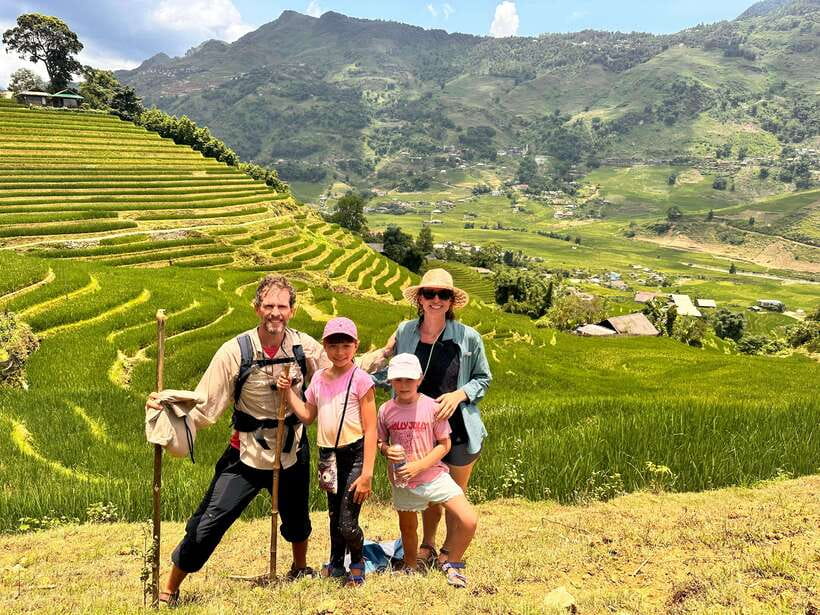
Let’s talk body math. Over two days and one night, you’ll cover about 18 km total. It’s rated moderate, but that doesn’t mean it’s easy. The terrain is steep and uneven, and you’ll be walking on mountain paths where your balance matters.
If you have back issues, mobility limits, vertigo, or if you’re afraid of heights, this tour is not recommended. The terraces and steps can be steep, and the days involve sustained walking rather than short sightseeing loops.
Here’s what to bring based on the tour guidance:
- Comfortable shoes (the most important item)
- A hat
- Sunscreen
- Camera
- Snacks
- Water (even though water is provided, you may want a little personal extra)
- Anything you use for sun and comfort, because the mountain sun can still be intense
One small strategy I recommend: bring snacks you actually like. The included meals are set, but personal hunger timing can vary on hikes.
Who Should Book This 2D1N Hmong Trek (and Who Should Skip)
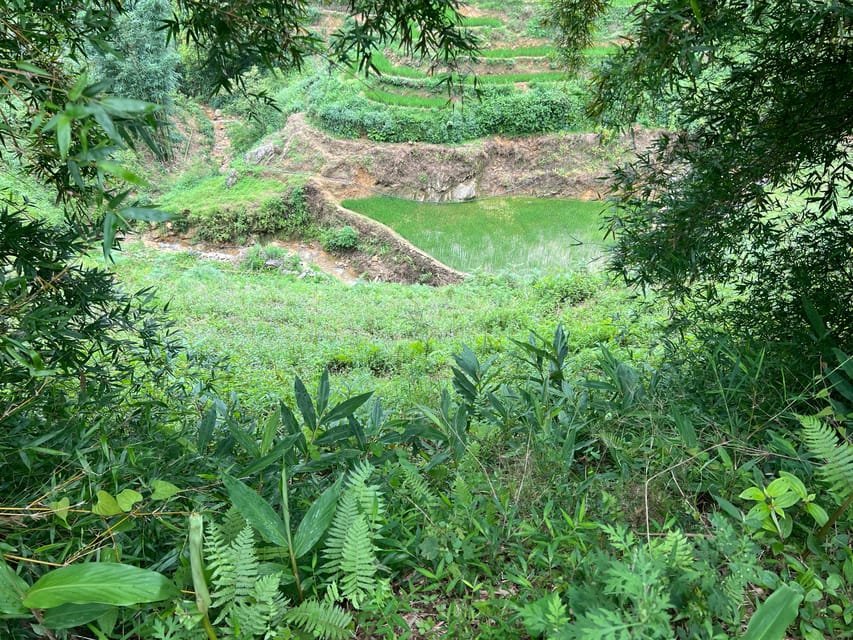
This tour fits best if you want a balanced mix of nature walking and cultural connection. You’ll hike through rice terraces and bamboo forest, but the real “wow” comes from the homestay night and the family time—cooking together, a traditional welcome dance, and conversation guided by someone who lives the culture, not someone reciting facts from a script.
It’s also a good fit if you’re traveling with an open mind about simple accommodations. The homestay is described as authentic, cozy, and basic, with hot shower time included. You’re there for the people and the setting, not for five-star amenities.
Skip it if you want a very relaxed, low-effort day. The route is longer than it looks on paper, and it’s not built for shaky legs or mobility challenges. The tour is also not suitable for pregnant women, people with back problems, mobility impairments, anyone over 70, and anyone with vertigo or strong fear of heights.
Should You Book This Dinh Sapa Trek?
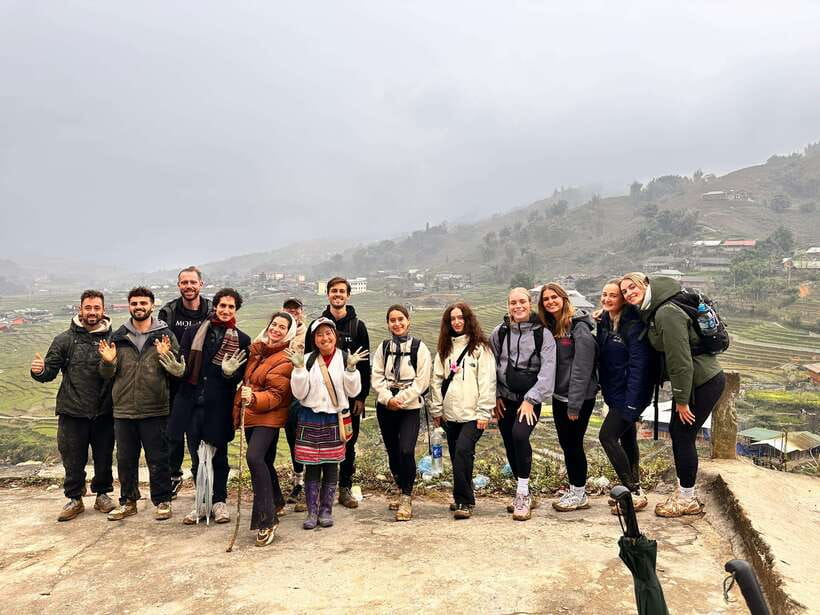
If your idea of a great Sapa day includes walking, meeting real people, and eating family-style meals you won’t forget, this is an easy yes. Dinh and her sister guide in English, and the itinerary is designed so you don’t just pass through villages—you spend time there.
If you’re mainly chasing comfort and minimal walking, choose something else. The terrain is steep enough to matter, and it’s a group tour on shared paths. Also, plan to book so you can start the full Day 1 flow—booking before 1:00 PM on Day 1 is advised to enjoy the whole itinerary.
Bottom line: for $48, you’re paying for guidance, meals, and a real homestay experience in the Muong Hoa area. If you’re ready to work a little for the views and the culture, you’ll likely feel like you got more than your money’s worth.
FAQ
What time does the trek start?
The tour starts at 9:00 AM. Dinh meets you in Sapa Town at your hotel or in front of the local main church.
How far do we hike each day?
Day 1 is about 9–12 km (around 5.5 hours). Day 2 is about 7–8 km (around 4–5 hours).
Is this a private tour?
No. It is a group tour, so you’ll trek with other travelers.
What’s included in the homestay night?
You’ll have a one-night homestay with Dinh’s family in Ta Van. It’s described as simple, authentic, and cozy, with basic amenities, and you’ll have time for a hot shower.
Are meals included?
Yes. You get 2 lunches, 1 dinner, and 1 breakfast during the 2 days.
What activities happen in the evening during the homestay?
There’s an informal cooking class with the family to prepare dinner. You’ll also join dinner with family, including a traditional welcome dance, and play games with the kids.
Can I swim at the waterfall?
You might be able to swim in the cool Giang Ta Chai waterfall if you want to. It’s described as optional.
What languages does the guide speak?
The tour is guided in English and Vietnamese.
What should I bring?
Bring comfortable shoes, a hat, camera, snacks, sunscreen, and water. Water is also provided, but your own snacks and sun protection will help.
Who should not book this trek?
It is not suitable for pregnant women, people with back problems, people with mobility impairments, and anyone who has vertigo or fear of heights. It is also not suitable for people over 70 years old.
What is the cancellation window?
You can cancel up to 24 hours in advance for a full refund.