REVIEW · SAPA
2 days authentic trekking tour in Sapa ( Homestay – Less touristy )
Book on Viator →Operated by Sapa Original Trek · Bookable on Viator
Mist over Sapa; then dirt paths and village life. This 2-day trek blends terraced rice views with time in ethnic villages like Hmong and Dzao, plus a real overnight in a local wooden homestay. It’s the kind of trip that feels made for slow moments, even while your legs do the opposite.
Two things I really like: the route includes Ta Phin and Ngũ Chỉ Sơn areas with long village-connected walks, and the tour includes your meals and entrance fees so you’re not nickel-and-diming your way through the highlands. The second big plus is the guide support—people have praised Mai for finding paths you won’t spot on your own.
One consideration: this is not a stroll. The walking can be steep, and in hotter weather you’ll feel it, even though the group can sometimes adjust the pace and effort level.
In This Review
- Key highlights worth packing for
- Why this less-touristy Sapa trek works (and who it’s for)
- Day 1: Ta Phin Village trails, pine forest, and rice terraces
- Day 2: Ngũ Chỉ Sơn daybreak and the Suoi Thau village walk
- The homestay night in a traditional wooden house
- Guides like Mai: the real value in small paths
- Trek difficulty: steep sections, timing, and what to bring
- Price and what $89 covers (the “value math”)
- Pickup, start time, and how the day flows
- What to expect from the village visits (Hmong, Dzao, and workshops)
- Who should book this Sapa Original Trek style homestay trek
- Should you book this 2-day Sapa homestay trek or skip it?
- FAQ
- What time does the tour start?
- How long is the trek and homestay?
- Is pickup included?
- What’s included in the price?
- What villages and areas do you visit?
- Is the trekking easy?
- Can you adjust the trekking intensity?
- What should I bring if I book this tour?
- What isn’t included?
- What’s the cancellation policy?
Key highlights worth packing for
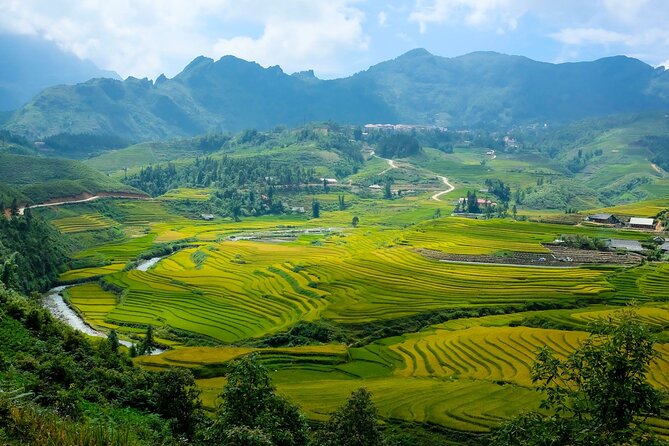
- Ta Phin Village trekking through pine forest and down-hill trails with big rice-terrace and cornfield views
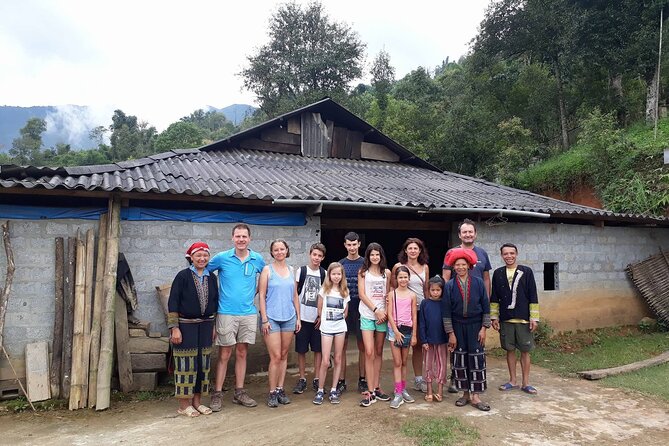
- Hmong and Dzao village visits with meals and small workshops that show daily routines and local crafts
- Traditional wooden homestay night in a village setting, rustic but managed and comfortable enough to sleep well
- Route flexibility for weather, including pivots when fog rolls in
- Pickup, English guide, meals, water, and entrance fees included in the $89 price
Why this less-touristy Sapa trek works (and who it’s for)
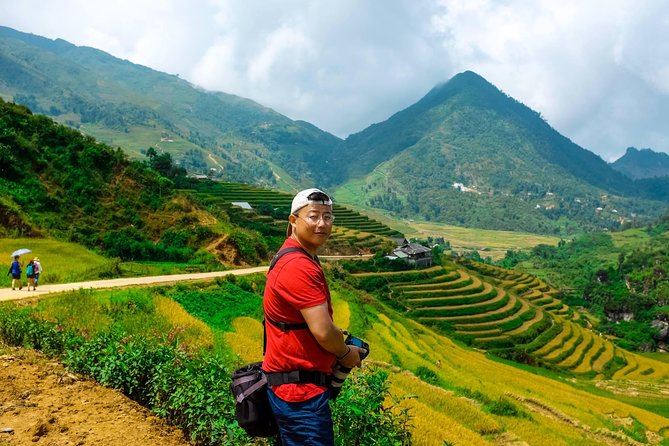
Sapa can be busy. This kind of 2-day homestay trek is a good alternative because it doesn’t just drive you past the view. You spend time on foot between village areas, then sleep where people actually live. That shift changes the whole feel of Sapa from photo stop to lived-in place.
You’ll love how the trip mixes three ingredients: walking through terraced fields, meeting ethnic community members, and sharing food in a homestay setting. Even when the rice has already been harvested (some months), the paths and village scenes still have plenty to hold your attention.
This tour fits best if you want:
- a genuine 2-day immersion in village rhythm (not a hurried bus itinerary)
- a guided experience with enough structure to feel safe and organized
- a willingness to walk most of the day, not just “stretch your legs”
If you’re chasing a super gentle, flat walk with constant overlooks, you might find it more demanding than you expected.
You can also read our reviews of more hiking tours in Sapa
Day 1: Ta Phin Village trails, pine forest, and rice terraces
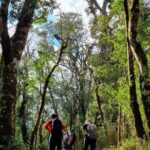
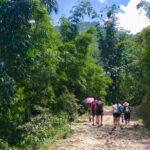
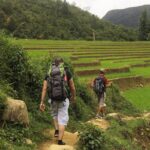
Day 1 starts at 9:00 am. You’ll head out for a trek down a mountainous area by following a dirt trail through pine forest. The practical point here is that pine forest often means cooler air than the open terraces—so your hike can feel more manageable early on.
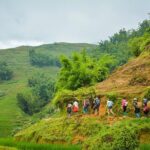
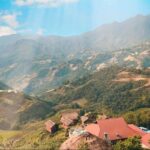
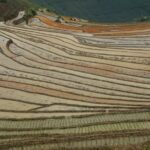
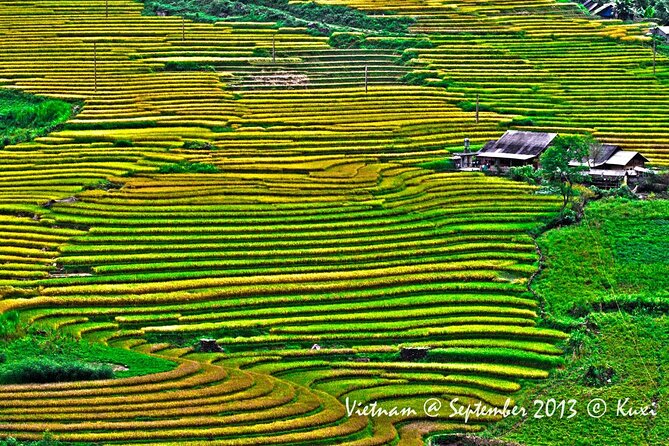
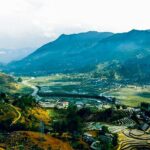
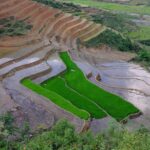
As you descend, you get repeated chances to take in rice paddy terraces and cornfields from viewpoints along the way. It’s the kind of scenery that builds gradually: first the shapes of the terraces, then the layers that stretch deeper into the valley.
What makes Ta Phin special is the way the walk connects you to everyday farming edges rather than just a single viewpoint. You’re moving through the highlands, not stopping at a single postcard.
One drawback to plan around: the dirt paths and steep sections can add up. People who’ve done this route describe the trek as quite steep in places, and the overall walking totals about 9 hours across the two days. So bring trekking shoes (not fashion sneakers) and expect to use your calves.
Day 2: Ngũ Chỉ Sơn daybreak and the Suoi Thau village walk
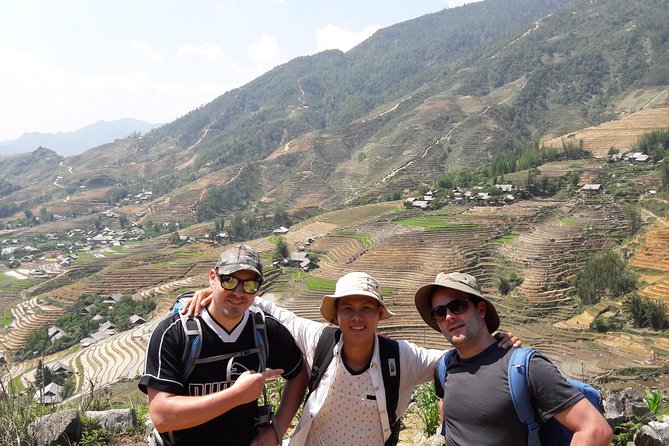
You start Day 2 with breakfast at the homestay. Then you head toward Suoi Thau village, passing several minority villages along the route. This is a key difference from tours that only “touch” one community. Here, you’ll get a sense of how villages connect to the paths, fields, and each other.
The walk includes rice paddy fields and then climbs up to a top-of-mountain viewpoint. That change in elevation matters. Lower paths through fields are slower and easier on your knees; the upward sections are where you’ll feel the effort.
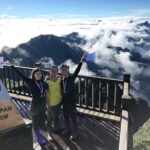
Ngũ Chỉ Sơn is where the day’s effort tends to pay off. Even when conditions are cloudy or foggy, the route is designed to keep you moving through meaningful places rather than waiting around for a perfect panorama.
If weather is bad, the tour may adjust your route. One group noted their route got switched because fog made the original plan unclear. That’s a useful detail to remember: this isn’t a rigid script that ignores the mountains.
The homestay night in a traditional wooden house
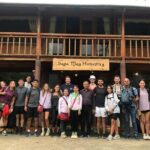
The best part of a homestay trek is the night you don’t just book—you actually live. This tour includes a traditional wooden house stay in a local community. That usually means a more rustic setup than a hotel, but with real structure: you’re not left to figure things out alone.
Food is included across the meals. Your package covers dinner and breakfast, plus two lunches. You’ll also have 1.5 liters of water per day included, which is a practical piece of comfort when you’re walking in Sapa’s highland weather.
From the experience reports, the homestay portion is often well organized. One group specifically praised the host Mr. Tinh for handling arrival smoothly before the trekking starts, including time to refresh. Another note mentioned Maykeiun taking care during the trek. You may not get the exact same people, but it’s a good sign that the homestay side is run by actual hosts who understand what hikers need.
What you should consider: this is not a luxury stay. Rustic often means simpler rooms and fewer amenities than you expect from a hotel. The trade-off is that you sleep inside the daily rhythm of a village rather than just touring through it.
Guides like Mai: the real value in small paths
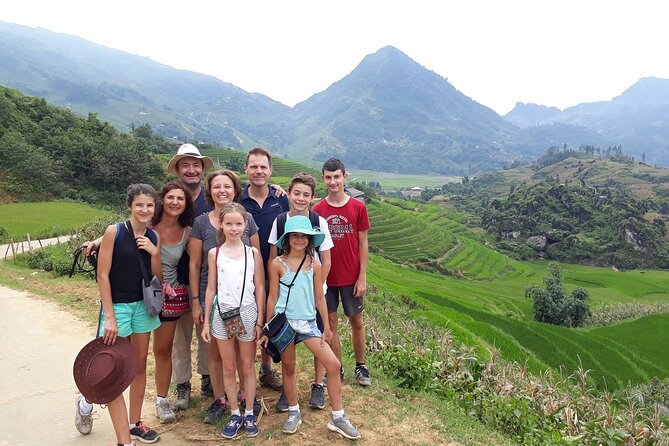
The tour includes an English guide. That matters because Sapa’s paths can look obvious in daylight and confusing up close. People have praised guides like Mai for taking groups along routes they couldn’t find on their own, while also explaining what they were seeing in village life and farming.
You’ll get more than directions. The trip description includes meals and workshops, and the guide is what helps those stop-offs connect to your understanding of local culture and daily habits.
One more practical note: the walking level can be adjusted. One group said you can choose the level along the way (medium/heavy). That’s useful if you want the trek to match your fitness instead of forcing everyone into one tempo.
A few more Sapa tours and experiences worth a look

Trek difficulty: steep sections, timing, and what to bring

Let’s talk honestly about walking expectations. This tour totals around 9 hours of trekking across the two days, and parts are described as steep. You’ll likely face uneven dirt trails, stairs-like sections, and uphill stretches even on Day 2 after breakfast.
Hot weather adds another layer. One note warned that it’s not gentle walking, especially when it’s hot. That’s common in mountainous walking trips: shaded pine trails can help, but once you hit open terrace edges and climbs, your body pays attention.
So here’s your prep checklist, based on how the trip is described:
- Trekking shoes with grip for dirt and uneven steps
- a small daypack for water and snacks
- breathable layers, because mornings and foggy conditions can shift fast
- a hat or cap for sun on open terraces
- a light rain layer in case weather changes (especially since fog can impact routing)
Also, don’t overpack. You’re carrying your own comfort items while your guide handles the schedule, entrances, meals, and transport.
Price and what $89 covers (the “value math”)
At $89 per person for two days, this price only makes sense if you’re comparing it to what’s actually included. Here’s what your package covers:
- homestay night
- dinners and breakfasts (plus two lunches)
- entrance fees
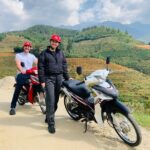
- transport as part of the itinerary
- English guide
- water (1.5 liters/day)
It also comes with things that reduce hassle: pickup is offered, you’ll have a group discount option, and you may receive a mobile ticket.
What’s not included is also clear: tip, insurance, personal expenses, an herbal bath, and soft drinks. So you’ll want cash for extra snacks or drinks if you plan on buying anything beyond the included meals.
For value, the big win is that you’re not paying separately for the guide, transport, homestay, and meals. In Sapa, those costs add up fast when you piece things together yourself.
If you prefer DIY travel, you could theoretically plan a trek and a homestay on your own. But this kind of organized route is what saves you from the hardest part: finding the right trails and coordinating the village night responsibly.
Pickup, start time, and how the day flows
The tour starts at 9:00 am and includes pickup (offered). It ends back at the meeting point. That structure helps if you want a clean start and finish rather than trying to manage transport after dark in the mountains.
It also says the experience is near public transportation, which is reassuring if you’re not staying right where the tour begins. The activity is private, meaning only your group participates, so you’re not stuck with a mismatched pace of strangers.
If you’re booking, one helpful timing detail: this tour averages being booked about 48 days in advance. That doesn’t mean you can’t find last-minute options, but it hints that people plan for the trek season and want a reliable homestay slot.
What to expect from the village visits (Hmong, Dzao, and workshops)
This tour doesn’t frame the villages as a quick photo stop. It includes visits to Hmong and Dzao ethnic villages, plus meals and workshops.
Because workshops are included, you should expect at least some hands-on or demonstration time tied to local crafts or daily routines. The exact activity isn’t spelled out in the details you provided, so treat it as an opportunity to watch, ask questions, and learn—not a guaranteed single craft class.
The route also passes through several minority villages on Day 2 on the way toward Suoi Thau. That means you’re likely to see variety in homes and small-scale farming rather than just one village set.
When you’re with a good guide, those moments become more than scenery. That’s where people have praised guides like Mai for explaining what you’re seeing and how daily life connects to the land.
Who should book this Sapa Original Trek style homestay trek
I’d point this tour toward these kinds of travelers:
- You want a 2-day trekking and homestay experience that feels less touristy
- You’re comfortable walking steep dirt trails for hours
- You prefer a guide-led plan so you can focus on the experience, not the logistics
- You like cultural learning that comes with real time in a community setting
- You want decent value because meals, water, entrances, and guide are included
If you’re traveling with someone who has mobility limits or needs very flat walking, this may not be the best fit since steep sections are part of the trek.
If you’re the type who loves comfort and guaranteed hotel-level amenities, the rustic wooden house may feel like a step down. But if you can accept rustic, the payoff is a more authentic feel.
Should you book this 2-day Sapa homestay trek or skip it?
Book it if you want the combination of terraced rice trekking plus Hmong and Dzao village visits, and you’re okay with a physically active schedule. The value is strong because the price includes meals, homestay, guide, transport, entrance fees, and water.
Skip or consider a different option if:
- you need gentle walking with minimal steep climbs
- you’re not comfortable with rustic lodging
- you dislike weather uncertainty (fog can change routing)
My simple rule: if your idea of a great trip includes walking, learning, and sleeping in a village home—even if it’s not fancy—you’ll likely find this tour hits the right notes.
FAQ
What time does the tour start?
The tour starts at 9:00 am.
How long is the trek and homestay?
It’s a 2-day tour, roughly 2 days total.
Is pickup included?
Pickup is offered.
What’s included in the price?
Your package includes the homestay, guide (English), meals (dinner, breakfast, and lunches), entrance fees, transport, and water (1.5 liters per day).
What villages and areas do you visit?
The itinerary includes Ta Phin Village and Ngũ Chỉ Sơn areas, with village visits connected to Hmong and Dzao communities and a walk toward Suoi Thau village.
Is the trekking easy?
No. The walking can be steep in places, so it’s not described as a gentle walk.
Can you adjust the trekking intensity?
Yes. The route can be adjusted by level (medium/heavy) along the way.
What should I bring if I book this tour?
You should plan for trekking on dirt trails with steep sections. Bring appropriate footwear and personal items you may need, since personal expenses are not included.
What isn’t included?
Tips, insurance, personal expenses, herbal bath, and soft drinks are not included.
What’s the cancellation policy?
You can cancel for a full refund if you cancel at least 24 hours before the experience’s start time. If you cancel within 24 hours of the start time, you won’t get a refund.