REVIEW · SAPA
Mountain views & Rice Terraced Fields Hiking – 2D 1N
Book on Viator →Operated by Trekking Tour Sapa · Bookable on Viator
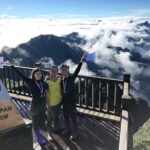
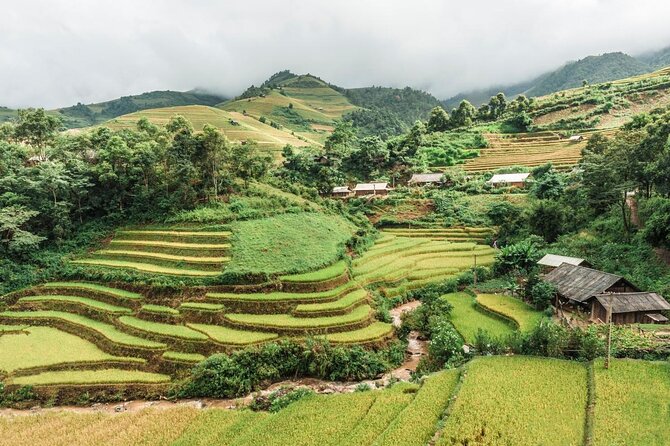
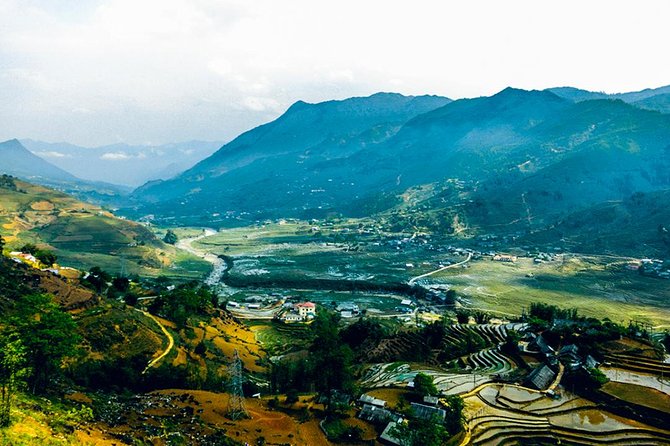
Sapa hills have a way of sticking with you. This 2D/1N trek takes you through five villages tied to the Hmong, Giay, and Red Dao communities, with big mountain views and the famous rice terrace area built into the route.
What I like most is the mix of viewpoints and everyday village life, not just scenic stops. You’ll also get a guide who’s known for explaining what you’re seeing, with San often highlighted as a strong storyteller and teacher.
One thing to consider: you need a moderate fitness level. It’s a hiking tour with uphill/downhill trail time, so if you hate walking, this may feel like too much.
In This Review
- Key Things to Know Before You Go
- Hmong, Giay, and Red Dao: What This Trek Is Really About
- Meeting at Sapa Church and How the Day Starts
- Day 1: Hang Da Village Viewpoint Up, Then Down to Hau Thao
- Lunch, Dinner, and a Homestay Night That Actually Helps
- Day 2: Giang Ta Chai Waterfall Time and the Ta Van Village Mix
- Pacing, Fitness, and What “Moderate” Means Here
- Price and Value: Is $90 Fair for 2D/1N in Sapa?
- The Best Part: A Guide Who Explains What You’re Seeing
- Weather, Waterfall Timing, and When Things Can Change
- Who Should Book This Trek, and Who Should Skip It
- Should You Book This Sapa Mountain Views and Rice Terrace Trek?
- FAQ
- What is the duration of this tour?
- How much does the Mountain Views & Rice Terraced Fields Hiking cost?
- What is the meeting point and start time?
- Is pickup available?
- What’s included in the price?
- What accommodation do you get for the night?
- How many villages and ethnic groups are visited?
- What fitness level do I need?
- Is there a weather-related change or cancellation option?
- Can I cancel for free?
Key Things to Know Before You Go
- Small group (max 10 people) means you’re not stuck behind a big crowd.
- Homestay night included with dinner and breakfast, so you don’t have to plan meals.
- Ethnic village focus across Hmong, Giay, and Red Dao, with culture explained by a local guide.
- Rice terrace and waterfall moments are built into Day 1 and Day 2.
- Hotel pickup is offered, and the start point is near Sapa Church for easy meeting.
Hmong, Giay, and Red Dao: What This Trek Is Really About
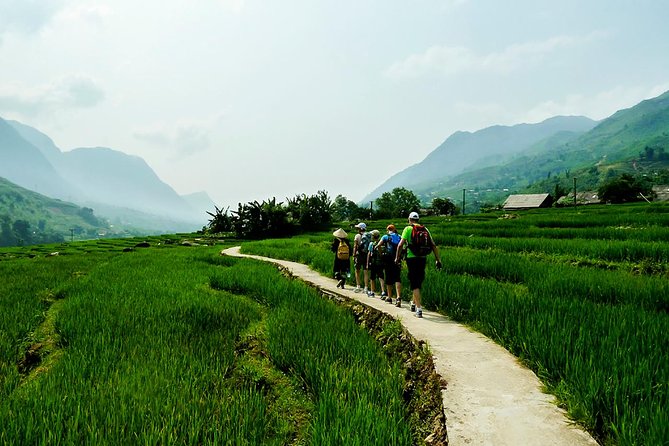
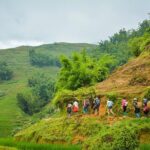
This trek isn’t just a hike with photos at the ends. It’s structured around meeting three ethnic minority groups in Sapa and seeing how daily life connects to the terrain. When you’re walking through a valley, you start to understand why farming and house-building traditions are so tied to the mountains and water.
You’ll get cultural context beyond generic sightseeing. Your guide is set up to explain customs and traditions, including Hmong marriage traditions, rice field work, and house-building techniques. That kind of “what you’re seeing and why it matters” usually makes the walking time feel worth it, even when the path is steep.
Also, the tour is intentionally small, which matters in Sapa. In a place where it’s easy to get herded, a max group size keeps the experience more human and easier to ask questions.
You can also read our reviews of more hiking tours in Sapa
Meeting at Sapa Church and How the Day Starts
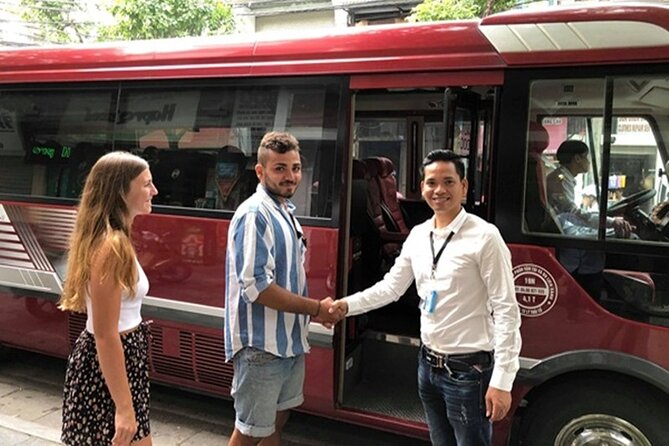
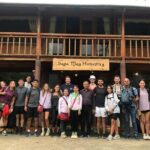
The tour starts at 9:00 am, with a meeting point at Sapa Church (P. Hàm Rồng, TT. Sa Pa, Lào Cai). If you prefer pickup, it’s offered—you can be met at your hotel in Sapa or in front of the main church area.
This matters because the trek begins in the morning, after a short introduction. Starting at 9 am helps you get on the trail before the day fully heats up or gets misty, and you’re more likely to enjoy those mountain views when light is better.
The tour also includes village entry fees, which is a nice “no surprise” detail. You’re paying for the experience, not negotiating at gates or figuring out ticket rules once you’re already on the ground.
Day 1: Hang Da Village Viewpoint Up, Then Down to Hau Thao
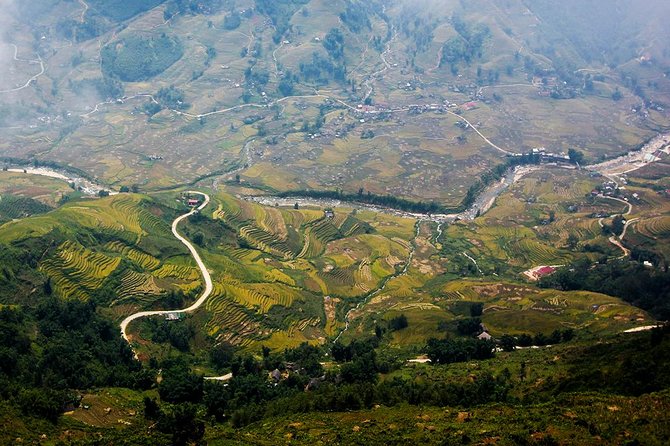
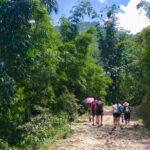
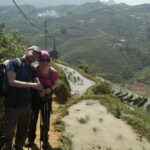
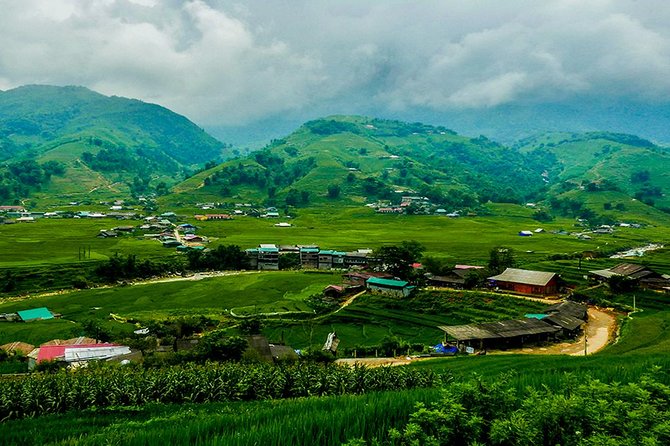
Day 1 starts with Hang Da Village. After meeting your guide, you’ll walk about 1 km uphill on a small trail to reach mountain viewpoints. Even if you’re not a hardcore hiker, a short uphill section early in the day is a smart way to warm up and earn your first big sights.
This is also your first taste of why Sapa feels different from other Vietnam hill areas. The views open gradually, so the “wow” doesn’t come only at one stop. You’ll also see how the trail and farming areas connect across the slopes.
After that, the pace shifts. After lunch, you head to Hau Thao, home to the Black Hmong community. This part is more about daily life than altitude. If conditions are right, you may have chances to observe what’s going on at the village level—work, movement, and the rhythm of a household and community day.
A practical note: Day 1 can feel like two distinct moods—uphill viewpoints in the morning, then village life later. If you plan snacks or just keep energy steady, you’ll enjoy both without feeling wrecked.
Lunch, Dinner, and a Homestay Night That Actually Helps
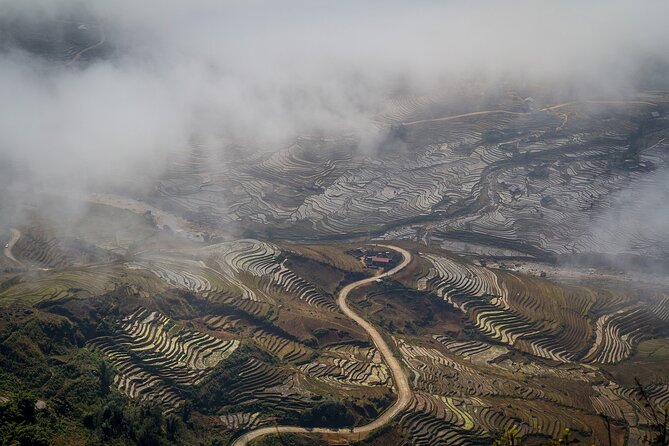
The tour includes lunch (2), dinner, and breakfast, plus one big bottle of water per person. That’s important because trekking fatigue makes “finding food later” a hassle. You’re set for the key meals across the 2 days, including the homestay night.
Your accommodation is a homestay for 1 night. That’s a big part of the value here: you’re not just paying for a guide and entry fees, you’re also buying a place to sleep that supports the communities you’re visiting. Homestays can vary, but the tour is set up so you’re not left hanging.
One review highlight that’s worth paying attention to: people praised the food and the homestay as quite good. That matters because on trekking tours, the meals and sleep quality often decide whether you feel grateful or miserable by the end.
What you can do to make this smoother:
- Pack light and keep your day bag simple, since you’ll be moving between areas.
- Bring a small layer for evenings, because Sapa can cool down after a day of walking.
- Be ready for a different routine than a hotel—homestays run on household timing, not tour bus schedules.
Day 2: Giang Ta Chai Waterfall Time and the Ta Van Village Mix
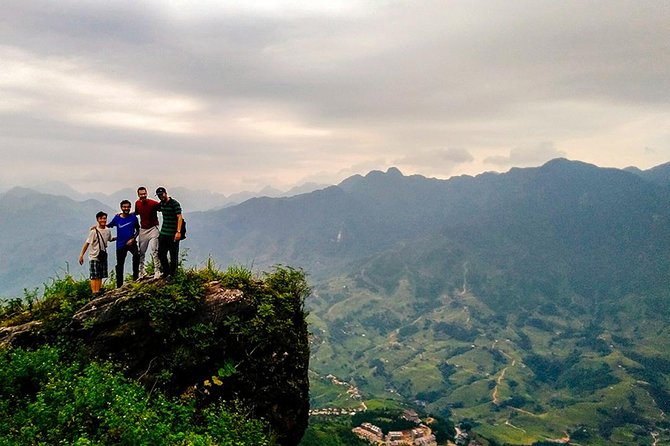
After breakfast in the homestay, Day 2 starts with a trek toward Giang Ta Chai Village. From Hau Thao village, you’ll walk down to Giang Ta Chai, with a stop where you can see a waterfall. Waterfall time is a great way to break up the walking with something visually and sound-wise rewarding.
Giang Ta Chai is also where you’ll likely feel the “valley” nature of Sapa more strongly. Going downhill changes your body rhythm—your legs have to work differently, and you’ll want to take careful steps. If you tend to get sore knees, slow down and use steady foot placement.
From there, you head downhill to Ta Van Village. Ta Van is a mixed stop where you can see both Giay and Black Hmong minorities. That’s a neat contrast to Day 1, because you’re not just repeating the same village style. Instead, you get variety in community presence and village life.
This part of the route is also naturally photo-friendly. The tour is built around stopping where the scenery and culture overlap, so you’re not racing to the next location without any reason to pause.
A few more Sapa tours and experiences worth a look

Pacing, Fitness, and What “Moderate” Means Here
The tour says it’s for people with moderate physical fitness, which fits the structure: short uphill and downhill segments across two days. You’re not on a multi-day endurance trail, but you’re also not on an easy stroll.
What you should expect:
- A start with a 1 km uphill segment on Day 1.
- Village-to-village walking that includes both descending and ascending effort.
- Time spent moving between stops, meaning comfortable shoes and steady pacing matter.
If your fitness level is low, the idea is to go slow. Use the guide’s timing and don’t push to “keep up” just to feel brave. In Sapa, the trails can be slick depending on weather, and you’ll enjoy the cultural moments more when you’re not rushed or breathless.
Price and Value: Is $90 Fair for 2D/1N in Sapa?
At $90 per person for 2 days and 1 night, this tour stacks up well because a lot is included. You get:
- Homestay (1 night)
- Dinner and breakfast
- Lunch (2)
- Village entry fees
- Local guide
- Transport back to Sapa after the tour ends in the villages
- 1 big bottle of water per person
- Pickup offered (hotel or near the main church)
When a hiking tour includes meals and a place to sleep, it usually costs more than people expect if you price each item separately. Here, you’re covering the practical basics, so your day doesn’t turn into a budgeting exercise mid-trek.
What’s not included is also clear: personal travel insurance, extra drinks at the homestay, and tips. Those are typical omissions for tours like this, but you should still plan for them so you don’t feel stuck when you want a cold drink or want to adjust your spending.
In plain terms: if you want village time plus a homestay and you don’t want to manage logistics, this is priced like a “full package” rather than a bare-bones walk.
The Best Part: A Guide Who Explains What You’re Seeing
One of the strongest themes in the feedback is guidance quality. San is specifically mentioned as very good, with explanations and storytelling that made the walk feel more meaningful. That’s not just a comfort detail—it’s the difference between passing through a village and understanding what you’re seeing.
The operator also presents the tour as a small-group local effort, connected to Hmong in Sapa. That local framing is useful because it often means the guide knows where to slow down, what to explain, and how to handle questions respectfully.
If you’re the type who likes to ask why people do certain things—farming methods, house-building techniques, or marriage traditions—you’ll likely appreciate the way this tour is set up.
Weather, Waterfall Timing, and When Things Can Change
This experience requires good weather. If weather is poor, you’ll be offered a different date or a full refund. That matters because a waterfall stop and comfortable walking conditions depend on how the trail behaves day-of.
On a practical level, be flexible with clothing. Even when the day is fine at 9 am, Sapa conditions can shift. Bring something windproof and plan for cooler air in the evening, especially when you’re in a homestay setting.
Who Should Book This Trek, and Who Should Skip It
This tour is a good match if you want:
- Village visits with culture explained (not just scenery)
- A short, manageable 2-day trek rather than a long multi-day program
- A homestay night that’s included, so you’re not scrambling for lodging
You might skip it if:
- You dislike uneven walking or have knee issues that don’t handle downhill well.
- You’re only interested in viewpoints and don’t care about cultural context.
- You want full hotel-style convenience. Homestays are part of the deal here.
Should You Book This Sapa Mountain Views and Rice Terrace Trek?
If your goal is to see Sapa in a way that feels connected to people and farming—then yes, this is a strong choice. You’re paying for more than motion: you’re getting meals, village access, a homestay night, and a guide who’s known for explaining what you’re seeing.
The two real considerations are modest fitness needs and the weather dependence. If you can handle a short uphill morning, walk carefully on downhills, and keep one flexible day in mind for weather, this tour offers good value for 2 days / 1 night.
FAQ
What is the duration of this tour?
It runs for 2 days (about 2 days) with 1 night.
How much does the Mountain Views & Rice Terraced Fields Hiking cost?
The price is $90.00 per person.
What is the meeting point and start time?
You meet at Sapa Church, and the start time is 9:00 am.
Is pickup available?
Yes, pickup is offered. You can be picked up at your hotel in Sapa or in front of the main church.
What’s included in the price?
Dinner, breakfast, lunch (2), village entry fees, 1-night homestay accommodation, a local guide, transport back to Sapa after the tour ends in the villages, and 1 big bottle of water per person are included.
What accommodation do you get for the night?
You stay in a homestay for one night.
How many villages and ethnic groups are visited?
You visit five villages tied to the Hmong, Giay, and Red Dao ethnic minorities.
What fitness level do I need?
The tour is for people with a moderate physical fitness level.
Is there a weather-related change or cancellation option?
Yes. The experience requires good weather. If it’s canceled due to poor weather, you’ll be offered a different date or a full refund.
Can I cancel for free?
Free cancellation is available. You can cancel up to 24 hours in advance for a full refund.