REVIEW · SAPA
Trekking Through Rice Terraced Fields – 1Day
Book on Viator →Operated by Trekking Tour Sapa · Bookable on Viator
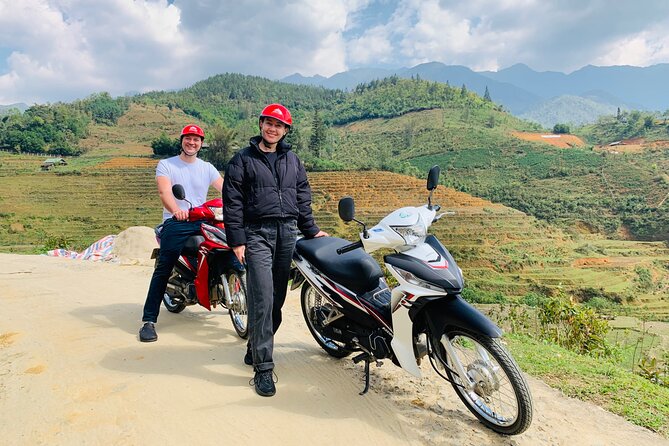
Rice terraces with real village talk. This one-day Sapa trekking tour links Hmong, Giay, and Red Dao communities through three villages, plus river and valley views, with local guides such as Chu and Sang leading the way.
Two things I really like: the way you learn daily life up close (including Hmong marriage traditions and house-building/rice-field work) and the included meal that tastes like Sapa, not a random tourist plate. You also get a small group feel, with a cap of 15 people, and the day stays practical with pickup and a ride back after walking.
One consideration: this is real trail time, and the route can be long and steep, with slippery mud in wet weather, so comfort matters.
In This Review
- Key things that make this trek worth your time
- First step in Sapa: meeting your guide and setting expectations
- Y Linh Ho: start with village life and big mountain views
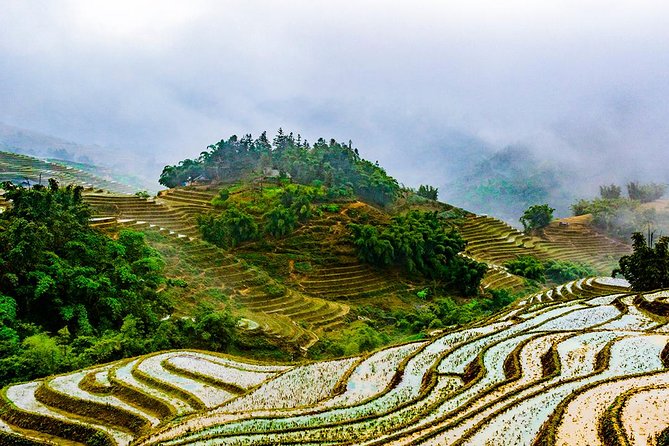
- Lao Chai (Black Hmong): rice terrace walking with cultural storytelling
- Ta Van village: meeting the Giay and seeing how customs differ
- The walk itself: what it feels like, and how to prepare
- Lunch and included basics: local food, simple extras
- Guides and group size: when the day becomes memorable
- Price and value: is $45 a good deal?
- Who this tour suits (and who should skip it)
- Should you book Trekking Through Rice Terraced Fields – 1Day?
- FAQ
- What time does the trek start?
- How long is the trekking day?
- What villages do we visit?
- Is pickup included?
- What’s included in the price?
- Do I need to buy entry tickets?
- Is the trek suitable for everyone?
- What’s the cancellation policy?
Key things that make this trek worth your time
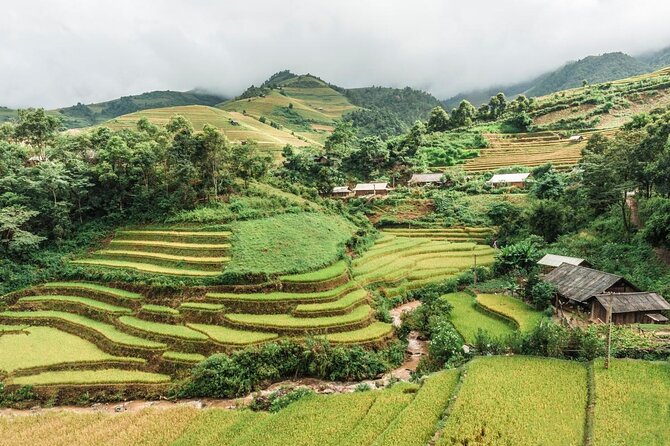
- Three villages in one day: You’ll pass through Y Linh Ho, then Lao Chai (Black Hmong), and finish at Ta Van (Giay), learning how communities differ as you walk.
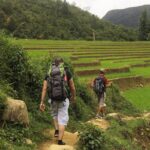
- Rice terraces that you actually climb through: Expect uphill stretches and tight paths between paddies, not just photo stops.
- Guides who live the culture: People like Chu, Sang, Mai, and Vang bring stories from inside the villages, including work rhythms and customs.
- Included lunch and water: You get local foods with vegetables and meat, plus a vegetarian option, plus one small bottle of water.
- Transport back to Sapa: Your legs do the work, but you’re not left hunting a ride at the end.
- Small-group pacing: With up to 15 travelers, the day usually feels focused rather than rushed.
First step in Sapa: meeting your guide and setting expectations
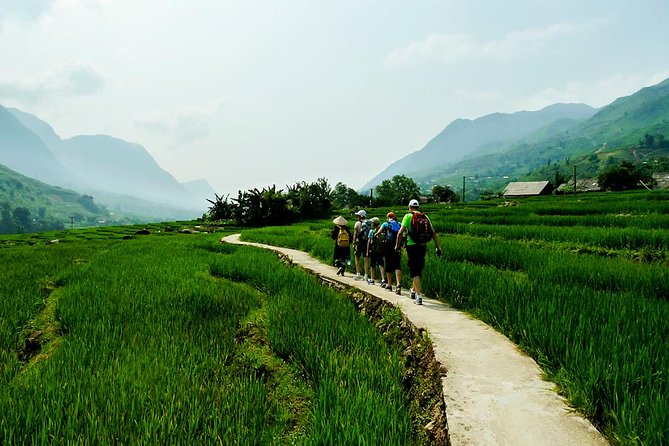
This trek runs for about 5–6 hours, starting around 9:30am. Pickup is offered, and you’ll meet your guide either at your hotel in Sapa Town or near the main church area. You’ll also have a mobile ticket, which keeps things simple when you show up.
What you’re really buying here is time in the villages plus guided context. You’ll walk between communities and rice terrace areas, and the guide will explain what you’re seeing—customs, daily work, and how homes and rice fields fit together. That matters, because Sapa can feel like a blur of viewpoints unless someone helps you connect the dots.
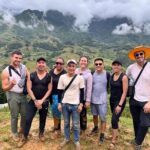
The group size cap (maximum 15 travelers) also changes the vibe. In a smaller group, it’s easier to ask questions, stop for photos, and adjust pace if the weather turns slippery.
You can also read our reviews of more hiking tours in Sapa
Y Linh Ho: start with village life and big mountain views
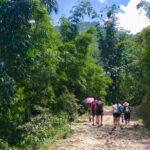
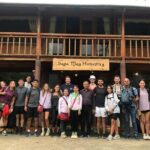
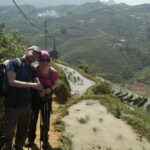
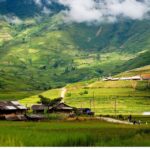
Your first stop is Y Linh Ho village. The day begins with a quick introduction, then you’re off on foot toward the area where the trekking starts. You’ll pass through paths that mix village edges with countryside views—this is where you start to feel the rhythm of Sapa: terraces, greenery, and the movement of people working the land.
This is also where your guide can set up the cultural context. Expect explanations around how ethnic communities live in these valleys—how work happens, how houses get built, and how rice-field labor shapes the day. Some guides go heavy on practical details like house-building techniques and the logic behind terrace work, so if that’s your interest, start asking early.
Practical note: you’ll spend most of the day walking on uneven ground. Even if you’re fit, your legs feel it after a few hours, especially if it’s been wet.
Lao Chai (Black Hmong): rice terrace walking with cultural storytelling
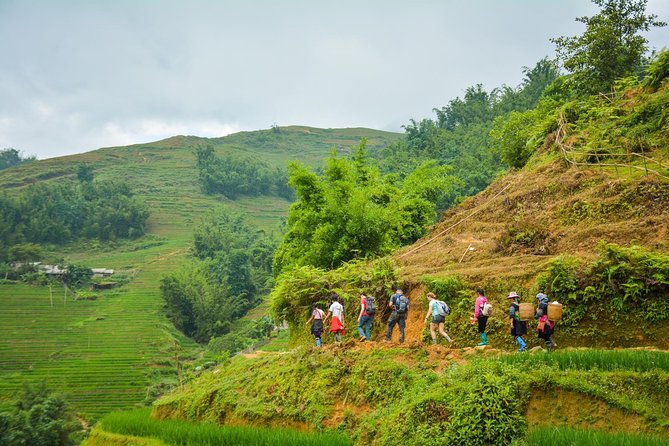
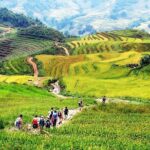
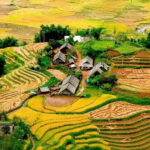
After the first segment, you head onward to Lao Chai, home to the Black Hmong community. This part of the trek is often where the rice terraces become more dramatic to look at—and more demanding to walk through.
This is the section I’d watch most closely if you care about learning. The tour is designed to explain rice-field work and village life, and guides commonly bring in stories about traditions, including how culture shows up in marriage practices and community routines. In the best-guided days, it doesn’t feel like a lecture. It feels like the guide points out what you’re seeing while you’re walking.
If you want extra assurance, look for the kind of guide who answers follow-up questions without making you feel annoying. Some days are better than others, but the tour structure is built around cultural explanation, not just sightseeing.
Ta Van village: meeting the Giay and seeing how customs differ
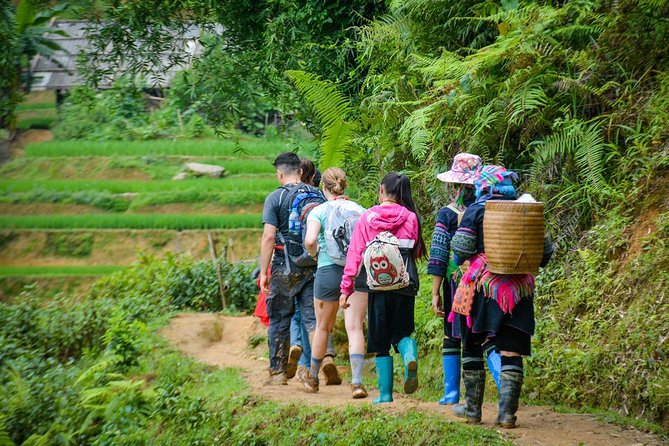
The final village stop is Ta Van village, where you meet the Giay minority. This section is shorter than the early ones (about 1 hour described for the stop), but it’s often where the day clicks for people who enjoy comparing cultures.
Here you’ll get a chance to understand differences between groups—how daily life can look similar in the valley, but still operate differently in the details. Expect your guide to connect what you saw earlier in the Hmong villages to what you’re seeing now in Ta Van, so you don’t just tick off three dots on a map.
At this stage, you’re also usually close enough to the end that you can relax into the experience: fewer big climbs, more time to notice smaller village scenes—paths, work areas, and how terraces and homes share space.
The walk itself: what it feels like, and how to prepare
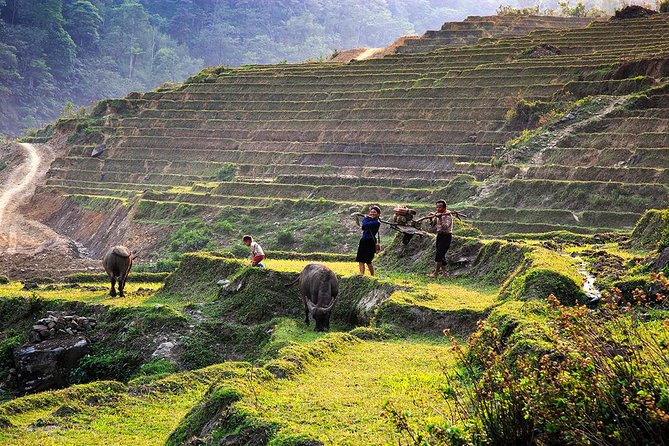
This is a moderate trekking day on foot. The tour is for people who want to see rice fields and learn culture, but it’s still trekking. Some participants describe it as a long climb, even calling out around a 12 km stretch in their experience. Your body will know the difference between walking on a flat road and walking up terrace paths.
Weather is the make-or-break factor. If it’s muddy, steps can get slick. I’d plan on grippy shoes. In multiple experiences, good footwear is mentioned as the difference between a pleasant walk and an exhausting shuffle.
Also plan for sore legs the next day. Even when guides keep a steady pace, terrace climbing adds up. If you’re traveling with kids, the tour can still work, but you’ll want patience, slower pacing, and extra attention on footing.
Lunch and included basics: local food, simple extras
You’ll get lunch included, with local foods, vegetables, and meat, plus a vegetarian option. You also get one small bottle of water per person. Village entry fees and the ride back to Sapa are included, which helps keep the day from turning into a series of small add-ons.
Two honest realities:
1) Included meals can vary in quality depending on timing and where you eat. Some people describe lunch as great; others feel it’s just okay.
2) You’ll be walking for hours, so you might want more water than what’s included. The tour doesn’t list unlimited drinks.
If you tend to get thirsty, I’d bring your own extra water (as an extra drink) and maybe a light snack bar just in case.
Guides and group size: when the day becomes memorable
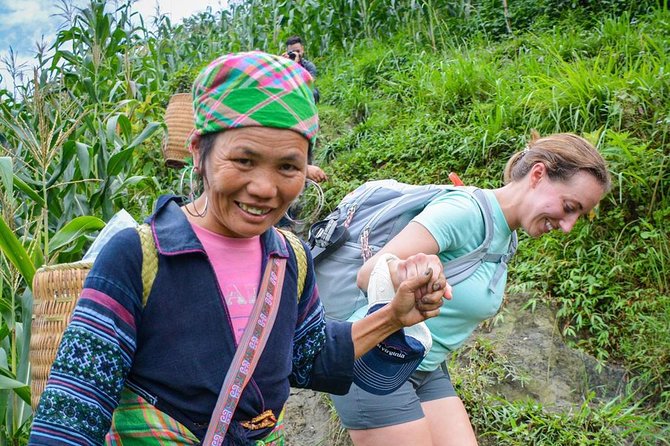
This is one of those tours where the guide matters a lot. In the best moments, your guide isn’t just pointing at rice terraces; they’re explaining why terraces look the way they do, how families work the fields, and what traditions mean in real life.
I saw a pattern in how people talked about guides like Chu, Sang, Vang, Mai, Du, Me, and Dom: clear English, friendly humor, and solid answers to questions. Some guides also suggested routes or walked extra when it made sense for participants, which can stretch the day a bit but often adds value for people who don’t want to end early.
Still, a fair warning: on long walks, not every guide will deliver the same level of detail unless you ask. If that worries you, come prepared with questions like:
- How do families divide field work?
- What changes during planting and harvest?
- What does a house look like and why?
- How do marriage customs connect to community life?
Price and value: is $45 a good deal?
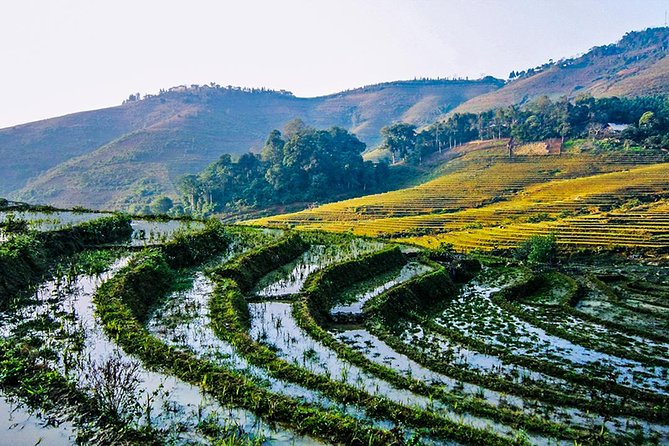
At $45 per person, the value comes from two things: the guided experience and the included essentials. You’re not just paying for walking—you’re paying for cultural context, village entry, lunch, and a return transport back to Sapa.
A big part of Sapa tours is paying for access and time. Here, the day includes pickup, lunch, entry fees, and the ride back. That’s what makes this price feel reasonable compared with tours where you end up paying extra for everything after the fact.
The downside is that you still need to earn it with effort. If you want a mostly-easy stroll with minimal climbing, you might end up wishing the day were shorter or flatter. The tour is for people who genuinely want to trek through rice terraces.
Who this tour suits (and who should skip it)
This tour fits best if:
- You want to see rice fields and not just view them from afar.
- You care about learning real village routines and customs.
- You’re okay with 5–6 hours of walking and uneven ground.
- You like small-group travel with room for questions.
Consider skipping or choosing something easier if:
- You have mobility limitations or need step-free paths.
- You know you struggle with steep, muddy climbs.
- You’re expecting a short, easy sightseeing loop.
If you’re unsure, tell yourself the honest goal: you’re coming for a day outdoors plus culture, not a comfy van ride with a few photos.
Should you book Trekking Through Rice Terraced Fields – 1Day?
I’d book it if you want an active day that connects rice terraces to people’s lives. The combination of village visits (Y Linh Ho, Lao Chai, Ta Van), included lunch, small group size, and guides who can explain traditions like Hmong marriage practices is exactly what makes Sapa feel real.
Skip it if you want an easy walk or if slippery trails would stress you out. Also remember that the day can be long and steep enough to create sore legs for many people, even with average fitness.
If your goal is authentic Sapa, this is a strong one-day option.
FAQ
What time does the trek start?
The tour starts around 9:30am. You’ll meet your guide at your hotel in Sapa Town or in front of the main church area.
How long is the trekking day?
The duration is about 5 to 6 hours.
What villages do we visit?
You visit Y Linh Ho, then Lao Chai, and finally Ta Van village.
Is pickup included?
Yes, pickup is offered, and meeting can be arranged at your hotel in Sapa Town or near the main church.
What’s included in the price?
Included are local lunch, one small bottle of water, village entry fees, and transport back to Sapa.
Do I need to buy entry tickets?
Village entry fees are included, so you should not need to buy them separately.
Is the trek suitable for everyone?
It’s described as moderate and best for people with moderate physical fitness. It’s not listed as suitable for mobility-impaired travelers.
What’s the cancellation policy?
Free cancellation is available if you cancel at least 24 hours before the experience start time. Changes within 24 hours are not accepted, and there’s no refund if you cancel later.