REVIEW · HANOI
From Hanoi: 2 Days Luxury Sapa Trek & Fansipan Peak with Dcar
Book on Viator →Operated by SST TRAVEL · Bookable on Viator
Two days, three cultures, one dramatic valley. This Sapa trip is built around Muong Hoa Valley views and real village routines, wrapped in a smooth Dcar limousine transfer from Hanoi so you spend less time figuring things out and more time looking around.
What I like most is the combo of guided trekking and comfort. You’re not just dropped off; you get an English-speaking guide and built-in meals plus hotel time in Sapa, with two lunches and breakfast covered. That matters when weather shifts fast up in the hills.
One possible consideration: Fansipan cable car access isn’t included, so if you choose the Fansipan option, you’ll likely budget extra. Also, the itinerary asks for moderate physical fitness, so it’s not for total couch-to-hike beginners.
In This Review
- Key highlights worth your attention
- Why this 2-day Sapa plan feels more relaxing than it looks
- Hanoi to Sapa by Dcar limousine: time-saving comfort that actually matters
- Day 1 in Sapa: Cat Cat Village, Muong Hoa Valley views, and the waterfall stop
- Beyond Cat Cat: Lao Chai and Ta Van rice-terrace trekking
- Day 2 choices: Ham Rong (Dragon’s Jaw) Mountain vs. Fansipan Peak
- Option A: Trek up Ham Rong (Dragon’s Jaw) Mountain
- Option B: Go toward Fansipan Peak (cable car/train not included)
- Hotels, meals, and what “luxury” means in this context
- Price and value: what $110 covers, and where the extras appear
- Guides and punctual pickup: the human side of the itinerary
- Weather reality check: what to pack for Sapa trekking
- Who should book this 2-day luxury Sapa trek
- Should you book this Sapa trek with Dcar?
- FAQ
- What time does the tour start in Hanoi?
- How long is the tour?
- What’s included in the price?
- Is Fansipan cable car included?
- What kind of physical fitness do I need?
- How big is the group?
- Is free cancellation available?
Key highlights worth your attention
- Dcar round-trip limousine from Hanoi keeps the logistics simple
- Cat Cat Village includes Black H’mong stilt houses plus hands-on craft watching (weaving, embroidery, drying clothes)
- Down-valley trekking gives you big scenery with less backtracking stress
- Lao Chai and Ta Van add more ethnic variety beyond one single village stop
- Small group (max 10) makes the pace feel controlled and easier to manage
- Fansipan access depends on your choice, since cable car/train entry isn’t included
Why this 2-day Sapa plan feels more relaxing than it looks
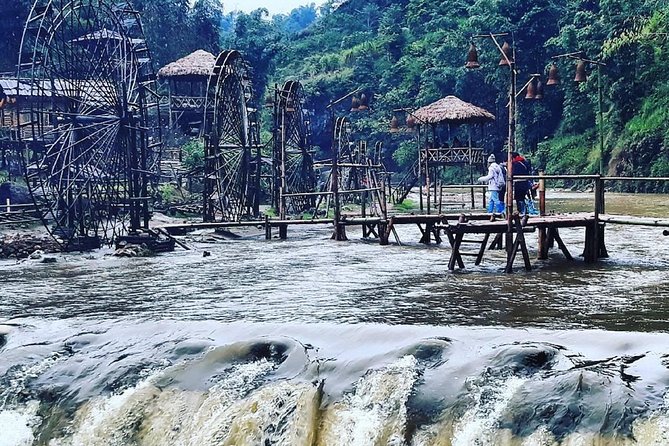
Sapa can be a “choose-your-own-adventure” place. The problem is that choices can become confusion: which villages, which path, how to get back, what’s included. This tour is useful because it narrows that down for you while still giving you the real point of Sapa—people, patterns, terraces, and mountain views.
You get a guide, a set schedule, and an on-the-ground plan that covers the big transitions: Hanoi to Sapa, trekking time, an overnight in a hotel, then a second-day push toward either a mountain viewpoint or Fansipan. In a short trip, that structure is worth a lot.
The best part is that the trekking still feels like a journey, not a photo stop. You’re walking through the same general valley corridors that locals rely on, and the village visits are tied to daily life—house styles, clothing work, and the look of farming country.
A few more Hanoi tours and experiences worth a look


Hanoi to Sapa by Dcar limousine: time-saving comfort that actually matters
You meet at Hanoi Opera House at 6:30am, and then you head out to Sapa. Expect the ride to take around 5 hours, and it’s in an air-conditioned vehicle. That’s a big deal because most of your Sapa success comes down to arriving with energy (and not spending your first afternoon rearranging your day).
A few practical notes that make a difference:
- Bring layers for the ride. Morning in Hanoi can feel cool, and mountain weather can turn quickly.
- If you’re the type who sleeps on buses, you’ll probably find it easier to arrive ready to move. The comfort level here is specifically praised in real feedback.
- You’ll also have bottled water included, which cuts down on small annoyances mid-transfer.
When you arrive in Sapa (around 1:00pm), you don’t jump straight into a hard hike. You’ll have lunch and check in, which is smart pacing for a 2-day itinerary.
Day 1 in Sapa: Cat Cat Village, Muong Hoa Valley views, and the waterfall stop
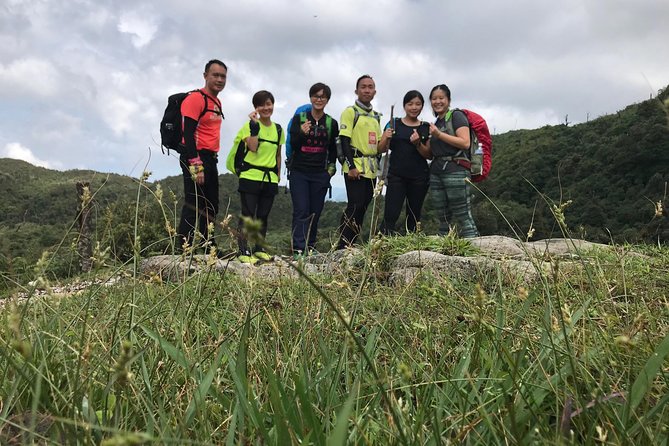
Day 1 is your culture-and-scenery foundation.
After lunch and check-in (you’re settling into a 3-star hotel, with an option for 5-star), you head out for a trek around 2:30pm to Cat Cat Village at the bottom of Muong Hoa Valley. The timing is nice because you’re arriving in daylight and you’re not rushed in the dark.
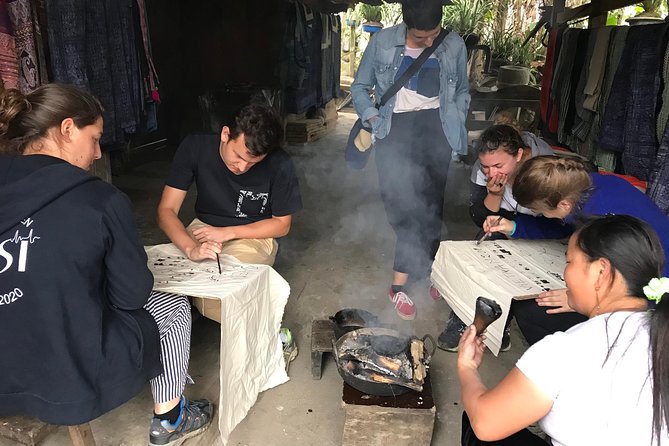
What makes Cat Cat stand out is that it’s not just scenery. You get a chance to see:
- Black H’mong’s traditional stilt houses
- People working on weaving and embroidery
- Daily life details like drying clothes
This kind of craft viewing is one of the best uses of a short trip. It’s slower than snapping photos from a roadside, and it gives you a more human sense of the community. It also helps you understand what you’re seeing when you walk through terrace regions later.
Then there’s the Cat Cat Waterfall. Even when water volume changes with season, the waterfall gives you a natural reset point in the middle of the trek. Just plan for uneven ground and steps. This is trekking country, not a boardwalk.
Is there a drawback? If the weather is cloudy or rainy, the valley views toward Fansipan can be less dramatic. One piece of honest feedback called out that rain and cloud reduced what they could see from Fansipan that day. That’s Sapa’s weather personality, so pack for it.
Beyond Cat Cat: Lao Chai and Ta Van rice-terrace trekking
The tour doesn’t stop at one village. The experience is built to keep walking through the wider rice-terrace setting, and it includes further village visits tied to ethnic culture.
You’ll continue on to Lao Chai village, where you can observe daily life and traditions of the Black H’mong community. Expect a more “live-in” feeling than a curated stop. It’s the kind of visit that helps you notice clothing differences and farming rhythms, even if you’re not fluent in local languages.
Then there’s Ta Van village of the Tay minority. The tour description notes a strong influence from Chinese culture, which you may see in aspects of daily life and village style. It’s a helpful contrast after your time in Black H’mong areas.
What you’ll love here is how this portion turns your trek into something more than movement. It becomes a cultural circuit: house and craft work in one place, terrace country and daily routine in another, and a different cultural influence in Ta Van.
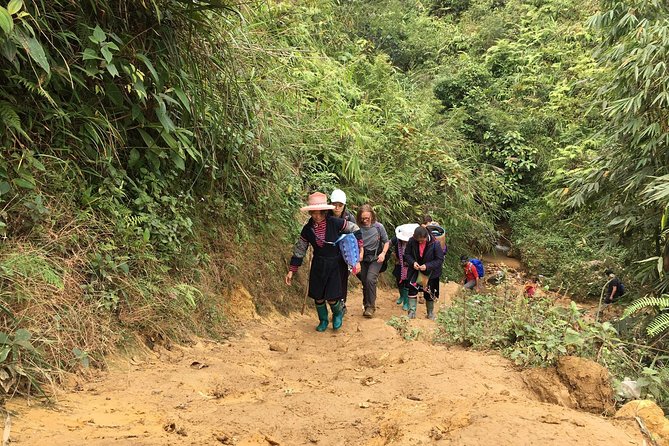
What to consider: your pace will depend on the day’s conditions. In wet weather, terrace paths can get slick. Wear shoes you trust, and don’t plan on doing this like a light stroll.
Day 2 choices: Ham Rong (Dragon’s Jaw) Mountain vs. Fansipan Peak
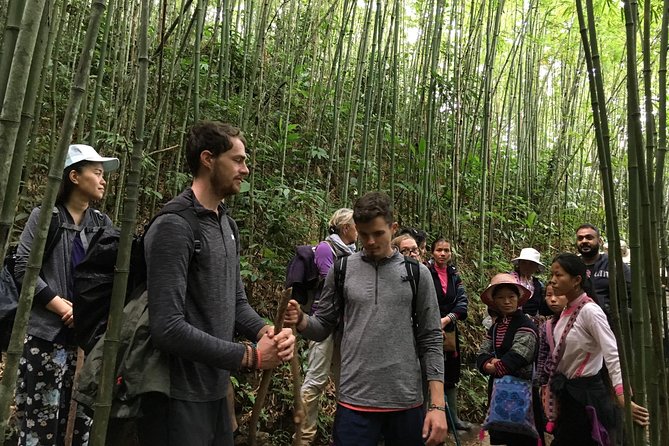
Morning begins with breakfast, and then you’ll check out from the hotel around 9:00am.
From there, you choose one of two directions:
You can also read our reviews of more hiking tours in Hanoi
Option A: Trek up Ham Rong (Dragon’s Jaw) Mountain
If you want a more straightforward hill climb and strong Sapa viewpoint potential, Ham Rong (Dragon’s Jaw) Mountain is the choice in the itinerary. This option keeps you in the Sapa zone and fits well with a 2-day time frame.
Option B: Go toward Fansipan Peak (cable car/train not included)
The tour also offers a way to reach Fansipan, described as the highest peak in Vietnam and Indochina. The itinerary mentions going by train and cable car, but it also clearly says it’s not inclusion.
That detail matters for value and planning. Your tour is built to handle the basics—getting you there, arranging the guide, timing your day—while Fansipan access costs may be separate. If you want Fansipan, build your budget for the additional transport.
Weather can be the swing factor either way. Fansipan can get clouded in a hurry, and one review specifically noted that rain and cloud reduced visibility. If you’re traveling in shoulder seasons or rainy months, keep your expectations flexible.
Hotels, meals, and what “luxury” means in this context
“Luxury” in a mountain trek often means two things: comfort in transit and a real place to sleep after. That’s what you’re getting here.
Included are:
- Breakfast
- Two lunches
- Hotel accommodation (either 3-star or 5-star, depending on your selection)
- An air-conditioned ride and bottled water
- Entrance fees tied to the included activities
Single travelers should know there are single supplements:
- 3-star single surcharge: ₫400,000 per person
- 5-star single surcharge: ₫1,200,000 per person
If you’re traveling as a pair, that’s one reason this can feel like good value. You’re paying for the hotel and transportation setup, not piecing it together yourself.
What I also like is the pacing around meals. You’re not hiking hungry, and you’re not stuck waiting for dinner after trekking. For many people, that difference is the difference between a trip that feels pleasant and one that feels like logistics.
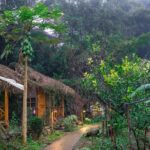
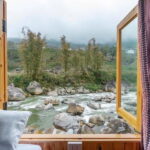
One review called out the hotel as clean, with a mountain view, and close enough to restaurants and the center. While I can’t guarantee your exact view, this kind of placement is usually part of why the experience feels “easy.”
Price and value: what $110 covers, and where the extras appear
At $110 per person, this tour is priced to feel reasonable for a short, organized Sapa trip, especially because it includes the big-ticket parts people often forget to budget.
Here’s what you get in the core price:
- Round-trip Dcar limousine: Hanoi ↔ Sapa ↔ Hanoi
- English-speaking guide
- Air-conditioned transportation
- Hotel accommodation (3-star or 5-star optional)
- Meals: breakfast plus two lunches
- Entrance fees and bottled water
What’s not included:
- Fansipan cable car (and related Fansipan transport, since cable car isn’t listed as included)
- Holiday surcharge
- Single hotel surcharges (for choosing a single room)
So, the real question isn’t just “Is it cheap?” It’s “Do you want organization and transport done for you?” If you’re short on time and don’t want to coordinate everything—this is built for that.
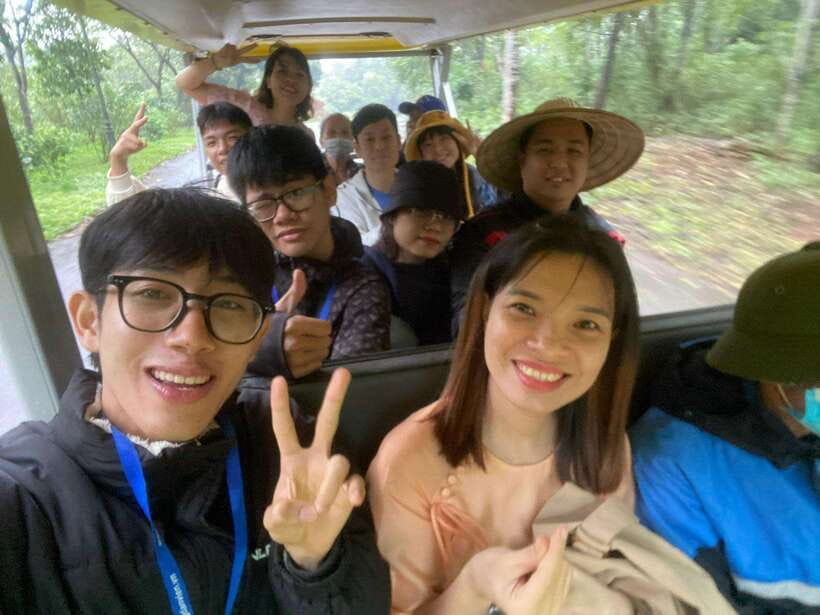
Also notice something important: the group is capped at 10 travelers. Smaller groups often mean a guide can adjust the pace if someone needs a breather. That’s not a guarantee, but it’s a practical baseline.
Guides and punctual pickup: the human side of the itinerary
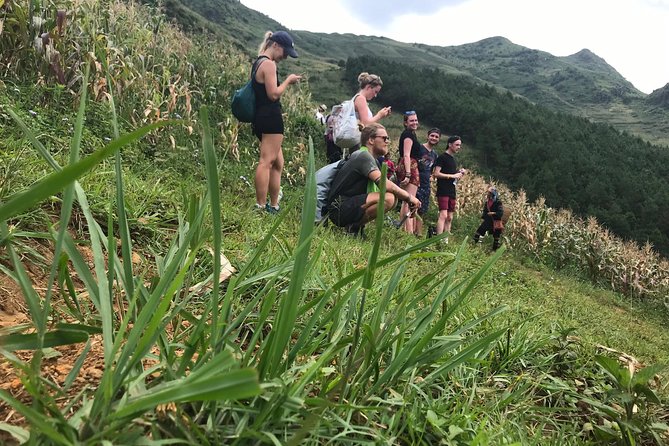
This trip leans on people doing their jobs well. Several pieces of feedback highlight service quality:
- A guide named Khanh helped plan the trip and kept things on track.
- Drivers were praised for being punctual and arriving before time.
- Another staff contact, Mikey, was described as one of the most helpful vacation contacts.
- A customer service note credited Mia for making arrangements feel perfectly organized.
It’s not about names for name’s sake. It’s about the effect: fewer delays, clearer guidance, and less stress when you’re changing locations in one trip.
For me, that’s where value shows up. Transport from Hanoi is long. If the pickup and handoffs are messy, your Sapa time shrinks. When it runs smoothly, you feel like you actually have a trip, not a series of errands.
Weather reality check: what to pack for Sapa trekking
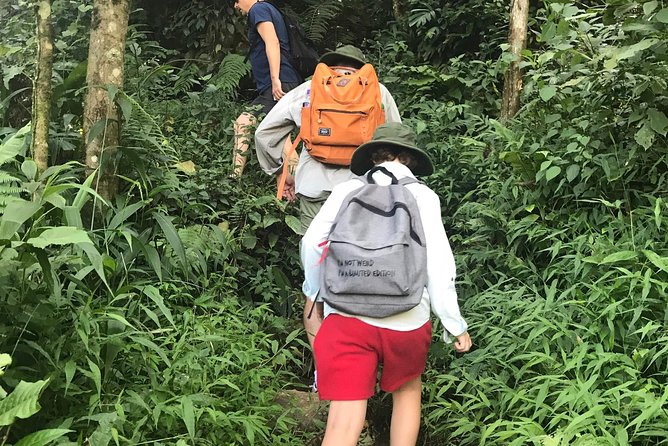
Sapa punishes sloppy packing. The tour is built for moderate trekking, and the itinerary includes valley walks plus optional mountain access. So plan for changing conditions.
Pack like this:
- Rain layer you can actually move in (not just a thin umbrella)
- Good traction shoes for uneven paths
- Warm layer for early starts and hill air
- A small day bag so you can keep essentials with you during treks
If you end up with cloudy skies, don’t panic. You’ll still get village life and terrace scenery. But if your top goal is a clear, dramatic view toward Fansipan, recognize that visibility can drop fast with rain or cloud.
Who should book this 2-day luxury Sapa trek
This is a strong fit if:
- You want a short Sapa trip with real village stops (Cat Cat, Lao Chai, Ta Van)
- You prefer having an English-speaking guide and organized transport
- You’re traveling with limited flexibility and want a plan that runs on schedule
- You like moderate trekking with time to rest and eat properly
You might skip this (or add an extra day) if:
- You want a very hard trek or a long multi-day route
- You’re hoping Fansipan views will be guaranteed in every weather condition
- You want all costs included for Fansipan transport (since cable car access isn’t included)
Should you book this Sapa trek with Dcar?
Book it if you want the practical benefits: a small group, pickup that’s easy to find, an English-speaking guide, hotel and meals handled, and a trek that shows you how people live—especially in Cat Cat, Lao Chai, and Ta Van.
Consider booking something longer or adding flexibility if Fansipan is your absolute priority and you’re traveling in a season where cloud and rain are common. Otherwise, you’ll still come away with what matters in Sapa: terraces, culture, and mountain-country walking without the scramble.
FAQ
What time does the tour start in Hanoi?
The meeting point is the Hanoi Opera House, and the start time is 6:30am.
How long is the tour?
It’s approximately 2 days.
What’s included in the price?
Breakfast, air-conditioned vehicle, an English-speaking guide, bottled water, entrance fees, round-trip Dcar limousine (Hanoi–Sapa–Hanoi), hotel accommodation (3-star or 5-star optional), and two lunches.
Is Fansipan cable car included?
No. Fansipan cable car (and related Fansipan access) is not included.
What kind of physical fitness do I need?
You should have moderate physical fitness since it involves trekking.
How big is the group?
The tour has a maximum of 10 travelers.
Is free cancellation available?
Yes. Free cancellation is available up to 24 hours in advance for a full refund.