REVIEW · HANOI
Sapa 3 days 2 nights ( 01 night in hotel, 01 night in homestay)
Book on Viator →Operated by Sapa Private Day Tours · Bookable on Viator
Early mornings are part of the fun here. This 3-day, 2-night Sapa tour strings together village treks and rice-terrace viewpoints with one hotel night and one homestay night, plus round-trip transfers from Hanoi and an English-speaking guide to keep you oriented.
What I like most is the mix of set sights and real everyday life: you’ll see Cat Cat’s hydropower station and waterfall area, then later spend time in Ta Van with a Giay family (including cooking and dinner). The other big win is the small group size—max 10—so the pace feels human instead of cattle-car tourism. A possible drawback: the schedule is built around walking and trekking, and it’s weather-dependent, so you’ll want to be ready for early starts and changing conditions.
In This Review
- Key things to know before you go
- Sapa 3 days 2 nights: how this trip really works
- Day 1: Sapa early start, Cat Cat village, waterfall and crafts
- Day 2: Y Linh Ho terraces to Lao Chai lunch, then Ta Van homestay night
- Day 3: rice-terrace morning to bamboo forest trekking and Giang Ta Chai
- Price and logistics: does $179 feel fair?
- Food, comfort, and what to pack for these treks
- Who this tour suits best (and who might want a different plan)
- Should you book this Sapa 3D/2N tour?
- FAQ
- What is the duration of the Sapa tour?
- What time does the tour start?
- What meals are included?
- Is transportation included?
- How big is the group?
- What happens if the weather is bad?
Key things to know before you go
- Small group (max 10): easier questions, better pacing on the trail, and less time waiting around.
- Hotel + homestay: you get a comfy baseline at the start/end, then the hands-on village experience.
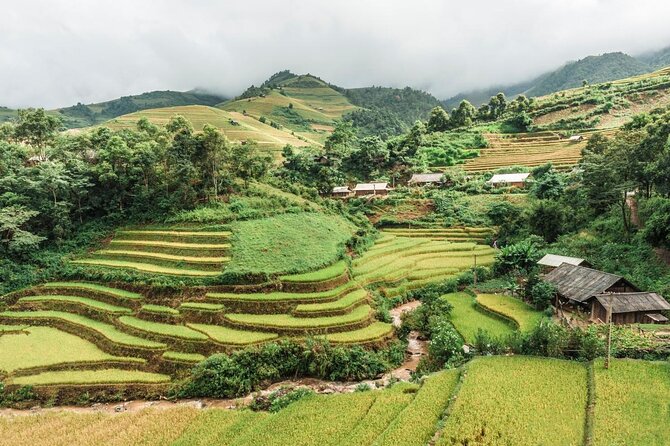
- Rice-terrace trekking: Y Linh Ho’s terraces are described as around 100 years old, with photo-friendly angles.
- Waterfalls in two villages: Cat Cat’s waterfall and the silk waterfall route on Day 3 give you variety.
- Guide support matters: one review highlighted Zai’s resourcefulness, including warm cloths and hands-on help on difficult sections.
Sapa 3 days 2 nights: how this trip really works
This tour is built for people who want Sapa to feel like a place, not just a checklist. Instead of staying in town and “doing” viewpoints, you spend each day moving between villages and stopping where daily life happens—markets, family homes, and farmland that locals work year-round.
You also get a clear structure: breakfast, then trekking or walking routes that connect villages, with meals planned so you’re not hunting for food on your own. And because transport and tickets are included, you’re not juggling logistics between stops.
One detail I appreciate: the plan includes English-speaking guidance and small-group flow, which makes a big difference when you’re walking through areas where the culture is the main attraction. You’re not just looking; you’re learning what you’re seeing and why it matters.
You can also read our reviews of more evening experiences in Hanoi
Day 1: Sapa early start, Cat Cat village, waterfall and crafts
Your day kicks off with an early pickup (the tour’s start time is listed as 6:30AM). On Day 1, you’ll be picked up from the bus office in Sapa at 6:00AM and taken to the tour office at Golden Villa Hotel. After breakfast and freshening up, you’ll depart at 8:30AM for a walk of about 3km down to Cat Cat.
Cat Cat Village is the kind of stop that gives you multiple layers at once. You’ll visit the hydropower station and Cat Cat’s waterfall area, and you’ll also hear about local customs and the people who live here. The route description mentions Cat Cat as a French-discovered colonial area and even references an early 20th-century resort for officials—so the story isn’t only “tribal village.” It’s also tied to how outsiders shaped parts of the region.
Expect walking that’s manageable but real. If you’re the type who likes to pause for photos every few minutes, this day will feel good because there’s plenty to see on the way in—water, people, and craft-focused stops once you arrive.
Potential consideration: you’re starting your day very early and then adding a 3km walk. If you’re not a morning person, pack patience (and water). Also bring layers because Sapa mornings can feel cooler than you expect.
Day 2: Y Linh Ho terraces to Lao Chai lunch, then Ta Van homestay night
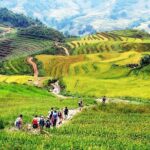
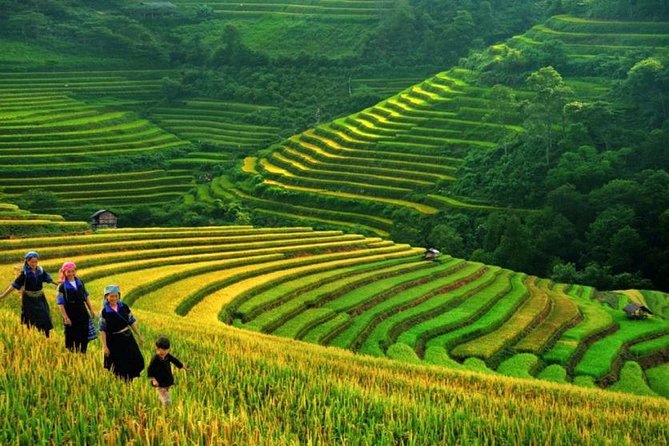
Day 2 starts with breakfast and check-out before 8:30AM. Then you walk down toward Y Linh Ho, a village inhabited by the Hmong minority. One of the standout details here is the mention of hereditary terraces estimated to be about 100 years old. That matters because it changes how you look at the scenery: you’re not seeing “pretty fields.” You’re seeing farmland that’s been maintained across generations.
From Y Linh Ho, you continue to Lao Chai, where you’ll visit a Hmong home town. Lunch is planned as a break for about an hour, which is a nice buffer on a trekking day. After that, the route moves to Ta Van, described as a Hmong and Giay village.
Ta Van is where the trip turns from sightseeing into lived-in culture. You’ll be welcomed by a local Giay family, then you stay overnight in their homestay. You’ll also do cooking and dinner with the family.
That home-meal part is the reason this day feels special. You’re not only watching daily life from a distance. You’re sharing table time and getting a window into how a family’s day revolves around food, routine, and community.
Potential consideration: homestays mean less control over comfort level than a hotel. This tour does give you a hotel night on Day 1 and shower time later on Day 3, but on the homestay night, you should be ready to adapt—bring a small kit (toiletries, tissues, whatever you need to feel sane at night).
Day 3: rice-terrace morning to bamboo forest trekking and Giang Ta Chai
Day 3 begins differently—in a very Sapa way. You’ll wake up to sounds described as a rooster or pigs, then have breakfast with pancakes, hot tea, or hot coffee. The breakfast is served outdoors with views across the rice terraces, so you get a calm moment right before the trek.
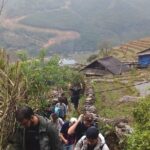
After breakfast, you say goodbye to the homestay family and start trekking through a bamboo forest and toward the silk waterfall area before reaching Giang Ta Chai. The trek is described as taking a few hours, followed by a picnic lunch with scenic views.
Then the day shifts back to easier travel. You’ll walk back to the main road, catch a car or mini van to Sapa Town (around 2:00PM), shower at the hotel, and then head to the bus office by shuttle at 3:00PM to check in for your ride back to Hanoi. Before you leave, the group prepares sandwiches for the way back.
This is one of those itineraries where the pacing makes sense: you earn the views with the morning trek, then you get a practical return plan so you’re not stuck scrambling for transport. If you’ve done similar trips where the “return” feels chaotic, you’ll appreciate that this one keeps the finish line clear.
Potential consideration: Day 3 includes trekking in the bamboo forest and around the silk waterfall route. If you tend to cramp easily, plan to walk slowly, take breaks, and keep your footing focused—slippery or uneven ground can be the real challenge, not just altitude or effort.
Price and logistics: does $179 feel fair?
At $179 per person for 3 days and about 3 days/2 nights (1 hotel night + 1 homestay night), this tour isn’t cheap on its face. But it also isn’t just paying for a guide and a bus ride. You’re paying for a full package that includes:
- All fees and taxes
- An English speaking guide
- 8 included meals (3 breakfasts, 3 lunches, 2 dinners)
- All transportation within the route
- Mobile ticket
- Small group size (max 10)
- Round-trip transfers from Hanoi
If you compare it to piecing together transport, guided trekking, and paying separately for meals, the value becomes clearer. The biggest “value lever” here is that homestay access and multi-village trekking are hard to assemble on your own without local coordination.
One more practical point: the tour is described as requiring good weather. If conditions are poor and the tour is canceled, you’ll be offered a different date or a full refund. Also, cancellations are non-refundable for changes or cancellations, so you’ll want to only commit once you’re confident you can travel.
In plain terms: this is the kind of tour that’s easiest to love when you’re already flexible enough to handle weather shifts and willing to walk.
A few more Hanoi tours and experiences worth a look



Food, comfort, and what to pack for these treks
The meal plan is one of the most reassuring parts of the itinerary. You get:
- Breakfast (3): including pancakes and hot drinks on the homestay morning
- Lunch (3): including a lunch break in Lao Chai and a picnic lunch near the trekking route on Day 3
- Dinner (2): including dinner with the Giay family during the homestay night
That means you’re less likely to face the usual problem in rural treks: hunger timing. It also helps you maintain energy on trekking days.
For comfort, expect a split rhythm:
- Hotel night means you’ll likely get your best sleep and a more predictable shower situation.
- Homestay night is more basic. It’s part of the experience, but you shouldn’t pretend it will feel like a standard hotel room.
From the positive side, the tour guide Zai stood out for real-world help. One review specifically noted Zai being resourceful—bringing warm cloths, medication, and physically helping during difficult hike sections. That’s exactly the kind of “local professionalism” you want on a trek where you might need quick adjustments.
What to pack (practical):
- Warm layers for early starts (especially Day 3 breakfast outdoors)
- Rain protection (because waterfalls and trekking routes happen whether it’s misty or clear)
- Comfortable shoes with grip for uneven trail surfaces
- Small personal essentials for hygiene and comfort at the homestay
Who this tour suits best (and who might want a different plan)
This tour fits best if you want a balanced Sapa experience:
- You like walking with structure (routes between villages with planned stops)
- You’re curious about ethnic culture (Hmong and Giay communities are part of the route)
- You’re okay with a homestay night in exchange for a deeper connection to daily life
- You value a small group pace
It may be less ideal if you:
- Want mostly town-based sightseeing
- Have limited interest in trekking days
- Are very sensitive to early mornings (since pickup and departures are early)
The good news is that even though it’s trekking-focused, the tour includes multiple built-in breaks (breakfast, lunch times, and picnic lunch). Still, you should treat it as an active trip.
Should you book this Sapa 3D/2N tour?
I’d book it if you want Sapa with real village contact, not just viewpoints. The blend of Cat Cat’s waterfall and hydropower visit, Y Linh Ho’s old terraces, Lao Chai’s lunch break, and Ta Van’s Giay family homestay night makes the days feel connected rather than random stops.
I’d hesitate if weather is unreliable for your dates or if you know you can’t handle early starts and trekking. Because the trip is weather-dependent and the walking is part of the core design, it’s not a “relax the whole time” type of tour.
If you do book, bring layers, plan for uneven footing, and lean into the homestay dinner and cooking part. That’s where this tour turns from sightseeing into a story you’ll actually remember.
FAQ
What is the duration of the Sapa tour?
It’s a 3-day experience (about 3 days), with 2 nights total: 1 night in a hotel and 1 night in a homestay.
What time does the tour start?
The listed start time is 6:30AM, with Day 1 pickup described at 6:00AM from the bus office in Sapa to the Golden Villa Hotel.
What meals are included?
The tour includes 8 meals: 3 breakfasts, 3 lunches, and 2 dinners.
Is transportation included?
Yes. The tour includes transportation and round-trip transfers from Hanoi, plus local transfers between activities and back toward the bus office.
How big is the group?
The maximum group size is 10 travelers.
What happens if the weather is bad?
The experience requires good weather. If it’s canceled due to poor weather, you’ll be offered a different date or a full refund.