REVIEW · SAPA
1 day Fansipan Trekking
Book on Viator →Operated by Sapa Original Trek · Bookable on Viator
Fansipan grabs you early, and it keeps squeezing until you reach the top. This 1-day trek in Sapa runs from Tram Ton pass around 6:00am, and you get an English-speaking guide plus entrance fees included, so you can focus on the climb. I also love that hotel transfers are handled for you, and the trip includes a picnic lunch and water. One real consideration: it is a serious, steep hike (about 1600–1700m of elevation gain), so your day will feel hard even if you are fit.
What makes this outing worth your time is the whole setup for a long mountain day: transport, entry, guiding, and even an official medal and certificate on the way. Your effort lands at the highest peak in the Indochina peninsula at 3143m, with views of Sapa you can actually enjoy along the route. The trade-off is timing—plan on 10–13 hours total, and the last stretch can feel like it shows up fast.
In This Review
- Key Things That Make This 1-Day Fansipan Trek Work
- Fansipan Basics: Highest Peak, Real Elevation Gain
- Price and Value: What $80 Buys You in a Long Mountain Day
- Getting There Without Stress: The 6:00am Transfer Setup
- Walking Up to the Summit: Tram Ton Pass to Views
- The 2800m Picnic Lunch Stop: Fuel for the Final Push
- Summit at 3143m: What You Gain at the Top
- Cable Car or Hike Down: Your Choice for the Final Hours
- Guides Make or Break This Kind of Day
- What to Bring (So the Tough Day Feels Fair)
- Who This Trek Suits Best (And Who Should Rethink)
- Should You Book This 1-Day Fansipan Trek?
- FAQ
- What time does the Fansipan trek start?
- How long is the 1-day Fansipan trekking experience?
- Is hotel pickup and drop-off included?
- Are entrance fees included?
- What does the tour include for food and drinks?
- Can I take the cable car down?
- Can I cancel for a full refund?
Key Things That Make This 1-Day Fansipan Trek Work
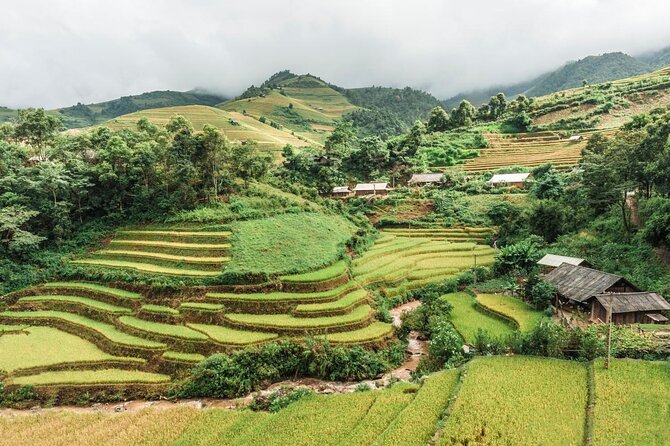
- 6:00am start from Tram Ton pass (about 2000m): you beat the day heat and give yourself the best shot at clear skies.
- Entrance fees, medal, and certificate included: you do the summit day properly, not as an unofficial scramble.
- English-speaking guide and safety focus: guides help set a steady pace on slick, steep sections.
- Picnic lunch at camping site around 2800m: a real fuel stop, not just a snack break.
- Option to cable car down for a fee: you can choose between hiking back or taking the tram.
- Hotel pick-up and drop-off included: you skip taxi math and show up on time.
Fansipan Basics: Highest Peak, Real Elevation Gain
Fansipan is the top mountain of the Indochina peninsula, reaching 3143m. This matters because the hike is not just about distance. You climb roughly 12 km each way (about 24 km total), with around 1600–1700m of elevation gain over the day. That is why the trek is described as very hard and difficult, best for people who already hike or at least walk with purpose.
You start at Tram Ton pass at about 2000m, then work your way upward into thinner air and cooler conditions. Even if you do not feel altitude badly, the cold can surprise you at higher points. One practical hint from experience with this route is that weather can change fast—fog and clouds happen—so bring layers you can handle if the temperature drops on you.
The good news is that the trail is guided and structured. You are not navigating a map in the dark at 6:00am. Your guide keeps the day moving, and that structure makes a hard goal feel achievable.
You can also read our reviews of more hiking tours in Sapa
Price and Value: What $80 Buys You in a Long Mountain Day
At $80 per person, you are paying for a day that includes far more than a walking tour. The tour includes an English-speaking guide, transport (car, or scooter if you are traveling alone), picnic lunch, and 1.5 liters of water. You also get entrance fees included, plus an official medal and certificate at the top.
There is also insurance included, which is quietly important on a steep route with slippery sections. You can be an experienced hiker and still want coverage when rocks get slick and the ground gets muddy.
Not everything is included. Cable car tickets for the descent are not included, and you will likely want to budget for a tip for your guide. But even with those extras, you avoid the common hidden costs that can creep in when you try to DIY: entrance fees, finding a reliable guide, and arranging transport that actually matches the early start time.
If you have a couple of people traveling, you might also benefit from group discounts (the program notes that discounts apply). Even without that, the package setup is the value.
Getting There Without Stress: The 6:00am Transfer Setup
This trek starts at 6:00am, and you meet at the local starting point after pickup. The big win is that you do not need to book taxis or figure out how to get to the trailhead on time. Round-trip hotel transfers are included, so your day begins with minimal friction.
You’ll usually have an early breakfast on your own, then head out to Tram Ton pass. The route uses a transport vehicle to the start point—car for most people, scooter if you are traveling as a single person. That matters because hiking from the center of Sapa to Tram Ton on your own would add distance and morning fatigue before you even start climbing.
The tour also runs as a private activity for your group. That means you are not stuck with random pacing from people who move at a different speed. Guides can adjust breaks and tempo to the group, which is huge on a day where the last third often gets steep quickly.
Walking Up to the Summit: Tram Ton Pass to Views
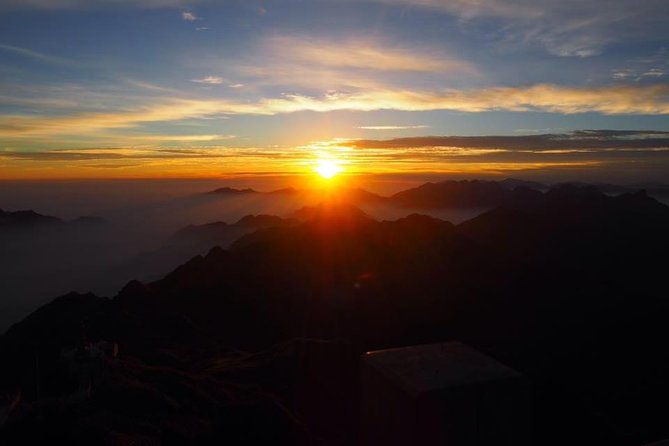
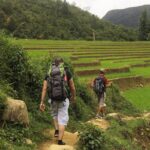
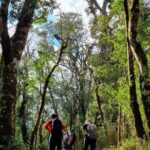
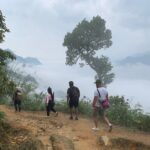
The core of the day is the climb from Tram Ton pass—about 2000m—to Fansipan, via a section that includes bamboo areas, old-tree forest, colorful flowers, and streams. That is one of the practical reasons to like a guided route: the scenery is not only at the summit. You get variety through the morning and early afternoon as the trail changes.
The itinerary structure keeps it clear: Tram Ton pass → Fansipan → Tram Ton pass. The distance is around 24 km, and the hiking time is typically 10–12 hours, with some groups taking closer to 12–13 depending on weather and pace.
Expect the trail to feel easiest at the start and harder as altitude and effort pile up. The steepest portions often come later. Even runners and people who train for endurance have to take breaks. Your guide should help you pace without rushing, and you should feel safe asking for short stops—especially if you are slower, or if fog or rain makes footing uncertain.
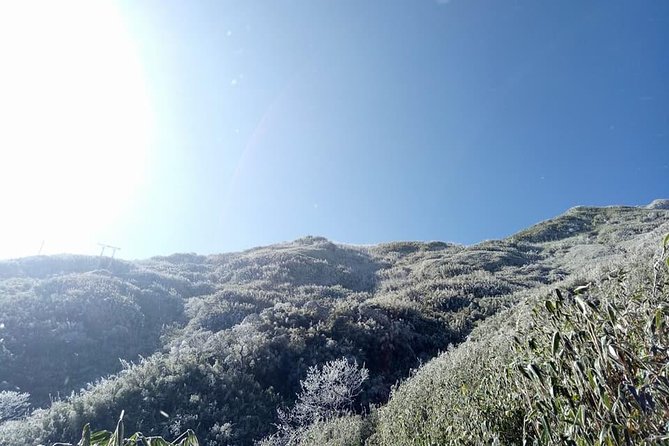
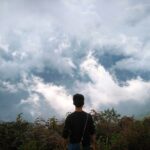
A note on weather: cold and cloud can make the hike feel tougher even if the trail is technically straightforward. In one case, temperatures were around 7°C at the time, and the views were still worth it.
The 2800m Picnic Lunch Stop: Fuel for the Final Push
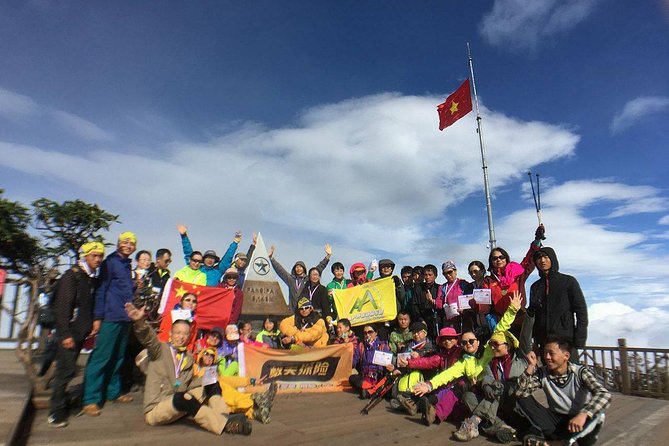
About midday, you reach a lunch point at a camping site around 2800m. This is more than a rest break. It’s where you refuel at higher altitude, so you can keep the climb steady afterward.
A picnic lunch is included, and you also get water as part of the package. In real terms, this stop helps you avoid the classic hiking mistake: under-eating because you assume the summit is just a little farther. On a hike like this, that assumption can backfire.
If you have dietary needs, you might want to ask ahead of time. One group reported that their vegetarian diet was taken care of. The safest approach is to message the operator when you book so the guide can plan food accordingly.
After lunch, you climb toward the top, and that is where your motivation matters. Guides often help with pacing so you are not sprinting on steps that later demand endurance.
A few more Sapa tours and experiences worth a look
Summit at 3143m: What You Gain at the Top
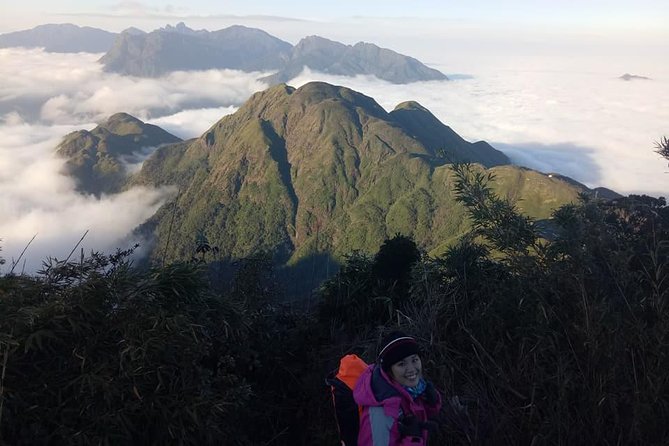
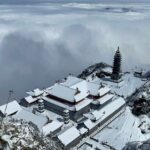
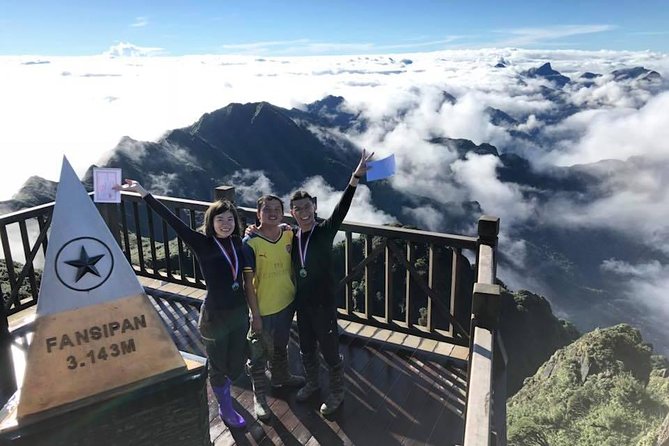
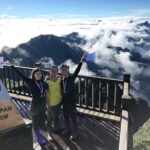
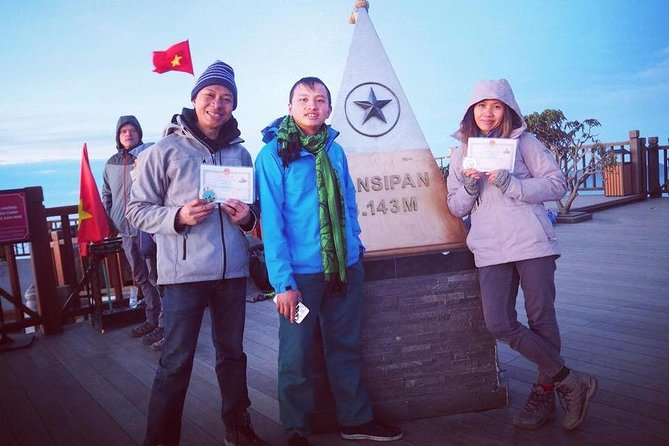
Reaching the summit is the emotional payoff of the whole day. Fansipan tops out at 3143m, and once you are there, you understand why people remember this trek as a once-in-a-lifetime type of achievement.
The timing is usually around 12 hours to 13 hours after your early start, depending on group speed and conditions. If you hit the summit by late morning, you may get better light for photos and clearer visibility. If fog rolls in, you can still get the satisfaction of being at the highest point—but your view angle will depend on the weather.
Even with cloud cover, the route can still feel rewarding because you’ve already seen parts of Sapa from different heights along the way. The best part is that the day is not just labor. It has movement through forest, streams, and changing terrain—then a real goal at the end.
Also, the tour includes entry with a medal and certificate. That small piece matters. It turns your climb into an event with closure, not just a summit photo and a long walk back.
Cable Car or Hike Down: Your Choice for the Final Hours
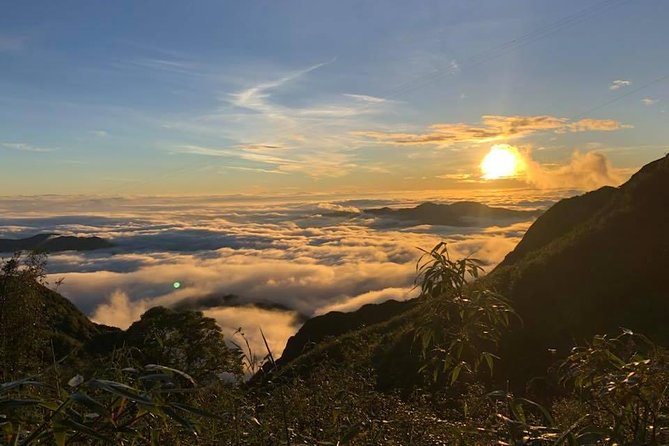
From the top, you return to Tram Ton pass. You typically have two descent options:
- Descend via the same route you used to reach the summit
- Or take the cable car back down for a fee (not included)
I like having the choice because your legs may be in two different states by the time you finish the climb. If you feel strong and your footing is good, hiking down gives you time to enjoy the trail again and keeps the challenge full-circle. If you are done—blistered, tired, or the ground is slick—the cable car can save you from turning the day into a slow grind.
In practice, some people choose the cable car down and still consider the hike worth it. The key is to pick what matches your condition that day, not what you hope you will feel in theory.
No matter what you choose, you still get a ride back to the meeting point at the end of the activity.
Guides Make or Break This Kind of Day
This trek lives or dies on pacing, and that is where the guides shine. The organizer Mr Tinh is repeatedly described as responsive and on top of arrangements—keeping communication clear so you know what to expect before the day starts.
On the trail, guides such as Mr Choo/Cho, Mr Chay, Sinh, Ms Ho, and Ser show up in feedback with a shared theme: they are patient and safety-minded. That matters because steep sections can be slippery, and the final push rewards people who take the terrain seriously.
A good guide also makes the hike feel conversational. One guide pointed out facts about flora and fauna, which helps when you need mental variety during long stretches. Another guide helped slower hikers keep a comfortable rhythm without making them feel like they were behind.
If you have never done a hike with this much elevation gain, do not underestimate the value of that support. Even people who are athletic still need strategy on a steep mountain day.
What to Bring (So the Tough Day Feels Fair)
The tour provides water and lunch, but you still own your comfort. Based on how this hike plays out—early start, cool summit area, steep last sections, possible fog and rain—I recommend packing like you are hiking in layers:
- A warm layer for higher elevations (even if Sapa is mild in the morning)
- Rain protection in case weather turns
- Shoes with grip for muddy or slick ground
- A small personal snack stash if you know you burn energy fast
The program notes that raincoats may be provided and you can keep them, which is a nice bonus if the weather is wet. Still, I would not assume you will stay dry without your own plan.
And pace yourself mentally. When the steep part shows up, you want your body to already be in steady mode.
Who This Trek Suits Best (And Who Should Rethink)
This is for people with strong physical fitness. The hike is described as very hard, and the elevation gain backs that up. If you are someone who hikes regularly, this trek can be a satisfying challenge.
It is also a good fit if you want a guided, structured day with less logistics stress. You get transport, tickets, and an English-speaking guide, so you can concentrate on walking and breathing rather than figuring things out.
It might not be the best choice if you are recovering from injury, hate steep terrain, or are planning a day that should feel casual. Even athletic people in feedback slowed down and took breaks, which tells you the climb demands respect.
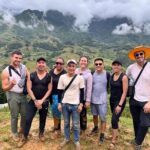
If you are traveling with friends and want a private experience with your own pacing, the private format helps. The group stays together, and the guide can tailor stops.
Should You Book This 1-Day Fansipan Trek?
Book it if you want a real summit day with guided support, included entrance fees, and a clear plan from 6:00am to return. I think the best reason to book is the value stack: English guide, hotel transfers, lunch, water, insurance, and the official medal/certificate. You also have the practical option of cable car descent if your legs beg for it.
Pass or consider a different format if you are unsure about the difficulty. This trek is not a light nature walk. It is steep, long, and timed so you finish the goal in one day.
If you do book, do it with the right mindset: treat the hike like training for your legs and lungs. Then enjoy the payoff at 3143m—because the summit feeling is earned.
FAQ
What time does the Fansipan trek start?
The start time is 6:00am.
How long is the 1-day Fansipan trekking experience?
It runs about 10 to 13 hours, depending on your pace and conditions.
Is hotel pickup and drop-off included?
Yes. Round-trip hotel transfers are included, so you do not need to arrange taxis.
Are entrance fees included?
Yes. Entry fees are included in the tour price, and you receive a medal and certificate.
What does the tour include for food and drinks?
You get a picnic lunch and 1.5 liters of bottled water.
Can I take the cable car down?
Yes, you have the option to take the cable car down for a fee. Cable car tickets are not included in the price.
Can I cancel for a full refund?
Yes. You can cancel up to 24 hours in advance for a full refund. If you cancel less than 24 hours before the start time, the amount paid is not refunded.
If you want, tell me your hiking experience level and when you’re traveling, and I’ll help you decide whether hiking down on foot or using the cable car makes more sense for your day.