REVIEW · SAPA
Rice Terraced Fields & Homestay Experience– 2D 1N
Book on Viator →Operated by Trekking Tour Sapa · Bookable on Viator
Sapa feels real on this 2-day trek. You start in the Hmong villages area, walk through bamboo and terraces, then sleep inside the mountain rhythms of Ta Van village. It is the kind of Sapa trip that feels practical, not just scenic.
I especially like the small-group format (maximum 2 travelers) and the way your local guide handles the maze of paths and village stops. I also like the included meals and the homestay setup: you get dinner, breakfast, and even a hot shower window in Ta Van, plus coffee or tea on Day 2.
One consideration: parts of the walking can be on roads, including areas with regular motorbike traffic, and homestay quality can vary. If you are picky about cleanliness, pack an open mind and consider bringing a simple personal wipe kit.
In This Review
- Key highlights you will actually care about
- Rice terraces and a Ta Van homestay: why this combo works in Sapa
- Day 1 from Y Linh Ho down toward Cat Cat rice terraces
- Ta Van Village homestay: Giay community time, dinner, and a hot shower
- Day 2 up toward Giang Ta Chai waterfalls
- Pace and fitness: who this trek suits (and what to watch for)
- Transportation and on-the-ground comfort (air-con helps)
- Price and value: what $85 covers over two days
- Guides make the difference: Sang, Su, Mi, Tung and the local touch
- Should you book this Sapa rice terraces 2D 1N with homestay?
- FAQ
- What time does the tour start, and where do we meet?
- What’s included in the price for the 2 days and 1 night?
- Do I stay in a homestay during the tour?
- How many people are in the group?
- Is this tour affected by weather?
- Can I get a refund if I cancel?
Key highlights you will actually care about
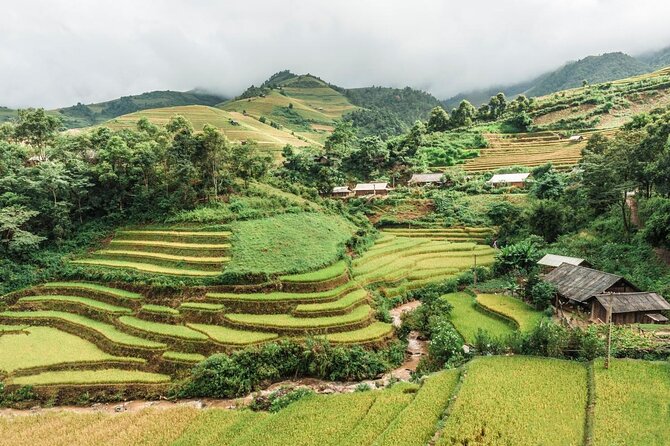
- Max 2 travelers means you get more personal attention on the trail and in the villages
- Cat Cat + Y Linh Ho combine village life with big rice-terrace views
- Ta Van homestay includes dinner and breakfast, plus time to reset with a hot shower
- Giang Ta Chai waterfalls are the Day 2 goal after breakfast and an uphill push
- Village entry fees and meals are covered, so your day-to-day budget stays predictable
Rice terraces and a Ta Van homestay: why this combo works in Sapa
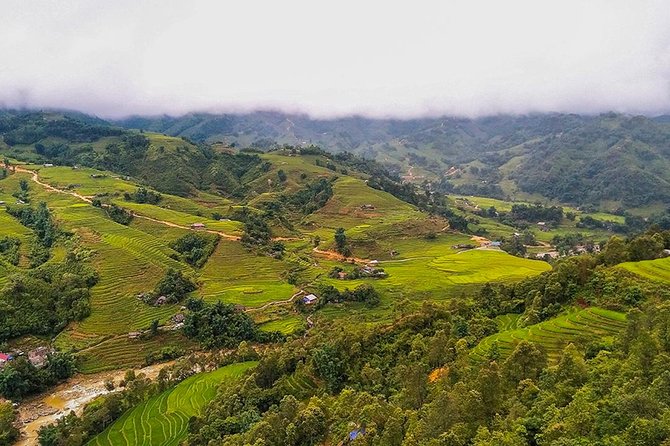
Sapa is known for its dramatic terraces, but the better part is what happens around them. This 2D 1N plan stitches together villages, walking time, and local hospitality, so you are not just checking boxes from a bus window.
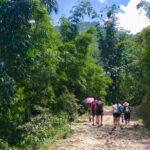
You get a mix of classic Sapa moments: Hmong villages in the Cat Cat and Y Linh Ho area, then rice terraces with mountain views, and later the Ta Van homestay in the Giay community. Between villages, you spend time on foot in the mountain valleys, including bamboo forest sections and terrace paths. That mix matters because it keeps the trip from feeling like one long lookout stop.
Value-wise, it also reduces decision fatigue. Your guide handles routes and village entry fees, and the big meals are already built in: breakfast and dinner at the homestay, plus lunch on both days. For many people, that is the difference between enjoying Sapa’s pace and spending the whole time thinking about logistics.
A few more Sapa tours and experiences worth a look

Day 1 from Y Linh Ho down toward Cat Cat rice terraces
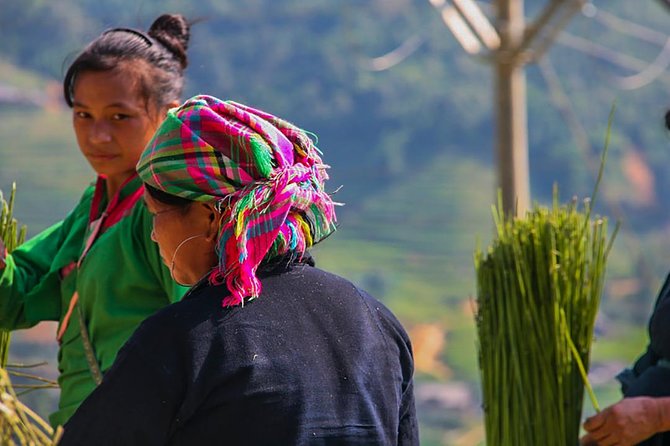
The day starts at 9:00 am, with the meeting point at Sapa Church (P. Hàm Rồng, TT. Sa Pa, Lào Cai 333100). You will meet your local guide either at your hotel in Sapa Town (pickup is offered) or at the church, then get a short introduction before heading out.
The first village stop is Y Linh Ho, where you will walk down toward Cat Cat’s road area. You are taken about 2 km down early on, which helps you ease into the day before the terraces start pulling you deeper into the valley. Expect village sights, including time to look around and get the feel of daily life at the edge of the fields.
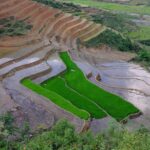
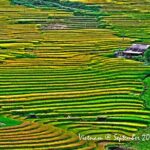
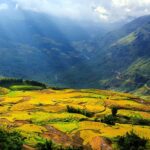
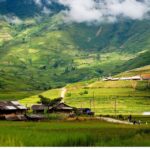
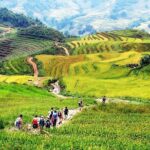
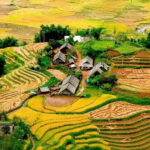
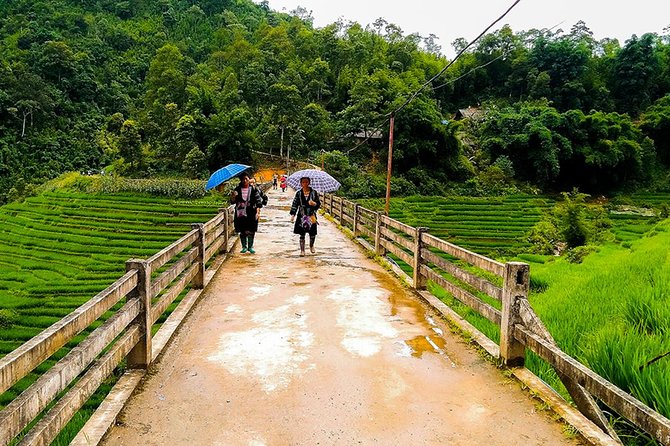
Then comes the reason most people book Sapa terrace treks: the views. From the paths around Y Linh Ho and Cat Cat’s area, you get to admire some of the big rice terraces in Vietnam, along with wide mountain outlooks from higher ground near the Hoang Lien mountain region. Even if you have seen terrace photos before, being there changes the scale fast. Rows of rice don’t read the same from street level.
A practical note: this first day includes admission for at least the Day 1 village/terrace portion, so you do not have to scramble for small tickets later. The plan is also time-friendly. You are not locked into a grind all day, and you still have time to reach Ta Van by night.
Ta Van Village homestay: Giay community time, dinner, and a hot shower
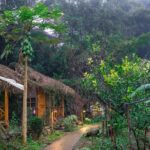
After a break, you head to Ta Van village, known for the Giay minority community. Your host family welcomes you, and the schedule gives you time that many treks skip: rest, a hot shower, and then dinner.
That “reset” window is huge. Sapa weather can feel sharp even when the sun is out, and after walking and road segments you will want the chance to freshen up. The tour also builds a bit of cultural rhythm into the evening by keeping you in the homestay environment rather than rushing straight to another stop.
You should also know what to expect about the homestay experience. Reviews show people often feel the homestay is welcoming and authentic, and they mention friendly guides like Su and Mi who keep the tone warm and clear. Still, one review flagged that the homestay was not very clean, so I would not call every stay identical. If cleanliness is a dealbreaker for you, bring basic personal care items and set your expectations around simple mountain lodging rather than a hotel standard.
Dinner and breakfast are included, so you will not be doing a search for a restaurant after you arrive. That helps you actually enjoy the evening, which is when village life feels less like a show and more like a home.
Day 2 up toward Giang Ta Chai waterfalls
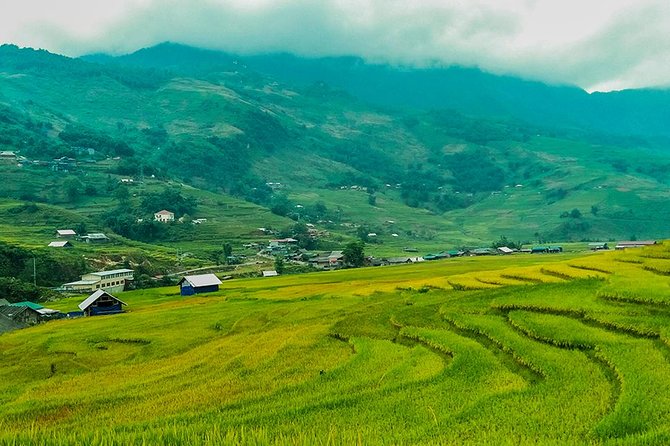
Day 2 starts with a gentler intro at the homestay. You can have a cup of hot coffee or tea, then breakfast before the trek resumes.
From there, the plan pushes uphill into the mountains toward Giang Ta Chai and its waterfalls. The Day 2 structure is straightforward: eat, climb, reach the waterfall area, and finish the experience with transport back to Sapa afterward.
This day is also where the trek feels most like a proper mountain walk. You are going uphill again after already spending Day 1 on terraces and village routes, so pacing matters. Your guide will be the one managing the timing and route details, and in past experiences with guides like Sang, people have praised the guidance style and how clearly they explain what you are seeing. That kind of direction helps you keep going without guessing.
Admission is listed as included for the Giang Ta Chai portion, so once you get there, you are not hit with extra small payments just to access the key point. You also end back at the meeting point area, so you are not stuck finding a ride from a remote trailhead.
If you love a “finish with a payoff” feeling, waterfalls are a good match for Sapa. If you are chasing maximum exertion, you may wish the walk were longer, but this is still a solid 2-day rhythm.
Pace and fitness: who this trek suits (and what to watch for)
The tour is described as requiring moderate physical fitness. That is accurate in spirit: you will be walking through village paths and terrace areas and doing an uphill portion on Day 2. You also get some break time built in, especially on Day 1 before Ta Van.
Your biggest practical challenge is probably not technical climbing. It is more about endurance and comfort: uneven ground, steps, and changing surfaces as you move between village edges, terrace paths, and road sections. You should come with shoes that grip and socks that survive a long day. Also plan for weather shifts, since Sapa mountain conditions can change quickly.
One detail from the overall experience that matters for your day: some sections may follow paved roads with motorbike traffic, and the trail can involve walking among multiple groups. That does not ruin the day, but it changes the vibe from fully off-road to partly roadside. If you are sensitive to traffic noise or prefer quiet trails, keep this in mind and bring the right mindset.
On the other hand, you do not feel lost. With a guide, clear meeting point timing, and vehicle support between village zones, you are doing a real trek without the stress of route planning.
Transportation and on-the-ground comfort (air-con helps)
This tour includes transport by vehicle and then guides you on foot between the key stops. You also get air-conditioned vehicle support as needed. That sounds like a small detail, but in Sapa, where temps can feel cooler than you expect, having a comfortable ride between walks is a genuine quality-of-life upgrade.
You also receive 1 big bottle of water per person. That helps you avoid the common trek problem of running low when you are busy taking in views and forgetting to hydrate.
Because the meeting point is at Sapa Church and the area is near public transportation, you are not locked into a complicated arrival method. Pickup is offered, but if you prefer to make your own way to the start, the location is easy to anchor your plans around.
Price and value: what $85 covers over two days
At $85 per person, this is not a budget-only bargain. It is priced like a guided mountain experience that bundles the things that usually cost extra in Vietnam: local guiding, vehicle transport, village entry fees, and most of your meals.
Here is what you effectively get for that price:
- Homestay for 1 night in Ta Van, with dinner and breakfast included
- Two lunches included across the 2 days
- Village entry fees included for the listed village stops (with admission tickets noted as included on the main Day 1 and Day 2 portions)
- A local guide, plus air-conditioned vehicle support
- Water provided (one big bottle per person)
- Transport back to Sapa after the trek ends
For you, the practical win is fewer pay-as-you-go moments. You can budget once, then focus on walking, photos, and conversation. If you have ever done Sapa hikes where you keep paying small fees and guessing what is covered, you will appreciate the clarity here.
The one place where value can feel uneven is the homestay. Most people describe a welcoming local home stay experience, but one review raised a cleanliness concern. That is why I think you should treat this as a cultural lodging experience, not a five-star property.
Guides make the difference: Sang, Su, Mi, Tung and the local touch
The guide element is one of the biggest reasons this experience lands near the top of the Sapa list. Reviews consistently highlight guides as friendly, supportive, and strong on local knowledge.
You will meet a local guide for the route. People have specifically praised guides such as Sang for confidence and explanation, Su for making the trip feel personal and memorable, Mi for kindness and learning opportunities, and Tung for a community-minded approach. Even when the scenery is the main attraction, a good guide is what turns “we walked somewhere” into “we understood what we saw.”
What that means for you on the ground:
- You get context about village life and the terraces
- You move at a pace that fits the group rather than racing ahead
- You feel more comfortable asking questions instead of just watching
- You are more likely to enjoy the “in-between” moments, like arrival, coffee/tea time, and village transitions
Because the group size can be as small as two travelers, your guide is not constantly juggling a big crowd. That translates to better clarity, more chances to talk, and fewer awkward pauses when someone asks where the path goes next.
Should you book this Sapa rice terraces 2D 1N with homestay?
Book it if you want a guided, two-day trek that actually includes village interaction and a homestay night, not just a highlight walk. This is a great fit for people who like their travel to be both outdoorsy and human-scale: terraces by day, and a real mountain home setting at night.
Skip (or choose carefully) if you are extremely sensitive to road-walking segments or noise from motorbikes, since some parts may not be fully traffic-free. Also think twice if you require hotel-level cleanliness standards; homestays are simple by nature, and at least one account flagged cleanliness issues.
If you can handle basic mountain lodging and you enjoy learning from local guides, this is strong value. You will get the Sapa rhythm in a compact 2 days: rice terraces and Hmong villages on Day 1, then Ta Van life and Giang Ta Chai waterfalls on Day 2.
FAQ
What time does the tour start, and where do we meet?
The tour starts at 9:00 am and meets at Sapa Church in Sapa Town (P. Hàm Rồng, TT. Sa Pa, Lào Cai 333100). Pickup is offered, and you may also meet your guide at your hotel in Sapa Town.
What’s included in the price for the 2 days and 1 night?
The price includes breakfast, dinner, lunch (2), village entry fees, and 1 night homestay accommodation in Ta Van. It also includes a local guide, air-conditioned vehicle transport, and 1 big bottle of water per person.
Do I stay in a homestay during the tour?
Yes. You spend one night in a homestay in Ta Van village. The homestay includes dinner and breakfast, and you are given time to rest and get ready for the evening.
How many people are in the group?
This experience has a maximum of 2 travelers, so it is very small-group. That tends to mean more personal attention from your guide.
Is this tour affected by weather?
Yes. The experience requires good weather. If it is canceled due to poor weather, you’ll be offered a different date or a full refund.
Can I get a refund if I cancel?
Yes. There is free cancellation up to 24 hours in advance for a full refund. If you cancel less than 24 hours before the experience start time, the amount paid is not refunded.