REVIEW · SAPA
Number one top rated ethical cultural trekking and homestay by ETHOS
Book on Viator →Operated by Ethos - Spirit of the Community · Bookable on Viator
A two-day trek with real village time. I like that this route is private and built around day hiking through rice terraces, villages, and bamboo forests. I also love the homestay night with your host family, where the plan includes shared meals and time to see daily life. One thing to consider: it’s a moderate trek, and Day 1 includes a steep climb, so you’ll want decent hiking shoes and stamina.
The best part is how the experience is organized to keep you moving through the Sapa Valley while staying connected to people, not just scenery. You’ll be dropped back to Sapa after Day 2 by taxi, which helps if you’re keeping the rest of your itinerary tight. If the weather turns, the experience depends on good conditions, so build some buffer time.
In This Review
- Key takeaways before you go
- Sapa Valley on Foot: What This Private 2-Day Trek Really Gives You
- Price, Value, and Who It’s For (and Who It’s Not)
- Starting at ETHOS: Meeting Point and Why It Matters
- Day 1 Walk: Rice Terraces, Villages, and a Steep Climb
- What you should do to make Day 1 easier
- The social part: cooking and sharing lunch
- Night in a Village Homestay: What the Included Dinner Changes
- Day 2 Hike: Flexibility, Your Pace, and Getting Back to Sapa
- How to think about Day 2 choice
- Expect the same kinds of features
- Transportation and Meals: The Unsexy Parts That Make or Break a Trek
- What Guides Like Cha, Hoa, Ker, Kae, and My Can Do for You
- Weather, Modesty, and Comfort Tips for Sapa Valley
- Logistics You’ll Want to Know (Without the Headache)
- Should You Book This Sapa Homestay Trek?
- FAQ
- How long is the Sapa Valley trek and homestay?
- What’s the hiking distance on Day 1?
- Is the trek private?
- What meals are included?
- Where do you start the tour?
- What time does the tour start?
- What happens if the weather is bad?
Key takeaways before you go
- Private, just-your-group hiking: no crowded trail experience, and your guide can pace things to your level.
- Homestay with a host family: you’re sleeping in the village, with dinner and breakfast included.
- Rice terraces, villages, and bamboo forests: you get variety across Day 1’s longer hike.
- A flexible Day 2 target: distance and challenge can be adjusted, then you’re taxi’d back to Sapa.
- Meals included: two lunches plus dinner and breakfast are part of the experience plan.
- ETHOS cultural focus: the guides’ approach centers on community life, not just walking.
Sapa Valley on Foot: What This Private 2-Day Trek Really Gives You
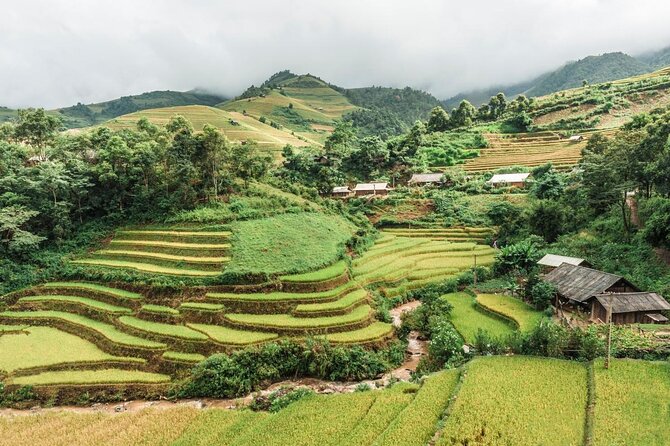
Sapa can feel like a loop of views and viewpoints. This plan breaks that pattern. You’ll spend Day 1 walking through rice terraces and traditional villages, then finish the day by sleeping with a host family in a village setting. Day 2 keeps you hiking, but with more room to choose distance and intensity before a taxi gets you back to Sapa in the afternoon.
What makes it work is the balance: you get active time in the valley without turning the whole trip into a marathon. And you get a genuine reason to stop—lunch with your host family and a night where you’re part of the routine, not just a visitor passing through.
The experience also has a strong ethical/community angle through the ETHOS program. In practice, that shows up in how the guides frame what you’re seeing and how the homestay night is built into the flow, including meals and time with your host family.
You can also read our reviews of more hiking tours in Sapa
Price, Value, and Who It’s For (and Who It’s Not)
At $93.34 per person for about 2 days, this is priced like a proper activity, not a budget add-on. The value comes from what’s included: private transportation, homestay accommodation, water and refreshments, and multiple meals (dinner, breakfast, and two lunches). When you price those pieces separately, the hike stops being expensive and starts looking fair.
You’ll probably enjoy this most if:
- You want a cultural homestay night rather than a single photo stop.
- You like hiking at a realistic pace and don’t need a coach-style itinerary packed with constant logistics.
- You appreciate guides who explain everyday life, not just point out scenery.
You might want to look elsewhere if:
- You want an ultra-light walk with no steep sections. Day 1 has an uphill chunk that can feel challenging.
- You dislike sleeping in a basic village homestay setup (comfort level isn’t described in detail, so you should plan mentally for simple).
Starting at ETHOS: Meeting Point and Why It Matters
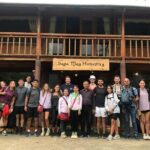
Your day begins at ETHOS – Spirit of the Community in Sapa (Số 79 đường Nguyễn Chí Thanh, TT. Sa Pa). It’s a practical starting point, and it’s near public transportation, which makes it easier to line up your wider travel day.
Starting at a community base matters more than it sounds. It’s where the experience is organized around local context and where your guide can set the tone before you hit the trails. Several guides are known for giving a proper introduction—getting you oriented to what you’ll be walking through and how the village life connects to the landscape you’re moving across.
If you’re the kind of person who likes to understand what you’re seeing before you see it, this start time helps. The scheduled start is 8:30 am.
Day 1 Walk: Rice Terraces, Villages, and a Steep Climb
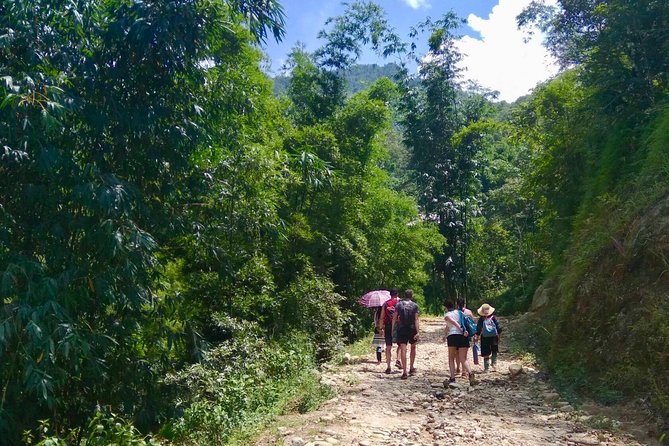
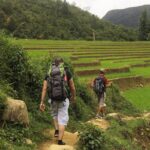
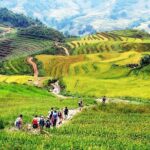
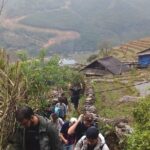
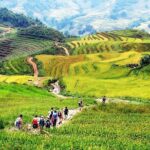
Day 1 is approximately 14 km. The terrain isn’t identical the whole time. You’ll cover the first portion over relatively easy but undulating ground for about 6 km, then the route brings you to a steep climb of around 2 km before you stop.
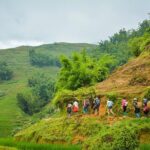
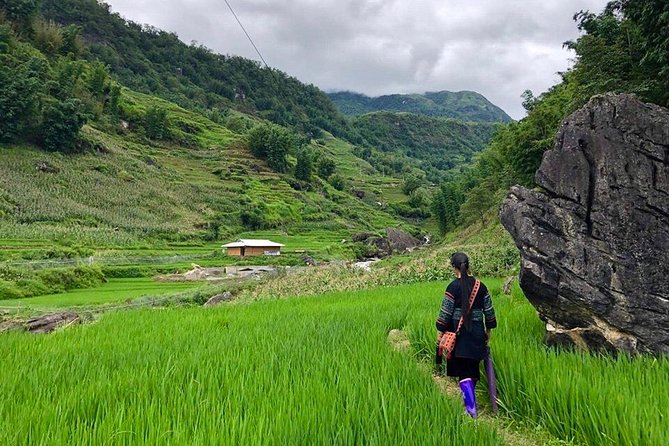
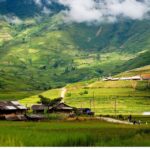
Along the way, you pass through rice terraces and traditional villages. That combination is key. Rice terraces aren’t just pretty patterns; they’re part of how people farm and live. And villages give you the human layer—homes, routines, and the daily rhythm that makes the region feel lived-in, not staged.
What you should do to make Day 1 easier
- Bring good shoes. The slope includes a steep section, and trails in Sapa can be slick or muddy depending on conditions.
- Plan for a slow pace during the climb. It’s better to arrive steady than push too hard and burn out.
- Use lunch time as your mental reset. The plan includes cooking and sharing lunch with your host family. That’s not just a meal; it’s the best “pause” built into a hiking day.
The social part: cooking and sharing lunch
Day 1 includes a stop where you cook and share lunch with your host family. This is one of the best reasons to choose this experience over a standard trek. You’re not only moving through communities—you’re meeting your host family in a moment that’s practical and normal: making food together.
Guides like Hoa and Cha are described as explaining background and local life in a way that makes the walk feel connected, not random. When you get that introduction, it helps you notice details—how people use plants, how daily life links to what you see on the trail.
Night in a Village Homestay: What the Included Dinner Changes
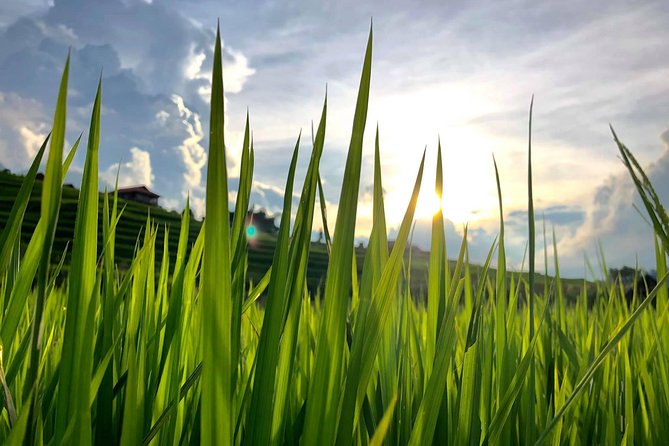
You’ll spend the night with your host family in a village. Dinner and breakfast are included, and the homestay is set among rice paddies. That means you’re not commuting in and out of town—you’re living the rhythm for one night.
A big theme from multiple guides’ experiences is how the homestay isn’t just a place to sleep. It’s part of the cultural exchange. Guides such as Ha, Ker, and My are highlighted for showing visitors real village life and for making the connection between what you’ve walked through and how people live.
A practical note: homestays are always simpler than hotels. The tour includes accommodation, but details on bedding or room type aren’t provided here. So I’d pack with the expectation of basic village lodging and focus on comfort through good sleep basics—earplugs if you’re a light sleeper, layers if nights are cooler, and a small towel if you prefer to have your own.
Day 2 Hike: Flexibility, Your Pace, and Getting Back to Sapa
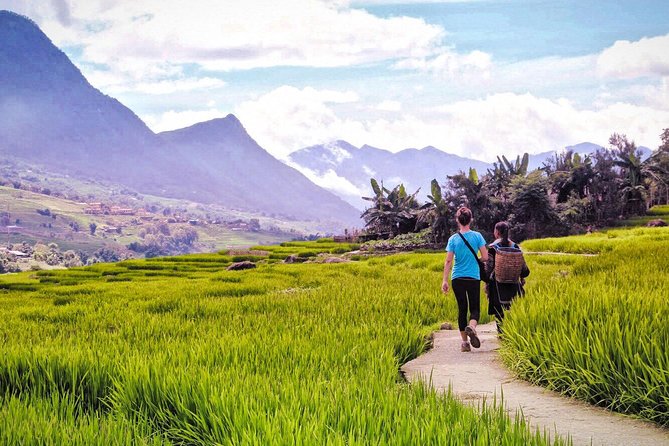
Day 2 is where the plan gives you more control. You’ll continue hiking to a destination of your choosing before taking a taxi back to Sapa in the afternoon.
That word “flexibility” matters. Sapa trekking can be physically different from day to day, and weather can change trail conditions fast. Having the ability to adjust distance and challenge means you can match the day to your energy and how your legs handled Day 1.
How to think about Day 2 choice
If you want less strain, choose a shorter distance or reduce the challenge. If you’re feeling good and want more time on the trail, you can go longer. Either way, you’re not left guessing about transport: the taxi brings you back to Sapa after your hike.
Expect the same kinds of features
Even with flexibility, you’ll still be moving through the Sapa Valley environment you saw on Day 1: villages, terrace farming areas, and vegetation that includes bamboo forests. This is one reason the itinerary works as a pair of days. You get repeat exposure to the region’s patterns, but with your guide able to shape it around your pace.
Transportation and Meals: The Unsexy Parts That Make or Break a Trek
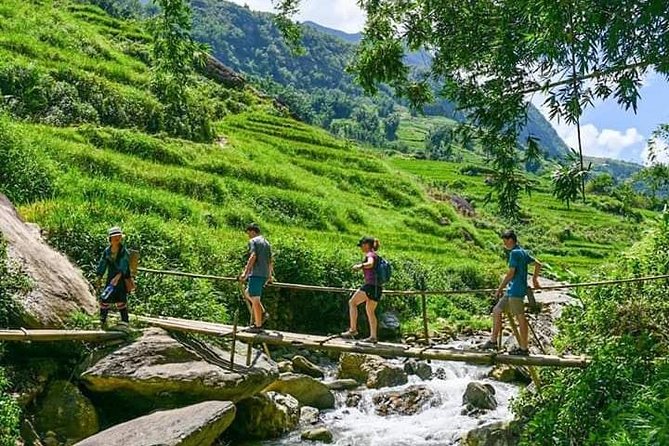
A good trek isn’t only about views. It’s about whether you’re hungry, cold, or confused at the wrong moment. This plan covers a lot of those stress points.
You get:
- Water and refreshments during the experience
- Lunch (two times) across the two days
- Dinner on Day 1
- Breakfast on Day 2
- Private transportation, including the taxi back to Sapa after Day 2
That meal coverage is the biggest hidden value. If you’ve ever done a long hike where meals are unclear, you know how fast energy dips. Here, you’re fed as part of the schedule.
Also, private transport helps keep the day from turning into a bus hunt. Your day stays connected to the trekking rhythm rather than detouring through unnecessary timing.
What Guides Like Cha, Hoa, Ker, Kae, and My Can Do for You
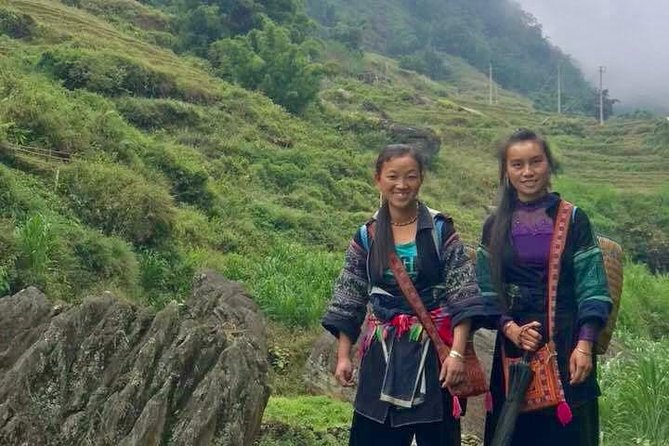
When a homestay trek is good, it’s often because of the guide. In this case, the guide style is repeatedly described as thoughtful and focused on community life.
Here are examples reflected in the experience feedback:
- Cha is described as insightful about local life and a standout guide for making the homestay feel meaningful.
- Hoa is noted for explaining background at the start and bringing context that helps you understand what you’re seeing.
- Ker is highlighted for being gracious, knowledgeable, and fun, with an ability to connect the experience to Hmong and Dao community life.
- Kae is praised for leading people into sites with forests and rice paddies and for not having other tourists on the route in at least one experience.
- My is mentioned for teaching about plants and for showing real daily life in the villages.
You should assume your guide will set expectations and explain what to notice. That’s a big reason to pick a community-focused operator instead of a generic trekking company.
Weather, Modesty, and Comfort Tips for Sapa Valley
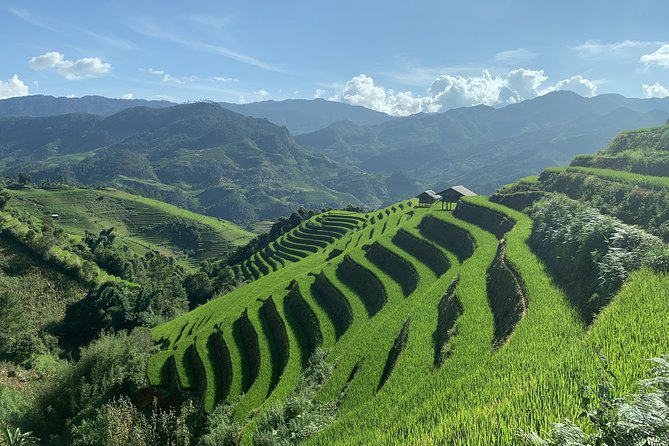
This experience requires good weather. If conditions are poor, you’ll be offered a different date or a full refund. That’s a big factor in Sapa because trails can get slippery and visibility can drop fast.
Plan for these realities:
- Layers. Sapa nights and mornings can feel cooler than you expect.
- Rain-ready clothing. Even if the day is mostly dry, mountain humidity happens.
- Comfort over style. You’ll be walking for hours, and Day 1 includes a steep stretch.
For village visits, simple etiquette goes a long way:
- Ask before photographing people.
- Dress respectfully. You don’t need to overthink it, just avoid anything too revealing.
- Be ready to participate. If you’re invited into cooking or sharing lunch, go with the flow.
Logistics You’ll Want to Know (Without the Headache)
This is a private tour/activity, meaning only your group participates. There’s a minimum group size of two, so solo plans won’t fit this booking format.
The booking confirmation happens at the time you reserve. The ticket is listed as mobile, which usually makes check-in easier on the day.
The itinerary includes about two days and one night, with a fixed start time but flexibility on Day 2 for hiking distance and challenge. Average booking timing is about 59 days in advance, which is a clue that dates can fill during popular seasons.
Should You Book This Sapa Homestay Trek?
You should book if you want:
- A two-day trek that mixes active hiking with a real homestay night
- Plenty of meal support and transport handled
- A guide who explains village life and doesn’t treat the community as scenery
You might skip it if:
- You need a very short walk or worry about steep climbs.
- Your trip has no buffer time for weather changes.
For the kind of traveler who likes to leave with stories (not just photos), this is a strong fit. You’re paying for the structure: private trekking, community-based hosting, and enough time in the village that the experience feels human-scale.
FAQ
How long is the Sapa Valley trek and homestay?
It’s a 2-day experience with one night staying with a host family in a village.
What’s the hiking distance on Day 1?
Day 1 is about 14 km, with the first 6 km relatively easier but undulating, followed by a steep climb of around 2 km.
Is the trek private?
Yes. It’s a private tour/activity, and only your group participates. The minimum group size is two.
What meals are included?
You’ll have dinner and breakfast, plus two lunches during the trek.
Where do you start the tour?
You start at ETHOS – Spirit of the Community, located at Số 79 đường Nguyễn Chí Thanh, TT. Sa Pa, Sa Pa, Lào Cai 333311, Vietnam.
What time does the tour start?
The start time is 8:30 am.
What happens if the weather is bad?
The experience requires good weather. If it’s canceled due to poor weather, you’ll be offered a different date or a full refund.