REVIEW · SAPA
2 Days Fansipan Trekking
Book on Viator →Operated by Sapa Original Trek · Bookable on Viator
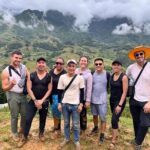
A two-day trek to the Roof of Indochina sounds intense—because it is. What I like most is the mix of real climbing with a Black H’Mong guide who helps you understand daily life and the mountain culture, not just point at views. I also like the practical comfort touches: shared accommodation, sleeping gear, meals, and a hot shower at the office after you finish. One consideration: you need a strong fitness level and you should expect a serious uphill in thin mountain air.
This is also the kind of trek where the details matter. You’re going up and down on marked terrain, with a long walking day on Day 1 and another big move the next morning. If rain or fog rolls in, the plan still runs—but your visibility at the top can change fast.
In This Review
- Key points before you go
- Mount Fansipan in 2 days: the real vibe
- Trek logistics from Sapa: how you get onto the trail
- Day 1: Tram Ton Pass to Fansipan ridge and base camp
- Tram Ton Pass (10 km, 5–6 hours, big elevation gain)
- Picnic lunch and the ridge to Fansipan (about 5 hours)
- The human side: guides who help you understand the mountain
- Day 2: early start, possible sunrise, and the downhill choice
- Early breakfast and your morning push (4:00 or 6:00 am options)
- Fansipan section (14 km total day distance, long walking, uphill then big descent)
- Tram Ton Pass return: 2 ways back to Sapa
- Black H’Mong guide time: culture that isn’t a performance
- Gear, food, and the underrated luxury: hot showers
- Sleep setup and basics
- Meals and water
- Hot shower after the trek
- Price and value: what $136 covers (and what costs extra)
- Who should book this Fansipan trek?
- Practical tips to make the most of it
- Should you book 2 Days Fansipan Trekking with Sapa Original Trek?
- FAQ
- How long is the Fansipan trek?
- Where does the trek start?
- Is this trek private or shared with other groups?
- What’s included in the cost?
- What do I get on Day 1?
- What do I do on Day 2?
- Is sunrise included?
- Are cable car tickets included?
- What should I pack or be prepared for?
- What’s the cancellation policy?
Key points before you go
- Tram Ton Pass + Fansipan summit effort in just 2 days, with camping at base
- English-speaking local Black H’Mong guide for culture you can actually discuss
- Hot shower before and after the trek at the Sapa office (a big quality-of-life win)
- Meals and 1.5 liters of water per person per day included, plus camping setup
- Optional sunrise timing and an optional cable car for the return, depending on your energy
- You’re in a private group with only your party on the trek
Mount Fansipan in 2 days: the real vibe
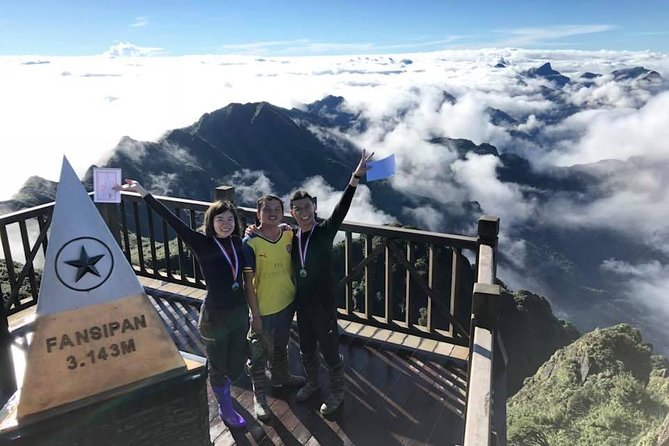
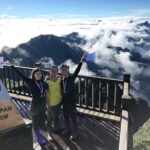
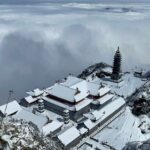
Mount Fansipan is known as the Roof of Indochina, and that name isn’t marketing fluff. At this altitude, the air feels different, and the mountain forces you to focus on steady movement. The reward is a huge horizon: northern Vietnam out to the edges of what you can see, and on clear days, it feels like the region stretches forever.
The best part of this 2-day version is pacing. You’re not trying to do everything in one long push. Day 1 gets you onto the route with a real climbing start from Tram Ton Pass. Day 2 is where you choose your energy: go for early views (sunrise is part of the plan), then finish with a downhill that either ends with a hike back or a cable-car option.
The tone is also more personal than the day tours. Even though you’ll trek with your group, it’s still private—so you can ask questions, slow down when you need, and keep the experience grounded.
You can also read our reviews of more hiking tours in Sapa
Trek logistics from Sapa: how you get onto the trail
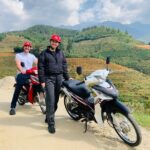
The day begins with pickup from the Sapa area at 8:30 am. From there, you ride by car or motorbike to the trail start. If your group is only one person, the operator notes using a scooter setup where the guide drives and you follow behind.
That matters because Fansipan treks live and die by timing. Getting to the right starting point means you can start trekking while the trail is in decent shape and the day is still fresh.
You’ll also notice that tickets and access fees are part of the package. The trek includes entrance fees, so you’re not scrambling for paperwork once you’re already dressed for walking.
Day 1: Tram Ton Pass to Fansipan ridge and base camp
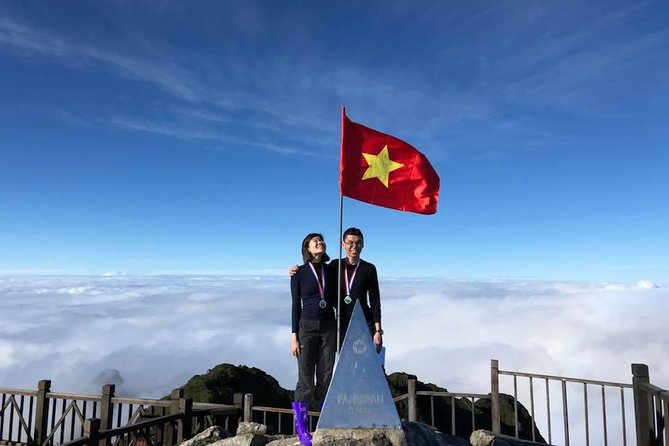
Tram Ton Pass (10 km, 5–6 hours, big elevation gain)
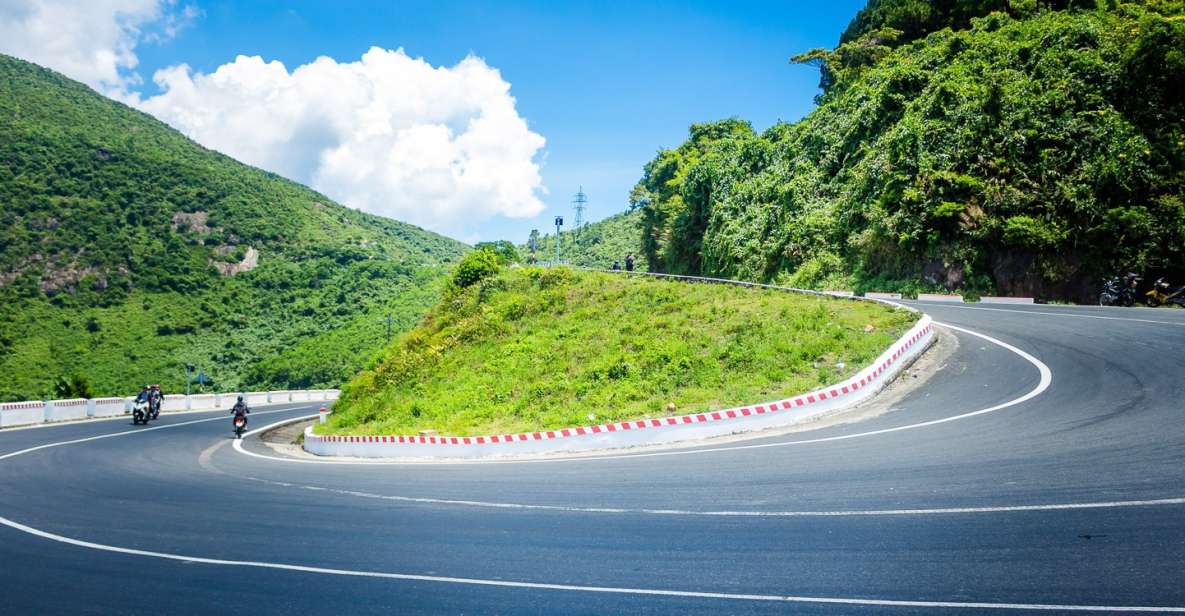
Day 1 starts with the climb up to Tram Ton Pass. The trek is listed as about 10 km with around 1,200 meters of elevation gain, and it typically takes 5–6 hours. That’s your first real gut-check.
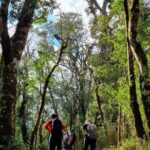
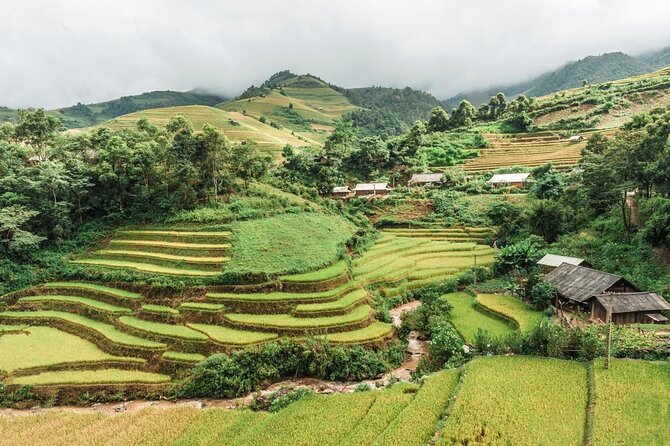
The route is described as passing through forests of pine and bamboo, along streams and changing terrain. The forest cover can be nice because it breaks the glare and makes the walk feel less exposed. Still, the uphill is long enough that you’ll feel it in your legs.
A smart way to handle this section is to treat it like work, not a sightseeing stroll. Go steady. Take short breaks. Keep breathing under control. If you try to sprint the early part, you’ll pay for it later on Day 1 and again on Day 2.
Picnic lunch and the ridge to Fansipan (about 5 hours)
After lunch, you continue the adventure trek on a ridge toward Fansipan. This part is where the trail starts feeling like a climb to something specific. You’re not just hiking through scenery—you’re building toward the moment.
The itinerary lists about 5 hours for this Fansipan section. The rhythm is usually: climb, reach a vantage point, keep climbing. And because you’re moving along ridges, your views can open in bursts even before you reach the top.
Once you reach base camp for the night, you’re set up to try for a summit push later depending on conditions and timing. The trek includes camping essentials like a sleeping bag and mattress, so you’re not stuck trying to improvise at night.
A few more Sapa tours and experiences worth a look
The human side: guides who help you understand the mountain
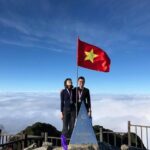
Several groups highlight guides who don’t just talk logistics. You’ll get insights tied to the local Black H’Mong community. In the experience data, guides named Sing and Mr. Tinh come up, along with a porter. That’s a good sign: when staff know the route and the culture, the hike feels more meaningful and less like a workout you did in silence.
Day 2: early start, possible sunrise, and the downhill choice
Early breakfast and your morning push (4:00 or 6:00 am options)
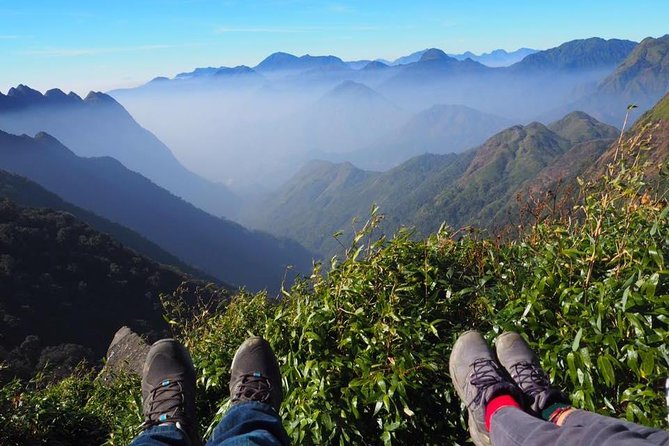
Day 2 begins with early breakfast at either 4:00 am or 6:00 am (your schedule depends on what option you take). This is where the trek’s sunrise promise shows up: if you’re aiming for early views, the timing is built in.
The practical reality is that sunrise on Fansipan depends on clouds, wind, and visibility. But even when you don’t get a perfect sky, early morning has its own benefits: fewer people, calmer air, and the hike feels more focused.
Fansipan section (14 km total day distance, long walking, uphill then big descent)
The Day 2 Fansipan segment is listed as about 14 km, taking 6–7 hours. The elevation notes are key: it includes 300–400 meters of uphill and around 1,100–1,200 meters of downhill. That’s a very different body experience than Day 1.
You’ll probably feel this one in your knees and calves more than your lungs, especially late in the afternoon. If you’ve never done a steep descent, start conservatively on your first hour. Short steps and good foot placement do more than willpower.
Tram Ton Pass return: 2 ways back to Sapa
The return from Tram Ton Pass gives you two paths:
1) Trek down back toward Tram Ton Pass (listed around 6 hours), then finish the ride back to Sapa
2) Take a cable car by yourself from the station near Sapa town, if you prefer less walking
Either way, transportation is arranged to bring you back to Sapa. The itinerary estimates arriving back around 13:00.
Here’s the tradeoff to think about: the hike-down route is longer but keeps you in the mountain rhythm. The cable car reduces strain if you’re cooked from the descent. Cable car tickets are not included, so if you think you might want it, plan extra cash.
Black H’Mong guide time: culture that isn’t a performance
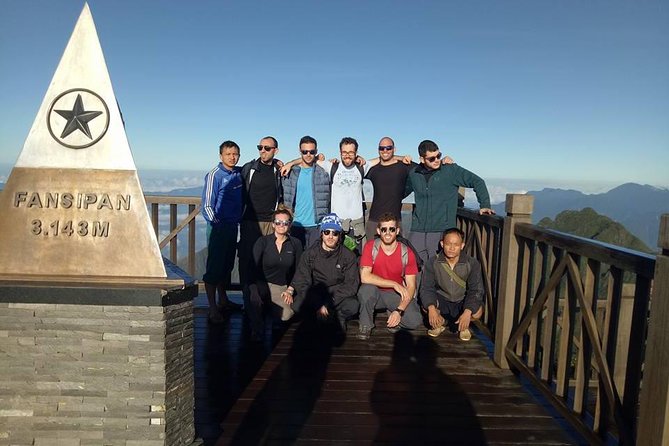
This trek is built around a local Black H’Mong guide, and that’s the part I’d treat as the main ingredient, not the bonus.
On this kind of mountain route, you’re repeatedly walking through places that are meaningful to local communities—paths, forests, and the spaces between villages and fields. A good guide helps you connect what you’re seeing with how people live, what they value, and how traditions fit into the landscape.
From the feedback in the experience details, the guides are also patient and engaging. That matters when your body is slowing down. A guide who answers questions while you take breaks helps the whole day feel more respectful and less rushed.
If you’re the type who wants more than photos, this cultural component is where you’ll feel the value.
Gear, food, and the underrated luxury: hot showers
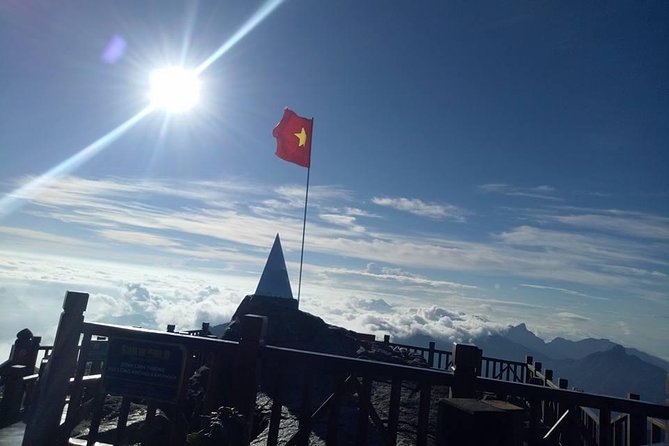
This trek includes a lot of the stuff that turns mountain hiking from annoying to workable.
Sleep setup and basics
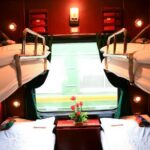
You’ll get camping arrangements, including a sleeping bag and mattress. That’s a big deal. Without it, you’d have to bring or rent gear on the spot, and prices tend to get weird when you’re already on the mountain.
Meals and water
Meals are included: breakfast, dinner, and two lunches across the two days. You also get about 1.5 liters of water per person per day. If you’ve hiked before, you know how fast you can lose track of hydration when the air feels dry and cool.
One more practical note: bring your own small extras if you use them (like a favorite snack). The trek provides core meals, but you can still personalize your energy.
Hot shower after the trek
This is one of those details that sounds minor until you’re covered in sweat and mud. The package includes hot showers before and after the trek at the office in Sapa. In feedback for this exact experience, this facility and the chance to rest are called out as a standout.
That alone can make this trek feel more like a trip and less like a survival challenge.
Price and value: what $136 covers (and what costs extra)
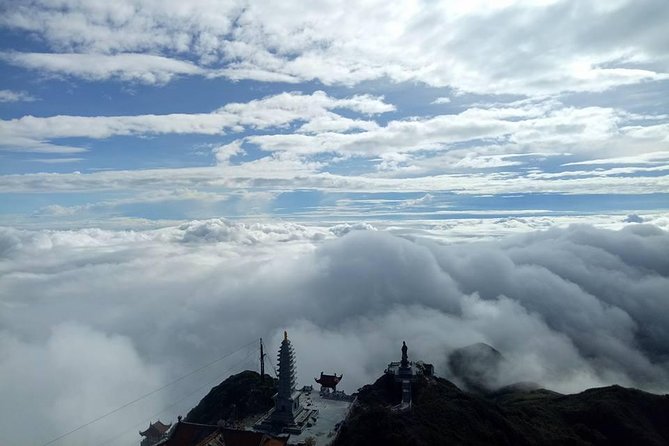
At $136 per person, this is not the cheapest way to hike Fansipan. But it looks fair when you line up what you’re getting.
You’re paying for:
- An English-speaking guide plus the local Black H’Mong perspective
- Transport to and from the trail area
- Entrance fees included
- Meals (breakfast, dinner, and lunches)
- Camping with sleeping bag and mattress
- Water, plus a medal and certificate
- Hot shower access at the Sapa office
- Group discounts and a mobile ticket option (from the tour summary)
What’s not included:
- Cable car tickets (optional)
- Tips and personal expenses
- Insurance is listed in a way that’s worth double-checking. The data says insurance is both referenced in the inclusions and also listed as not included. I’d treat that as a prompt to confirm what coverage you actually get before you pay.
So is it good value? For most people doing Fansipan in only 2 days, yes—because you’re buying time, organization, and less hassle. If you can’t or don’t want to handle logistics and gear alone, this package helps a lot.
Who should book this Fansipan trek?
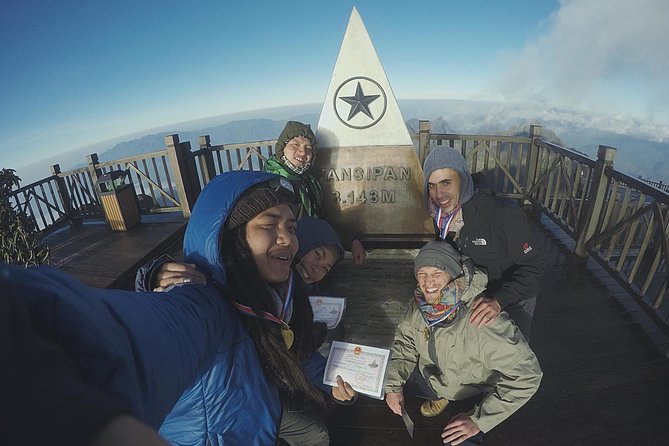
This trek is best for you if:
- You have strong physical fitness and are comfortable with long hiking hours
- You want a guided cultural experience, not just a summit stamp
- You like the idea of camping with provided sleeping gear
- You appreciate practical support like transport, meals, and a hot shower
It might not be your best fit if:
- You’re expecting an easy stroll. This is uphill trekking with a steep descent on Day 2.
- You’re nervous about thin-air hiking. One review notes thin air and the need for good layers.
- You need guaranteed cable car access on Day 2. It’s optional, but not included in price and depends on your condition and plan.
For solo hikers, the scooter transport note is helpful. For couples or friends, the private setup keeps it comfortable and lets you move as a small unit.
Practical tips to make the most of it
A few things will help you enjoy the hike instead of just endure it.
- Pack warm layers and plan for changing weather. One key tip from feedback: layer up and bring something warm.
- Bring good hiking shoes with grip. This trek includes steep sections and long descents.
- Pace yourself on Day 1. If you burn out early, Day 2 becomes a knee test.
- Use the guide. Ask questions about the Black H’Mong culture as you walk. The route is long enough that the conversations naturally fit.
- Have a cable car mindset for the return. If you feel wrecked on the descent, it can be a smart option.
And a small bit of humor: Fansipan doesn’t care how tough you feel in the morning. It cares how steady your steps are at noon.
Should you book 2 Days Fansipan Trekking with Sapa Original Trek?
If you want the Roof of Indochina experience without turning it into a logistics project, I think this is a strong booking choice. The standout value is the package feel: guided culture, provided camping gear, organized transport, meals, and that hot shower at the end.
Book it if you’re physically ready for a two-day climbing-and-descending plan and you enjoy learning from a local Black H’Mong guide while you hike. Consider skipping or choosing a gentler option if you know long uphill and steep descents are a struggle for you.
If you do book, confirm the details that matter most to your safety and comfort—especially the question of insurance coverage and whether you want to plan for a cable car return. Then go with the right mindset: slow steps, steady effort, and you’ll earn those views.
FAQ
How long is the Fansipan trek?
The tour runs for about 2 days.
Where does the trek start?
It starts in Sapa. The start time is listed as 8:30 am, and the meeting point is near public transportation. The experience ends back at the meeting point.
Is this trek private or shared with other groups?
It is listed as private, and only your group participates.
What’s included in the cost?
Meals include breakfast, dinner, and two lunches (plus water listed as 1.5 liters per person per day). It also includes transport, entrance fees, camping, a sleeping bag and mattress, an English-speaking guide, a medal and certificate, insurance is mentioned in the details, and hot shower access before and after the trek at the office in Sapa.
What do I get on Day 1?
Day 1 includes transport to the trail start, trekking from Tram Ton Pass (10 km, about 5–6 hours, with about 1,200 m elevation gain), then continuing to Fansipan after lunch, with about 5 hours for that segment. You stay one night at base camp.
What do I do on Day 2?
Day 2 includes early breakfast at 4:00 am or 6:00 am (depending on your option), then a long trekking section from Fansipan (14 km, about 6–7 hours, with downhill listed as roughly 1,100–1,200 m). You then return via trekking down to Tram Ton Pass or by taking the cable car near Sapa town (you arrange and pay for the cable car ticket yourself).
Is sunrise included?
The plan includes an option to reach the summit for sunrise, and the early start times on Day 2 support that idea.
Are cable car tickets included?
No. Cable car tickets are listed as not included.
What should I pack or be prepared for?
You should have a strong physical fitness level. Bring warm layers (noted as important in feedback), and expect you’ll walk for many hours with significant elevation changes.
What’s the cancellation policy?
You can cancel for a full refund up to 24 hours before the experience’s start time. If you cancel less than 24 hours before, the amount paid is not refunded.