REVIEW · SAPA
1-day Authentik trek & Panorama valley views
Book on Viator →Operated by Vietnam Nomad Trails · Bookable on Viator
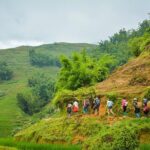
Rice terraces start the story.
This Hmong village trek mixes big panorama views with hands-on culture, and I really like how the route keeps you moving without rushing. You also get a human-scale feel—green tea in a home, village conversations, and a guide who explains what you’re seeing. The main consideration is the walking: it’s best for people with moderate fitness, since you’ll be hiking for about six hours with some uphill/downhill.
You’ll start in Sapa and spend the day on paths that feel local, not staged. With a private tour for just your group and a guide (often very fluent in English, like Su, Chai, and Nhu), the experience stays personal even when you’re walking through villages.
If you want Sapa in one day that feels real—views plus people—this is a strong pick.
In This Review
- Key things to know before you go
- Muong Hoa Valley morning: the day begins with real scenery
- Hilltop panoramas over Mount Fansipan and the rice terraces
- Tea at local homes and learning Hmong textile traditions
- Village pathways: what the walk feels like (and why it’s worth it)
- Lunch stop: included, local, and actually a highlight
- Down toward Hau Thao and the Black Hmong community
- Waterfalls and rice fields: nature moments between culture stops
- Guides make the difference: Su, Chai, Nhu, and Nhi Thao
- Fitness and packing: the practical stuff that keeps the day easy
- Value check: how $56.42 holds up for six hours
- Weather reality in Sapa (and why it affects your expectations)
- Who should book this trek, and who might prefer something else
- Should you book this 1-day trek and panorama views?
- FAQ
- How long is the trek?
- What time does the tour start?
- Where do we meet?
- Is lunch included?
- Is this a private tour?
- What fitness level do I need?
- What if the weather is bad?
- What’s included in the ticket price?
Key things to know before you go
- Muong Hoa Valley sets the tone: misty valleys, rice terraces, and quiet trails
- Hilltop panoramas include wide views toward Mount Fansipan
- Hmong village time often includes green tea and practical textile/craft learning
- Lunch is included, and it can be a standout moment after active walking
- You’ll cover about 6 hours on moderate terrain, including downhill stretches
- Your group only: private tour, with a guide who’s focused on your questions
Muong Hoa Valley morning: the day begins with real scenery
Your day starts in Sapa, either with pickup from your hotel or a meeting at 15 Tue Tinh, Sa Pa. The listed start time is 9:30 a.m., and many departures begin with pickup around 8:45 a.m., so it’s smart to be ready a bit early. Either way, you’re out in the valley in time to start walking while the air is still fresh.
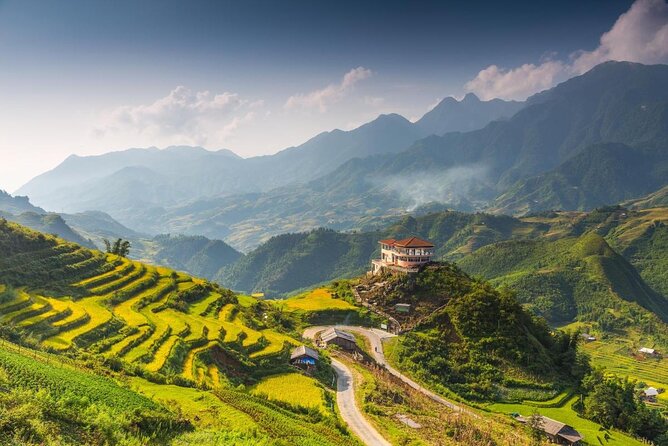
I like this start because it avoids the feeling of arriving too late to enjoy the views. You’ll move through Muong Hoa Valley scenery—misty stretches, terraced fields, and narrow paths that don’t feel like a theme park.
The trek is about steady progress. You’ll pause for viewpoints, village moments, and photos, but you’re not just strolling. If you prefer long, flat walking, plan for some uphill effort and take it at a comfortable pace.
You can also read our reviews of more hiking tours in Sapa
Hilltop panoramas over Mount Fansipan and the rice terraces
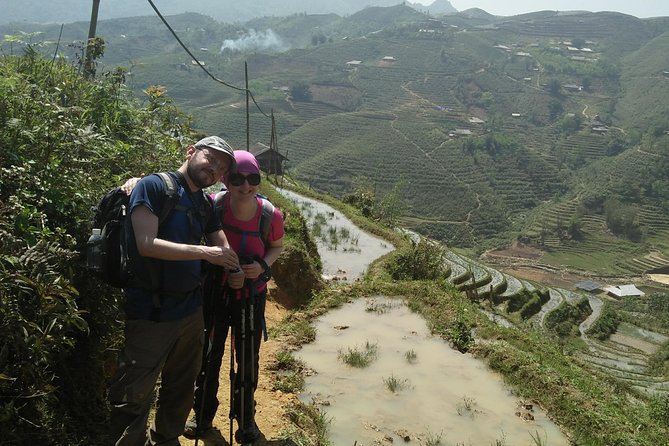
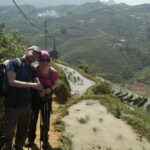
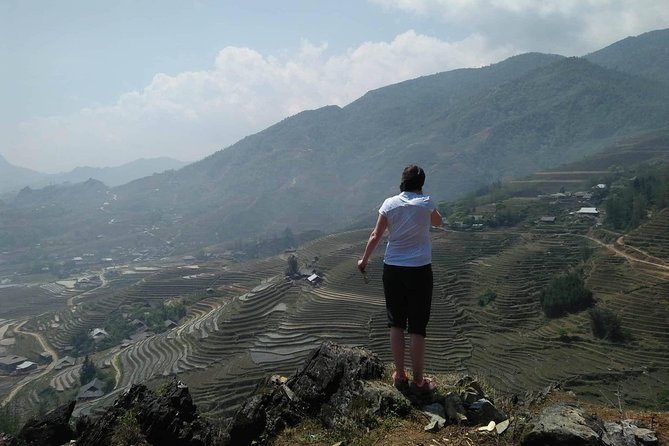
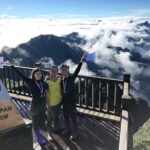
One of the reasons people choose this trek is the big viewpoint moment. After you’ve walked through the valley and village areas, you reach a hilltop position with wide panoramas over the Muong Hoa Valley and toward Mount Fansipan.
This is where the day’s pacing makes sense. The walk brings you gradually from village paths into higher ground, so the view feels earned rather than sudden. On clear days, the terraces read like a patchwork from above, and the whole valley can look layered and far-reaching.
A practical note: in Sapa, weather can change fast. Even when the day is officially running, you might find clouds, mist, or reduced visibility at the viewpoint. Your guide can still point out the best angles and what to look for, but you should be flexible about how dramatic the panorama will be.
Tea at local homes and learning Hmong textile traditions
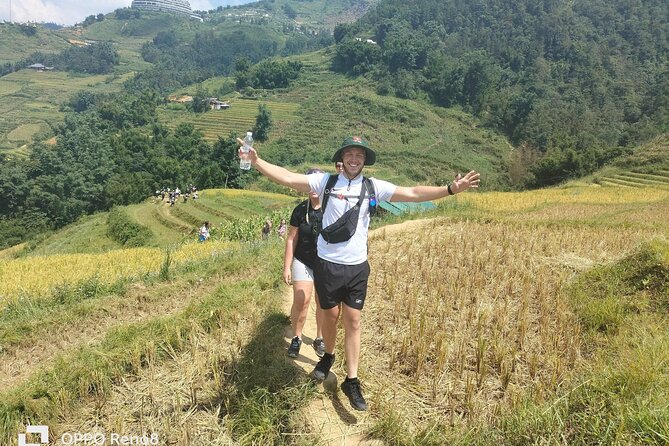
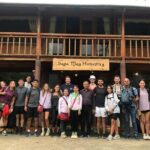
This tour’s cultural side isn’t just watching from a distance. You’ll meet Hmong families and spend time learning about daily life and traditional craft work, including textile-making.
In the best moments, you get more than a lecture. Guides have a habit of explaining what materials and patterns mean, and some experiences include time where you can touch and feel aspects of textile work. That kind of hands-on learning turns the day from sightseeing into understanding.
A simple detail also makes a difference: you’ll stop for a cup of green tea at a local home. It’s small, but it creates a pause in the walking. You get a chance to slow down, ask questions, and settle into the rhythm of village life.
The consideration here is that village visits require basic respect and patience. People have routines, and your guide will keep you on track, but you should expect that the pace inside village areas is not like a museum.
Village pathways: what the walk feels like (and why it’s worth it)
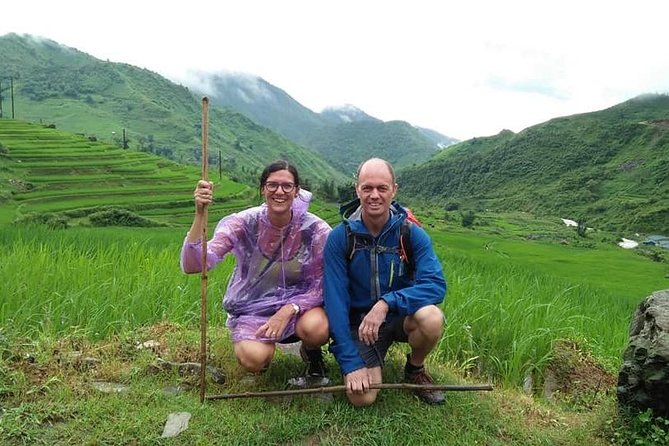
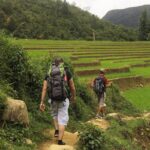
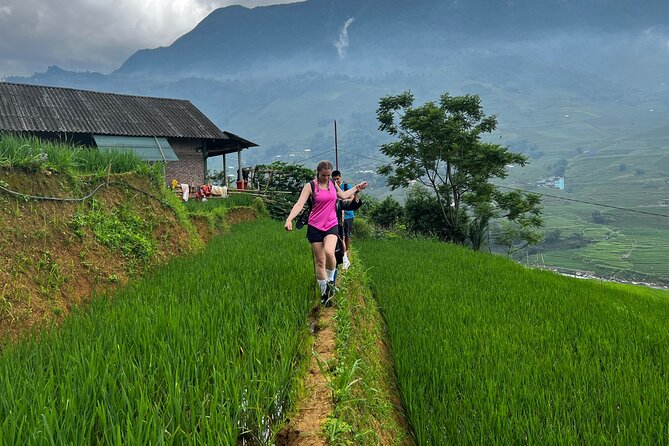
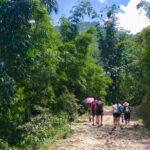
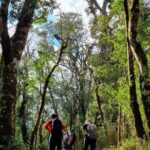
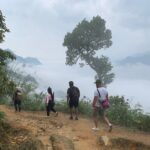
After the viewpoint and early village segments, the trek becomes more about the journey. You’ll follow winding paths through rice fields and village areas, with plenty of opportunities to see how farmland and homes sit together in the hills.
The route is also described as off the beaten path. That matters in Sapa, where some viewpoints can feel busy. On this trek, the walking can feel quieter, with fewer interruptions and more space to talk with your guide while you’re moving.
You’ll likely pass through small stretches where footing requires attention—uneven ground, steps, and trail sections where you’ll want sturdy shoes. If you go in with a steady pace mindset, the walk feels doable. If you try to “race the trail,” it will feel harder than it needs to be.
A useful mindset: treat the trek as slow travel on foot. You’re not just getting from A to B; you’re using walking time to learn what you’re seeing.
Lunch stop: included, local, and actually a highlight
Lunch is included, along with bottled water. On a 6-hour trek, this is more than a checkbox. It’s the fuel that keeps you comfortable for the rest of the day, especially once the walking turns downhill again.
I’ve found that on tours like this, the difference between a decent meal and a memorable one is how local it tastes. Past experiences have pointed to lunch as a standout, with fried spring rolls being singled out as some of the best people have tried. That doesn’t mean every meal is identical every day, but it does tell you the food tends to be a real part of the day, not an afterthought.
Even better: lunch timing breaks up the route. After you eat, your legs feel less beat up, and you can enjoy the later village sections without rushing.
A few more Sapa tours and experiences worth a look

Down toward Hau Thao and the Black Hmong community
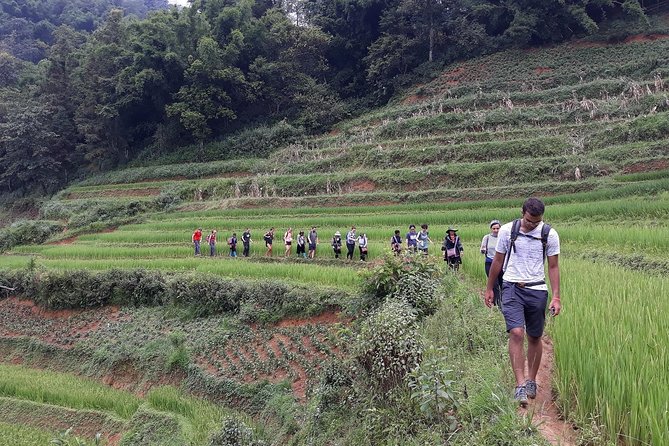
After lunch, the trek descends toward Hau Thao Village, described as home to the Black Hmong. This part of the day shifts from viewpoint-focused walking into more village-and-fields time, where you’ll spend time among local community life.
Downhill walking is where shoes matter most. It’s not just about comfort; it’s also about keeping your balance on trail edges and slope lines. A good guide will set a safe pace and help you slow down where the path narrows.
What you’ll take away from this section is the contrast. Earlier, you’re looking outward at terraced scenery. Later, you’re looking inward at community rhythms—how people live close to the fields, and how culture shows up in everyday routines.
If you’re the type who asks lots of questions, this is a good moment for it. The guide’s explanations can connect what you saw above (the terraces) with what you see on the ground (how the work happens).
Waterfalls and rice fields: nature moments between culture stops
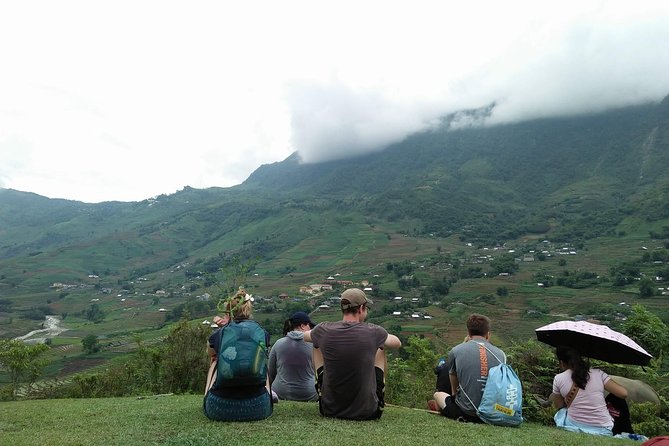
The overall experience is described as mixing nature with culture, including paths that lead toward hidden waterfalls and vibrant rice fields. You’ll get nature breaks in between village time, which keeps the day from feeling like a schedule of stops.
I like this balance because Sapa can be visually intense. If you only do viewpoints, you miss the “in-between” moments where you see how the environment shapes life. If you only do village time, you miss why the region draws so many people to begin with. This trek aims to connect both.
Just be aware that waterfalls and rain can be a moving target. Weather conditions can change trail conditions and visibility. Still, when the day’s working well, those nature side moments add variety and keep your eyes busy even during stretches of walking.
Bring a small layer too. Even in daylight, hill weather can cool you down fast—especially when you’re pausing for views.
Guides make the difference: Su, Chai, Nhu, and Nhi Thao
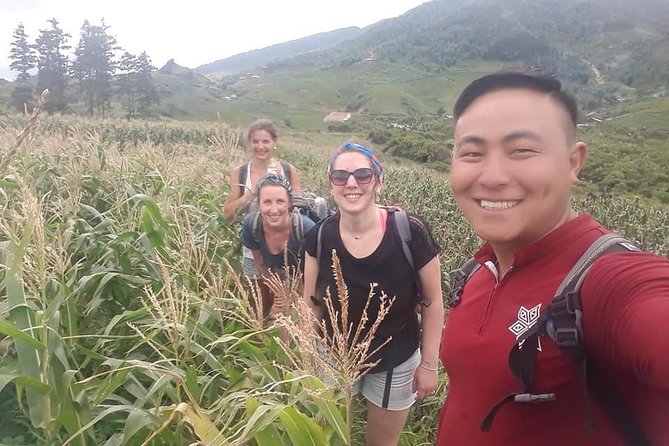
This is the part you can’t fully spot from a description. The guide can turn a good trek into a memorable one. In past experiences, guides such as Su and Chai have been praised for friendliness, clear explanations, and storytelling style that fits the pace of the walk.
Other guides mentioned include Nhu and Nhi Thao, with repeated emphasis on safe pacing, lots of cultural context, and the ability to explain nature and plants along the route. One thing that came up is how guides often connect village traditions to what you’re seeing around you—so questions stop feeling like small talk and start feeling like real learning.
If you care about language quality, this tour has an advantage: multiple guides were noted for strong English. Even if your own language skills are basic, a good guide bridges the gap quickly.
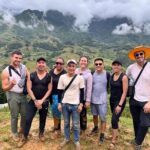
Private tour format helps too. When it’s just your group, you don’t have to compete for attention, and you can ask questions without time pressure from a crowd.
Fitness and packing: the practical stuff that keeps the day easy
The trek is described for moderate physical fitness. That usually means you don’t need athletic training, but you do need to be comfortable walking on uneven terrain for several hours.
Here’s what helps in real life:
- Wear sturdy walking shoes with grip, not slick sneakers
- Bring a light rain layer or wind layer because Sapa weather can shift
- Carry a small amount of snacks if you know you get hungry between meals
- Use sunscreen and sunglasses when the mist clears (the sun can still hit hard)
You’ll be hiking for about six hours, plus pauses. The pace is typically manageable, especially with an attentive guide, but you should plan your day around the trek rather than stacking other activities right after.
Also, keep your phone battery in mind. You’ll likely want photos at viewpoints over rice terraces and Fansipan, and you’ll be walking long enough that power can drop if you use your camera nonstop.
Value check: how $56.42 holds up for six hours
At $56.42 per person, this trek is in a category that many people feel good about—especially because lunch and bottled water are included, and you get admission included as part of the experience.
What makes it feel like good value isn’t only the price. It’s the combination: a private setting for your group, a culturally focused guide, and scenery that includes both terraced views and village walking. Many cheaper options either feel too crowded, too superficial, or skip the lunch piece that keeps you comfortable through the full route.
The only part you’ll pay separately is the usual stuff not included, such as travel insurance and personal expenses. VAT is also listed as not included, so check how your total price is displayed at checkout if that matters to you.
My rule: if you want both views and culture in one day, and you don’t want to spend your whole afternoon on public bus logistics, this price can feel fair. If you’re traveling on a shoestring and only want short, low-effort walks, you might find other options that are less expensive—but you’ll likely give up the depth.
Weather reality in Sapa (and why it affects your expectations)
This experience requires good weather. If conditions are poor, it may be canceled and you’ll be offered another date or a refund. That’s not a problem unique to this trek; it’s just the nature of hiking in Sapa, where mist, rain, and trail conditions can change quickly.
So set expectations like this:
- If it’s clear, you’ll get stronger terrace and valley visibility
- If it’s misty, viewpoints can still be beautiful, but less dramatic
- If weather turns rough, plans can shift, and safety comes first
The silver lining is that the day still includes village time and culture. Even on less-than-perfect visibility, your guide’s explanations and the community stops can still make the day rewarding.
Who should book this trek, and who might prefer something else
This trek is a great match if you want a mix of views plus village culture and you’re happy to walk for about six hours at a moderate pace. It’s also a solid option for solo travelers who still want a personal experience, since it’s private for your group.
You might think twice if:
- You’re dealing with injury or you’re not comfortable with uneven downhill sections
- You expect a full day with no walking effort (this is a trek)
- You want a strict itinerary with minimal variation from weather
On the other hand, if you love meeting people, asking questions, and seeing how traditions connect to the terrain, this fits nicely. The guide style—storytelling, safety, and practical explanations—seems to be a core part of what makes people happiest with the day.
Should you book this 1-day trek and panorama views?
I think you should book if you want one Sapa day that balances Mount Fansipan viewpoints, Muong Hoa Valley terraced scenery, and meaningful time around Hmong families. The $56 price feels reasonable because lunch is included and the experience is set up as a private day with a guide who explains what you’re seeing.
Skip it if your priority is only iconic scenery with minimal effort. This trek’s value comes from walking through the valley and using that time to learn, not just from standing at a single photo spot.
If you’re deciding on a day in Sapa, this one is a strong candidate—especially if you like the idea of green tea, village conversations, and terraced views that look different from every bend in the trail.
FAQ
How long is the trek?
It runs for about 6 hours (approximately), including walking time, village visits, and lunch.
What time does the tour start?
The start time is listed as 9:30 a.m. Pickup from Sapa town may begin around 8:45 a.m.
Where do we meet?
The meeting point is listed as 15 Tue Tinh, Việt Nam, Sa Pa, Lào Cai, Vietnam. The activity ends back at the meeting point.
Is lunch included?
Yes. Lunch and bottled water are included.
Is this a private tour?
Yes. It’s described as a private tour/activity, so only your group participates.
What fitness level do I need?
The trek is recommended for travelers with a moderate physical fitness level.
What if the weather is bad?
The experience requires good weather. If it’s canceled due to poor weather, you’ll be offered a different date or a full refund.
What’s included in the ticket price?
The tour includes lunch, bottled water, and admission ticket coverage. VAT and personal expenses are not included, and travel insurance is not included.