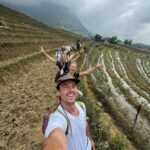
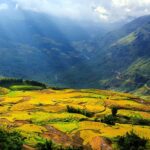
Sapa looks different when you leave the main road. I like the off-road jeep pace that gets you to major viewpoints without beating up your legs, and I really like the way the guide connects village life to what you’re seeing through stops in places like Ta Van. One thing to consider: this is a dirt-road adventure and it runs best in good weather, so misty or rainy days can affect visibility.
For 4.5 hours with pickup and a small group (up to 12), the $79 price starts to make sense fast. You also get practical extras like a bottle of water, helmet, and a rain poncho if the sky turns.
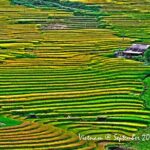
The best part is the feeling of being in the valley with people who live there, not just passing by. You’ll ride through the Muong Hoa Valley area, see famous terrace rice paddies regions, and visit Ta Van Village, where you can learn about Hmong, Day, and Dao communities (including Red Dao culture in the way the guides frame village interactions).
In This Review
- Key Highlights You’ll Actually Feel During This Sapa Jeep Tour
- Why This Sapa Jeep Tour Feels Different From A Usual Trek
- Pickup In Sapa City and The Ride Into Y Linh Ho
- Muong Hoa Valley: Viewpoints, Paddies, and That Slow-Jeep Moment
- Lao Chai Rice Terraces: More Village, Less Crowd Energy
- Ta Phin and Hang Da: School, Field Work, and Seasonal Moments
- Ta Van Village: Learning Hmong, Day, and Dao Culture Up Close
- What the $79 Price Includes (And What You’ll Need to Pay)
- Small Group Size, Comfort, and Practical Tips That Keep the Day Smooth
- Who This Sapa Jeep Tour Is Best For
- Should You Book This Off-The-Beaten-Path Sapa Jeep Tour?
- FAQ
- How long is the Sapa jeep tour?
- How much does the tour cost?
- Do you get pickup in Sapa City?
- Is the tour group small?
- Does the tour include entrance fees to villages?
- What’s included for comfort during the ride?
- What isn’t included in the price?
- Do I need good weather for this tour?
- Will I get an English-speaking guide?
Key Highlights You’ll Actually Feel During This Sapa Jeep Tour
- Y Linh Ho viewpoint: big mountain views that help you understand how Sapa sits in the valley
- Muong Hoa Valley backroads: slow jeep driving so you can look, photograph, and breathe in the air
- Village time without a long trek: you see more places than typical short walking tours
- Lao Chai rice terrace area: time around the paddies and the feeling of “real village rhythm”
- Ta Van Village cultural meeting: learning about Hmong, Day, and Dao culture from inside the community
- Small group limits: up to 12 people means less crowd pressure at viewpoints and stops
Why This Sapa Jeep Tour Feels Different From A Usual Trek
Sapa can be pretty good at turning into a schedule: up, down, quick photo, repeat. This jeep tour is built for a different rhythm. You trade a chunk of hiking for more village stops and a smoother way to reach high viewpoints and terrace areas.
I also like that the experience is guided, not just “drive-by sightseeing.” An English-speaking guide helps you connect the dots between what you see on the road, what you learn in a village, and how the valley’s terrain shapes daily life. In past groups on this route, guides like Tamay and May have been singled out for making culture feel personal rather than textbook.
The big consideration is weather. When Sapa fog rolls in, the mountains can blur. If you’re a super-visual person who came for crisp valley views, you’ll want to go when conditions are clearer.
You can also read our reviews of more tours and experiences in Sapa.
Pickup In Sapa City and The Ride Into Y Linh Ho
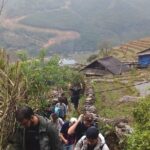
Your day starts with pickup from Sapa City (from your hotel or meeting point). From there, the tour transitions from town to countryside. You get a short briefing first, which matters because it helps you pace your questions and understand why you’re stopping where you stop.
As the jeep heads toward the viewpoint region, it passes through areas with well-known Sapa architecture, including French colonial-style houses you may recognize from old photos of the town. It’s a quick, useful contrast: Sapa isn’t only hill-tribe villages and rice terraces; it also has layers from outside influence that still show in buildings and streets.
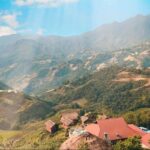
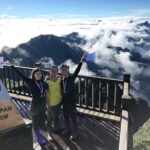
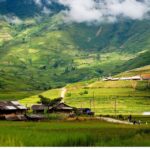
Then you reach the Y Linh Ho viewpoint zone. This is one of those stops where the height does the work. Even if you catch clouds and mist, the valley shape usually still comes through, and it helps you orient yourself for everything that comes next.
Muong Hoa Valley: Viewpoints, Paddies, and That Slow-Jeep Moment
The Muong Hoa Valley portion is where the tour earns its reputation. You spend meaningful time in the valley area and you’re not rushed from one stop to the next. You’ll pass down into the valley and then back up through winding roads, including dirt-road stretches that give the day its off-the-beaten-path feel.
One detail I really like here is the emphasis on visibility. The jeeps tend to be driven in a way that lets you watch the valley as you go, rather than looking only out one quick side window while everyone else stares at their phones. The result is that you can actually absorb the terrain—terrace lines, mountain walls, and the way villages sit along the slopes.
If you’re prone to motion sickness, this is still jeep travel over uneven roads, so it might not be perfect for everyone. But compared with fast minibus transfers, the pacing is usually more relaxed, and you can grab photos without feeling like you’re constantly bracing.
Lao Chai Rice Terraces: More Village, Less Crowd Energy
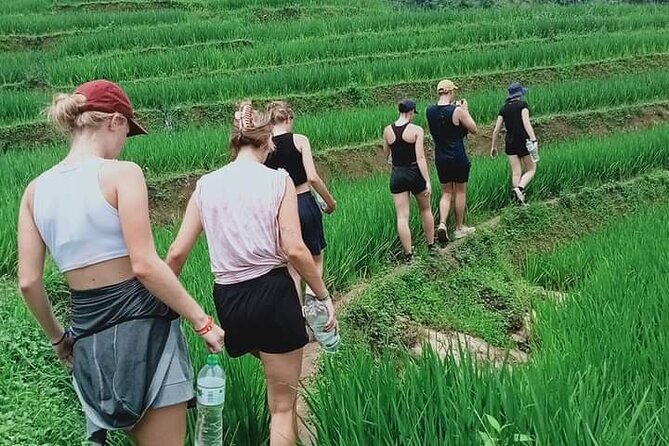
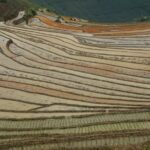
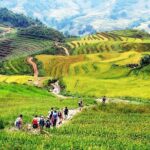
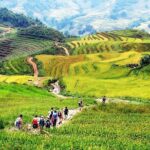
Lao Chai is the terrace-focused stop that many people remember. This is where the tour shifts from big valley views into the lived-in side of Sapa: rice paddies, village paths, and the sense of being near farms rather than just looking down at them.
In the Lao Chai area, you’ll have time to experience the terraces up close. That matters because Sapa’s rice terraces are not just scenic; they’re functional landscapes that people maintain. When you walk among the paddies (when conditions and the day’s plan allow), you get a better sense of scale—how terracing holds water, how slopes shape planting, and why the valley looks the way it does from above.
A drawback to keep in mind: terrace visits can be slippery in wet weather. If you’re going on a day with light rain or mist, bring your best walking mindset. Your route is designed to be manageable, but you’ll still be moving on uneven ground.
Ta Phin and Hang Da: School, Field Work, and Seasonal Moments
After the terrace time, the tour continues toward the Ta Phin and Hang Da area. This section is less about landmark posing and more about observing how people work and live.
On the way to Hang Da Village, you may stop to visit a school, or you might pause to see people working in the fields. Your exact moments can shift depending on the season, which is actually a good thing. It means you’re more likely to catch real daily activity rather than the same static stop every day.
This is also where you’ll appreciate having an English-speaking guide. Without someone to frame what you’re seeing, village stops can feel like a series of pictures. With a guide, you can ask basic questions like what you’re seeing in the fields, why certain terraces look the way they do, and how community life ties to the seasons.
Ta Van Village: Learning Hmong, Day, and Dao Culture Up Close
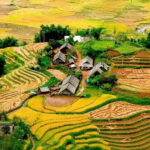
Ta Van Village is the cultural centerpiece of the tour. Here, you’ll learn about three ethnic minorities—Hmong, Day, and Dao—and you’ll spend time in the community in a way that feels less like a performance and more like a conversation.
In many groups, the guide guides you toward respectful interactions, including meeting women from Dao communities in a warm, welcome-oriented way. People who have done this route often highlight these human moments as the best part of the day, not because it’s a scripted show, but because it’s personal.
If you care about cultural context, this stop is worth the price on its own. It’s also one of the reasons a jeep tour works well here: you get there comfortably and still have enough time for the village interaction piece.
A practical note: village visits mean you may spend time standing or walking slowly on footpaths. If you’re someone who wants only dramatic viewpoints and zero time on the ground, this might not be your ideal style. But if you want to understand Sapa beyond the viewpoint photos, Ta Van is where it clicks.
What the $79 Price Includes (And What You’ll Need to Pay)
At $79 per person for about 4.5 hours, the value is strongest when you compare this style of tour with the cost of multiple separate transport + entry fees. You’re getting one guide, one driver, and a plan with several village stops.
Included items:
- Professional English-speaking tour guide
- A professional driver setup for the ride
- Bottle water
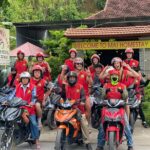
- Rain poncho (and helmet) if needed
- Entrance fees/tickets for village visits
Not included:
- Drinks
- Tips
- Personal expenses
My take: if you usually end up paying for entry fees and then scrambling for transport between dispersed stops, this package removes a lot of friction. The only real “you need to budget” category is drinks and any personal purchases.
Small Group Size, Comfort, and Practical Tips That Keep the Day Smooth
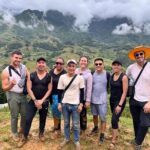
This tour caps at 12 travelers, which is a big deal in Sapa. Smaller groups move easier, you get more attention from the guide, and you’re less likely to feel like cattle at viewpoints or during short village stops.
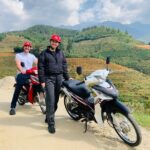
Comfort-wise, the helmet and rain poncho are thoughtful inclusions. Even when the forecast looks fine, Sapa weather can change quickly once you’re out in the valley. If you’ve ever gotten soaked on a short excursion and spent the rest of the day freezing, you’ll appreciate this.
For your packing list, I’d keep it simple:
- Wear shoes you trust on uneven ground
- Bring a light layer for mountain air
- Keep water and snacks reasonable, but remember water is included
- If you want extra drinks, plan on buying them since drinks aren’t included
Who This Sapa Jeep Tour Is Best For
This is a great fit if you want a mix of viewpoints, rice terraces, and real village interaction but you don’t want a full day of trekking.
It’s also ideal for:
- Couples who want a relaxed pace with lots of scenery
- People who are tired from a previous trekking day and still want Sapa highlights
- Anyone who values guidance and cultural context, not just photos
If you’re the kind of traveler who loves long hard hikes and wants maximum time on foot with no road time, you might prefer a more intensive trek. But for most visitors who want a strong Sapa “greatest hits” day with authentic stops, this route is a smart compromise.
Should You Book This Off-The-Beaten-Path Sapa Jeep Tour?
If your priority is more than one viewpoint plus terrace scenery plus village time, I’d book it. The combination of a comfortable jeep ride, an English-speaking guide, and multiple village stops makes the day feel full without feeling frantic.
Book it especially if:
- You want Muong Hoa Valley views without committing to hours of steep trekking
- You care about meeting local communities in places like Ta Van
- You like the idea of small groups and slower driving for better viewing
Skip it if:
- You only travel for perfectly clear mountain views and hate weather-dependent plans
- You dislike riding on dirt roads or being on foot paths during village visits
Bottom line: for $79, you get a well-paced Sapa day that balances scenery and culture, with the kind of village interaction that makes the trip feel like more than just a drive and a handful of photos.
FAQ
How long is the Sapa jeep tour?
It runs about 4 hours 30 minutes.
How much does the tour cost?
The price is $79.00 per person.
Do you get pickup in Sapa City?
Yes, pickup is offered from Sapa City from your hotel or meeting point.
Is the tour group small?
Yes, the maximum group size is 12 travelers.
Does the tour include entrance fees to villages?
Yes, entrance fees/tickets for village visits are included.
What’s included for comfort during the ride?
You get a bottle of water, a helmet, and a rain poncho if you need it.
What isn’t included in the price?
Drinks, tips, and personal expenses are not included.
Do I need good weather for this tour?
Yes, this experience requires good weather. If it’s canceled due to poor weather, you’ll be offered a different date or a full refund.
Will I get an English-speaking guide?
Yes, the tour includes a professional English-speaking tour guide.