REVIEW · SAPA
Ultimate Sapa Motorbike Tour: Villages & Waterfalls
Book on Viator →Operated by SAIGONESE TREKKING HOUSE · Bookable on Viator
Motorbikes, villages, and waterfalls in one day. I love how you ride with local drivers instead of struggling with a DIY route, and I also love the packed-feeling day that still gives you time to stop, look, and ask questions.
You get hotel pickup and an included lunch, plus a tight set of village and waterfall highlights that feel more personal than the big-bus version. One thing to weigh: weather matters, and wet mountain roads can make the ride feel more intense.
In This Review
- Key things to know before you go
- First Pickup at 9:00 and What a 7–9 Hour Ride Feels Like
- Why Riding With Drivers Beats Hiking (Even if You Don’t Ride)
- Cat Cat Optional Village Stop and the H’mong Welcome
- Y Linh Ho and Lao Chai: Smaller Hamlets, Real Village Structure
- Ta Van Rice Terraces and the Feeling of Slower Time
- Sapa Ancient Stone Gallery: A Quick Stop With Big Curiosity
- Thac Bac (Silver Falls) and Love Waterfall: The Day’s Wet-Moment Payoff
- O Quy Ho’s Lonely Tree and Sapa Market: Quick Photos, Real Trading
- Optional Glass Bridge Costs and What to Decide
- Price and Logistics: Is $49 Good Value?
- Weather, Safety, and Small-Group Realities
- Who Should Book This Sapa Motorbike Day Trip
- Should You Book Ultimate Sapa Motorbike Tour: Villages & Waterfalls?
- FAQ
- What time does the tour start?
- How long is the Ultimate Sapa Motorbike Tour?
- Is lunch included?
- Are hotel transfers included?
- Which entrance fees are included, and which are not?
- Is there a limit on group size?
- What happens if the weather is poor?
Key things to know before you go
- Small group (up to 10): less chaos, more time for stops and questions
- Guided motorbike route: you see off-the-way villages without long trekking
- Waterfall entry included: Thac Bac (Silver Falls) and Love Waterfall are covered
- Optional add-ons cost extra: Cat Cat and Glass Bridge have separate tickets
- Local guide names you might meet: Do, Vang, Linh, Giang, Sisi, Zang, Pan
First Pickup at 9:00 and What a 7–9 Hour Ride Feels Like
Start time is 9:00 am, with pickup offered from your hotel in Sapa Town. The day runs about 7 to 9 hours, which is a great length if you want a full slice of Sapa without packing your boots and doing a long hike.
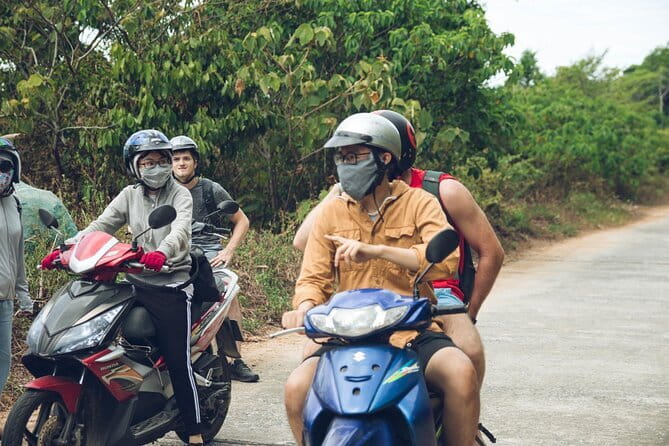
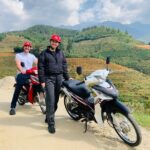
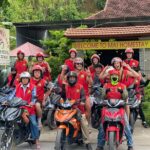
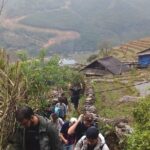
On this tour, your guide drives the motorbike for you. That matters. You can focus on the view, the villages, and the little moments, instead of splitting your attention between road and scenery.
The vibe is relaxed but busy. You’ll move around a lot through the hills and valleys, so bring the right mindset: think photo stops plus short wandering, not a slow stroll and a long sit-down.
You can also read our reviews of more tours and experiences in Sapa.
Why Riding With Drivers Beats Hiking (Even if You Don’t Ride)
I get why some people want Sapa on two wheels but don’t want to ride their own bike. This format solves that. You’re carried through countryside roads while your guide handles navigation and timing.
Safety is a standout theme in the feedback. People specifically call out care on bumpy roads and drivers who keep things controlled even when roads get sketchy. Guides named in real experiences include Do and Vang (prompt hotel pickup), plus Linh, Giang, Sisi, Zang, and Pan in other days—each described as attentive and careful.
If you’re worried about bike comfort, here’s the practical angle: you’re in the passenger seat for the full day. You still feel road texture, but you’re not physically managing the bike. Add a light rain layer if weather turns, because Sapa mountain weather can change fast.
Cat Cat Optional Village Stop and the H’mong Welcome
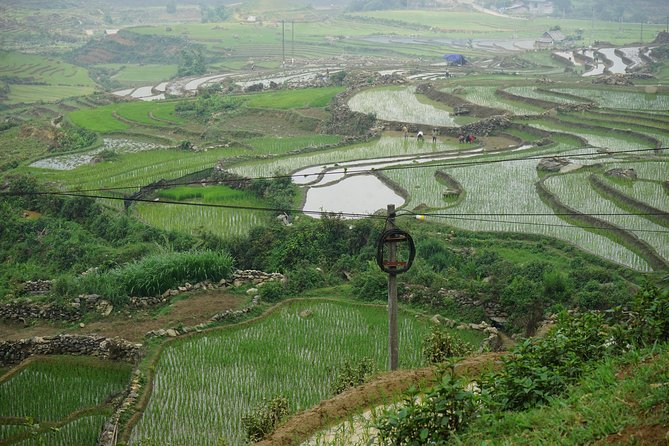
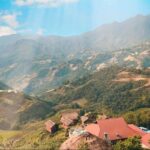
Cat Cat Village is an optional stop, and it’s one you’ll probably recognize if you’ve seen photos of Sapa. It’s in a valley surrounded by green mountains, and it’s home to the H’mong community.
Expect about 1 hour if you choose it. Also plan for extra cost: Cat Cat admission isn’t included, and it’s listed as ₫150,000 per person.
Why it’s worth considering, even though it’s optional: it gives you a solid introduction to how the valley villages work and how ethnic culture shows up in daily life—clothing, foodways, and the rhythm of the hamlets. The trade-off is simple: it’s a popular name, so it may feel more tourist-facing than the smaller villages later on.
Y Linh Ho and Lao Chai: Smaller Hamlets, Real Village Structure
From there, you head into the Muong Hoa valley area with quick village stops that feel more like you’re moving with the local geography.
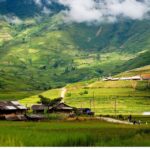
Y Linh Ho is listed at about 30 minutes, and it’s described as a commune with a dozen hamlets scattered on steep mountain terrain near Muong Hoa valley. The value here is how quickly the landscape makes sense once you’re on the move. You start noticing how paths, fields, and homes relate to slope and water flow.
Then comes Lao Chai, also about 30 minutes. This one’s tied to the Black H’mong community, and it’s described as one of Sapa’s prominent landmarks. Even without getting stuck in a museum-style explanation, you get the big idea: terraces aren’t just views here; they’re the base layer of how people farm and live.
Both of these stops are free in terms of admission tickets per the tour notes, so you’re not forced to spend at every step.
Ta Van Rice Terraces and the Feeling of Slower Time
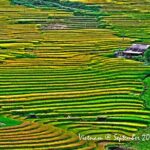
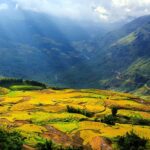
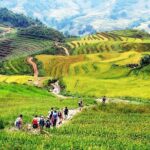
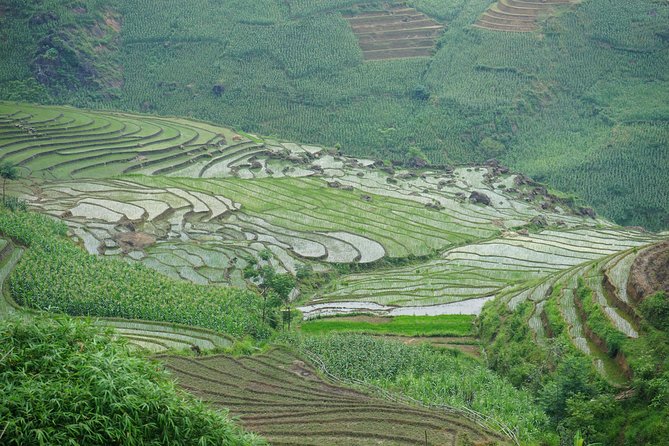
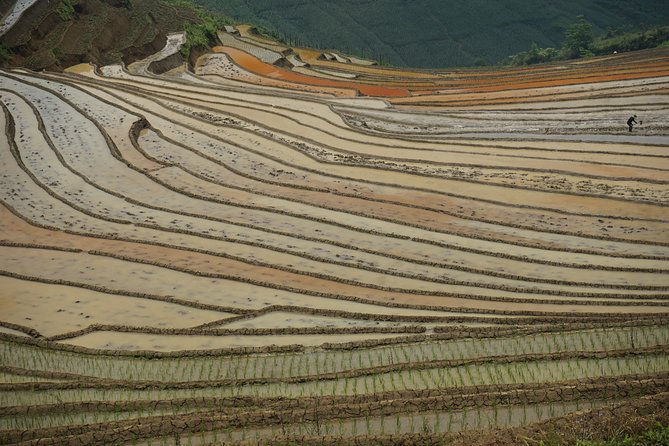
Ta Van Village is another 30-minute stop, and it’s known for ethnic culture and rice terraces. Even if you’ve seen rice terraces in a dozen countries, Ta Van tends to feel grounded. You’re not just looking up at a postcard. You’re watching the shapes that make terrace farming possible.
This is the kind of stop where you’ll likely take more photos than you expected. But the smarter move is to walk a short distance away from the busiest edges and watch how villagers move through fields and paths.
Admission is listed as free here too, so you can spend your energy on observation instead of budgeting.

Sapa Ancient Stone Gallery: A Quick Stop With Big Curiosity
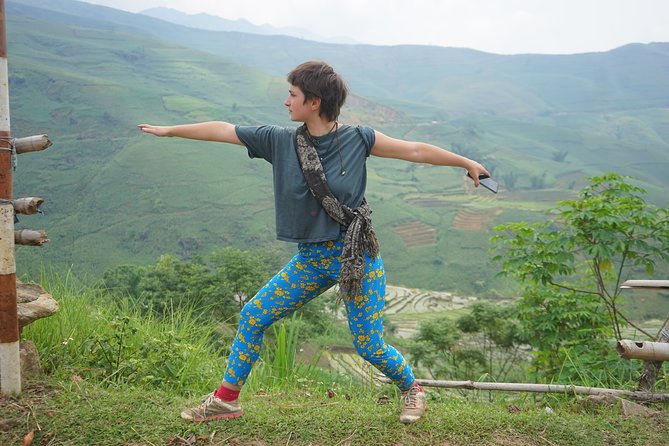
You’ll then visit the Sapa Ancient Rock Field in the Muong Hoa valley area. The description notes scattered stones across terraced hillsides, with more than 200 large stones.
Timing is about 30 minutes. That’s short, but it works because the site is visual: you can look, notice patterns, and snap a few solid photos without feeling stuck in a long explanation.
This stop is a good counterbalance to the villages. If the rest of the day is about living culture, this one gives you a sense of how long humans have been shaping this valley. It’s not a “see everything” museum stop, but it’s enough to make your brain ask better questions as you ride on.
Thac Bac (Silver Falls) and Love Waterfall: The Day’s Wet-Moment Payoff
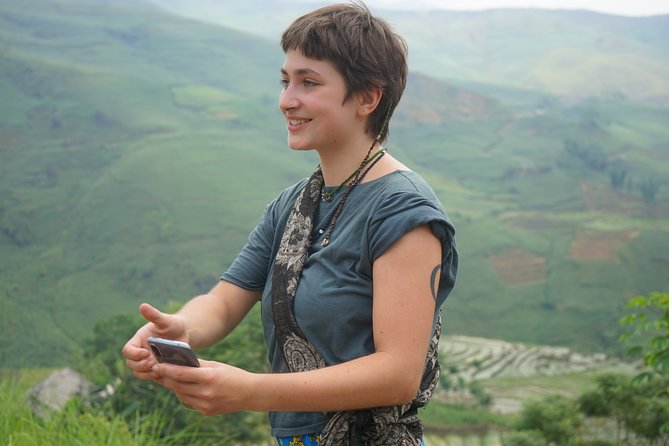
Waterfall time is usually where the tour wins people over. You get two big hits with admission included.
First is Thac Bac Waterfall (Silver Falls), about 1 hour, and ticket entry is included. It’s presented as one of Sapa’s key nature stops, and the practical reason it’s a must-do is that it breaks up the village rhythm with a pure nature experience.
Then comes Love Waterfall, also about 1 hour, with entry included. It’s listed as about 14km from Sapa town to the southwest, in San Sa Ho commune. If the day’s been clear, waterfalls feel like a reward. If it’s been rainy, waterfalls still work—just bring a rain layer and expect slippery ground in places.
In short: plan for wet footwear reality. Even if the rain holds off, mountain mist is common, and you’ll be happier if you’re dressed for damp conditions.
O Quy Ho’s Lonely Tree and Sapa Market: Quick Photos, Real Trading
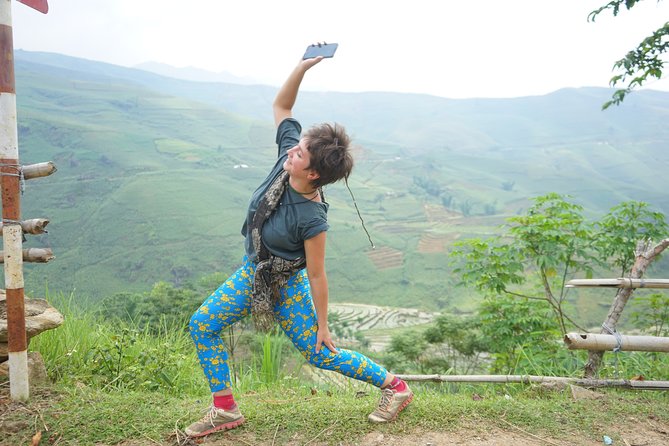
Next is the Lonely Tree of O Quy Ho, about 30 minutes, and the goal here is simple: get that signature photo moment and pause long enough to enjoy the open hillside views.
After that, you finish with Sapa Market, about 20 minutes. Markets in Sapa are described as a place where different ethnic minorities trade and exchange goods. That makes it useful even in a short time window—you get a quick slice of how the local economy shows up day-to-day.
The practical tip: if you want to buy anything, do it with a clear idea of what you’re after. A short market stop means you don’t have time for “let’s wander until I find the perfect thing.”
Optional Glass Bridge Costs and What to Decide
There’s an optional stop for the Glass Bridge, described as transparent glass with a height over 2000m. The tour notes list it as 1 hour, but the ticket isn’t included.
Entrance fee is listed at ₫500,000 per person. That price might be worth it to you if you love high views and want one modern adrenaline moment in the middle of village and waterfall time. If you’d rather keep costs down and spend time in the smaller stops, skip it and keep the day calmer.
Price and Logistics: Is $49 Good Value?
The price is listed at $49 per person, and when you compare it to what’s included, it starts to make sense.
Included perks:
- Lunch (Vietnamese food)
- Bottled water
- Luggage storage in Sapa Town
- Hotel transfers are included for convenience
- Thac Bac and Love Waterfall entries are included
Not included:
- Insurance
- Tips
- Cat Cat admission (₫150,000)
- Glass Bridge ticket (₫500,000) if you choose it
Here’s how I’d budget your decision: if you plan to do both optional paid stops, you may add up your day’s entry costs on top. If you skip them, most of your day’s costs are already covered, including the two major waterfall tickets.
Also note the group size: maximum of 10 travelers. That’s part of the value. It helps keep stops from turning into crowd management, and it gives your guide room to respond if the weather changes.
Weather, Safety, and Small-Group Realities
This tour is described as requiring good weather. That’s not marketing language; it’s mountain reality. If the weather is poor, the tour can be canceled and rescheduled or refunded.
Road conditions are another key factor. Reviews mention bumpy roads and sometimes sketchy stretches, especially when it rains. The good news is that people repeatedly describe feeling safe thanks to attentive driving.
A practical “you can control this” list:
- Wear shoes that handle wet ground
- Bring a rain layer that covers you well (you may get caught in showers)
- Keep essentials secure while riding (some people report their phone slipping during the day, so treat pockets like they’re not safe)
- If you’re sensitive to motion, plan for that on winding roads, especially in wet conditions
Who Should Book This Sapa Motorbike Day Trip
Book it if:
- You want lots of different sights in one day: villages plus waterfalls
- You prefer short stops over hours of trekking
- You don’t want to drive the motorbike yourself
- You like learning from locals. Guides mentioned in feedback include Do and Vang for route handling, and others like Zang, Sisi, Giang, Linh, Chen, and Pan for storytelling and pacing.
Skip it (or reconsider) if:
- You’re worried about wet roads or motion discomfort
- You’re at the higher end of the body-weight guidance, since it’s stated as not recommended for travelers with heavy weights
- You expect every stop to be fully ticket-included, because the optional ones cost extra
Should You Book Ultimate Sapa Motorbike Tour: Villages & Waterfalls?
Yes, if you want a smart, time-efficient day that shows you more of Sapa’s valley villages than most one-day plans. The ride-with-a-guide format is the big win: you get the views without the stress of navigating steep rural roads.
I’d book it when:
- You have limited time in Sapa
- You like a mix of culture stops and waterfall breaks
- You’re okay with a busy schedule and short photo-walk moments
I wouldn’t book it when:
- The forecast looks rough and you don’t handle wet conditions well
- You only want one or two big sights, because this tour is built for variety
If you do book, do one thing that pays off immediately: ask your guide to explain what you’re seeing at each stop. A good local guide makes the day feel less like driving around and more like understanding the valley you’re passing through.
FAQ
What time does the tour start?
The tour start time is 9:00 am.
How long is the Ultimate Sapa Motorbike Tour?
It runs about 7 to 9 hours.
Is lunch included?
Yes. Lunch (Vietnamese food) and bottled water are included.
Are hotel transfers included?
Yes. Hotel transfers are included for convenience.
Which entrance fees are included, and which are not?
Entrance to Thac Bac (Silver Falls) and Love Waterfall is included. Cat Cat Village and the Glass Bridge are optional and have separate tickets not included.
Is there a limit on group size?
Yes. The tour has a maximum of 10 travelers.
What happens if the weather is poor?
The tour requires good weather. If it’s canceled due to poor weather, you’ll be offered a different date or a full refund.