REVIEW · SA PA
Authentic Sapa 2D1N Trek & Hmong Homestay with Dinh
Book on GetYourGuide →Operated by Dinh Sapa Trekking Adventures · Bookable on GetYourGuide
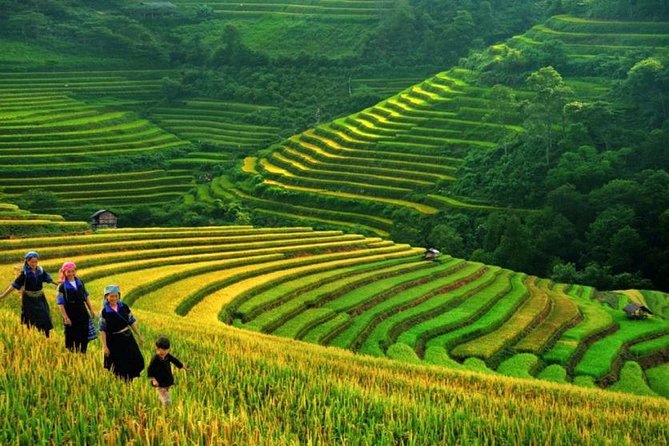
Rice terraces, tea, and a family welcome. What makes this Sapa trek interesting is that Dinh is with you for the full experience and brings you into everyday homestay life, not just quick photo stops.
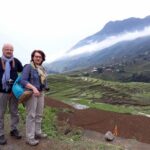
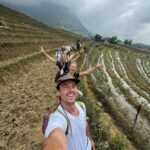
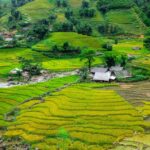
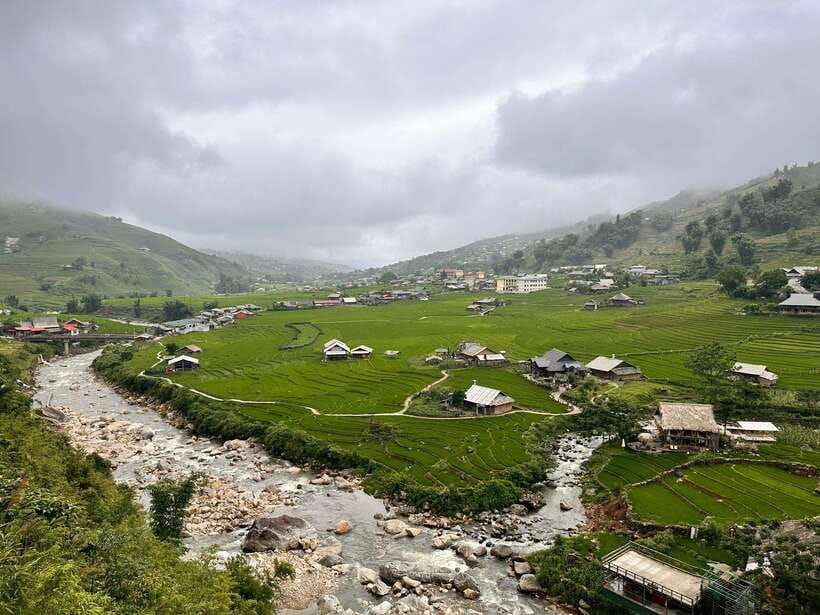
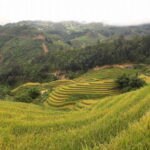
I love how the route threads through the Muong Hoa Valley rice fields and keeps revealing different village views as you walk. The best part for me is the chance to reach Giang Ta Chai waterfall area on Day 2, with bamboo forest and terraces along the way.
One consideration: this is real trekking. It’s listed as not suitable for people afraid of heights, with vertigo, back problems, or limited mobility, because the paths can be steep and uneven.
In This Review
- Key Things You’ll Care About
- Why This Sapa Trek Feels Local, Not Staged
- Meeting Dinh in Sapa: Where the Day Really Starts
- Day 1: Sapa to Muong Hoa Valley Villages (9–12 km)
- Y Linh Ho Village: First Look at Life in the Valley
- Lunch at a Local Family Restaurant
- Lao Chai: One of the Area’s Oldest and Largest Hmong Villages
- Ta Van and Your Homestay Arrival
- Night in Ta Van: Cooking Class, Dance, and a Real Family Evening
- Day 2: Bamboo Forest, Terraces, Giang Ta Chai Waterfall
- Giang Ta Chai Waterfall: The Best Stretch of the Walk
- Entering the Red Dao Area
- Food and the Small Cultural Moments You Shouldn’t Rush
- Price and Value: What You’re Actually Paying For
- Comfort Tips That Will Make or Break Your Day
- Who This Tour Suits (and Who Should Skip It)
- Should You Book This Hmong Homestay Trek?
- FAQ
- Where do we meet Dinh in Sapa?
- How long is the trek on Day 1?
- What’s the trek time and distance on Day 2?
- Which waterfall do we visit on Day 2?
- What meals are included?
- Do I stay overnight in a homestay?
- What language will the guide speak?
- What cultural activities are included in the evening?
- What should I bring, and what’s not allowed?
- FAQ
- Who is the tour not suitable for?
- Can I use trekking shoes and wear my own clothes?
- Is there drinking water included?
- Is there a separate entrance to reduce waiting?
- How does the tour end and how do I get back to Sapa?
Key Things You’ll Care About
- Two full days with Dinh: a local Hmong guide who shares culture while you hike
- Rice terraces plus valleys: Y Linh Ho and Lao Chai on the way to Ta Van
- A real homestay night in Ta Van: simple, family-run, with time to rest and shower
- Cooking and community time: an informal cooking class plus a family-style evening with dance and games
- Bamboo forest to waterfalls: Day 2 includes terraces and Giang Ta Chai, with the option to swim
- Village entry + most meals covered: you get guided access, lunches, dinner, and breakfast
Why This Sapa Trek Feels Local, Not Staged
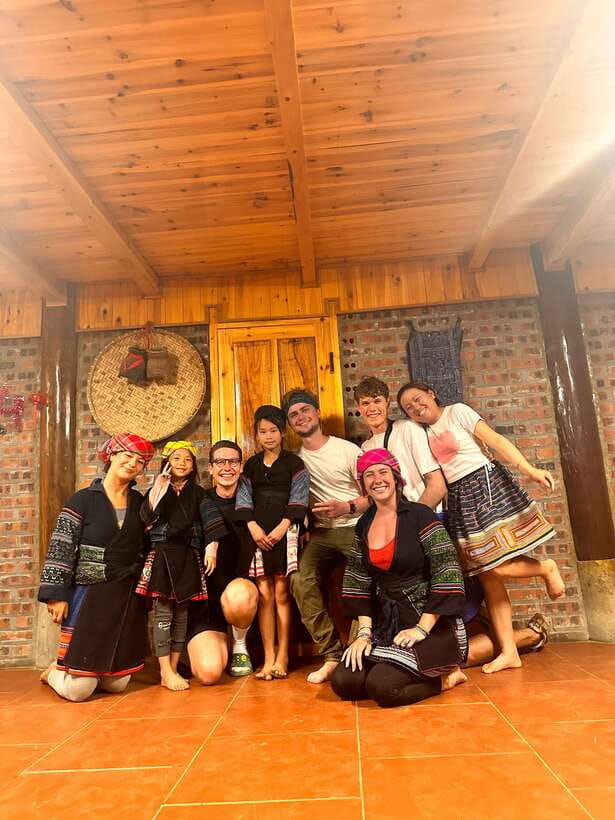
This is the kind of trip where you’re walking through the mountains with someone who actually lives there. Dinh and her sister pick you up in Sapa Town (either at your hotel or in front of the local main church), and from the first introductions, the pace shifts from tourist mode to mountain mode.
I like that you’re not just shown places. You’re asked to move through them—down to villages, across fields, and into the routine of a family that hosts travelers in Ta Van.
You’ll also get culture as part of the day, not as a lecture. From what Dinh shares, you learn about Hmong marriage traditions and day-to-day differences between ethnic groups while you’re trekking between communities.
You can also read our reviews of more hiking tours in Sa Pa
Meeting Dinh in Sapa: Where the Day Really Starts
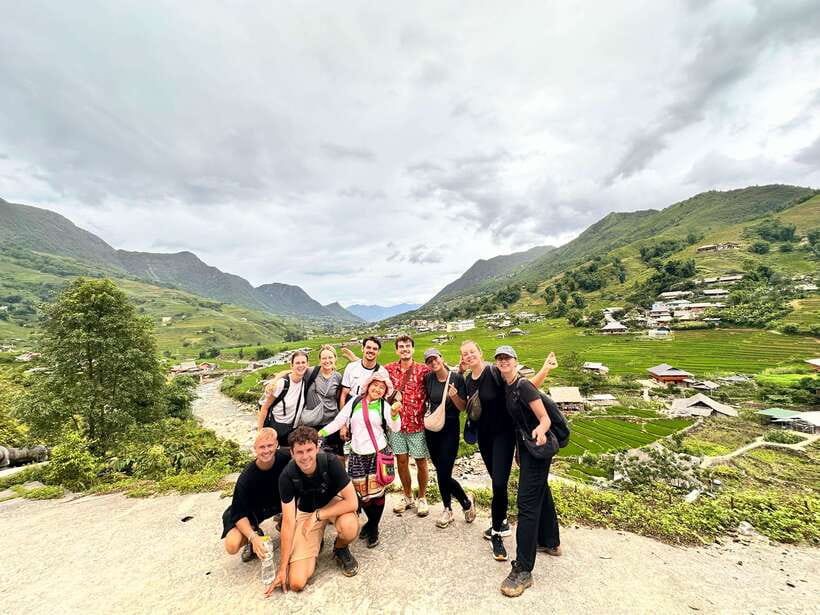
The tour starts at 9:00 AM. You’ll meet Dinh at your hotel in Sapa Town or at the local main church, then do a quick intro before heading out.
Right away, this matters for your trip quality. A morning start gives you softer light for walking through villages and better chances to enjoy terrace views without rushing. You’ll also settle your expectations: this is a guided trek with several village stops, so comfortable shoes are non-negotiable.
Dinh and her family-style hosting approach also changes the tone. You’ll feel like you’re being set up for an actual day in the valley, not just dropped at a trailhead and forgotten.
Day 1: Sapa to Muong Hoa Valley Villages (9–12 km)
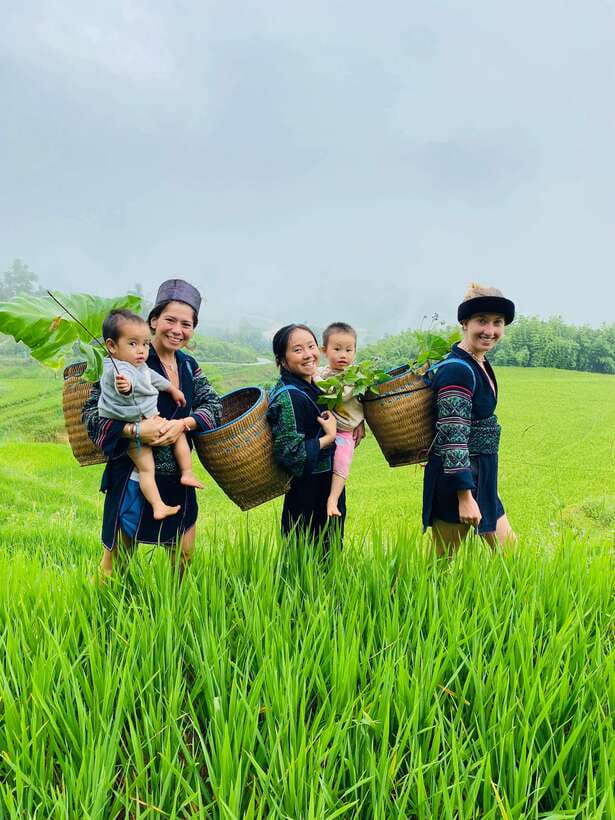
Day 1 runs roughly 9–12 km with about 5.5 hours of trekking time. After leaving Sapa, you descend toward Y Linh Ho village, passing mountain scenery and farmland views along the way.
Y Linh Ho Village: First Look at Life in the Valley
Y Linh Ho is your early immersion moment. This is where the trek stops feeling like a hike and starts feeling like movement through real living space—fields, paths, and the rhythm of village life.
This is also where you’ll likely notice small details that are easy to miss if you only drive between viewpoints. Even if you don’t speak the local language, watching how people work and travel through the area helps you understand the terrain.
Lunch at a Local Family Restaurant
You’ll stop for lunch at a small traditional restaurant run by a local Hmong family. Meals included are part of the value here: you don’t have to hunt for food mid-trek, and you’re eating where the day-to-day locals eat.
A practical note: drinks at lunch are not included, so bring a little cash if you want something beyond water.
A few more Sa Pa tours and experiences worth a look
Lao Chai: One of the Area’s Oldest and Largest Hmong Villages
After lunch, you continue to Lao Chai, described as one of the oldest and largest Hmong villages in the Sapa area. The walk between villages is where the valley opens up, and you’ll get more chances to see terraced rice—plus, sometimes, buffalo in the fields (not guaranteed, but it’s part of what the area is known for).
Dinh uses the trekking time to share cultural differences between ethnic groups. This is one of those travel moments that makes the whole route feel purposeful, because you’re learning while you’re still moving through the places.
Ta Van and Your Homestay Arrival
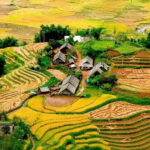
From Lao Chai, you trek to Ta Van Village, home to Giay and Hmong ethnic minorities. Depending on season, you may see locals planting or harvesting rice, which turns the terraces into more than scenery. It becomes a living calendar.
When you arrive at Dinh’s family homestay, you get time to rest. There’s also a hot shower, which is a real quality-of-life detail after a long first day.
Night in Ta Van: Cooking Class, Dance, and a Real Family Evening
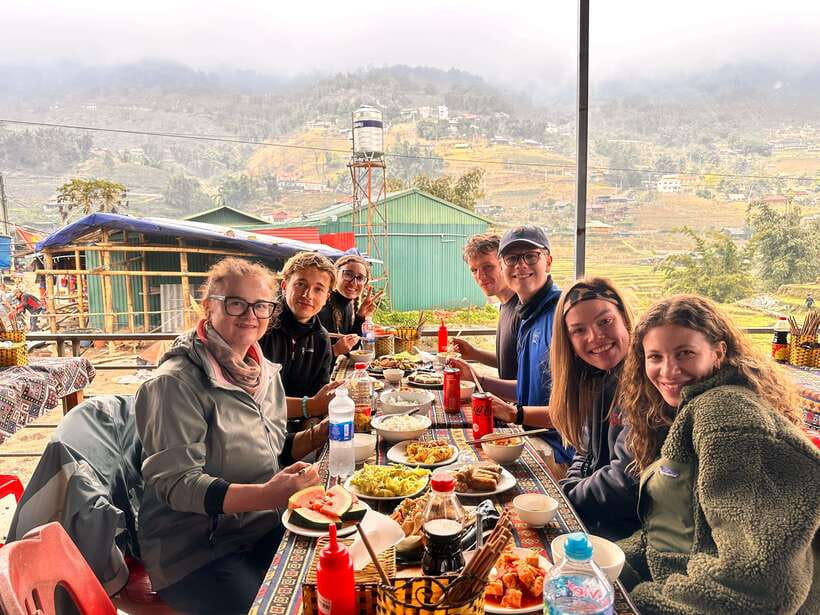
Your Day 1 evening is where this tour earns its reputation. You can join an informal cooking class with Dinh’s family to prepare a traditional dinner.
I like this format because it’s not just about tasting food. It’s about seeing how family meals come together in a homestay setting, using local ingredients and simple, practical steps. From the experience, it feels friendly and hands-on without turning into a rigid “activity.”
After dinner, Dinh shares her personal story about supporting 10 local children’s education. That matters because it gives you a clearer view of why homestay hosting is more than a tourism side hustle.
Then the welcome continues. Your homestay family has students who perform a traditional dance to welcome you, and you’ll have time to play with the kids. There are also fun drinking games with Happy Water (local rice wine), but the emphasis here is on light community time—not pressure.
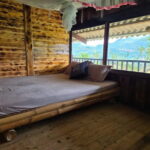
One small expectation check: the homestay is simple. That’s part of the charm. You’re coming for the family connection and the setting, not for hotel-style comfort.
Day 2: Bamboo Forest, Terraces, Giang Ta Chai Waterfall
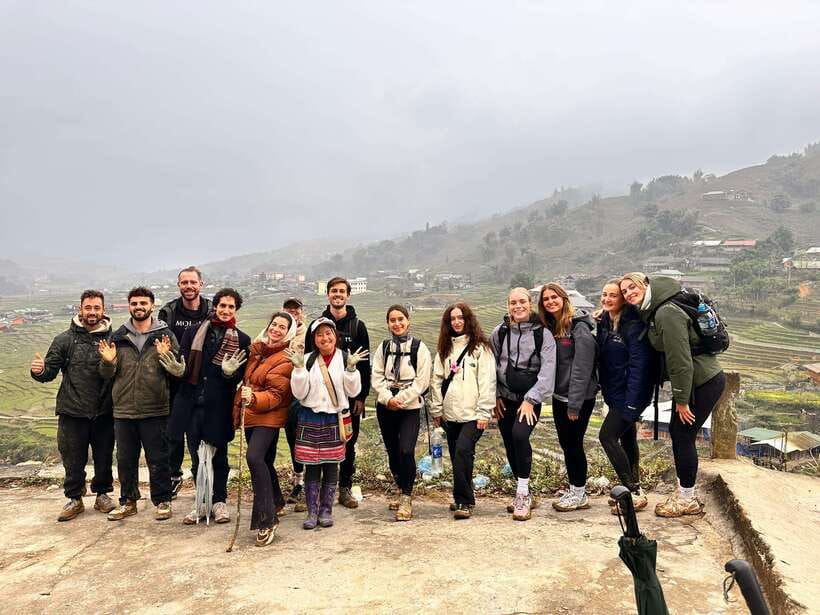
Day 2 is about 7–8 km and roughly 4–5 hours of trekking. You start with a cup of hot coffee or tea while enjoying the calm surroundings of the homestay, then eat breakfast before heading out.
The morning pace is gentler than Day 1, and you’ll feel it in your legs. Bamboo forest and terraced rice fields are both on the agenda, which keeps the scenery changing without turning the walk into a nonstop grind.
Giang Ta Chai Waterfall: The Best Stretch of the Walk
You’ll trek through to the waterfalls of Giang Ta Chai. Dinh shares that if you want, you can swim in the cool waterfall. I’d think of this as optional fun, depending on weather and your comfort with slippery rocks.
Even if you skip the water, the waterfall stop tends to be the emotional payoff of the whole route. You get a break from village paths, and the sound of water makes the hike feel more alive.
Entering the Red Dao Area
After the waterfall time, you enter the Red Dao ethnic area. You’ll then head back toward the main road and have lunch with a local family.
This is another reason the tour is worth doing as a guided experience. You don’t just walk past “different areas.” You’re actually moving through communities, with explanations and a clear sense of who lives where.
Food and the Small Cultural Moments You Shouldn’t Rush
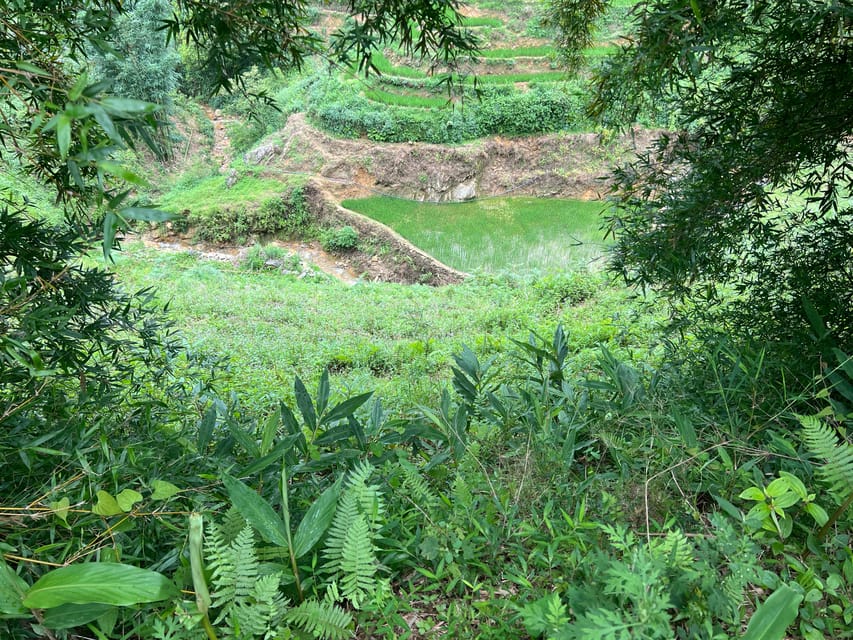
Food is a highlight on this trip. You’ll have two lunches, one dinner, and one breakfast included, and everything is described as homemade and family-prepared.
You should also plan your hydration. Water is included as 1 big bottle per person per day, and you’ll want it during trekking in mountain weather where conditions can shift.
On the cultural side, the marriage traditions component is part of Dinh’s guidance—shared while you’re walking between villages. The lesson here is simple: don’t treat the cultural bits as a checklist. Ask questions, take your time, and let Dinh answer in her own rhythm.
And yes, Happy Water is part of the evening games. If you don’t drink, you can still hang out and join the games in a low-key way. The tour rules also say alcohol and drugs are not allowed, so your focus stays on the homestay experience, not on partying.
Price and Value: What You’re Actually Paying For
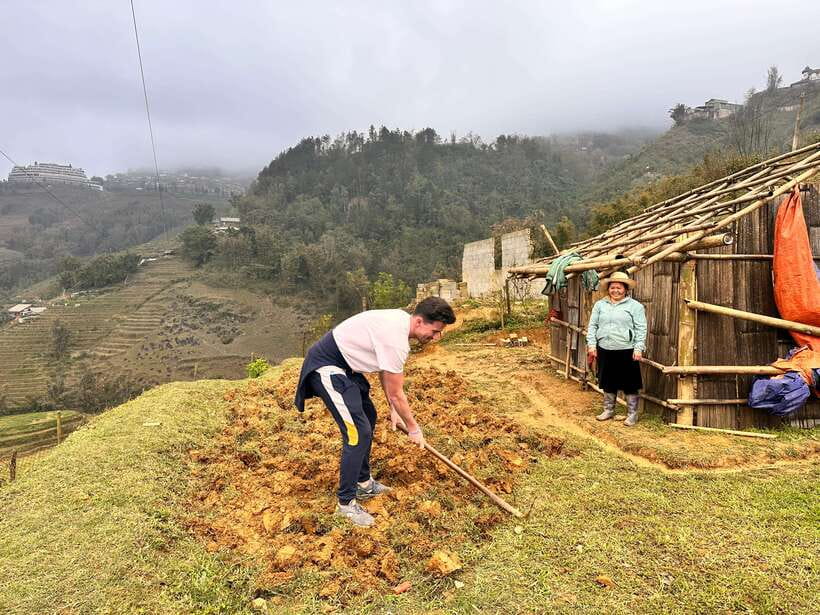
At $46 per person, the price looks low for a two-day, one-night experience in Sapa that includes:
- A local English-speaking guide for two days
- Village entry fees for four villages
- Meals: 2 lunches, 1 dinner, 1 breakfast
- 1-night homestay stay with Dinh’s family
- Drinking water each day
- Transportation back to Sapa at the end
That’s the real value: you’re not paying separately for entry access, meals, or the overnight stay. You’re paying for time, guidance, and the homestay connection.
Is it “cheap” in the sense of low-quality? No. The reviews and the structure point to the opposite. The lodging is basic, but the experience is built around family hosting, cooking, and cultural sharing. You’re paying to be part of the day, not just to tick boxes.
Comfort Tips That Will Make or Break Your Day
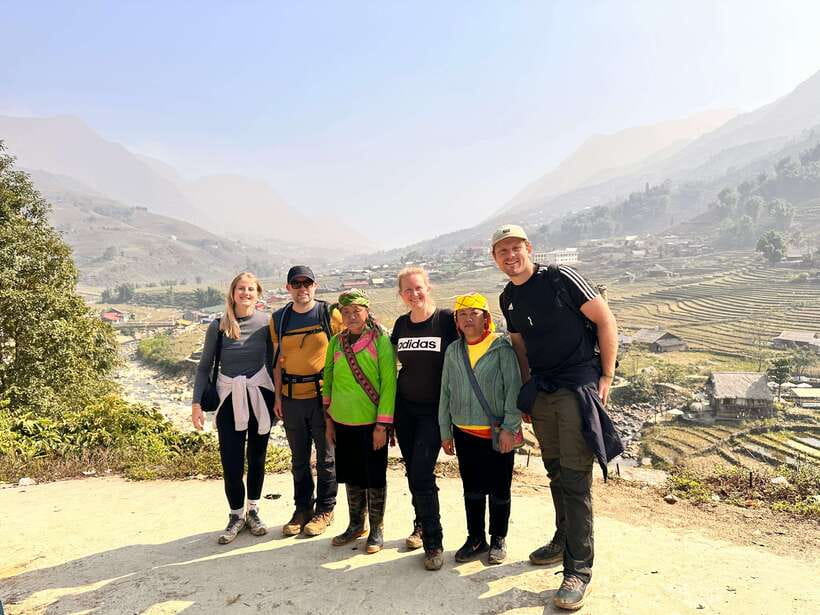
Bring comfortable trekking shoes. This is the first thing I tell people because the tour is built on walking long stretches and switching between paths.
Pack essentials you can actually use on a mountain hike:
- Hat
- Sunscreen
- Camera
- Snacks
- Water (even with included water, having extra helps)
Weather can change fast in this area. Plan for cool mornings and warmer afternoons, and dress in layers so you can adjust without losing the day.
Also: the tour asks you to respect local customs and traditions. That’s not vague advice. In practice, it means keep a calm attitude in homes, follow Dinh’s lead for what’s appropriate, and be mindful when taking photos.
Who This Tour Suits (and Who Should Skip It)
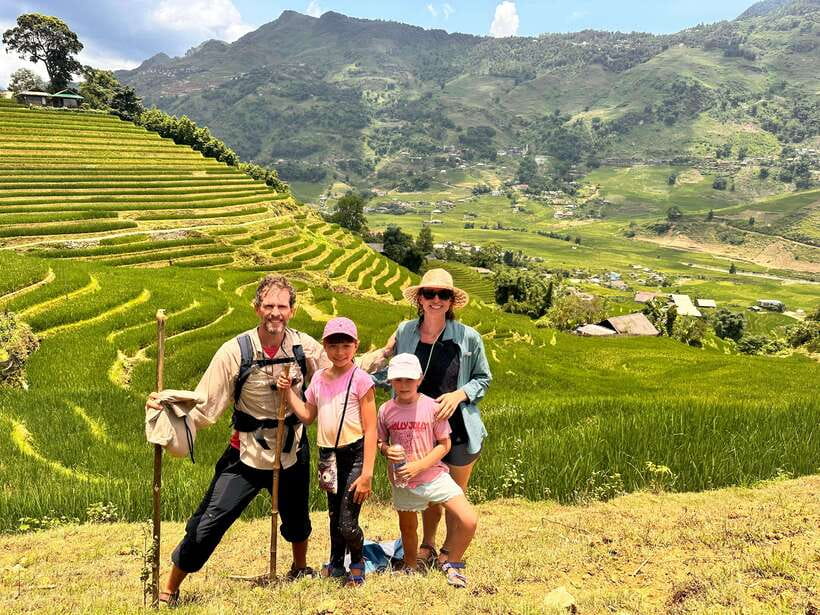
This trek/homestay combo works best if you’re comfortable with moderate hiking and you want a real cultural evening.
It’s not suitable for:
- pregnant women
- people with back problems
- people with mobility impairments
- people afraid of heights
- people with vertigo
- people over 70 years
One more thing to check: the info says wheelchair accessible, yet it also lists mobility limitations as not suitable. So if mobility is a concern, don’t assume the label covers the full trekking route. Confirm directly with the provider before you book.
If you love village walks, terraces, and a family dinner with conversation, you’ll probably find this tour hits the right balance of adventure and comfort.
Should You Book This Hmong Homestay Trek?
Yes, if you want Sapa that feels human-scale. I’d book it when you’re excited by rice terraces, village-to-village hiking, and a guided evening with Dinh’s family rather than a bus-and-viewpoints day.
I’d hesitate if you have any limitations listed as not suitable, especially fear of heights, vertigo, or back issues. I’d also skip it if you’re expecting a polished hotel stay, because the homestay is intentionally simple.
If your goal is authentic mountain time—walking through Muong Hoa Valley, learning Hmong traditions from a guide named Dinh, and ending your day around family food and music—this is a strong match.
FAQ
Where do we meet Dinh in Sapa?
You meet Dinh at your hotel in Sapa Town or in front of the local main church. The tour starts at 9:00 AM.
How long is the trek on Day 1?
Day 1 includes trekking of 9–12 km, with an estimated about 5.5 hours.
What’s the trek time and distance on Day 2?
Day 2 includes trekking of 7–8 km, with an estimated about 4–5 hours.
Which waterfall do we visit on Day 2?
You’ll hike to the waterfalls of Giang Ta Chai. If you want, you can swim there.
What meals are included?
Meals included are 2 lunches, 1 dinner, and 1 breakfast.
Do I stay overnight in a homestay?
Yes. You stay 1 night in a homestay with Dinh’s family in Ta Van, and you’ll have time to rest, including a hot shower.
What language will the guide speak?
The live tour guide provides English and Vietnamese.
What cultural activities are included in the evening?
You can join an informal cooking class with Dinh’s family to prepare the dinner. You’ll also share an evening with traditional dance to welcome you, time to play with kids, and fun drinking games with Happy Water.
What should I bring, and what’s not allowed?
Bring comfortable trekking shoes, a hat, camera, snacks, sunscreen, and water. Alcohol and drugs are not allowed.
FAQ
Who is the tour not suitable for?
It’s not suitable for pregnant women, people with back problems, mobility impairments, people afraid of heights, people with vertigo, and people over 70 years.
Can I use trekking shoes and wear my own clothes?
Yes—wear comfortable trekking shoes and clothing, and bring what you need for changing weather.
Is there drinking water included?
Yes, there is 1 big bottle per person per day.
Is there a separate entrance to reduce waiting?
The tour includes skip-the-line through a separate entrance.
How does the tour end and how do I get back to Sapa?
The tour ends between 2:00 and 3:30 PM, and you’ll take a taxi back to Sapa.