REVIEW · SAPA
From Sapa: 2 Days 1 Night Trek Over Night At Homestay
Book on Viator →Operated by Sapa May Travel · Bookable on Viator
Sapa can be busy, but this 2 days 1 night trek keeps you moving through Muong Hoa Valley and village paths with an overnight in Ta Van. I like that you get a local English guide who really explains what you’re seeing, and I also love the homestay night, including a hands-on fried spring roll cooking moment and a chance to try local rice wine. One thing to consider: the schedule is active and the road transfers can feel bumpy, so if you’re fragile with motion or you hate hills, plan carefully.
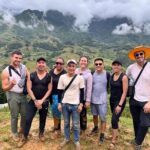
You’ll start with pickup in Sapa town, then walk village-to-village through terraced fields and ethnic communities like Y Linh Ho and Lao Chai. The group stays small (up to 15 people), which makes it easier to keep a steady pace and actually hear your guide—especially if you’re lucky enough to have Mae Cô (Mao Cô), who’s repeatedly praised for strong English and clear cultural storytelling.
By the end of Day 2 you’re back in Sapa town, but not before you’ve swapped the usual viewpoint sightseeing for real time with Red Dao communities around Giang Ta Chai and a final stop at Supan village. Just note that drinks during meals aren’t included, so you’ll want to budget a bit for water or other choices.
In This Review
- Key Points You’ll Feel Immediately
- What the 2 Days 1 Night Trek Feels Like in Sapa
- Meet at Sa Pa Retreat Condotel and Start on Time
- Y Linh Ho and Lao Chai: Terraced Fields and Village Walks
- Arriving at Ta Van: Where the Homestay Night Changes Everything
- The Homestay Cooking Class: Fried Spring Rolls and Real Conversation
- Day 2 Morning: Breakfast and Checkout Without Rushing
- Giang Ta Chai and the Red Dao Villages: A Longer Walk Moment
- Supan Village Lunch and the Trip Back to Sapa
- Price and Value: What You Get for Around $55
- Guide Matters: Why Mae Cô/Mao Cô Is a Big Deal Here
- Transfers, Meals, and Small Comfort Choices
- Who This Trek Suits Best
- Book It or Pass: My Decision Checklist
- FAQ
- What is the price and duration of the Sapa 2 days 1 night trek?
- Do I get picked up in Sapa town?
- Where is the meeting point and when does the tour start?
- Where do I stay overnight?
- What villages are included in the trek?
- What meals are included?
- Is a local guide included, and do they speak English?
- Can I cancel and get a full refund?
Key Points You’ll Feel Immediately
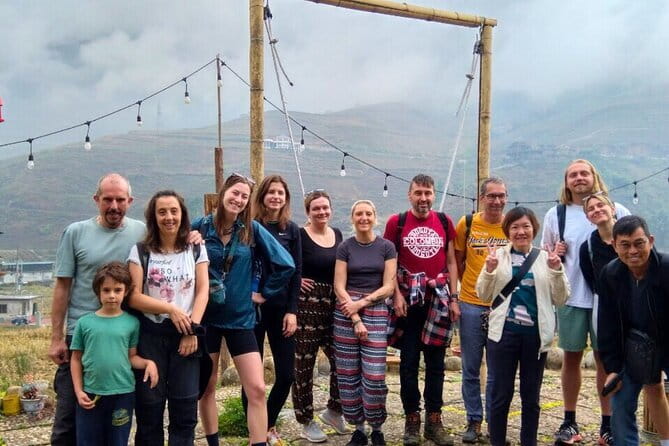
- Small group size (max 15) helps the guide keep things clear and personal
- Local English guide experience, with Mae Cô/Mao Cô repeatedly highlighted for great explanations
- Ta Van homestay night with a cooking class focus on fried spring rolls
- Village trekking route through Y Linh Ho, Lao Chai, Giang Ta Chai, and Supan
- Meals included (dinner, breakfast, and 2 lunches), with drinks left to you
What the 2 Days 1 Night Trek Feels Like in Sapa
This is a classic Sapa structure: mornings for walking, afternoons for the next cluster of villages, and a true overnight in a homestay community rather than a hotel bed. Expect a steady “moving day” rhythm across two days, with breaks built into the village visits. The hiking won’t be described as a marathon here—most of the trek energy comes from multiple village walks and terrain that tends to be steep or uneven.
If you like travel that feels hands-on—seeing daily life instead of only looking from a bus window—this format works well. The homestay night in Ta Van is the emotional anchor. You don’t just pass through; you settle in, eat together, and do a simple activity that connects you to local routines.
You can also read our reviews of more evening experiences in Sapa

Meet at Sa Pa Retreat Condotel and Start on Time
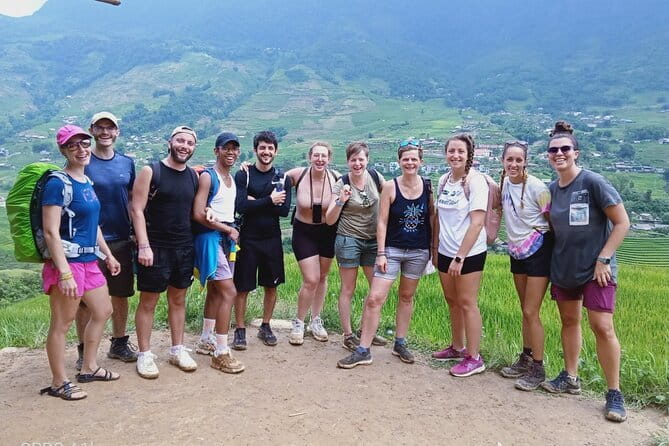
Your day starts with pickup between 8:00 and 8:30 a.m. at Sa Pa Retreat Condotel (03 Hoàng Liên, TT. Sa Pa, Sa Pa, Lào Cai, Vietnam). The tour also ends back at the meeting point, so you don’t have to solve transportation on your own at the end.
Why this matters for you: Sapa mornings can get chaotic, especially if you’re trying to coordinate taxis or rideshares with a trek schedule. Having a set pickup window reduces stress and helps you start walking with daylight.
Also, the tour mentions a mobile ticket and that service animals are allowed. Even if you don’t need that, it’s a sign the operator is trying to keep the experience organized from start to finish.
Y Linh Ho and Lao Chai: Terraced Fields and Village Walks
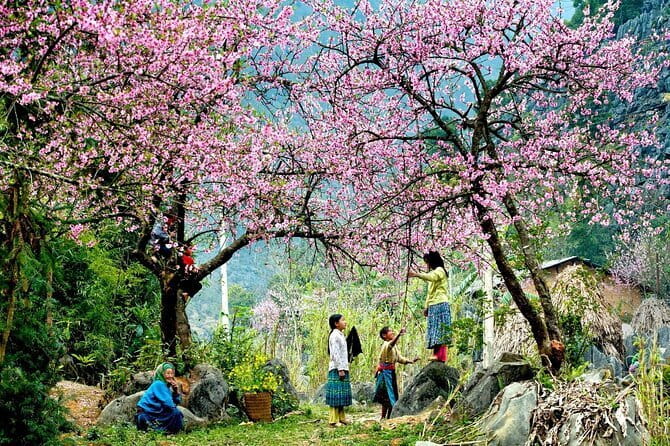
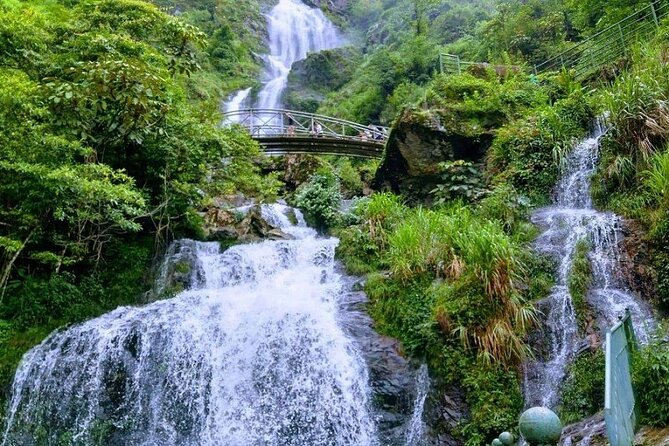
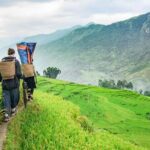
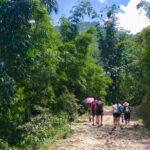
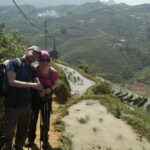
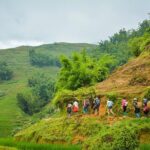
Day 1 begins with a village day that’s built around scenery and culture, not just photos. First up is Y Linh Ho village, positioned along Muong Hoa valley under the Hoàng Liên Sơn mountain range. You’ll spend around 2 hours here, and the route is designed around terraced fields, streams, and the village setting that makes Sapa famous.
What you’ll likely notice fast is how quickly the air and views change once you’re out of the town area. Terraces and streams don’t just look pretty; they explain how people farm on mountain slopes. If you’re the kind of traveler who enjoys the “how do they live here” part of travel, Y Linh Ho delivers.
Next comes Lao Chai after the morning walk. You’ll spend about 3 hours exploring this area, which is described as home to ethnic minorities including Black Hmong, Red Dao, and Giay people. Even if you don’t go deep into language learning, you’ll feel the cultural differences through village life and how the landscape is worked.
One practical consideration: village paths can be slippery or uneven. You don’t need super-technical gear for a short trek, but you do want shoes you trust on uneven ground.
Arriving at Ta Van: Where the Homestay Night Changes Everything
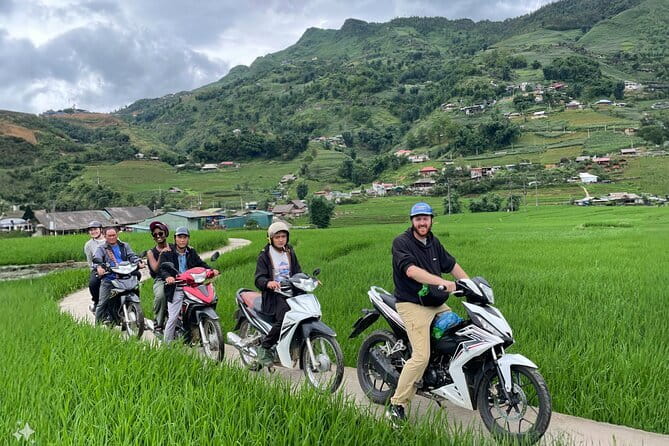
Ta Van village is about 8 km from Sapa town, with the mountain range behind it and the Muong Hoa stream in front. That location matters because it shapes the mood of the night: cooler air from the mountains, the sound of water nearby, and the feeling that you’ve left the town pace behind.
This is where the tour shifts from “see villages” to “live among the village rhythm” for a night. You reach the homestay area around 5:30 p.m., and the plan is set: you’ll prepare for a cooking class, then dinner, then sleep at the homestay.
Two details stand out for me as value points:
- You’re doing something simple and local, not just watching. The fried spring roll cooking part turns food into an experience you remember.
- The dinner includes local rice wine, which is a cultural taste moment—not a gimmick, because it’s part of the meal setting.
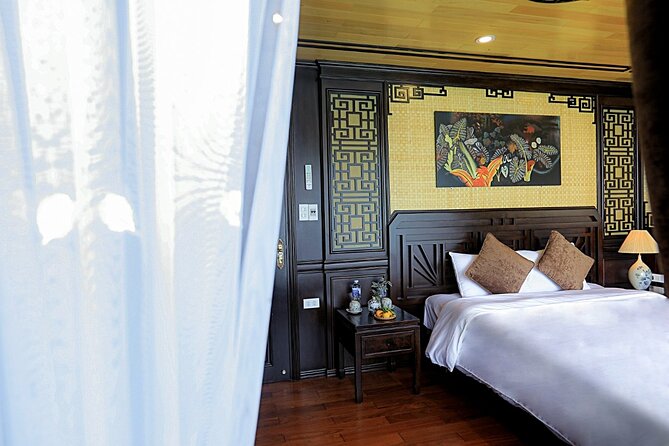
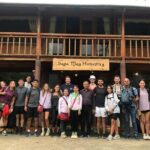
The homestay is described as hosting Hmong and Zay ethnic people, and you’ll have a private room. That’s a meaningful comfort upgrade compared with some “basic” treks that pair homestays with shared sleeping spaces.
The Homestay Cooking Class: Fried Spring Rolls and Real Conversation
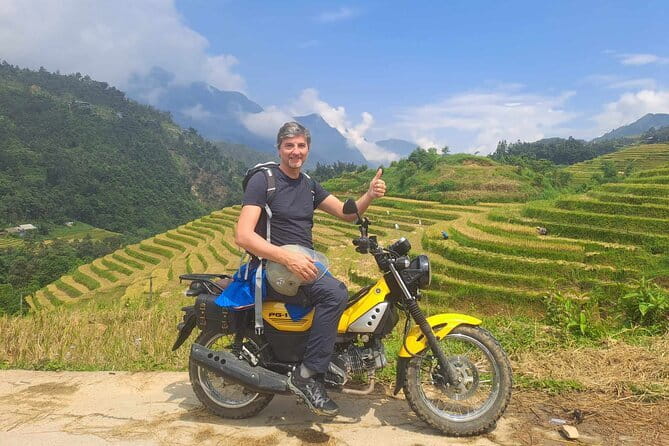
At 5:30 p.m., you get ready for the cooking class. The key action here is making fried spring rolls directly. It’s not a “tourist kitchen show.” You should expect a guided, step-by-step activity where you’ll actually handle ingredients and learn the flow of the meal.
Then around 7:00 p.m., dinner happens at the homestay. You’ll also try local rice wine. Even if you don’t end up loving it, the cultural context is the point: it’s part of how people share time. This is where I think the tour earns its “go” rating.
If your Spanish is better than your Vietnamese, don’t panic. A local English tour guide is part of the included plan, and the homestay hosts also typically help bridge communication through gestures and shared routine.
You can also read our reviews of more hiking tours in Sapa
Day 2 Morning: Breakfast and Checkout Without Rushing
Day 2 starts with 8:00 to 9:00 a.m. breakfast at the homestay, followed by the checkout process. This is one of the tour details I appreciate: you’re not forced into an ultra-early start. You get to wake up, eat, and then move.
From there, the group transitions into the next village segment with Giang Ta Chai Village on the schedule. The timing is set for 9:15 to 9:30 a.m., so you’re not waiting around for long.
If you’re the type who packs everything the night before, you’ll keep the morning smooth. If you tend to wander, set a gentle rule for yourself: eat, check your bag, and be ready to walk when your guide says go.
Giang Ta Chai and the Red Dao Villages: A Longer Walk Moment

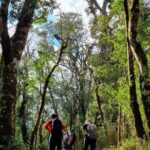
After breakfast, the plan is a trek segment: you’ll walk 6 km to visit two Red Dao villages, including Giang Ta Chai. This stop is scheduled for about 4 hours.
What makes this part worthwhile is that it’s not just one village viewpoint. It’s a walking transition that likely helps you see how settlements connect across the slopes and paths. For many people, this is the “workout” portion of the trip because the walk stretches longer than some of the earlier village segments.
One thing to watch: pace is everything on Day 2. If you go too fast in the morning, your afternoon feels heavier. I’d rather you take a steady pace and stop for short photo breaks than “power walk” and burn energy too early.
Supan Village Lunch and the Trip Back to Sapa

At 12:00 p.m., the final destination is Supan village, where you’ll have lunch at a local restaurant. Then at 1:00 p.m., the bus picks you up from the local restaurant back to Sapa town. You arrive around 1:30 to 2:00 p.m., and the tour ends back at the meeting point.
Lunch is included, but the tour notes that drinks aren’t included. This matters because after a hike, you’ll want water. Plan on buying it rather than assuming it comes with your meal.
This ending segment is practical: you get a guaranteed return window, which means you can still plan dinner or other Sapa activities on the same day if you want.
Price and Value: What You Get for Around $55
At $55 per person for about 2 days, this package can be good value because several major pieces are handled for you: local English guide, homestay private room, and meals (dinner, breakfast, and 2 lunches). Entrance tickets are also listed as included/free for the village parts mentioned in the plan.
Where you should be honest with yourself: you’re paying for organization and guidance. If you already have strong navigation skills and you’re comfortable arranging transport, you might do it cheaper on your own. But if you want to show up, walk with a guide, and sleep in Ta Van with meals lined up, this is priced in a way that makes the effort feel worth it.
Also, the tour states group discounts are available. If you’re traveling with friends or want to join a small group, asking about those discounts is a smart money move.
Guide Matters: Why Mae Cô/Mao Cô Is a Big Deal Here
The strongest, most repeated theme in the information you have is about the guide experience. Mae Cô (Mao Cô) is highlighted for excellent English and for explaining culture in a way that actually sticks. If you care about understanding what you see—terraces, village roles, and ethnic community context—this matters as much as the scenery.
I’d treat the guide as part of the “product,” not a bonus. A great guide turns the walk from scenery consumption into meaning. With Mae Cô praised for friendliness and strong communication, you’re far more likely to come away with a story you can tell, not just a bunch of photos.
Transfers, Meals, and Small Comfort Choices
A couple practical points can make or break your comfort level:
- Transfers can be bumpy. One piece of feedback notes the bus journey and transfers felt rough. If you’re prone to motion sickness, bring something you trust and sit where you feel most stable.
- Meals include food, not drinks. Dinner, breakfast, and lunches are covered, but drinks aren’t. Plan your water budget so you don’t end up hunting for cash mid-trek.
- Private room in the homestay. That’s a real comfort upgrade. You’re not stacking bodies in one sleeping room.
- Group size max 15. With smaller groups, you get less crowd pressure on narrow paths and more space for questions with the guide.
If you want to get the most out of the homestay night, go in with a flexible mindset. Think of it like dinner at someone’s home, not like checking into a standard hotel.
Who This Trek Suits Best
This tour fits best if you:
- want a short Sapa trek that still includes a real overnight in Ta Van
- care about cultural explanation, especially from an English-speaking guide
- prefer a small group pace (max 15) over big-bus chaos
- like food experiences, including cooking and local drinks at dinner
It might be less ideal if you:
- struggle with uneven terrain or long walks (Day 2 includes a 6 km walk)
- get motion sick easily due to bumpy transfer roads
- need a very polished luxury comfort level, since a homestay is still a homestay
Book It or Pass: My Decision Checklist
I’d book this if you want the easiest way to combine Sapa trekking with an overnight that feels personal. The mix of Y Linh Ho, Lao Chai, Giang Ta Chai, and Supan is built for variety, and the homestay night adds the kind of texture that standard day tours miss.
I’d hesitate if you’re expecting a fully smooth ride and zero walking. The plan is active, and the transfers can be rough. Also budget for drinks since they aren’t included.
If your goal is meaningful Sapa time—views, villages, and a homestay night with cooking—this one checks the boxes.
FAQ
What is the price and duration of the Sapa 2 days 1 night trek?
The tour costs $55 per person and lasts about 2 days.
Do I get picked up in Sapa town?
Yes. Pickup is offered from hotels in Sapa town or a pre-arranged meeting point, starting around 8:00 to 8:30 a.m.
Where is the meeting point and when does the tour start?
The tour starts at Sa Pa Retreat Condotel, 03 Hoàng Liên, TT. Sa Pa, Sa Pa, Lào Cai 333100, Vietnam, with a start time of 8:00 a.m.
Where do I stay overnight?
You stay overnight in a private room at a homestay in Ta Van Village.
What villages are included in the trek?
The program includes Y Linh Ho Village, Lao Chai Village, Ta Van Village (homestay), Giang Ta Chai Village, and Supan Village.
What meals are included?
Dinner and breakfast are included, plus 2 lunches (Day 1 and Day 2 meals are part of the package).
Is a local guide included, and do they speak English?
Yes. A local English tour guide is included.
Can I cancel and get a full refund?
Yes, you can cancel for free up to 24 hours in advance for a full refund.