REVIEW · SAPA
Sapa : 2-Day Trek & Heartwarming Homestay with an Ethnic Family
Book on Viator →Operated by Vietnam Nomad Trails · Bookable on Viator
Rice terraces start your Sapa story. This 2-day trek-and-stay plan takes you beyond town into the Muong Hoa valley with a small-group feel, plus hotel pickup and drop-off. The goal is simple: hike without getting lost and learn day-to-day life from your guide along the way.
I really like the relaxed pace for a trek. You’re not doing a rushed day-trip sprint, and you get a hands-on cooking class with a local family, then proper meals across the two days. The food piece matters here because it’s part of how you understand the area, not just something to fuel the hike.
One consideration: this trip needs moderate fitness, and some sections can be slippery. If your hiking comfort is low, you’ll want to slow down with your steps and take your time on the trails.
In This Review
- Key things to know before you go
- Why this 2-day trek gives you real bearings in Sapa
- Day 1 in Muong Hoa: terraces, village life, and a cooking class
- Homestay night: what sleep and meals are really like
- Day 2 trails: village scenery, bamboo paths, and waterfall time
- Price and logistics: does $59 feel fair?
- Meeting point timing, pickup, and how the day runs
- Guides can make or break the experience
- Packing list that actually helps on the trail
- Who should book this Sapa trek (and who might skip it)
- Should you book this Sapa trek and homestay?
- FAQ
- FAQ
- What’s the duration of this Sapa trek and homestay?
- How much does the tour cost?
- Where do we meet, and what time does the tour start?
- Is hotel pickup included?
- What group size should I expect?
- What meals are included?
- Is mineral water included?
- What should I bring for the hike and homestay night?
- What fitness level is required?
- Do I need travel insurance or a passport?
- What’s the cancellation policy?
Key things to know before you go
- Small-group sizing (max 10): you get more attention when questions come up on culture, customs, and daily life.
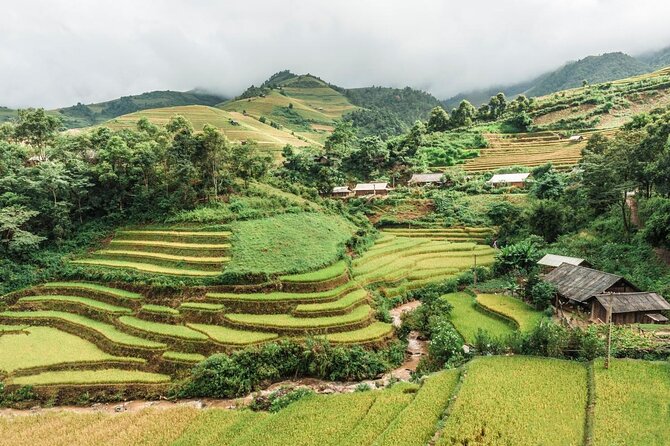
- Muong Hoa focus: rice terraces and valley views are a big part of day one, not just a quick photo stop.
- Family-led cooking + dinner: the homestay isn’t only a bed for the night; it’s a chance to learn how a meal comes together.
- Meals are built in: two lunches, one homestay breakfast, and one family dinner are included, so the budget stays predictable.
- Warm clothing advice (Oct–Mar): you’ll be outdoors more than you think, and Sa Pa can get chilly.
Why this 2-day trek gives you real bearings in Sapa
Sapa can feel a bit confusing the first time you’re there. You’ll hear about different villages, different viewpoints, different trekking routes, and suddenly you’re guessing at what’s worth your effort. This kind of 2-day format helps because you get guided structure and a steady rhythm across two days.
The big win is that you’re not doing the hard part alone: staying on route. Your guide handles the navigation, pacing, and cultural context, so you can spend your energy on the walk and the people around you. Hotel pickup and drop-off also removes a lot of friction, especially if you want a smoother start than “find a bus, then find the trailhead.”
Another strong point is the mix of hiking + community time. Sapa isn’t only about views from a hillside; it’s about how people live in mountain valleys and how daily work fits around the seasons. This trip gives you that “how life actually works” angle through meals, conversations, and walking with a local guide.
You can also read our reviews of more hiking tours in Sapa
Day 1 in Muong Hoa: terraces, village life, and a cooking class
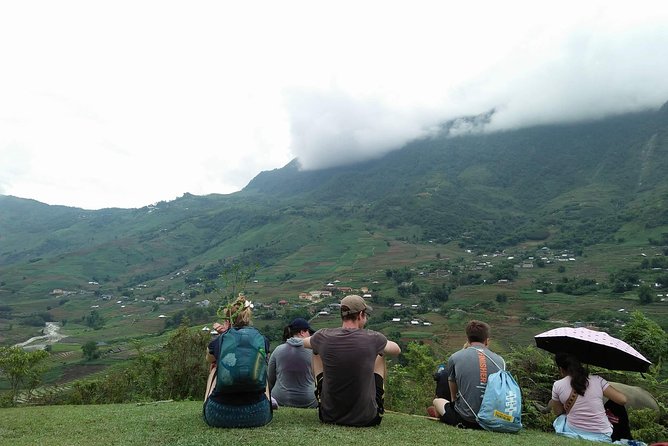
Your day typically begins at 9:00 am, with pickup through the Nomadtrails Boutique Hotel area. Plan to arrive about 15 minutes early so you don’t start stressed. After you’re settled, you’ll head out to the trekking zone where your route focuses on Muong Hoa valley scenery.
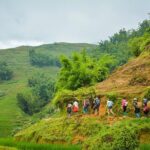
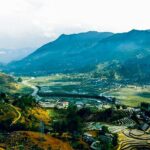
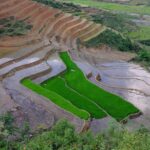
The core of day one is the trek through Muong Hoa, where rice terraces cascade down the mountainsides. Even if you’ve seen terrace photos before, walking among them feels different. You’ll notice how the terrain shapes farming and how villages cluster where the land allows paths, water, and workable fields.
Day one also includes a hands-on cooking class led by a local family. This is the kind of activity that’s worth prioritizing because it forces you to pay attention to small details: ingredients, technique, and what the family considers normal in their everyday cooking. You’ll share dinner with the same family afterward, which turns the meal into more than a checkbox.
During the walk, you may also spot farm animals along the way. People often mention seeing things like water buffalo, cows, chickens, and ducks, which adds to that “mountain village life is right here” feeling. Just remember that animal sightings are never guaranteed, but they’re part of the scenery in this region.
Homestay night: what sleep and meals are really like
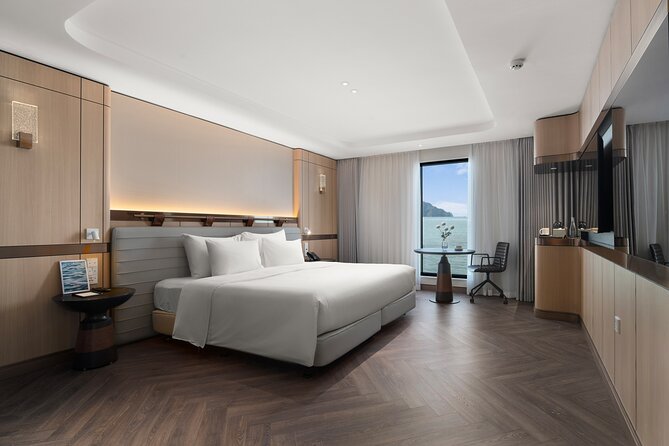
You’re not spending the night in a big hotel complex. The trip includes one night in a homestay, in a traditional family home. That’s a meaningful difference, because you’ll experience the same walls, routines, and meal timing as the people who live there.
Breakfast is included the next morning, and dinner on day one is part of the homestay experience as well. This matters because the meals help connect you to local rhythms. You’re eating what the household serves, not what a restaurant menu is trying to sell to tourists.
What you should expect, practically, is simple lodging and family-style hospitality. The tour info doesn’t spell out bed types or bathroom setup, so keep expectations flexible and focus on the experience: you’re trading hotel comforts for a real slice of local life. If you’re sensitive to cold weather at night, bring clothes for the night, since Sa Pa can be chilly from October to March.
Cultural respect is also part of the deal. You’ll get the most out of the night if you treat the home like someone else’s space, not an attraction. That means moving carefully, being polite with photos, and asking questions rather than assuming.
Day 2 trails: village scenery, bamboo paths, and waterfall time
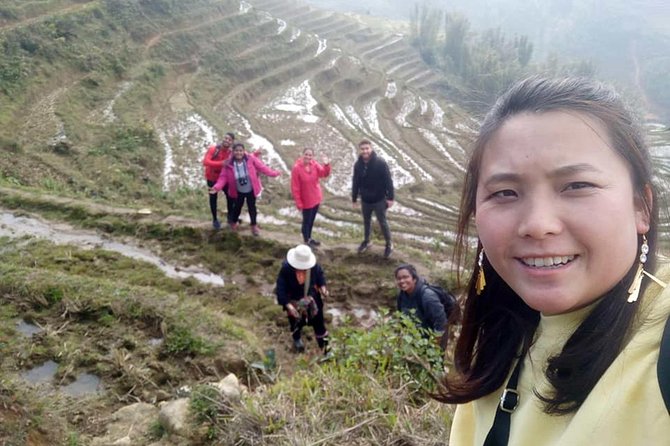
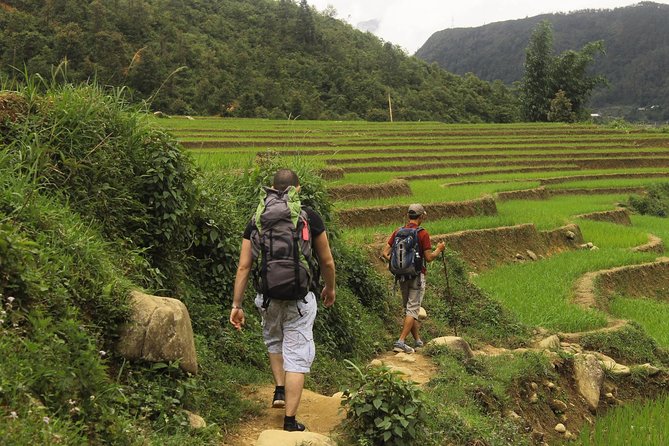
Day two is the continuation of the trekking experience, built around additional village and nature stops. People who’ve done this route talk about passing through areas such as Ta Ta Phin and Lao Chai, plus time along paths that can include bamboo forest sections and spots near waterfalls.
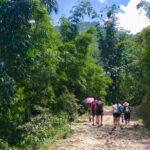
This second day is where your pace and footing really matter. If day one felt like “walk and look,” day two often feels like “walk, look, and manage your legs.” It’s a moderate trek, so you don’t need to be a mountain athlete, but you do need steady confidence on uneven ground.
You’ll also get more chances to see how local life appears as you move between village areas. You might notice farm work, small animal routines, and everyday details that don’t show up in a quick viewpoint visit. A good guide makes this easier by explaining what you’re seeing and why it matters to different ethnic communities in the region.
If a waterfall stop comes up, it can be a short break to cool off and reset. The important thing is to stay prepared and keep your bag organized for wet or misty moments. Sapa weather can shift, and the trails can get slick, so good shoes and careful stepping are your best friends.
Price and logistics: does $59 feel fair?
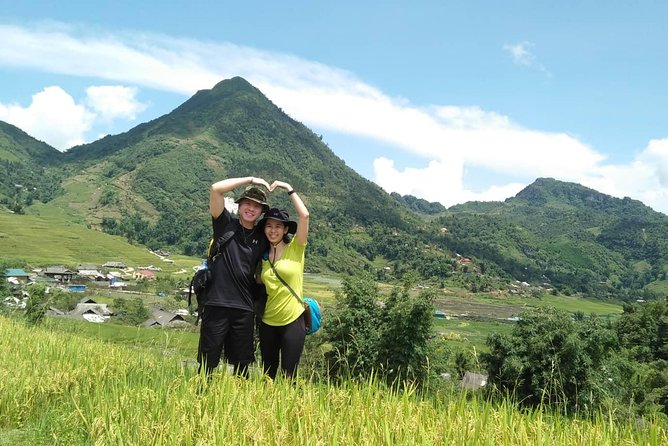
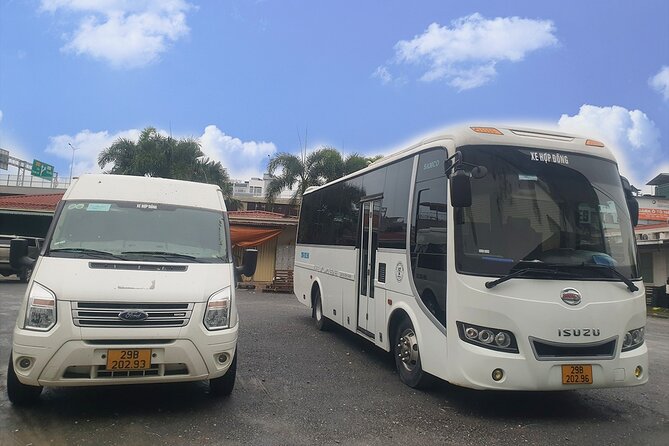
At $59 per person, this trek-and-homestay package can feel like solid value, mainly because so much is already paid for. You’re getting guided trekking, hotel pickup and drop-off, and transport by air-conditioned vehicle plus a bus ride back to the Sapa center.
Then there’s the food and stay math:
- Two lunches at local restaurants
- One dinner with the local family
- One breakfast at the homestay
- 1 litre of mineral water per person per day
- One night of homestay accommodation
When you add those essentials together, you’re not only paying for the walk. You’re paying for the guide, the community time, and the logistics that usually take effort to coordinate on your own. If you’d otherwise have to book meals and transportation separately, the package becomes easier to justify.
A small bonus: the experience notes admission ticket is free and you’ll have a mobile ticket. The tour also runs with free cancellation up to 24 hours before start time (local time), which lowers risk if your plans in Vietnam shift.
A few more Sapa tours and experiences worth a look
Meeting point timing, pickup, and how the day runs
This trip starts at the Nomadtrails Boutique Hotel (015 Tue Tinh, Sapa) at 9:00 am. It’s near public transportation, so you should be able to reach the meeting point without a hassle, especially if you’re already in the Sapa area.
Your day ends back at the meeting point. You’ll also get a bus back to the Sapa center, which helps you finish with less scramble after you’ve walked your legs off. Because the tour includes transportation in an organized way, you can plan your morning without guessing how long getting to trailheads will take.
Another practical note: you’ll need a current valid passport on the day of travel. That’s not about comfort, it’s just about smooth entry on the provider side, so don’t rely on a scan alone.
Guides can make or break the experience
One of the most praised parts of this style of tour is the human factor: your guide. In this area, strong guides don’t just lead the route; they explain what you’re seeing and connect it to the lives of ethnic communities.
You’ll often hear guides like Nhu, Chai, Khu, Thao nhu, and Sai mentioned for being friendly, energetic, and easy to talk with. People appreciate when a guide speaks English well and is willing to answer questions instead of keeping the conversation one-way.
The best guides also adapt the walk to the group. If you’re traveling with mixed comfort levels, you want someone who can keep the group moving while still managing time so you don’t feel rushed or left behind. In this region, that matters because terrain changes quickly and roads can be slippery.
Packing list that actually helps on the trail
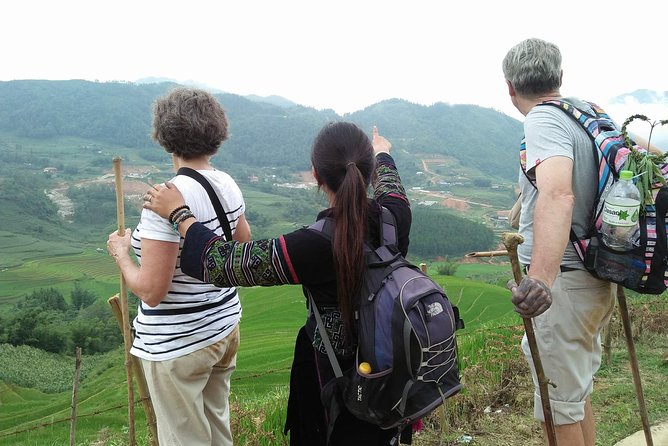
Sa Pa weather and trail conditions can surprise you, even if the day looks fine in the morning. The tour’s guidance is clear, and you’ll want to treat it like a checklist.
Bring:
- Trekking shoes (slippery ground is a real risk)
- Warm clothes for October to March
- Sunglasses and sun cream
- Insect repellent
- Clothes for the night (for the homestay)
- A simple plan for rain/mist if you’re going during wetter months
Also think like a hiker, not a sightseeing tourist. Wear layers you can remove, and keep your most-used items accessible. On a two-day trek, small comfort wins add up fast.
And one more behavior tip: respect local culture. If you’re unsure about taking photos, ask first. It keeps the mood positive and helps you connect without getting in the way of daily life.
Who should book this Sapa trek (and who might skip it)
This tour fits best if you want:
- A first-time introduction to Sapa with guided pacing
- A mix of rice terraces, villages, and nature
- Real family interaction through cooking and homestay dinner
- Small-group attention (maximum is listed at 10 travelers)
You might consider a different option if you:
- Hate uneven walking or feel unsure with slippery trails
- Want a strictly hotel-style comfort level
- Have very limited time and need something shorter than two days
For most people with moderate physical fitness, this is a very reasonable trek. It’s active, but it’s not set up like a hardcore endurance event.
Should you book this Sapa trek and homestay?
I’d book it if you want more than the usual “look at a view, take a photo, leave” routine. The combination of Muong Hoa trekking, a hands-on cooking class, and a homestay night with a local family dinner and breakfast gives you a full story arc over two days.
If your top priority is comfort, choose a lighter day hike instead. But if your priority is understanding Sapa through people, food, and walking between communities, this package is a strong bet for the money.
FAQ
FAQ
What’s the duration of this Sapa trek and homestay?
It runs for about 2 days.
How much does the tour cost?
The price is $59.00 per person.
Where do we meet, and what time does the tour start?
You meet at Nomadtrails Boutique Hotel, 015 Tue Tinh, Sapa 330000 Vietnam, with a start time of 9:00 am.
Is hotel pickup included?
Yes. Hotel pickup and drop-off are included, and transport is provided by an air-conditioned vehicle.
What group size should I expect?
The activity is listed with a maximum of 10 travelers.
What meals are included?
You get 2 lunches in local restaurants, 1 dinner with a local family, and 1 breakfast in the homestay.
Is mineral water included?
Yes, it includes 1 litre of mineral water per person per day.
What should I bring for the hike and homestay night?
Bring trekking shoes, sunglasses, sun cream, and insect repellent, plus warm clothes for Sa Pa (especially October–March) and clothes for the night.
What fitness level is required?
You should have a moderate physical fitness level.
Do I need travel insurance or a passport?
A passport is required on the day of travel. Travel insurance is not included.
What’s the cancellation policy?
Free cancellation is available up to 24 hours in advance for a full refund. If you cancel less than 24 hours before the start time, the amount is not refunded.