REVIEW · SA PA
Sapa: Explore Sa Pa in one Day with local motorcycle Guide
Book on GetYourGuide →Operated by Motorbike Tour Sapa · Bookable on GetYourGuide
One day, and Sa Pa feels like three worlds. The way you move by motorbike with an English-speaking guide makes the valley feel close-up, from terraced fields to riverside hamlets. If your guide is Binh, a local Black Hmong raised in Sa Pa, you’ll get stories that sound like they belong to the hills, not a script.
I also really like the tight mix of nature and people: Silver Waterfall and Love Waterfall sit right beside village visits where you’ll learn how Black Hmong, Giay, and Red Dao communities live and farm. The main drawback to plan for is simple—Sa Pa roads can be rough, and the ride isn’t for anyone who gets nervous on winding mountain routes.
In This Review
- Key highlights you’ll actually remember
- Price and value: what $52 buys you in a full day
- The motorbike experience: safety, comfort, and what the roads mean
- Meeting your guide in Sa Pa: Binh’s local perspective
- Morning villages: Y Linh Ho, Lao Chai, Ta Van, and Ta Phin
- Y Linh Ho village: Black Hmong terraced farmland
- Lao Chai and Ta Van: Muong Hoa Valley views plus Giay culture
- Ancient stone field heritage site: a cultural pause
- Ta Phin: Red Dao cave culture and lunch
- Afternoon waterfalls and O Quy Ho Pass: nature in three moods
- Silver Waterfall: 8 km from town, loud water drama
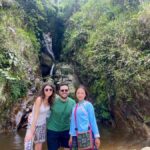
- Love Waterfall: primeval forest vibes and a 1 km walk
- O Quy Ho Pass and the Lonely Tree: big mountain views
- Where the best memories come from: the guide’s flexibility
- Photo and walking tips so you don’t feel rushed
- Who should book this one-day Sa Pa motorbike tour
- Should you book it? My honest take
- FAQ
- FAQ
- What’s included in the $52 price?
- Do I need a motorcycle license to join the tour?
- How far is Silver Waterfall from Sa Pa town?
- How long does it take to reach Silver Waterfall after lunch?
- How long is the walk to Love Waterfall?
- What are the main stops during the day?
- What should I bring for the tour?
- Is the tour suitable for children or seniors?
- What’s not included?
Key highlights you’ll actually remember
- One-day route that hits villages plus big views without turning it into a full-week logistics puzzle
- Waterfall stops with different vibes: roar-and-white-foam at Silver, then quieter forest romance at Love
- O Quy Ho Pass and the Lonely Tree for that wide mountain panorama moment
- Village context, not just photo stops across Black Hmong, Giay, and Red Dao areas
- Ancient stone field heritage site that adds a cultural layer beyond the waterfalls
- Easy rider driving and helmet included, so you can focus on the scenery (and the safety briefing)
Price and value: what $52 buys you in a full day
At $52 per person, this is one of those deals that only makes sense because it’s packed. You’re paying for more than a ride. The price covers hotel pickup and drop-off, an easy rider motorbike setup (plus helmet), lunch, entrance fees, and a guide who can explain what you’re looking at.
So you’re not just “ticking attractions.” You’re getting a full loop through Sa Pa’s countryside that would be hard to stitch together on your own in one day—especially with rural roads, village timing, and the need to know where to stop. If your priority is seeing a lot without spending your day chasing directions, this format is strong value.
If you’re the type who prefers slow mornings and long, unstructured wandering, you might feel the schedule is busy. But if you want a high-yield day, this price is fair for what you’re getting.
You can also read our reviews of more guided tours in Sa Pa

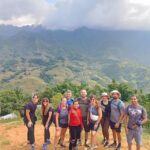
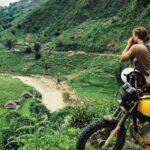
The motorbike experience: safety, comfort, and what the roads mean
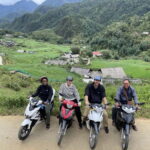
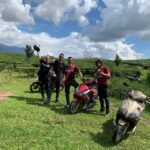
This is an easy rider tour, which means you don’t need to drive. You still get a motorbike and helmet, and your guide handles navigation on mountain roads. That matters in Sa Pa because roads can be narrow, windy, and uneven.
You do need to make your body cooperate. Wear comfortable shoes you can walk in, and bring warm clothing—weather can change fast in the mountains. Even if the day starts calm, a cooler breeze on the pass is normal. Insect repellent is also smart for rural village areas.
Two practical tips that will make this smoother:
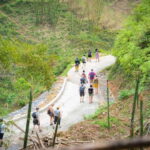
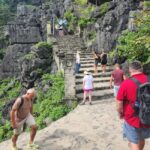
- Plan for short walks plus stairs/paths. You’ll be on foot at multiple stops, including waterfall paths.
- Stay hydrated. Water is included, but you’ll still want it to last.
Also, if you’re thinking about driving yourself: a motorcycle license is required. And it’s not described as an easy-drive day, so be honest about your skill level.
Meeting your guide in Sa Pa: Binh’s local perspective
Your day starts with hotel pickup in Sa Pa. From there, your guide leads the route and sets the tone—culture first, then nature moments.
Binh is a Black Hmong guide raised and living in Sa Pa. That kind of background matters because village visits don’t feel like “checkpoints.” You’re hearing how people see their own land: farming rhythms, daily life, and what the mountains mean for community life. A good sign: guides on this route are prepared to answer questions on the spot.
You might also get helpful on-the-road details—things to notice beyond the obvious view, like plants the locals recognize. One guide has been known to point out indigo plants during the ride. Another has spotted cardamom berries on a waterfall trail. You’re not just watching; you’re learning what’s around you.
Morning villages: Y Linh Ho, Lao Chai, Ta Van, and Ta Phin
The morning is built around villages and valley views. It’s the part of the day where Sa Pa stops being a town and becomes a living hillside system.
Y Linh Ho village: Black Hmong terraced farmland
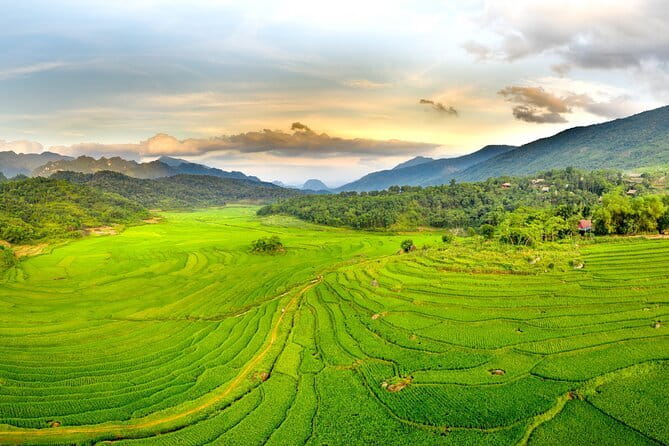
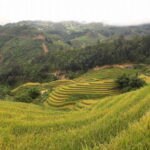
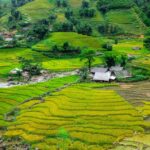
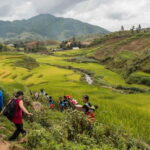
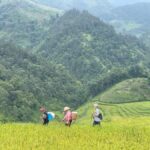
First up is Y Linh Ho village, about 4 km west of Sa Pa center. The setting is influenced by the Hoang Lien Son mountain range and the Muong Hoa valley, and the village is mainly home to the Black Hmong community.
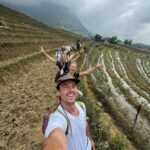
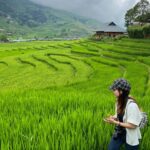
This stop is about wet-rice and maize farming and about terraces you can actually see doing the work they’re famous for. The best way to enjoy Y Linh Ho is to slow down, look across the terraced pattern, and imagine how the slopes shape every decision—planting, walking paths, water flow.
If you like agriculture and “how people make a landscape work,” this is a highlight.
A few more Sa Pa tours and experiences worth a look

Lao Chai and Ta Van: Muong Hoa Valley views plus Giay culture
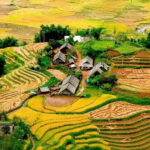
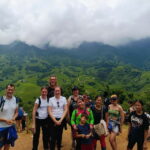
Next the route follows the Muong Hoa valley with views of terraced fields. The order includes Lao Chai and Ta Van, and Ta Van is where you’ll connect with Giay culture.
Ta Van is described as lively yet strangely peaceful. That pairing is real in places like this: busy people working, but no big-city noise. You’ll want to bring patience for small, everyday moments. Village life isn’t designed for speed. If you push, you’ll miss it.
Ancient stone field heritage site: a cultural pause
After the valley and village time, you visit the national heritage site of the ancient stone field. This is a different kind of “wow,” because it shifts you away from the usual mountains-and-waterfalls script.
The benefit of adding this stop: your day gains a time-depth layer. You’re not only seeing current life and natural beauty; you’re also touching a recognized heritage site that belongs in the region’s story.
Ta Phin: Red Dao cave culture and lunch
Then you head to Ta Phin, including the Ta Phin cave and Red Dao cultural elements. Ta Phin is also where you rest for lunch in the village.
Lunch is included, and one nice thing from the day’s experiences: the meal can include variety beyond a simple set plate. You might find egg rolls and chicken with pineapple, depending on what’s served that day. This isn’t gourmet dining, but it’s properly placed—fuel after walking and before more riding.
Afternoon waterfalls and O Quy Ho Pass: nature in three moods
After lunch, the ride to Silver Waterfall takes about 50 minutes. That means you’re not just popping out for a quick look. You’re transitioning from village hills to a more “open” natural area.
Silver Waterfall: 8 km from town, loud water drama
Silver Waterfall is about 8 km from Sa Pa center. It drops from a high point, sending strong water down the cliff. The result is white foam, roaring sound, and that rushing spray feel.
Even in quieter seasons, the waterfall is described as pulling in visitors. That tells you something: it’s one of those sights that reads clearly even when the weather isn’t perfect. If the skies go overcast, the waterfall can still deliver, because the contrast is built into the power of the water.
Practical note: dress in clothes you don’t mind getting a bit damp if you get close to the spray.
Love Waterfall: primeval forest vibes and a 1 km walk
After Silver, you continue to Love Waterfall, located deeper in the forest. The visit takes about 1 km.
Here the mood changes. Instead of pure force, this is about the experience of walking through primeval forest and reaching a romantic, story-driven waterfall setting. Spring can bring azaleas into the mix, but even outside spring, you’re trading volume for atmosphere.
This is a good stop if you like quieter nature scenes and if you enjoy a short nature walk without it turning into a hike marathon.
O Quy Ho Pass and the Lonely Tree: big mountain views
The ride then moves toward O Quy Ho Pass and the Lonely Tree. This is the “wide view” segment of the day, where the road itself feels like part of the attraction.
The Lonely Tree is described as a legendary route that challenges adventure lovers, and the core reward is the panorama. You’ll be looking at towering mountains and the scale of the region.
How to enjoy this best:
- Take a few minutes to let your eyes adjust to depth. Mountain views aren’t just pretty; they help you understand where the villages sit and why the passes matter.
- Keep your camera ready, but don’t block other riders and don’t rush your shots.
Where the best memories come from: the guide’s flexibility
The itinerary is well-planned, but what makes it feel personal is the guide’s handling of real conditions—rain, timing, and your pace.
On a rainy day, guides can bring rain coats and keep things moving. That matters, because Sa Pa weather can shift and visibility can change fast, especially on passes. Having a guide prepared turns “bad weather” into “a different version of the same day.”
You may also get little moments that feel human rather than touristic: a guide joining you in an ethnic dance at Cat Cat, encouraging you to try a local drink like Happy Water, or pointing out plants like indigo on the ride. On the waterfall trail, your guide might even help you spot cardamom berries to taste if conditions allow.
These details don’t cost extra. They’re what you’re paying the guide for.
Photo and walking tips so you don’t feel rushed
This day has lots of stops, and each stop has a slightly different “best way to see it.”
- At waterfalls, you’ll want wide shots from safer distances, plus close shots only where it’s clearly okay to stand.
- In villages, keep your camera use respectful. Look first, then shoot. The people and homes come before the photos.
- On the pass, be ready for quick turns and wind. Hold your gear securely and keep your helmet in place.
Comfort beats style here. It’s a mountain day with walking time, short paths, and changing weather.
Who should book this one-day Sa Pa motorbike tour
You’ll likely love this tour if:
- You want a one-day loop that covers villages, heritage, waterfalls, and mountain views
- You prefer an easy rider setup and don’t want to worry about traffic on winding roads
- You care about learning village life across different ethnic groups (Black Hmong, Giay, Red Dao)
- You like photos but also want explanations, not just scenic stops
You may want a different style of tour if:
- You hate moving on tight schedules and walking for short stretches
- You feel stressed on winding mountain roads, even with a careful driver
- You’re in the age range flagged as not suitable (children under 8 and people over 65)
Should you book it? My honest take
If your goal is to experience Sa Pa beyond the town center in a single day, this is a strong pick. You’ll get a real mix: terraced farming villages in the morning, a heritage stone field pause, then waterfalls and an epic pass view by afternoon.
The biggest decision point is you and your comfort level with mountain riding. If you’re okay being slightly active, dressing warm, and letting your guide handle the route, the day delivers.
My advice: book it if you want value, variety, and local storytelling. Skip it if you want a slow pace and minimal movement.
FAQ
FAQ
What’s included in the $52 price?
The tour includes an English-speaking guide, hotel pickup and drop-off, motorbike and helmet, easy rider service, lunch, entrance fees, and water.
Do I need a motorcycle license to join the tour?
A motorcycle license is required only if you want to drive yourself. This tour is set up as an easy rider experience, so you don’t have to drive.
How far is Silver Waterfall from Sa Pa town?
Silver Waterfall is about 8 km from Sa Pa center.
How long does it take to reach Silver Waterfall after lunch?
After lunch, the motorbike ride to Silver Waterfall takes about 50 minutes.
How long is the walk to Love Waterfall?
Love Waterfall can be visited with about a 1 km walk.
What are the main stops during the day?
You’ll pass through Y Linh Ho, Lao Chai, Ta Van, Ta Phin (including the cave), the ancient stone field heritage site, Silver Waterfall, Love Waterfall, O Quy Ho Pass, and the Lonely Tree, then return to Sa Pa.
What should I bring for the tour?
Bring comfortable shoes, warm clothing, a camera, water, and insect repellent.
Is the tour suitable for children or seniors?
It is not suitable for children under 8 years old, and it is not suitable for people over 65 years old.
What’s not included?
Personal expenses, travel insurance, and soft drinks or beer are not included.