REVIEW · HO CHI MINH CITY
Saigon History & Cu Chi Tunnels with War Museum 1-Day Tour
Book on GetYourGuide →Operated by Joy_Journeys · Bookable on GetYourGuide
Tunnels under Saigon change your perspective fast. I love the small-group pace (max 10) and the English-speaking guides like Logan and Nhia who make the Cu Chi story easy to follow. I also like the hands-on parts, from a propaganda documentary to crawling into the tunnel network that runs about 100 meters underground.
There is one catch: the tunnel sections are tight and can be physically demanding. If you’re tall or even a bit claustrophobic, plan for slow, careful climbing and crawling, not a casual stroll.
In This Review
- Key Takeaways Before You Go
- How This Cu Chi Tour Feels in Real Life
- Getting There: Pickup, Timing, and the Pace of the Day
- A Guided Cu Chi History Lesson That Doesn’t Feel Like a Lecture
- Crawling Into the Tunnels: What You’ll Actually Do
- Hand-Crafted Stops and Trap Details: Why This Tour Feels Authentic
- The War Remnants Museum: Seeing the Bigger Picture
- Hidden Weapon Bunker: The Moment That Explains Guerrilla Tactics
- Lunch in the Middle of the Story: Pho and a Taste of Local Flavors
- The Saigon Landmark Finale: Post Office and Notre-Dame Church
- Guides Matter Here: Logan, Nhia, and the Value of Clear English
- Price and Value: Is $54 Worth a Long, Heavy Day?
- Who This Tour Fits Best (and Who Should Think Twice)
- Practical Tips That Make the Day Smoother
- Final Verdict: Should You Book This Cu Chi + War Remnants Tour?
- FAQ
- How big is the group?
- How long is the tour?
- Is there an English-speaking guide?
- Where is pickup available?
- What time confirmation should I expect?
- What’s included for food and drinks?
- Does the tour include a crawl inside the tunnels?
- Is ticket entry handled for you?
Key Takeaways Before You Go
- Max 10-person group means more time for questions and a calmer pace out in Cu Chi
- English guides (like Logan and Nhia) explain the tunnel system and the war context clearly
- Crawl experience + traps + tunnel entrances help you understand why guerrilla warfare worked
- War Remnants Museum + Hidden Weapon Bunker ties the tunnels to the bigger wartime picture
- Saigon landmark stop at the post office and Notre-Dame Cathedral Church adds variety to a heavy day
How This Cu Chi Tour Feels in Real Life
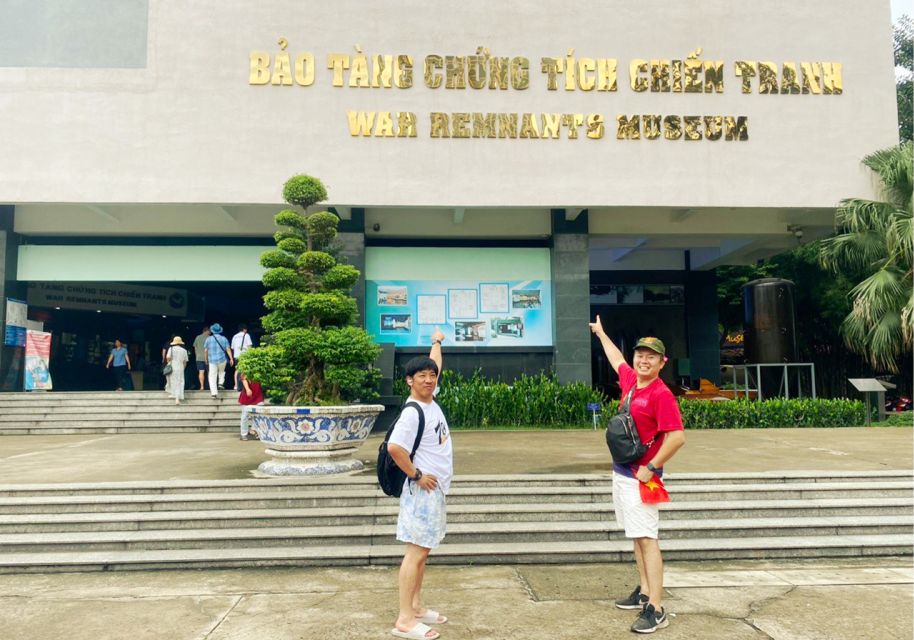
This is one of those Vietnam days that starts light and then gets very real. You’re not just driving out of Ho Chi Minh City for a quick photo op. You’re stepping into a place designed to hide people, confuse enemies, and keep fighters alive when life above ground was constantly dangerous.
The small-group size (up to 10) matters. With a crowd, you end up rushing. Here, you can slow down just enough to actually understand what you’re seeing. You also get a guide who can answer the small questions that always pop up when you’re looking at tunnels, booby-trap setups, or bunker rooms.
What I like most is the combo approach. Cu Chi explains the survival logic of the tunnel network, and then the War Remnants Museum and the Hidden Weapon Bunker expand the story with the broader wartime view. That sequence keeps you from turning the visit into a single-topic outing.
You can also read our reviews of more historical tours in Ho Chi Minh City



Getting There: Pickup, Timing, and the Pace of the Day
You’re looking at an 8.5 to 9 hour day, with the big chunk of time devoted to Cu Chi. Pickup can be arranged in District 1 and District 4 (and the tour notes District 3 as well), and if you’re outside the pickup zone, you may meet the group around Notre-Dame Cathedral Church.
Here’s the practical part: pickup lasts about 30 minutes, and your exact time is confirmed by the team a day in advance via WhatsApp. That’s handy because Ho Chi Minh City traffic can change fast, and you want a clear meeting point so you don’t end up waiting around in the heat.
Once you’re on the road, you should expect around two hours of van time to get out toward Cu Chi. That means you’ll want to eat breakfast before pickup if you can. If not, at least bring a water habit and keep your energy up—this isn’t a short half-day excursion.
A Guided Cu Chi History Lesson That Doesn’t Feel Like a Lecture
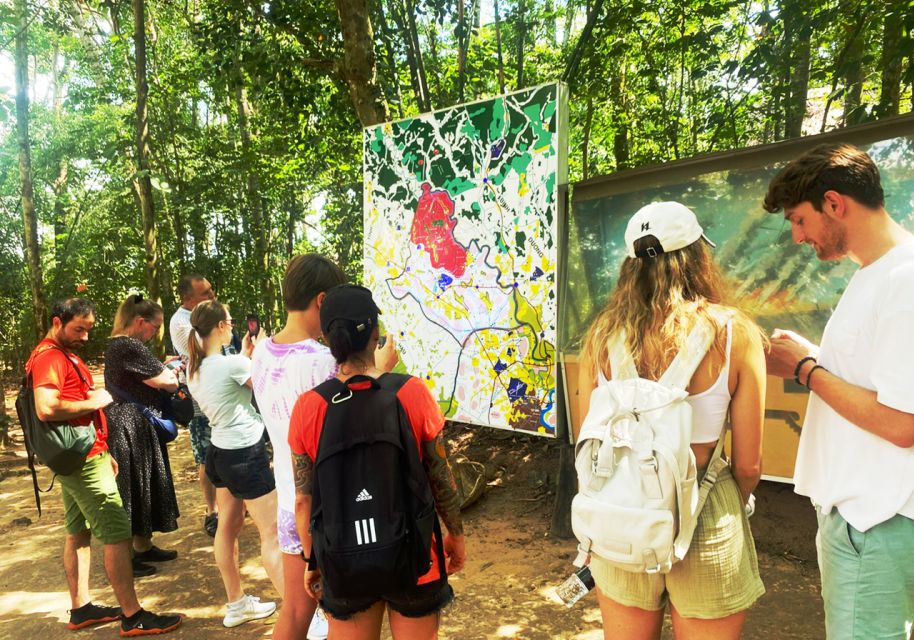
The tour’s core is the Cu Chi Tunnels visit, which is guided and includes walking through the area. The guide focuses on how the tunnel system worked and what life looked like underground. You’ll hear the logic behind routes, entrances, and how the Viet Cong adapted to pressure from outside forces.
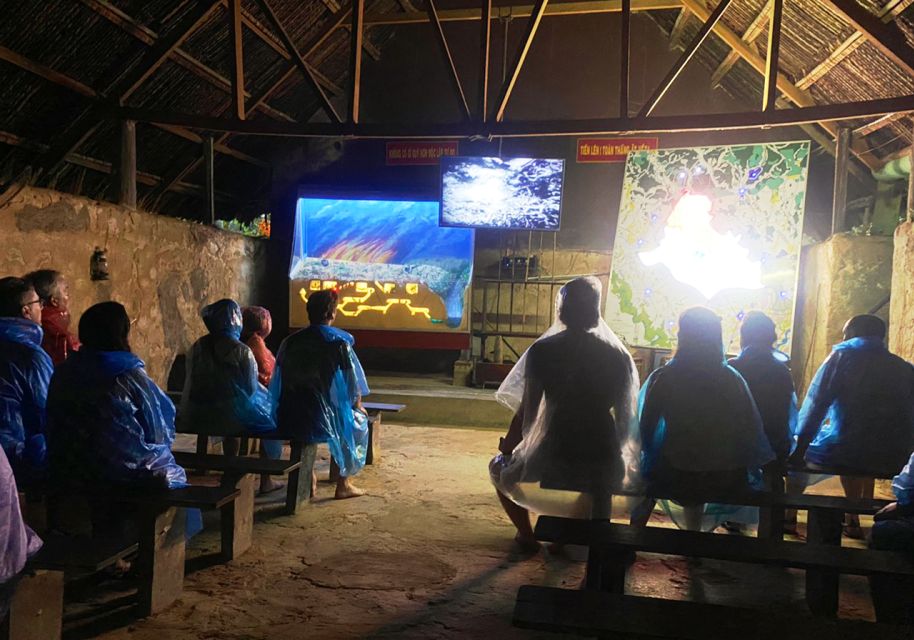
One of the most memorable components is the propaganda documentary you’ll watch before going deeper. It’s not there just for atmosphere. It gives you a lens for how the conflict was portrayed and explained at the time. It also helps you connect the physical space to the human story behind it.
Then the guide zeroes in on the tunnel setups, including the idea of booby traps in the area. Even without getting a technical manual vibe, you start to understand why people couldn’t simply stroll in and take over. The landscape itself becomes part of the defense system.
Crawling Into the Tunnels: What You’ll Actually Do
This is the part that turns a history lesson into a lived experience. You’ll enter a secret entrance and crawl into the tunnel system for about 100 meters. The tour includes the crawl/low movement, plus time to explore what’s there under guidance.
You should go in with two expectations:
- It’s not a smooth, wide hallway.
- It’s physically awkward.
Crawling forces you to slow your brain down and focus on your body—hands, knees, breathing, and where you’re putting your weight. That’s exactly what you need to understand why tunneling was such a powerful survival tool. It’s not a movie stunt; it’s a serious design meant for movement under extreme constraints.
If you’re tall, you’ll want to take extra care. One helpful detail from the experience: a guide can still make it work even if someone is very tall, but it may be more difficult getting into certain bunker-like sections and moving through tight entry points. If you know you get uncomfortable in cramped spaces, bring the right mindset: slow, calm, and listen to the guide’s instructions.
Hand-Crafted Stops and Trap Details: Why This Tour Feels Authentic
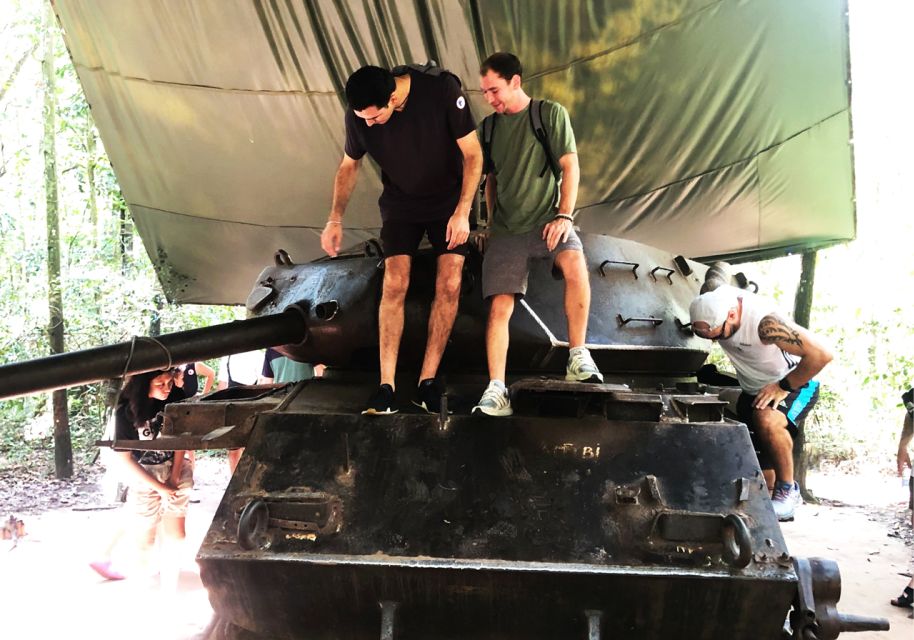
Between the tunnel work and the documentary, there are stops tied to local interpretation and presentation. The tour includes a visit that includes handcrafted elements, plus time for a guided look at the Cu Chi tunnel system.
This matters because the Cu Chi experience here isn’t only about standing still and looking at tunnels. It’s about seeing the area explained as a complete defense environment—entrances, hiding places, and the kind of planning you’d need to operate day to day underground.
As for the booby traps, you won’t just see objects. You’ll learn how the setup functioned in the wider strategy. Even if you don’t retain every detail, the overall understanding sticks: the tunnels weren’t passive. They were active parts of a defensive system.
You can also read our reviews of more museum experiences in Ho Chi Minh City




The War Remnants Museum: Seeing the Bigger Picture

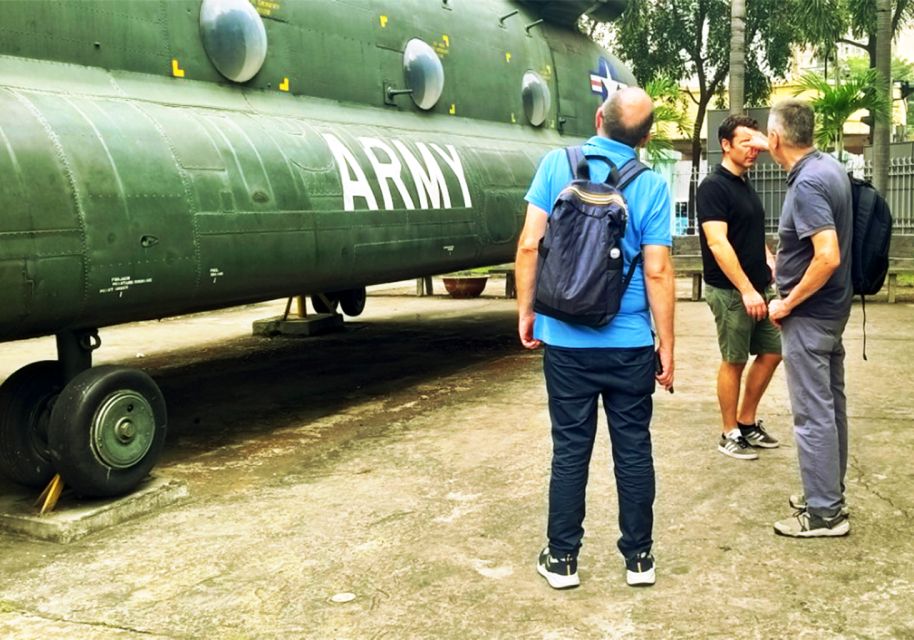
After Cu Chi, the day shifts from underground defense to the wider story of war impacts. You’ll visit the War Remnants Museum, which helps you connect what you saw outside and underground to the human and historical scale of the conflict.
This is also where the emotional weight deepens. Museums don’t do the same kind of physical learning the tunnels do. Instead, they provide context, imagery, and documentation that helps you build a clearer sense of what the war did to people and why the conflict unfolded the way it did.
If you’ve already started thinking about the tunnel network as a clever engineering feat, the museum helps you place it in the real costs of war—what it meant to survive, fight, and live through constant threat.
Hidden Weapon Bunker: The Moment That Explains Guerrilla Tactics

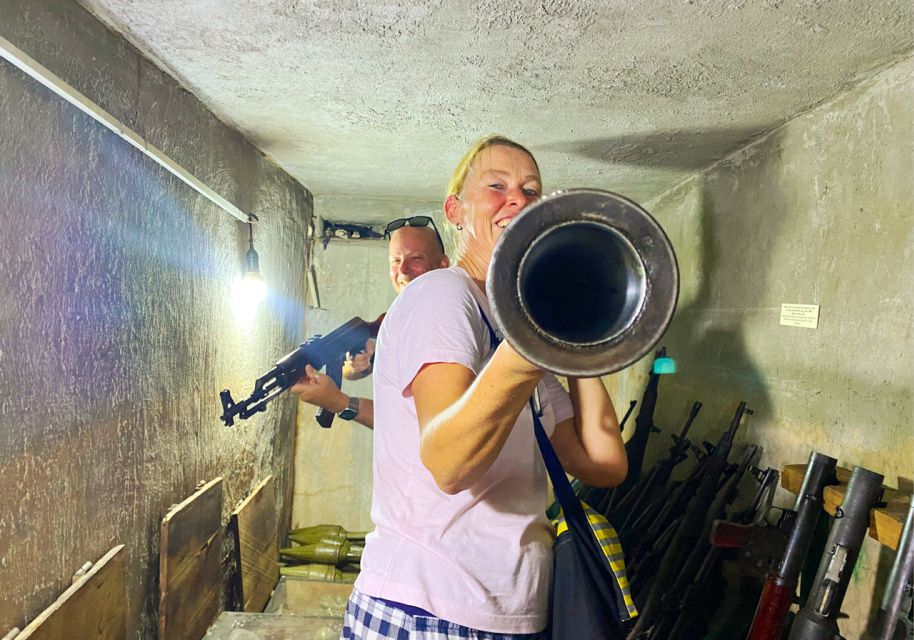
One standout stop is the Hidden Weapon Bunker. This part is designed to explain guerrilla tactics through what you can actually see and understand on-site.
Bunkers are more than storage. They’re about timing, secrecy, and controlling when and how the enemy can find you. In this setting, you get a more direct sense of how underground infrastructure supported mobility and surprise.
It’s also a strong pairing with the earlier tunnel crawl. When you’ve spent time crawling through the tunnel environment, the bunker stop helps translate that physical experience into strategy—why people hid where they hid, and how weapons and support fit into that system.
Lunch in the Middle of the Story: Pho and a Taste of Local Flavors
You’ll have a break and lunch after Cu Chi, with about 2.5 hours set aside for food and downtime. Lunch is included, typically Vietnamese beef or chicken noodle soup (pho), with vegetarian available on request. You’ll also get snacks during the day and two bottles of water per guest.
One extra detail that makes the meal feel tied to the day: you’ll taste tapioca next to the tunnels. It’s the kind of small, concrete local detail that helps the experience feel less like a staged tour and more like a real place where people once lived and ate what they could grow or prepare close at hand.
The Saigon Landmark Finale: Post Office and Notre-Dame Church
After the war-focused stops, the tour finishes with visits to classic Saigon landmarks: the Post Office and Notre-Dame Cathedral Church. This shift is a relief in the best way. You’re still in Vietnam, still in the same city where your day started—but the mood changes.
It also gives your brain a place to reset. When you spend hours underground and inside war-related spaces, your eyes need something different. These landmark stops help you end the day with a sense of place above ground, in the city’s architecture and everyday rhythm.
Even if you don’t want long photo sessions, this final stretch is useful. It turns the day from all intensity into a complete travel loop.
Guides Matter Here: Logan, Nhia, and the Value of Clear English
I don’t care what country I’m in, if the guide’s English is vague, the story gets muddy. Here, the experience is built around English-speaking guides. And in the examples from the guides you might meet, Logan and Nhia show up as standout names.
What makes that important is how the information connects. Cu Chi can sound confusing if you only hear a fast explanation. With a strong guide, the tunnels stop being a maze of facts and start becoming a coherent system—designed routes, trap logic, and the reason for underground survival.
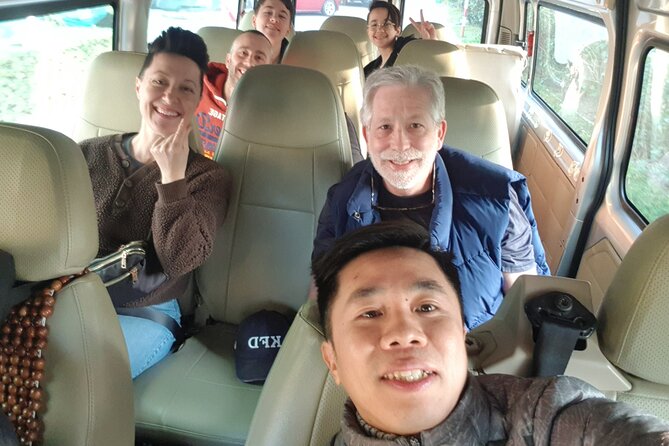
Also, the guide wears a Joy Journeys t-shirt, so it’s easier to spot your person when you’re meeting at pickup.
Price and Value: Is $54 Worth a Long, Heavy Day?
$54 per person sounds reasonable on paper, but you should judge value by what you get. In this case, the included items help justify the cost:
- Air-conditioned vehicle for the day
- Lunch (pho, with vegetarian option on request)
- Two bottles of water plus snacks
- All fees and taxes
- English live guide
- Skip the ticket line
- Guided Cu Chi visit with crawl time, plus War Remnants Museum and the Hidden Weapon Bunker
For a one-day combo trip that covers multiple major sites plus transport, $54 is strong value—especially because you’re not paying extra for the guide time or the museum logistics.
The trade-off is that it’s a full day. You’re paying with time and physical effort, not just money. If you want a relaxed sightseeing day, this isn’t it.
Who This Tour Fits Best (and Who Should Think Twice)
This is a great fit if you:
- want a hands-on Cu Chi experience, not just photos
- care about understanding wartime context, including the bigger museum story
- like small groups and clear explanations
- can handle crawling and tight spaces without panic
You might think twice if you:
- are very claustrophobic
- have mobility limits that make crawling difficult
- want a totally easy, stroller-friendly outing
Heat and comfort also matter. Even though you’re in an air-conditioned vehicle part of the time, Cu Chi is still a physically active day. Wear practical clothes and plan for the tunnel environment to be more about function than comfort.
Practical Tips That Make the Day Smoother
A few things will help you enjoy this more and stress less:
- Bring water-friendly habits even though bottles are included. You’ll still feel better if you sip steadily.
- Wear shoes you can move in. You’re going to crawl and walk more than you expect.
- If you’re tall, go in knowing some sections may feel tight. Slow, careful movement beats rushing every time.
- Keep your phone ready, but don’t let photos control the flow. The guide will often time moments for explanation and safer movement.
- Plan for lunch to be a reset. The day’s content gets heavier after the war museum.
Final Verdict: Should You Book This Cu Chi + War Remnants Tour?
Yes, book it if you want one day in Ho Chi Minh City that feels real—underground movement, war context, and a clear guided path through places that can’t be understood from a brochure.
Skip it if you only want light sightseeing or if tight spaces feel like a deal-breaker. The tour delivers a full, guided experience, and the crawling element is the heart of it, for better or worse.
FAQ
How big is the group?
The tour runs as a small group with a maximum of 10 guests.
How long is the tour?
The total duration is about 8.5 to 9 hours.
Is there an English-speaking guide?
Yes. The live tour guide is English.
Where is pickup available?
Pickup is available in District 1 and District 4 (and the tour notes District 3 as well). If you’re not in the pickup zone, you might see the group at Notre-Dame Cathedral Church.
What time confirmation should I expect?
Your pickup time is confirmed one day in advance via WhatsApp.
What’s included for food and drinks?
Lunch is included (pho with beef or chicken, or vegetarian on request). You’ll also get snacks and two bottles of water per guest.
Does the tour include a crawl inside the tunnels?
Yes. You’ll experience a secret entrance and crawl into the Cu Chi tunnel system (about 100 meters).
Is ticket entry handled for you?
Yes. The tour includes skip the ticket line.