REVIEW · HUE VIETNAM
From Hue: DMZ Tour with Vinh Moc Tunnels and Khe Sanh Base
Book on GetYourGuide →Operated by CONNECTTRAVEL · Bookable on GetYourGuide
One road trip through Vietnam’s hardest memories. This DMZ day run from Hue strings together major Vietnam War landmarks—Vinh Moc Tunnels, Khe Sanh-area remains, and the Ben Hai River boundary—so you understand the conflict in a way that feels local, not textbook. It’s driven by story-led guiding, with names like Hoa (often called Flower) showing up again and again, plus safe, steady transport for a small group (up to 12).
I love how the day has real physical scale. The Vinh Moc Tunnels are underground life-support in cold concrete terms, not vague history. I also love the way the tour uses key sites—like Hien Luong Bridge and the Khe Sanh Combat Base Museum—to explain the war’s shifting logic, not just dates.
One heads-up: it’s a long, packed day with lots of road time, and a couple stops can feel shorter than you hoped. Also, expect heavy, civilian-focused moments (Horror Highway in particular), so bring the right mindset.
In This Review
- Key things to know before you go
- From Hue to Quang Tri: getting oriented fast
- Horror Highway and Long Hung Church: why 1972 still stings
- Quang Tri Ancient Citadel and Dakrong Bridge: fighting over routes
- Paco minority village chance stop: small moments in the broader story
- Ta Con Airport and Khe Sanh Combat Base Museum: relics with context
- Lunch stop that actually fits the day
- Ben Hai River and Hien Luong Peace Bridge: walking the 1954 line
- Vinh Moc Tunnels: the highlight that hits hardest
- Price and Logistics: value at $54 for a full DMZ day
- Who this DMZ tour from Hue is best for
- Should you book the Hue DMZ Tour with Vinh Moc Tunnels and Khe Sanh Base?
- FAQ
- What time does the tour pick me up in Hue, and when does it return?
- What’s included in the price?
- Is there an English-speaking guide?
- How big is the group?
- Which major stops are part of the route?
- Do I need formal clothing for any stop?
Key things to know before you go
- Vinh Moc Tunnels: Vietnam’s largest tunnel system, built to protect people under constant bombing.
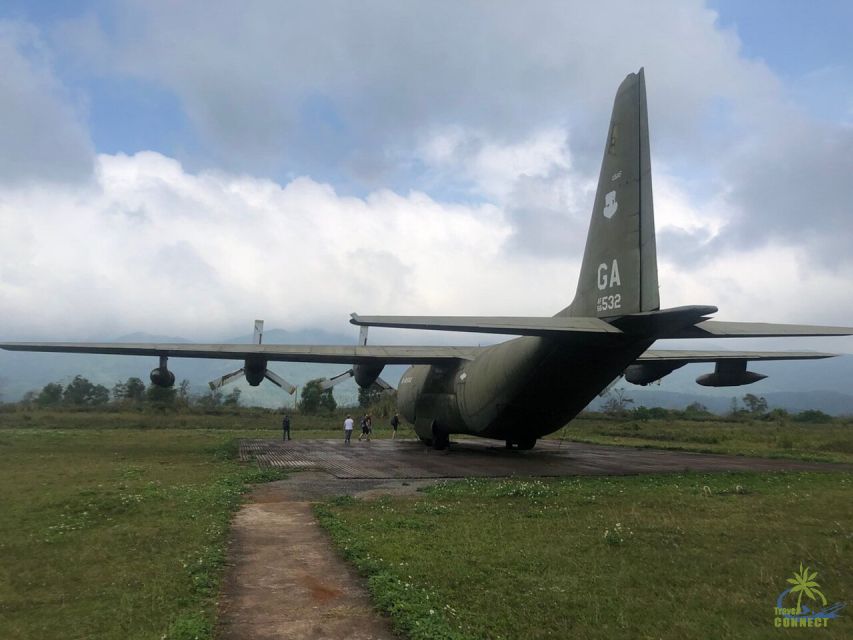
- Khe Sanh Combat Base Museum at Ta Con Airport: war relics in a tank-and-aircraft boneyard setting.
- Hien Luong Bridge / Ben Hai River: walk the French-built Peace Bridge over the 17th parallel boundary from 1954.
- Quang Tri Ancient Citadel: a site you’ll visit with rules—plan on modest clothing.
- Small group rhythm: up to 12 people helps you stay oriented and ask questions.
From Hue to Quang Tri: getting oriented fast
The day starts with a hotel pickup in central Hue around 07h30, then you transfer to the DMZ region in Quang Tri province. Plan on a long outing: it’s scheduled to wrap back in Hue by 18h00, and it’s built around multiple sites spaced out over a wide area.
What makes this format work is how the guide uses the drive to set context. You’ll hear the story of how this region got targeted, how different phases of the war connected, and why certain places were fought over repeatedly. Several English-speaking guides connected to this route—like Hoa/Flower and Thuy—use story structure and music in the van to keep the day moving and help you remember what you’re seeing outside.
This isn’t a “drive, stop, snap photos, repeat” tour. You’ll get explanations before you arrive at each major location, so you can actually connect the dots when you’re standing there.
You can also read our reviews of more tours and experiences in Hue Vietnam.

Horror Highway and Long Hung Church: why 1972 still stings
Your first big emotional hit is the Horror Highway (May 1, 1972). This is remembered not as a holiday but for the carnage along Vietnam Highway 1—thousands of civilians killed in hours of intense shooting. The important part for your understanding is that the tour frames it as a human tragedy affecting elders, women, and children, plus soldiers caught in the blast radius.
Next comes Long Hung Church, known as one of the few buildings that still exists in Quang Tri town after the “Fire Summer” / Eastern Offensive in 1972. If you’re expecting dramatic battle scenes, this stop will feel different. It’s a reminder that war doesn’t just reshape land—it damages lives and leaves behind fragments people still have to live with.
If you tend to get uncomfortable with heavy topics, it helps to know this tour doesn’t dodge them. That’s a plus for some people (you’ll get context), and a challenge for others (you’ll feel it).
Quang Tri Ancient Citadel and Dakrong Bridge: fighting over routes
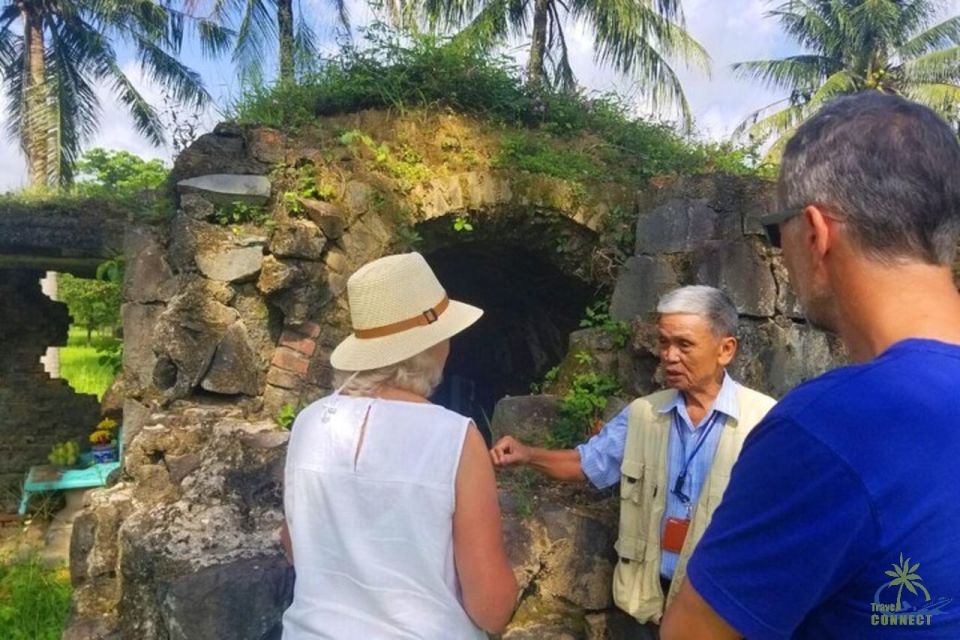
The tour then heads to the Quang Tri Ancient Citadel, often presented as an eyewitness to intense fighting in 1972. During an 81-day period of fighting, the citadel was heavily damaged by massive bombing—so you’re not looking at a “pretty ruin.” You’re looking at a place meant to be studied and remembered.
Practical tip: Quang Tri Ancient Citadel requires formal dress. If you show up in shorts, you can rent a cover for 10,000 VND. I’d avoid waiting until the last minute for this, especially because it’s just one more way a “fast stop” can become stressful.
After that, you move to Dakrong Bridge. The tour explains it as a key access point that was considered the beginning of the Ho Chi Minh Trail network, and that it fell multiple times during the war. Today, it’s a grand suspension bridge—so you’re seeing the long arc from contested crossing to something that looks like permanence.
What I like about this pairing (citadel + bridge) is that it shows two sides of conflict: fixed ground and movement corridors. One is about concentrated fighting and destruction. The other is about routes—who controlled them and why that mattered.
Paco minority village chance stop: small moments in the broader story
On the way, you might get a chance to meet people connected with a Paco minority village. The key word here is might—this isn’t described as guaranteed. Still, it’s a nice reminder that the DMZ isn’t only about memorials. This area is inhabited, lived in, and part of everyday regional culture.
If you get this chance, keep your expectations respectful and simple. The value is less about a formal performance and more about meeting real people in the region you’re learning about.
Ta Con Airport and Khe Sanh Combat Base Museum: relics with context
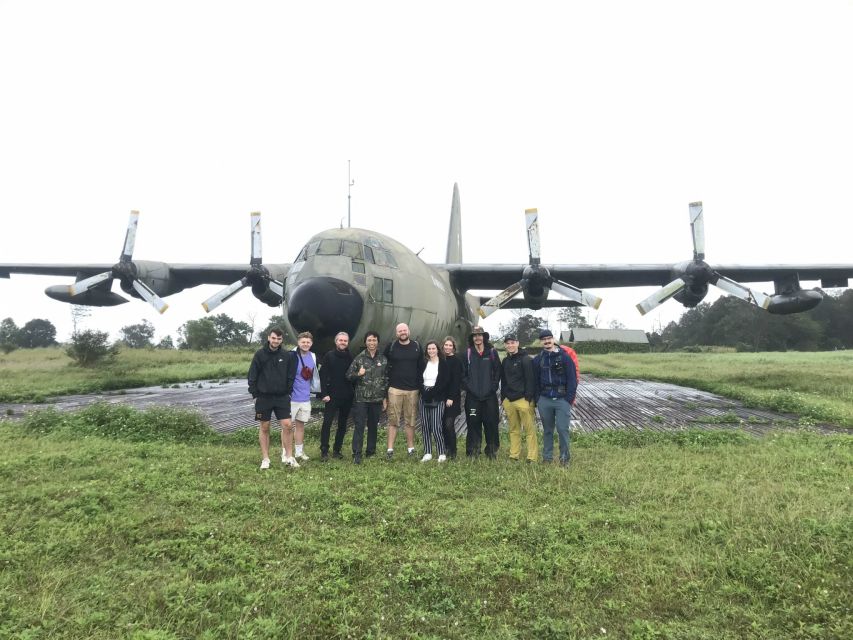
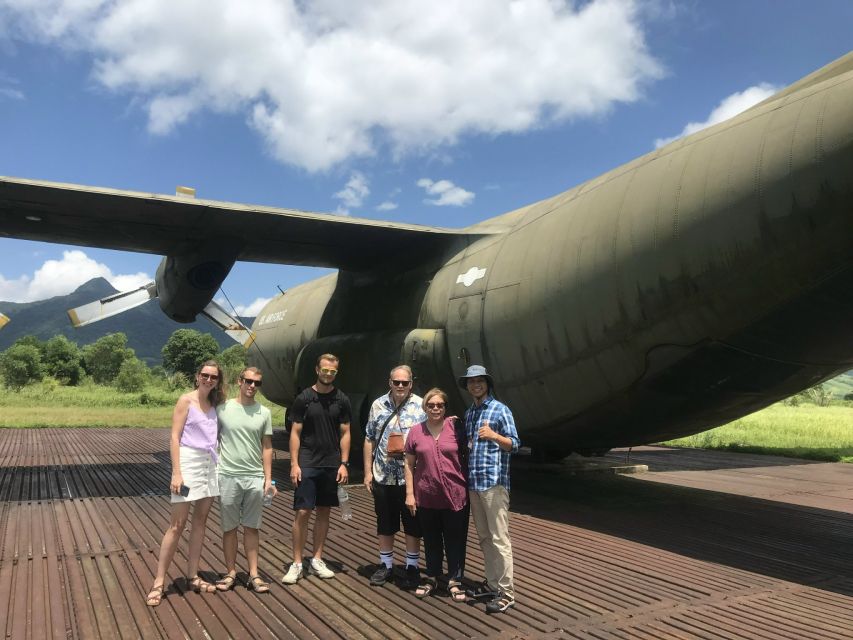
One of the most discussed highlights is Ta Con Airport, which today is the Khe Sanh Combat Base Museum. Here you’ll see a boneyard of captured U.S. tanks and aircraft destroyed during the Battle of Khe Sanh. The tour shares a figure tied to the museum’s official accounts: 197 U.S. planes were shot down or captured during a 170-day battle.
This stop often lands because it’s tangible. You can point at the scale of vehicles, the hard choices of wartime engineering, and the way technology shows up as debris after everything quiets down.
You’ll also get free snacks here, plus a local Khe Sanh coffee option that’s your expense. That coffee detail matters more than it sounds. When you’re underground and then walking among relics, a warm drink is one of the easiest ways to reset your brain for the next emotional stop.
Balanced note: some people prefer the day to focus more tightly on the main memorial sites. If you’re the type who wants fewer hours of road time or fewer stops, consider that Ta Con Airport can feel like a lot of travel for a museum-style experience rather than a “walk-through history scene.” (It can still be worth it, but it depends on what you enjoy most.)

Lunch stop that actually fits the day
Lunch is included, and the format is set up for this kind of regional route—so you’re not stuck searching for food halfway through. The tour positions lunch after the Ta Con area portion, which helps you recharge before the return to the most iconic boundary site and then the tunnels.
I also like that the day doesn’t rely on long snack scavenging. Between lunch and the free snacks at Ta Con, you’re not left guessing whether you’ll survive the day comfortably.
Ben Hai River and Hien Luong Peace Bridge: walking the 1954 line
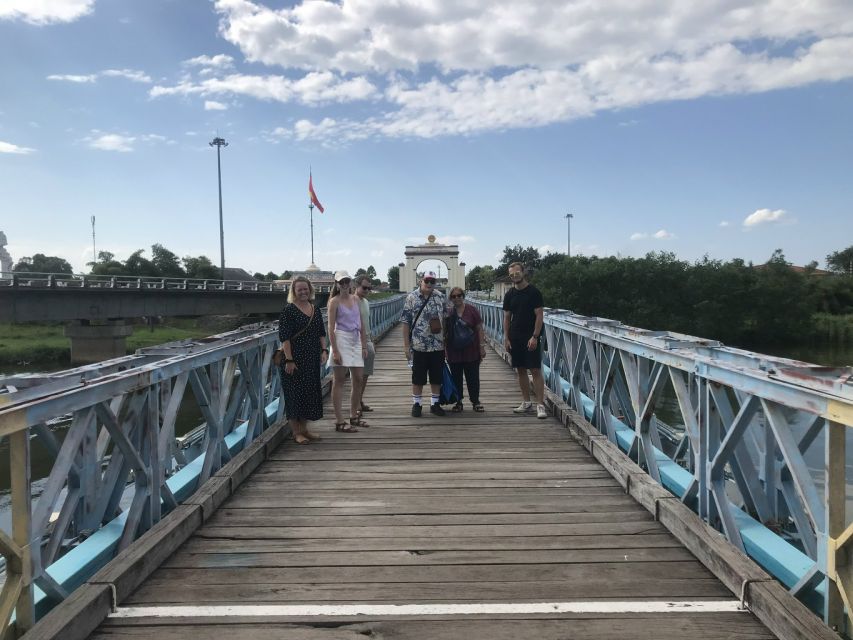
After lunch, the tour swings back toward the most symbolic boundary points: Hien Luong Bridge over the Ben Hai River. This river runs through Quang Tri province and is presented as the borderline that resulted from the Geneva Agreements on Vietnam signed in 1954, dividing Vietnam into North and South with the 17th Parallel.
The bridge itself is called the Peace Bridge. It was built by the French in 1950 and is 178 m long, but the tour also explains something key: it took 21 years for Vietnamese people from North and South to reunite. So when you walk across it now, it’s not just a bridge. It’s a timeline you can feel in your steps.
Drawback consideration: this is one of those “walk a set path, move on” moments rather than a long stay. Still, it’s powerful because you can see the river boundary in place and understand why bridges matter so much in a divided country.
Vinh Moc Tunnels: the highlight that hits hardest
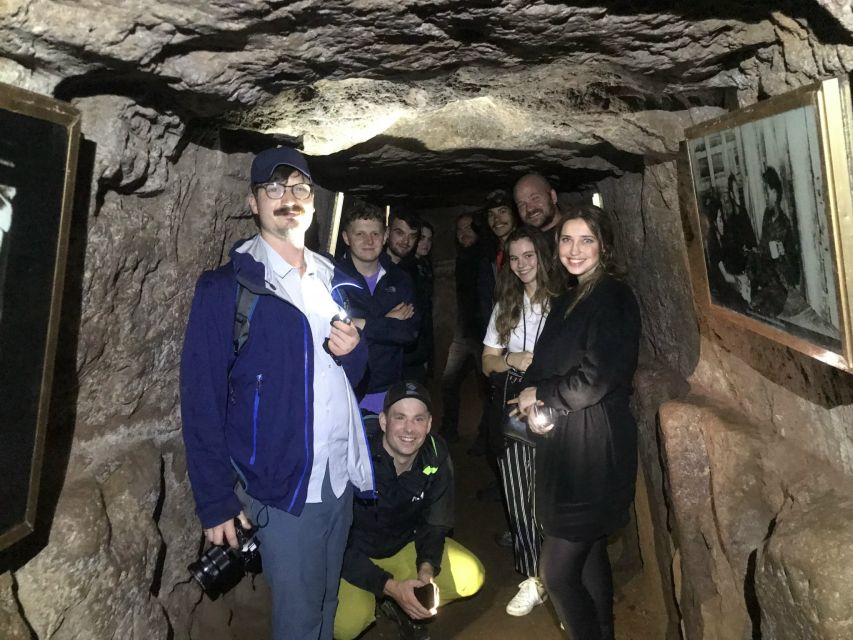
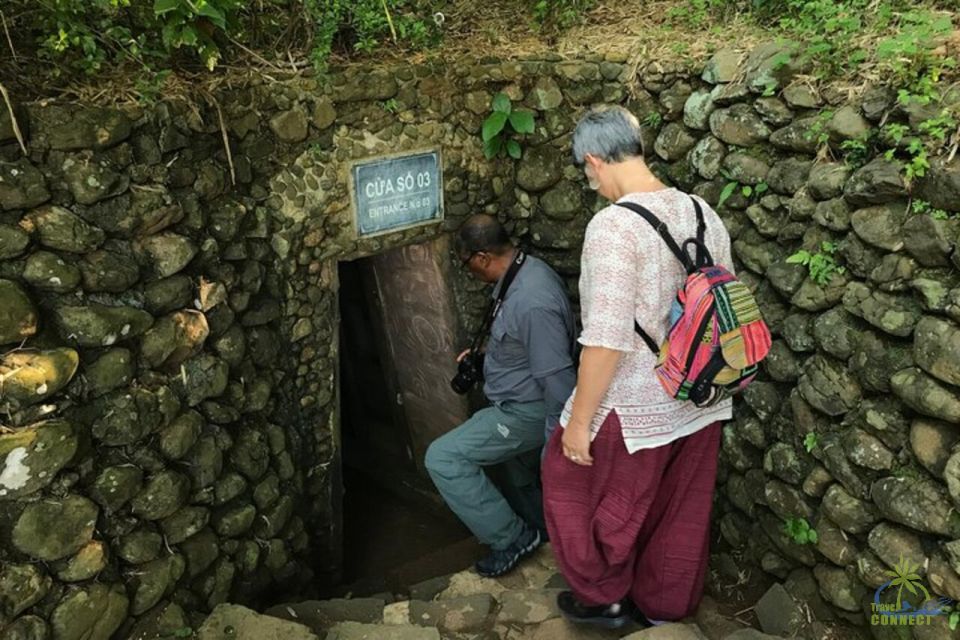
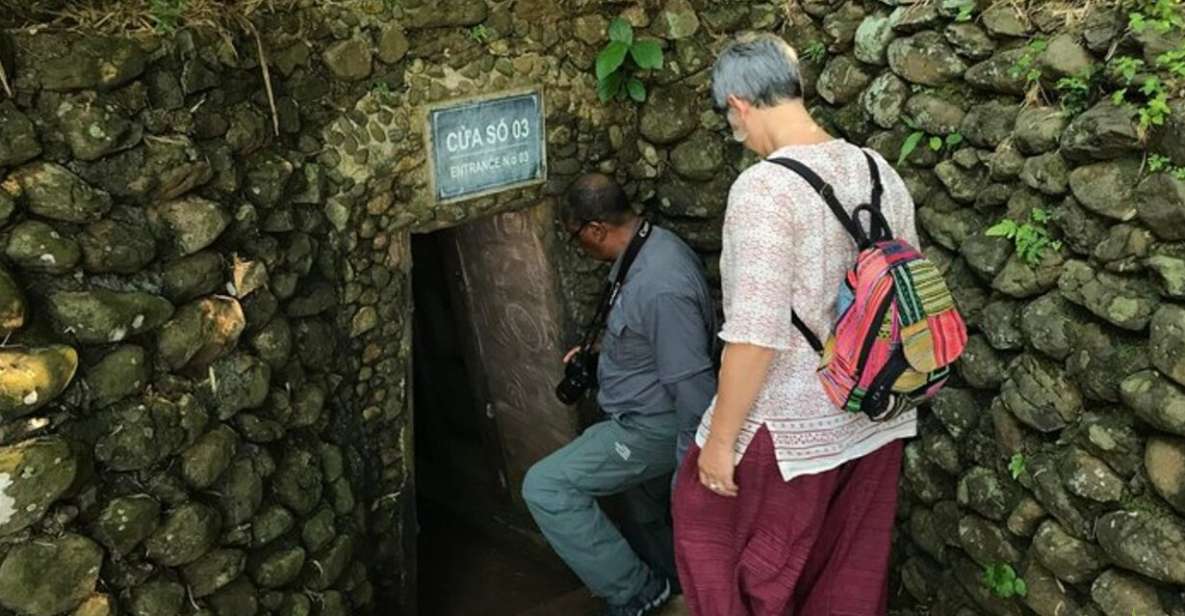
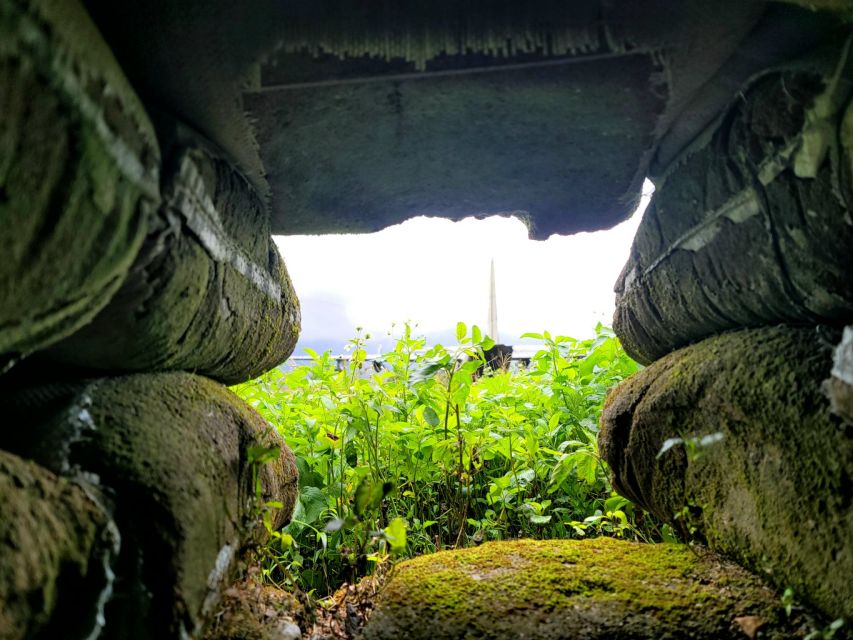
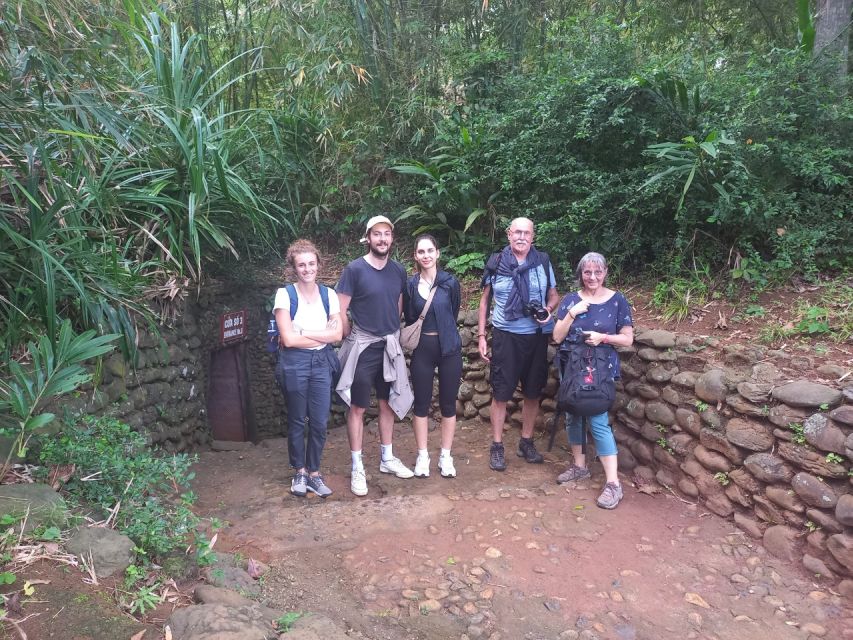
Then comes the big one: Vinh Moc Tunnels and the Tunnels Museum. This is described as the highlight of the DMZ tour, and for good reason. The tunnels are deep in the DMZ and sheltered local people from intense bombing. The point isn’t just that they existed—it’s that they supported daily life and helped villagers stay alive while fighting back.
When you’re underground, the Vietnam War becomes physical. You’re surrounded by the reality that ordinary people needed space to sleep, move, and survive while the sky carried repeated attacks. The tour frames Vinh Moc as a success in saving lives and providing conditions to live and fight during the conflict.
If you want a “how do I prepare” tip, it’s simple: wear comfortable shoes and expect the tunnel environment to feel different from daylight. You might want a light layer for temperature swings and to keep your body comfortable during the walk and viewing sections.
Price and Logistics: value at $54 for a full DMZ day
The price listed is $54 per person for a 10-hour tour. That sounds low compared with the effort: multiple major stops across Quang Tri province, English guiding, and hotel transfers.
What you get for the money includes hotel pickup and drop-off, lunch, a tour guide, bottled water, travel insurance, entry tickets, transportation, and even a souvenir. If you’ve ever paid separately for entrance fees and paid for a private driver across this region, the value starts to make sense.
The only thing to weigh is the schedule. Yes, it’s a full day and yes, it includes several sites—but the route can be heavy on driving. If your dream day in Vietnam is mostly walking and “hang out time,” this might feel like too much movement. If you want the best sequence of DMZ landmarks in one go, it’s a practical fit.
Group size helps: it’s limited to 12 participants, which usually means you spend less time waiting for the whole bus to get moving.
Who this DMZ tour from Hue is best for
This tour suits you if:
- You want a structured, guided Vietnam War day from Hue.
- You care about how the war affected civilians, not just military history.
- You want the top DMZ anchors in one trip: Vinh Moc Tunnels, Khe Sanh-area relics, Hien Luong Peace Bridge, and the Quang Tri sites.
It might not suit you as well if you:
- Get tired quickly of long driving days.
- Prefer lighter topics or very short stops.
- Want lots of time at each museum rather than a “best route in a day” pace.
Should you book the Hue DMZ Tour with Vinh Moc Tunnels and Khe Sanh Base?
I’d book it if your priority is to understand the DMZ in one concentrated route—especially if Vinh Moc Tunnels is on your must-see list. The combination of underground shelters, boundary symbolism at Ben Hai River, and museum relics at Ta Con makes the day feel connected rather than random.
Skip it—or ask the operator about alternatives—if you’re trying to avoid long road time or you’re likely to find the war-focused sites emotionally heavy. This tour doesn’t sugarcoat anything, and it moves at a pace that may feel like a whirlwind.
If you do go, plan your clothing for Quang Tri (formal dress or budget for the rental cover), wear comfy shoes for walking, and keep your phone charged. This is a day where your notes and photos are useful, but your understanding is the real souvenir.
FAQ
What time does the tour pick me up in Hue, and when does it return?
The tour pickup is set for 07h30 in central Hue, and the tour ends with drop-off at your hotel around 18h00.
What’s included in the price?
The package includes hotel pickup and drop-off, lunch, a tour guide (English), bottled water, travel insurance, entry tickets, transportation, and a souvenir.
Is there an English-speaking guide?
Yes. The tour includes a live tour guide in English.
How big is the group?
It’s a small group limited to 12 participants.
Which major stops are part of the route?
Key stops include Horror Highway, Long Hung Church, Quang Tri Ancient Citadel, Dakrong Bridge, Ta Con Airport / Khe Sanh Combat Base Museum, Hien Luong Bridge on the Ben Hai River, and Vinh Moc Tunnels and the Tunnels Museum.
Do I need formal clothing for any stop?
Yes. Quang Tri Ancient Citadel requires formal dress. If you wear shorts, you can rent a cover for 10.000 VND.