REVIEW · SA PA
2 Night Lao Chai-Ta Van Homestay- Trekking & Fansipan Visit
Book on GetYourGuide →Operated by Go Asia Travel · Bookable on GetYourGuide
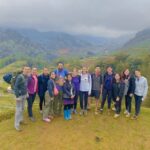
Two villages, one Sapa trek. I love the Muong Hoa valley walking and sleeping in two distinct Lao Chai San and Ta Van homestays. A big plus is the cultural guidance, including English help from guides like Soa who explains daily life and answers questions. The main drawback to plan for is that the trek intensity and water handling can vary by group, so pack light and have some extra cash ready for basic needs.
This trip is paced around mountain reality. You ride a limousine bus from Hanoi to Sapa, arrive for lunch, then head out on a long trek to your first village, with dinner at the homestay and a quiet night in the hills. The next day brings another full walk through terrace and stream scenery, and the final morning steps into bamboo and rice trails toward Giang Ta Chai.
One more honest note: this is not a comfort-only stroll. You need decent fitness for daily trekking on uneven paths and suspension bridges, and homestay comfort is simple (single mattress, not private rooms). If you want minimal effort, fully stocked water, or wheelchair access, you’ll be happier choosing a different style of Sapa tour.
In This Review
- Key highlights you’ll feel on this trek
- Why Lao Chai and Ta Van homestays make Sapa feel real
- Getting to Sapa: limousine bus timing and the sleeper-bus reality
- Day 1: the long trek from Y Linh Ho to Lao Chai San (Black Hmong village)
- Day 2: Muong Hoa valley scenery, picnic lunch, and Ta Van stream time
- Day 3: Giang Ta Chai village views, suspension bridge crossing, and the trip back
- Fansipan by cable car: the optional add-on that changes the whole day
- Meals and homestay comfort: what’s included, what to plan for
- Price and logistics: does $110 feel fair?
- Practical packing and fitness tips that save your trip
- Who should book this Lao Chai–Ta Van trek (and who should skip it)
- Should you book this Lao Chai–Ta Van trek and optional Fansipan day?
- FAQ
- How many nights and days is the Lao Chai–Ta Van experience?
- Where are the homestays located?
- What trek routes and key spots are part of the walk?
- Is Fansipan Peak included, or is it optional?
- What is the extra cost for the Fansipan cable car?
- What meals are included in the price?
- What’s included in the transportation?
- What is not included in the trip cost?
- What should I bring for the trek?
- Is the tour suitable for wheelchair users or low fitness levels?
- Are there any extra charges for holidays?
Key highlights you’ll feel on this trek
- Two homestays, two village vibes: Lao Chai San (Black Hmong) and Ta Van (different ethnic culture), each with home-cooked meals.
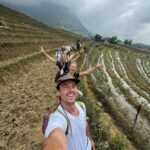
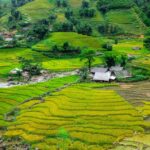
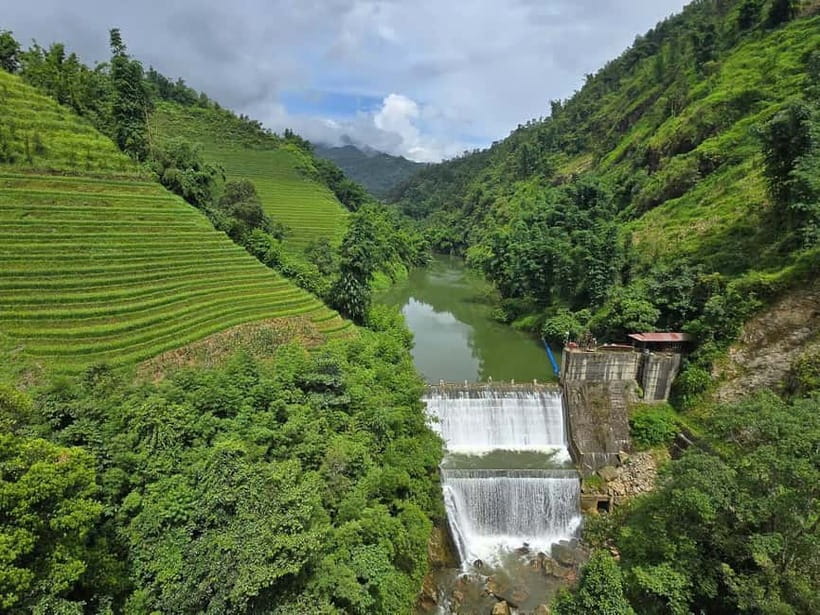
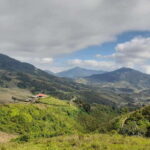
- Muong Hoa valley trails: rice terraces, stream edges, and suspension bridges with frequent photo stops.
- English guidance for culture: guides like Soa focus on how locals live, not just where you walk.
- Fansipan peak option: cable car to the 3,143 m summit without a full day hike.
- Homestay reality check: single mattress setup, and you may need to manage your own essentials.
Why Lao Chai and Ta Van homestays make Sapa feel real
Sapa can be a bit of a show in some places, but this route keeps you closer to daily life. I like the fact that you don’t just pass through villages; you sleep in them, eat there, and wake up in their rhythm. Lao Chai San and Ta Van give you a clear sense that ethnic groups live with different customs and routines, even when the views look similar.
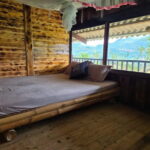
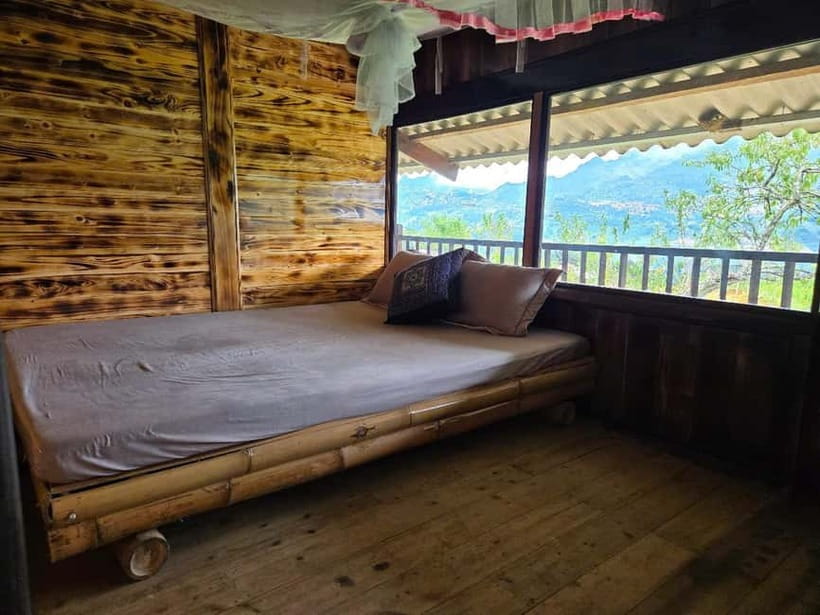
Homestays are usually where expectations get tricky, so set the tone early. You’re not booking a hotel room; you’re getting a single mattress at the homestay. That trade-off matters because it gives you the real payoff: dinner with the host family and the chance to join cooking if you want.
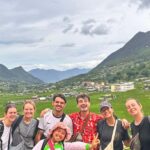
If your idea of a great trip includes conversation, this fits well. Guides can help you connect the dots between what you see on the trail and how people work, farm, and organize home life. That’s where a guide like Soa really shines: lots of answers, practical explanations, and a sense of what to pay attention to.
You can also read our reviews of more evening experiences in Sa Pa
Getting to Sapa: limousine bus timing and the sleeper-bus reality
The door-to-door ease starts with the transport plan. You meet at 204 Tran Quang Khai in Hanoi, then board a limousine bus for the Sapa run (about 5.5 hours) with a few short breaks along the way. You also get bottled water on the bus, and the trip includes an English-speaking guide.
On the way back, the bus is scheduled to stop around 21:00 at the same meeting point, and then you handle the final step to your hotel on your own. That setup is simple, but it rewards planning: have your hotel address saved, and don’t assume someone will find you at night.
One practical consideration: this can be a sleeper-style bus, and the space may feel tight if you’re tall. If you’re around 1.85 m, getting comfortable to sleep can be hard. It’s not a deal-breaker, but it’s good information so you can bring what helps (eye mask, earplugs, and a plan for less sleep).
Day 1: the long trek from Y Linh Ho to Lao Chai San (Black Hmong village)
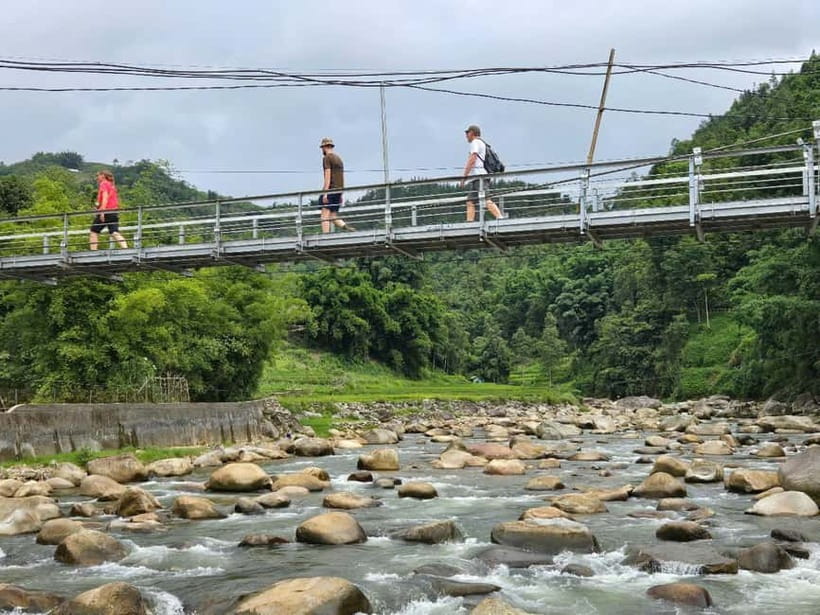
Day 1 starts with a classic Sapa rhythm: travel, lunch, then walking. After you arrive in Sapa around 13:00, you’ll have lunch and then begin the trek around 14:30 from Y Linh Ho toward Lao Chai San.
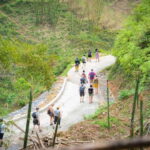
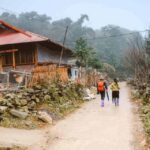
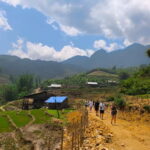
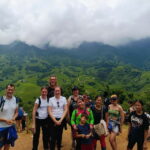
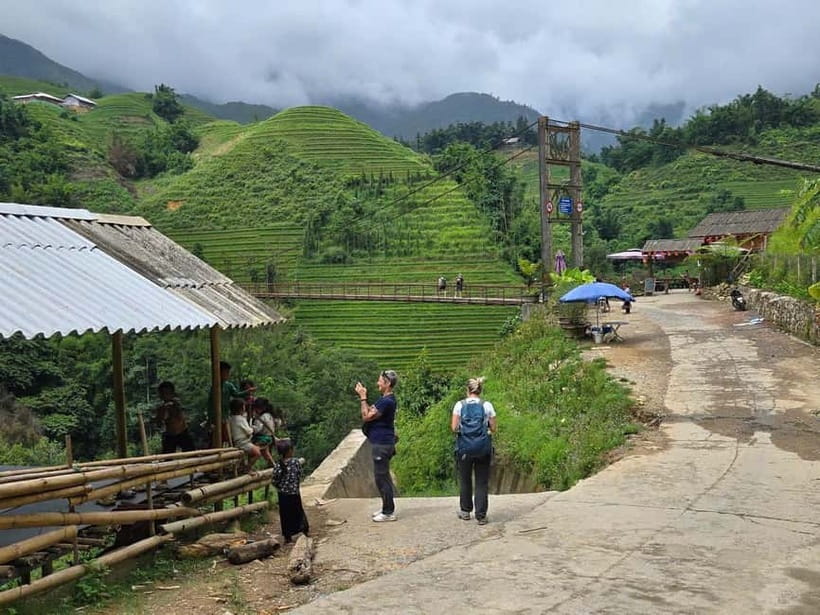
What makes this section worth it is how it strings together the valley’s best bits. You walk through rice terraces and alongside the Muong Hoa Stream, then you reach a suspension bridge where the view opens up near a waterfall. That bridge moment is often where people stop trying to rush and start noticing the details.
Because this is a long trek, take the first climb seriously. After the river-and-terrace walking, you end with a climb up to the homestay area to check in and rest. Once you arrive, you get dinner with the host family, and you can join cooking if you want—this is one of the best ways to turn a tour into an actual experience.
Dinner here is also your recovery time. You’ll want an early reset because Day 2 starts with another breakfast and another walk. Expect an evening that feels calm, since you’re in the hills rather than in the busy Sapa core.
Day 2: Muong Hoa valley scenery, picnic lunch, and Ta Van stream time
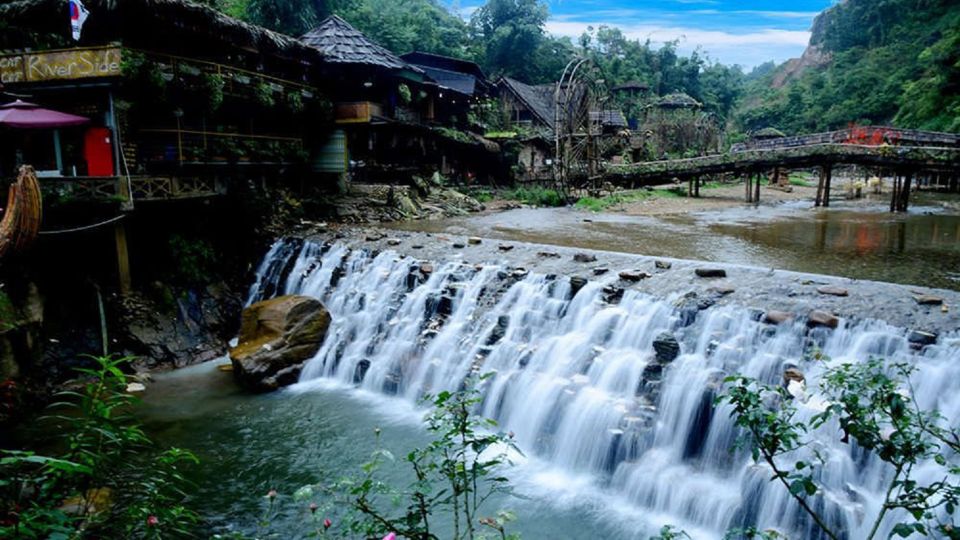
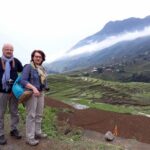
The second day is built for big scenery and real village contact. You begin with breakfast—pancake with honey and fruits—then your guide takes you into the Muong Hoa valley area again. This time you’re looking for terrace views, stream edges, and the little moments where villagers show you what life looks like day-to-day.
The walk keeps moving, but it’s paced with breaks for photos and meeting local people. You’ll have a picnic lunch prepared by your guide, then you reach Ta Van village around 15:00.
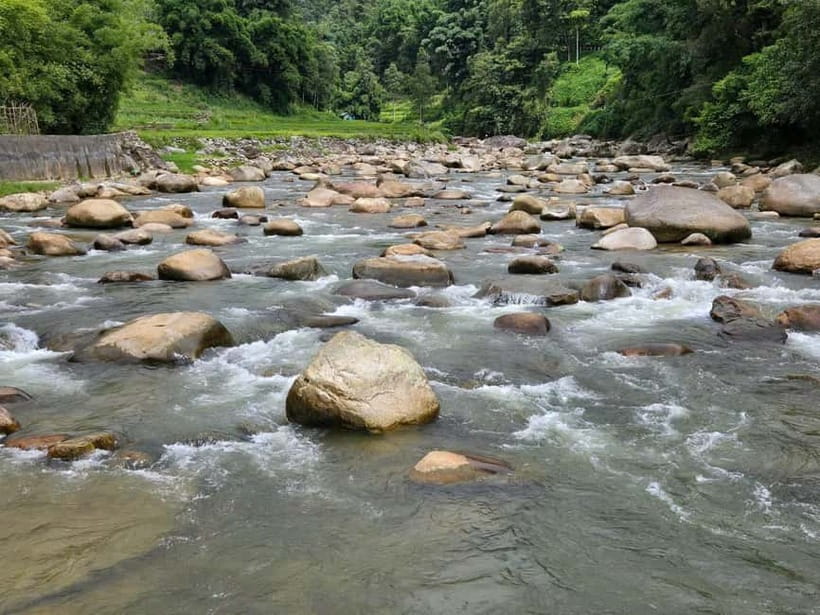
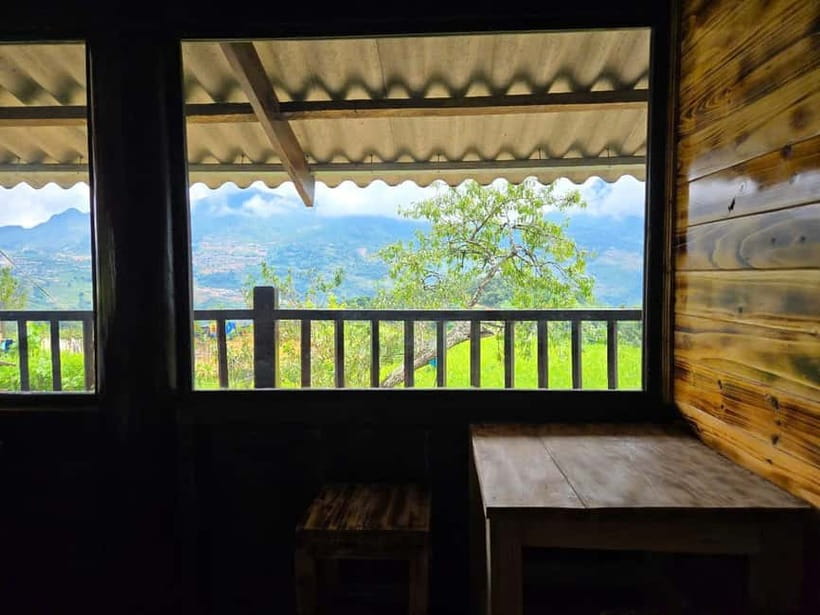
Once you’re there, you get the kind of downtime that makes this style of trip special. You can relax, and you may have the chance to swim in the stream nearby. The tour also leaves room for you to unwind from the trek—some people bring their own drinks or buy local options so they can watch the mountain scenes from the homestay.
Dinner is cooked by the host family again, so you’re not eating the same meal formula twice. This is also where the cultural explanation pays off: it’s easier to understand what you saw during the walk when someone can connect it to farming, routines, and local community life.
Day 3: Giang Ta Chai village views, suspension bridge crossing, and the trip back
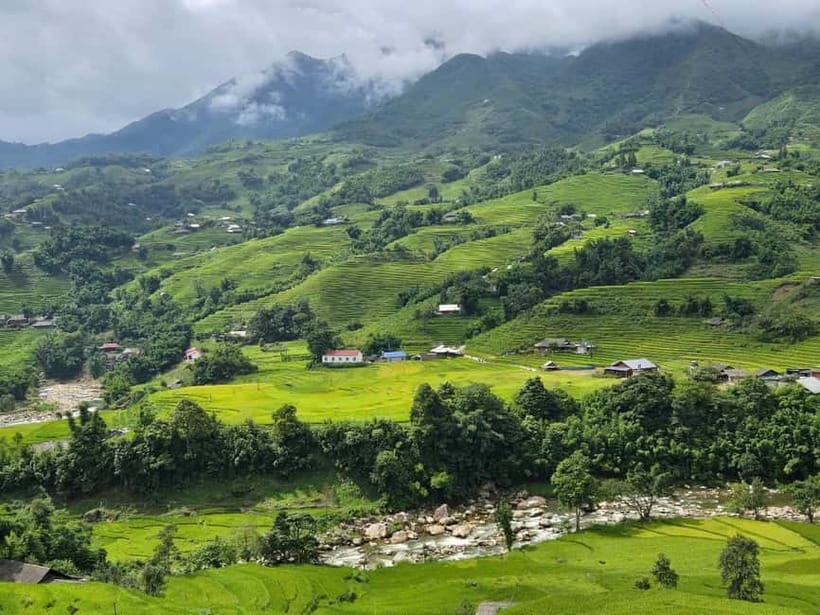
Your final morning leans into views and a little variety. Breakfast is prepared by the family at around 7:30, and then you start trekking again through rice paddies and a bamboo forest path.
Soon you’ll reach panoramic views of Giang Ta Chai village, a strong payoff after two days of walking. From there, you cross the Giang Ta Chai Suspension Bridge, and then transportation brings you back to Sapa for lunch and a shower.
You’ll then continue back to Hanoi on the limousine bus. After Sapa lunch and cleanup, the focus becomes comfort and wrapping up—so if you want to buy small snacks or last-minute items, do it before the bus leg gets going.
You can also read our reviews of more hiking tours in Sa Pa

Fansipan by cable car: the optional add-on that changes the whole day
Fansipan is optional, and it’s an important pricing and pacing choice. If you want to go, the plan is to head to the Fansipan cable car station after breakfast in Ta Van. From there, you take the cable car up to the 3,143 m peak, then car service brings you back for lunch.
In this option, you lose part of the full trekking day. The schedule also notes that dinners are by yourself on the travel back, so budget for that meal. If you’re choosing Fansipan because you want a summit view without more trail time, this is a straightforward way to do it.
Cost matters, too. The cable car round trip is listed at 850,000 VND per person, and you pay it as an extra expense. If your goal is pure trekking, you might skip Fansipan and savor the village walk. If your goal is a peak day, add it and adjust your expectations for less hiking.
Meals and homestay comfort: what’s included, what to plan for
Meal coverage is one of the strongest value points here. You get 3 lunches, 2 dinners, and 2 breakfasts, and the tour also includes entrance tickets. That means you’re not constantly hunting for food with the pressure of timing, especially after long walking blocks.
The meals themselves are practical rather than fancy. Breakfast on Day 2 is pancake with honey and fruits, and you also get a picnic lunch prepared by your guide. Dinners are cooked by the host family, and you can often see the food process up close if you join cooking.
Comfort is basic but not automatically miserable. You’ll sleep on a single mattress at the homestay. That’s the kind of detail that changes how you pack: bring sleepwear you can handle in a simple setting, and consider a light layer for nighttime.
One more caution: water handling can be inconsistent. The core tour includes meals, but some people end up paying for water during the trek or carrying their own bag weight. I’d treat this as a packing reminder: carry a small bottle or have money accessible for water, and keep your daily load light.
Price and logistics: does $110 feel fair?
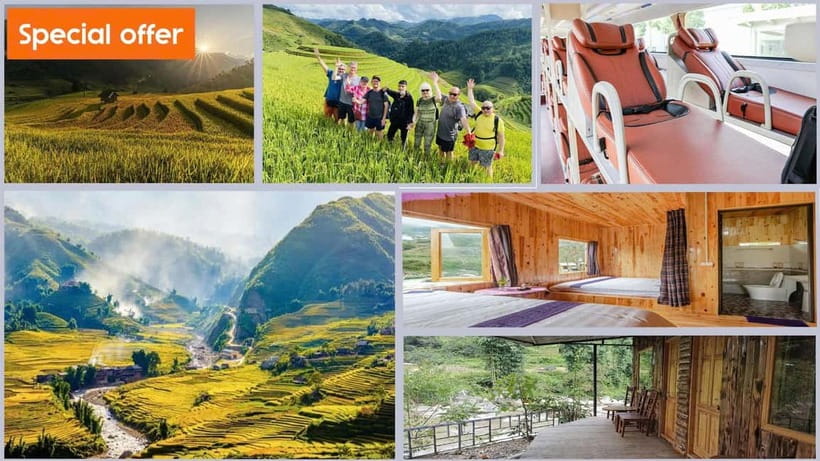
At $110 per person, this is a mid-range Sapa experience on price and structure. What you’re paying for isn’t just a walk; it’s the mix of transport, English guidance, meals, homestay nights, and entrance tickets.
Here’s what the price covers in plain terms:
- Round trip limousine bus Hanoi–Sapa–Hanoi, with bottled water and an English-speaking guide
- Local English-speaking guide in Sapa
- All meals (3 lunches, 2 dinners, 2 breakfasts)
- Entrance tickets
- Homestay sleeping setup as a single mattress
- Transfers in Sapa by mini bus/car
What’s not included:
- Drinks during the trip
- Travel insurance
- Tips for guide and driver
- Private room at homestay
- Fansipan cable car round trip (850,000 VND/person)
- Holiday surcharges of 700,000 VND/person on specific dates, paid directly to the guide
So is it good value? For me, yes—if you’re comfortable with simple sleeping and you genuinely want a village-based trek. If you’re the type who expects water and drinks to be fully handled, or you want private-room comfort, the final cost can rise once you add tips, water/snacks, and optional cable car.
Also watch your expectations about trek matching. The trek intensity can vary depending on which group you end up trekking with on the trail. If you want a specific level of walking, ask your organizer what pace you should expect before you go, and pack like you’ll be doing real trekking.
Practical packing and fitness tips that save your trip
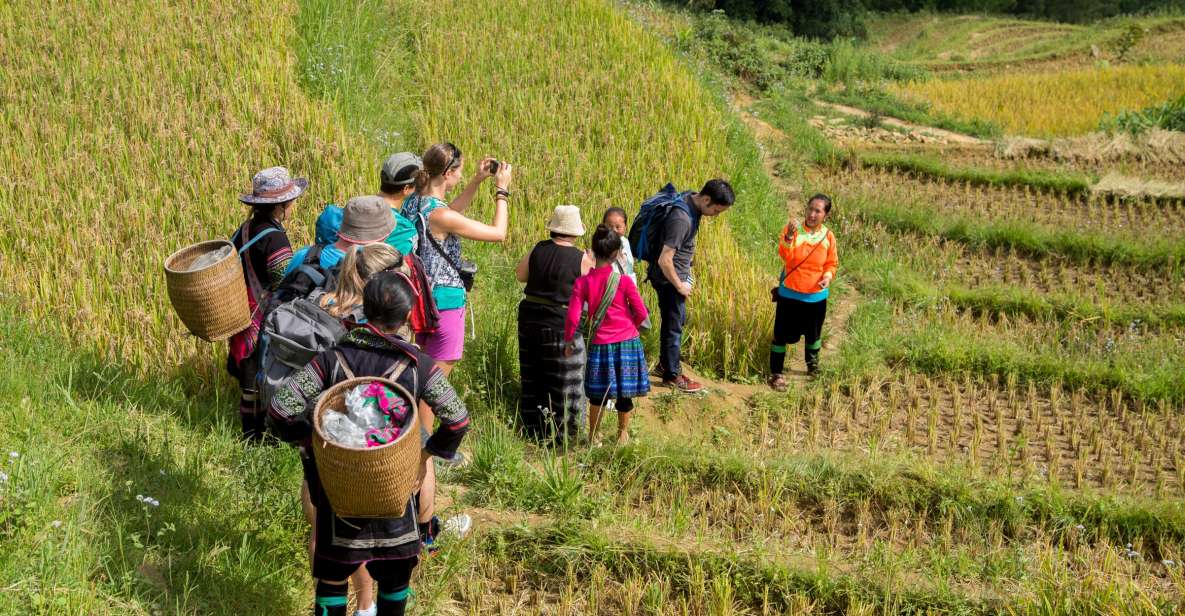
This trip asks for sturdy basics. Wear comfortable, grippy shoes because trails can be uneven, muddy, and steep. You’ll also want sunglasses and a sun hat, since bright daylight is common on these routes.
Bring warm layers even in the dry season feel, plus a scarf and cap for wind on ridgelines. Sunscreen and insect repellent are worth it, especially if you’re sensitive. If you take any medication, bring what you need with you—don’t count on finding it in a homestay area.
From a fitness angle, it’s not for low-fitness walkers. The trip includes long treks, suspension bridge crossings, and climbs between village points. You don’t need to be an athlete, but you should be confident walking for hours with a pack and stopping when your legs tell you to.
Also, plan for bus comfort. If you’re tall or hate cramped seating, bring a neck pillow or at least wear layers that let you move comfortably in transit.
Who should book this Lao Chai–Ta Van trek (and who should skip it)
This is a great fit if you want:
- Two nights in homestays, not just a quick village stop
- Real guided walking through the Muong Hoa region
- Cultural conversation in English, including explanations from guides like Soa
- A mix of terrace views, stream scenery, and village meals
You might want to skip it if you:
- Need a private hotel-style room
- Have mobility limitations and need wheelchair access
- Want a very light walk or a fully managed comfort level with water handled for you
- Get stressed by schedules that can run slower on the ground than you imagined
The best mindset is flexible. This is the kind of trip where the trail and the people shape the day more than a strict timetable.
Should you book this Lao Chai–Ta Van trek and optional Fansipan day?
If you want authentic Sapa time—village meals, terrace paths, and a guide who explains what you’re seeing—this tour is a strong choice. The included meals, English support, and the two-homestay setup make the price feel grounded, not inflated.
Book it if you’re ready for simple sleeping, sturdy shoes, and trekking that can feel more intense than a casual walk. Skip or adjust if you need private-room comfort, wheelchair access, or a very strict pacing guarantee, since trek intensity and small logistics like water can vary.
FAQ
How many nights and days is the Lao Chai–Ta Van experience?
It’s a 3-day trip with 2 nights in homestays: one night in Lao Chai San and one night in Ta Van.
Where are the homestays located?
You sleep in Lao Chai San village first, then in Ta Van village.
What trek routes and key spots are part of the walk?
You trek from Y Linh Ho toward Lao Chai San, walk through the Muong Hoa valley area, and on the final day trek toward Giang Ta Chai, including crossing the Giang Ta Chai suspension bridge.
Is Fansipan Peak included, or is it optional?
Fansipan by cable car is optional. If you choose it, you’ll visit Fansipan Peak (3,143 meters) by cable car.
What is the extra cost for the Fansipan cable car?
The Fansipan round trip cable car cost is listed as 850,000 VND per person.
What meals are included in the price?
The tour includes 3 lunches, 2 dinners, and 2 breakfasts.
What’s included in the transportation?
Round trip limousine bus Hanoi–Sapa–Hanoi is included, along with complimentary bottle of water on the bus and an English-speaking guide. There are also transfers in Sapa by mini bus or car.
What is not included in the trip cost?
Drinks, travel insurance, tips for guide and driver, a private room at the homestay, and Fansipan cable car (if selected) are not included.
What should I bring for the trek?
Bring a passport or ID card, comfortable shoes, sunglasses, and a sun hat. The trip also recommends warm clothes (scarf, hat, cap), trekking shoes, sun cream, and insect repellent.
Is the tour suitable for wheelchair users or low fitness levels?
No. It is not suitable for wheelchair users and it’s also not recommended for people with low level of fitness.
Are there any extra charges for holidays?
Yes. On certain holiday dates (April 30, May 1, September 1+2+3, December 24, 31, Jan 1), there is a holiday surcharge of 700,000 VND per person, paid directly to the guide.