REVIEW · SA PA
Sapa Open Air Jeep Half Days Off the Beaten Track, Backroad
Book on GetYourGuide →Operated by Sapa Motorbike Tour · Bookable on GetYourGuide
Sapa looks different from inside an open-air jeep. I like how this backroad route mixes big valley views with off-the-main-traffic village stops. You’ll ride out from central Sapa, climb toward high ground, then come back down through quieter rice-terrace areas and everyday family life.
Two things I really like: the drive is built for seeing Muong Hoa Valley from multiple angles, and the itinerary intentionally includes two lesser-known village areas, Ban Khoang and Ta Giang Phinh. It feels more like exploring the region than ticking off a single viewpoint.
One consideration: the scenery depends on weather. In foggy, low-visibility days (especially in December), you may not see much from the high points even if the village visits still feel worthwhile.
In This Review
- Key highlights to know before you go
- Sapa by open-air jeep: what the ride feels like
- Meeting at Notre Dame Cathedral and why that matters
- Rolling past French colonial Sapa before the climb
- O Quy Ho village: the high-altitude panorama stop
- Ta Phin and the guided village rhythm
- Vintage car stop: a quirky photo break
- Ban Khoang valley rice terraces: where the crowds thin
- Ta Giang Phinh: another secret-village perspective
- Backroads and local family culture: the real reason to choose this route
- Price and what you’re really paying for ($86 per person)
- Weather and visibility: the December fog reality check
- Photo and comfort tips that make the day easier
- Who should book this Sapa open-air jeep backroad tour
- Should you book it? My decision guide
- FAQ
- Where is the meeting point for the jeep tour?
- Does the tour include an English guide and audio?
- What does the tour price include?
- What should I bring for comfort?
- What is not included in the tour price?
- Can I cancel if my plans change?
Key highlights to know before you go
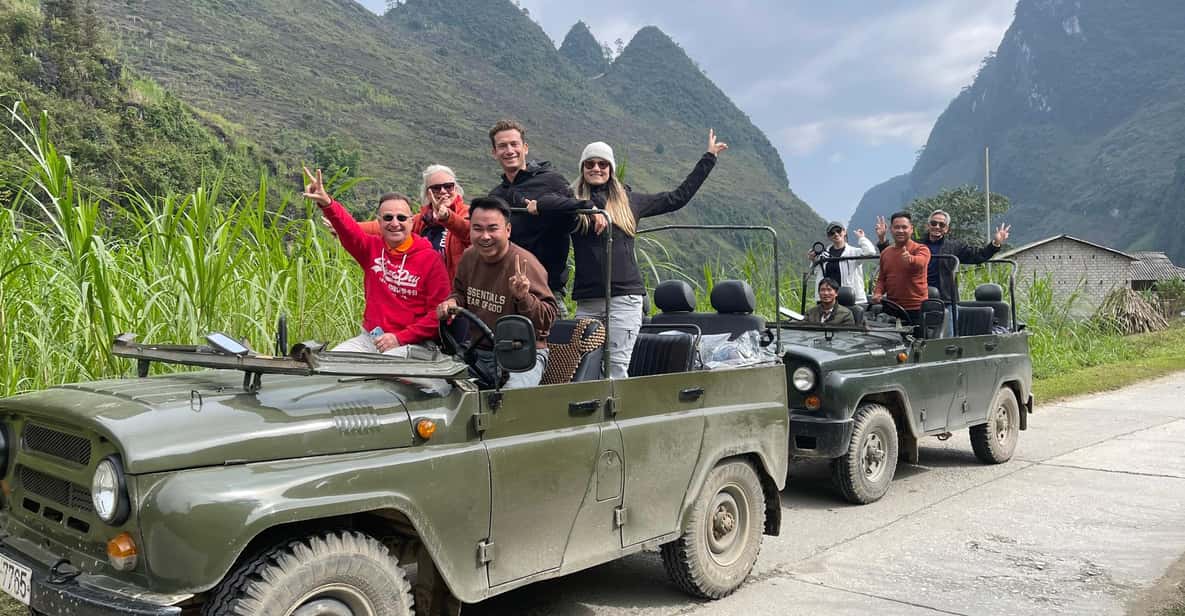
- Open-air jeep ride with panoramic sightlines and photo-friendly stops
- O Quy Ho village viewpoint for high-altitude panoramas
- Ban Khoang + Ta Giang Phinh secret-village style countryside experience
- Valley rice terraces scenes along the route (especially around Ban Khoang)
- Backroad driving that includes time to observe local daily life
- English-speaking guide + audio guide to help you understand what you’re seeing
Sapa by open-air jeep: what the ride feels like
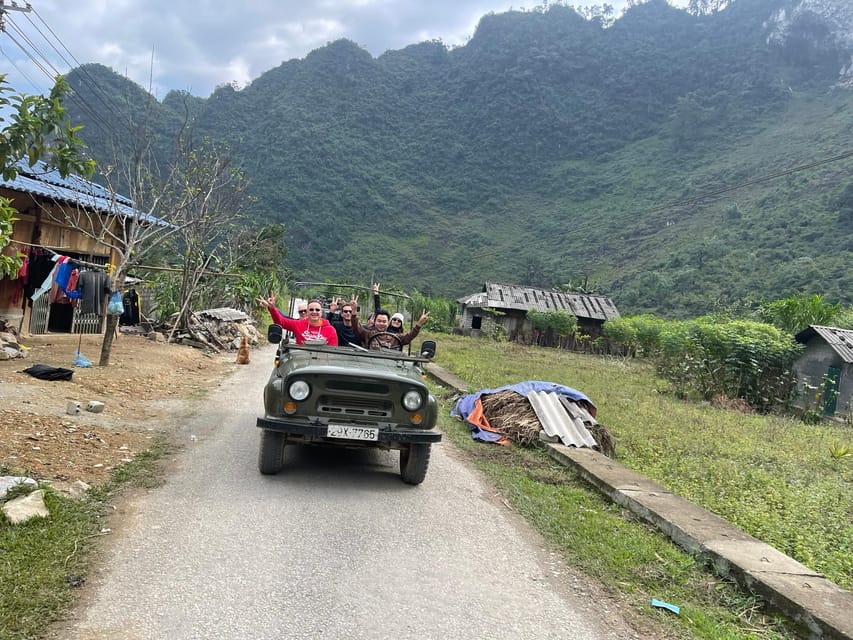
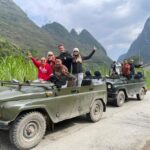
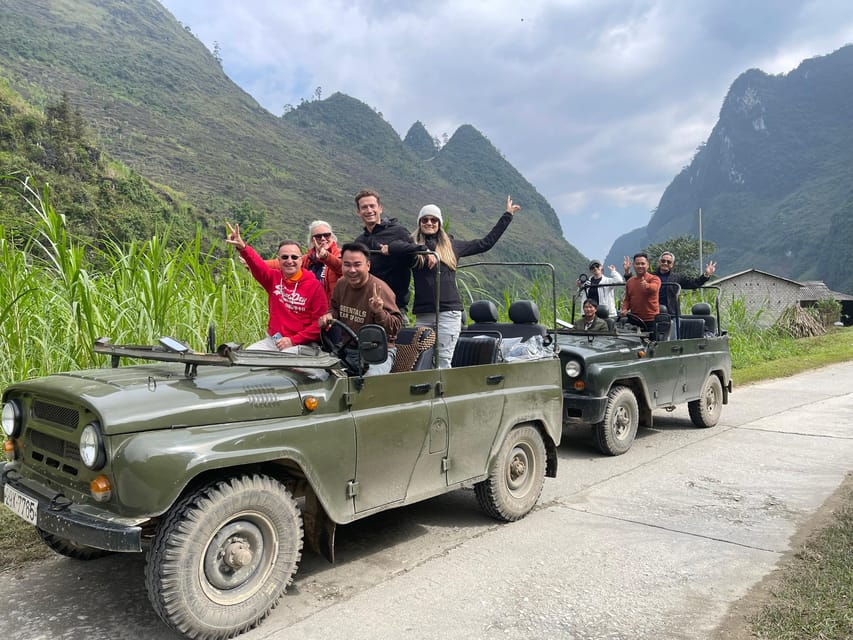
This is not a sit-and-watch tour. You’re on an open-air jeep, which matters in Sapa because the weather can change fast and the mountain air gives you that “you’re there” feeling. You’ll get broad views on both sides of the road, so even the drive becomes part of the experience.
What makes the jeep format smart for value is the combination: you’re paying for transport plus guide time, and the route is designed to chain together viewpoints, village areas, and scenic stops without you having to figure out roads or timing. The tour also includes water during the ride, which sounds small, but it helps on a day where you’ll likely be walking a bit and stopping for photos.
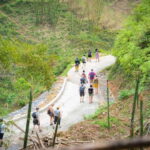
Bring real traction in your shoes. The tour includes walking time (including scenic strolls on the way to village stops), and Sapa’s ground can be slick or cold. Also bring a camera—you’ll want it. The big moments come from being high enough to see the valley spread out.
You can also read our reviews of more tours and experiences in Sa Pa.
Meeting at Notre Dame Cathedral and why that matters
Your starting point is right in central Sapa: you meet at Notre Dame Cathedral, opposite Sapa Square and near Hotel de la Coupole – MGallery. That’s useful because you’re not forced into a long transfer before the fun starts.
If you’re staying outside the Sapa town center, the tour notes that you may be picked up at your hotel or you’ll meet at the central church area. Either way, keep some flexibility in your morning schedule so you don’t stress about being on time. A tight schedule and mountain driving don’t mix well.
A small but helpful detail: the guide will give you a brief about the itinerary before you start. It helps you understand the order of the route so the viewpoints and village time land with context, not as random stops.
Rolling past French colonial Sapa before the climb
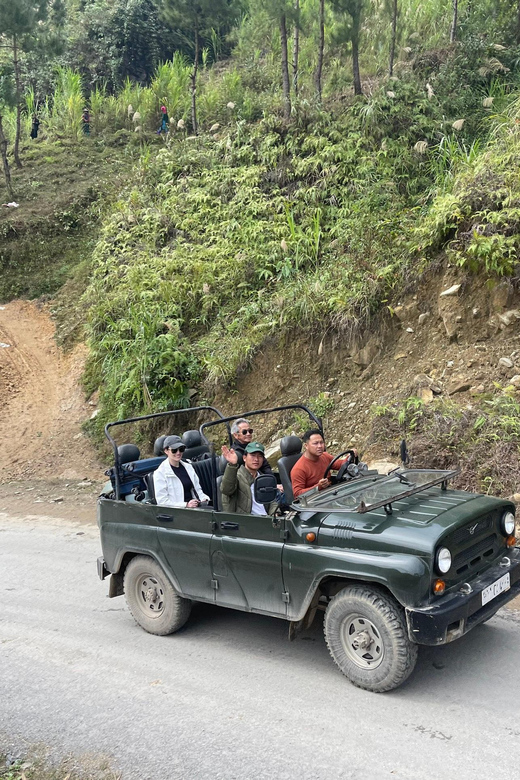
One of the more charming setup details is the way the drive begins. The jeep takes you past Sapa’s architecture, including French colonial houses, before heading up toward the high-altitude area.
That first stretch is more than scenery. It’s a quick way to see how Sapa’s town grew, then it acts like a warm-up before the road turns steep. If you’re arriving from somewhere flatter, you’ll feel the altitude shift as the route climbs, even before you reach the main viewpoint.
This part also sets up the photo rhythm. You’ll likely see photogenic buildings in the early portion of the day, then later switch to valley panoramas. Having your camera ready from the start saves you time when the light turns good.
O Quy Ho village: the high-altitude panorama stop
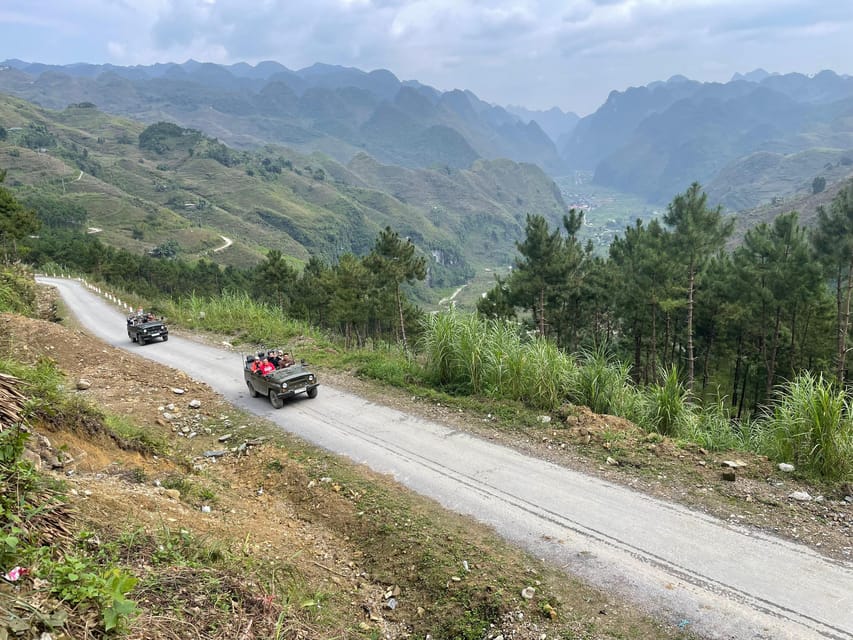
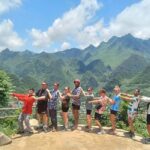
The big climb is part of what makes this tour stand out. The jeep driver goes up toward O Quy Ho village, which is described as the highest altitude on the route, with panorama views that can include views across the valley.
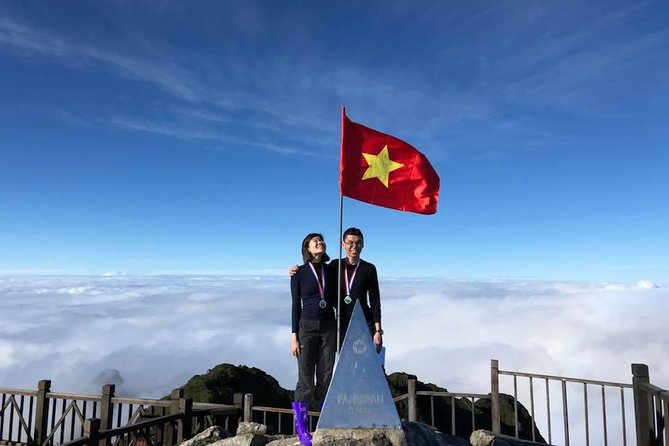
On a clear day, you may also see Fansipan Peak from a viewpoint stop on the way. That’s one of the reasons people book this kind of route: it’s not just village hopping. You’re paying for access to viewpoints that don’t feel reachable if you’re on foot or relying only on public transport.
How to plan for the stop: treat it as a photo moment first, walk second. The best views tend to happen when you’re standing still for a minute and letting your eyes adjust. If it’s windy or cold, don’t fight it—take your photos quickly, then warm up and move on. The cold-day guidance is real here, and you’ll enjoy the day more if you dress for it instead of hoping you’ll “tough it out.”
Ta Phin and the guided village rhythm
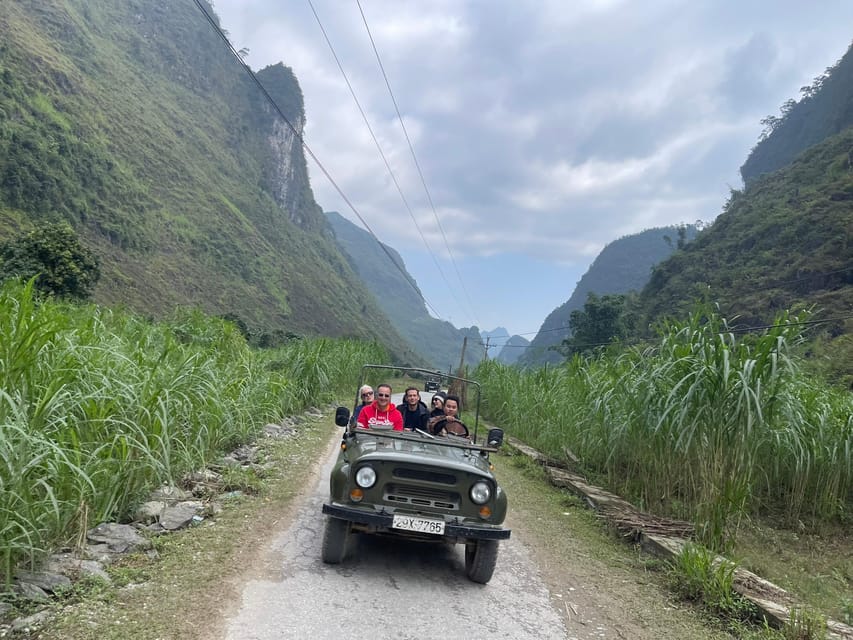
Your itinerary includes time at Ta Phin, listed with a photo stop, visit, guided tour, and sightseeing walk, plus scenic views on the way. This is the segment where you slow down from driving and start getting answers to the everyday-life questions you’ll have while you’re in the region.
I like this approach because it balances the day. After high viewpoints, you get grounded again. Village visits help you understand what you’re looking at from above—rice terraces, valleys, and mountain settlements aren’t just scenic. They’re homes and livelihoods.
A practical note: village stops can be chilly and you may walk uneven ground. Wear comfortable clothes you don’t mind getting dusty or damp, and bring warm layers if you’re going in cooler months. The tour specifically reminds you that on cold days you’ll want warm clothing.
Vintage car stop: a quirky photo break
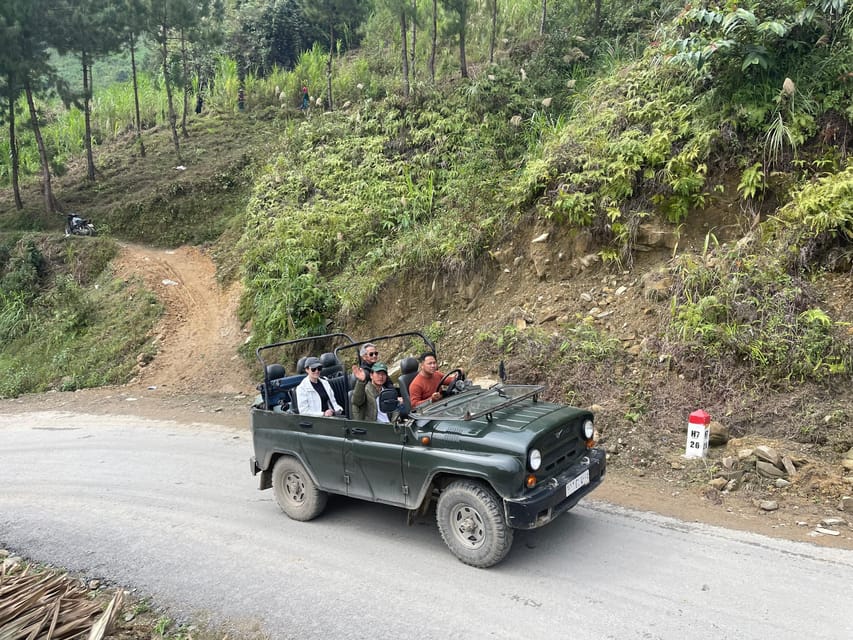
There’s also a Vintage car stop on the itinerary. The listing doesn’t go deep into details here, but it’s clearly planned as a dedicated moment in the schedule—often the kind of break that lets you reset, take photos, and let the day break up into smaller chunks.
I’d treat it as a bonus, not the main reason to book. The core value is still the backroad jeep driving plus the village and rice-terrace experiences. If the weather is good, the vintage car stop adds variety. If visibility is poor, it’s still a quick way to have a fun, different photo moment without depending on perfect mountain views.
Ban Khoang valley rice terraces: where the crowds thin
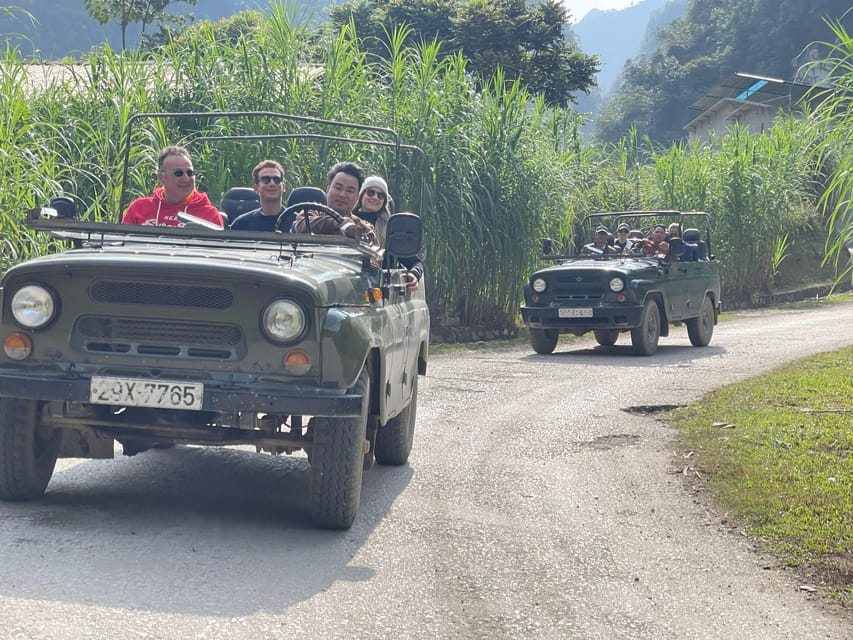
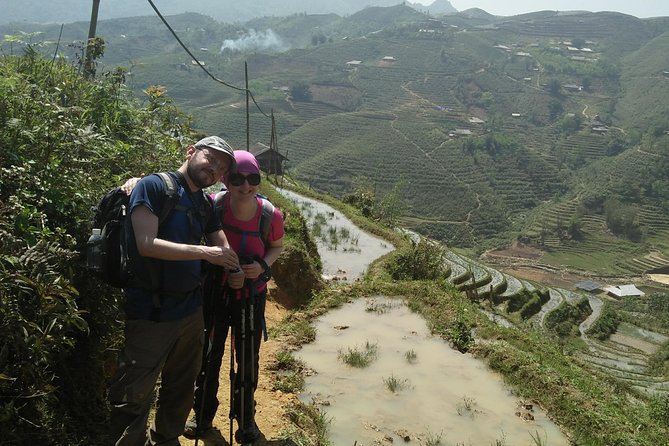
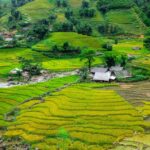
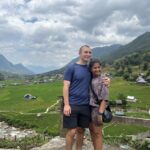
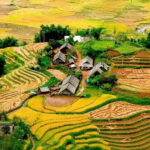
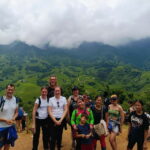
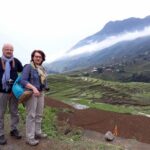
This is one of the most distinctive parts of the tour. The route includes a visit to Ban Khoang, with the highlight calling out the valley of terrace rice paddies fields.
When a tour says you’re visiting a valley rice-terrace area where “very little tourist” know about it, what that usually means in practice is this: you’ll spend time looking at farmland and village edges from angles that don’t feel staged for mass tourism. You’re more likely to notice details—how people use the terrain, where paths cut between fields, and how the valley’s shape shapes daily life.
You’ll also likely feel a difference in pacing. Instead of rushing through one photo spot, the route is structured so Ban Khoang gets time to breathe. That helps you take photos that feel like places, not like backdrops.
And yes, it can be chilly or damp here too, depending on the day. Wear shoes you trust for walking and keep your camera secure if the jeep ride kicks up mist or light drizzle.
Ta Giang Phinh: another secret-village perspective
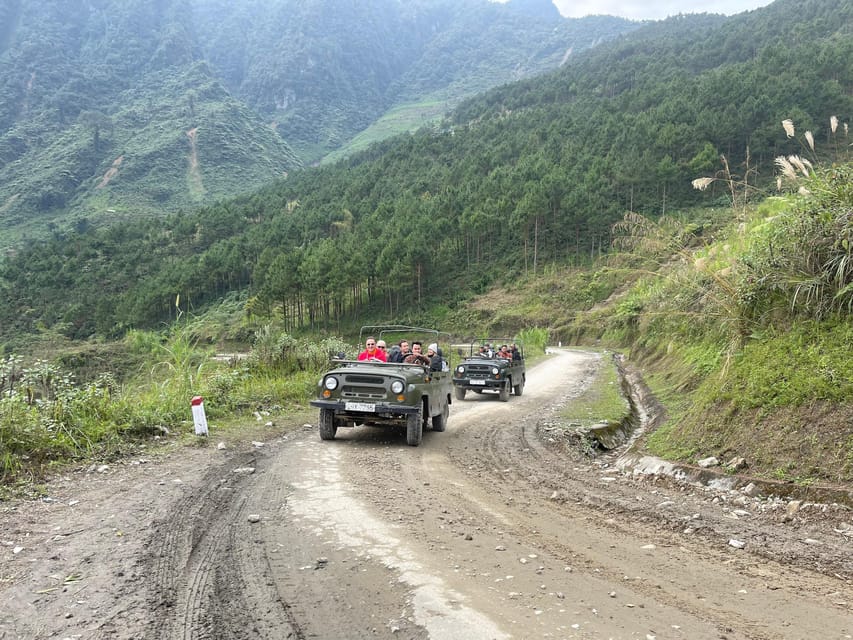
The tour also takes you to Ta Giang Phinh as one of the “secret villages.” Like Ban Khoang, it’s positioned as part of the quieter valley experience—less about big-ticket sights and more about seeing how people live close to the terraces.
This kind of stop is valuable because it’s usually what turns a sightseeing day into a cultural day. Terrace scenery can look similar from one viewpoint to another, but each village area has its own rhythm—how you move through paths, where you can see daily activity, and what you learn from the guide as you walk.
If you’re traveling with someone who gets bored by constant driving, the village time is your payoff. It gives you a reason to get out of the jeep more than once.
Backroads and local family culture: the real reason to choose this route
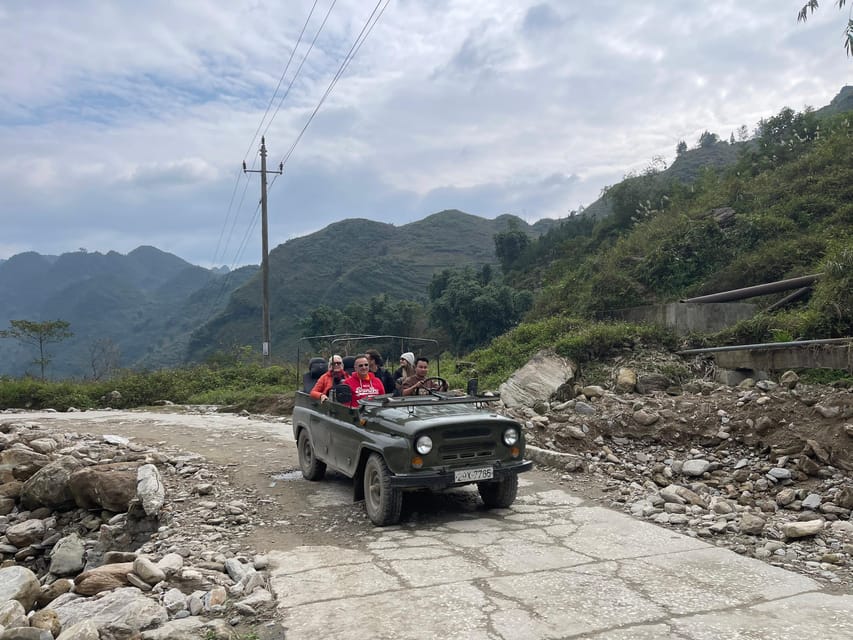
The tour description promises time where the driver goes through backroads and you can learn local culture by seeing local family life along the way.
I like this emphasis because it signals a different kind of travel: less checklist, more observation. When your day includes high viewpoints and time with people in the middle of everyday routine, you come back with a fuller understanding of the region—not just photos of the sky and peaks.
Also, English matters here. The tour includes an English-speaking guide, plus an English audio guide. Even if you only catch parts of the explanation, the guide helps you connect what you’re seeing: valley shape, village placement, terrace farming, and the logic of where roads run.
Price and what you’re really paying for ($86 per person)
At $86 per person, this tour is positioned as a value “transport + guide + access” day rather than a cheap basic transfer.
Here’s why I think it’s worth considering:
- You get a professional jeep driver and fuel included.
- You get an English-speaking guide plus audio guide support.
- You get entrance fees for village visits handled.
- You get water during the tour.
If you tried to copy the experience on your own—finding a jeep, paying for fuel, figuring out route timing, and lining up village entry—your costs and stress would likely climb quickly. The main question is weather. If visibility is good, the viewpoint payoffs can justify the cost. If not, you’ll still have village time, but the big panoramic moments may feel muted.
Bottom line: if you care about views and village culture in one day, the price fits the mix. If you only want viewpoints and you’re traveling in a fog-prone period, you might be happier with a more flexible, weather-friendly plan.
Weather and visibility: the December fog reality check
This is the one element that can change your day more than anything else: visibility.
One of the key lessons here is simple—if Sapa is foggy or low cloud sits over the valley, high-altitude viewpoints may not deliver the view you booked for. Even the best route can’t punch through weather. When that happens, you may still enjoy the village visit side of the itinerary, but the panoramic payoff from O Quy Ho and the hope of seeing Fansipan Peak can fall flat.
So what should you do with this info? Plan with realistic expectations:
- Choose a day when the forecast looks clearer, if you can.
- Bring warm layers regardless; cold + wet is common at elevation.
- Don’t let a bad visibility day ruin your attitude. Treat it as a cultural route with scenery that just happens to be missing one ingredient.
Photo and comfort tips that make the day easier
You’ll enjoy this tour more if you pack smart and keep your body comfortable.
Bring:
- Comfortable shoes (you’ll walk)
- Sunglasses and sunscreen (even in cooler weather)
- A camera
- Warm clothes if it’s cold
- Cash if you want to buy or spend anything during the day
Also note what’s not allowed: firework. That’s not something most visitors will ever bring up, but it’s good to know the rules are strict.
A small practical tip: you’ll make more and better photos when you’re not juggling too many things. Keep one small bag for essentials, then use pockets for what you need at viewpoints. When the jeep stops, you’ll want both hands free fast.
Who should book this Sapa open-air jeep backroad tour
This tour fits best if you:
- Want off-the-beaten-track village areas rather than only town sightseeing
- Like the idea of being driven to high viewpoints in an open-air format
- Want both big views and cultural stops, including terrace farming areas like Ban Khoang
- Prefer an English-guided day with entrance fees and driving handled for you
It might be less ideal if you:
- Can’t handle cold or walking on uneven ground
- Are visiting during heavy fog seasons and only want peak views
- Need special mobility accommodations beyond what the listing mentions as wheelchair accessible
Also, the tour notes it’s not suitable for people over 95 years, so check your group’s comfort level with the road and walking time.
Should you book it? My decision guide
I’d book this tour if you want a balanced Sapa day: Muong Hoa Valley views, a high-altitude panorama stop up to O Quy Ho, and village time in places like Ban Khoang and Ta Giang Phinh. The $86 price makes sense because you’re buying access, driving, guidance, and village entry in one bundle.
I’d think twice if your schedule only allows you to go on the foggiest days and your main goal is seeing Fansipan Peak. In that situation, the villages can still be enjoyable, but the signature views may not show.
If you can choose your day and you dress for the cold, this is exactly the kind of route that feels like Sapa rather than just passing through it.
FAQ
Where is the meeting point for the jeep tour?
You meet at Notre Dame Cathedral in central Sapa (opposite Sapa Square and near Hotel de la Coupole – MGallery). The tour ends back at the same meeting point.
Does the tour include an English guide and audio?
Yes. The tour includes an English-speaking guide and an English audio guide.
What does the tour price include?
It includes the English guide, entrance fees for village visits, water, and a professional jeep driver with fuel.
What should I bring for comfort?
Bring comfortable shoes, sunglasses, sunscreen, a camera, comfortable clothes, and cash. Warm clothing is recommended for cold days.
What is not included in the tour price?
Beverages and personal expenses are not included.
Can I cancel if my plans change?
Yes. It offers free cancellation up to 24 hours in advance for a full refund.