REVIEW · SA PA
Sapa beautiful rice field, village – Easy walking kid,senior
Book on GetYourGuide →Operated by Sapa Original Trek Company Limited · Bookable on GetYourGuide
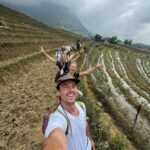
Rice terraces pull you downhill into village life. The Muong Hoa valley route plus ethnic-village stops make this day feel like you’re moving through Sapa’s living postcard. With an English guide named Ms May, the Hmong and Red Dzao culture behind the views is easier to understand.
I like that this is built for real families and aging legs: the walking is short, with a chance to switch to car time if you want to take it slower. One thing to consider, though: the afternoon trail can include short, steep downhill sections, and that can be tough for seniors or anyone who isn’t confident on loose, sloped paths.
In This Review
- Key things that make this Sapa day tour worth your time
- Where this tour fits in: Dong Bac villages without the hard-core hiking
- Your day at a glance: 8:30 start, villages, lunch, and a calm return
- Stop 1: Y Linh Ho and the Flower valley (Muong Hoa) rice terraces
- Walking reality check for kids and seniors
- Village path time: traditional wooden houses and paddy-field strolls
- Stop 2: Giang Cha village and Hmong culture in a small valley
- The cultural payoff
- Lunch: local restaurant, valley views, and a real break
- What I’d watch for
- Afternoon viewpoint walks: plateau views, bamboo, and Ta Phin valley
- Homestay stop and optional herbal bath
- Price and what you actually get for $69
- Who this tour suits best (and who should think twice)
- Practical tips that make the difference on a Sapa day
- The real star: a guide who connects people to the place
- Should you book this Sapa rice terraces and village tour?
- FAQ
- How long is the Sapa tour?
- Where does pickup happen?
- What walking distance should I expect?
- Which areas and villages does the tour visit?
- Is lunch included?
- What is included in the $69 price?
- Is the herbal bath included?
- What should I bring for the day?
- Does this tour have an English-speaking guide?
- Is the tour suitable for seniors or kids?
Key things that make this Sapa day tour worth your time
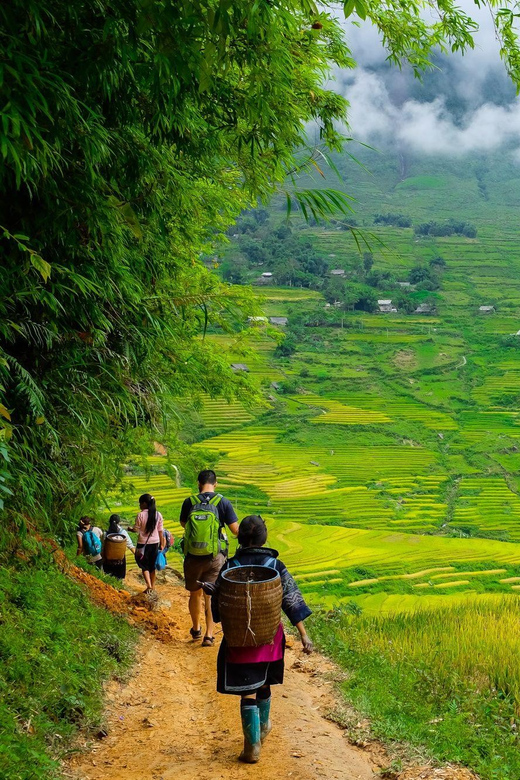
- Muong Hoa valley panorama with big rice-terrace views from the valley edges
- Ethnic village visits including Hmong areas (like Giang Cha) and Red Dzao stops (like Ta Phin)
- Short walking distances (about 3–5 km) that fit kids and seniors better than most Sapa treks
- Real cultural context, with guidance on Hmong and Red Dzao life and a look at a local school
- Flexible pacing—you can stay in the car for parts to reduce walking
- Lunch with a valley view, plus water included for the day
Where this tour fits in: Dong Bac villages without the hard-core hiking
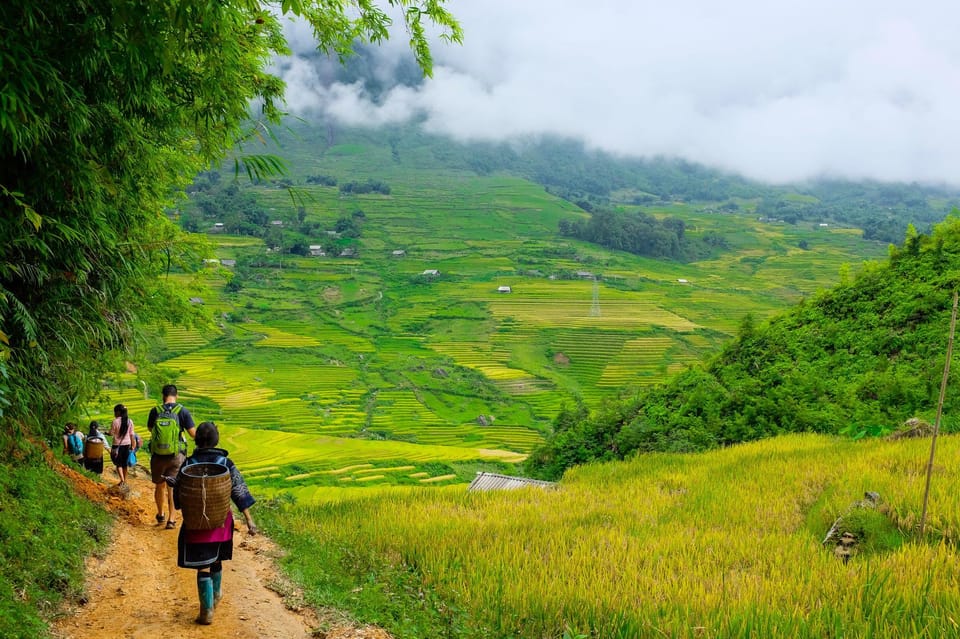
Sapa is famous for rice terraces, but the best days are the ones that pair scenery with context. This 7-hour private tour focuses on the valleys and villages that surround town—especially Muong Hoa valley, plus Lao Chai and Ta Phin areas—without demanding all-day stamina.
The “value” is not just the price. It’s the way the day is paced. You start with a short downhill walk to the Flower valley side of Muong Hoa, then you shift to car transfers between village pockets, and later you do another light walk for viewpoint time. That means you’re spending your energy on the best stretches, not burning it climbing and descending nonstop.
If you’re traveling with a kid, you’ll appreciate that the walking segments are broken up by car time and viewpoints. If you’re traveling with a senior, you’ll appreciate the built-in flexibility to enjoy the scenery without committing to every footpath.
You can also read our reviews of more walking tours in Sa Pa
Your day at a glance: 8:30 start, villages, lunch, and a calm return
Pickup is around 8:30 AM from central Sapa hotels (not far-flung village stays). The tour is private, so your guide can manage the pace for your group.
A typical timing flow looks like this:
- Morning: Y Linh Ho area down into Muong Hoa valley for rice terrace views and village paths
- Late morning: drive to Giang Cha (Hmong ethnic village) and walk through terrace scenery
- Midday: lunch in a local restaurant with valley views
- Afternoon: short walks for plateau and Ta Phin valley viewpoints, plus a homestay stop
- Finish: back to Sapa around 3:00–4:00 PM
It’s scheduled to feel like a long morning adventure and a gentler afternoon. That balance matters because Sapa can be deceptively tiring, even when you walk “easy” routes.
Stop 1: Y Linh Ho and the Flower valley (Muong Hoa) rice terraces
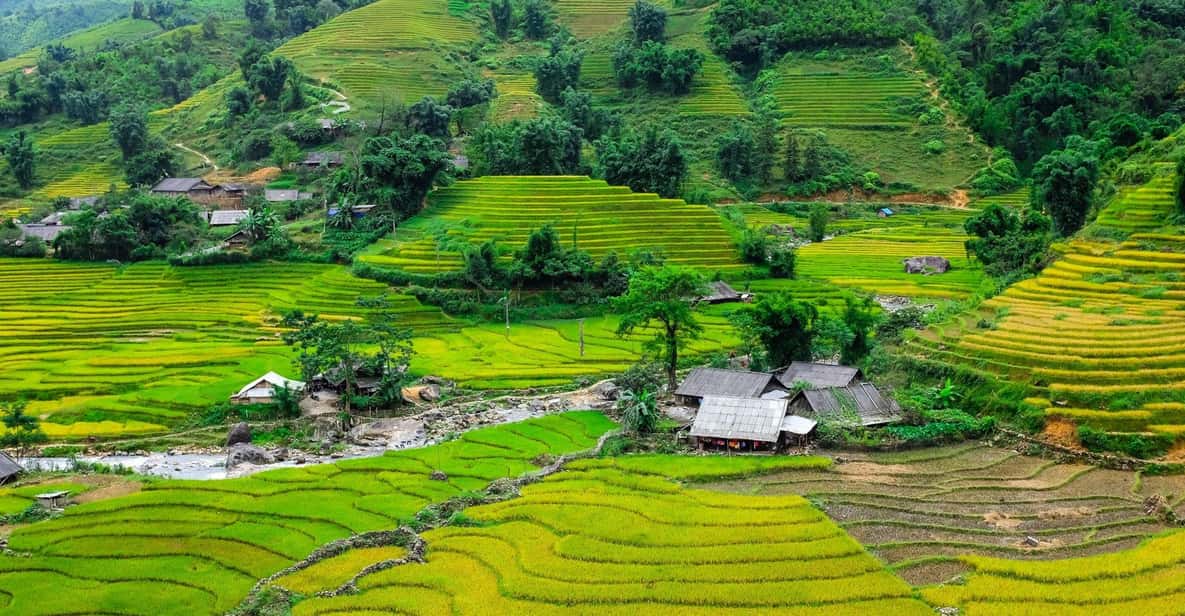
This is where the day starts earning its reputation.
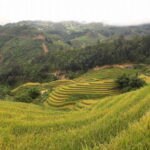
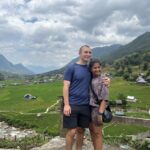
You’ll be picked up in Sapa and driven to Y Linh Ho. From there, you walk down toward the Flower valley area of Muong Hoa valley. The key point here is that the views are not something you get only at the top of a climb. You get them while moving along paths that give you valley and mountain panoramas around you.
What you’re aiming for in this segment:
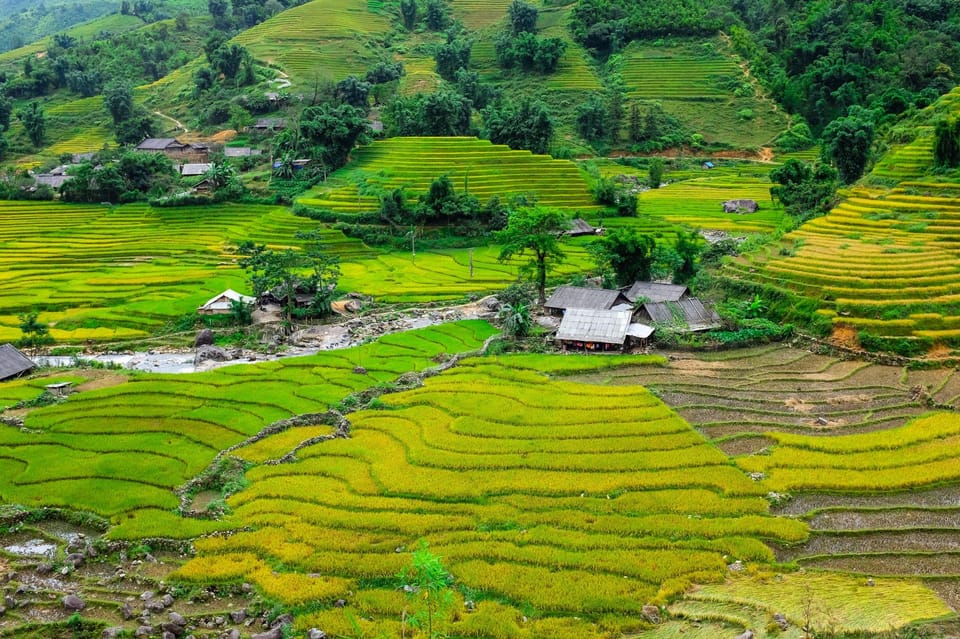
- Big rice terrace views showing how the valley layers are farmed
- Fresh mountain air that cools you off early in the day
- A sense of how villages sit alongside working terraces, not isolated inside tourist bubbles
This part also includes a stop at a local house where your guide shares information about the Hmong and Red Dzao ethnic communities. You may also see a school for ethnic children. That’s a meaningful touch. Without it, it’s easy to see terraces as scenery only. With it, you start seeing them as a way of life.
Walking reality check for kids and seniors
This morning walk is designed to be manageable. Still, the word easy doesn’t mean flat. You’ll likely be on uneven footpaths with some steps and dirt underfoot. Bring sports shoes you trust and keep an eye on little ones’ footing.
Village path time: traditional wooden houses and paddy-field strolls
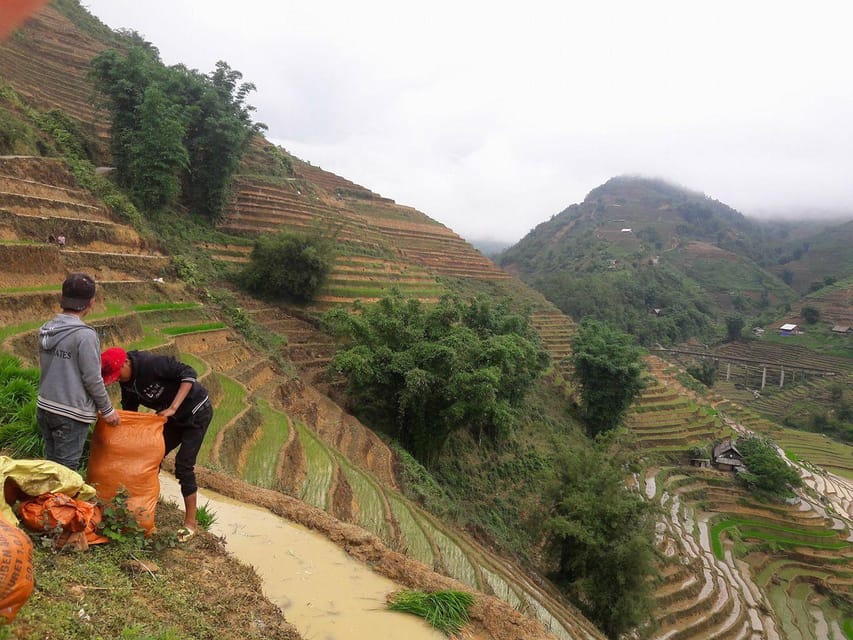
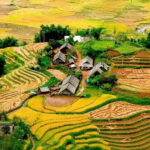
After the house stop, you move through village lanes and small paths. The focus is on being close to daily life: walking near traditional wooden houses and through areas that sit beside rice paddies.
This is one of those moments that feels simple, but it’s hard to fake. The best part isn’t a specific photo spot. It’s the slow, close-up experience of how the village and the terraces connect—air, work, and daily movement all at once.
If you’re with a kid, this is where they can stretch their legs without feeling like they’re on a long-distance hike. If you’re with a senior, this section can be timed carefully, with frequent breaks and the chance to let your guide steer the pace.

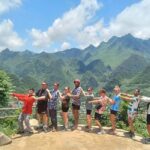
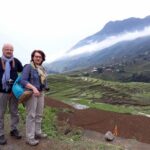
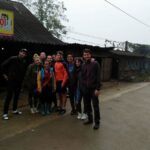
Stop 2: Giang Cha village and Hmong culture in a small valley
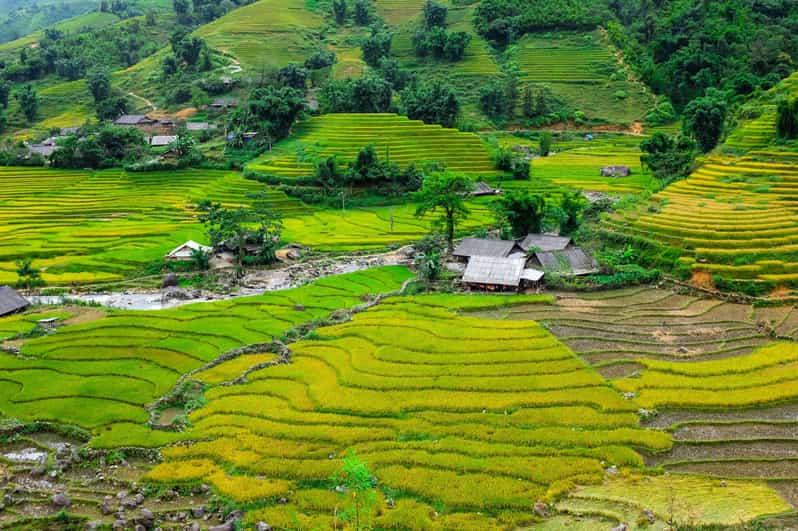
Next comes the drive to Giang Cha village, a Hmong ethnic community tucked into a smaller valley setting. Here, the terrain stays valley-based—so even when you walk, the scenery keeps paying you back.
You’ll have time to:
- Look at a traditional wooden house and the way it’s used within village life
- Walk through or alongside rice terrace scenery in the village area
This stop works well after Muong Hoa because it keeps the theme coherent: rice terraces plus how people live beside them. You’re not flipping between totally unrelated stops. The day stays anchored in one region’s rhythm.
The cultural payoff
Your guide’s explanations are what turn it from sightseeing into understanding. If you like history, this is the kind you can feel: family life, farming patterns, and the way ethnic groups are rooted in specific mountain valleys.
Lunch: local restaurant, valley views, and a real break
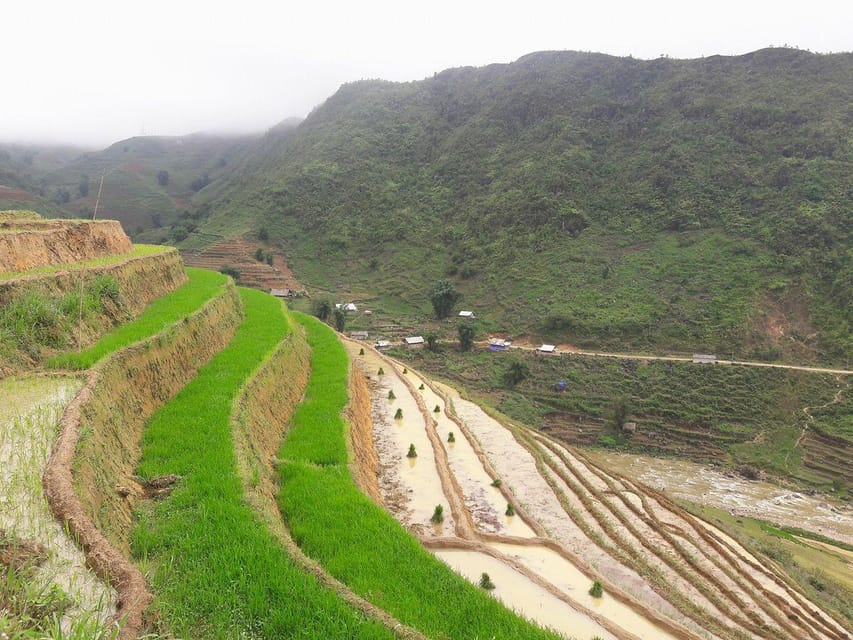
Lunch happens around 12:30–13:00 at a local restaurant with a view of the valley. That matters because in Sapa, a break isn’t just about food—it’s about resetting your energy and letting the group re-group.
Since lunch is included and 1 liter of water per person is provided, you won’t be constantly hunting for snacks or drinks mid-journey. That’s one less thing to stress over with kids and seniors.
What I’d watch for
Lunch is a planned stop, but conditions can change with weather. If it’s raining, the roads and walking paths can feel slippier. Keep your rain gear ready and consider keeping your shoes dry if you can.
Afternoon viewpoint walks: plateau views, bamboo, and Ta Phin valley
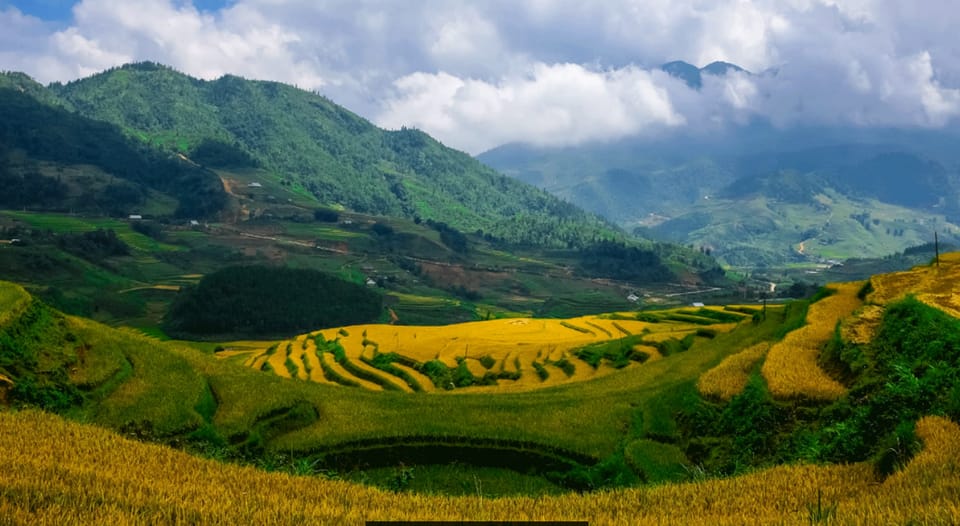
After lunch, you head to another section where the walking is light but the payoff is big.
You’ll walk down to a plateau area for a wide panorama of a small valley, and you’ll pass through areas including bamboo jungle. Then you shift toward Ta Phin valley, where the tour highlights Dzao ethnic life.
This part is where the “easy” label can vary a bit by your exact path route and how you feel that day. The overall distance remains short, but there can be downhill sections that feel steeper than they look on a map.
That’s the main caution I’d give to seniors:
- If you’re 76 or you have limited confidence on steep downhill dirt paths, plan for more car time during the afternoon portions.
- If your group prefers flat walking, you should ask your guide to stick to gentler sections where possible.
Homestay stop and optional herbal bath
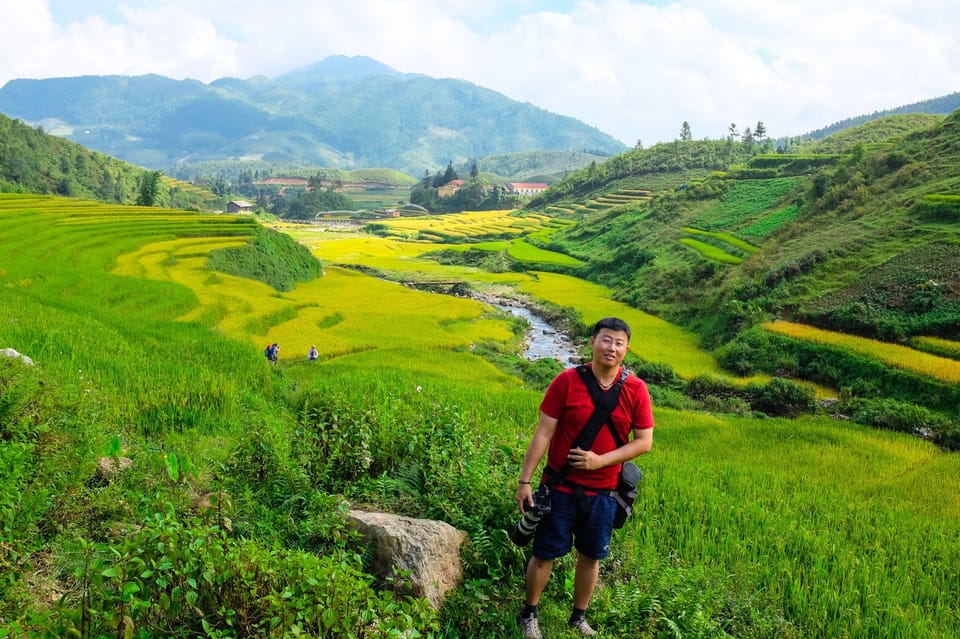
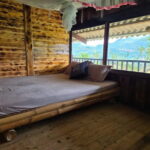
Later in the day, you’ll visit a local homestay. This is a chance to slow down and see the home base side of the community experience.
There’s also an optional traditional herbal bath. You should note two things clearly:
- It’s not included in the tour price
- If you do it, you’ll pay for it separately
For people who walk all morning and part of the afternoon, an herbal bath can be a nice recovery idea. For anyone who prefers to keep the schedule simple, you can skip it and just enjoy the homestay visit.
Price and what you actually get for $69
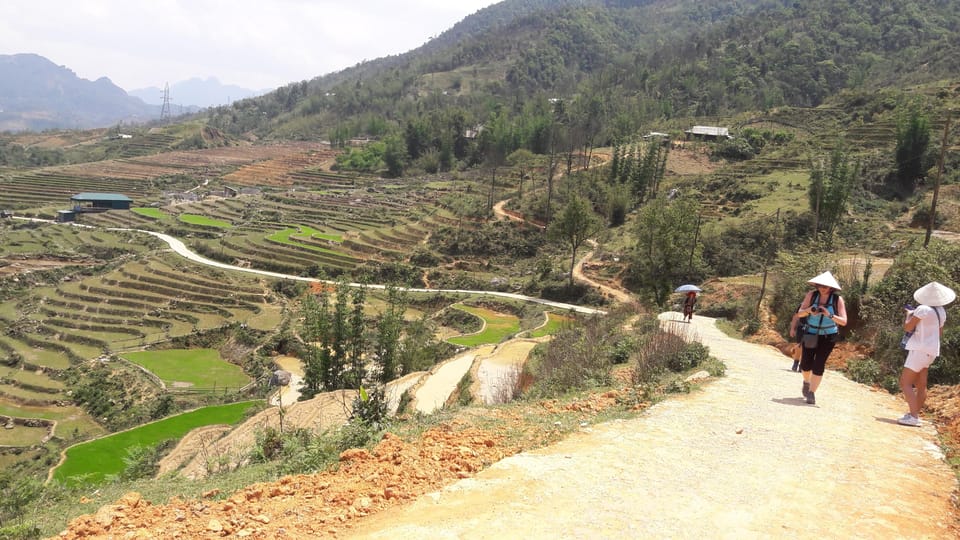
At $69 per person, this tour is competing in Sapa’s budget-to-mid range. What makes it feel like good value is the package structure:
- An English-speaking guide
- Private car transport that follows the program
- Entrance fees
- Lunch
- Water (1 liter per person)
The private element matters. It usually means less waiting around with strangers and more flexibility in pace. And in a tour like this, flexibility is not a luxury—it’s the difference between an enjoyable day and a stressful one when you’re managing kids or older relatives.
If you try to piece it together on your own, you might save money on paper, but you’d be doing more coordinating for transport, timing, and interpretation. Here, you’re paying to let someone else handle the sequence and the context.
Who this tour suits best (and who should think twice)
This tour is a great fit if you want:
- Rice terraces and mountain views without committing to a full-day hard trek
- Village visits that are structured and explained
- A plan that’s friendly for kids and seniors
- A flexible option to reduce walking by staying on the car during parts of the route
It may be less ideal if:
- Your group struggles with downhill walking, especially later in the day
- You want a completely flat walk with zero uneven ground
- You’re hoping for lots of shopping or long indoor museum-style culture stops (this day is outdoors and village-based)
If any of the above is true, don’t assume you can’t do it. Just set expectations early with your guide and plan to use the car option when needed.
Practical tips that make the difference on a Sapa day
You’ll get the best experience if you pack smart and move smart.
Bring:
- Hat (sun when it clears, and protection in general)
- Rain gear (Sapa weather can shift fast)
- Sports shoes (grip matters more than fashion)
- Camera (because the terrace views are the whole point)
- Cash (for optional items like the herbal bath and any personal purchases)
A simple travel trick: keep water and snacks sorted. You already get water included, but kids and seniors sometimes need a little extra comfort between stops. Having a few small snacks can save your mood when the day runs slightly long.
Also, aim to travel light. You’ll carry your own essentials while you walk, even if the walking segments are short.
The real star: a guide who connects people to the place
One of the strongest parts of this tour is the guide experience. The English guide named Ms May is highlighted for being friendly and informative, and that’s exactly what you want in Sapa.
Because the region’s ethnic groups and village life are not something you can fully understand from photos. Your guide helps you connect what you see—wooden houses, terrace farming, school life, and daily rhythms—to the people living there.
In other words: you don’t just collect views. You understand why those views exist.
Should you book this Sapa rice terraces and village tour?
Book it if you want an easygoing, well-structured Sapa day that hits the most photogenic rice terrace areas around town while still giving you meaningful village context. At 7 hours, with lunch and water included, it’s a solid length: long enough to feel like a true excursion, short enough to stay comfortable for kids and seniors.
Think twice (or plan extra flexibility) if your group is sensitive to steep downhill sections, especially later in the afternoon. The good news is the tour includes a practical way to manage this: you can stay on the car for parts and enjoy the scenery without pushing every step.
If you’re aiming for value, comfort, and real village storytelling along the way, this is the kind of tour that makes Sapa click fast.
FAQ
How long is the Sapa tour?
The tour duration is listed as 7 hours.
Where does pickup happen?
Pickup is included from hotels in central Sapa town (not hotels in villages). It also references options including Notre Dame Cathedral.
What walking distance should I expect?
The tour describes easy walking of about 3–5 km, and it also notes that you can choose to do even no walking and enjoy the view from the car.
Which areas and villages does the tour visit?
The itinerary includes Y Linh Ho and Muong Hoa valley, plus Lao Chai and Ta Phin areas. It also mentions Giang Cha and Taphin/Ta Phin village stops.
Is lunch included?
Yes. Lunch is included in the tour price.
What is included in the $69 price?
Included items are an English speaking guide, lunch, entrance fee, 1 liter of water per person, and transport by private car following the program.
Is the herbal bath included?
No. The traditional herbal bath is optional, and you pay for it yourself.
What should I bring for the day?
Bring a hat, camera, rain gear, sports shoes, and cash.
Does this tour have an English-speaking guide?
Yes, the live tour guide is listed as English.
Is the tour suitable for seniors or kids?
It’s designed as an easy walking experience for seniors and kids, with flexible options to reduce walking by staying in the car for parts of the route.