REVIEW · SA PA
From Sa Pa: One Day Fansipan Mountain Trek
Book on GetYourGuide →Operated by Vietnam Nomadtrails · Bookable on GetYourGuide
Fansipan in one day is no small feat. This is a demanding 28 km round-trip trek from the Tram Ton Pass into tropical rainforest, ending at Vietnam’s highest peak at 3,143 m. I like that the group is handled well from pickup to drop-off, and I also like the practical inclusions like water, an English-speaking guide, and park fees. The main drawback: it’s not a gentle walk, and weather can shut it down when rain turns the route slippery.
The timing is built for sunrise-to-sunset hikers. You’ll usually start around 6:00 AM, reach the summit around 11:30 AM to 12:00 PM, then choose either a cable car descent or the full trek back. If you’re prone to altitude issues or you hate heights, this is not your day.
In This Review
- Key Things to Know Before You Go
- The Roof of Indochina Starts at Tram Ton Pass (Not in Town)
- Pace, Distance, and the Real Work of a One-Day Summit Hike
- The Trek Through Bamboo and Rainforest: What You’ll Feel Along the Way
- Reaching Fansipan: Summit Timing and the View Reality Check
- Lunch and Breaks: Small Comforts on a Long Climb
- Two Ways Down: Cable Car vs Trekking Back to Tram Ton Pass
- Gear and Safety: What to Bring for Slippery Steps and Steep Climbing
- Price and Value: Is $79 Fair for What You Get?
- Who This Trek Suits Best (and Who Should Skip It)
- Quick Practical Notes That Make the Day Easier
- Should You Book the One Day Fansipan Mountain Trek?
- FAQ
- What distance and time should I expect for the trek?
- What time does the trek start?
- Where is the trek starting point?
- Is pickup and drop-off included?
- What’s included in the price?
- What is not included?
- Do I have to take the cable car down?
- Is lunch vegetarian-friendly?
- Is the trek suitable for children or older adults?
- What happens if it rains heavily?
Key Things to Know Before You Go
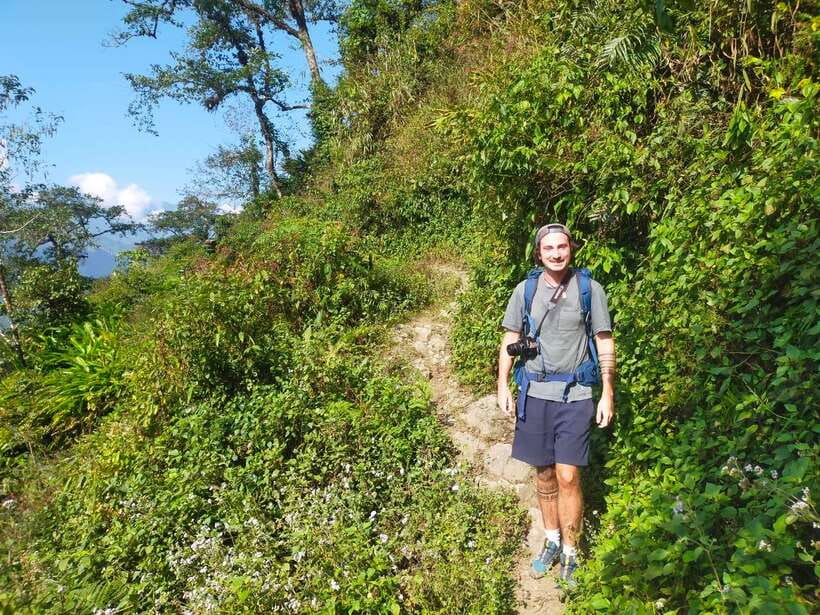
- Tram Ton Pass start (1,994 m): You begin already at elevation, then climb hard for the summit.
- Real hiking distance: Expect about 28 km round-trip over 9 to 10 hours.
- Summit is timing-sensitive: You aim for views around late morning, but fog can cover everything.
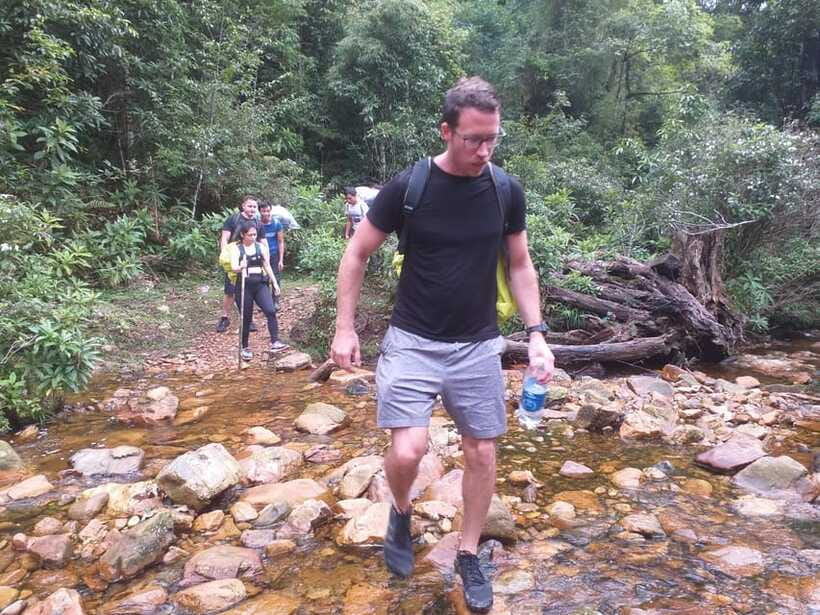
- Forest trekking with stream crossings: Dense bamboo and rain-forest sections are part of the grind.
- Downhill is optional by cable car: You can save time on the way down, but tickets cost extra.
- Gear and fitness matter: Good shoes help, and the route includes steep sections with ladders/rock faces in places.
The Roof of Indochina Starts at Tram Ton Pass (Not in Town)
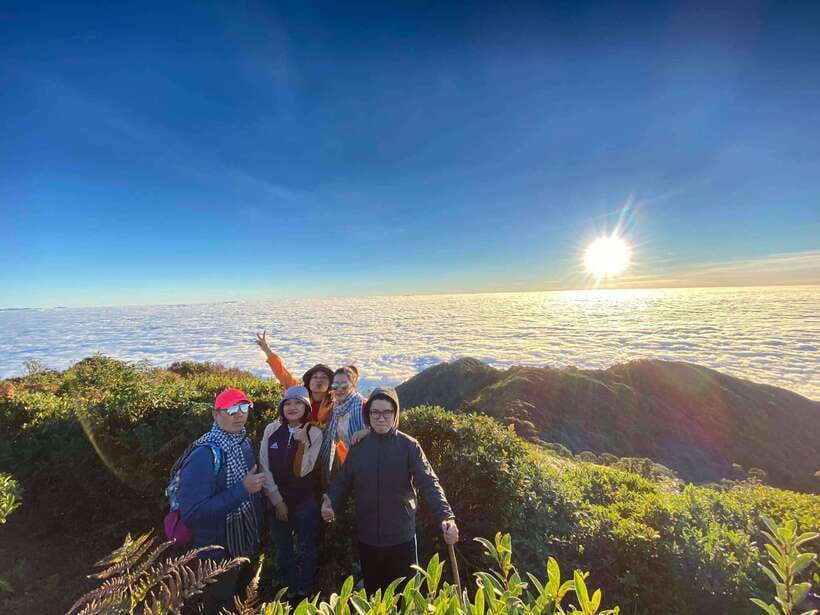
Fansipan is often described as the Roof of Indochina, and the numbers back that up: the summit sits at 3,143 meters, directly in the Sa Pa mountain area. This trek is organized around a classic mountain-hike formula: get you to a high starting point, then let you earn those panoramic views the hard way.
Your day typically begins around 6:00 AM. After an early breakfast at your own expense, you’ll transfer by car or van to Tram Ton Pass at about 1,994 m. From there, the experience shifts fast from easy logistics to serious hiking—bamboo and rainforest underfoot, cooler air as you climb, and that steady feeling that you’re going up, no matter how good your shoes look.
One more practical note: pickup is available from hotels/homestays in Sa Pa center. If you’re not in the center, you may need to meet at No 013 Tue Tinh street. Either way, drop-off returns you to the same place you started.
You can also read our reviews of more hiking tours in Sa Pa
Pace, Distance, and the Real Work of a One-Day Summit Hike
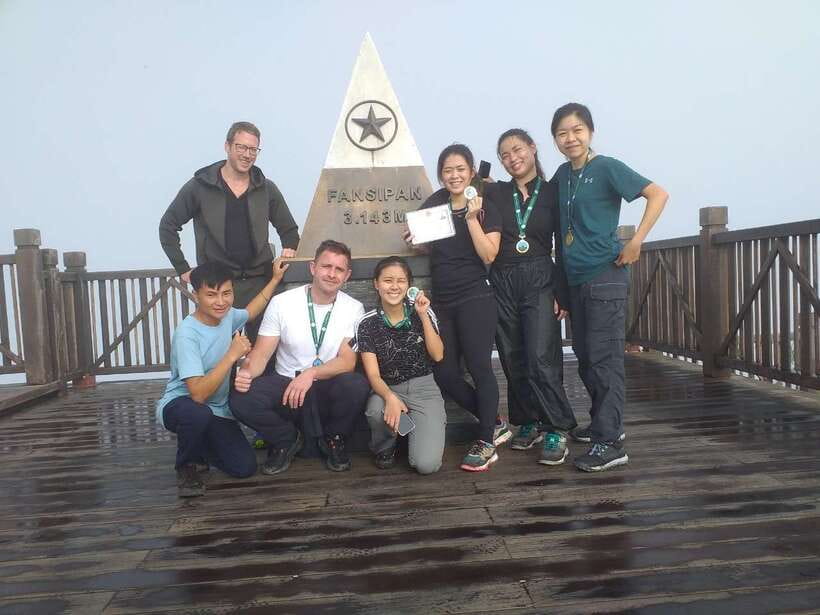
This is marketed as a one-day trek, but “one day” can mean a lot of time on your feet. The route is approximately 28 km round-trip and usually takes 9 to 10 hours trekking time. That’s a serious physical challenge even for people who hike regularly.
What I like about the way this tour is structured is that it’s honest about effort level. You’re not being carried by gondola for the main ascent. You’re climbing through dense vegetation, crossing streams, and managing steep sections until you reach the summit window around 11:30 AM to 12:00 PM.
Also, the tour is only a good match if you’re comfortable with:
- long walking hours
- steep stairs and climbs
- uneven ground
- the possibility of cold or damp conditions, especially if rain rolls in
If you’re the type who enjoys a steady rhythm, this format works well. If you need frequent breaks just to stay comfortable, plan to slow down early, not midway through the ascent.
The Trek Through Bamboo and Rainforest: What You’ll Feel Along the Way
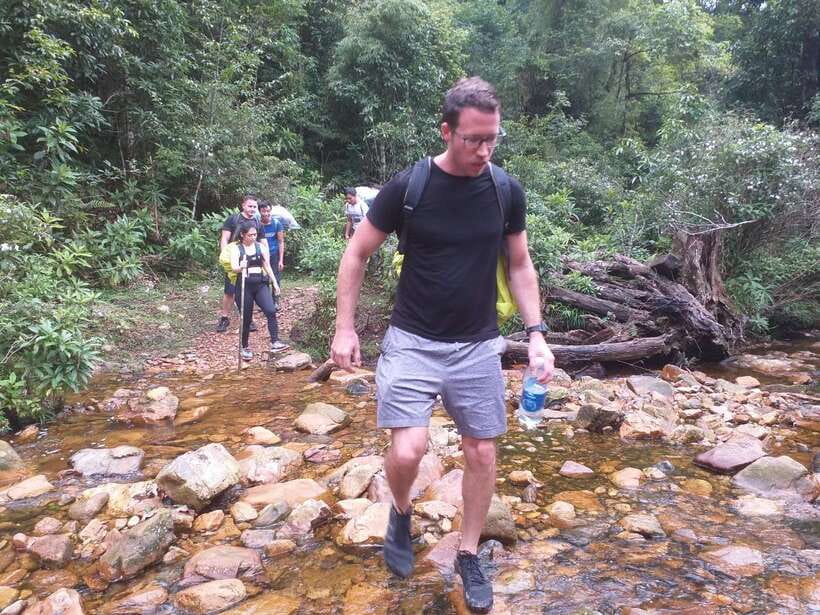
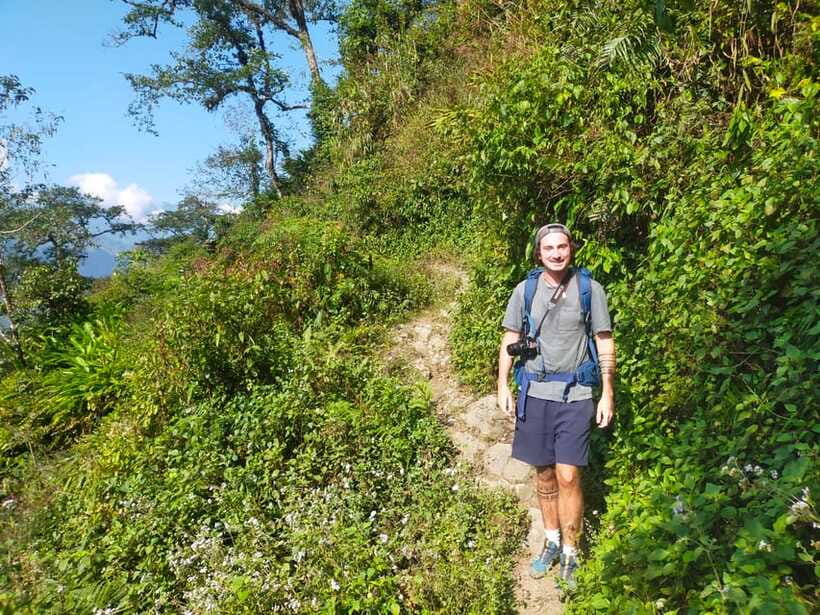
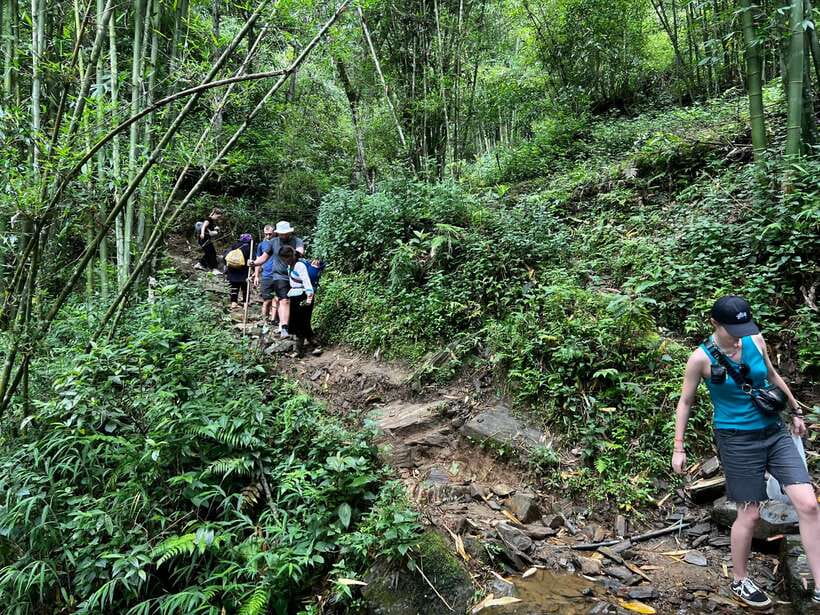
The hike is built around one big theme: vegetation changes as you climb. Starting near Tram Ton Pass, you’ll move through dense bamboo and rainforest sections that feel alive and humid in the lower parts. The higher you go, the more the air tends to feel different, and you start noticing how exposed you become in certain steeper stretches.
You’ll also cross streams, which is exactly the kind of detail you want to know before you show up with sneakers you only wear for casual errands. Your guide handles the timing and route flow, but your legs still feel every step.
You can also expect tropical vegetation and signs of local fauna, though the exact animals you see depend entirely on the day. The value here isn’t wildlife spotting—it’s that constant sense of being in a mountain ecosystem that still feels distinctly tropical.
Reaching Fansipan: Summit Timing and the View Reality Check
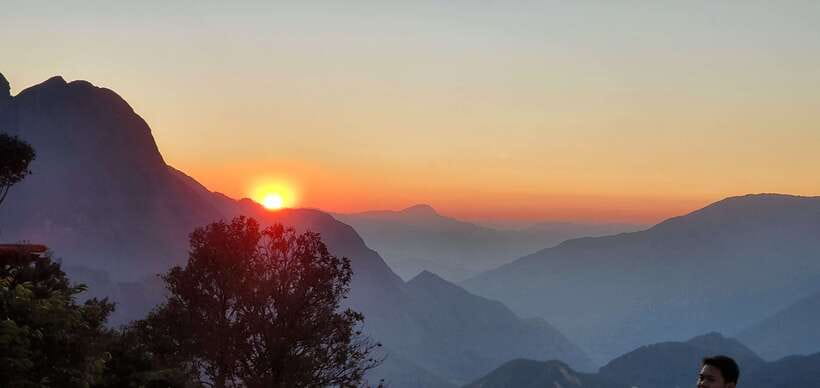
Your goal is to reach Fansipan’s summit around 11:30 AM to 12:00 PM. That’s a great time for breaks, photos, and a calmer moment to take in the bigger picture—assuming the skies cooperate.
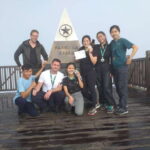
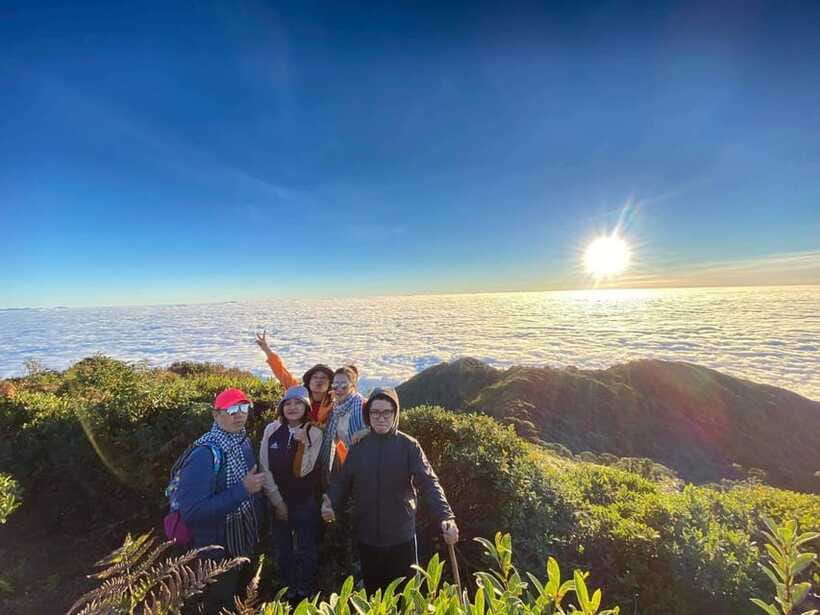
On clear days, you might even catch views toward high mountains in China. On foggy or cloudy days, the summit views can turn into a gray curtain. The good news is that this is still a meaningful experience even when visibility is poor. You’re standing on Vietnam’s highest peak, at the Roof of Indochina, and the sense of accomplishment is real even if the horizon disappears.
At the summit, the plan is straightforward:
- rest a bit
- take photos if visibility allows
- soak in the weather and surroundings
- prepare for descent
This is also where your mindset matters. If you go chasing a perfect postcard view only, you’ll risk disappointment. If you go prepared for changing weather, you’ll get something satisfying either way.
Lunch and Breaks: Small Comforts on a Long Climb
Lunch is included, and it can be normal or vegetarian. You’ll eat somewhere along the route rather than waiting until after the main climb. That’s a smart approach for a one-day trek because it reduces the chance you’ll bonk badly before the summit.
One practical heads-up: lunch quality can be impacted by conditions like temperature and how it’s packed. I suggest treating lunch like fuel, not a restaurant meal. If you’re sensitive to cold food, bring along a small snack you can eat when you feel like it, just in case.
Water is also included—2 liters per person per day—so you don’t have to carry the whole hydration burden from the start. Still, you should plan to use it steadily rather than chugging when you finally feel thirsty.
A few more Sa Pa tours and experiences worth a look
Two Ways Down: Cable Car vs Trekking Back to Tram Ton Pass
After the summit, you choose your descent strategy:
1) Cable car down to Sa Pa (ticket is extra)
This is the shorter, more energy-saving option. It’s especially appealing when your legs are already tired and you want to keep the day from stretching into a second marathon.
2) Trek back the same way to Tram Ton Pass
This keeps the experience fully hiking-based and avoids the extra cost of the cable car. Your driver then picks you up when you return to Tram Ton Pass.
A key value point: the cable car can be a big help, but it’s an additional expense you should budget for up front. It can feel pricey because it’s essentially a one-way solution for the descent. If you already know you want to limit fatigue, deciding early can make the whole day feel more comfortable.
Gear and Safety: What to Bring for Slippery Steps and Steep Climbing
The trek is physically demanding, and traction matters. The essentials listed are solid:
- hiking shoes
- long pants
- sunscreen
- comfortable clothes
- biodegradable insect repellent
- a passport or ID card
- trekking gear such as rain protection and a pack (and trekking stick can help if you use one)
In places, the route can get slippery, and you may encounter steep sections with rock faces and metal ladders. That’s not the time to test brand-new shoes or rely on sandals. If your feet aren’t stable and dry enough, fatigue becomes more than just tired legs—it becomes a safety issue.
Also, the tour can be canceled or delayed when rain is heavy. That matters because wet conditions can make steep parts more dangerous and slower. Build some flexibility into your Sa Pa schedule so you aren’t stuck with a fully booked return travel plan on a weather-sensitive day.
Price and Value: Is $79 Fair for What You Get?
At $79 per person, this trek sits in a category where you’re paying for organization plus the cost of doing it legally and safely. Here’s what’s included:
- pickup and drop-off in Sa Pa center (or the listed meeting point)
- an English-speaking guide
- national park entrance fee and Vietnamese insurance for the national park day tour
- authorization/permission
- lunch (normal or vegetarian)
- water (2L per person per day)
- a certificate honored by the National park Department
What you pay extra for:
- cable car tickets, monorail, and funicular (if you use them)
- trekking gear if you don’t already have it
- tips for guide and driver
- personal and travel insurance
- Lunar New Year surcharge: $45 USD per person during the listed dates
So is it good value? For most fit adults, yes—because the tour bundles the guide, the park logistics, and key services like water and lunch. The only real place you can feel costs add up is the cable car decision and any gear you need to buy or rent.
If you already have solid hiking shoes and plan to save money by trekking down (not cable car), you’ll likely feel the price more easily. If you need cable car to protect your stamina, budget that extra cost from day one.
Who This Trek Suits Best (and Who Should Skip It)
This is not a casual hike. It’s suitable only for strong people who enjoy a significant physical challenge. It’s also not suitable for:
- children under 16
- people over 70
- pregnant women
- people afraid of heights
- people with altitude sickness or low fitness
- anyone who isn’t ready for a long, steep day
If you love hiking and you want to say you reached Vietnam’s highest peak, this tour is a strong match. If you’re looking for a gentle scenic walk with frequent viewpoints and minimal stairs, choose a different Sa Pa activity.
If you’re traveling solo, this trek can still work because the schedule is fixed and the guide keeps you moving. The upside is you can keep your own pace while staying on route and within safety rules.
Quick Practical Notes That Make the Day Easier
A few details help you avoid stress:
- Bring your ID/passport as requested.
- Wear long pants and use insect repellent that’s biodegradable.
- Plan for weather changes. Even if it’s clear at the start, fog can happen as you climb and descend.
- Don’t overpack with heavy extras. Your legs will notice every unnecessary kilogram.
Also, pets aren’t allowed, and you shouldn’t expect room for anything that breaks those rules. Keep it simple and follow the guide’s safety instructions.
Should You Book the One Day Fansipan Mountain Trek?
Book this trek if you want a real mountain day: steep climbing, jungle trekking, and a summit on Vietnam’s highest peak with an organized, English-speaking guide handling the logistics and park access. The best parts here are the structure—pickup, guide support, park permissions—and the feeling that you’re getting a complete, handled experience rather than just being dropped on a trail.
Skip it (or switch to a gentler option) if you’re not confident about long uphill hiking, if heights make you anxious, or if you have any reason to expect altitude issues. The weather risk is also real: rain can delay or cancel the trek, so you’ll want some schedule slack.
If you’re fit, steady, and okay with the view being weather-dependent, this is exactly the kind of Sa Pa experience that rewards effort.
FAQ
What distance and time should I expect for the trek?
The round-trip is about 28 km and typically takes between 9 to 10 hours of trekking.
What time does the trek start?
You’ll usually start around 6:00 AM.
Where is the trek starting point?
The trek starts with a transfer to Tram Ton Pass at an altitude of about 1,994 meters.
Is pickup and drop-off included?
Yes. Pickup is available from hotels/homestays in Sa Pa center or from meeting point No 013 Tue Tinh street, and drop-off returns to the same location.
What’s included in the price?
Included are pickup/drop-off, an English-speaking guide, national park entrance fees and Vietnamese insurance of the day tour, lunch, water (2L per person), and a certificate honored by the national park department.
What is not included?
Cable car tickets/monorail/funicular are not included, and trekking gear, personal insurance, travel insurance, soft drinks, and tips for guide/driver are not included.
Do I have to take the cable car down?
No. After reaching the summit, you can choose the cable car descent to Sa Pa or trek back down via the same route to Tram Ton Pass.
Is lunch vegetarian-friendly?
Lunch can be normal or vegetarian, depending on your preference.
Is the trek suitable for children or older adults?
It’s not suitable for children under 16, and it’s also not suitable for people over 70.
What happens if it rains heavily?
The trek can be canceled or delayed when it rains heavily.