REVIEW · SA PA
2-Day 1-Night Tour: Explore Sa Pa Villages & Ethnic Culture
Book on GetYourGuide →Operated by Sa pa Rice Terraces View Homestay & Bar · Bookable on GetYourGuide
In This Review
- Two days, no city noise, just villages
- Key things to know before you go
- Why this Sa Pa trek feels real (and not just scenic)
- The pace: 2 days, 1 night, about 19 km on uneven trails
- Day 1: Ham Rong Mountain, Hang Da’s Black H’Mong village life, and your homestay night
- The 2 km climb to Ham Rong Mountain (around 2,000m)
- Downhill to Hang Da (Black H’Mong) and a village lunch
- Hau Thao Village and the slow look at daily work
- Dinner and conversation at Giang Ta Chai Mong
- Day 2: Red Dao views, bamboo forest walking, and Lao Chai’s terraces
- Breakfast, then Giang Ta Chai Dao (Red Dao)
- A walk through the bamboo forest to Ta Van
- Lao Chai: terrace village lunch and final village walking
- Homestay reality: simple, authentic, and worth planning for
- What’s included (and what you’ll still pay for)
- The price detail you should not ignore
- Who this trek suits best (and who should reconsider)
- How to pack for Sapa trekking without regret
- Should you book this Sa Pa villages tour?
- FAQ
- What language is the tour guide?
- Where do pickup and drop-off happen?
- How long is the trek and how far do you walk?
- Is lunch included?
- What kind of accommodation do you get for the night?
- What difficulty level should I expect?
Two days, no city noise, just villages
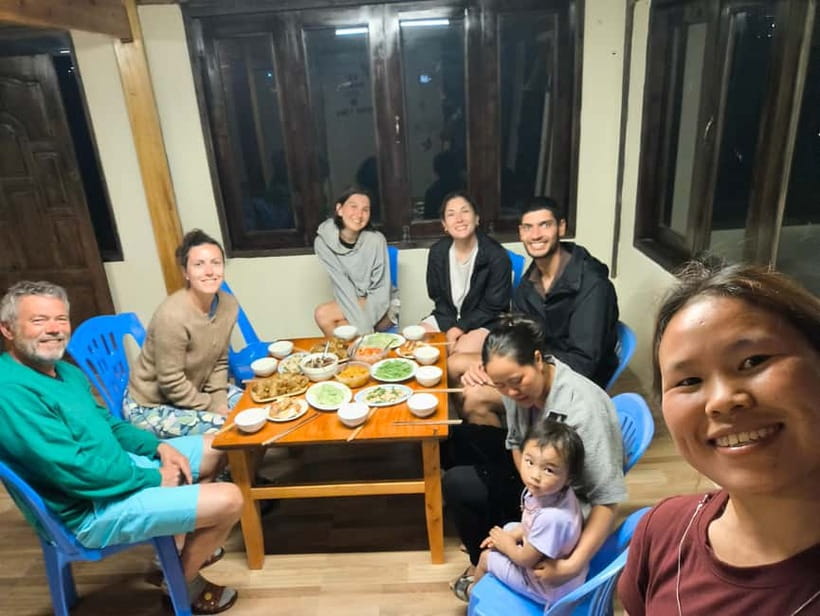
If you want Sapa without the scooter fumes, this 2-day trek through Black H’Mong and Red Dao communities is the way to do it. You’ll hike past terrace fields and mountain viewpoints, then sleep in a traditional homestay with guide Zo, who shares day-to-day life and village culture as you go.
I especially like two things: the first-day mountain views from Ham Rong Mountain (around 2,000m) and the chance to walk right through working villages—seeing farming and daily routines instead of just stopping for photos. And for the culture side, the overnight stay in Giang Ta Chai Mong makes it feel personal, not staged.
One caution: this is a moderate hike with steep, uneven terrain over about 19 km total. If you’re expecting an easy stroll, you’ll probably feel it in your legs by the end of Day 1.
Key things to know before you go
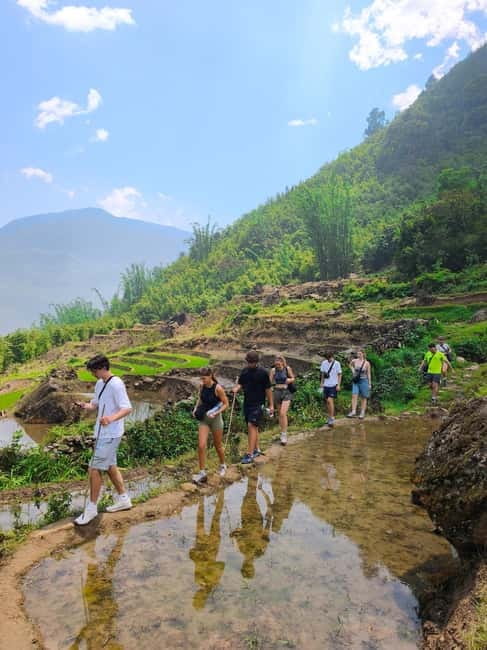
- Ham Rong Mountain viewpoints with wide views over the terraced valley and Fansipan on clear days
- Two ethnic village experiences: Black H’Mong communities (Hang Da, Hau Thao) and Red Dao (Giang Ta Chai Dao)
- Overnight in a traditional homestay at Giang Ta Chai Mong, with dinner and time to chat
- Bamboo forest + rice terrace villages on Day 2, including Ta Van and Lao Chai
- Small group size (up to 10) and an English-speaking guide named Zo
You can also read our reviews of more evening experiences in Sa Pa
Why this Sa Pa trek feels real (and not just scenic)
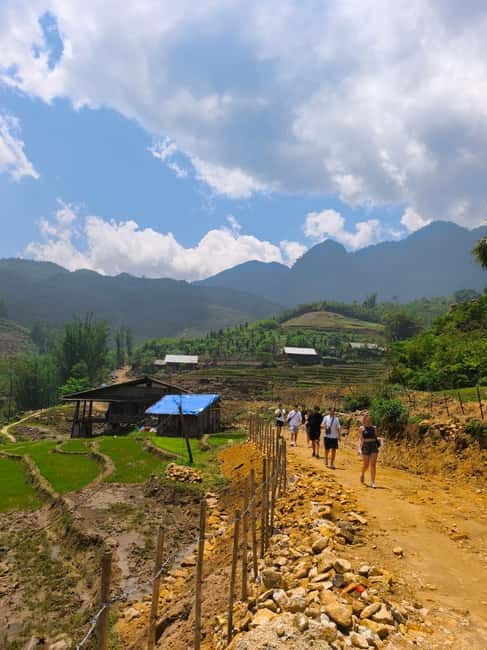
Sapa can be a swirl of hotels, viewpoints, and quick photo stops. This trek slows things down on purpose. You start with a real uphill walk, then keep moving village-to-village instead of bouncing between the same packaged stops.
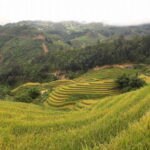
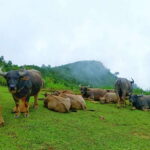
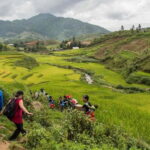
What makes it click is the mix of big scenery and small moments. You’ll see the terraced rice system from above, but you’ll also walk through areas where people keep farming—sometimes with buffaloes, horses, or pigs roaming nearby. That contrast is one of the best parts: the scenery is dramatic, but the daily rhythm is what makes it memorable.
Another plus is the small group. With a limit of 10 participants, your pace stays human, and you’re more likely to ask questions to Zo without feeling rushed. And since Zo speaks English, you’re not stuck guessing what you’re looking at.
The pace: 2 days, 1 night, about 19 km on uneven trails
This is not a “put your feet up” kind of tour. Expect a moderate fitness level challenge with steep and uneven paths, plus a total hiking distance of roughly 19 km over two days.
The schedule is built around walking between valleys and villages, not around timed attractions. That means your day feels physical—especially on Day 1 when you climb toward Ham Rong Mountain. The good news: the trail is varied. You’ll have viewpoints, downhill sections, and village breaks, so it doesn’t feel like one long grind.
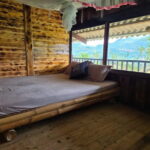
Your overnight is simple by design. The homestay is authentic and cozy, with basic facilities. That’s part of the experience, not a separate “hotel upgrade” option, so go with the mindset of spending a night with local hosts rather than expecting Western comforts.
Day 1: Ham Rong Mountain, Hang Da’s Black H’Mong village life, and your homestay night
Most mornings in Sapa start with motorbikes and traffic. Yours starts at pickup, either at a hotel in Sa Pa or in front of Sa Pa’s Notre Dame Cathedral/Stone Church area (your guide meets you there). After a quick intro, you’ll head straight into hiking mode.
The 2 km climb to Ham Rong Mountain (around 2,000m)
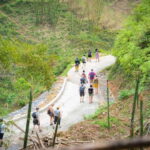
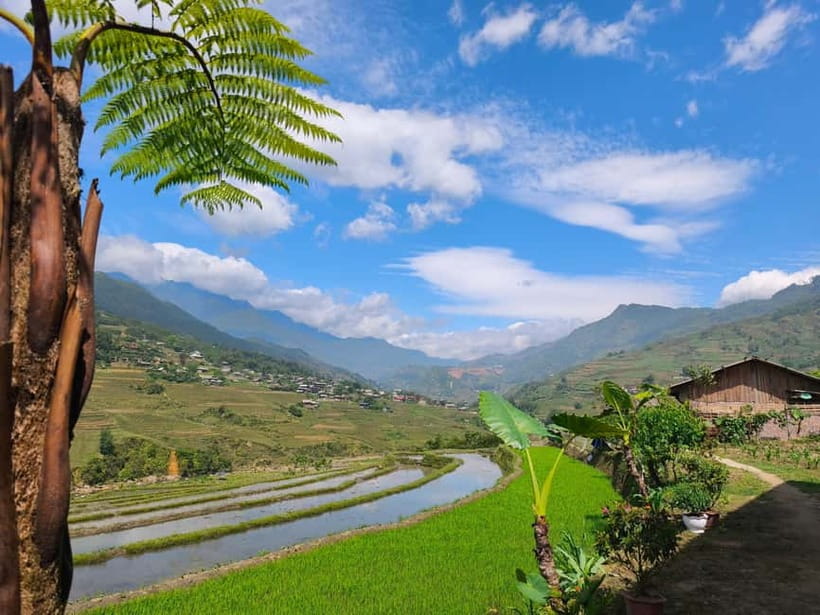
The first leg is about a 2 km uphill trail to Ham Rong Mountain. This is where you get your reward. From the viewpoint, you’ll look out over the Muong Hoa Valley and the terraced rice fields that make Sapa famous.
If conditions are clear, you may also see Fansipan Peak, known as the Roof of Indochina. Even when visibility is imperfect, the sense of height and distance matters—you can feel how the valleys fold into each other.
Practical note: start early enough and you’ll likely avoid the worst of the midday chill or heat. Either way, bring sunscreen and a hat; at altitude, the sun can surprise you.
A few more Sa Pa tours and experiences worth a look


Downhill to Hang Da (Black H’Mong) and a village lunch
After Ham Rong, you trek downhill to Hang Da Village, home to the Black H’Mong. Along the way, keep your eyes open: you might spot livestock (buffaloes, horses, pigs) moving between fields and houses.
Lunch happens at a local place near a family in Hang Da. This isn’t a buffet stop. It’s a village-meal moment, and it helps you pace the hike instead of squeezing in food at a roadside spot.
Hau Thao Village and the slow look at daily work
In the afternoon you continue toward Hau Thao Village, another Black H’Mong community. Here you’re meant to watch daily life—farming, rice planting, or rice harvesting depending on the season. That seasonal variation is a real deal. Same village, different vibe.
By late afternoon (around 17:00), you arrive at your homestay in Giang Ta Chai Mong. Your hosts welcome you into their home, and the evening becomes the heart of Day 1.
Dinner and conversation at Giang Ta Chai Mong
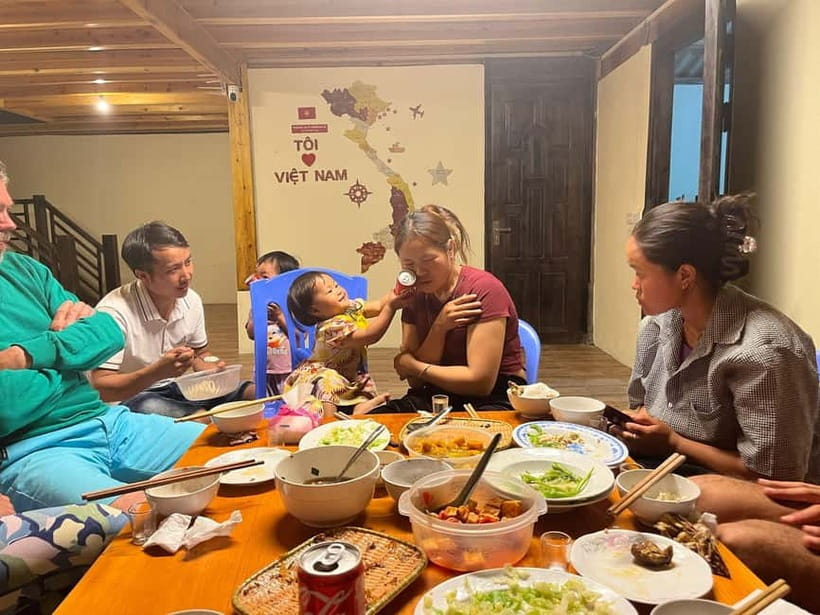
Dinner is traditional, followed by a relaxing evening. This is your chance to talk with the hosts, ask questions, and learn how they live in the countryside. In real-life terms, this is the moment that turns the trek from “pretty hikes” into a relationship with a place.
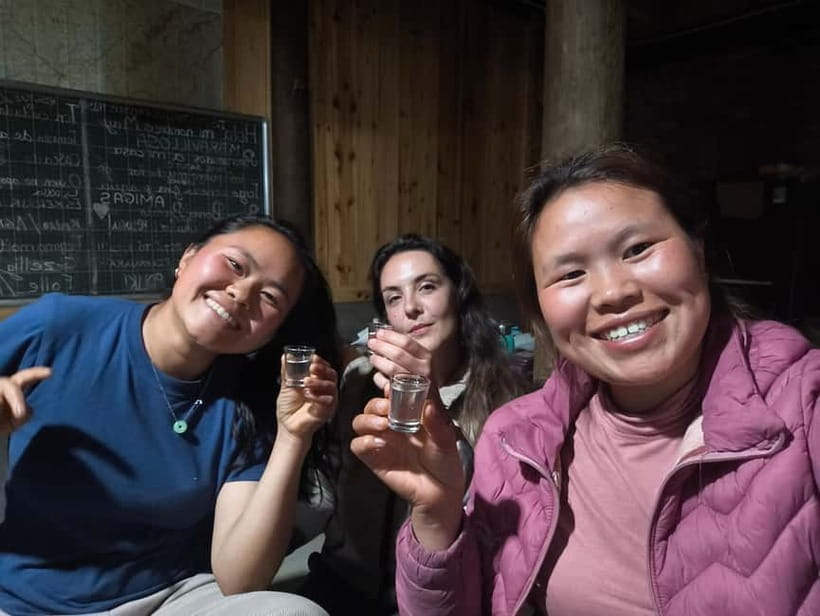
If you’re lucky, the night includes extra cultural fun—games, and you might even get the chance to try H’Mong rice wine. It’s not something you can count on, but it’s definitely part of how these dinners can go.
Day 2: Red Dao views, bamboo forest walking, and Lao Chai’s terraces
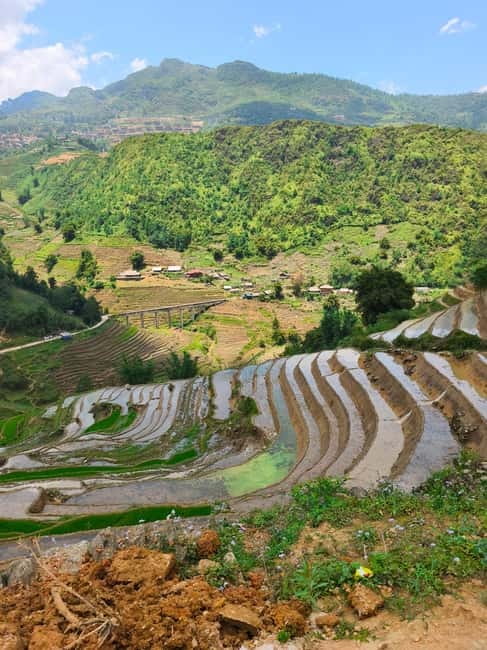
Day 2 starts with that quiet homestay feeling. Around 08:00, you wake up in the countryside and watch the valley shift as clouds drift and the sun rises.
Breakfast, then Giang Ta Chai Dao (Red Dao)
Around 09:30, you head out to Giang Ta Chai Dao Village, a small Red Dao community near the mountain foothills. This part is about changing scenery again—still terraces, but different houses and village details.
You’ll stop for photos of the rice fields and see simple wooden houses used in everyday life. There’s also a tranquil lake nearby, and it’s connected to Red Dao life—another calm contrast to the steeper sections of Day 1.
A walk through the bamboo forest to Ta Van
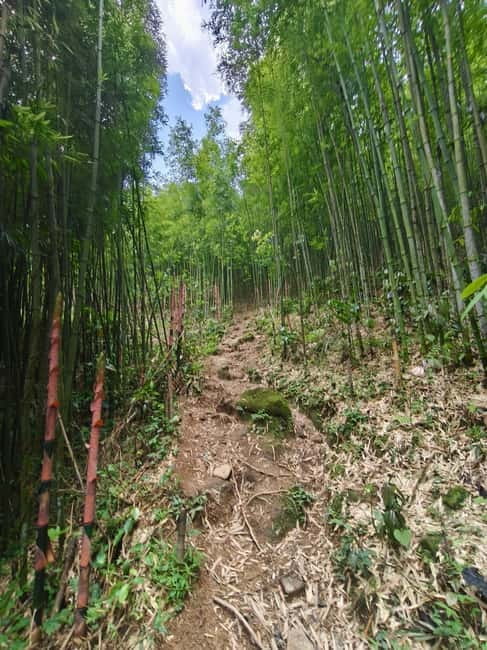
Around 11:00, you walk through the bamboo forest, moving toward Ta Van Village. This is the mid-day reset. Bamboo creates shade and a different soundscape—less open view, more textured walking.
On this segment, you may also encounter a waterfall as part of the trail area. Nothing beats that moment when the air changes and you realize you’ve been hiking through a landscape shaped by water as much as by mountains.
Lao Chai: terrace village lunch and final village walking
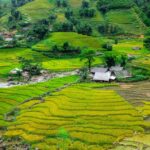
By 12:00, you continue on toward Lao Chai, one of the most striking terrace villages in Sa Pa. Expect dramatic views of the rice fields and a lunch break in the village around midday.
Then at about 14:00, your car picks you up from Lao Chai. The tour typically ends between 15:30 and 16:00.
The pacing matters here. Day 2 ends before your legs completely lock up, so you still have energy to shower, eat, and enjoy Sapa town afterward.
Homestay reality: simple, authentic, and worth planning for
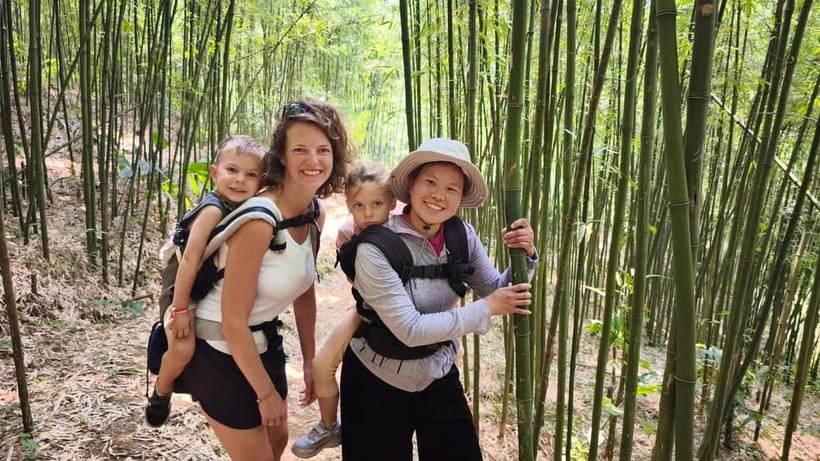
I like homestays when they help you understand what life is actually like. This one is intentionally simple. The description calls it traditional and cozy with basic facilities, so don’t show up expecting hot water all day or private western-style comforts.
Instead, think about what you’ll need to feel comfortable for one night:
- sleep gear is usually basic, so bring what helps you rest
- pack a change of clothes for the evening
- use mosquito repellent if you’re prone to bites
Dinner is a big part of the homestay. You’ll eat with the hosts, and the evening has room for talking and village-style entertainment. It’s also when Zo’s cultural explanations land better, because you’re not just learning facts—you’re experiencing the setting those stories come from.
What’s included (and what you’ll still pay for)
This is a good value trekking option because the important parts are covered:
- an English-speaking local guide (Zo)
- a small water/person
- lunch at the village
- pickup by car/motobike back to Sa Pa
Everything else is on you: snacks, extra drinks, dinner choices beyond the included homestay meal, and personal items.
The price detail you should not ignore
There’s a pricing mismatch to be aware of: the listed price may show around 100,000 VND, but the actual tour price is 1,000,000 VND per person, with 900,000 VND paid after completing the tour for operational reasons. If you want a smooth start, confirm this amount before you go and keep the cash plan simple.
Even with that adjustment, what you’re paying for is more than a guided hike. You’re getting an overnight with a local family, plus a full two-day route that covers major viewpoints and multiple ethnic communities.
Who this trek suits best (and who should reconsider)
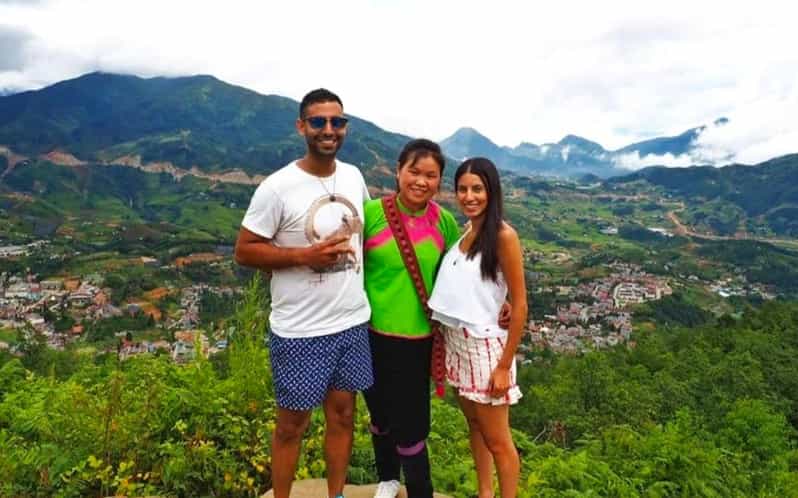
This tour fits best if you want an active, outdoorsy experience with real village interaction. You like walking, you can handle uneven trails, and you’re open to basic homestay conditions.
It’s also a great match for people who enjoy asking questions in a non-classroom way. Zo’s role is more than checking the route—she helps you connect what you see to how people live.
Who should reconsider:
- anyone who dislikes steep uphill and downhill hiking
- people with limited mobility or low stamina
- age limits apply: it’s not suitable for people over 70, and also not suitable for people over 95
If you fall into those categories, you’ll likely feel stressed rather than satisfied.
How to pack for Sapa trekking without regret
Packing well makes the difference between a good trip and a miserable Day 2.
Bring:
- comfortable hiking shoes (or at least sturdy shoes with grip)
- a sun hat, sunscreen, and sunglasses
- a light raincoat or jacket (weather can change fast in the mountains)
- a change of clothes for the evening at the homestay
- mosquito repellent
- a waterproof camera setup if you care about terrace photos
- a waterproof bag to protect your essentials
- enough cash for small purchases
- water (you’ll get a small amount with the tour, but you’ll still want to manage hydration)
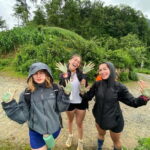
One thing I really appreciate in the way Zo handles this kind of trip: when weather turns, having the right footwear and rain gear matters. On rainier days, Zo and the group are ready with practical equipment like boots and raincoats to keep things moving.
Should you book this Sa Pa villages tour?
If your goal is to see Sapa as more than viewpoints, I think this trek is a strong choice. You’ll get mountain views from Ham Rong Mountain, walk through Black H’Mong villages like Hang Da and Hau Thao, spend a real night in Giang Ta Chai Mong, then return with a second day featuring Red Dao stops, a bamboo forest walk, and Lao Chai terraces.
Book it if:
- you want a small-group trek (up to 10 people)
- you’re comfortable with moderate hiking over ~19 km
- you like the idea of an English-speaking guide named Zo and a homestay night
Skip or choose another option if:
- you want flat, easy walking
- basic homestay conditions would make you uncomfortable
- you’re not able to handle steep, uneven terrain
FAQ
What language is the tour guide?
The tour includes a local guide who speaks English.
Where do pickup and drop-off happen?
Pickup is included at your hotel in Sa Pa or in front of Sa Pa Stone Church/Notre Dame Cathedral area. Drop-off is at Notre Dame Cathedral or Sa Pa.
How long is the trek and how far do you walk?
It’s a 2-day, 1-night tour, covering about 19 km over the two days.
Is lunch included?
Yes. You’ll have your lunch at a village during the trek.
What kind of accommodation do you get for the night?
You stay overnight in a traditional homestay with basic facilities.
What difficulty level should I expect?
Fitness level is moderate, with steep and uneven terrain. Comfortable shoes are important. Children under 4 are free.