REVIEW · SA PA
SAPA: 2 DAYS Walking & 1 night at Homestay with LOCAL GUIDE
Book on GetYourGuide →Operated by Sa pa Rice Terraces View Homestay & Bar · Bookable on GetYourGuide
Two days, and Sa Pa feels personal. I love the rice-terrace panoramas with guide Zo, especially the big view from Ham Rong Mountain, and I also love that you sleep in a real Black Hmong homestay with hosts who actually live this life. One consideration: this is not a stroll—expect a 6–8 hour hike with steep, uneven sections that will test your legs.
This small-group trek keeps things human. You stay limited to 10 participants, walk with an English-speaking local guide, and return by private car to Sa Pa at the end. You also get a full mix of day walking, village stops, and quiet time in the valley at night.
I think this works best if you want more than viewpoints. You’ll learn daily routines, eat local food with the family, and walk between villages where rice work shapes the rhythm of the day.
In This Review
- Key highlights I’d circle on your plan
- Entering Zo’s Sa Pa world: how the day starts
- Day 1: Ham Rong Mountain, Hang Da, and arriving in Giang Ta Chai Mong
- Day 2: Giang Ta Chai Dao, Bamboo Forest, Ta Van, and Lao Chai
- The homestay in Giang Ta Chai Mong: what you’re really paying for
- How hard is this trek, honestly?
- Price and value: why $46 makes sense for this setup
- Practical gear that actually helps in Sa Pa
- Who this tour fits best
- Should you book the Zo-guided Sa Pa homestay trek?
- FAQ
- FAQ
- What’s included in the 2-day, 1-night experience?
- Where do I start and where does the tour end?
- How long are the hikes each day?
- What kind of group size is this?
- Do I need to be physically fit?
- What should I bring for the trek?
- Is the guide English-speaking?
- Who shouldn’t take this tour?
Key highlights I’d circle on your plan
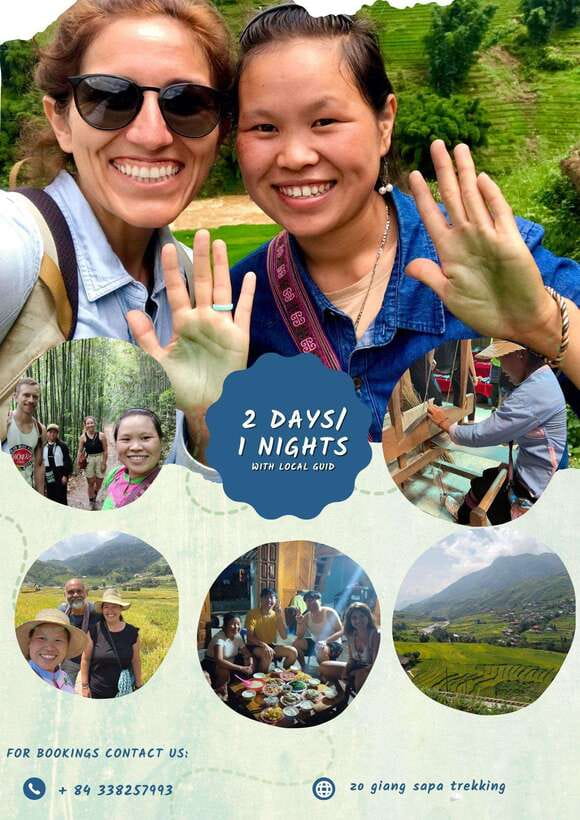
- Ham Rong Mountain at altitude: early views toward Fansipan and the Muong Hoa Valley
- Hang Da and Hau Thao villages with the Black Hmong: everyday farm life, animals, and farming rhythms
- Giang Ta Chai Mong homestay: rooms and bathrooms prepared well, plus a view from the house
- Giang Ta Chai Dao + Red Dao touches: terraced rice photos, simple houses, and a quiet lake stop
- Bamboo forest walk to Ta Van: a calmer stretch for photos and breathing room
- Lao Chai terraced rice village: strong final-day village feel before car pickup
Entering Zo’s Sa Pa world: how the day starts
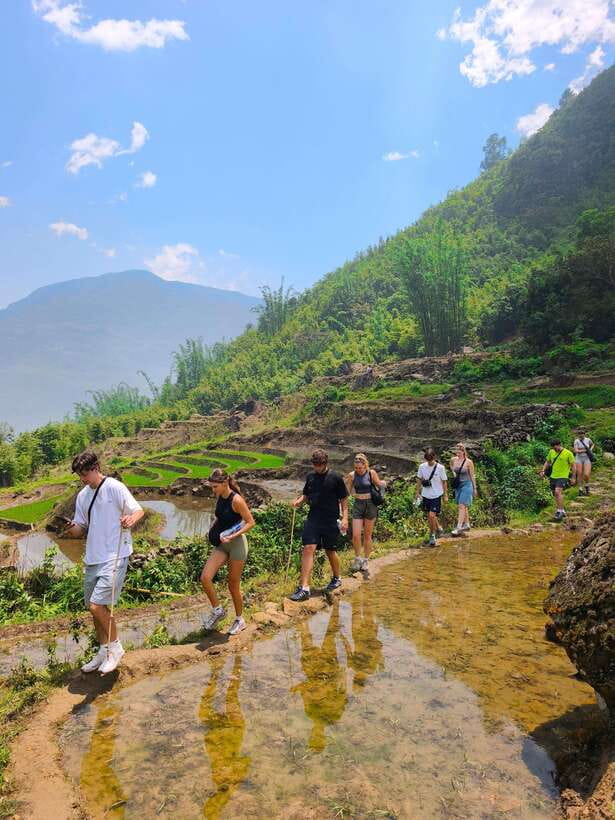
Your tour begins in Sa Pa town, with pickup at your hotel or in front of Sa Pa Stone Church. After a quick intro, you head straight into the walking portion—this is a trek-first itinerary, so don’t plan a big breakfast-and-sprint strategy. Wear the shoes you trust.
The guide for this experience is Zo, from the Black Hmong community. In the homestay side of the trip, Zo also works with her sisters, May and Sho, who help make the family welcome feel organized but still personal. It’s also a relief that the guide speaks good English, so you can ask questions and actually understand what you’re seeing.
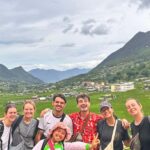
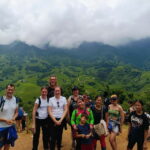
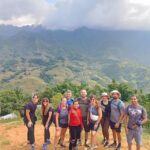
Group size matters here. With a max of 10 people, you’re not just a camera on legs. You can pause for photos, ask about village routines, and adjust your pace without holding everyone up.
You can also read our reviews of more walking tours in Sa Pa
Day 1: Ham Rong Mountain, Hang Da, and arriving in Giang Ta Chai Mong
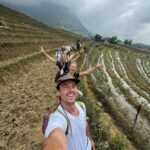
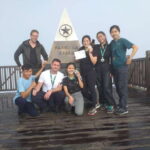
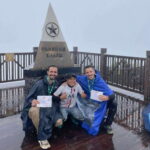
Day 1 starts with a climb. You walk about 2 km uphill toward Ham Rong Mountain, around 2,000m in elevation. This is where the trek pays you back quickly with a panoramic view across Sa Pa’s valleys, including Fansipan Peak (3,143m), often called the Roof of Indochina.
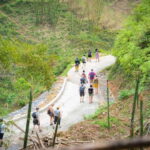
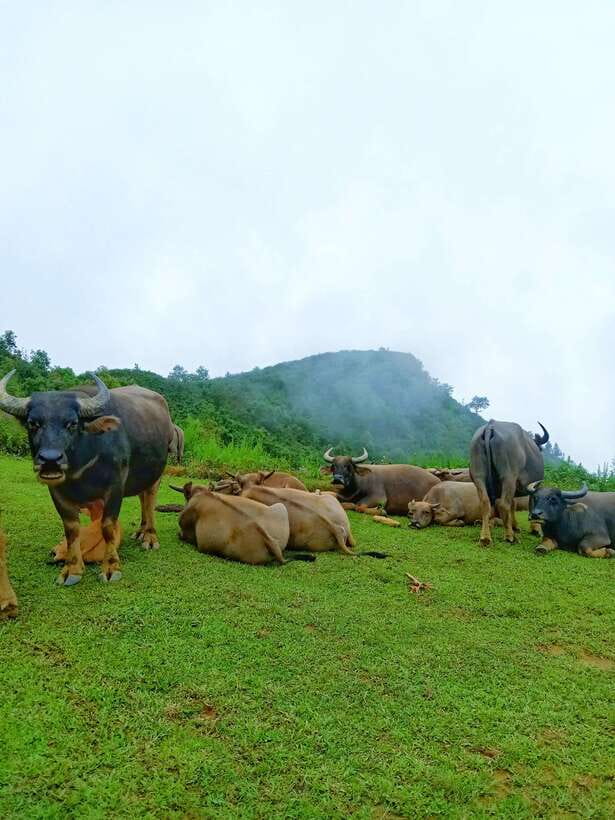
From there, you continue downhill toward Hang Da Village, a Black Hmong community. The walking route passes animal life you’ll rarely see on a bus tour—buffaloes, horses, pigs, and other animals that roam freely. You’re not just looking at a village; you’re walking through the same space people work in.
Lunch is included and you’ll eat near a local family in Hang Da. This is one of those details that changes the whole feel of the day. Eating close to where people live makes the meal feel tied to the trek, not like a random stop.
After lunch, you keep moving to Hau Thao Village, another Black Hmong community. Here you’re meant to notice daily life: farming tasks and rice work. The exact activity can vary by season, but the point stays the same—this isn’t a staged “ethnic show.” You’re watching people doing what they do.
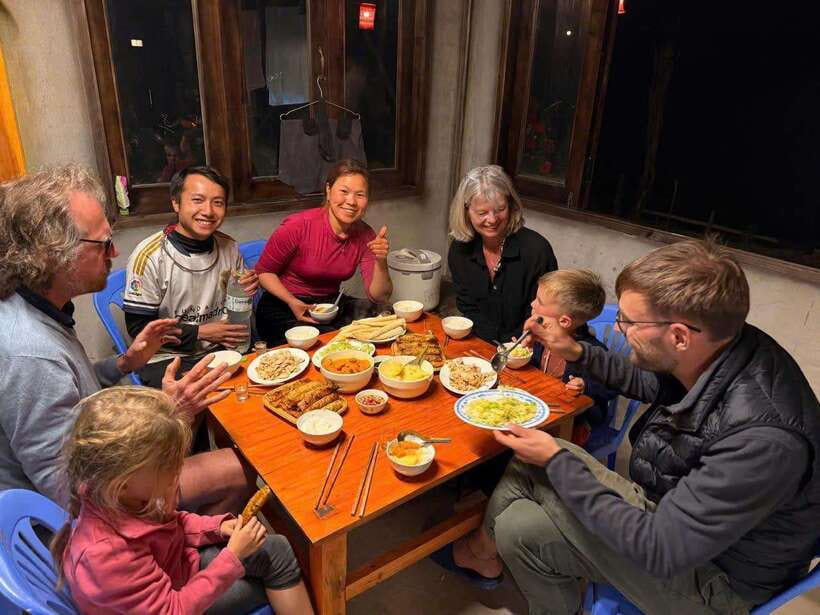
By late afternoon, around 17:00, you reach the homestay in Giang Ta Chai Mong. Hosts welcome you into their home, and the evening is yours to spend chatting, learning, and relaxing. Dinner is a family-style meal, and you may be offered local drinks described as happy water while stories get swapped at the table.
Day 2: Giang Ta Chai Dao, Bamboo Forest, Ta Van, and Lao Chai
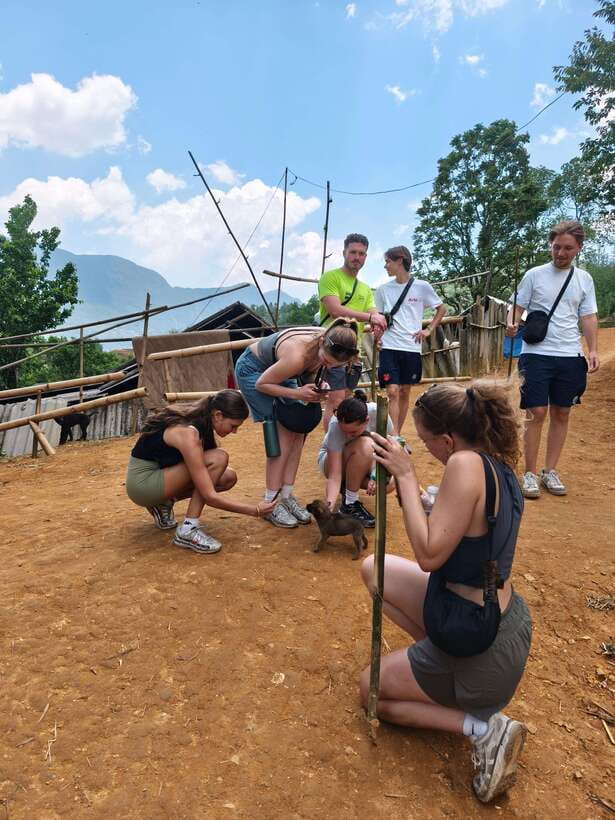
The second morning starts quietly. You wake in the countryside with mountain views and the slow shift of clouds across the valley. Breakfast is included back at the homestay, along with tea or coffee in the crisp morning air.
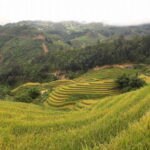
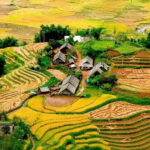
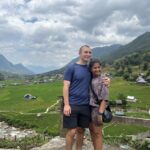
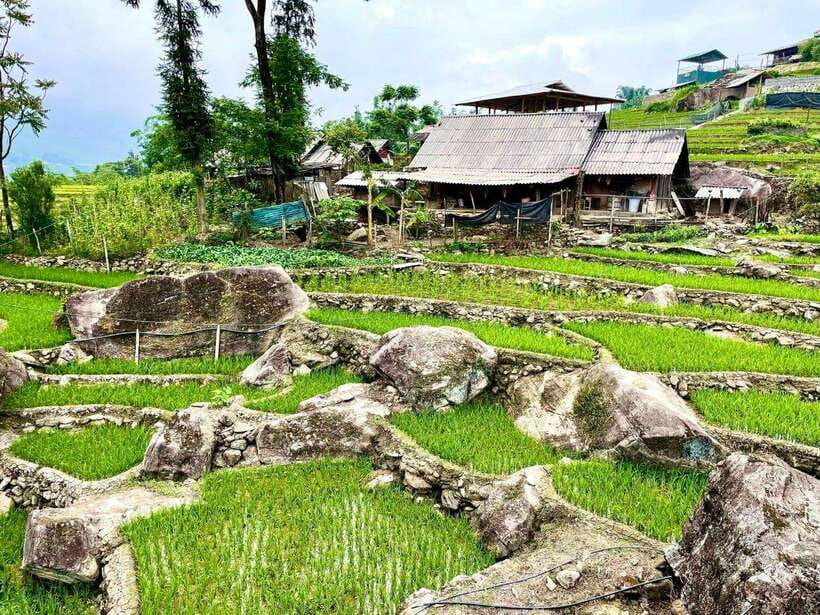
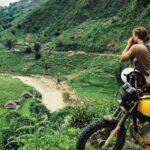
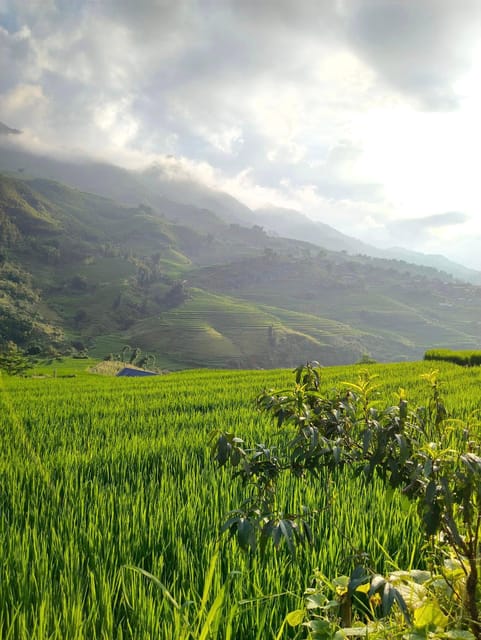
Then it’s back on the trail. You trek from Giang Ta Chai Mong to Giang Ta Chai Dao Village, a smaller Red Dao community at the mountain foothills. This part of the walk is excellent for photos of terraced rice fields stretching out behind the houses. You’ll also see the simple wooden houses and visit a tranquil lake area where the Red Dao community lives nearby.
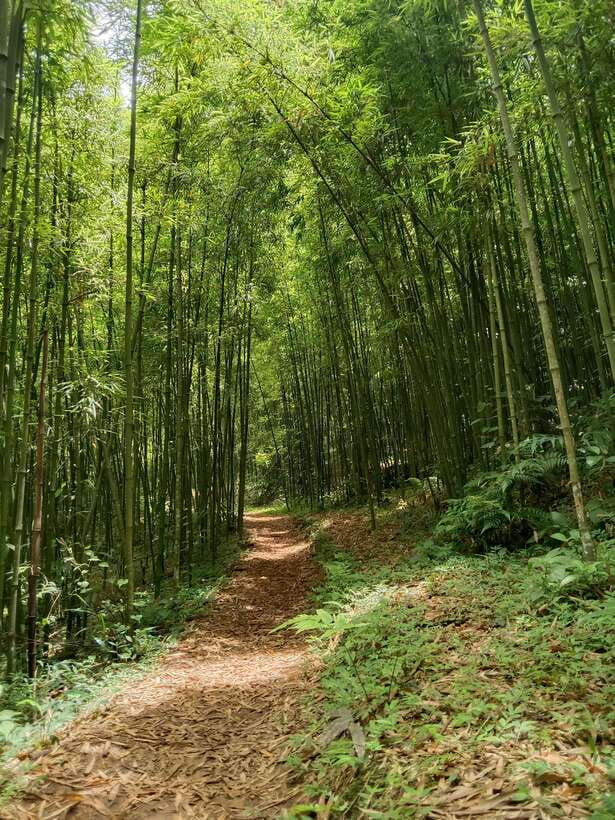
Next comes the Bamboo Forest section on the way to Ta Van. This break matters because it’s a change in scenery and footing—often bamboo paths are a little calmer and cooler than the open rice terraces. Ta Van is also a natural pause point for resting and taking photos.
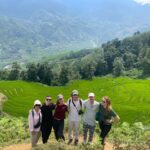
After Ta Van, you continue to Lao Chai, one of the most scenic terraced rice villages in Sa Pa. Lunch is included again here. The vibe shifts from morning village viewing to an end-of-trek satisfaction: you’ve already walked the valleys, so Lao Chai feels like the grand finish rather than another checkmark.
At around 14:00 you’ll get car pickup from Lao Chai Village. Then the tour ends back in Sa Pa town around 15:30–16:00, so you’re not stuck waiting for hours after the hike.
The homestay in Giang Ta Chai Mong: what you’re really paying for
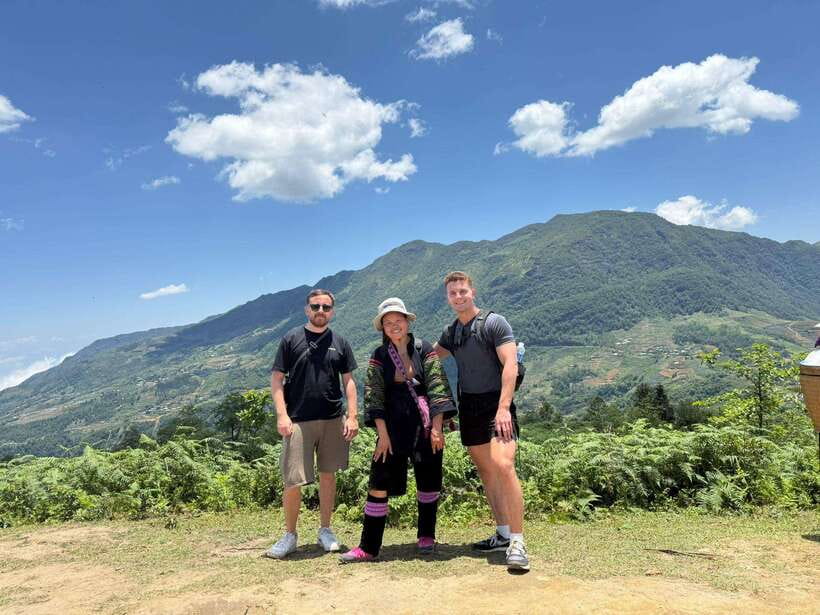
Most treks in Sa Pa focus on views. This one gives you the social side of the mountain—sleeping in a home in the rice terraces.
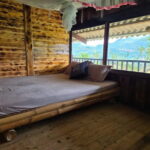
The homestay is hosted by Black Hmong family members. From the trip feedback, rooms are prepared well and bathrooms are in good shape. You also get a stunning view right from where you stay, which makes the evening feel different from a hotel room where you just sleep and forget.
The dinner is included as a family meal. That matters because it connects you to what you’re doing during the day—walking through the villages, then eating with the family who lives there. Several people mention the food was some of the best they had in Vietnam, and the best part is the warmth: the hosts treat you like a friendly guest rather than a customer.
If you want a deeper cultural conversation, evenings here are the time for it. You can ask questions about the Black Hmong community and everyday life, and the family answers in a way that feels natural, not rehearsed. Zo also brings an encouraging, caring approach to the experience, so you won’t feel rushed into learning on a tight schedule.
How hard is this trek, honestly?
This is the part I’d read twice before booking.
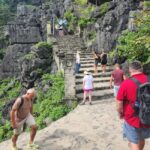
The tour includes a 6–8 hour hike, spread across two days. You’ll climb to Ham Rong Mountain, then do multiple village-to-village sections. Paths can be uneven, and you’ll be walking at altitude. If you’ve got knee issues, low stamina, or you dislike steep climbs, plan carefully.
The good news: Zo encourages you to keep your pace and makes sure everyone is okay. There are also options to take easier or harder routes when possible, which can help if your group has mixed fitness levels.
It’s also not for everyone. The tour is explicitly not suitable for people over 70, and not suitable for people over 95. That’s a clear signal it’s meant for active travelers.
You can also read our reviews of more guided tours in Sa Pa
Price and value: why $46 makes sense for this setup
At $46 per person, this trek-and-homestay price looks like a bargain only if you understand what’s bundled.
You’re getting:
- Local guide support in English (Zo)
- Village access included (tickets to village)
- Two meals tied to trekking days (lunch each day) plus breakfast on day two
- A family dinner during the homestay night
- One small water bottle per person per day
- A private car back to Sa Pa at the end
Most Sa Pa day tours cost similar amounts but don’t include the homestay meal experience or the same level of village walking time. Here, your money also covers the social side: staying with hosts, eating together, and spending time where daily life is the point.
In plain terms: you’re paying for a guided, structured walk plus a real sleepover in the terraces—two things that would cost more if done separately.
Practical gear that actually helps in Sa Pa
Sa Pa weather can turn fast, and bugs are part of the countryside. Bring what the tour asks for, and you’ll feel calmer on the trail.
What to pack:
- Comfortable shoes (and/or hiking shoes)
- A change of clothes
- Camera
- Insect repellent
I’d also add one personal rule: keep your day-packing simple. You’ll walk for hours, and when your bag is heavy, your motivation gets heavy too.
Who this tour fits best
This tour is ideal if you:
- Want ethnic village life beyond a quick photo
- Like guided walks with an English-speaking local
- Enjoy meeting real families and eating what’s cooked at home
- Are comfortable with a demanding trek and want big mountain-and-terrace views as the payoff
If you’re looking for a full-on luxury hotel base, this isn’t that. The value is in the homestay and the walking. Think more boots-and-stories than spa-and-shuttle.
Should you book the Zo-guided Sa Pa homestay trek?
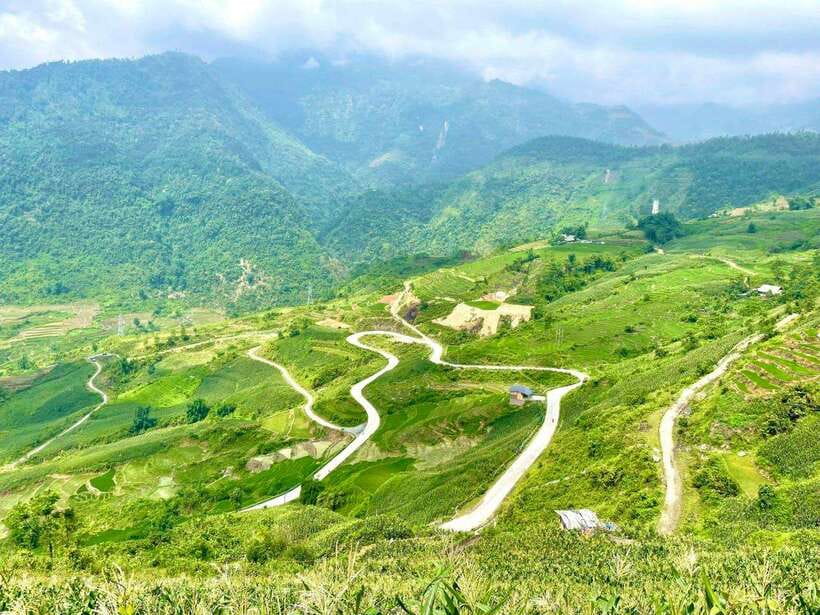
If you’re an active traveler who cares about how people live—not just what they look like from a distance—yes, I’d book it.
I’d book it especially if the idea of walking from Ham Rong Mountain down into real Black Hmong villages, then sleeping in Giang Ta Chai Mong sounds like your kind of Vietnam. The combination of terrace views, village time, and family dinners hits the sweet spot between nature and culture.
If you’re not confident on steep, long walks, or you fall into the age/safety limits the tour lists, skip it and choose an easier day tour instead. This is a trek with real effort behind it.
FAQ
FAQ
What’s included in the 2-day, 1-night experience?
The tour includes a local guide who speaks English, 1 small water bottle per person per day, lunch for the trekking days, a family dinner on the homestay night, breakfast on the second day, tickets to village areas, and a private car back to Sa Pa.
Where do I start and where does the tour end?
You’ll be picked up in Sa Pa town, either at your hotel or in front of Sa Pa Stone Church. The tour ends back at the meeting point in Sa Pa.
How long are the hikes each day?
The itinerary includes a total hike time of about 6–8 hours across the two days. The exact pacing depends on the route and your group’s progress.
What kind of group size is this?
It’s a small group limited to 10 participants.
Do I need to be physically fit?
Yes. The tour notes it includes a 6–8 hour hike, so you’ll need to be in good health for the walking and climbs.
What should I bring for the trek?
The tour recommends comfortable shoes (hiking shoes are fine), a change of clothes, a camera, and insect repellent.
Is the guide English-speaking?
Yes, the live guide provides English during the experience.
Who shouldn’t take this tour?
The tour specifies it is not suitable for people over 70, and not suitable for people over 95 years.