REVIEW · SA PA
From Sapa: Waterfalls, Trekking and Tribal Villages Tour
Book on GetYourGuide →Operated by Sapa Unique Tour - Viet Sapa Travel · Bookable on GetYourGuide
Waterfalls and tribal villages in just 5 hours. I love the chance to see Silver and Love Waterfalls and I love the guided walking through Hmong and Red Dzao village life. The one catch is that the trekking portion can feel longer and steeper than the headline 4-hour mark.
The day also tends to rise and fall on the guide, and this route has been praised for English-speaking storytelling—people have specifically mentioned guides like Lisa, Cu, Lan, and Sue. Lunch can be a highlight too, with picnic food prepared for different diets (a vegan-friendly option was mentioned by one guest).
If you’re the type who wants great views without much effort, you’ll likely still enjoy the softer moments (rice fields, pauses, photos). Just don’t treat this like a flat stroll—plan to wear proper shoes and expect some uphill grind.
In This Review
- Key highlights worth your attention
- Silver and Love Waterfalls plus Tram Ton Pass: the morning rhythm
- Getting to Ban Khoan and starting the trek the smart way
- 4 hours of walking: rice paddies, corn fields, and real footpaths
- Village time at Ban Khoan: culture you can actually see
- Picnic lunch in the middle: fuel without breaking the vibe
- Ta Phin Village and meeting the Red Dzao (plus Hmong context)
- Pace, difficulty, and what to wear (so you stay happy)
- Price and value: does $72 buy enough?
- Tour logistics that can make or break the day
- Who should book this tour, and who should skip it
- Should you book the Sapa Waterfalls, Trekking and Tribal Villages Tour?
- FAQ
- How long is the From Sapa Waterfalls, Trekking and Tribal Villages Tour?
- Where is pickup from in Sapa?
- What waterfalls will we visit?
- How many people are in the group?
- Which villages and tribes does the trek include?
- What is included in the price?
- What is not included?
- What should I wear or bring?
- Is there free cancellation?
Key highlights worth your attention
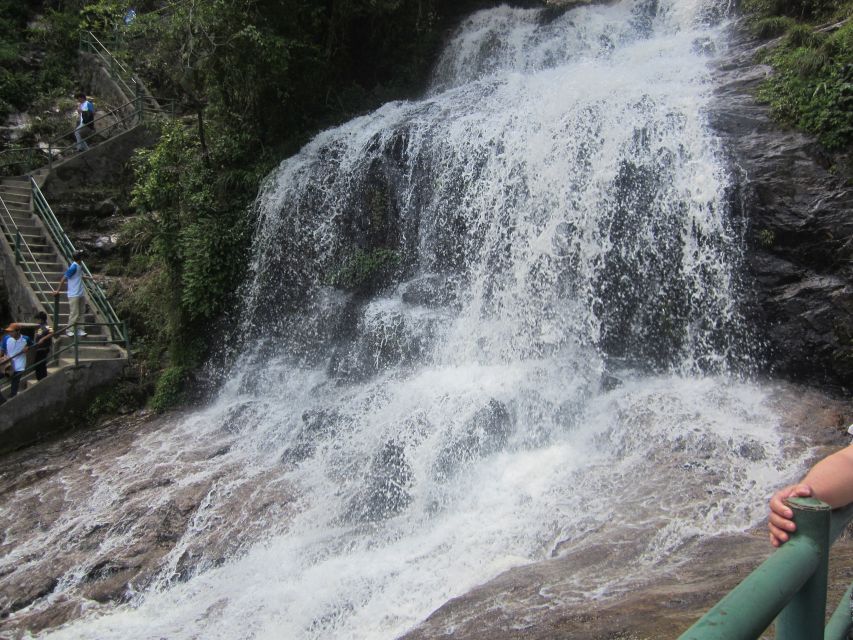
- Silver Waterfall and Love Waterfall in Hoang Lien National Park, with flow that can look dramatic after rain
- Tram Ton Pass as a scenic in-between stop on the way out of Sapa
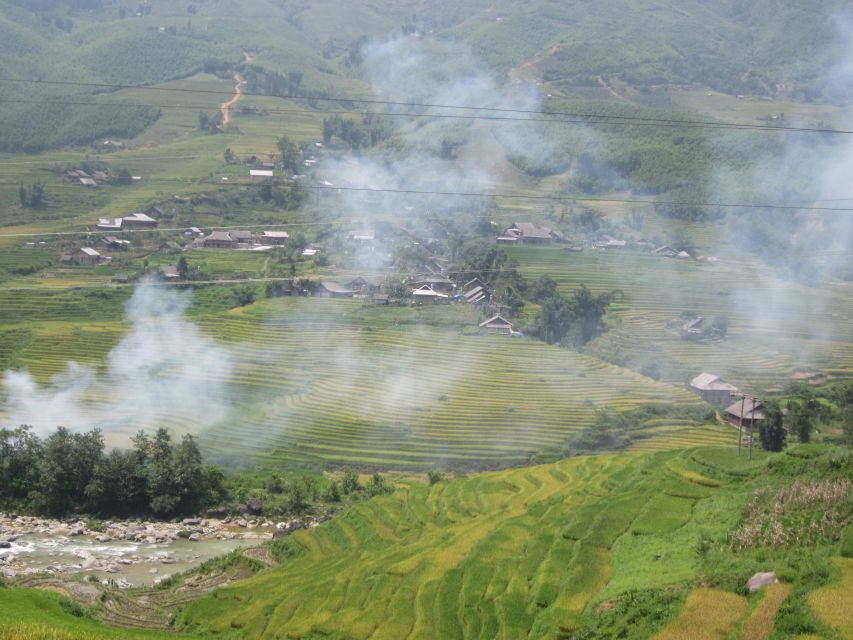
- Ban Khoan to Ta Phin Village trek through mountain trails, rice paddies, and rural fields
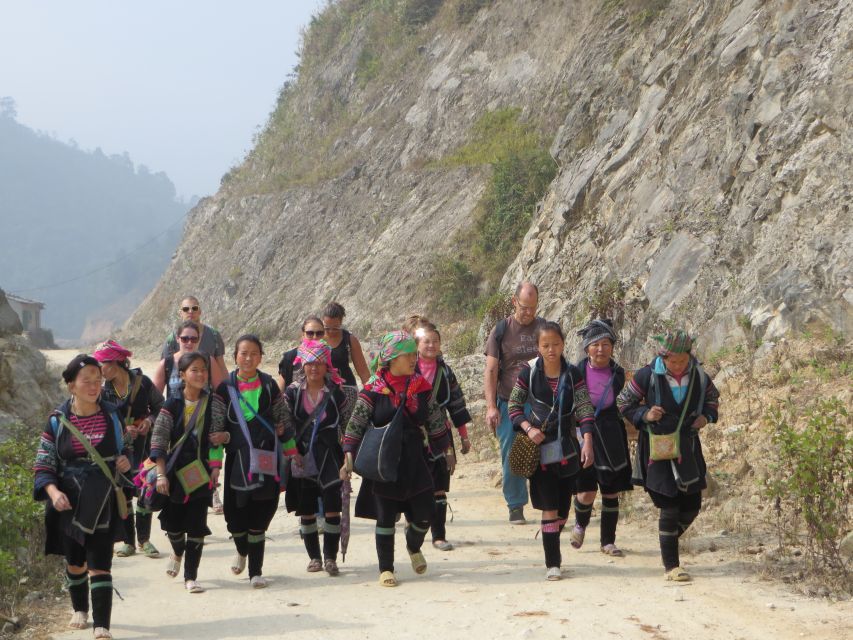
- Meet the Hmong and Red Dzao and learn about daily life and textile work through your guide
- Picnic lunch with local food at a comfortable mid-day break on the trail
- Small group size (up to 15) that keeps the walk feeling more personal
Silver and Love Waterfalls plus Tram Ton Pass: the morning rhythm
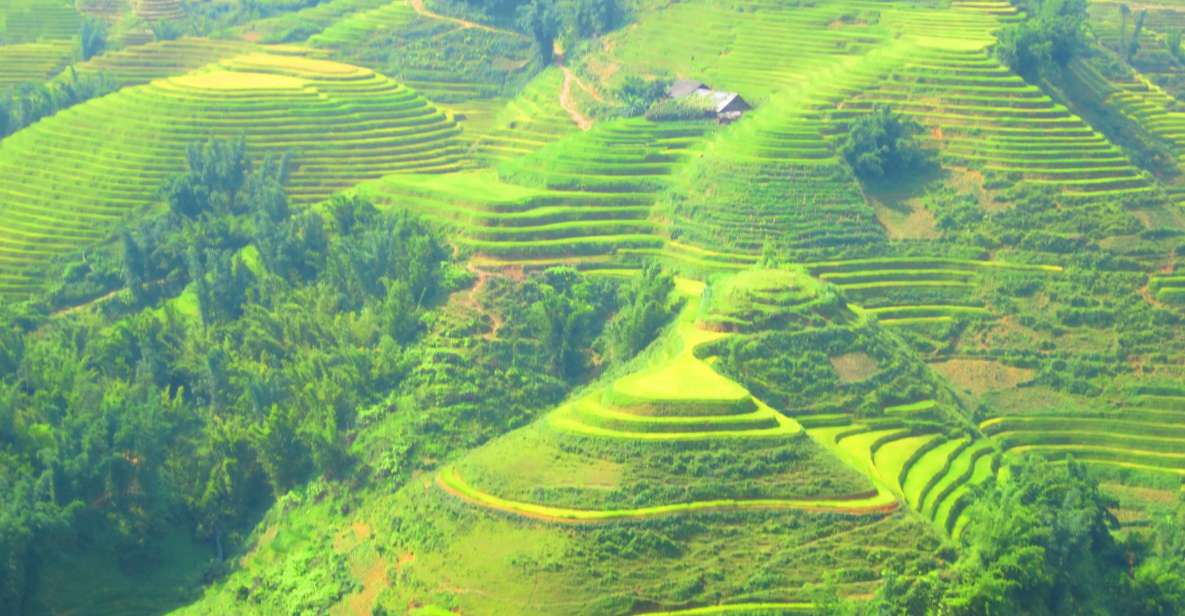
Your day starts with a hotel pickup in Sapa Town, then a short private car ride about 30 minutes out of town. The timing is handy: you’re not wasting half a day just getting out of the city, and you’re still fresh when the scenery starts.
The first big payoff is heading to two waterfalls: Silver Waterfall and Love Waterfall. Both sit within Hoang Lien National Park, and the view quality can swing based on weather. On a clear day, the falls feel crisp and photogenic. After a big rain, you’ll get that heavier, louder waterfall effect—think more powerful water rather than a delicate trickle.
Between the waterfalls and the later trekking segment is Tram Ton Pass, which works like a natural scene-setter. You get the “why people come here” perspective without having to earn it with hours of extra hiking right away. Even if fog rolls in, the pass and the surrounding hills still help you orient what you’ll be walking through later.
A practical note: there can be walking involved just to reach and move between the waterfall viewpoints. One guest even pointed out that the waterfall part can include a longer approach than expected—so don’t plan for flip-flops and a casual wander. Hiking shoes stay the right call.
You can also read our reviews of more hiking tours in Sa Pa

Getting to Ban Khoan and starting the trek the smart way
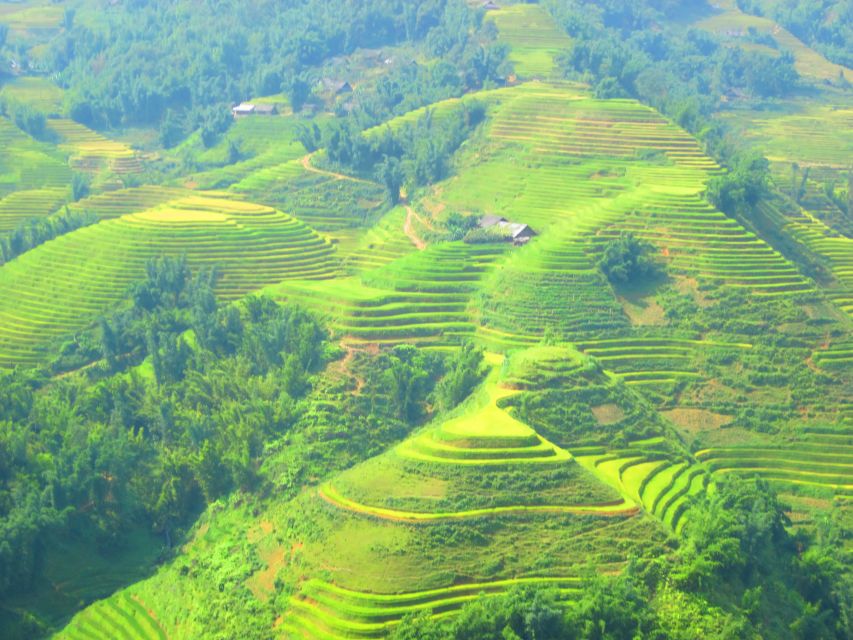
After the waterfall and pass time, you’ll head toward Ban Khoan, the start area for the trek. This is where the tour shifts from “scenic stops” to “walking through real rural Sapa.” The move matters because you stop being a spectator and start being part of the day’s pace.
The trek is described as about 4 hours and roughly 15 kilometers (around 9.3 miles), but I’d treat that as a planning guide, not a guarantee. One review suggested the overall trek can run longer than advertised, with more time spent wandering between village areas and adjusting around the route. Translation: your legs may not follow a stopwatch.
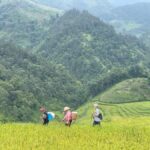
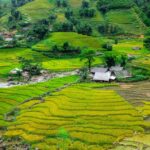
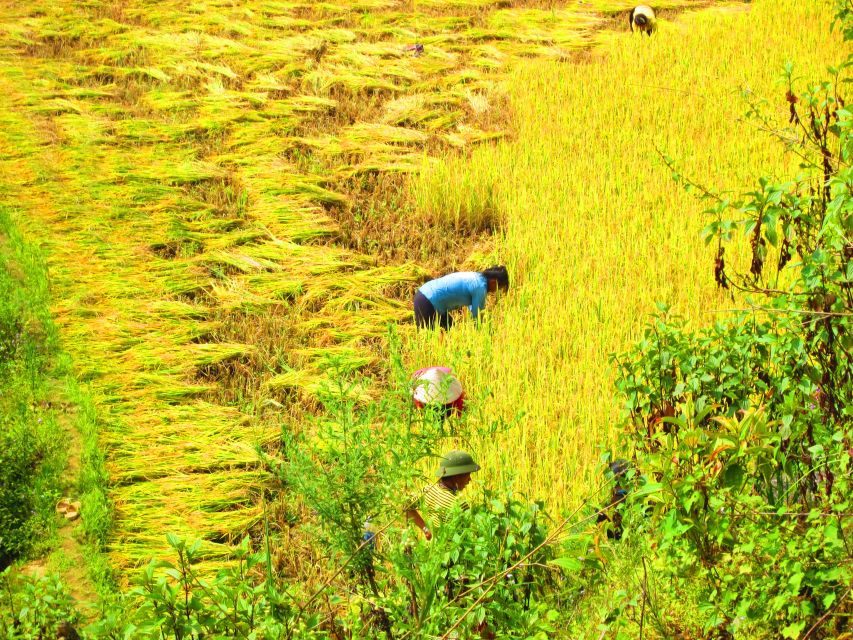
The route itself mixes mountain trails with rural scenery—rice paddies, footpaths, and village lanes. Reviews also referenced stretches through areas like bamboo and corn fields, which is exactly the kind of “in-between” scenery you don’t always get on shorter hikes. This is the portion where you’ll want to keep your photo battery charged, not because you’re chasing views every minute, but because the scene changes more than you expect.
4 hours of walking: rice paddies, corn fields, and real footpaths
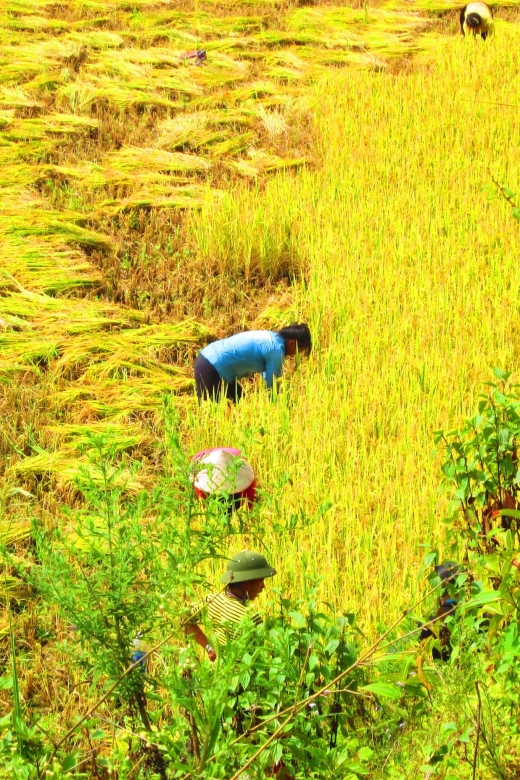
This tour’s trekking section is the main value engine. You’re not just seeing one waterfall and calling it a day—you’re walking through the agricultural and village life that makes the waterfalls matter.
Expect a mix of flat-enough stretches and clear uphill segments. Some of the walking can feel like climb-and-then-drop, not just a steady ascent. One guest even warned it’s not ideal for a casual weekend trekker, especially on tired legs. That doesn’t mean it’s extreme, but it does mean you should go in prepared.
Weather plays a big role in how good the rice terraces look. On foggy days, the views can be muted, but the route still feels interesting because you’re watching how the trail links village areas, not just trying to capture perfect mountain photos. If you get lucky and the fog lifts, you’ll get those wide views across terraces and fields that make the hike feel worth every step.
Here’s how I’d plan your effort: aim to walk at a steady, conversational pace. If you rush to keep up, you’ll burn energy early and then you’ll feel every uphill stretch in the afternoon. This tour tends to work best when you slow down and let the guide fill the gaps with stories.
Village time at Ban Khoan: culture you can actually see
Once you reach the village area around Ban Khoan, the day stops being only about scenery. This is when your guide starts translating what you’re seeing into something you can understand—how people live, how they make textiles, and how communities organize daily routines.
The most praised experience here has been the storytelling angle. Names like Lisa, Cu, Lan, Sue, and others have come up in connection with guides sharing local traditions and passing-down stories. Even if you don’t catch every detail, the overall effect is that you’re walking with context instead of just walking through a photo backdrop.
Another subtle benefit: the tour feels less like a checklist. Even when the village stop includes limited formal activities, the time is still useful because you’re there at human scale—watching everyday life and seeing how the trail connects homes, fields, and community spaces.
Picnic lunch in the middle: fuel without breaking the vibe
You’ll pause for picnic lunch during the hike. This is one of those “small detail, big effect” parts of the tour. A mid-day meal breaks the physical rhythm and also gives your guide time to keep the conversation going.
Lunch is included, and it’s typically prepared along the trail. One guest mentioned sandwiches; another described a more spread-style meal. Either way, the key is you’re eating somewhere that fits the day rather than commuting back to town.
Dietary needs aren’t listed in the general tour info, but at least one guest specifically said the lunch was catered for vegan. That’s a good sign that the operator can sometimes work with needs. If you have a strict diet, you’ll feel safer if you share it when you book.
After lunch, you’ll keep walking toward the next village area—this is where the trek becomes more distinctly about community visits rather than just hiking through scenery.

Ta Phin Village and meeting the Red Dzao (plus Hmong context)
The later part of the walk takes you toward the Red Dzao tribe home in Ta Phin Village. This section is often the emotional payoff: the tour shifts from “walk and look” to “walk and understand.”
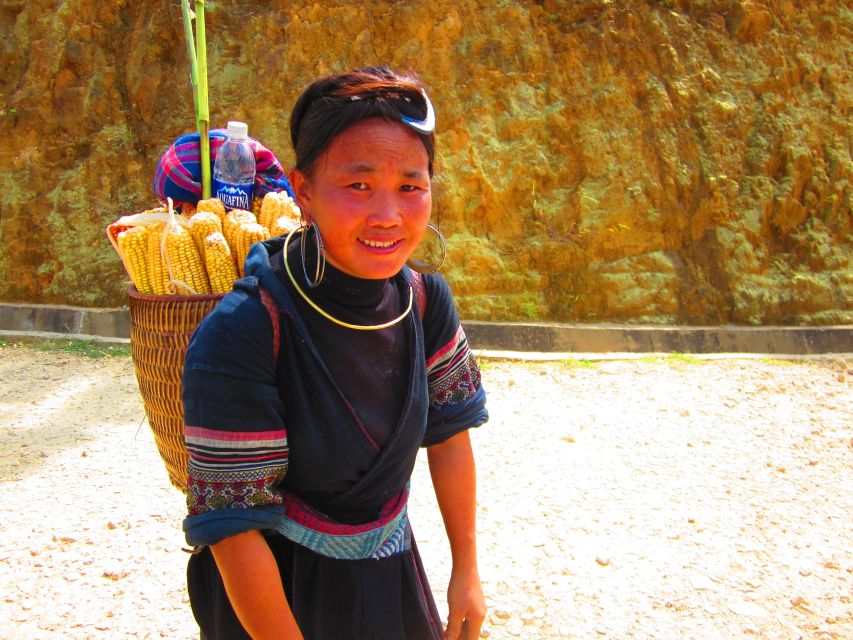
Your guide helps connect what you see with the broader picture—community life, traditions, and the role of textiles and crafts. Reviews also mention the experience includes learning about both the Hmong and Red Dzao people, which matters because it gives you more than one cultural lens in a single day.
In practical terms, this part of the day tends to feel more relaxed than the uphill moments. You’re still walking, but you’re not racing for the next viewpoint. It’s also the moment when your guide’s English ability really matters. If you’re someone who likes to ask questions, this is where you’ll get answers that turn the village stop into something you remember.
Pace, difficulty, and what to wear (so you stay happy)
This is a moderately difficult trek. I’d describe it as hike-friendly but not “easy mode.” The walking includes mountain trail sections and can include steep climbing and then downhill sections.
The good news is the tour pacing is built for a guided group. With a small group size—limited to 15 participants—you’re less likely to feel lost or stuck waiting forever. Still, plan for the reality that routes can vary slightly based on conditions, and the day’s total trek time may stretch.
What to bring isn’t optional if you want comfort:
- Comfortable clothes and hiking shoes
- Insect repellent, sunscreen
- Raincoat and a sun hat
- A small daypack for water and personal items
- If you’re trekking November to March, bring warm layers
Also, one review mentioned that people can sweat even while staying warm, so don’t over-bundle. Dress for a hike, then adapt if the weather shifts.
Price and value: does $72 buy enough?
At $72 per person, this tour can feel like a good deal if you value convenience and guidance. Here’s what you’re paying for beyond “the walk”:
- An English-speaking guide
- Private car transfer and pickup from your hotel lobby in Sapa Town
- Entrance fees included
- Picnic lunch included
- 2 bottles of mineral water per person
- A small group experience (up to 15)
- Skip the ticket line
When you add up the guide + transport + entry fees + lunch, the price stops looking like just a trekking headline. It becomes a bundled day out with fewer hassle points.
Your only real “hidden cost” is your own prep: good footwear, sun protection, and basic hike gear. The tour also doesn’t include travel insurance or your hotel, so you’ll need to cover that separately if you want coverage.
Tour logistics that can make or break the day
The tour runs for about 5 hours. Starting times can vary, so check availability before you plan a tight schedule.
You should know how the day is structured: it’s basically a loop. Start with waterfalls and the pass, then trekking from Ban Khoan, then picnic and village time, then a short return ride back to Sapa.
One caution from real-life experience on this type of tour: organization can occasionally be sloppy. At least one booking had a confirmation but then felt messy when checked the day before. I’d handle that like a grown-up: confirm pickup details the day prior, especially if you’re traveling at a busy time.
Otherwise, the overall format feels solid. A private vehicle means you’re not squeezed with strangers in a long bus ride, and the small group size usually keeps your guide from feeling rushed.
Who should book this tour, and who should skip it
This is a great fit if:
- You want waterfalls plus trekking without committing to an all-day marathon
- You care about tribal village life and textiles, explained by an English-speaking guide
- You’d rather have a guided route than wander between villages on your own
- You like the “walk, eat, learn, repeat” rhythm (rice fields in the morning, village time later)
Consider skipping (or picking a lighter option) if:
- You’re sensitive to uphill walking and uneven trail sections
- You’re expecting a flat, casual stroll
- You dislike that village programs may feel more observational than activity-packed
If you’re flexible and you respect that this is a real rural route—not a theme park—you’ll likely enjoy the day a lot.
Should you book the Sapa Waterfalls, Trekking and Tribal Villages Tour?
I think it’s worth booking if you want a guided day that connects the big sights (Silver and Love Waterfalls, Tram Ton Pass) with the quieter value (walking through rice-growing areas and learning about Hmong and Red Dzao village life). The included lunch, small group size, and pickup convenience make it feel complete for the price.
Book it when you can do two things well: wear proper shoes and mentally accept that the trek can run longer than the simplest description. If you’re ready for that, you’ll come away with more than photos—you’ll have stories, context, and a day that moves at a human pace.
FAQ
How long is the From Sapa Waterfalls, Trekking and Tribal Villages Tour?
The tour lasts about 5 hours. The trekking portion is about 4 hours, and the full walking route is roughly 15 kilometers (9.3 miles).
Where is pickup from in Sapa?
Pickup is included at your hotel lobby in Sapa Town.
What waterfalls will we visit?
You’ll visit Silver Waterfall and Love Waterfall.
How many people are in the group?
The group is small, limited to 15 participants.
Which villages and tribes does the trek include?
The trek starts from Ban Khoan, and you’ll spend time with the Red Dzao community in Ta Phin Village. The experience also includes learning about Hmong and Red Dzao people.
What is included in the price?
Included are an English-speaking guide, entrance fees, private car transfer, picnic lunch, and 2 bottles of mineral water per person.
What is not included?
Hotel accommodation, travel insurance, and bus or train tickets are not included.
What should I wear or bring?
Wear comfortable clothes and hiking shoes. Bring insect repellent, sunscreen, a raincoat, sun hat, and a small daypack. If trekking from November to March, bring warm clothes.
Is there free cancellation?
Yes. You can cancel up to 24 hours in advance for a full refund.