REVIEW · SA PA
Sa Pa: 6-Hours Muong Hoa Valley Trek with Local Ethnic guide
Book on GetYourGuide →Operated by Vietnam Nomadtrails · Bookable on GetYourGuide
Rice terraces and village paths in one day. In six hours, you’ll see Muong Hoa Valley’s rice terraces and meet ethnic communities for real, hands-on culture—plus learn crafts tied to daily life. The trade-off: this is a 10-kilometer style trek with slippery, uneven footing that can feel tough in wet weather.
I especially liked the way the day flows village-to-village, not just viewpoint-to-viewpoint, and how the experience centers on people’s work—dyeing, weaving, and growing rice. One consideration up front: it’s not ideal for kids under 6, wheelchair users, pregnant women, or anyone with limited mobility.
In This Review
- Key highlights you’ll feel in your legs and eyes
- Muong Hoa Valley in Six Hours: tight walking, real village time
- Getting from Sa Pa: bus out, bus back (and why it matters)
- Y Linh Ho and the Black Hmong: first contact, first impressions
- Lao Chai rice terraces: the big views come after you’ve started walking
- Craft work in the rice-country economy: indigo, batik, hemp
- Lunch time: local food, local prices, and a chance to reset
- Ta Van village: traditional homes, weaving, and rice cultivation
- Dzay tribe contrast: costumes and customs you can actually see
- Terrain reality check: how hard is the trek, really?
- Price and value: why $18 can make sense
- Local guidance: the human part that makes or breaks the day
- Shopping and selling: how to support without getting cornered
- Who should book this trek—and who shouldn’t
- Should you book the Sa Pa Muong Hoa Valley 6-hour trek?
- FAQ
- How long is the Muong Hoa Valley trek from Sa Pa?
- What’s included in the $18 per person price?
- Is lunch included?
- Is hotel pickup included?
- Are pets allowed on the tour?
- Is the trek suitable for children under 6 or for wheelchair users?
Key highlights you’ll feel in your legs and eyes
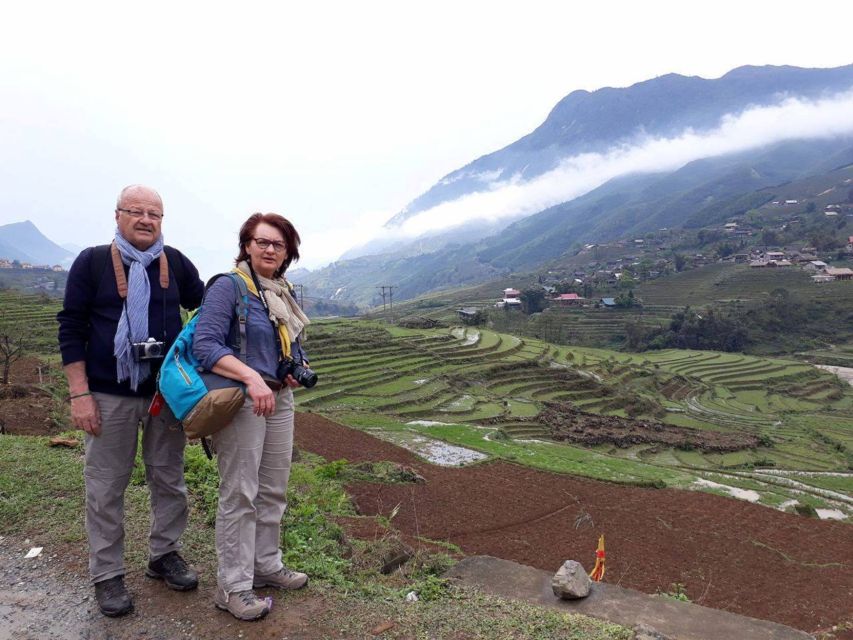
- Black Hmong start at Y Linh Ho: walk in, meet people, and understand village life firsthand
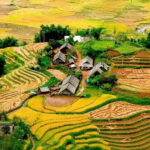
- Lao Chai terraced panoramas: some of the most dramatic rice field views in the region
- Craft stops tied to daily living: indigo dyeing, batik, and hemp weaving
- Ta Van homes and farming lessons: weaving and rice cultivation at a community scale
- Dzay tribe contrasts: you’ll notice differences in customs and costumes as you meet people
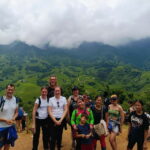
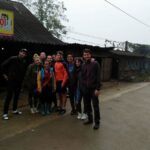
- Small group pace (up to 11): English guide plus local help when trails get muddy
Muong Hoa Valley in Six Hours: tight walking, real village time
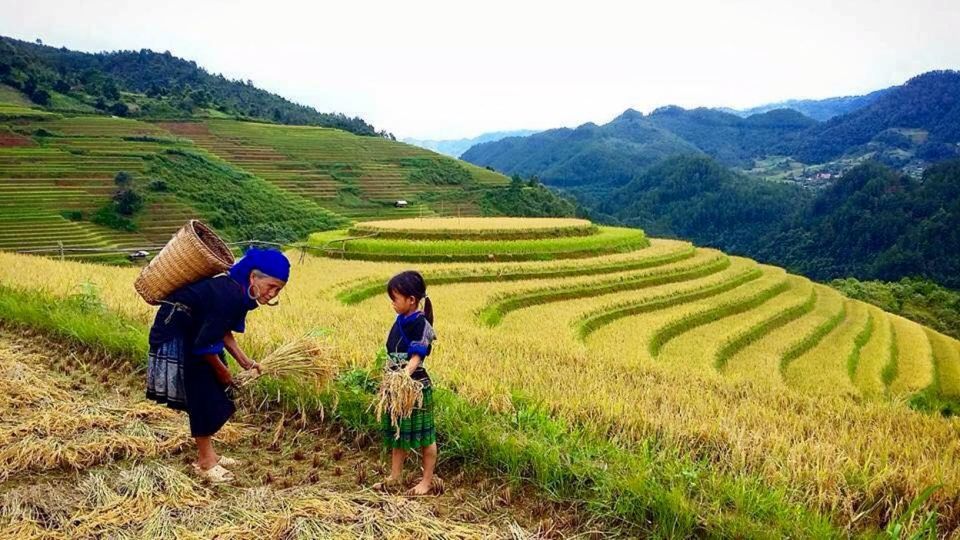
This tour is built for a common Sa Pa reality: you might have only a day (or only the morning/early afternoon) but you still want more than a quick photo stop. In about six hours, you’ll work your way from Sa Pa into the Muong Hoa Valley with constant scenery change and several village moments.
You should think of it as an active cultural walk. You’ll be on dirt paths, steps, and uneven roads at times, and you’ll likely deal with slick patches if the weather is wet. The payoff is that the day is structured around where people actually live and work, not around fenced attractions.
You can also read our reviews of more guided tours in Sa Pa

Getting from Sa Pa: bus out, bus back (and why it matters)
You get bus transportation both ways, with a drop-off back in the Sa Pa center (near the local office). Pickup is available from hotels in Sa Pa town only, so if your hotel is outside town, you may need to use the meeting point.
That bus rhythm makes the day feel efficient. You’ll spend your energy walking the valley, not staring at a map wondering how to connect transportation between villages. It also explains why the trek isn’t set up like a loop—you’ll return the way you came, by bus.
Practical note: this is a shared small-group experience (up to 11). That’s a big reason the pace feels manageable: you’re not trying to keep up with a huge crowd on narrow footpaths.
Y Linh Ho and the Black Hmong: first contact, first impressions
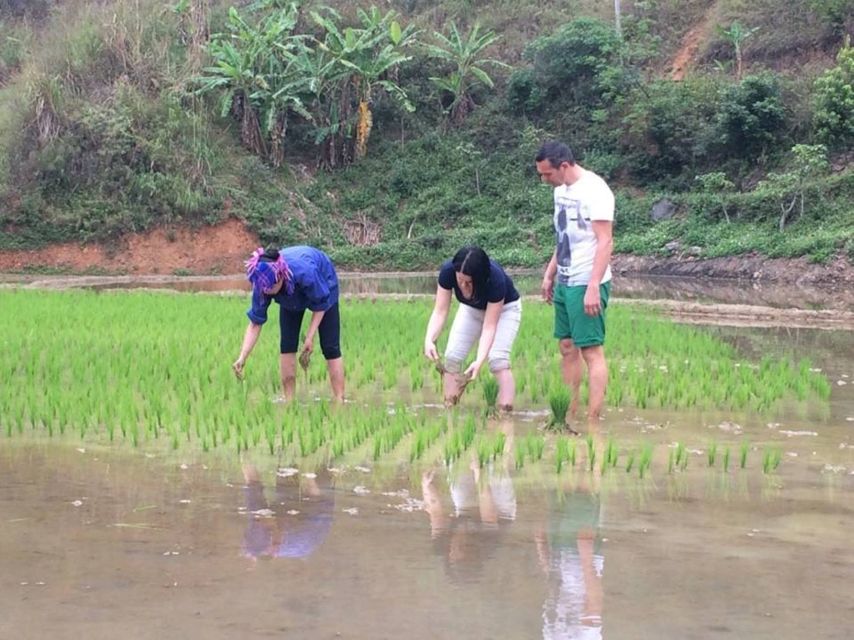
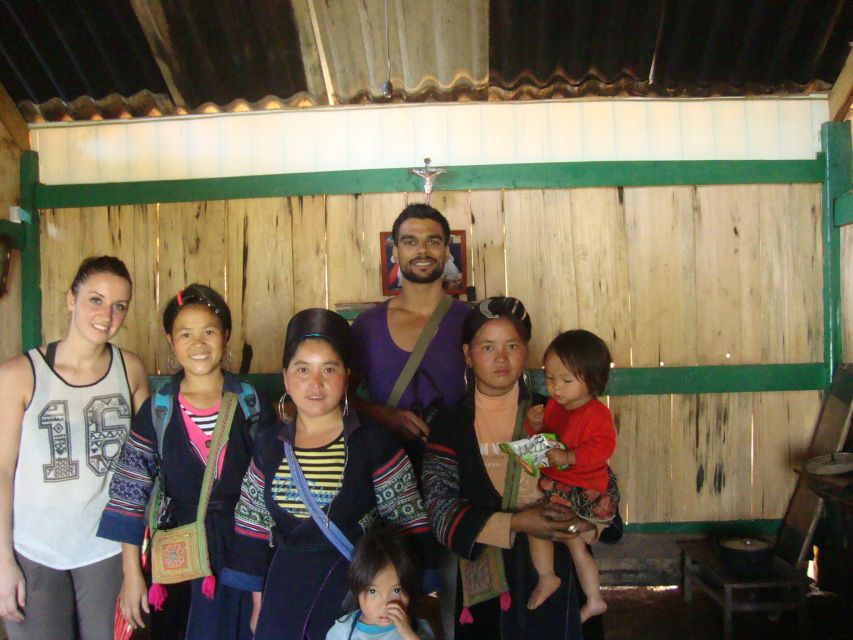
Your trek begins with a scenic short walk toward Y Linh Ho village, home to the Black Hmong community. It’s roughly a 20-minute walk along a road before you get into the village core, where you’ll interact with locals and get a sense of everyday life.
This is a good place to slow down and pay attention. You’re not just arriving for a photo. You’ll be walking into a real setting—where people live, work, and move through the village center. If you’re respectful and curious, this part of the day feels more personal than most guided village stops.
You’ll also want to remember a key rule: don’t take photos of children without permission from their parents. And don’t touch children’s heads, even if a friendly moment feels natural to you.
Lao Chai rice terraces: the big views come after you’ve started walking
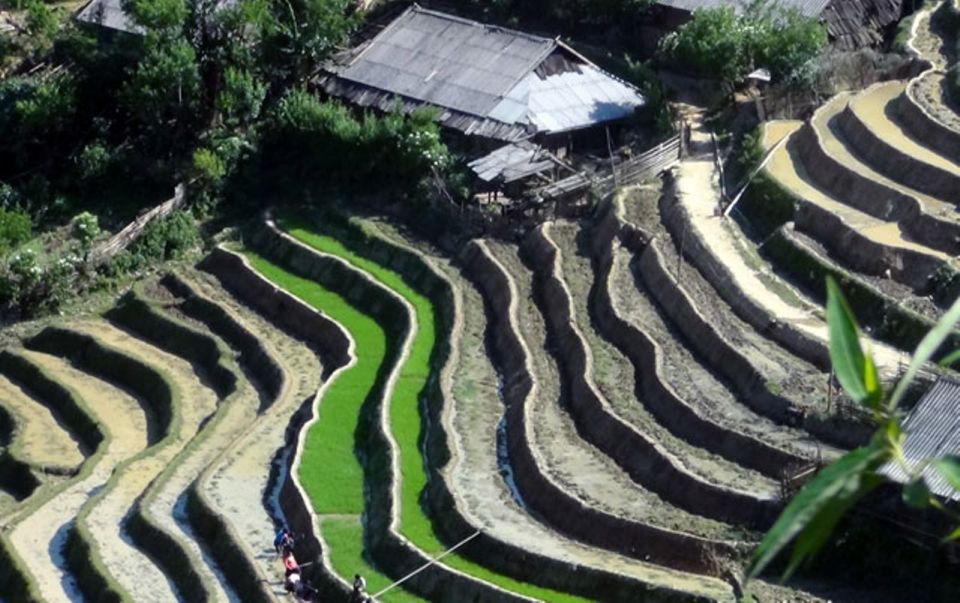
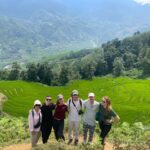
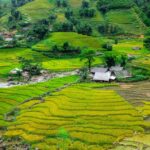
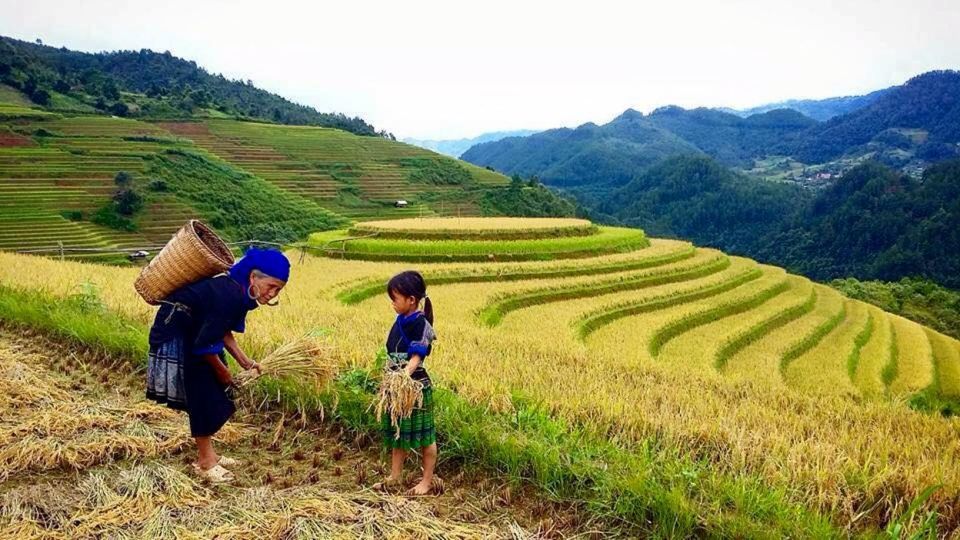
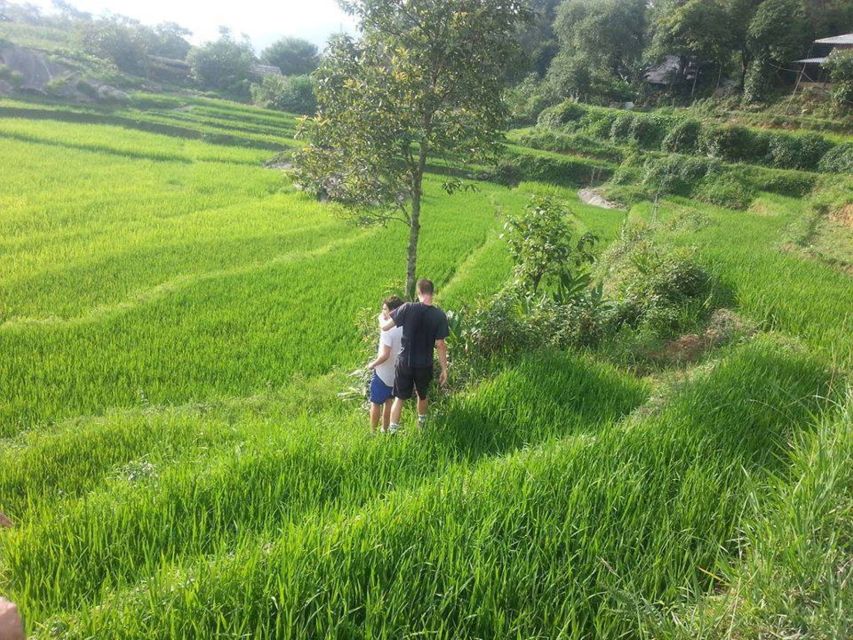
After Y Linh Ho, you continue to Lao Chai, where the real “look-at-this” moments kick in. You’ll see panoramic views over terraced rice fields—one of the reasons Sa Pa is so famous.
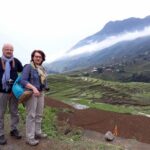
What makes this section worth your time is the angle: you’re not just looking at terraces from one spot. As you move, you get changing perspectives on the slopes and field patterns. On a clear day, that’s stunning. On a foggy morning, you still get atmosphere, and you may notice how quickly the valley’s visibility changes.
Also keep expectations realistic: if it’s rainy, terraces and footpaths can turn slippery. One of the most repeated strengths of the day is that local helpers (often local women from the surrounding communities) guide people through difficult sections so you don’t end up slipping or rushing.
Craft work in the rice-country economy: indigo, batik, hemp
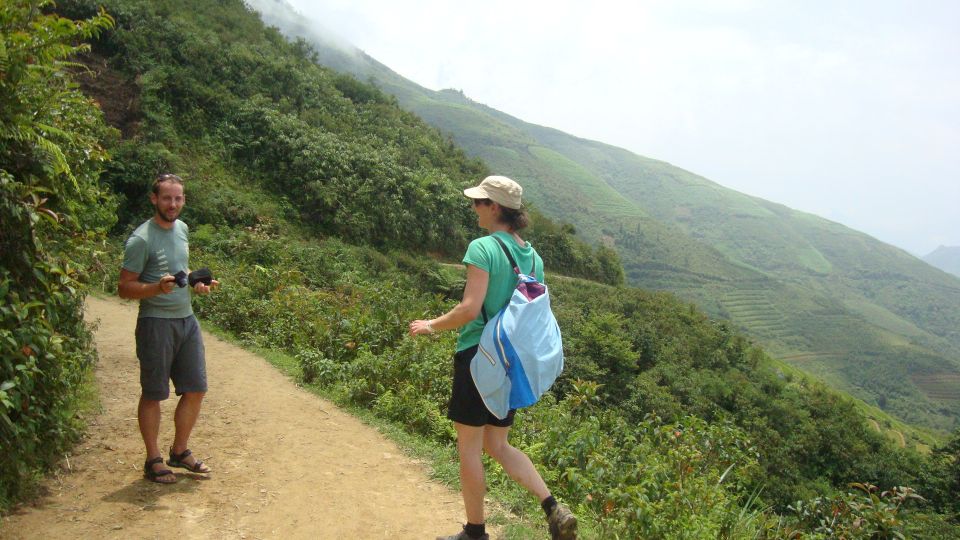
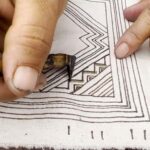
A major value-add here is that you don’t treat culture as a separate “show.” You’ll learn about the craft systems behind daily life, including indigo dyeing, batik making, and hemp weaving.
Why this matters: these aren’t random souvenirs. Indigo dyeing relates to how cloth is colored and cared for. Batik connects to patterns, labor, and technique—things that take time to learn and repeat. Hemp weaving connects to fibers and household usefulness. Even if your hands never touch the tools, you’ll come away with a clearer sense of how traditional work supports community life.
From past experiences on this trek, guides like Sàng/Sang and Sai have been singled out for English that’s easy to follow and explanations that fit your questions. Even when the wording isn’t perfect, the communication usually works—because the guide is also there to translate what you’re seeing.
You can also read our reviews of more hiking tours in Sa Pa
Lunch time: local food, local prices, and a chance to reset
Lunch happens at a local restaurant, and the important detail is this: lunch is not included in the tour price. You’re paying your own way for food and soft drinks.
This part of the day is both practical and cultural. It’s your reset button before the final village stretch. It’s also often when you’ll see the most selling—handmade items may be offered while you eat.
One balanced take: some people find lunch food great with plenty of variety, while others say it can be bland. That’s normal for simple village restaurants where menus aren’t built around Western tastes. If you’re picky, consider bringing a small snack in your daypack for emergencies.
If you do want to support the community, look for handmade goods offered at reasonable moments. Past feedback suggests the best approach is to browse calmly and decide when you’re ready—rather than feeling pushed.
Ta Van village: traditional homes, weaving, and rice cultivation
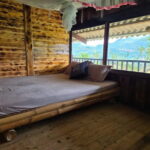
Next you head to Ta Van village, and this is where the tour shifts from “viewing culture” to “walking inside the rhythm of culture.” You’ll visit traditional local homes and learn about crafts and farming practices such as weaving and rice cultivation.
This section tends to feel slower, in a good way. By now, you’ve already walked through a couple of communities and you know the day isn’t just terraced photos. So when you hear about weaving or how rice cultivation works, it lands differently. You’re not learning theory—you’re learning in the place the work is done.
Also, this part is a good time to ask questions. If your English-speaking guide is clear (many guides on this route are praised for English), you can use the time to connect the dots between earlier craft stops and what you see around homes and fields.
Dzay tribe contrast: costumes and customs you can actually see
Toward the later part of the trek, you’ll meet members of the Dzay tribe. The key idea is contrast: you’ll notice differences in customs and costumes, which helps you understand that ethnic groups in the valley are not one-size-fits-all.
Even if you don’t understand every detail, the comparison matters. Your brain starts to sort what’s consistent (rice farming life, shared mountain challenges) versus what changes (style, practices, and local identity markers). That’s one of the reasons this trek feels more educational than a basic scenic hike.
And again, your guide will help keep things respectful and clear—especially around photography rules and how to behave in homes and community spaces.
Terrain reality check: how hard is the trek, really?
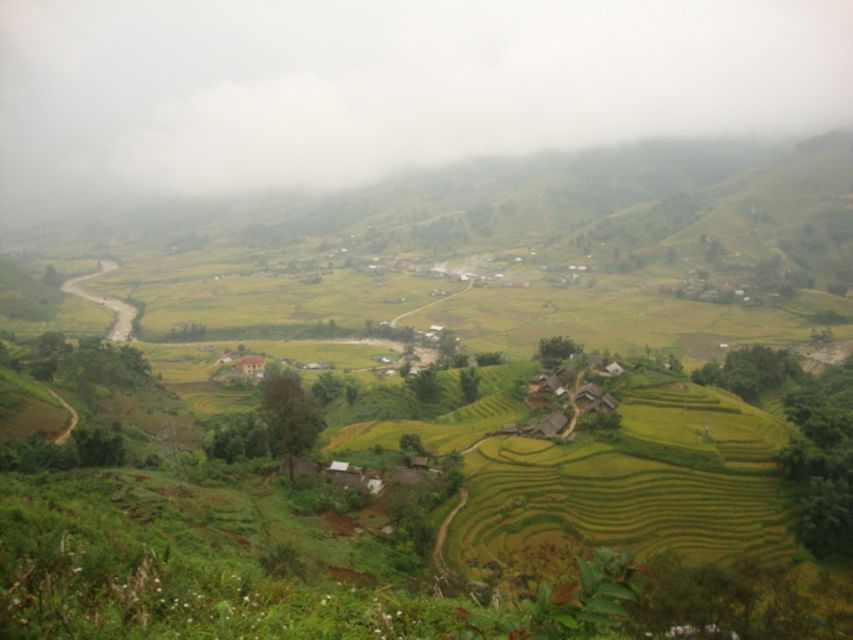
Here’s the straight talk: this experience is described as a roughly 10-kilometer trek and it can be challenging. There’s also an explicit caution for seniors and a warning that wet weather makes it more dangerous.
Based on what you’ll likely encounter:
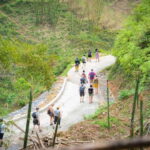
- You’ll walk downhill on slopes for a good portion of the route.
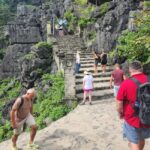
- You’ll be on uneven dirt and muddy areas, with occasional stone or concrete sections.
- In rain or after rain, trails can become slick enough that local helpers may need to physically assist you.
Heat is another factor. One common practical note is that some sections are steep, and warm conditions can make it more demanding. If you’re not comfortable on uneven ground, the extra difficulty can be more than “just a bit of hiking.”
My advice: wear real trekking shoes with grip, not just sneakers. Bring insect repellent. Add sun protection (sunglasses and sunscreen), and pack warm layers for October–March. If you’re going in cool season, be ready for morning fog—it can roll in and make footing and visibility feel different.
Price and value: why $18 can make sense
The headline price is $18 per person for about six hours, and that’s why this tour is popular: it’s a low-cost way to get transport, guidance, and access to multiple stops.
Here’s what that price typically covers:
- Bus transportation
- An English-speaking guide
- Entrance tickets to the indicated sites
- Water (one 500ml bottle per person)
What it doesn’t cover is equally important: lunch, soft drinks, and personal expenses are on you. So the real cost is usually a bit higher once you factor in meals.
Still, value is strong if you treat it like an experience, not just a hike. A cheap, self-guided walk won’t give you the craft context, the village interactions, and the local assistance on muddy sections. You’re paying for a structured day that connects places and people.
Seasonal or date-based surcharges can add cost. The data you provided includes a Lunar New Year surcharge example of $20 per person for 14–21 Feb 2025 (paid directly on the trip). It also lists a Lunar New Year surcharge example of $30 per person for 9–14 Feb 2024 (paid at the meeting point). Check your exact travel dates before you go, because the number and timing can change year to year.
Local guidance: the human part that makes or breaks the day
This trek has a strong reputation for guidance. In previous groups, guides like Sàng/Sang, Sai, Su, and Bao have been praised for clear English, attentiveness, and keeping the group moving at a safe pace.
One of my favorite practical takeaways from past experiences is the role of local helpers. On slippery descents, they help with balance and footing. That matters because a “moderate hike” can turn into a stress test if you’re trying to navigate mud alone.
If you’re the kind of person who likes to understand what you’re seeing, you’ll likely enjoy this format. A good guide doesn’t just point and explain. They help you read village life: who does what, why certain crafts exist, and how to behave respectfully.
Shopping and selling: how to support without getting cornered
This trek frequently includes times when local women and families offer handmade items—sometimes at lunch, sometimes around village interactions. Many people see it as a fair exchange: you enter their world and a chance to buy helps support the community.
But there’s a balance. Some past experiences mention feeling pressured, especially when multiple sellers are present for long periods. You can avoid awkwardness by keeping a calm approach:
- Decide ahead of time if you want to buy anything.
- If you’re browsing, take your time.
- If you don’t want to buy, be polite and move on.
Also remember: photo rules matter. Respect the boundaries around children, and selling situations will feel less stressful if you focus on behavior, not pressure.
Who should book this trek—and who shouldn’t
This is a great fit if you:
- Want rice terraces plus culture in one short day
- Enjoy walking (especially if you’re okay on uneven paths)
- Like learning about crafts such as indigo dyeing, batik, and weaving
- Want a small group experience with an English guide
It’s not the best fit if you:
- Are pregnant
- Use a wheelchair or have mobility impairments
- Have trouble with long uneven walking
- Are traveling with children under 6
- Are a senior who may struggle with wet, slippery footing and steeper segments
If you fall near the edge of fitness, consider going when conditions are drier and bring the best footwear you have. This is the kind of trip where preparation genuinely changes comfort.
Should you book the Sa Pa Muong Hoa Valley 6-hour trek?
Yes—if you want a real valley day and you’re comfortable with uneven, sometimes muddy walking. The mix of terraced views, village interaction, and craft learning gives you more than a scenic hike for your money, and the small group plus local help makes the experience feel safer and more human.
But skip it (or choose a gentler option) if wet weather and steep steps make you anxious, or if your mobility is limited. The trek can be slippery, and the day’s value depends on being able to enjoy the path, not just survive it.
If you book, go in with the right mindset: you’re walking through people’s daily world. Be respectful with photos and heads-touching rules, plan for mud and stairs, and take the time to ask questions. That’s when the day really pays off.
FAQ
How long is the Muong Hoa Valley trek from Sa Pa?
The trek runs for about 6 hours.
What’s included in the $18 per person price?
It includes bus transportation, an English-speaking guide, entrance tickets to the indicated sites, and one 500ml bottle of water per person.
Is lunch included?
Lunch is available at a local restaurant, but food is not included in the price. You’ll pay at your own expense.
Is hotel pickup included?
Pickup is included for hotels in Sa Pa town only. If your hotel is outside that area, you may need to go to the meeting point.
Are pets allowed on the tour?
No, pets are not allowed.
Is the trek suitable for children under 6 or for wheelchair users?
No. It’s not suitable for children under 6, and it’s also not suitable for wheelchair users or people with mobility impairments.