REVIEW · SA PA
SAPA : Climb up to Fansipan mountain with LOCAL GUIDE
Book on GetYourGuide →Operated by Sa pa Rice Terraces View Homestay & Bar · Bookable on GetYourGuide
Fansipan is a long day with real payoff. I love having a local Black H’mông guide like Za or Zo, and I also love the picnic lunch (plus snacks) that keeps you going. The big consideration: weather can turn the summit foggy and the trail muddy, and that affects both photos and timing.
You’ll start around 5:30 AM in Sa Pa, drive up to Tram Ton Pass (about 1,800m), then trek up and down in one go. The main climb and return typically takes about 7–9 hours of walking, with the tour finishing back in Sa Pa Town from roughly 4–6 PM.
This hike is classed as moderate to challenging, and you should be ready for stairs, rocks, and a steep descent. The good news: guides pace you to the group, and if you’re cooked at the top, you can take the cable car down on your own (not included).
In This Review
- Key highlights worth waking up for
- Why this Fansipan climb feels more real than a cable-car day
- Pickup in Sa Pa: the part that makes the day smooth
- From Tram Ton Pass to your first big uphill grind (about 6:00 AM onward)
- Cardamom and Muong Hoa Valley: where “culture stops” actually happen
- The middle of the hike: expect changes in forest, footing, and energy
- Arriving at Fansipan Peak (3,143m): what the Roof of Indochina moment feels like
- The descent plan: going down to about 2,900m, then back to Tram Ton
- The guide factor: what Za and the team do beyond pointing the way
- Price and value: what you’re really paying for at $72 per person
- What to pack and how to prepare for a 1-day summit attempt
- Who should book this one-day Fansipan climb
- Should you book this Fansipan hike with a local guide?
- FAQ
- How long is the tour from pickup to return?
- Where does the pickup happen?
- Where do we start trekking and what altitude is it?
- How high is the summit?
- Is lunch included?
- Is the cable car included in the price?
Key highlights worth waking up for
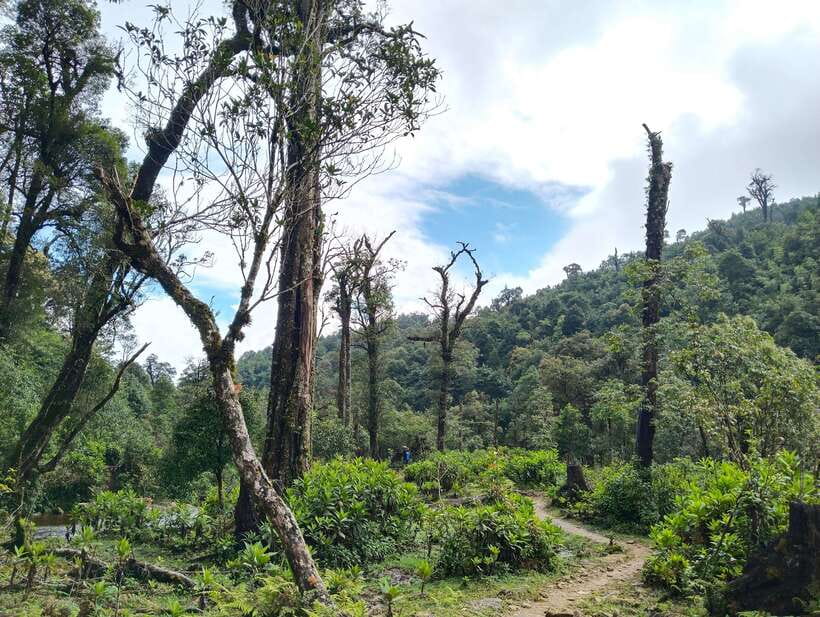
- Early departure from your hotel (pickup around 5:30 AM) so you’re not late to the mountain
- Tram Ton Pass start at ~1,800m, which makes altitude feel immediate
- Summit push to 3,143m for the Roof of Indochina moment
- Local eco-and-culture stops on the way up, including mentions of cardamom
- Guides who stay focused on safety and pace, even in bad weather and low visibility
- Summit certificate and medal to mark the effort
Why this Fansipan climb feels more real than a cable-car day
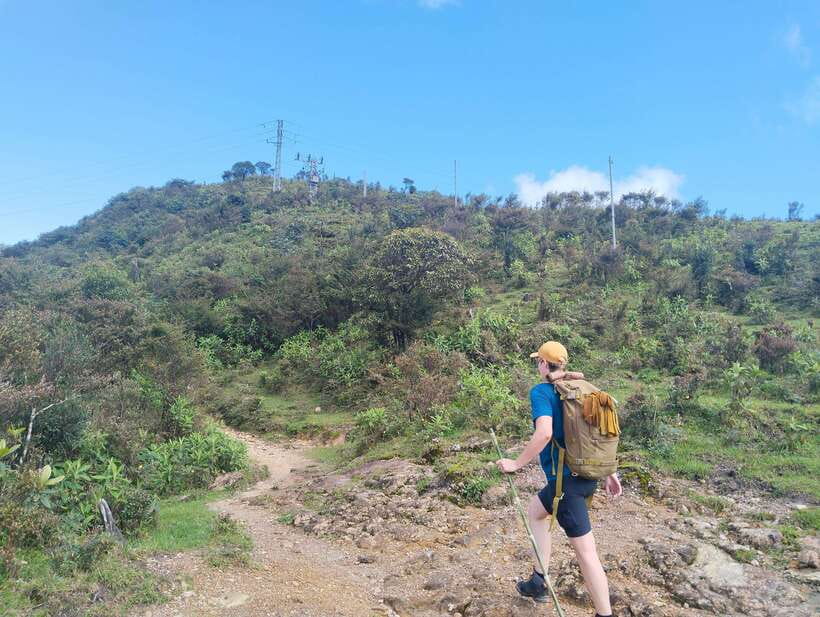
Fansipan is the highest mountain in Indochina, but the real prize here isn’t just standing at the top. It’s the full grind: changing forest types as you climb, the sense of moving through different altitude zones, and the way your guide ties the mountain to local life around Sa Pa.
A one-day trek also gives you something a ride up and down can’t: rhythm. You’ll hit repeated climbs, take short breaks, and learn how to manage your energy for the late-game scramble and the return.
And yes, the weather can be dramatic. You might reach the summit in cloud, where photos are hit-or-miss, but you still earn the experience by climbing through it. As one guide-led group noted, you can see picture chances along the hike even when the peak is socked in.
You can also read our reviews of more guided tours in Sa Pa
Pickup in Sa Pa: the part that makes the day smooth
The tour is built to start fast. You’ll meet the guide and driver at Stone Church Sa Pa or at hotels along the route from Sa Pa to Tram Ton Pass. Pickups usually run for an early start (around 5:30 AM), and you’ll travel by car or motorbike to the trailhead.
This matters more than you might think. Tram Ton Pass is high already, and every delay early on can squeeze the day. Starting in the dark also tends to make the ascent feel calmer, before the crowds thicken.
If you’re booking last-minute, guides on this route are used to adapting to timing. Some groups report the guide reaching out ahead of time and helping with what to bring, plus a practical breakfast plan before the hike.
From Tram Ton Pass to your first big uphill grind (about 6:00 AM onward)
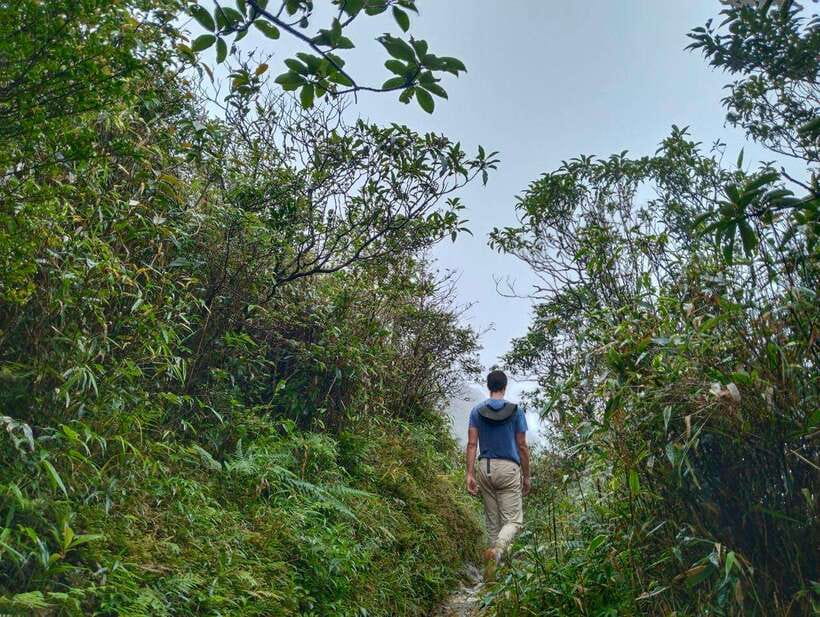
You’ll arrive at Tram Ton Pass (around 1,800m) and start walking at about 6:00 AM. The first stretch is where you feel the altitude and settle into your pacing—especially if you’re not used to steep stairs.
The path includes scrambling at points, so expect a mix of steps, uneven rock, and brief “hands-on” sections. You don’t need technical climbing skills, but you do need decent hiking shoes and steady knees. One clear theme from many guides and groups: the climb is tough, but it’s not presented as a scary cliff-hang situation. The challenge is mainly physical effort, not exposed danger.
Along the way, your local guide can point out the mountain ecosystem and changing habitats as you gain elevation. The tour information also highlights an impressive range of life tied to these altitude shifts (including references to 2,024 floral varieties and 327 faunal species). Even if you don’t memorize the numbers, it helps you notice that this is an ecological gradient, not one uniform trail.
Cardamom and Muong Hoa Valley: where “culture stops” actually happen
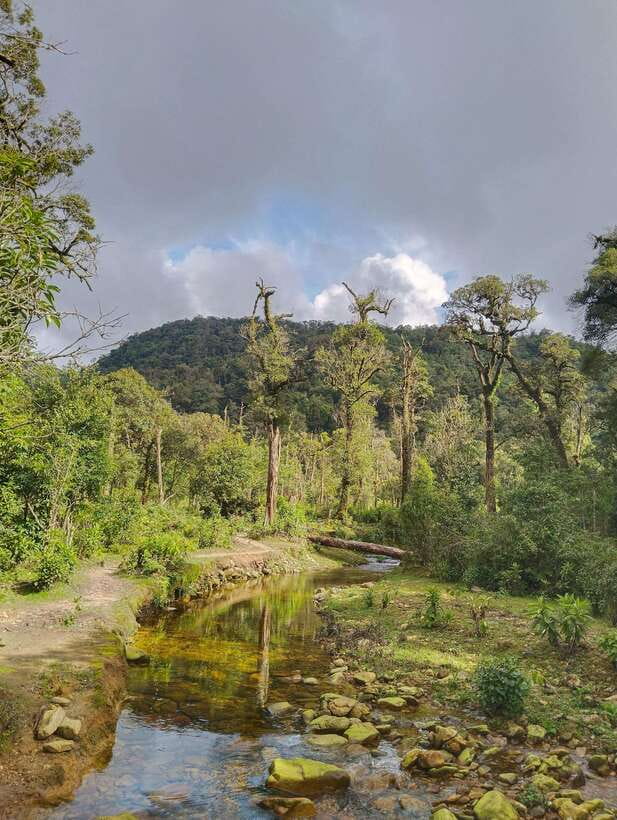
This isn’t just a straight up-and-down staircase. Your guide can break up the physical work with local context that makes the trek feel like a living place, not a workout treadmill.
Two standouts that come through in the tour details:
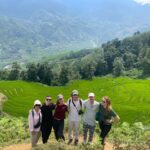
- Muong Hoa Valley views on the way, which give your legs a reason to keep moving
- Cardamom as a spice you can learn about along the route (your guide can explain how it’s tied to local food flavors)
You’ll also hear stories connected to the Black H’mông community that lives around Sa Pa and the Fansipan region. Several guide names show up again and again in this kind of experience—Za, Zo, Ke, Mai, and Khu—and the common thread is how they translate the mountain into something human: where they live, what they see, and why the mountain matters.
If you like tours that connect effort to meaning, this is the sweet spot. It’s harder to feel numb on the climb when your guide is pointing out what you’re actually walking through.
The middle of the hike: expect changes in forest, footing, and energy
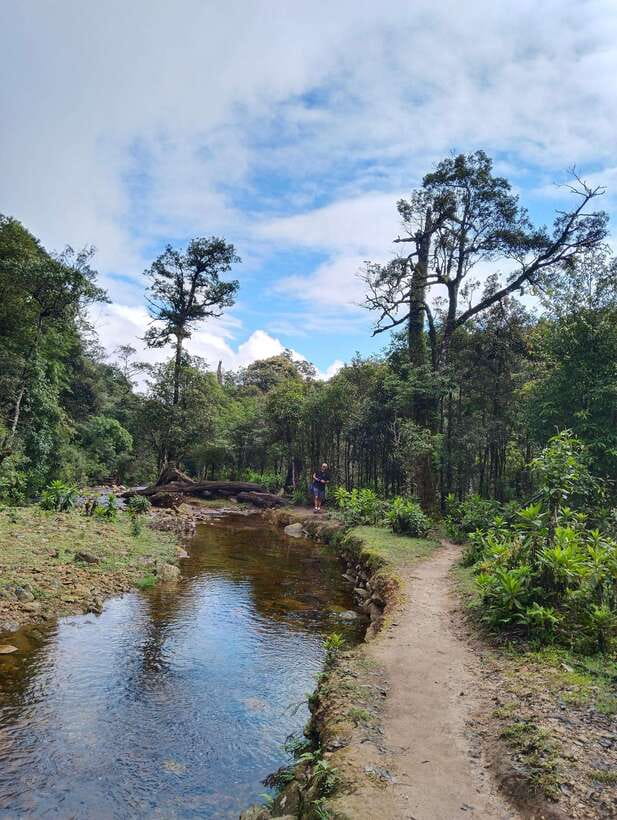
This is the “work phase” where you’ll want to manage effort, not just push. You’ll likely alternate between:
- steeper staircase sections
- rocky bits that require careful foot placement
- short pauses to regroup
Weather can shift quickly at altitude. The tour info is blunt about it: if it rains, the trail can get muddy and take longer. That can turn a 7–9 hour climb-and-descent into a longer day, and it’s why you should plan for extra fatigue.
Here’s what I’d do if you’re booking this: dress for weather you don’t control. Bring rain gear, and wear layers you can keep comfortable while sweating on the way up and then cool down on the descent.
Also, pay attention to what your guide is doing with breaks. One report mentions a snack prepared around 2,800m, which makes sense: you’re deep into the climb and your body needs fuel before the summit push and the return.

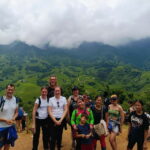
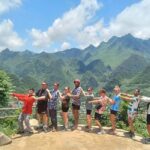
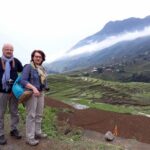
Arriving at Fansipan Peak (3,143m): what the Roof of Indochina moment feels like
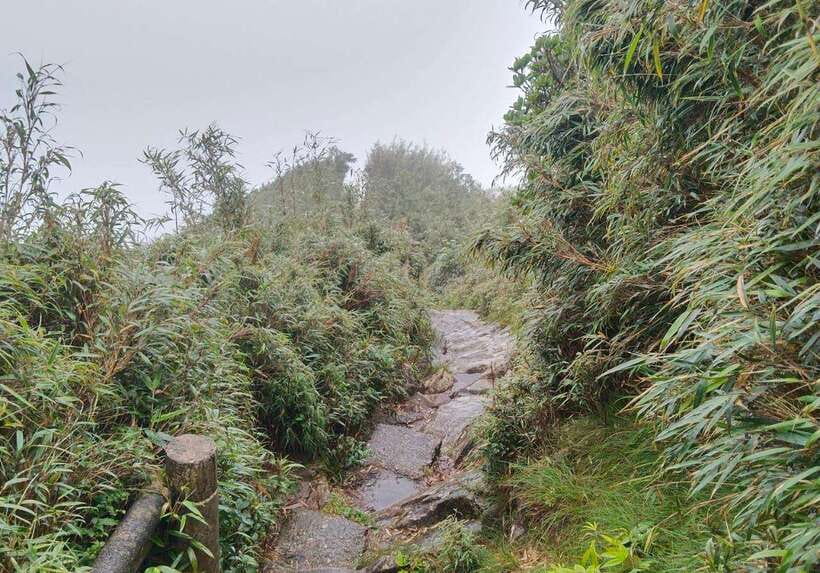
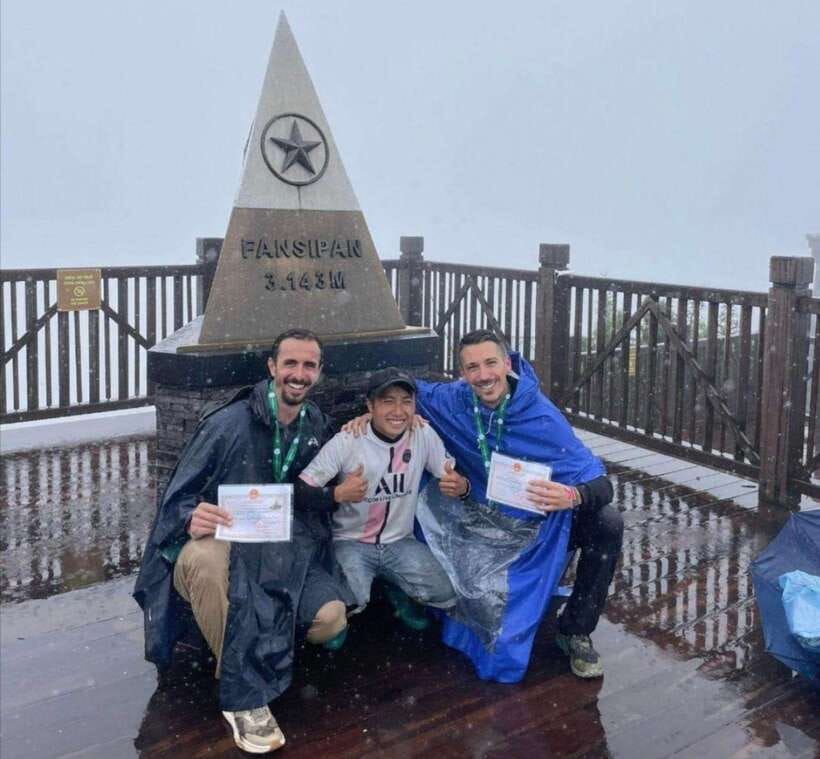
The summit is at 3,143m. In the standard rhythm described for the day, you reach Fansipan Peak around noon (then you start descending).
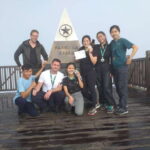
When the top is clear, you get that big “I’m really here” view moment—unique photos on the roof of Indochina, plus time to stand, breathe, and reset. When it’s foggy or clouded, you’ll still get the milestone, but visibility is limited. Several experiences highlight that you can have clouds at the top and still feel the climb was worth every step because the journey itself is the achievement.
This is also where the Fansipan climbing certificate and often a medal become part of the story. It’s a small item, but it’s a satisfying receipt for effort—especially if you’re climbing in conditions you didn’t choose.
If you’re the kind of person who stresses about weather, try to reframe the top. Your guide can’t control clouds, but they can control pace, safety, and how you move through the conditions.
The descent plan: going down to about 2,900m, then back to Tram Ton
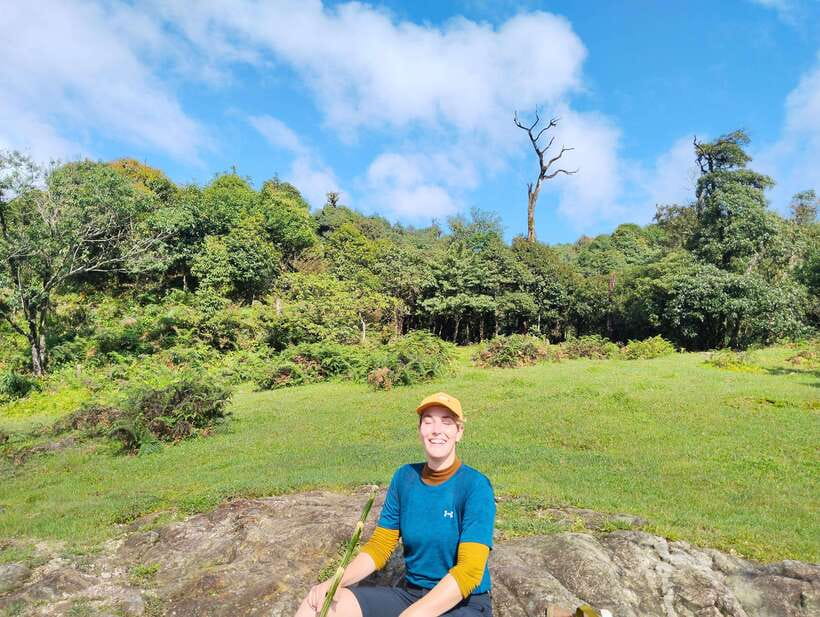
The descent starts immediately after a summit visit. In the timeline you’ll follow, you head down to around 2,900m by about 1:30 PM, then continue toward Tram Ton Pass.
This part can feel harder than the ascent for some people. Your legs may be fine climbing, then your knees complain on the way down. You’ll also be tired, and tired feet slip more easily in wet conditions.
The upside: your guide is focused on keeping you moving safely. Multiple experiences note that guides encourage you step by step and check in on how you’re doing, especially when fog and rain hit.
Once you reach Tram Ton Pass, you’ll meet the driver and transfer back to Sapa Town. Arrival is typically 4 PM to 6 PM, which is late enough that you’ll likely want a low-key dinner afterward.
The guide factor: what Za and the team do beyond pointing the way
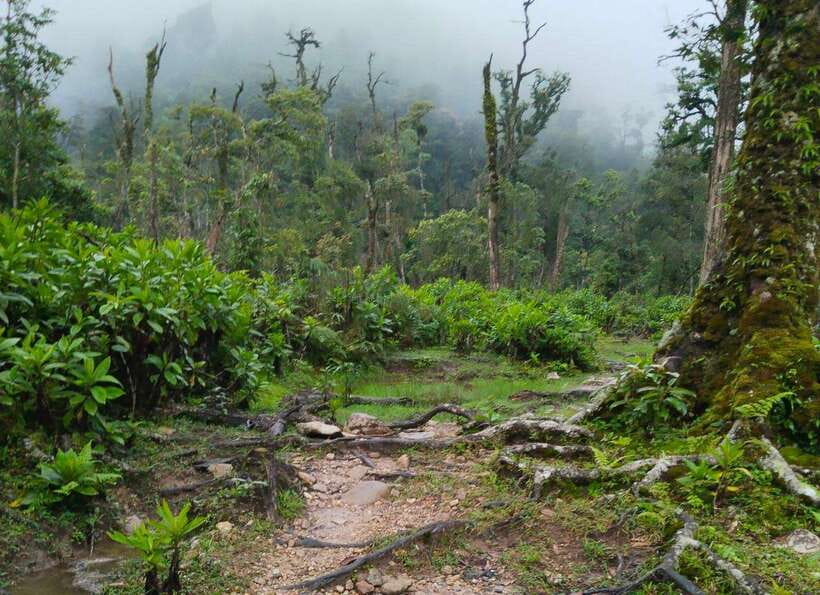
A good mountain guide is more than route knowledge. In this trek, the guide’s job is pacing, safety, and keeping your day from falling apart when conditions change.
Names like Za, Zo, Ke, Mai, and Khu show up because each experience is guide-led and English-speaking. What sticks with people is how the guides:
- adjust the pace to the group
- keep safety front and center in fog or wet weather
- provide food breaks, often with coffee/tea or extra snack stops
- explain cultural details tied to the local communities
One experience also highlighted that the group was arranged based on physical fitness beforehand, which helps avoid that awkward situation where the fast walkers sprint while others suffer. If you care about a comfortable group pace, this structure matters.
You’ll also want a guide who can take photos without making you stop too long. A few groups mention getting help with picture spots along the route. It’s a simple service, but it saves time and keeps you from feeling like you’re dragging yourself just to capture a shot.
Price and value: what you’re really paying for at $72 per person
At $72 per person, the cost isn’t just the view. This price bundles a lot of practical things that are expensive or time-consuming to organize yourself:
- English live guide
- entrance fee
- transportation between Sapa and Tram Ton Pass and back
- picnic lunch
- water (1.5 liters) and gloves
- a Fansipan climbing certificate
- a porter if you’re in a group of 4+
Not included: personal travel insurance and the optional cable car down from the top. If you choose cable car because you’re exhausted, you’ll need to pay separately, and some experiences mention around 800,000 VND per person for that ticket, typically requiring cash.
So is it worth it? For most people, yes—because you’re paying for a one-day system that includes logistics, permits/entry handling, food, and the guide you need to climb it in one day. The mountain rewards effort, and this tour removes most of the friction that could turn a great idea into a messy day.
What to pack and how to prepare for a 1-day summit attempt
The tour gives you gloves and water, but you still need to show up ready for real hiking.
Bring:
- comfortable shoes / hiking shoes
- rain gear
- long-sleeved shirt and t-shirt (layering helps)
- closed-toe shoes (no sandals)
Practical prep tips:
- If you run hot on stairs, wear breathable layers you can manage during the climb.
- If you’re prone to sore knees, slow down early so your descent isn’t a panic march.
- Check the weather reality on arrival, because the mountain can change conditions fast.
Fitness-wise, you should assume it’s moderate to challenging. The tour info also flags that you should be in good physical condition to do it in one day.
Age limits are clear: it’s not suitable for children under 15 and not suitable for people over 70.
Who should book this one-day Fansipan climb
Book it if you:
- want the full Fansipan experience in one day (not just a ride)
- enjoy a guide who mixes route work with local culture
- can handle long uphill walking and a steep descent
- want a clear “finish line” with certificate and medal
Skip it (or seriously consider a different plan) if you:
- hate long days at altitude
- can’t manage muddy, slippery conditions if rain hits
- need easy physical pacing with minimal scrambling
If you’re nervous about heights, you’ll likely still be okay. More than one experience emphasizes that the hike doesn’t present the kind of exposed cliff fear some people expect. Still, you’re working with stairs and rocks, so bring the right mindset: careful steps, not bravado.
Should you book this Fansipan hike with a local guide?
I’d book it if you’re the type of traveler who wants effort to turn into meaning—guided pacing, local stories, a real summit goal, and a lunch stop that keeps the day from turning into pure suffering.
It’s also a strong value if you don’t want to puzzle out permits, transport timing, and a safe route yourself. And if the weather turns gloomy at the top, don’t cancel your spirit; the hike still delivers because the climb itself is the point, even when the summit view is muted.
If you can manage the physical demands and you pack for rain, this is one of the most satisfying ways to spend a day in Sa Pa.
FAQ
How long is the tour from pickup to return?
The tour runs about 8 hours total. The challenging ascent and descent take roughly 7–9 hours, and you’ll usually be back in Sapa Town from about 4 PM to 6 PM.
Where does the pickup happen?
The car and guide pick you up at Stone Church Sa Pa or at hotels located along the route from Sa Pa to Tram Ton Pass.
Where do we start trekking and what altitude is it?
Trekking begins at Tram Ton Pass, around 1,800m above sea level.
How high is the summit?
The tour reaches Fansipan Peak at 3,143m, then you descend back toward Tram Ton Pass.
Is lunch included?
Yes. You get a picnic lunch, along with water (1.5 liters). Some guides also bring extra snacks during the hike.
Is the cable car included in the price?
No. Cable car is optional and not included. If you are too tired on the way back, you can take the cable car down, but you’d need to arrange and pay for it yourself.